REVIEW · SA PA
Sapa: Muong Hoa Valley View & Villages Trek with Local Guide
Book on GetYourGuide →Operated by ASu Sa Pa Trekking Tour · Bookable on GetYourGuide
A good trek in Sapa beats a bus tour fast. This one links Fansipan viewpoints with Muong Hoa rice terraces and Black Hmong villages on foot. You’ll be out for a full day, with a local guide who talks as you walk.
What I like most is the way Su sets the pace. He’s English-speaking, attentive, and adjusts when the weather and the group slow things down. Second, I love the lunch: you’re eating with a local family at a simple spot that feels part of daily life, not a staged restaurant.
The main drawback is physical. This trek can be medium-hard, and if it rains the downhills get slippery, especially on narrow paths. If you have balance concerns or back/foot problems, think hard before booking.
In This Review
- Key highlights you can count on
- Meeting at Sapa’s main church and getting your bearings
- The first uphill stretch: Sa Seng Mountain viewpoints and Fansipan
- Muong Hoa Valley rice terraces: the walk that makes the view meaningful
- Hang Da and the Black Hmong story on foot
- Lunch at a local family spot: warm food after real walking
- Hau Thao and Muong Hoa villages: everyday life, fields, and timing
- When rain makes the trek harder: how to stay safe on narrow paths
- Animals, photos, and the real-world village moments
- What you get for the price (and why $19 can be fair)
- Who this trek suits best
- Practical packing for a 14–16 km day in Sapa
- Final verdict: should you book this Muong Hoa trek?
- FAQ
- What’s the meeting point for the trek?
- How long is the trek?
- Is lunch included?
- What languages does the guide speak?
- Is an entrance fee to villages included?
- Does the tour include transport back to Sapa?
- What’s included in the water?
- What should I bring?
- What’s the difficulty level?
- Who should not book this tour?
- What is the cancellation policy?
Key highlights you can count on
- Su’s guiding style and pace make the day feel safe and manageable even when conditions change
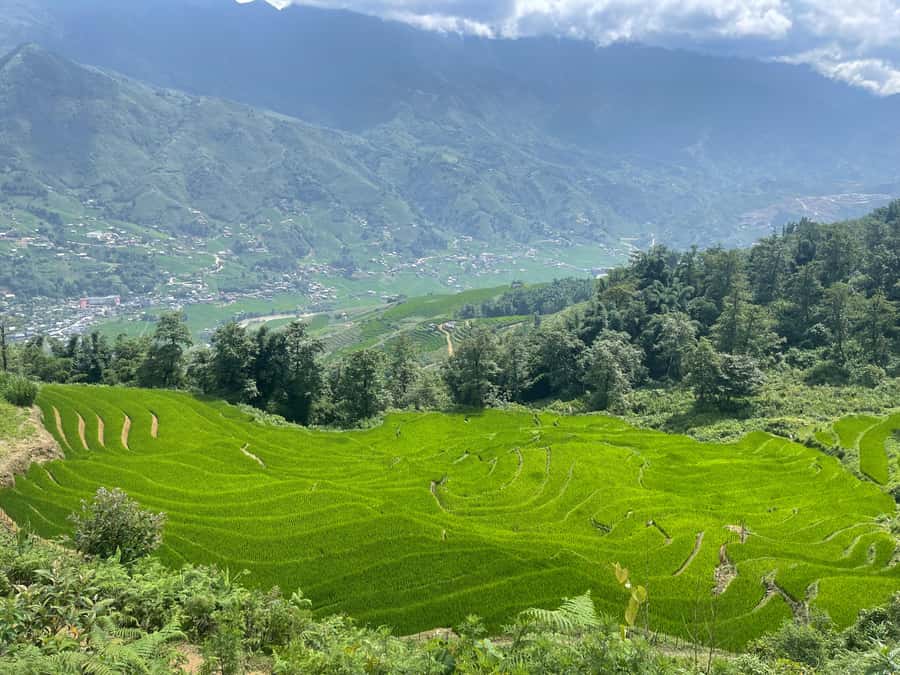
- Muong Hoa rice terraces give you big, famous views without rushing
- Black Hmong villages of Hang Da and Hau Thao show everyday life up close
- A family-run lunch keeps the meal authentic and practical after hours of walking
- Animals along the route can include buffalo, cows, and pigs
- One short but steep push uphill sets up the best sightline over Sapa and Fansipan
Meeting at Sapa’s main church and getting your bearings
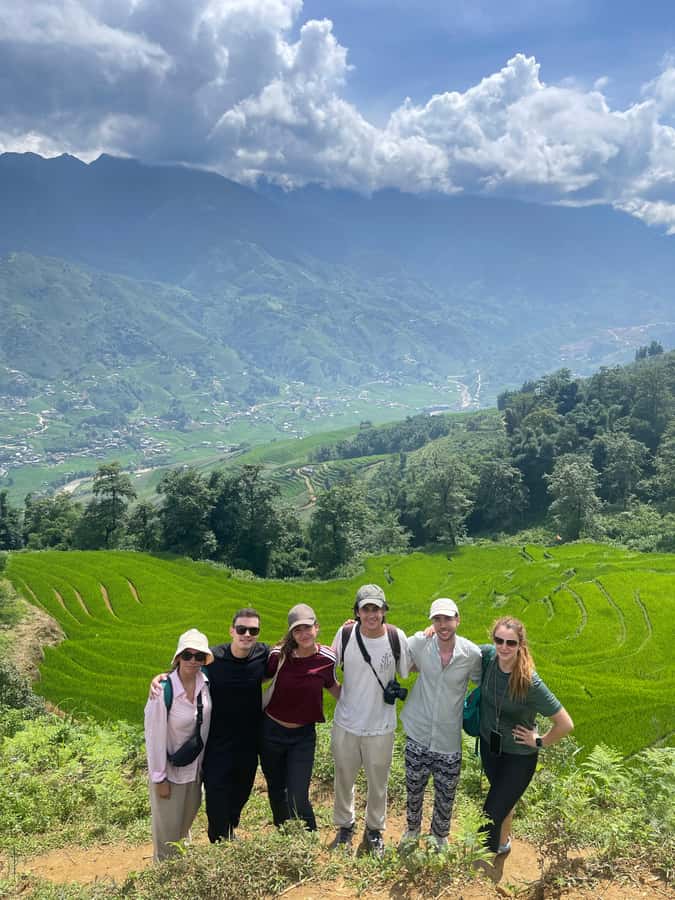
The tour starts in Sapa in front of the main church. You’ll meet your guide there and get a quick introduction before you head out, so you don’t waste time guessing where to go.
One small detail that matters: the guide will message you in advance, and you’re asked to leave your WhatsApp number so they can confirm details and share updates. In Sapa, weather can change quickly, and those updates help you show up prepared.
The day ends back at the meeting point around mid-afternoon. That timing is useful because you still have daylight to walk around Sapa town after you’re done.
You can also read our reviews of more guided tours in Sa Pa
The first uphill stretch: Sa Seng Mountain viewpoints and Fansipan
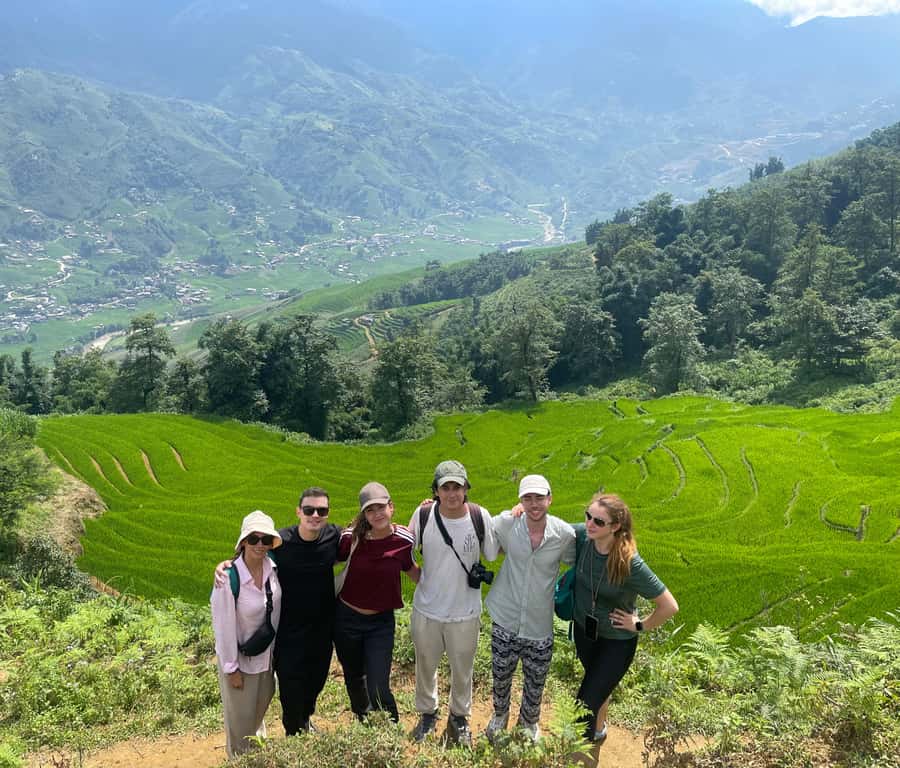
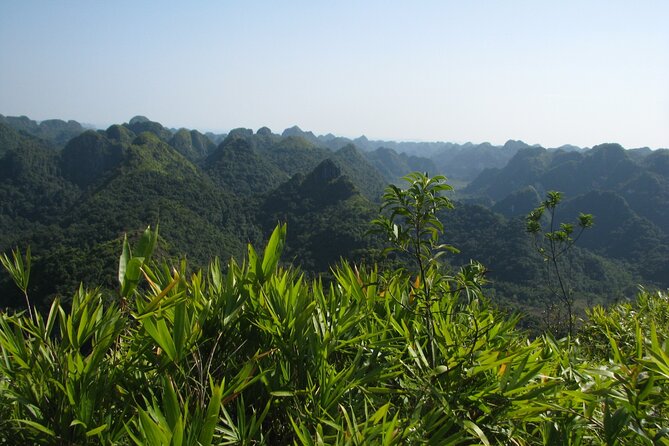
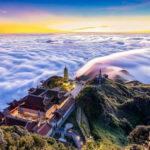
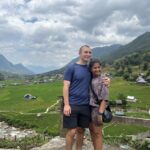
Right away, the trek includes a climb of about 2.5 kilometers uphill on a small trail. It’s not just for exercise. It’s how you earn your first big payoff: a viewpoint where you can see Fansipan, plus a wide view over Sapa town.
Even if the mountain view is partly clouded, the high-ground perspective is still the kind of moment that makes a morning trek feel worth it. Bring your camera here, but also slow down long enough to look without it. On clear days, Fansipan is the centerpiece; on misty days, you still get layers of valley and ridge.
Your guide helps set expectations at this point—where you’ll go next and what you’re looking at—so the walk starts feeling like a guided story instead of just moving from stop to stop.
Muong Hoa Valley rice terraces: the walk that makes the view meaningful
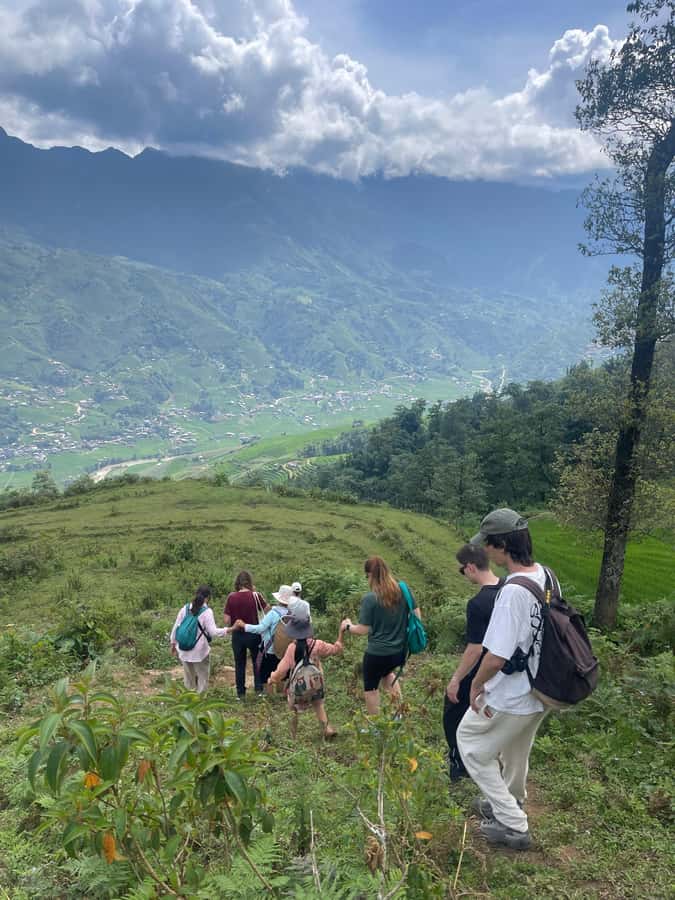
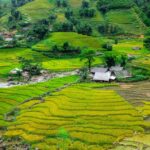
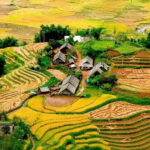
After the first viewpoints, you move toward the famous rice terrace country in the Muong Hoa Valley. This isn’t just “pretty scenery.” Rice terraces are working farmland, shaped to manage water, slope, and farming life.
You’ll see some of the most significant terrace fields in Vietnam from the hillside path and valley angles. The route is designed so you’re not staring at terraces from one single spot for hours. You get viewpoints that change as you move, which makes the landscape feel bigger and more real.
If it’s wet or muddy, the terraces area can feel slick and demanding. This is where comfortable, grippy shoes matter more than fancy footwear. In rain, the trail can get really slippery on the way down, and that’s exactly when your guide’s pacing becomes more important.
Hang Da and the Black Hmong story on foot
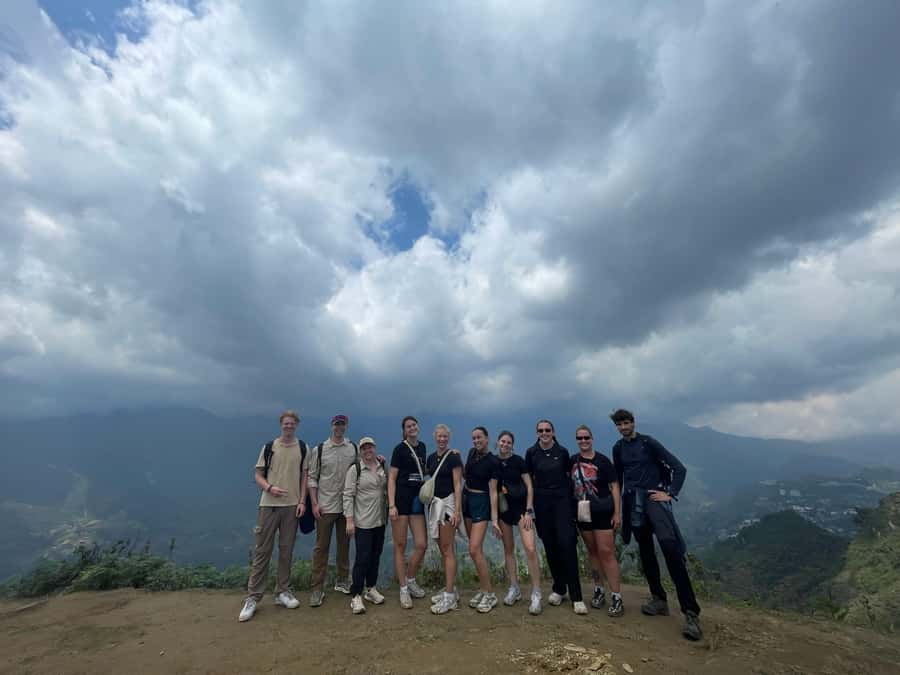
One of the best parts of this tour is how it blends views with village life. After the terrace section, you head down toward Hang Da, a village of the Black Hmong minority.
On the way, you’ll notice animals around the fields and paths—buffalos, cows, and pigs can be part of what you see. That’s a reminder that you’re walking through an active rural setting, not a theme park.
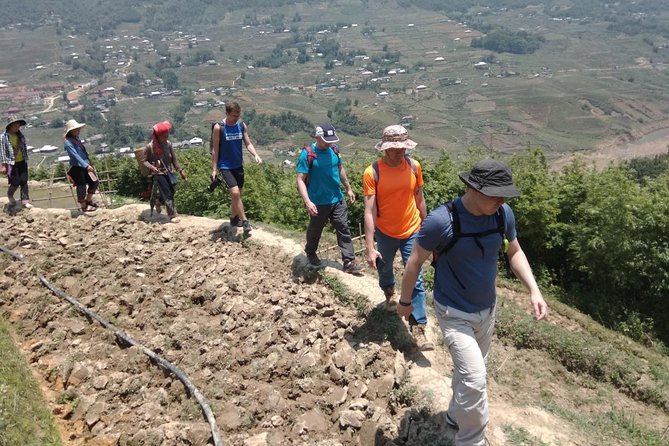
At this stage, listen to what your guide explains. Su focuses on culture and traditions of the Black Hmong people, and he also gives context about how locals live in the area. That kind of explanation helps you understand what you’re seeing: who works where, why the land is farmed a certain way, and how villages sit inside the valley terrain.
A practical note: paths around villages can be uneven. Take shorter steps in the wet if you want stable footing without rushing.
Lunch at a local family spot: warm food after real walking
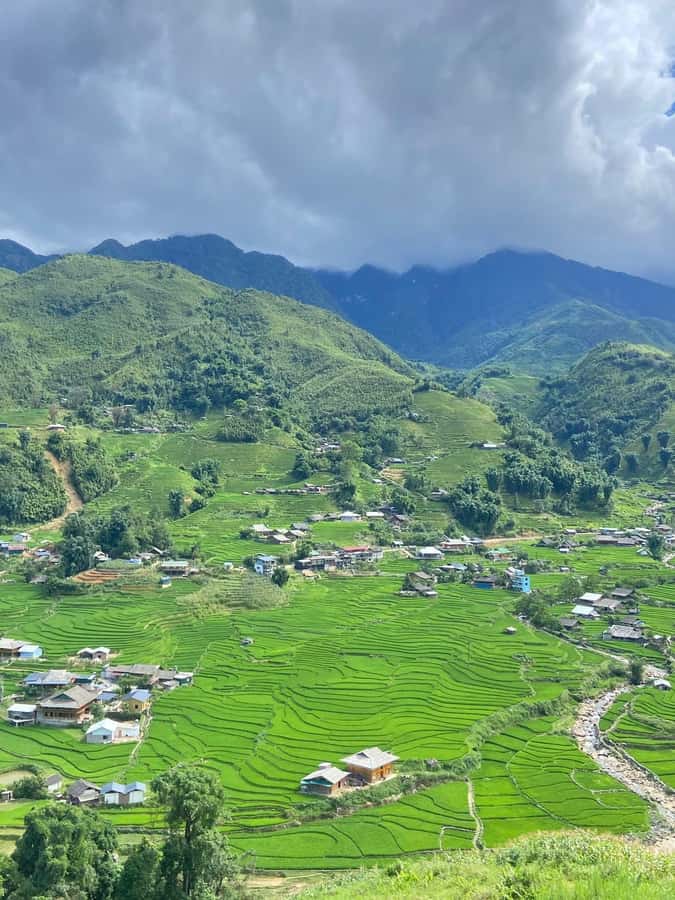
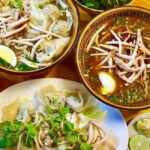
Lunch is served at a small local restaurant run by a family. It’s a welcome reset after your first big trekking push and the time out in the valley.
I like that lunch is integrated into the day, not tacked on as an afterthought. You’re fueled, your guide can check in with the group, and then you continue toward the next village areas without losing momentum.
What to do during lunch: slow down and enjoy it like a local meal. You’ll get a chance to chat with your guide, and it can be a good time to ask questions about day-to-day life, farming routines, or what you’ve already seen on the trail.
Also, remember this is the kind of trip where you’ll likely be tired in the best way. If you packed snacks, you can eat them between stops, but don’t skip lunch expecting it to be light.
You can also read our reviews of more hiking tours in Sa Pa
Hau Thao and Muong Hoa villages: everyday life, fields, and timing
After lunch, the trek continues down on smaller roads toward Hau Thao and then Muong Hoa village—also part of the Black Hmong community. This section is about daily life more than peak photo angles.
You might see people working in the fields—harvesting or planting rice—depending on timing and the season. That’s the moment when the terraces stop being just an impressive visual and start feeling like a livelihood you walked through.
The tour also includes a cultural look at village routines. Even if you can’t speak the local languages, your guide can connect what you see to the bigger picture: how communities use the valley, how farms are maintained on slopes, and how people live with the mountains around them.
When rain makes the trek harder: how to stay safe on narrow paths
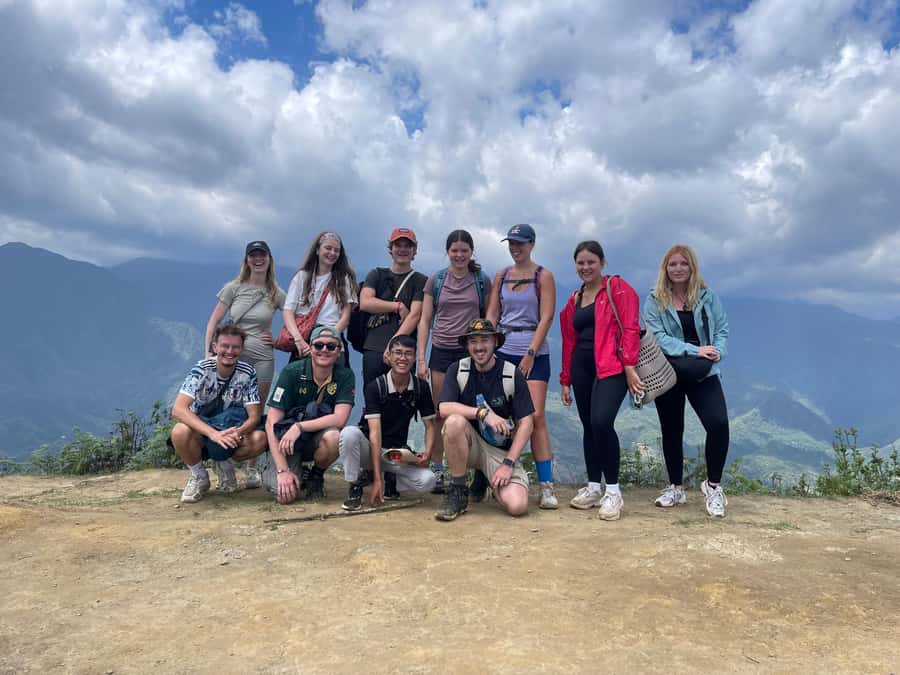
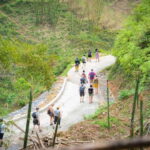
This trek is about 14 to 16 kilometers long and can be challenging, especially in wet weather. The uphill is only part of it. The downhill paths can be the risky part because they can get slippery.
Su tends to adapt to the pace of the whole group and climate conditions. That’s a big deal because in rain, the best plan is slow, careful steps—not trying to power through. If your shoes don’t grip, you’ll feel it fast.
My advice:
- Wear shoes with traction you trust.
- Plan to walk slower than you think you need to.
- Bring a hat and sunscreen since cloud cover can still mean strong sun on exposed ridges.
And yes, this is a trek, not a gentle stroll. If you’re prone to slipping, have knee issues, or you don’t feel steady on uneven ground, reconsider.
Animals, photos, and the real-world village moments
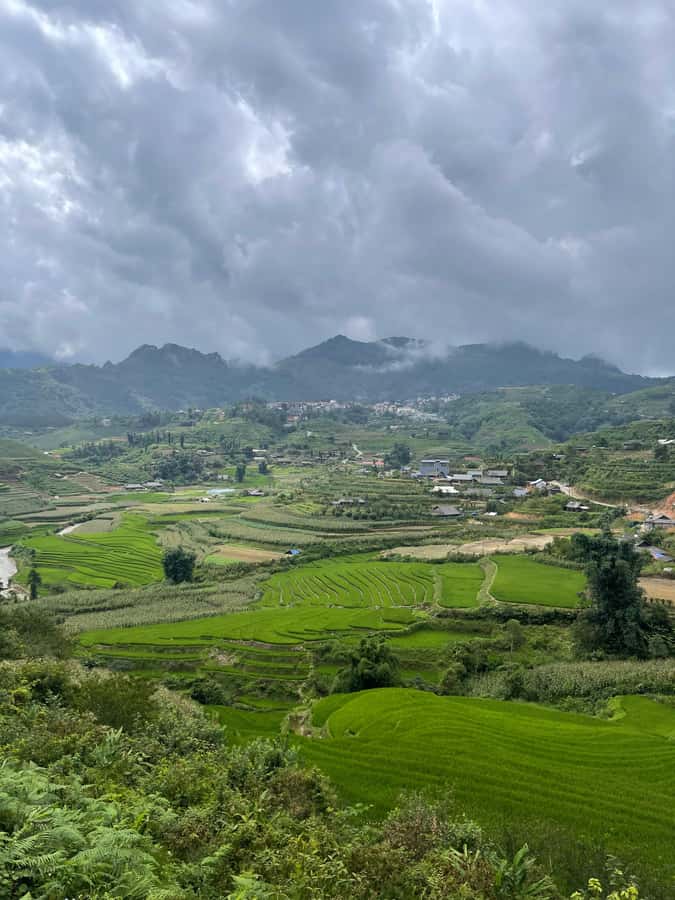
You can expect to see animals along the route such as buffalo, cows, and pigs. That adds texture to your photos, but it’s also a cue to stay respectful—keep distance and don’t crowd people’s farm space.
Your camera is useful at viewpoints and terrace angles, but don’t treat the whole day like a photo shoot. Some of the most memorable parts are the quiet glances at field work and village routines.
Also, be prepared for everyday selling behavior that can pop up along the way. One traveler noted that after lunch, a little girl and a woman accompanied them back trying to sell items. That isn’t the core of the tour, but it can happen in the flow of the day. If you want to act ethically, follow a simple rule: avoid giving cash to children. It can worsen child-labor pressures and encourages the situation to continue.
What you get for the price (and why $19 can be fair)
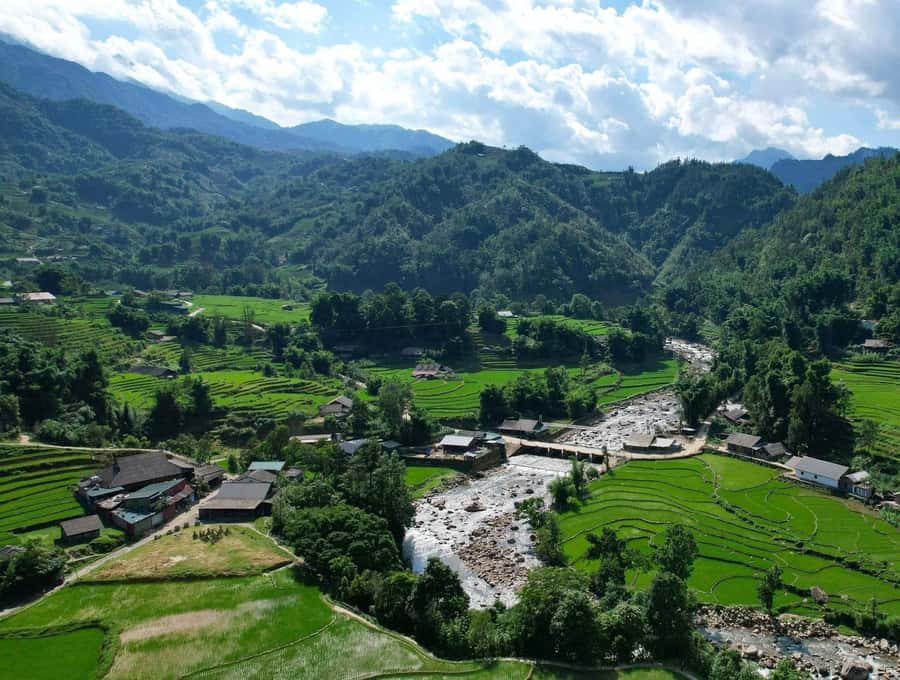
The price is listed at about $19 per person, and that’s where value depends on what’s included. You’re not just paying for a walk. You get:
- An English-speaking guide
- Lunch at a local family-run spot
- Entrance fees to the villages
- Transport back to Sapa after the tour ends
- A 500ml water bottle per person
When a trek includes guide time, village access, and lunch, the cost makes sense for a full-day experience. It’s also a strong option if you’d otherwise have to pay separately for a guide, paid village entry, and a meal.
That said, this is still a medium-hard hike. If you’re not physically ready, no deal is a deal. Your best value comes from matching the route to your stamina.
Who this trek suits best
This tour works best if you:
- Like walking long distances and don’t mind hills
- Want culture explained by a real local guide, not just a soundtrack of facts
- Enjoy rice terraces and valley viewpoints with context
- Prefer smaller, human-paced experiences over rushed sightseeing
Based on the tour’s limits, it’s not suitable for:
- Pregnant women
- People with back problems
- People with mobility impairments
- People afraid of heights
- People with a cold
- People with altitude sickness
If any of those apply, skip this trek and look for gentler options that match your health needs.
Practical packing for a 14–16 km day in Sapa
You’ll feel more comfortable if you show up prepared. The basics that matter most here:
- Comfortable walking shoes (grippy for rain)
- Hat
- Sunscreen
- Camera
- Snacks
- Water
One water bottle is included (500ml per person), but I still like bringing a little extra if you’re someone who drinks often. Snacks can also rescue you if lunch timing feels far away.
Keep the day clean and respectful. Smoking is not allowed, plastic bottles are not allowed, and littering isn’t.
Final verdict: should you book this Muong Hoa trek?
Book it if you want a full-day Sapa experience with real village context and strong views. I’d especially lean toward it because of Su’s guidance style—he communicates well in English, keeps people safe, and adjusts pace when conditions turn slippery.
Skip it if you’re looking for an easy, flat hike, or if rain would scare you off. This route can be medium-hard, and the downhill in wet weather is no joke.
If you’re ready for a challenging walking day and you want Fansipan and rice terraces with culture attached, this is a solid choice.
FAQ
What’s the meeting point for the trek?
You meet your guide in front of Sapa’s main church. The guide will message you before the tour with details.
How long is the trek?
It’s listed as about 14 to 16 kilometers long, with a longer day out on foot ending around 3:30 PM.
Is lunch included?
Yes. You get lunch at a local restaurant run by a family.
What languages does the guide speak?
The tour is offered with English and Vietnamese.
Is an entrance fee to villages included?
Yes. Village entrance fees are included in the tour.
Does the tour include transport back to Sapa?
Yes. After the end in the village area, you’re transported back to Sapa, and the tour ends back at the meeting point.
What’s included in the water?
A 500ml water bottle per person is included.
What should I bring?
Bring comfortable shoes, a hat, camera, snacks, sunscreen, and water.
What’s the difficulty level?
It’s described as medium-hard and can be challenging, particularly in wet weather when paths may be slippery.
Who should not book this tour?
It’s not suitable for pregnant women, people with back problems, people with mobility impairments, people afraid of heights, people with a cold, or people with altitude sickness.
What is the cancellation policy?
You can cancel up to 24 hours in advance for a full refund.