REVIEW · HANOI
From Hanoi: Sapa Tour w Fansipan Peak 3 days 2 nights
Book on GetYourGuide →Operated by DragonflyCruise.com · Bookable on GetYourGuide
Fansipan in three days sounds doable. I like the small group feel and the steady, guided immersion in Sapa life. I also like that you get the Cat Cat and other tribe villages without having to plan the route yourself. The one thing to watch is the walking: Day 2 includes a long 17 km trek.
You’ll start with an early Hanoi pickup, ride to Sapa through mountain scenery, then spend two nights in town with included meals and a comfortable setup. Your best bet is to come with solid hiking shoes and warm layers, because the north gets chilly even when the sun is out.
In This Review
- Key Highlights You’ll Actually Feel on the Ground
- Why This Sapa–Fansipan Route Fits So Well
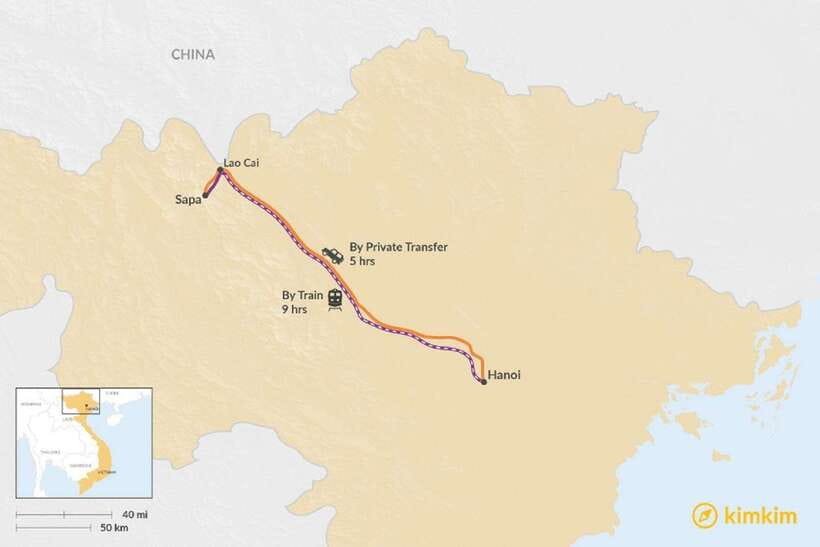
- From Hanoi to Sapa: The Ride, the Break, and the Timing
- Day 1: Sapa Town Color, Lunch, and a Cat Cat Village Trek
- Day 2’s 17 km Trek: Lao Chai, Ta Van, Giang Ta Chai
- Meeting the Right Guide: Why Chang’s Touch Matters
- Day 3: Sapa Morning Freedom and the Fansipan Peak Choice
- Hotel, Pool, and Meals: What the Included Stuff Really Buys You
- Price and Value: Is $161 Reasonable for This Three-Day Mix?
- What to Pack (So Your Trip Doesn’t Feel Miserable)
- Who Should Book This Sapa–Fansipan Tour
- Should You Book It?
- FAQ
- How long is the tour, and how many nights do I stay in Sapa?
- Is Fansipan cable car included in the price?
- How much trekking is on Day 2?
- Will I have a guide with me on the third day?
- What meals are included?
- Where is pickup in Hanoi, and what if I’m staying outside Hanoi?
- What should I bring for the trip?
Key Highlights You’ll Actually Feel on the Ground
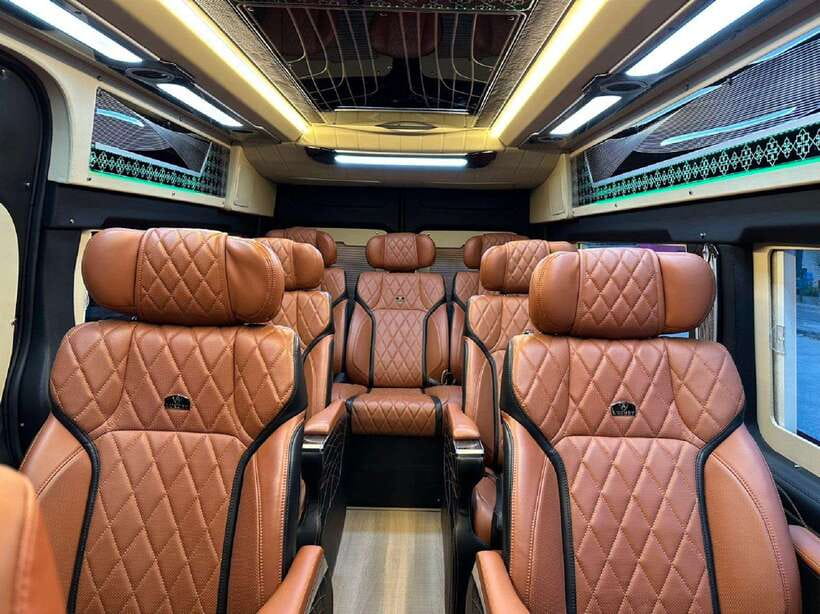
- Hanoi hotel pickup and return on a luxury bus so you’re not hunting transport on arrival
- Cat Cat + other hill-tribe villages where daily life is part of the walk, not a photo stop
- 17 km round-trip trek on Day 2, timed and paced around village visits
- Ta Van tea and home visits, which add context to what you’re seeing in the fields
- Fansipan peak option via cable car (tickets cost extra) for big panoramic payoff
Why This Sapa–Fansipan Route Fits So Well
This kind of trip works because it strings together three things you’d otherwise have to piece together: getting to the mountains from Hanoi, meeting people in the surrounding villages, and reaching the big “wow” point of Fansipan. You’re not stuck guessing schedules or juggling multiple bookings.
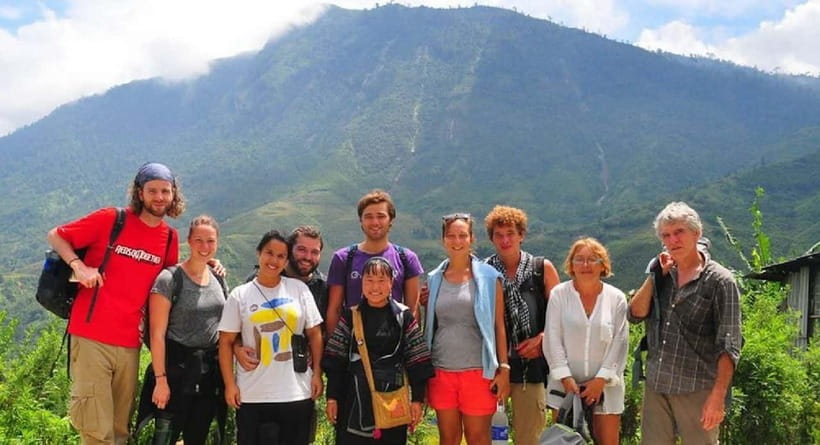
What I appreciate most is the balance. You get structured time with an English-speaking guide in Sapa, plus real village contact like traditional clothing and handicrafts. Then you still have free time in Sapa town at night and on Day 3 morning, so you can slow down, browse, and reset.
The other practical win: the tour stays in a tight 3 days / 2 nights rhythm. That matters in Sapa, where weather can change fast and where the distances feel bigger once you’re there. This route is designed to keep you moving, but not so packed that you can’t enjoy the town too.
A few more Hanoi tours and experiences worth a look


From Hanoi to Sapa: The Ride, the Break, and the Timing

Pickup is offered from accommodations in the Hanoi Old Quarter. You’ll want to be in the lobby about 10 minutes before your scheduled time. If you’re not staying in Hanoi, you come to the office at 31 Lo Su, Hoan Kiem for departure.
The drive itself is half the experience. You’ll travel through the countryside and mountain areas, with a break stop in Lao Cai. From Lao Cai to Sapa city, you’ll see mountain scenery and rice terraces along the route. That’s your first taste of what makes northern Vietnam different: the terrain is the story, not just the backdrop.
You arrive in Sapa around 1:00 PM on Day 1. That timing matters. You get daylight views on the way in, but you’re also ready to start the village walk the same afternoon. You won’t be exhausted for a full day of trekking right after the bus.
Day 1: Sapa Town Color, Lunch, and a Cat Cat Village Trek
After you arrive in Sapa town, you’ll take in the traditional costumes of groups including H’mong, Dzao, and Tay. This isn’t just for show. Seeing the clothing on arrival helps you understand what you’ll notice later on the walks—patterns, materials, and how people present themselves in daily life.
You’ll have lunch with traditional local Vietnamese dishes. Food inclusion sounds basic, but in Sapa it’s actually a time-saver and a sanity-saver. It means you’re not spending your first hours hunting for a place while everyone else has already figured out where to eat.
Then comes the trek to Cat Cat village, home of the Black H’mong. Your guide helps connect what you see with how people live. Expect a village walk where your eyes do more than just collect views. Cat Cat is one of the best-known stops around Sapa, so you can expect a strong “first village” introduction.
In the evening, you’re free to explore Sapa town at night. This is a smart feature. You’re fresh enough to wander, but you’re also not stuck with a full schedule when your legs start to feel the altitude and steps.
Day 2’s 17 km Trek: Lao Chai, Ta Van, Giang Ta Chai
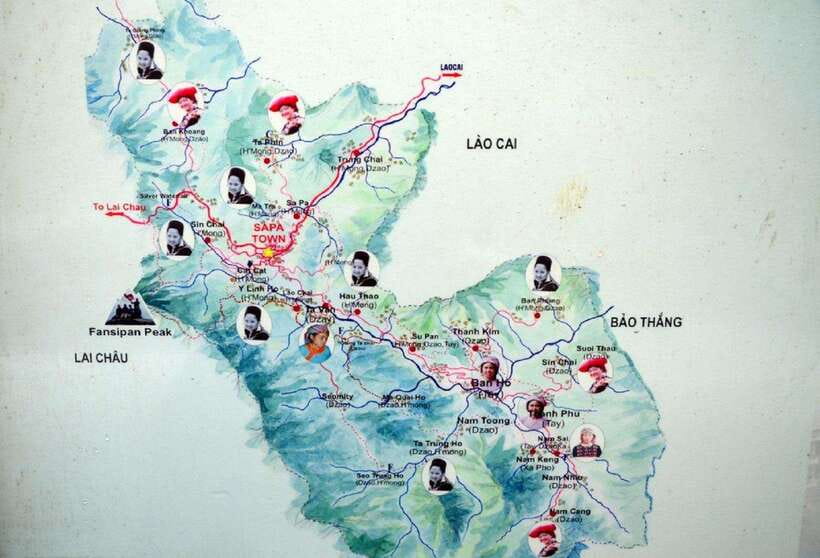
Day 2 is the day you’ll remember for the walking. After breakfast, you’ll do a 17 km round trip trek to Sapa town and back, while exploring daily life of the hill tribes and learning about traditional clothes and handicrafts.
That learning piece matters. When you’re walking through villages and farmland, it’s easy to treat it like a scenic hike. Having an English-speaking guide in Sapa keeps it grounded. You’ll know what’s going on beyond the surface—how clothing and craft connect to work, seasons, and community identity.
You’ll have lunch in one of the local houses. After that, the route shifts to Ta Van village, home of the Dzay people. Here, the plan includes visiting a local family’s home and enjoying green tea. That small ritual makes the visit feel human. It’s also a good moment to slow down and ask questions rather than just keep moving for photos.
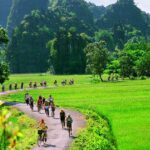
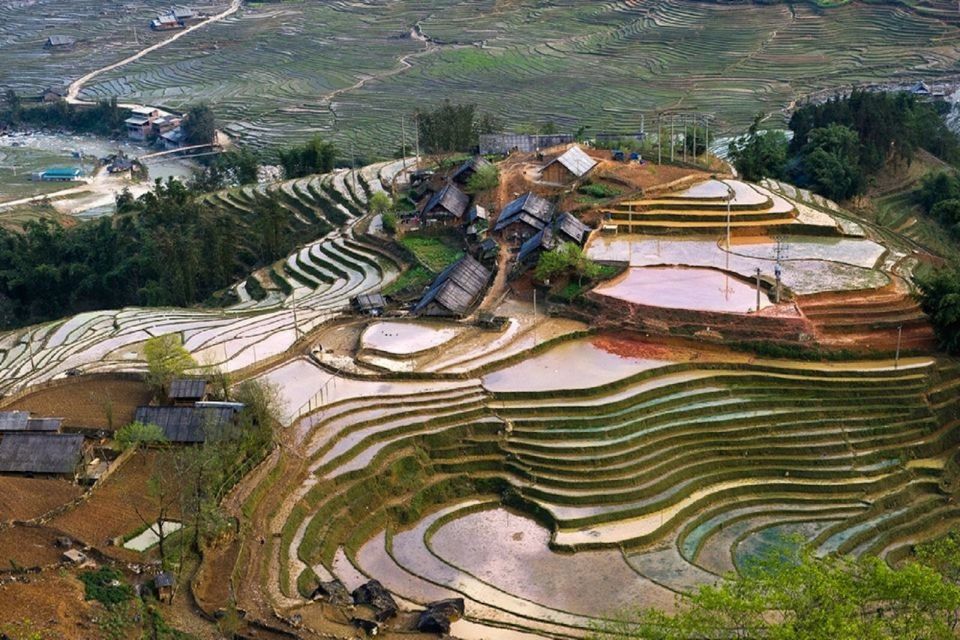
Then you’ll head toward Giang Ta Chai, home to the Red Dao. The walk runs through terraced rice paddies, a bamboo forest, and areas described with stunning waterfalls. If you like variety on a trek—fields, shade, and water sounds—this is where you’ll feel it.
This day is not for people who want short, casual strolling. 17 km is real distance. You don’t need to be an athlete, but you do need to be prepared for a full-on hike. Wear hiking shoes, bring warm layers, and protect your skin from sun and insects.
Meeting the Right Guide: Why Chang’s Touch Matters
One of the best parts of this tour is the human side. A highlight from recent feedback is a guide named Chang, who made arrival feel organized and welcoming. She helped with check-in and even lunch arrangements with the hotel, which is a big deal when you arrive around 1:00 PM and want everything to run smoothly.
Chang’s style is described as engaging and fun, with real insights into life in Sapa—past, present, and future hopes. That kind of context changes how you read a village. Instead of seeing “a place people live,” you start noticing how people adapt, how culture stays visible, and how the valley has changed over time.
You won’t always get that level of connection on a short tour. Here, the guide’s role isn’t just to point directions. It’s to help you interpret daily scenes—markets, craft work, clothing, and conversations—so your time feels more authentic.



Day 3: Sapa Morning Freedom and the Fansipan Peak Choice
Day 3 is structured but flexible in the best way. You have two options for the morning.
Option one: take a free and easy morning or walk around Sapa town to absorb the atmosphere. This is your chance to do laundry, buy snacks, chat with locals, or simply enjoy the cool mountain air without your boots on.
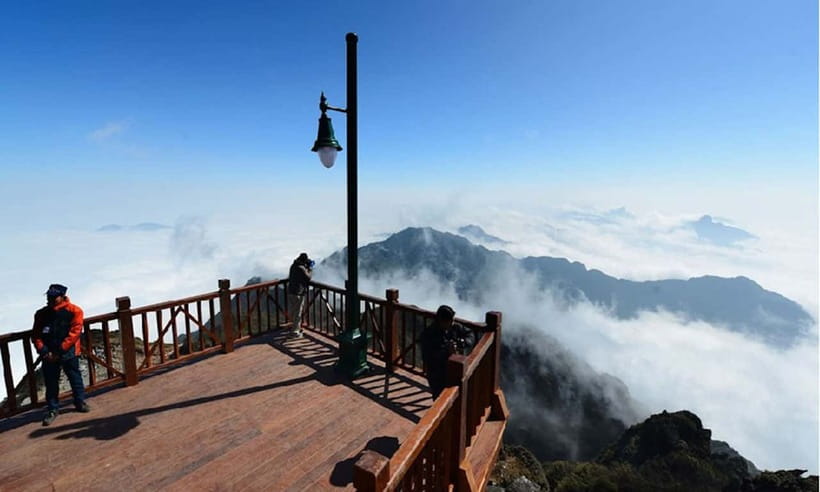
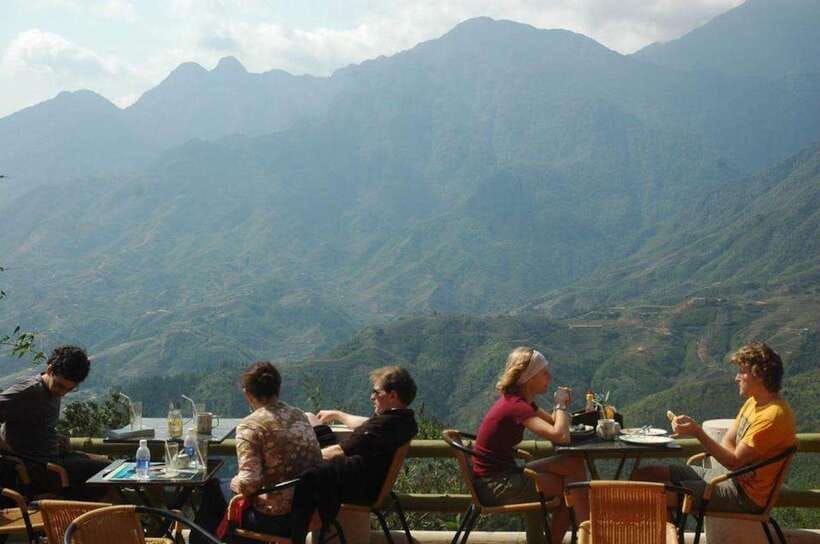
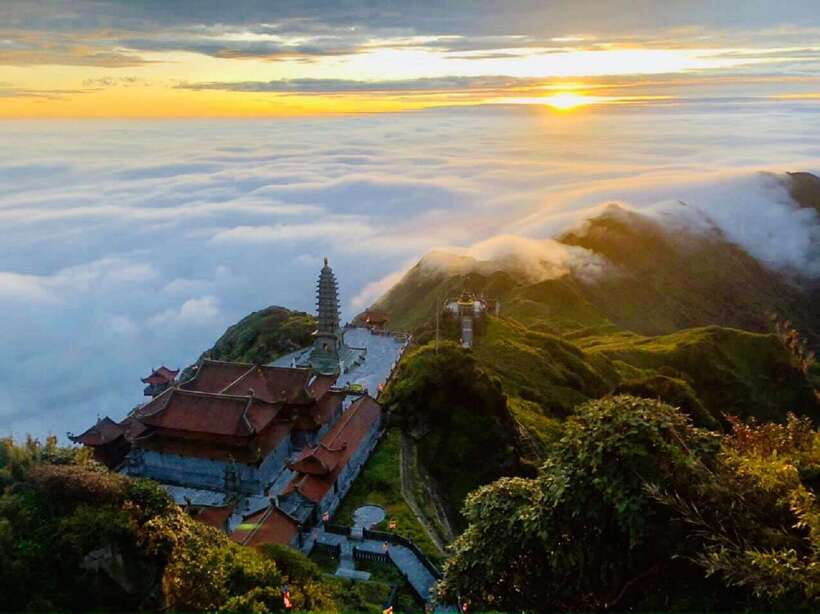
Option two: go for the Fansipan Peak summit via Fansipan Cable Car at an extra cost. You’ll check out (midday checkout is noted), head to the cable car station, then ride up to the summit for free time to admire panoramic views. After that, you head back to Sapa for lunch and to explore town by yourself.
One important detail: there will be no guide with you on the third day. That doesn’t make the plan bad—it just means you should feel comfortable handling your own timing. The cable car experience is straightforward, but you’ll want to plan around when to meet the group for the bus back.
At 2:30 PM, you’ll be picked up and driven back to Hanoi. It’s a clear finish line, which is helpful when you want to end the trip without lingering logistics.
Hotel, Pool, and Meals: What the Included Stuff Really Buys You
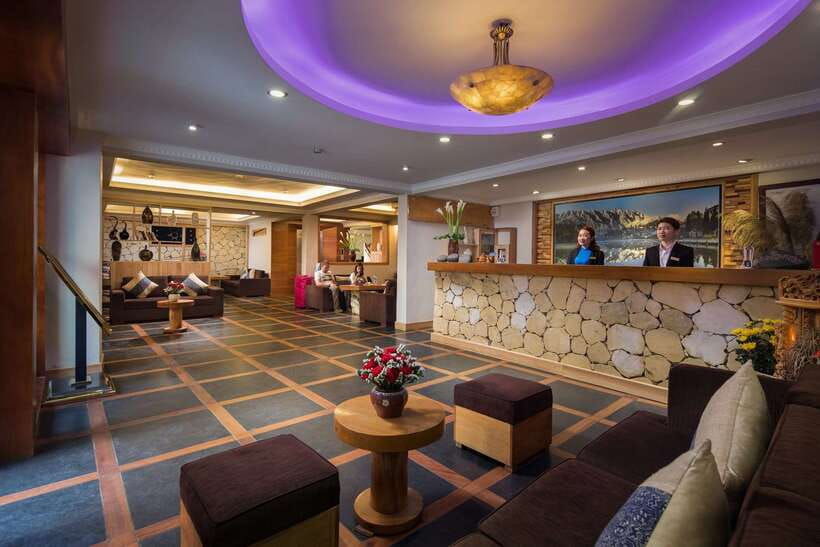
This tour includes twin-shared accommodation in Sapa and use of the swimming pool. That pool detail might sound small, but after trekking days, having a place to cool down and reset is genuinely valuable. You’ll appreciate it if your trip is warm one minute and damp the next.
Meals are also covered well for a short timeframe: 3 lunches and 2 breakfasts. In Sapa, meals can vary a lot in quality, and finding the right place takes time. Having meals built into the schedule helps keep the day from unraveling when you’re tired.
You’ll also have included entrance tickets to the mentioned sites. While we don’t list every specific ticket in the information provided here, the key idea is that you’re not stuck paying multiple small fees at each stop. It’s less hassle during a time when your schedule is already tight.
Tip for comfort: your accommodation check-in has an earliest time of 1:00 PM, and checkout is midday. Since your Day 1 arrival is also around 1:00 PM, the timing lines up. Just don’t count on dropping bags early or changing your schedule at the last minute.
Price and Value: Is $161 Reasonable for This Three-Day Mix?
At $161 per person, this tour sits in the “good value if you want structure” category. You’re paying for more than a bus ride. You’re buying a full package: transfers from Hanoi to Sapa and back, a local English-speaking guide in Sapa, meals, entrance tickets, lodging, and organized treks.
Here’s how I’d think about value if I were choosing:
- Transport: Hanoi–Sapa round trip is long and tiring. Included luxury bus service reduces friction.
- Guide time: Village trekking without a guide can turn into confusion fast, especially when clothing, craft, and village life are part of the experience.
- Meals and lodging: Twin-shared accommodation plus five meals in three days makes budgeting easier.
- Big optional add-on: Fansipan cable car tickets cost extra, so you control that expense based on your priorities.
So the “fairness” of the price depends on your hiking level and your preference for having someone handle the route and timing. If you’re happy to walk 17 km on Day 2 and want an organized cultural trek, the price feels sensible. If you’re hoping for mostly easy sightseeing with minimal walking, you’ll likely feel the cost more than the benefits.
What to Pack (So Your Trip Doesn’t Feel Miserable)
Sapa weather can swing, and the walking days mean you need gear that stays comfortable.
Bring:
- Warm clothing and a scarf
- A hat
- Hiking shoes (not just soft casual sneakers)
- Sunscreen
- Insect repellent
- Sports shoes (useful as backup)
- Cash (handy for small purchases)
- A light layer for moving between sun and shade
If your legs get tired easily, prioritize shoes that grip on uneven ground. If you run cold, treat warm layers like a must-have, not an extra.
Also note: this tour isn’t suitable for children under 7, pregnant women, or people with mobility impairments. The distance and terrain make that understandable. This is a walking-focused itinerary.
Who Should Book This Sapa–Fansipan Tour
You’ll enjoy this tour most if you want:
- A small group experience capped at 17 participants
- Proper village time, including craft and clothing context
- A planned trek day (with Day 2 at 17 km) plus a big optional summit moment
- Included meals and lodging so your days don’t turn into planning marathons
You might choose differently if:
- You want to minimize walking and prefer short scenic stops only
- You hate having a day where you’re on your own without a guide (Day 3)
It’s also a good pick if you’re starting from Hanoi and don’t want to stress about transport or building a multi-day schedule yourself.
Should You Book It?
Yes, if you like the idea of mixing village culture with real trekking and you’re okay with a physically active day. I like that you get guided learning for the parts that need interpretation—especially the village routes and the home visits—then you get freedom on your own at night and on Day 3 morning.
If you book, set yourself up for success: wear proper footwear, pack warm layers, and decide in advance whether Fansipan cable car is worth the extra cost for you. That choice shapes the feel of Day 3.
If you’re looking for a “hands-on Sapa” experience with less planning and more time on the path, this is a strong, practical option.
FAQ
How long is the tour, and how many nights do I stay in Sapa?
It runs for 3 days with 2 nights in Sapa.
Is Fansipan cable car included in the price?
Fansipan cable car tickets are not included. You can book them at an extra cost.
How much trekking is on Day 2?
Day 2 includes a 17 km round trip trek.
Will I have a guide with me on the third day?
No. There will be no guide with you on the third day.
What meals are included?
The tour includes 3 lunches and 2 breakfasts.
Where is pickup in Hanoi, and what if I’m staying outside Hanoi?
Pickup is offered from accommodations in the Hanoi Old Quarter (wait in the hotel lobby about 10 minutes before pickup). If you’re staying outside Hanoi, you can come to the office at 31 Lo Su, Hoan Kiem, Hanoi for departure.
What should I bring for the trip?
Bring warm clothing, a hat, hiking shoes, sunscreen, insect repellent, sports shoes, cash, and a scarf.