REVIEW · HANOI
Sapa 3 Days 2 Nights Bac Ha Market From Ha Noi
Book on Viator →Operated by Vietnam Travel Top · Bookable on Viator
Sapa feels different on a market day, and this trip is built around that idea with a private guide and Bac Ha Market on Sundays. You’re not trying to sort out transport on your own, and that matters in the north of Vietnam where timing can get messy fast.
I love the way the schedule gives you real walking—two short treks plus a longer day in and around villages—without making you feel abandoned in the mountains. And the food is handled too: seven included meals means you spend your energy looking around, not hunting for where to eat.
The one thing to consider is the Bac Ha Market is Sunday-only, and that controls the flow of your itinerary. Also, after you return to Lao Cai you get a shower and you may wait for the bus, so plan for a little downtime.
In This Review
- Key points worth knowing before you go
- Hanoi to Sapa: the ride that actually keeps your day on track
- Cat Cat Village: waterfalls, terraced slopes, and Black Hmong culture
- Day 2 treks: Ta Van and Lao Chai for real mountain views
- Back to Sapa Town for free time: use it for one simple mission
- Bac Ha Market on a Sunday: color, culture, and a mission you can’t DIY easily
- Price and logistics: why $259 feels fair here (and when it might not)
- Hotel, meals, and guides: what makes this tour feel smooth
- The best way to pack for this itinerary (without overthinking it)
- Who this tour suits best (and who should skip it)
- Should you book Sapa 3 Days 2 Nights to Bac Ha Market?
- FAQ
- How do I get from Hanoi to Sapa on this tour?
- What does the tour include for meals?
- Will there be a guide during the market and trekking parts?
- Where do I start and end the tour?
- Is Bac Ha Market part of every day of the week?
- Is this a private tour or a group tour?
Key points worth knowing before you go
- Sunday timing for Bac Ha Market keeps this trip very specific and very rewarding
- Private guide in Sapa and Bac Ha helps you connect what you see with local culture
- Two village treks (Cat Cat, Ta Van/Lao Chai) give you walking time plus vehicle support
- Seven included meals reduces hassle and helps you travel light
- Sapa Lodge Hotel or similar (3-star, twin share) keeps lodging straightforward
Hanoi to Sapa: the ride that actually keeps your day on track

Your trip starts in central Hanoi at 30 P. Lý Thái Tổ. A pickup brings you to the big bus, and then you head for Sapa using the included Hanoi–Lao Cai–Hanoi route. It’s an air-conditioned bus with comfortable seats, plus bottled water on both directions. The day is long, but you’re not making it longer by hunting for connections.
Along the way, you’ll have comfort breaks—first on the highway, then again around Lao Cai city—and then you roll into Sapa Town. The handoff is the part I like: when you arrive, the tour team picks you up from the bus station and transfers you to your 3-star hotel (Sapa Lodge Hotel or similar). You also get a welcome drink and a quick briefing, so you aren’t standing around figuring out what happens next.
Practical tip: on this kind of route, I always pack a small day bag with a layer for the bus ride. The cool air in the mountains can surprise you, especially when you’re moving between valley and town.
You can also read our reviews of more shopping tours in Hanoi



Cat Cat Village: waterfalls, terraced slopes, and Black Hmong culture

On Day 1, after you settle into Sapa, the tour shifts into village mode. You drive to Cat Cat village, home of the Black H’mong community, tucked near the bottom of a deep valley at the foot of Fansipan Peak.
You’ll spend about 3 hours here with a local guide. What makes Cat Cat worth your time is that it’s not just scenic. It’s a place where you can slow down and notice how daily life fits into the geography—valleys, slopes, and paths that people still use. With a guide explaining what you’re looking at, it’s easier to understand why this area matters, beyond photos.
A drawback to keep in mind: Cat Cat is time-based. You’ll be on a set schedule, so if you’re the type who wants to linger for long stretches, you’ll need to build in that pace yourself during the guided time and any small gaps you get.
Day 2 treks: Ta Van and Lao Chai for real mountain views
Day 2 starts with breakfast at the hotel. Then you check out and keep your big luggage stored at the hotel so you can travel with only what you need for the trek. That’s a small detail, but it makes the hiking day much easier.
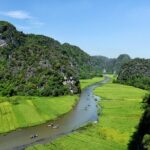
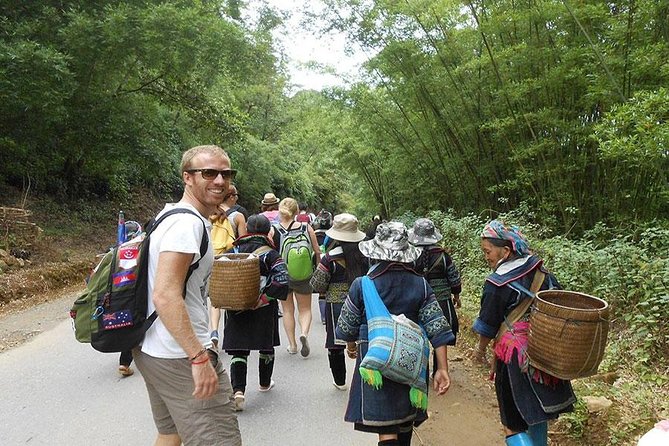
You begin in the morning and head toward Ta Van, walking through rice terraces and along Muong Hoa Stream. The route includes time to visit Lao Chai as well—often described as a strong “village + valley” combination—before continuing to Ta Van village.
This is the most immersive part of the trip in terms of walking. You’re looking at roughly 4 hours of trekking, and it connects you with the way people live around the terraced slopes. The best part here is that you get views that feel earned: you’re not just driving to points; you’re moving through the terrain that shapes daily life.
What you’ll want to bring (based on the reality of trekking here): comfortable footwear with grip. The paths can be uneven, and you’ll feel the slope even when the distance isn’t huge.
Back to Sapa Town for free time: use it for one simple mission
After the morning trek, you head back toward Sapa. You take the bus pick-up from Ta Van Bridge, then arrive in Sapa Town for lunch and downtime.
This afternoon is your buffer—your chance to reset after the walking and then explore at your own pace. The tour doesn’t force you into a second “must-see” checklist, which I appreciate. Sapa is a small town, so you can choose something easy: stretch your legs, find a casual spot to eat, or do a short walk to get your bearings.
Keep expectations realistic: you’ll be on a schedule for the next day’s market, and mountain weather can shift. That makes unplanned freedom valuable.
Bac Ha Market on a Sunday: color, culture, and a mission you can’t DIY easily
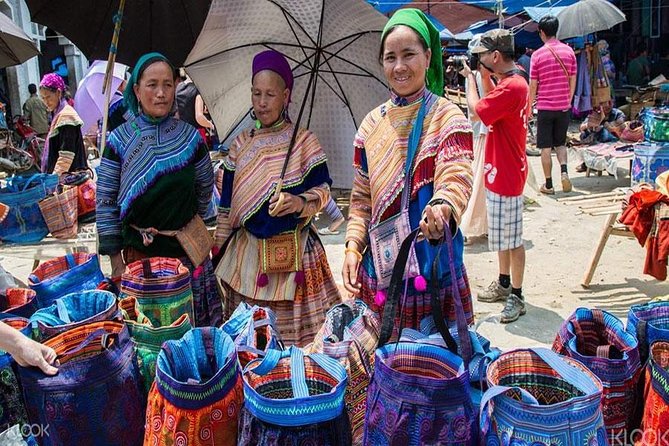
Day 3 is the star of this itinerary because Bac Ha Market runs only on Sundays. That’s not a throwaway detail—it’s the reason this tour exists. Markets here aren’t like weekday stalls; they’re community events, and they’re tied to weekly cycles.
After breakfast, you check out and bring everything needed for the market day. You then drive roughly 2.5 hours to Bac Ha Town, which is known for the Flower H’mong ethnic community.
You’ll have about 7:00 to 13:00 for the market experience. This is one of the most colorful sights in the Sapa region, and the structure helps you get value from the time. You don’t just wander—you have a guide who can explain what you’re seeing so it doesn’t become random color on the streets.
You’ll also have lunch at a local restaurant during the market day. That matters because in remote travel zones, lunch stops can be hit-or-miss if you’re improvising. Here, it’s built in.
One more practical note: this tour is designed so you don’t go back to Sapa Town after Bac Ha. Instead, you return to Lao Cai city, shower, and then get on the bus for Hanoi.
A few more Hanoi tours and experiences worth a look




Price and logistics: why $259 feels fair here (and when it might not)
At $259 per person for about 3 days, the big question is whether you’re paying for convenience or for real experiences. In this case, you’re paying for both.
What you get that would cost you time (and usually money) if you DIY:
- Air-conditioned round-trip bus between Hanoi and Lao Cai
- Hotel for 2 nights (3-star, twin share—Sapa Lodge Hotel or similar)
- A local English-speaking guide in Sapa and Bac Ha
- Vehicle support inside Sapa region for transfers and visits
- Seven included meals (2 breakfasts, 2 dinners, 3 lunches)
When you add those together, the price stops looking like a “tour tax.” It turns into a way to buy back your energy—especially on a route where the transport timing can be stressful.
When it might feel less good:
- If you’re determined to travel fully independent, you might find cheaper options for just buses and guesthouses. But you’ll still need to solve the hard part: getting from place to place on good days and bad ones.
- If the market date doesn’t work for your schedule (again: Sunday-only), you lose the main payoff.
Also, there’s a $25 per person surcharge for Happy New Year and Lunar New Year dates, so check your dates carefully before you commit.
Hotel, meals, and guides: what makes this tour feel smooth
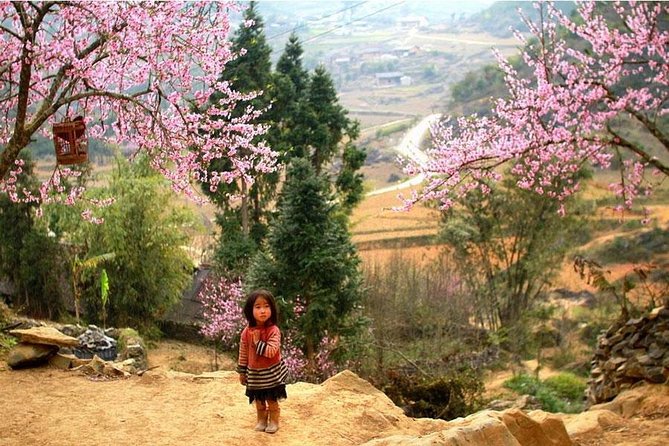
This trip uses a straightforward hotel setup: 2 nights at a 3-star hotel in Sapa (listed as Sapa Lodge Hotel or similar), twin sharing. It’s not luxury, but it’s functional, and that fits the pacing of the itinerary.
The meal inclusion is a big part of why this tour works. You get breakfast twice, lunch three times, and dinner twice. I like this because it keeps the hiking days simple and the market day less stressful. You’re not bargaining, guessing, or searching for a place that can handle your schedule.
Guides are also a major strength. In the local-guide feedback for this style of tour, names like Vu, Su (including Giang Thi Su), Mu, and Lala show up as standouts. People call out their English, their care during harder parts of the walk, and their ability to explain village life so it clicks. If you end up with a guide like that, you’ll likely feel the difference right away.
The best way to pack for this itinerary (without overthinking it)

You’ll do trekking and also use vehicles, so aim for “light but ready.”
Bring:
- Comfortable hiking shoes with grip
- A warm layer for morning and evenings
- A small bag for the trekking day (since your big luggage is stored during Day 2)
Avoid:
- Overpacking on day 2. Your time on the trail is the priority, not hauling gear.
If you’re sensitive to cold or rain, remember this trip requires good weather. If conditions are poor, the experience may be offered a different date or refunded.
Who this tour suits best (and who should skip it)
This works best if you want:
- A guided, village-focused Sapa trip without the stress of planning transport
- A mix of walking and vehicle support
- Clear structure: multiple meals, a set market window, and hotel included
You might not love it if:
- You hate fixed schedules and prefer to wander independently
- You only want one big hiking day (this one spreads the walking across days)
- Sunday doesn’t fit your travel plan, since Bac Ha Market is the main cultural anchor
Should you book Sapa 3 Days 2 Nights to Bac Ha Market?
I’d book this tour if you want Sapa to feel like more than scenic stops. The value is in the combo: private guide support, Sunday Bac Ha Market, real village treks, and seven meals that keep your trip running. You’re also not stuck figuring out the Hanoi–Lao Cai route, because the bus portion is already handled, and the transfers into town are taken care of.
I’d pass or switch dates if Sunday Bac Ha doesn’t work, or if you know you’re the type who needs a lot of unscheduled time. Otherwise, this is a solid way to see the Sapa region’s culture at a human pace, with enough comfort built in to keep you smiling when the trail starts uphill.
FAQ
How do I get from Hanoi to Sapa on this tour?
You’ll travel by air-conditioned bus between Hanoi and Sapa via Lao Cai (Hanoi–Lao Cai–Hanoi). You’ll be picked up near the Old Quarter area and depart from there, with comfort stops along the way.
What does the tour include for meals?
The tour includes seven meals total: 2 breakfasts, 3 lunches, and 2 dinners. Vegetarian options are available if you request them when booking.
Will there be a guide during the market and trekking parts?
Yes. You get an English-speaking local guide in Sapa and Bac Ha, and the guide accompanies you during the village visits and trekking sections.
Where do I start and end the tour?
The tour starts and ends back at the meeting point in Hanoi at 30 P. Lý Thái Tổ.
Is Bac Ha Market part of every day of the week?
No. Bac Ha Market is open only on Sundays, which is why the trip is built around that timing.
Is this a private tour or a group tour?
This is private in the sense that only your group participates in the tour.