REVIEW · HANOI
Trekking Like A Boss around Sapa with options
Book on Viator →Operated by Trekking Like A Boss · Bookable on Viator
You can hike Sapa villages without being dragged along. This private day (about 1 day, with hotel and Hanoi transfer bundled) takes you through Muong Hoa Valley, Ta Van, and Cat Cat, while you’re set up for big Mt. Fansipan views from the walking. I like the practical setup: pickup from your Sapa hotel and a guide who can match your tempo instead of timing you with strangers. One thing to consider: it depends heavily on good weather, and there’s at least one report of an unreliable guide/failed local contact—so I’d build in time to confirm details.
The real appeal here is that you’re not just “walking.” You’re getting a guide who can explain daily life as you pass through villages, with a plan that’s spread across valley scenery and village stops. I also appreciate that lunch and entrance fees are included, so you won’t spend the day nickel-and-diming local admissions while you’re trying to enjoy the hike. The possible drawback is simple: if you don’t like hikes with moderate effort, this won’t feel relaxing.
In This Review
- Key Things That Make This Sapa Trek Worth Your Time
- Private Pace in Sapa: What This Tour Really Feels Like
- The Villages and Valleys: Why These Three Stops Work Together
- Muong Hoa Valley: The View-and-Air Part
- Ta Van Village: Slower Village Life
- Cat Cat Village: Where the Hike Changes Texture
- Breaking Down the Day: Timing and What to Expect at Each Stretch
- Stop 1: Muong Hoa Valley (about 3 hours)
- Stop 2: Ta Van Village (about 3 hours)
- Crossing the Fansipan mountain range
- Crossing Cat Cat village
- Mt. Fansipan Views: How the Big Peak Fits In
- Hanoi to Sapa: The Bundle You’re Paying For
- Price and Value at $244: What You’re Getting (and What You’re Not)
- Fitness Level and Comfort: The One Thing You Should Not Ignore
- Weather, Reliability, and How to Protect Your Day
- Who This Trek Fits Best (and Who Should Rethink It)
- Should You Book Trekking Like A Boss Around Sapa?
Key Things That Make This Sapa Trek Worth Your Time
- Private guiding from your Sapa hotel so your day doesn’t get hijacked by a shared-group schedule
- Muong Hoa Valley + Ta Van + Cat Cat in one trip, so you get both views and village life
- Entrance fees and a guided lunch included, which keeps the day smoother
- Bus or train from Hanoi plus your hotel choice included in the package
- Small set of stops (3 main visits) so you’re not constantly “riding, then rushing”
Private Pace in Sapa: What This Tour Really Feels Like
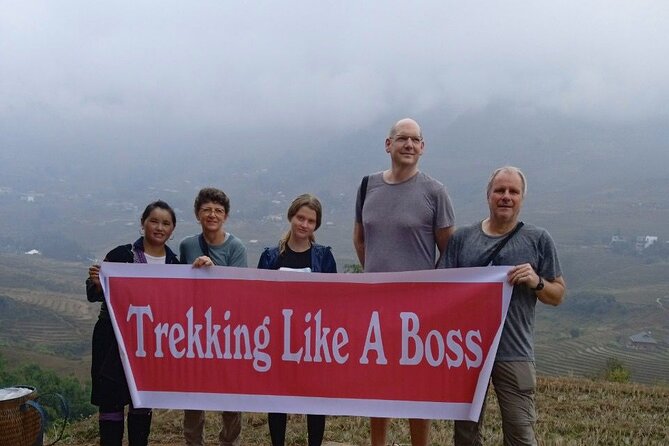
Sapa can feel like a blur if you join the wrong group. You start early, hop on a vehicle, and then spend your “best light” waiting your turn. This style of trek is built around the opposite idea: you get collected from your Sapa hotel, then your guide works with the pace you actually want.
I like that the plan stays focused. You’re not hopping through a dozen tiny viewpoints and calling it a day. You’re walking the valleys and visiting villages, with time set aside for each stop—so you can look, ask questions, and actually notice how people live.
The “private guide” part matters more than it sounds. In village areas, timing and conversation are everything. With a private guide, you can slow down when the scenery is good or when you’re curious about something you see, instead of worrying you’re holding up a busload.
You can also read our reviews of more hiking tours in Hanoi



The Villages and Valleys: Why These Three Stops Work Together
This trek connects three places that tell a fuller story of Sapa than any one stop alone.
Muong Hoa Valley: The View-and-Air Part
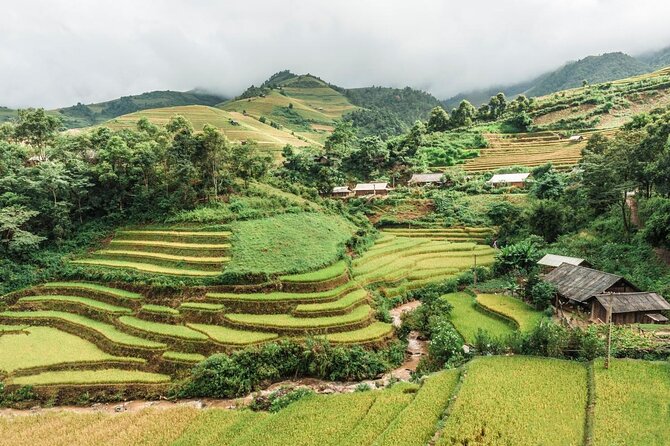
Muong Hoa Valley is where you get your big “Sapa moment.” Expect three hours focused on valley scenery, with admission included. Even if the sky is just decent, the valley walking usually delivers that sense of scale—mountains folding back on themselves, fields below, and villages that look placed rather than built.
What you’ll like most is how the valley sets your mood for the day. You start outdoors, you get those broad views, and you’re not forced into immediate village routines. If you like photographing layers of mountains and terraced fields, this is the stretch that earns it.
Ta Van Village: Slower Village Life
Then you move to Ta Van Village for another three hours, again with admissions included. Ta Van is the kind of place where you’ll probably notice details you’d miss if you treated it like a quick photo stop: how movement happens in the lanes, how people organize their day, and how the surroundings shape daily life.
The tour promises personalized insights from your private guide. That’s the point of coming here. You’ll get context—what you’re looking at, why it matters, and how village routines connect to the wider region. It’s also a good stop if you want a gentler pace after valley walking.
Cat Cat Village: Where the Hike Changes Texture
Cat Cat Village is the third major village stop. Your day includes crossing the Fansipan mountain range and then crossing Cat Cat village, so this part of the trek likely feels more like a transition—terrain changes, the rhythm changes, and you end up more “in” the village rather than just passing through the surroundings.
Cat Cat is also the kind of place where you’ll want to pay attention to how the route moves through it. If you’re hoping for a relaxed, mostly flat final stretch, this is where your legs will tell you the truth. Still, the payback is that you finish with that village feel rather than ending after just a view.






Breaking Down the Day: Timing and What to Expect at Each Stretch
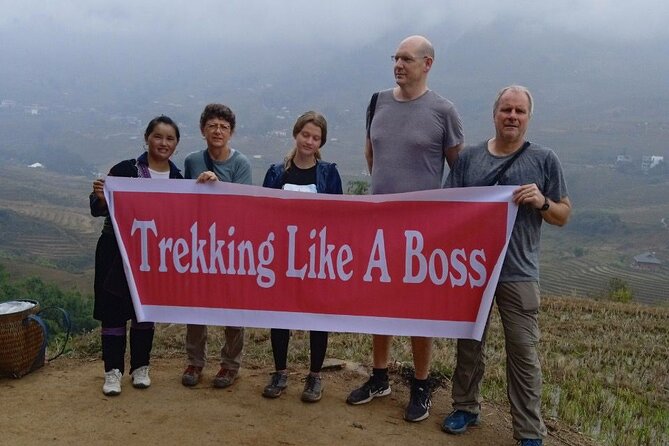
The itinerary is simple: Muong Hoa Valley, Ta Van Village, then the crossing sections leading to Cat Cat. That simplicity is good. It keeps you from feeling like you spent the day in transit.
Here’s how the day tends to play out, stop by stop.
Stop 1: Muong Hoa Valley (about 3 hours)
You’ll visit the valley for about three hours. Entrance tickets are included, and the time allocation suggests you’re meant to walk, stop, and look rather than rush through.
Practical tip: treat Muong Hoa as your warm-up and your photo time. Go slow early, because valley views can tempt you to keep stopping. If you’re wearing uncomfortable shoes, Muong Hoa is where you’ll feel it first.
Stop 2: Ta Van Village (about 3 hours)
Next is Ta Van Village for about three hours. You’ll get time to experience village life at a pace that suits you, with guided context built in.
Practical tip: bring a flexible mindset. Village stops aren’t only about you looking around. You’ll likely have moments where the guide’s explanation helps you understand what you’re seeing. If you’re watching only for views, you’ll miss the best part here.
Crossing the Fansipan mountain range
Between Ta Van and Cat Cat, your route includes crossing the Fansipan mountain range. The key detail here is that it’s part of the trekking logic, not just a transfer point. You’re moving over terrain, which means weather can change how hard this section feels.
If the sky is clear, you’ll probably enjoy the sense of distance and height. If it’s wet or foggy, expect slower footing and less visibility. Your guide’s judgment matters a lot in these sections.
Crossing Cat Cat village
The last village element includes crossing Cat Cat village. This is where you’ll feel the trek shift from “destination visits” into “moving through.”
If you want great photos, aim to keep your pace steady so you don’t feel rushed right at the end. If you’re more concerned about energy, you’ll likely be glad the major village stays are spaced earlier in the day.
Mt. Fansipan Views: How the Big Peak Fits In
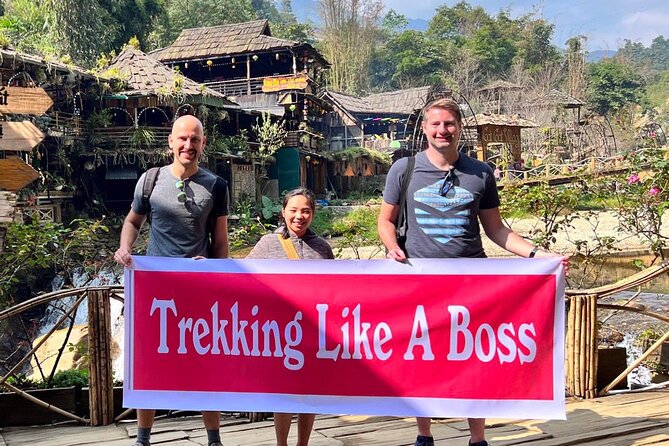
You’re told you’ll soak up views of Mt. Fansipan, Indochina’s highest peak. The tour doesn’t promise one single viewpoint for those views—it builds them around valley walking and the crossing sections.
That matters because big mountain views aren’t just about standing still. They often happen when you’re moving through terrain and changing elevation. A guided trek gives you multiple chances to catch the peak, and your guide can time your viewing moments around the route.
Weather is the big variable. The experience notes that it requires good weather. So if the forecast looks shaky, it’s not “just a minor inconvenience.” It can affect what you see and how comfortable the trek feels.
Hanoi to Sapa: The Bundle You’re Paying For
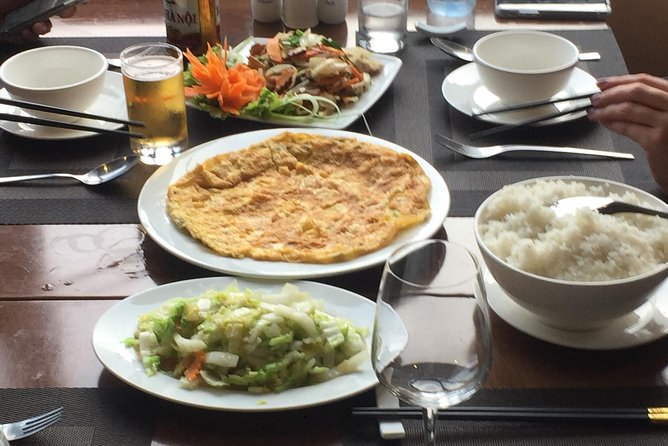
One reason the price feels reasonable is that the package isn’t only a hike ticket.
You get transfer from Hanoi (bus or train is included) and accommodation of your choice. That means you’re not trying to stitch together your own transportation and hotel at the last minute. It’s a setup aimed at making the trip smooth for people who don’t want logistics work on top of walking work.
Pickup is also offered, and the tour includes private guiding direct from your Sapa hotel. So you’re not starting the day by negotiating your way to a meeting point in a new place.
Practical reality check: duration is listed as about 1 day, but the package includes hotel stay. That could mean an overnight component depending on the exact package timing. Before you pay, make sure you understand how the hotel dates line up with your transport.
Price and Value at $244: What You’re Getting (and What You’re Not)
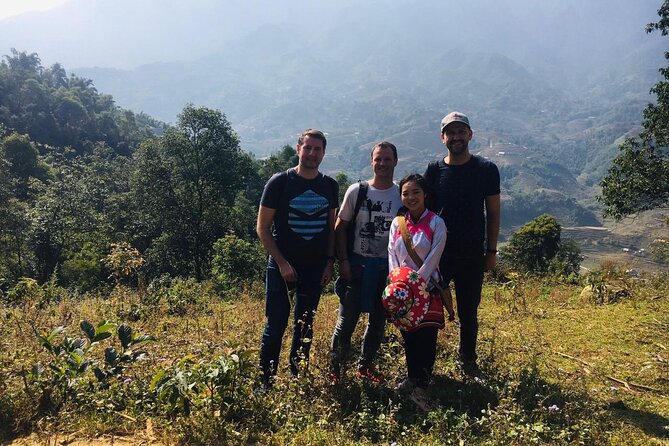
At $244, you’re not buying a barebones “walk with a guide.” You’re paying for a set of included items that would add up if you booked them separately.
Included:
- Lunch
- All fees and taxes
- Entrance fees and a tour guide
Not included:
- Alcoholic beverages
Here’s how I judge the value: entrance fees + a full guide day + lunch are the kind of “small costs” that can creep up fast. Bundle those with transportation from Hanoi (bus or train) and a hotel choice, and the price starts to make more sense—especially if you’re traveling with your own private group and want less friction.
Also note: the tour mentions group discounts and mobile tickets, which suggests there’s some flexibility in how it’s sold. But the experience is described as private—only your group participates—so you should expect your day to be handled as your own plan rather than a crowd.
Fitness Level and Comfort: The One Thing You Should Not Ignore
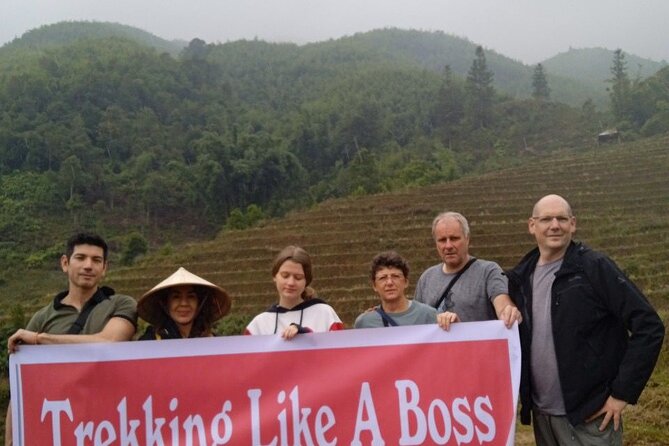
The experience asks for moderate physical fitness. That’s usually the right warning label for Sapa treks: you don’t need to be an athlete, but you shouldn’t expect easy strolling.
Think about:
- how your feet handle uneven terrain
- how your lungs feel if you’re not used to hills
- how wet conditions might slow you down
If you’re coming from Hanoi on a tight schedule, pace yourself the first hour. Don’t assume that because the stops are named villages, the walking will be light.
Weather, Reliability, and How to Protect Your Day
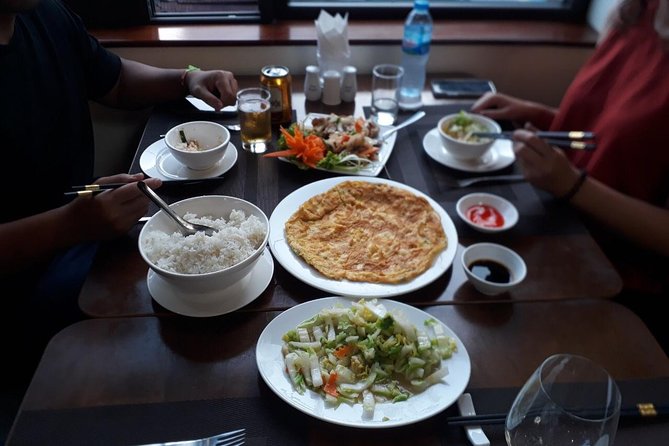
This tour depends on good weather. If conditions are poor, the experience may be canceled and you’ll be offered a different date or a full refund. That’s exactly what you want from a responsible operator: weather isn’t just cosmetic; it affects safety and visibility.
Now the other side: there’s at least one report where the booking confirmation happened, but the guide didn’t show, and contacting the local provider was not possible. That doesn’t mean this happens constantly, but it is a red flag worth respecting.
So here’s how I’d protect yourself:
- Confirm your local contact details before the day starts.
- Double-check pickup timing and where you should be waiting.
- Keep your phone charged and ready for contact on the ground.
A private trek is only as good as the execution. With a flexible plan, you can recover. Without a backup, you lose precious time in Sapa.
Who This Trek Fits Best (and Who Should Rethink It)
This is a strong match if you want:
- a private guide instead of a group where you’re always negotiating
- valley and village experiences in one day
- guided context about local life
- included lunch and entrance fees, so you can focus on the walk
You might rethink it if:
- you don’t do well with moderate hiking
- your schedule can’t flex if weather changes
- you hate last-minute uncertainty around guide pickup (especially after seeing the reliability concern)
If you’re traveling as a couple or small group and you value a pace that fits you, this kind of Sapa day makes sense. It’s also a good pick for first-timers who want more depth than a simple sightseeing route.
Should You Book Trekking Like A Boss Around Sapa?
I’d book it if your priorities are private pacing, village context, and a straightforward route through Muong Hoa Valley, Ta Van, and Cat Cat—with lunch and fees handled. The $244 price feels closer to a “package value” than a strict trekking-only cost, especially with Hanoi transfer (bus or train) and hotel included.
I’d pause and plan carefully if your trip has tight weather windows or if you’re the type of traveler who can’t tolerate a day going sideways. The one reliability complaint is the main reason to be cautious. If you verify pickup and contact details early, you’ll reduce the odds of a frustrating start.
If your goal is an efficient, guide-led way to experience Sapa beyond the road viewpoints, this is a solid bet.