REVIEW · SA PA
Sapa: Ta Phin Village Trek with Lunch and Bathing Experience
Book on GetYourGuide →Operated by HELEN · Bookable on GetYourGuide
Black Hmong and herbs, in one long day. This Ta Phin Village Trek mixes rice-terrace walking with real village life and ends in a local herbal bath. I love the way the route threads agriculture (cardamom and rice paddies) into culture, not just sightseeing.
My second favorite part is the human scale. You’re in a small group and you’ll get to ask questions to an English-speaking guide—when I’m reading the details, names like Su and Vang come up, and the common theme is friendly, patient explanations.
One thing to consider: this is not a slow stroll. It’s a full 9-hour day on foot, and some parts (like the cave area) can feel dark and slippery, so good shoes and a calm pace matter.
In This Review
- Key things you’ll notice on this Sapa day trek
- What you’re really doing on a Ta Phin Village Trek in Sapa
- Timing, transport, and what the 9-hour day feels like
- Cardamom valleys and Suoi Ho: the first walk sets the tone
- Rice paddies and Ma Tra lunch: why this stop matters
- Ta Phin village, Red Dao herbal medicine, and brocade work
- Ta Phin Cave: what to expect underground
- The herbal bath with a local remedy: legs, reset, and what to judge
- Price and value: is $28 actually a deal?
- How to prep like a smart walker (not a hero)
- Who this trek suits best (and who should think twice)
- Should you book the Sapa Ta Phin Village Trek?
- FAQ
- How long is the Ta Phin Village trek with lunch and herbal bath?
- What’s included in the tour price?
- Is lunch included, and are drinks included too?
- How big is the group?
- What language is the guide?
- What should I bring for the trek?
- Is this tour suitable for everyone?
Key things you’ll notice on this Sapa day trek
- Cardamom trees near the start and a downhill walk into Suoi Ho before you even reach the rice paddies
- Black Hmong village stop with a look at older, smaller homes and everyday farm animals (buffalo, chickens, dogs, pigs)
- Lunch with a Hmong family in a simple restaurant setting with views from an outdoor patio
- Ta Phin village life focused on Hmong and Dao traditions, including Red Dao herbal knowledge
- Ta Phin Cave visit that feels atmospheric and requires careful footing
- Herbal bath with a local remedy after hiking—basic, practical, and often exactly what your legs want
What you’re really doing on a Ta Phin Village Trek in Sapa
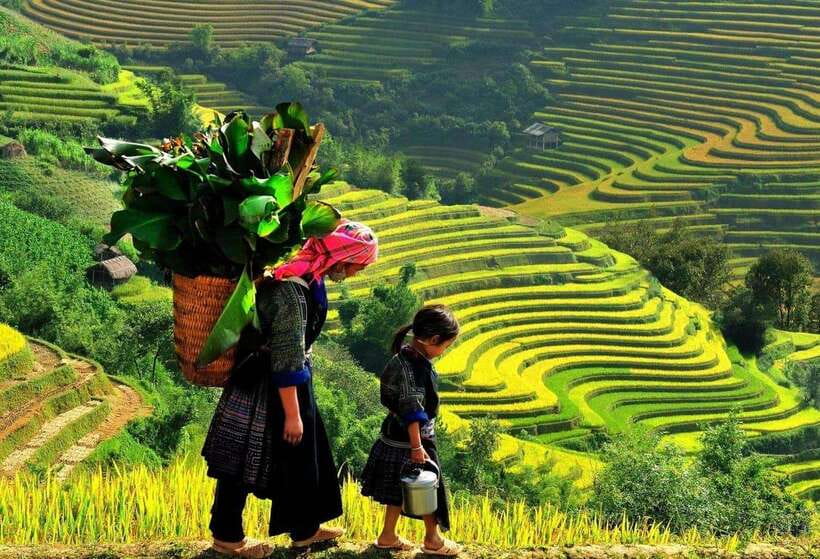
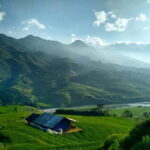
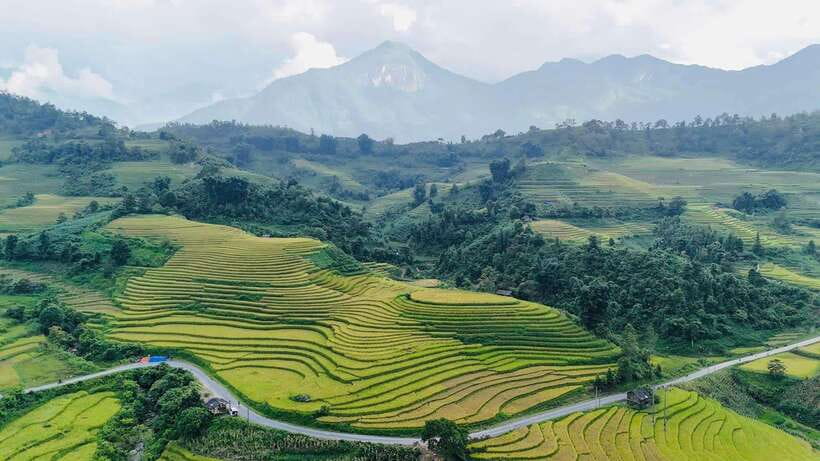
This trek is built around two ideas: walking through Sapa’s working countryside and meeting the people who live there. You’ll see cardamom trees in small valleys, then you’ll spend time moving through rice fields toward Hmong villages.
The culture portion is practical, not staged. In Ta Phin village, you’ll learn how Hmong customs and Dao traditions shape daily life. You also get a look at Red Dao herbal medicine—how plants from the local land are used for many illnesses.
And yes, the day ends with a herbal bath. It’s the kind of payoff that makes a long day feel worth it, because you’re not just looking at Sapa—you’re resetting your body after the trek.
A few more Sa Pa tours and experiences worth a look
Timing, transport, and what the 9-hour day feels like
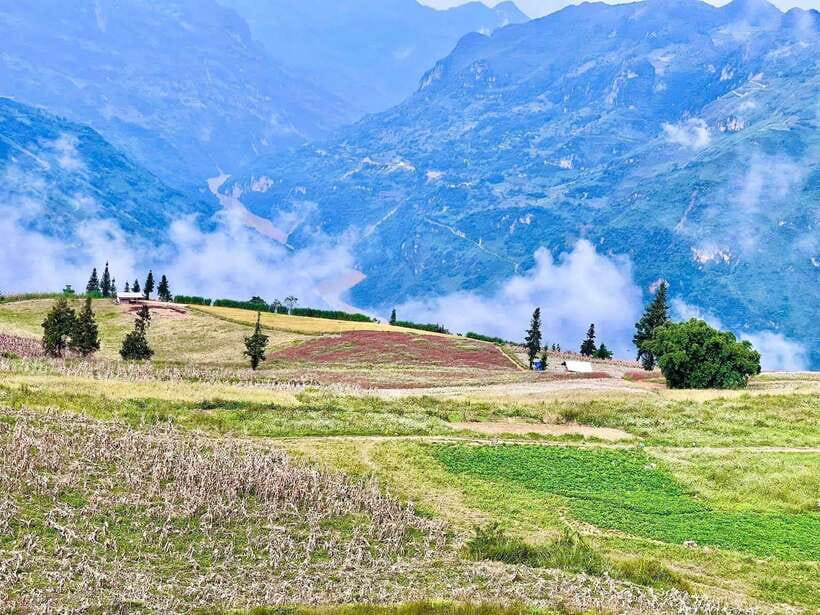
The day starts around 9:00 with pickup from your accommodation, then you meet your guide and van at the Hoàng Văn Thụ area (and you’ll also see the meeting point listed near 01 Hoàng Văn Thụ / Massage Lits).
The walking portion is long enough that you should plan for real exertion. There’s no sign of a super-fast route; instead, the stops are spread out across villages, a lunch break, a cave visit, and a bath experience before the return transport around 16:30–17:00.
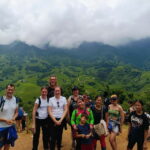
Group size is limited to 10 participants, which matters. With a smaller group, you can usually ask more questions and you’re less likely to feel like you’re being herded.
One scheduling note: while the day is set for late afternoon, pace can vary depending on weather and trail conditions. If you hate any uncertainty, ask your guide about timing once you meet them—then don’t plan anything tight after drop-off.
Cardamom valleys and Suoi Ho: the first walk sets the tone
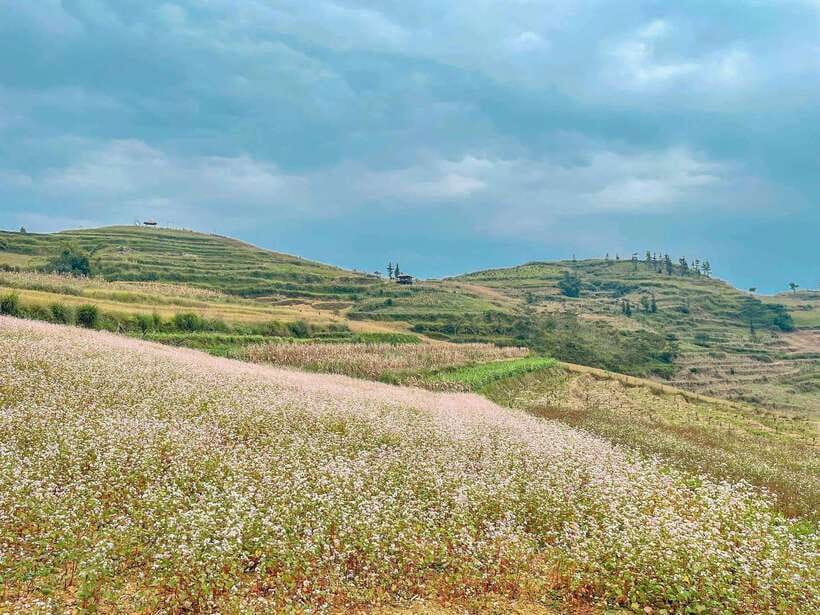
Right after pickup, you’re introduced to the area and then you walk only a few minutes to a small trail. This is where you’ll see cardamom trees in the valleys—one of Sapa’s most precious fruits.
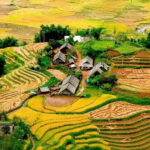
From there, the trek goes downhill toward Suoi Ho, a village of the Black Hmong minority. The houses here are described as older and smaller, which helps you understand that you’re not visiting a theme park. It’s a real place where people live and keep their routines going.
As you continue, you’ll also see animals used by local people: water buffalo, chickens, dogs, and pigs. This isn’t just cute scenery. It’s a quick lesson in how farming and daily life overlap in the Sapa region.
Rice paddies and Ma Tra lunch: why this stop matters
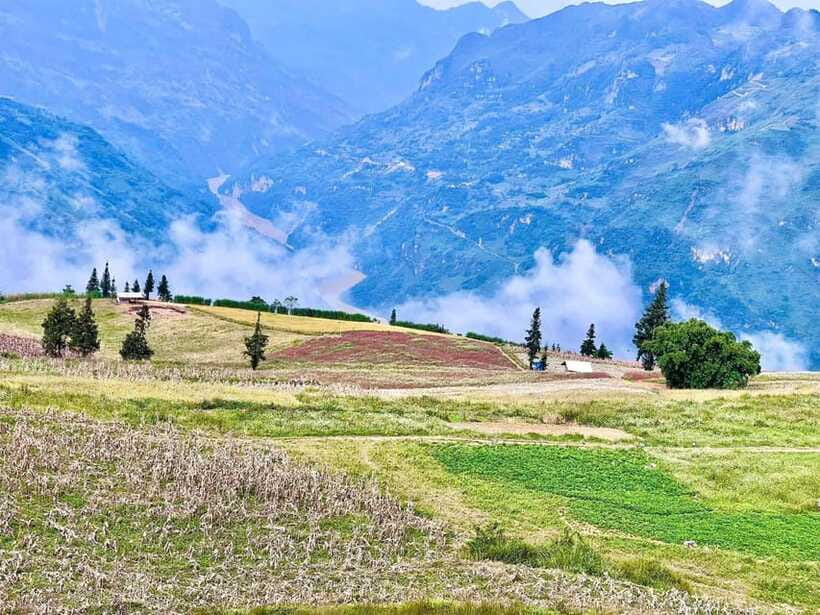
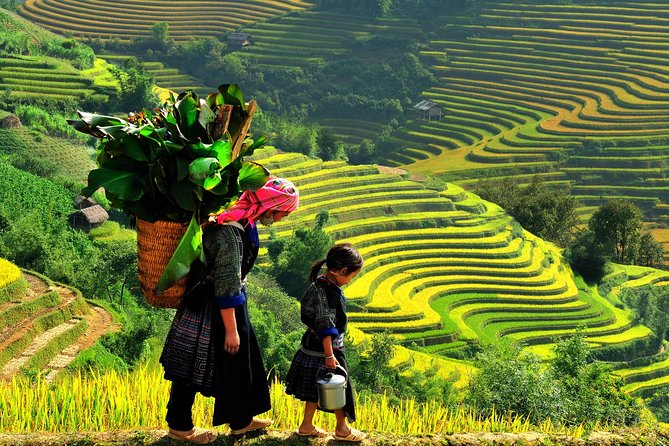
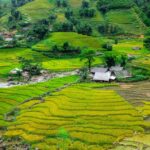
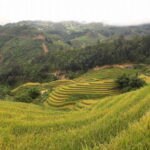
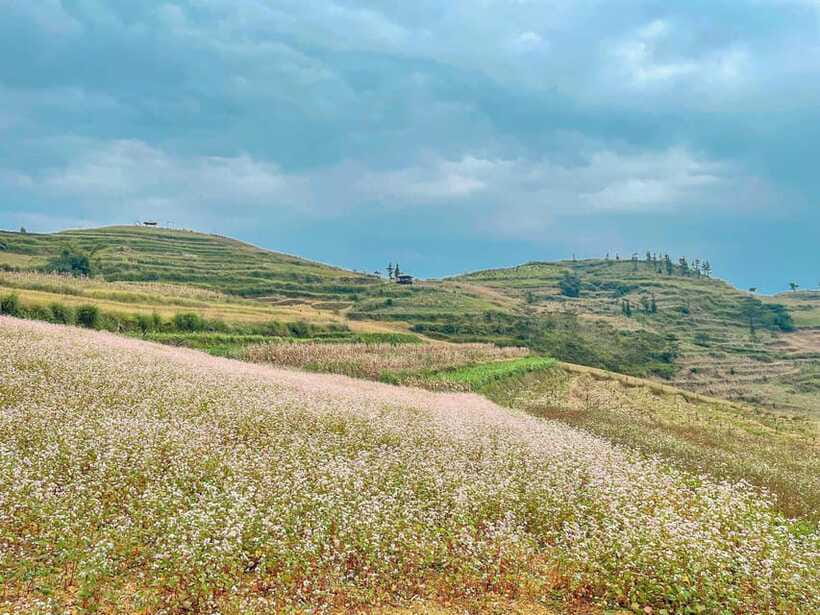
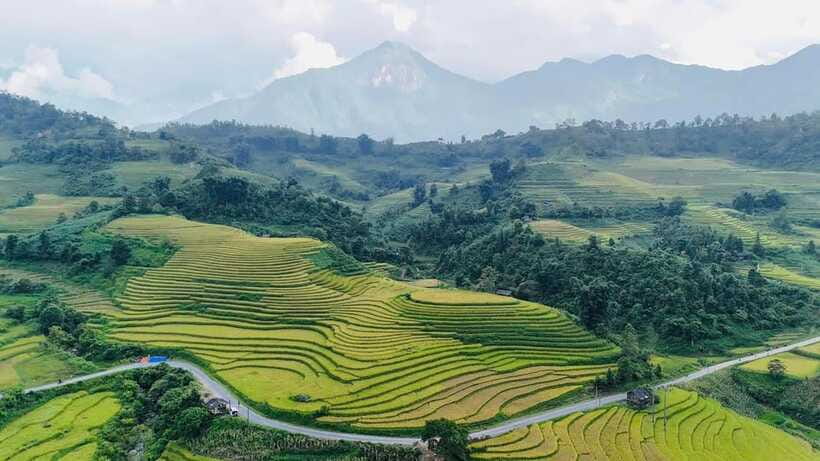
After Suoi Ho, you’ll keep trekking on a small road inside the rice paddies toward Ma Tra village. This section is a big part of why the trek works: it’s one continuous experience of moving through working fields, not jumping between unrelated photo spots.
In Ma Tra, lunch is served at a small restaurant run by a traditional Hmong family. The meal comes with an outdoor patio and amazing views, so you’re eating while looking at the same kinds of terraced scenery you walked through earlier.
Drinks at lunch aren’t included, so I’d treat that as your main extra cost for the meal. Also, if you have preferences (spicy, mild, vegetarian options), don’t wait until you’re hungry—ask your guide early or be ready to keep it simple.
If you’re the kind of traveler who likes food tied to place, this lunch stop is one of the strongest parts of the day. It’s not just a break; it’s the cultural rhythm of the trek.
Ta Phin village, Red Dao herbal medicine, and brocade work
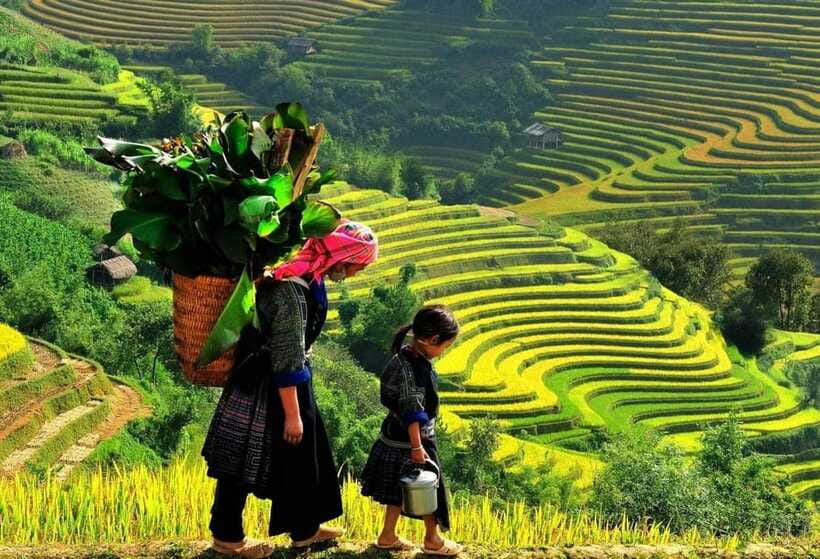
After lunch, the route continues to Ta Phin village, described as a living village where both Hmong and Dao communities share space and traditions.
This is where the cultural details get specific. The Hmong are known for unique marriage traditions, and the Red Dao are known for expertise in herbal medicine—using plants from the land to treat many illnesses. For me, that’s the key point: you’re learning how traditions connect to health, family life, and local knowledge.
You’ll also see women making brocade products to sell. Brocade here isn’t a museum craft. It’s part of an economy and a way of carrying identity, and it’s much more meaningful when you’ve been walking through the land that supplies the plants and materials behind those traditions.
You can also read our reviews of more hiking tours in Sa Pa
Ta Phin Cave: what to expect underground
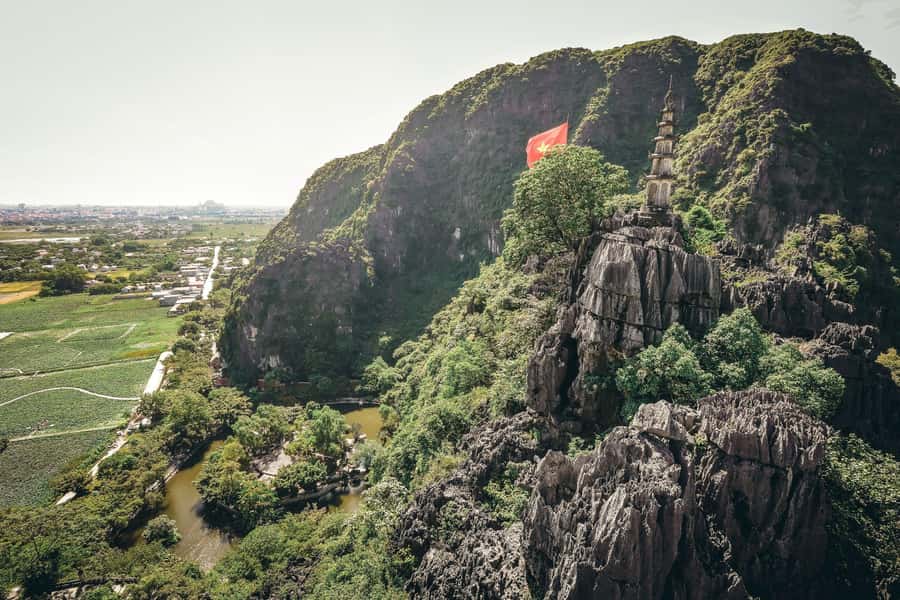
The trek includes an entrance to Ta Phin Cave, which goes very deep into the mountains. A cave visit turns the day from daylight valley walking into something more dramatic and atmospheric.
Practical advice: treat the cave like a place where footing matters. One detail that comes up in the discussion around the cave is that the area can feel dark and slippery, so you’ll want shoes with grip and a slow, careful pace.
Also, keep your expectations realistic. A cave is not a polished attraction. It’s rugged. If you want comfort above all else, this section might not be your favorite. If you like atmosphere and don’t mind basic conditions, it can be the most memorable stop.
The herbal bath with a local remedy: legs, reset, and what to judge
After Ta Phin, you head to the bathing place for a local herbal bath experience. This is the point in the day when your hiking turns into recovery.
Here’s what I like about this kind of stop: you’re not rushing out for one more view. You’re doing something useful. A long trek leaves your body ready for warmth and whatever herbal remedy they’re using.
Some people describe the setup as comfortable and heartening, with the option to bathe in private or shared spaces. That flexibility can help if you’re shy or if you just want your own quiet moment to decompress.
One consideration: herbal baths are local by nature. You should expect a basic environment rather than a resort spa. If hygiene matters a lot to you, pay attention to how the place looks and feels when you arrive. Choose the cleanest-feeling option available and keep your head and shoulders relaxed.
And yes—the bath is one of the reasons many people consider the day a success. When the trail has done its work on your calves, the bath is the payoff.
Price and value: is $28 actually a deal?
At about $28 per person for a 9-hour day, this is positioned as a budget-friendly way to combine walking, village visits, lunch, a cave entrance, and the herbal bath.
What’s included is the important part:
- pickup and drop-off at your accommodation
- a guide
- lunch at a Hmong family restaurant
- entrance to Ta Phin Cave
- the herbal bath experience
What’s not included:
- drinks at lunch
- personal expenses
- a tip for your guide
For value, I’d look at it like this: you’re paying for time, transportation, a guided route, and the cultural access. If you tried to stitch this together on your own, you’d spend time finding the right stops and arranging the cave and bath segments. Here, the day is packaged and paced for you.
Still, value depends on fit. If you want lots of sitting, minimal walking, or very controlled comfort standards, you might find the day long and a bit unpredictable. If you’re happy to walk, ask questions, and accept local conditions, the price feels fair.
How to prep like a smart walker (not a hero)
This trek asks for simple gear, but don’t underestimate it. Bring:
- comfortable walking shoes (good grip is a must for cave areas)
- a hat
- camera
- sunscreen
- water
- insect repellent
Weather can shift in the mountains. Even if the morning looks calm, keep sunscreen handy and be ready for changing conditions.
Etiquette matters here. Don’t smoke, don’t litter, don’t feed animals, and don’t touch plants. You’re walking through someone’s home and working landscape, so a little respect goes a long way.
Also, plan for personal pacing. The day is long, and you’ll have walking segments that feel like steady effort rather than constant rest stops. If you’re carrying a small snack, you’ll thank yourself later.
Who this trek suits best (and who should think twice)
This is a solid fit if you:
- enjoy trekking and don’t mind a full-day pace
- want culture connected to daily life—rice farming, village customs, herbal knowledge
- like small groups and question-friendly guides
It’s less suitable if you:
- need very limited walking time or lots of frequent breaks
- have back problems, mobility impairments, or you use a wheelchair
- are under 6 years old or are pregnant
The day includes cave time, village time, and bathing time, so you’ll want to be physically comfortable moving through varied conditions.
If you’re sensitive to slippery surfaces or confined spaces underground, take extra care in the cave and follow your guide’s instructions closely.
Should you book the Sapa Ta Phin Village Trek?
Book it if you want a day that feels grounded: working fields, living Hmong and Dao village culture, lunch with a family, a cave visit, and an herbal bath that helps you recover before the evening.
Skip it (or at least reconsider) if you need very polished comfort, lots of rest, or guaranteed smooth logistics. This is a real rural day. That can be wonderful—or it can feel basic if you’re expecting a spa-like, photo-perfect tour.
If you do book, I’d do two things: wear grippy shoes for the cave, and bring a calm mindset. This trek rewards the travelers who treat it like a conversation with the place, not a checklist of sights.
FAQ
How long is the Ta Phin Village trek with lunch and herbal bath?
The total duration is 9 hours, starting with pickup around 9:00 and returning to Sapa around 16:30–17:00.
What’s included in the tour price?
The tour includes pickup and drop-off at your accommodation, an English-speaking guide, lunch at a traditional Hmong family restaurant, entrance to Ta Phin Cave, and the herbal bath experience.
Is lunch included, and are drinks included too?
Lunch is included. Drinks at lunch are not included, so you’ll want to budget for beverages separately.
How big is the group?
The group is small, limited to 10 participants.
What language is the guide?
The tour is guided in English.
What should I bring for the trek?
Bring comfortable walking shoes, a hat, a camera, sunscreen, water, and insect repellent.
Is this tour suitable for everyone?
It’s not suitable for children under 6, pregnant women, people with back problems, people with mobility impairments, or wheelchair users.