REVIEW · SAPA
One day Trekking in Sapa and Muong Hoa Valley with local guide
Book on Viator →Operated by Color Vietnam Travel · Bookable on Viator
Sapa’s valleys work their magic fast, and this day trek is the quickest way to see it. I especially like having local English-speaking guides who explain village life clearly, and I like that the route keeps you moving through rice fields and ethnic villages instead of turning the day into a bus tour. One thing to plan for: this is a moderate physical hike on uneven paths, so comfy shoes matter more than fashion.
You start around 9:00am, with pickup offered, and you’ll be out for roughly 7 hours including lunch and transfers. It’s also a private tour, so you’re not stuck matching someone else’s pace while you’re trying to enjoy the views and the quiet moments in between villages.
In This Review
- Key Highlights at a Glance
- Sapa’s Muong Hoa Valley in One Long Walk
- Starting Around 9:00am: Pickup, Market Time, and First Views
- Y Linh Ho to Lao Chai: Rice Fields, Village Paths, and a Clear Narrative
- Lunch in Lao Chai: Included, Traditional, and Not Just a Cookie-Cutter Meal
- Ta Van Village and the Hmong and Giay Way of Life
- Your Guide Makes or Breaks the Day (and the English Matters)
- Price and Value: Is $40 Fair for What You Get?
- Timing That Works: Leaving, Walking, and Being Back by Mid-Afternoon
- Weather Matters More Than You Think in Sapa
- Who This Trek Suits Best (and Who Might Want a Softer Option)
- Should You Book This Sapa and Muong Hoa Valley Trek?
- FAQ
- What is the duration of the trek?
- What time does the tour start?
- Is pickup from my accommodation included?
- What places will we visit during the day?
- What is included in the price?
- What isn’t included?
- How fit do I need to be?
Key Highlights at a Glance
- Local guides with strong English, including guides like Anh, known for being attentive and friendly
- Sapa Market stop before you head into the Muong Hoa Valley hiking route
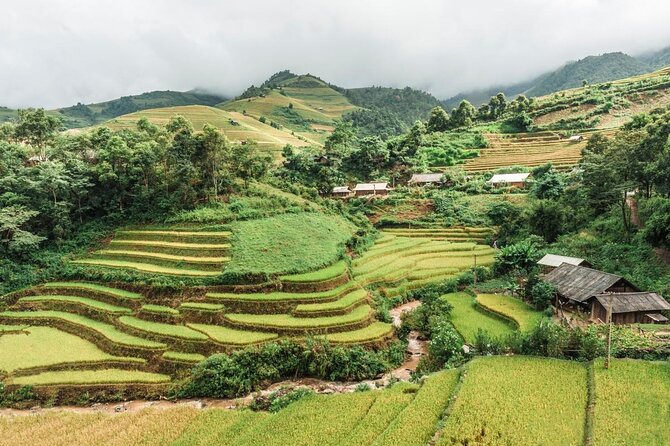
- Rice-terrace trekking between villages such as Y Linh Ho, Lao Chai, and Ta Van
- Lunch included in Lao Chai, with traditional options and drink-free simplicity (drinks not included)
- Comfortable timing: pickup from Ta Van around 3:30pm
Sapa’s Muong Hoa Valley in One Long Walk
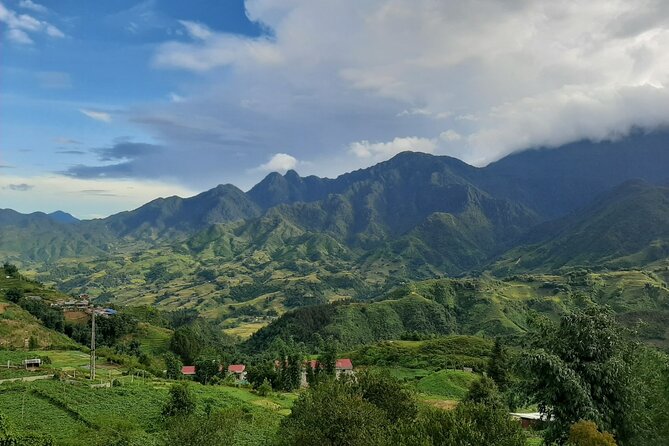
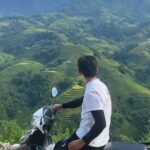
Sapa is famous for views, but on most days you end up only seeing the edges. This trek is different because you spend your time walking through the valley’s everyday scenery—terraced rice, small paths, and villages that feel part of the landscape instead of staged for photos.
The route is listed at about 15km, with a total duration around 7 hours. That’s a real “day hike” length, not a quick stroll, but it’s also not an all-day endurance event. For most people, it lands in the sweet spot: enough walking to feel like you did something meaningful, without requiring mountain-level stamina.
What makes the experience click is the pacing: you’re not just hiking from point to point. You stop in places where local life shows up in practical ways—how people farm, weave, and run daily routines. Even if you only catch part of it, you’ll leave with a clearer picture of how these communities live with the terrain rather than fighting it.
You can also read our reviews of more guided tours in Sapa
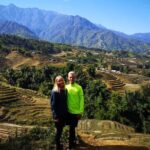

Starting Around 9:00am: Pickup, Market Time, and First Views
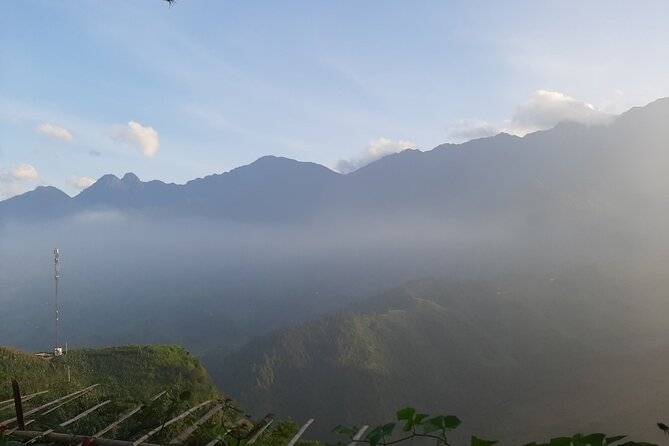
This day begins at 9:00am. If you’re staying in or near Sapa, pickup is offered, and you’ll likely start from your hotel or homestay. That matters because Sapa can be traffic-y and busy, and the morning is when you want to waste the least time.
Your first stop is Sapa Market. Even when you’re planning to spend most of the day outside, the market stop is useful. It’s where you get quick context: you’ll see the mix of ethnic crafts and daily items that help you make sense of what you’ll later notice in weaving and local village life. If you want souvenirs, this is also the moment to grab something small and local before you’re tired from hiking.
Practical tip: keep your market buys light. After that, your day shifts into a trek mode—hands-free walking, careful footing, and less tolerance for carrying bags.
Y Linh Ho to Lao Chai: Rice Fields, Village Paths, and a Clear Narrative
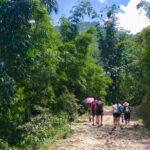
The walking begins after pickup, starting your trek across rice fields along a path toward Y Linh Ho. This section is your “transition.” You’re leaving town and entering the valley rhythm—paths that follow contours, views that open gradually, and that Sapa feeling where the air looks different as you gain elevation.
From Y Linh Ho, you continue onward to Lao Chai, where you’ll have lunch. This is a smart design. It gives the hike structure:
- morning walking through agricultural scenery
- arrival in a village area that functions as a meal break point
- then you keep moving again toward Ta Van
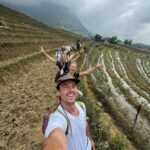
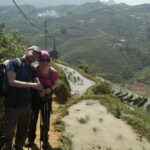
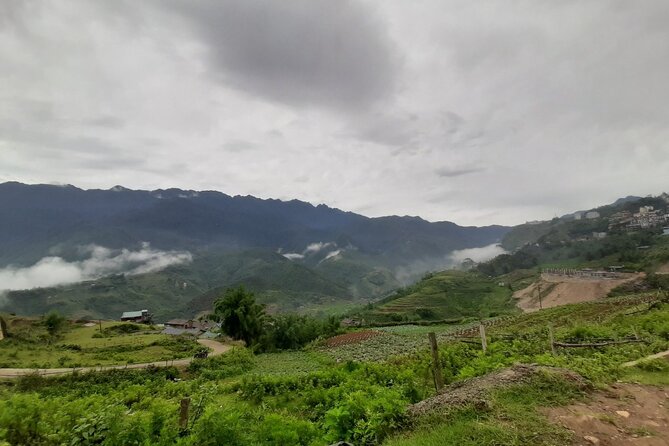
Along the way, expect typical valley scenery like terraced rice fields, and the route is described with features such as a meandering river, waterfalls, and colorful Hmong communities. Exact visibility varies with weather and season, but the goal is consistent: you’re moving through what makes Muong Hoa Valley feel alive.
One small consideration: because paths can be uneven, you’ll want to keep your mind on footing rather than snapping photos every two seconds. The best views are usually in the moments you’re not fully braced for the next step.
Lunch in Lao Chai: Included, Traditional, and Not Just a Cookie-Cutter Meal
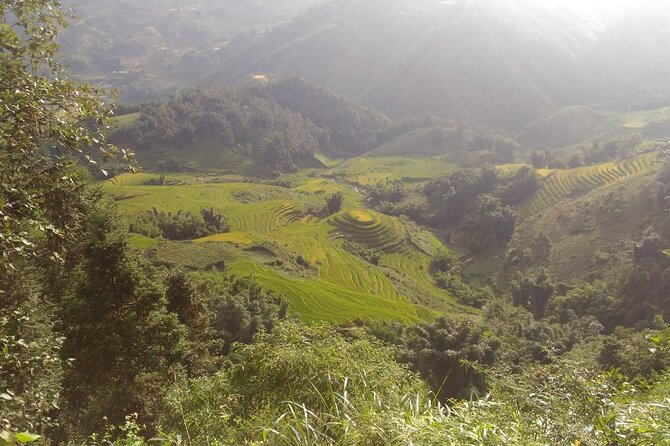
Lunch is included, and it’s scheduled in Lao Chai at the point when your energy level is likely to be just right for a proper reset. The description emphasizes that the food feels connected to farms and gardens, and that local village restaurants are part of the plan.
From the food details you’ll see in guest feedback, lunch often includes fried rice, with an option to choose an accompaniment such as beef, pork, or chicken. That’s a practical menu for hikers: filling, familiar enough to be safe, and easy on digestion after hours of walking.
This is one of the most praised elements of the day because it keeps the experience grounded. You’re not just eating near the finish line. You’re eating in the middle of the trekking story, which helps you stay in “village time” rather than switching into “tour bus lunch time.”
If you’re picky about drinks or have a specific dietary need, plan ahead. Drinks aren’t included, and the tour includes bottled water—but anything beyond that is extra.
Ta Van Village and the Hmong and Giay Way of Life
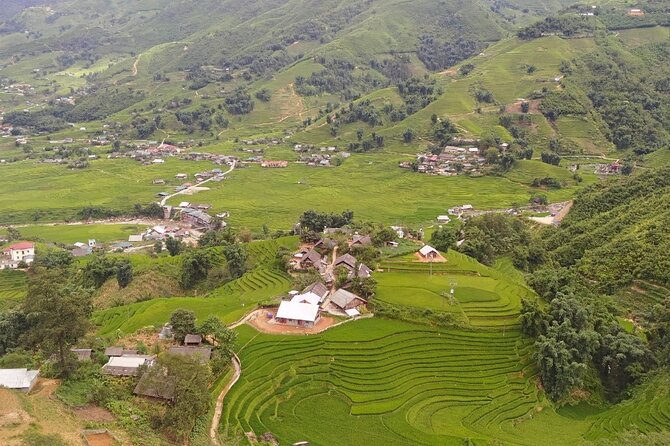
After lunch, the trek continues to Ta Van village. This is where the day turns from “scenery walk” into a more human-centered experience.
The route description calls out terraced rice scenery again, plus a setting that includes a river, waterfalls, and colorful Hmong people. You’ll also have time for a leisurely village stroll—time to notice small everyday details, like how people move, where children gather, and how farming and living overlap in the same spaces.
A key part here is cultural visibility. The tour includes time to see traditional weaving and daily lifestyle elements connected to Hmong and Giay minority communities. In practical terms, this is what makes the trek more than a photo circuit: it gives you a chance to ask questions and understand what you’re seeing, instead of just recording it.
If you care about learning the “why” behind what you see—why fabrics look the way they do, why patterns and tools matter—this is the portion where your guide’s value becomes obvious.
You can also read our reviews of more hiking tours in Sapa
Your Guide Makes or Breaks the Day (and the English Matters)
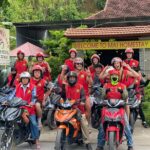
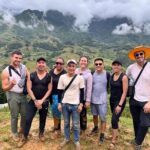
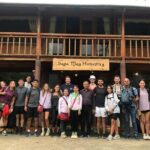
This is where the experience gets repeatedly praised. The tour emphasizes 100% local English-speaking guides, and feedback highlights guides who are not only friendly, but genuinely good at communicating.
One guide name you’ll see in feedback is Anh, described as attentive, friendly, and an especially strong English speaker. Another message highlights that guides come from ethnic groups such as Black Hmong, Red Dzao, and Tay—and that they’re part of a local, ethnic minority-owned business. That matters because language accuracy changes how much you get out of conversations in the villages.
When your guide speaks clearly, you can focus on:
- what you’re looking at in real terms (farming, weaving, daily life)
- how the terrain shapes routines
- how the communities live beyond tourist silhouettes
And because the group is private, you’re not forced to listen to someone else’s pace or questions. The guide can actually tailor explanations to what you want to notice.
Price and Value: Is $40 Fair for What You Get?
The price is $40 per person, and the trip is often booked around 13 days in advance on average. The big value question is whether that cost matches the “package” you’re buying.
Here’s what’s included:
- Lunch
- Private transportation
- All fees and taxes
- Bottled water
Not included:
- Tip and drinks
For many visitors, the inclusion of transportation and fees is the difference between a cheap-looking deal and a real one. Trekking in rural areas isn’t just about walking—it’s about getting there, getting you back, and keeping everything timed so you’re not stuck waiting around.
Also, a private tour means you’re paying for a more flexible experience. You’re not sharing your day with a random group that might slow the pace or shift the timing. For a trek like this—where footwork and calm moments matter—that can be worth it.
When to watch the price most closely: if you tend to add lots of extras (drinks, souvenirs, and anything else), the base fee can look even better. But if you usually like to drink a lot during tours, plan for that extra spend.
Timing That Works: Leaving, Walking, and Being Back by Mid-Afternoon
This day is structured to finish in a reasonable window. You start at 9:00am, you hike through the valley with lunch in the middle, and you’ll be picked up from Ta Van village at about 3:30pm to return to your accommodation.
That timing helps in two ways:
- You get enough daylight for photos and village time, even on average weather days.
- You’re back early enough to still enjoy Sapa town afterward—whether that means a market stroll, a warm shower, or dinner without rushing.
Just remember you’re trading “late afternoon leisure” for “active morning energy.” This is a day you plan around, not a casual add-on.
Weather Matters More Than You Think in Sapa
The tour notes that it requires good weather. In the mountains, rain and poor conditions can mean slipperier paths, reduced visibility, and a more tiring hike.
The provider also offers a weather alternative or a full refund if the tour is canceled due to poor weather. Practically, this means you shouldn’t treat this as something to lock in at the last minute if your schedule is tight. If you can, keep one extra day in your back pocket so you’re not forced to choose between hiking and changing plans.
If you’re traveling during a rainy period, pack smart: something for your feet and a light layer for sudden changes. Even when the day looks clear at breakfast, conditions in valleys can shift.
Who This Trek Suits Best (and Who Might Want a Softer Option)
This trek is best if you:
- want a real walking day (moderate fitness)
- care about cultural context, not just scenery
- enjoy village conversation and guided explanations
- like the idea of private transportation and a structured day plan
It might be less ideal if you:
- hate uneven ground and long walking times
- need frequent breaks that aren’t planned into a trek schedule
- are hoping for something more like a short village visit with minimal hiking
That said, the itinerary is built to keep things logical—market in the morning, lunch in Lao Chai, and a finish at Ta Van by late afternoon.
Should You Book This Sapa and Muong Hoa Valley Trek?
I’d book this if your goal is a one-day Sapa experience that feels grounded: rice fields, real villages, a meaningful lunch, and guidance that actually helps you understand what you’re seeing. The strongest selling point is the guide quality—especially the fact that English communication is a priority—and that the day is private, so it runs at a pace that supports the hike.
I’d hesitate only if you’re not comfortable with a moderate hiking day on uneven paths, or if your schedule is too tight to handle weather changes. If you can handle those two points, this is a solid value at $40, with enough included to make planning simpler.
If you want, tell me your travel month and your fitness level (and whether you’re coming from Sapa town or staying outside). I can suggest what to prioritize for the best version of this day.
FAQ
What is the duration of the trek?
It’s listed at about 7 hours (approx.), including trekking time, lunch, and transportation.
What time does the tour start?
The tour start time is 9:00am.
Is pickup from my accommodation included?
Yes. Pickup offered and the tour includes private transportation.
What places will we visit during the day?
You’ll include stops such as Sapa Market, trekking through areas including Y Linh Ho, Lao Chai for lunch, and Ta Van village in Muong Hoa Valley.
What is included in the price?
Included are lunch, private transportation, all fees and taxes, and bottled water.
What isn’t included?
Tips and drinks aren’t included.
How fit do I need to be?
The trek calls for moderate physical fitness and involves a longer hike on paths through rice fields and villages.