REVIEW · SAPA
Muong Hoa Valley View & Village Trek in Sapa 1 Day
Book on Viator →Operated by Sapa Nomad · Bookable on Viator
Muong Hoa Valley in one tight day is magic. You’ll walk past H’Mong villages and get big panoramas over the Muong Hoa Valley and the Hoang Lien Son range, plus a high-mountain viewpoint at Ham Rong. I especially like the English-speaking, experienced guide and the way this trek takes you off the main tourist track.
One thing to plan for: it’s a hike with real uphill and cliffside paths, so you’ll want moderate fitness and good shoes.
In This Review
- Key highlights you’ll feel right away
- Why This 6–7.5 Hour Muong Hoa Trek Works Better Than a Half-Day Tour
- Getting Oriented Fast: Pickup, Private Format, and What the Day Typically Feels Like
- The Ham Rong Mountain View: A High Start for Sapa-Wide Orientation
- Sapa Market: Brocade Color, Local Trade, and a Quick Reality Check
- Hang Da Village: Cloud Hunting with a Gentle Trail and Big Sky Feel
- Muong Hoa Valley: Cliffside Road Views and Wildflower-Season Surprise
- Hau Thao: Rice Terraces, Bamboo Forest Edges, and the Cloud-Blanket Look
- Lunch, Vegetarian Options, and the Small Logistics That Keep You Comfortable
- How Much Is $53 Really Worth Here?
- Who Should Book This Trek (and Who Might Not)
- Tips to Make Your Day Smoother (Without Overthinking It)
- Should You Book the Muong Hoa Valley View & Village Trek?
- FAQ
- How long is the Muong Hoa Valley View & Village Trek in Sapa?
- How much does the tour cost?
- What’s included in the price?
- Is there a vegetarian lunch option?
- Where is the meeting point and when does the tour start?
- Is this a private tour or shared with other groups?
- What fitness level do I need?
- Can I cancel for a full refund?
Key highlights you’ll feel right away
- Cloud-hunting views from high villages like Hang Da (when the weather cooperates).
- Ham Rong viewpoint for a wide look over Sapa town and the Hoang Lien Son range.
- Muong Hoa Valley roadside trail with dramatic cliff-and-valley scenery.
- Hau Thao rice terraces and sea-of-cloud moments (season and timing matter).
- Lunch and bottled water included, so you’re not budgeting on the fly.
- Private group style with pickup and transportation handled end-to-end.
Why This 6–7.5 Hour Muong Hoa Trek Works Better Than a Half-Day Tour
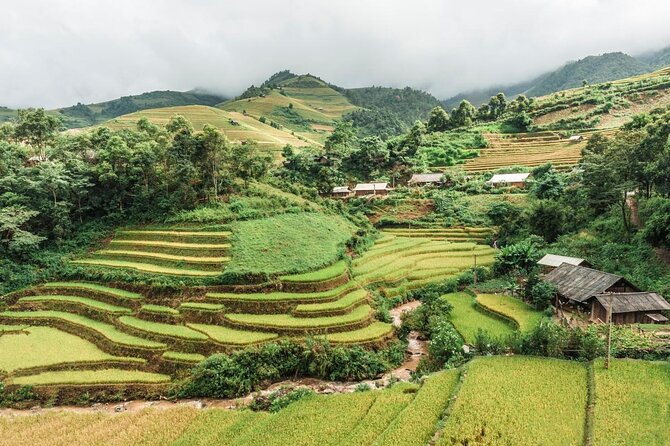
Sapa can feel like two places at once. There’s the town center with its market energy, and then there’s the valley world where villages sit high on the slopes, separated from crowds by distance and terrain. This one-day trek leans hard into that second Sapa. In about 6 to 7.5 hours, you get a sequence of mountain viewpoints, village paths, and terrace scenery that most people only see over multiple days.
The value here is practical. You’re paying $53 per person, but the basics are covered: lunch, bottled water, all fees and taxes, and private transportation. That matters because Sapa trekking often comes with hidden add-ons like transport gaps, entrance confusion, and sudden meal scrambling. Here, the structure is already built around keeping your day flowing.
I also like that the tour is built for a moderate level. That doesn’t mean it’s a stroll—Sapa rarely is. It means the route is designed to be doable without needing technical hiking skills. You’ll still get a workout, but it’s framed as a “moderate trekking route” for people who want culture and scenery without signing up for a full mountaineering day.
Finally, the small details help: pickup is offered, you’re given a mobile ticket, and the pace stays organized around specific stops. If you prefer your travel to be active but not chaotic, that’s the sweet spot.
You can also read our reviews of more hiking tours in Sapa
Getting Oriented Fast: Pickup, Private Format, and What the Day Typically Feels Like
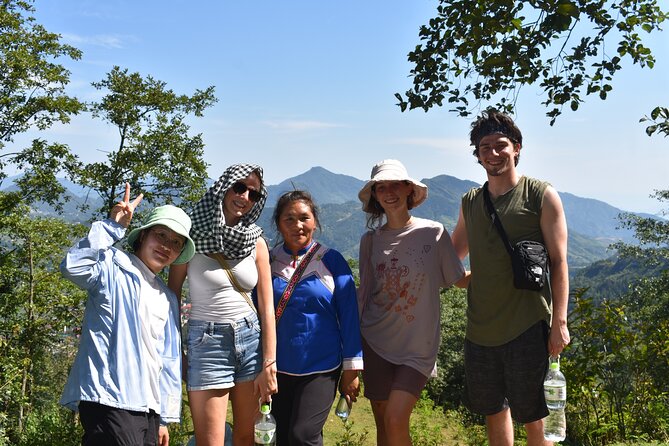
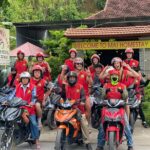
This is listed as a private tour/activity, meaning only your group participates. That’s not just a label. It usually changes the feeling of the hike: fewer waiting moments, fewer “where’s everyone?” pauses, and a better chance your guide can adjust pace for your group.
The meeting point is in Sapa town at 536 Đường Điện Biên Phủ, TT. Sa Pa. The start time is 9:00 am, and the tour ends back at the meeting point. That round-trip design is nice because you don’t lose time figuring out local transport at the end when you’re tired.
You should also expect a guided day where the guide actively interprets what you’re seeing. The tour description emphasizes that the local guide speaks English and is experienced and enthusiastic. That’s a big deal on village treks. Without context, you might see houses and terraces. With context, you understand how people live with the land, why certain viewpoints matter, and what cultural patterns show up in clothing and daily work.
A quick practical note: service animals are allowed, and the tour is near public transportation. That’s reassuring if you’re planning around mobility needs. Still, the route is described for people with moderate physical fitness, so plan for legs and lungs to do some work.
The Ham Rong Mountain View: A High Start for Sapa-Wide Orientation
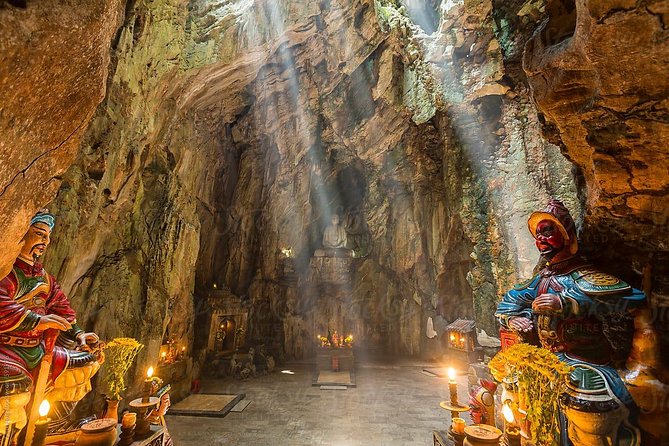
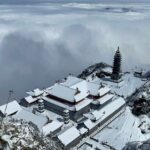
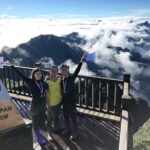
You begin with the Ham Rong Mountain viewpoint. Ham Rong matters locally, not just for photos. The name “Ham Rong” translates to Jaw of the Dragon, and the mountain’s shape is described as dragon-jaw-like. There’s also folklore attached to the place—caves tied to mythical creatures and ancient giants. Even if you don’t use that story for everything, it gives the mountain personality beyond scenery.
Practically, Ham Rong is where you get your bearings. Standing up there lets you see Sapa town from a distance and understand where the valleys and peaks sit relative to the grid of the city. That makes the rest of the day easier to enjoy, because later views stop being random. They become part of a bigger picture: how Ham Rong relates to the Hoang Lien Son range and how the terrain funnels toward Muong Hoa.
Time is generous enough to enjoy the view—about 1 hour 30 minutes, and admission is free. If you’re the type who likes a calm moment before moving downhill (and up again), this stop sets the tone.
Possible drawback: visibility. Ham Rong is a high viewpoint, so mist can roll in. On a clear day, it’s a “wow.” On a foggy day, it can still be worth it, but your photos will be less crisp.
Sapa Market: Brocade Color, Local Trade, and a Quick Reality Check
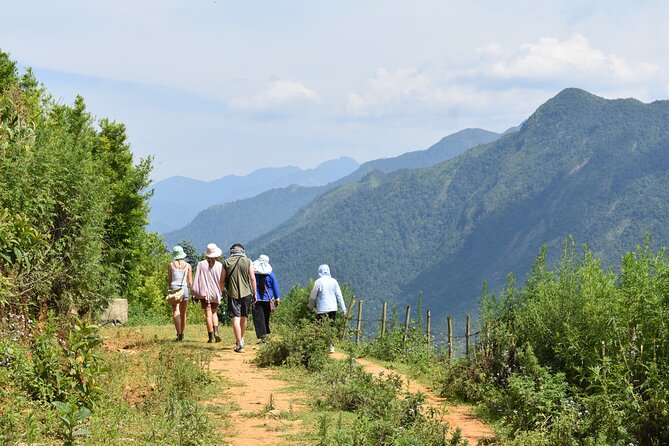
After the mountain viewpoint, you’ll head to the Sapa market in town. It’s about 1.0 km from Stone Church and is open every day. This is the everyday trade hub for buying and selling products—meaning you’ll see the full mix of local goods and tourist-facing souvenirs in one place.
The standout is brocade. Expect vibrant colors and subtle patterns associated with groups like the H’Mong, Dao Do, and Giay. Even if you’re not shopping, it’s useful to see textiles firsthand before you visit villages. Clothing style isn’t random decoration—it’s identity and craftsmanship. Market observations can make the later village parts feel more grounded.
The market also has practical goods tourists actually buy: fruits, vegetables, spices, and other items people might bring home or use during their trip.
This stop is a good reset for your senses after mountain air and trekking. It also keeps the day from feeling like only hiking. You get a slice of daily commerce and culture in Sapa proper.
Consideration: this is described as touristic and popular. If you strongly dislike crowds, spend your time fast—look for specific fabric patterns, then move on.
Hang Da Village: Cloud Hunting with a Gentle Trail and Big Sky Feel
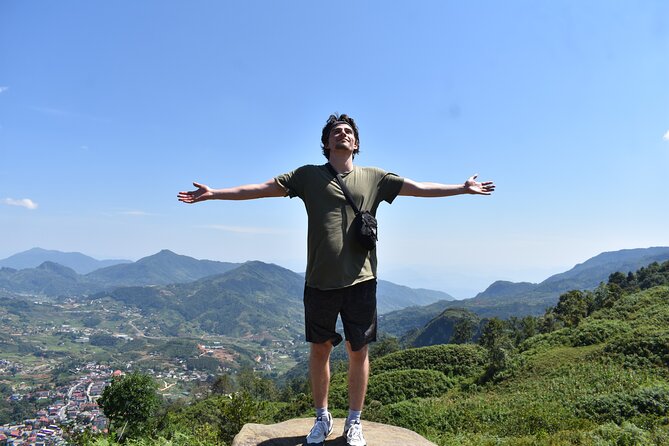
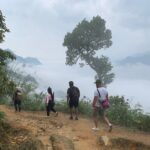
Next comes Hang Da village, set at more than 1,800 meters above sea level. It’s described as hugging the mountainside, hiding in green forests, with high mountains and bold terraced fields in the distance. This is the point where the trek shifts from “scenery stops” into “village rhythm.”
Hang Da is especially noted as a place for hunting clouds. That means the landscape is positioned for dramatic sky views—often a layered look of clouds drifting over ridges. When the sky clears even a little, the village can feel like it sits inside the weather.
The trek here connects with the Black H’Mong village area around Tao Sha (Sapa Sha). The path is described as fairly gentle at the top, with views of the Muong Hoa Valley below. For me, that gentle-but-high stretch is where the day becomes fun instead of just effort. You’re not only pushing onward; you’re noticing.
This segment is about 2 hours, admission is free, and it’s long enough to slow down for photos and for talking with your guide about what you’re seeing.
Possible drawback: clouds don’t always cooperate. If the day is foggy or rainy, you may still enjoy the village and terraced scenery, but the “cloud hunting” effect might be reduced.
A few more Sapa tours and experiences worth a look

Muong Hoa Valley: Cliffside Road Views and Wildflower-Season Surprise
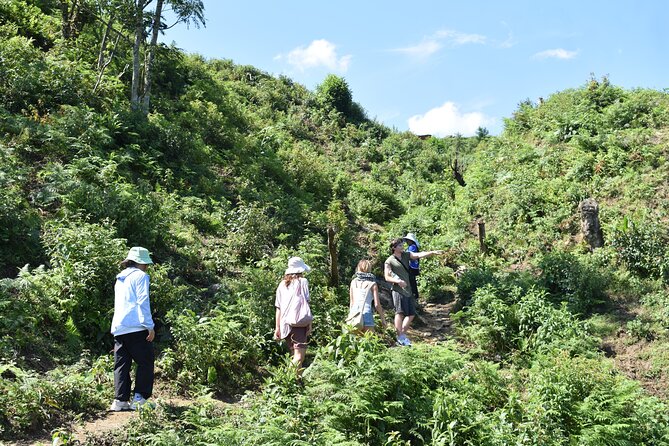
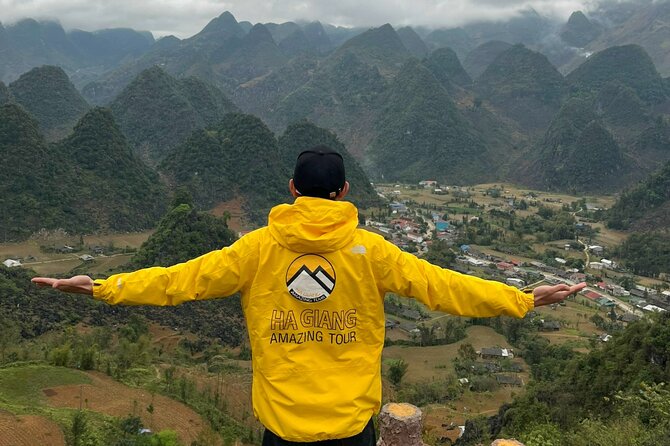
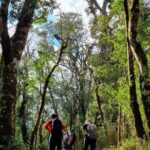
Then you move into Muong Hoa Valley itself. The description is very specific: the road is one side of the cliff, the other side is the valley. That’s not just drama for a brochure. It signals that you’ll likely be walking along narrow edges with big drops and strong landscape views.
The reward is the valley’s look: forest trees, a sense of depth, and in some seasons, wildflowers. Wildflowers matter because they’re small visual proof of seasonality. Even when terraces look similar day to day, flowers can change the whole mood of the place.
This stop is about 1 hour 30 minutes, and admission is free. It’s a good chunk of time. Short enough to avoid fatigue from continuous hiking, but long enough that you can pause and really take in what your guide is describing.
If you’re prone to feeling uneasy on narrow cliffside paths, take that seriously. Go slow, keep your footing careful, and trust the guide’s pace. You’ll enjoy the views more when your body feels stable.
Hau Thao: Rice Terraces, Bamboo Forest Edges, and the Cloud-Blanket Look
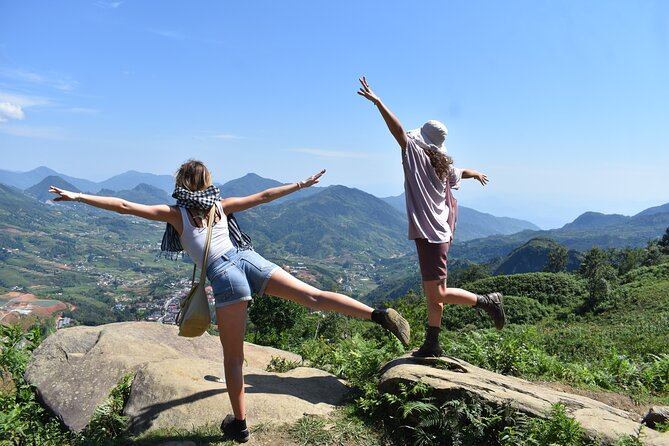
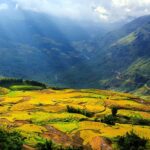
The final featured stop is Hau Thao. This is where the “rolling clouds + terrace” fantasy becomes more literal. The description highlights rice fields spreading along the mountainside, next to forests, with bamboo forest edges that create a layered, textured landscape.
The big visual here is the chance to see a sea of white clouds. That’s the famous highland look—cloud layers low enough that the fields and ridges appear like they sit above a soft horizon. Timing is everything. Even in good weather, that effect can be brief.
You’ll spend about 2 hours at Hau Thao. Admission is free. This is also where walking around feels less like a transit route and more like exploration. If you like terraces, bamboo, and mountain weather patterns, this stop tends to be the emotional payoff of the day.
Practical drawback: if you’re visiting during a wet or foggy period, terraces can look darker and cloud cover can hide the far view. That said, mist can also make the scene feel calmer. Just don’t expect crisp valley photos every minute.
Lunch, Vegetarian Options, and the Small Logistics That Keep You Comfortable
Lunch is included, and the tour notes that vegetarian food is available on request. That’s a key detail for value and comfort. When trekking in rural areas, food options can be the difference between an enjoyable day and a stressful one. Here, you have a clear way to align the meal with your needs.
Bottled water is also included. In Sapa’s mountain climate, you might not feel as thirsty as in hot lowland destinations, but you’ll still use energy and moisture. Having water handled means you can focus on the walk.
One more practical advantage comes from how some visitors describe their experience with the provider: smooth coordination and reminders. That lines up with the tour format you’re choosing—pickup is offered, and you’re given a mobile ticket, which usually makes it easier to find your group on a timed schedule.
How Much Is $53 Really Worth Here?
At $53 per person, this trek is not just “cheap.” It’s priced like a day package that covers the moving parts: transport, guides, fees, and lunch. The biggest reason I’d consider it good value is that the price removes decision fatigue.
Instead of trying to piece together transport into remote village trails, you get private transportation and a guided route built around specific stops:
- Ham Rong viewpoint
- Sapa market
- Hang Da village
- Muong Hoa Valley
- Hau Thao
If you’ve ever traveled in mountainous regions, you know that independent planning can be time-consuming and sometimes awkward when you don’t speak the local language. A guided, structured day is worth extra when the alternative is improvising.
That said, you still need to match expectations. This is not a luxury sit-in-your-car day. It’s trekking with real walking, cliffside context, and time spent outside.
Who Should Book This Trek (and Who Might Not)
This is a strong fit if you want:
- A 1-day itinerary that feels like more than just viewpoints
- Village culture exposure without committing to a multi-day trek
- English guidance for interpretation and smoother navigation
- Included lunch and a planned schedule
It’s also a good choice if you’re traveling with a small group that wants privacy. The private format helps keep things personal.
You might think twice if:
- You hate heights or narrow paths and get anxious on cliffside edges
- You want a completely easy, flat hike
- You’re only interested in the town center and want to stay close to Sapa’s main streets
Tips to Make Your Day Smoother (Without Overthinking It)
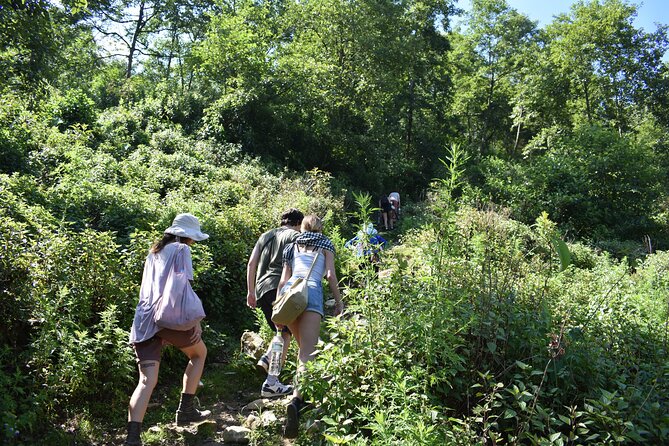
Bring good walking shoes with solid grip. This is a mountain day with cliffside road segments. Wear layers; Sapa weather can change quickly around ridges and cloud zones. A light rain layer is smart, especially when visibility and clouds are part of the experience.
Also, plan your pace. This trek is labeled moderate, but the altitude and terrain still demand steady effort. If you go out fast, you’ll pay for it later. Better to start calm at Ham Rong and save energy for the valley walking and Hau Thao time.
Finally, if you have food preferences, speak up early about vegetarian lunch. The tour notes vegetarian food is available on request, which usually means you have to communicate that before the meal.
Should You Book the Muong Hoa Valley View & Village Trek?
I’d book this trek if your goal is a one-day Sapa experience that mixes views, villages, and real mountain atmosphere—not just a quick photo loop. The combination of Ham Rong orientation, Sapa market culture, and village stops like Hang Da and Hau Thao creates a full arc to the day. Plus, $53 works well when you compare what’s included: lunch, bottled water, fees, and private transport.
Skip it if you want an easy, low-stress walk with zero exposure to narrow cliffside paths. Also, if you’re extremely photo-dependent and can’t handle fog, know that weather will steer the cloud-view moments.
If you can handle a moderate hike and you want to see how people live on Sapa’s slopes, this is one of the more satisfying ways to spend a day in the region.
FAQ
How long is the Muong Hoa Valley View & Village Trek in Sapa?
It runs about 6 hours to 7 hours 30 minutes.
How much does the tour cost?
The price is $53.00 per person.
What’s included in the price?
Lunch, bottled water, all fees and taxes, and private transportation are included.
Is there a vegetarian lunch option?
Yes. Vegetarian food is available on request.
Where is the meeting point and when does the tour start?
It starts at 536 Đường Điện Biên Phủ, TT. Sa Pa, Sa Pa, Lào Cai 31000, Vietnam, with a start time of 9:00 am. The tour ends back at the meeting point.
Is this a private tour or shared with other groups?
It’s private, so only your group participates.
What fitness level do I need?
The tour is for travelers with moderate physical fitness.
Can I cancel for a full refund?
Yes. You can cancel up to 24 hours in advance for a full refund. If you cancel less than 24 hours before the start time, the amount paid is not refunded.