REVIEW · SA PA
Sapa: Trekking Sapa One Day With Group Tour
Book on GetYourGuide →Operated by Sapa Trekking Hiking Tours · Bookable on GetYourGuide
Rice terraces and village stories in one hike. This Sapa day trek threads through bamboo forests and rice paddies, then brings you into Black Hmong village life.
I love the way the route strings together several communities, not just one quick stop. You’re set up for real conversation time around homes, weaving, and everyday customs.
I also love the simple value: your guide, village access, and lunch are built in for about $26. The main consideration is effort level; the start can be muddy and steep, so bring proper shoes and don’t expect an easy stroll.
In This Review
- Key points that make this day tour work
- Why This One-Day Sapa Trek Feels More Personal Than a Drive-By
- Timing, Pace, and the 5-Hour Reality Check
- Starting at Notre Dame Cathedral: Your Fast Get-Oriented Moment
- Bamboo Forests and Muong Hoa Rice Terraces: The Part You’ll Remember
- Black Hmong Village Stop at Y Linh Ho: Culture You Can See Up Close
- Lao Chai Village: Rice Fields and the Largest Hmong Community
- Village Lunch in the Highlands: Simple, Local, and Actually Convenient
- Ta Van Village and Giay Stilt Houses: Another Ethnic Thread in the Same Valley
- Mud, Fog, and Rain: How to Prepare So the Day Stays Fun
- Transportation and Group Flow: The Parts That Keep You From Stressing
- Price and Value: Why About $26 Can Feel Fair
- Guides Are the Real Engine: What Makes the Tour Feel Special
- Who This Tour Fits Best (and Who Should Skip It)
- Should You Book This Sapa One-Day Group Trek?
- FAQ
- What is the meeting point for the tour?
- What time should I arrive?
- How long is the tour?
- What does the tour include?
- Is lunch included, and are there vegetarian options?
- What should I bring?
- Is there a raincoat provided?
- Is the tour wheelchair accessible?
- Are there restrictions on clothing?
- Is tipping required?
Key points that make this day tour work
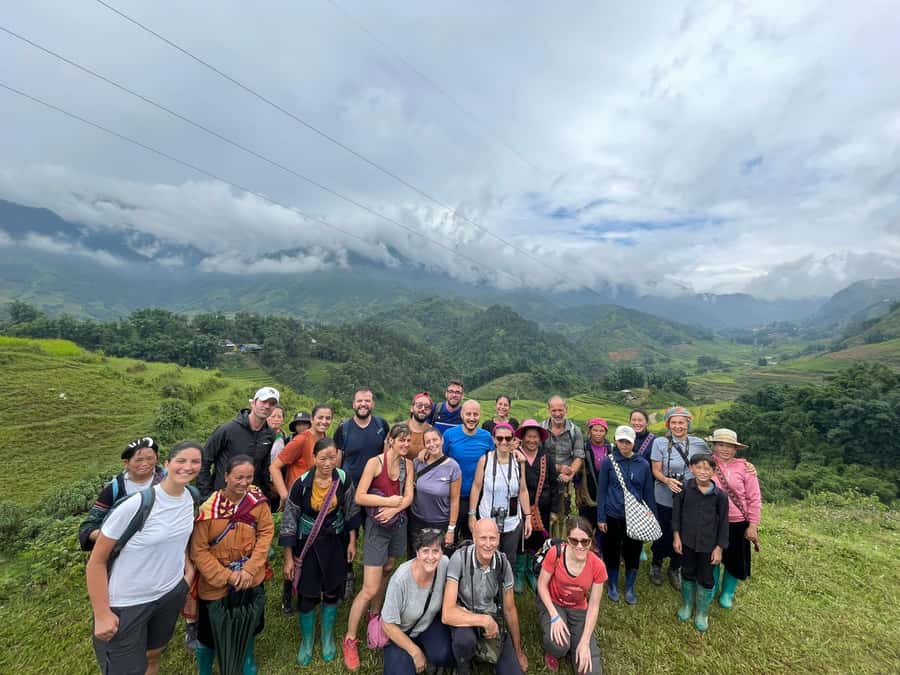
- Multiple villages (Y Linh Ho, Lao Chai, Ta Van) in one focused day
- Local culture with context, including Black Hmong and Giay daily life
- Built-in comfort items, like village lunch and a raincoat if weather turns
- Small-group feel that helps you stop for photos without rushing
- Practical guidance from English-speaking local guides such as May Pham, Du, Chi, Zu, or Pang Chau (depending on your date)
Why This One-Day Sapa Trek Feels More Personal Than a Drive-By
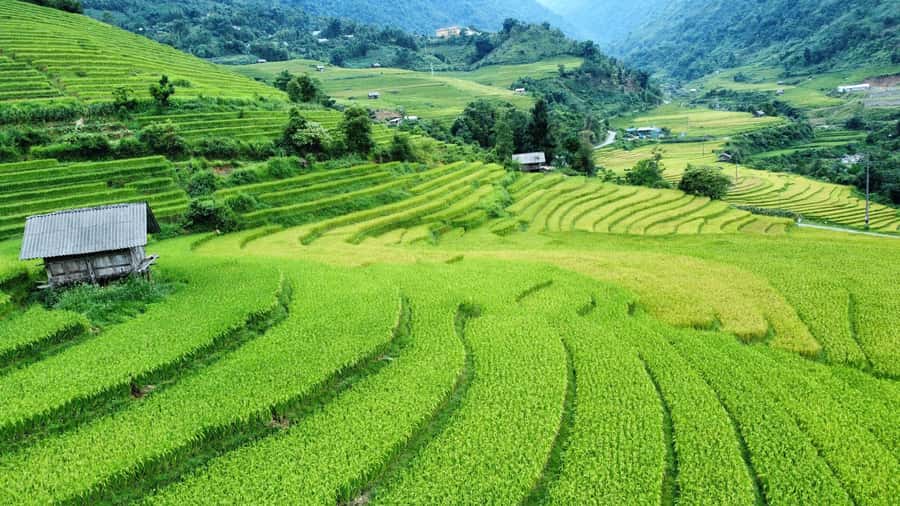
Sapa can be touristy fast, but this style of day hike keeps you moving through the same kinds of paths locals use. Instead of riding past views, you walk between bamboo pockets, terraced rice, and village edges where people actually live.
What I like most is the flow. You start with an easy orientation in town, then the day progressively shifts from scenery to people to culture, without turning into a museum lecture.
Also, you’re not stuck with one single “big moment.” You get several smaller ones: a village home interior moment, textile and craft talk, and that quiet valley feel as you crest sections of the trail. Guides often bring personal village context too, especially when they are from one of the communities you visit.
You can also read our reviews of more hiking tours in Sa Pa
Timing, Pace, and the 5-Hour Reality Check
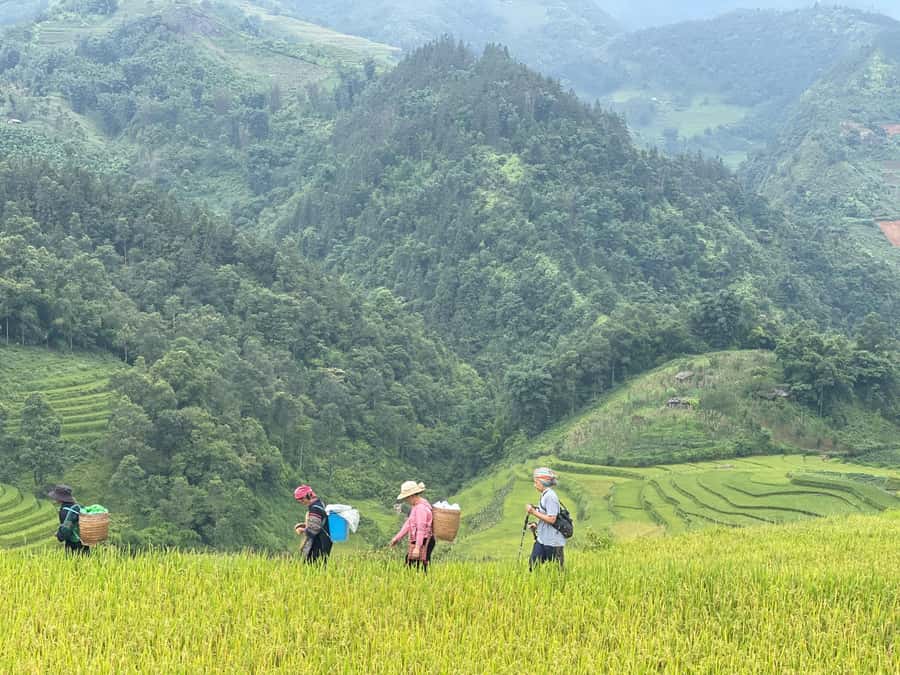
The tour runs about 5 hours total, with a schedule that typically looks like a morning meet-up and an early afternoon return. What matters more than the clock is the walking time: you’ll likely spend a few hours trekking, plus breaks for photos, resting, and village visits.
The pace is generally friendly, and most groups move slowly enough to ask questions and take your time. That said, the beginning can be the trickiest part if it’s wet—muddy spots and slippery ground show up, especially after rain.
If you’re comfortable with uphill walking for stretches and you have grippy shoes, you’ll be fine. If you want flat, easy, guaranteed footing, this is not that kind of day.
Starting at Notre Dame Cathedral: Your Fast Get-Oriented Moment
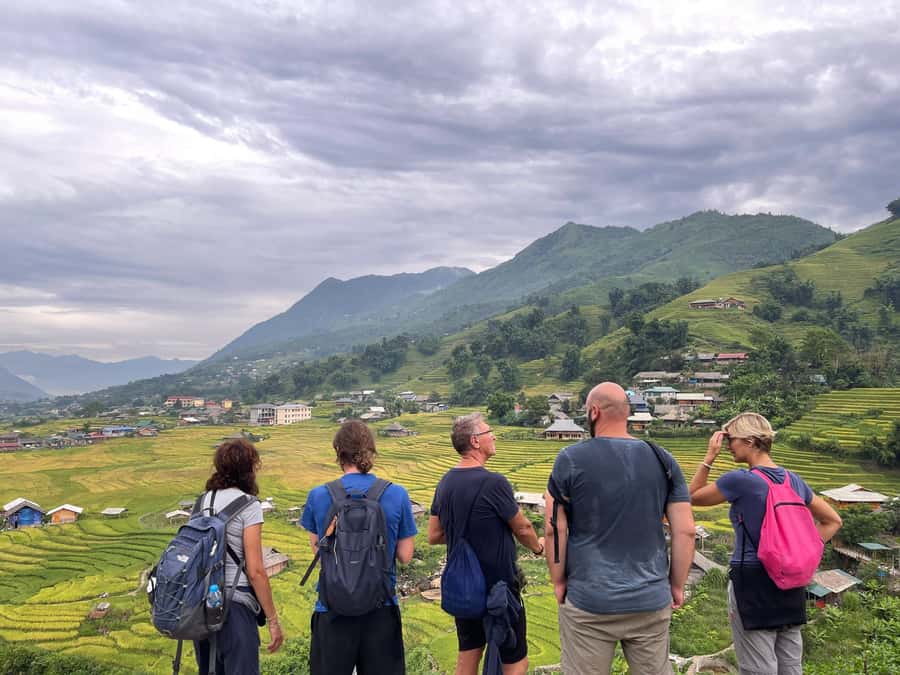
You meet in front of Sapa’s Notre Dame Cathedral (Nhà Thờ Đá Sapa). Pickup is scheduled for 9:30 AM, and the practical advice is simple: be there 10 to 15 minutes early so you’re not sprinting around town.
There’s also a short safety briefing once the group starts moving. It’s not a long talk—just enough to set expectations for terrain, weather, and how the hike will be managed.
This start location helps. You’re meeting right in Sapa’s center, so it’s easy to arrive from your hotel area. And it gives you a clean anchor point when you finish later at the same place.
Bamboo Forests and Muong Hoa Rice Terraces: The Part You’ll Remember
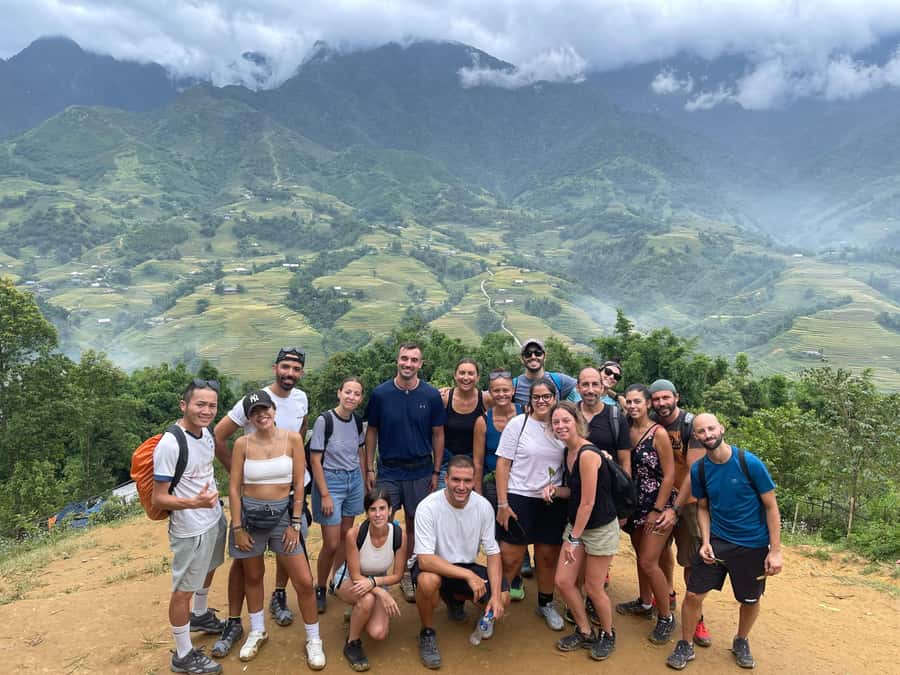
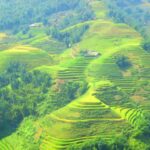
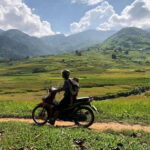
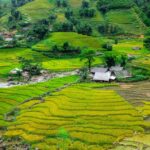
The trail begins with nature. You’ll walk through bamboo forest and highland countryside before reaching the Muong Hoa Valley rice terraces area. Even when visibility isn’t perfect, the combination of bamboo shadows and terraced rice gives the hike its signature feel.
In clear weather, you’ll enjoy wide views over rice fields. In fog or low clouds, the scenery can look softer and more dramatic—still beautiful, just more mysterious. Either way, those bamboo-to-terraces transitions are why this tour is popular.
One more practical note: if it has been raining, the first stretch is often where the ground is most unpredictable. Plan on slow steps, take your time on roots and rocks, and lean on your guide’s pacing.
Black Hmong Village Stop at Y Linh Ho: Culture You Can See Up Close
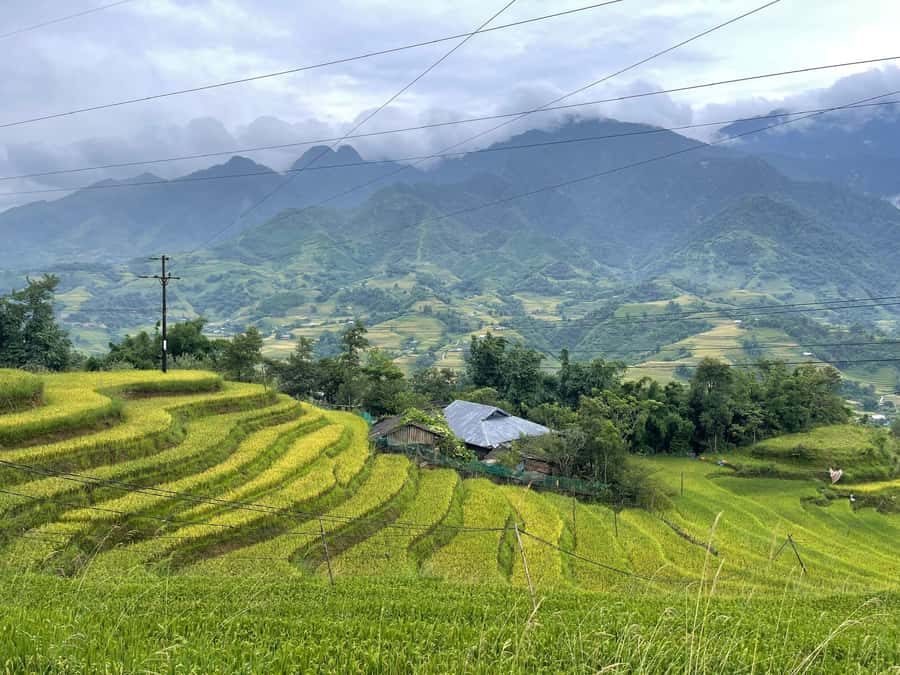
Y Linh Ho is a tranquil Black Hmong village setting in the valley. This is where the day turns from scenery into daily life.
You’ll have time to see how people live and to learn about customs and traditions. You should expect cultural explanations that are more grounded than typical photo moments—handwoven textiles, daily routines, and the way the community fits into the surrounding hills.
The value here is context. Looking at a house from the outside is one thing; standing in the village setting while your guide explains what you’re seeing makes it much easier to understand why things are the way they are.
If you like asking questions, this is the part where you’ll likely feel most satisfied. Guides often encourage you to slow down, ask about clothing or household life, and watch how the day actually unfolds.
A few more Sa Pa tours and experiences worth a look

Lao Chai Village: Rice Fields and the Largest Hmong Community
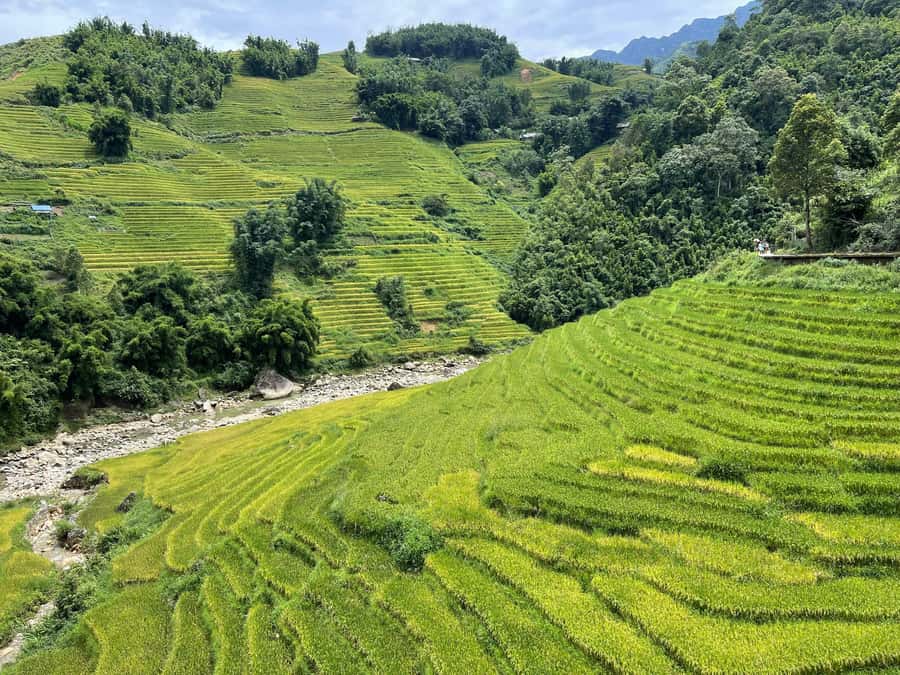
Next you’ll head to Lao Chai, described as the largest Hmong village in Sapa. This is a longer village segment in the flow of the trek, so you’ll feel the difference between a stop-and-go photo pit stop and a true cultural visit.
You walk through rice fields, then explore the community and Hmong homes. This portion is also where weaving and craft details tend to come up again, but with more room to ask and observe.
One thing I appreciate about visiting Lao Chai on foot: it helps you understand the geography. You start to see why terraces, footpaths, and village placement matter. It’s not just “pretty fields,” it’s a system people live inside.
Village Lunch in the Highlands: Simple, Local, and Actually Convenient
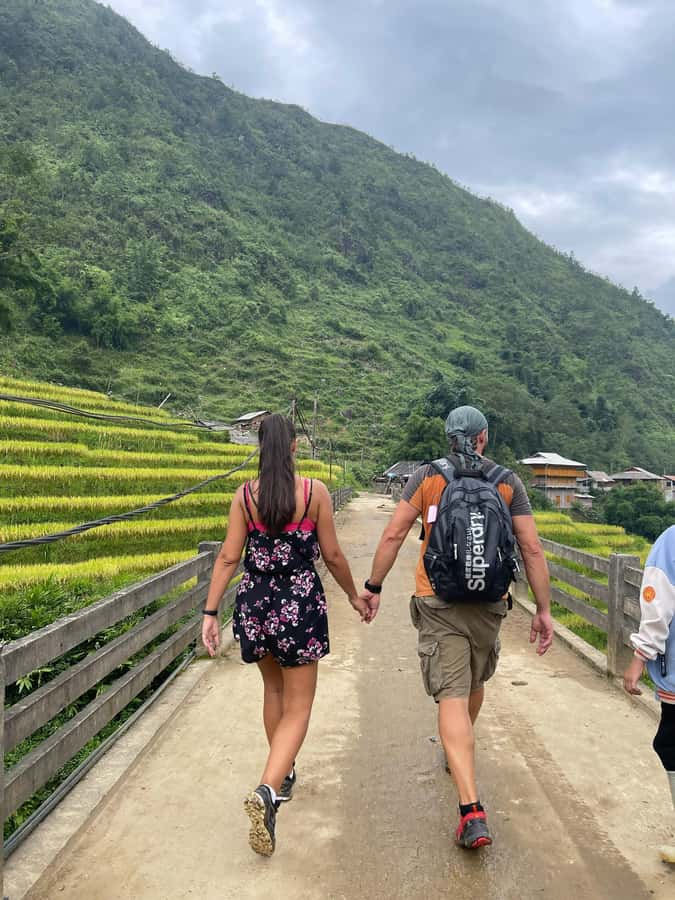
Lunch happens at a village restaurant. It’s included, and you’ll eat while taking in panoramic views of terraced scenery.
This is more than a meal break. It gives you a reset during the middle of the day, so you can keep trekking without turning the whole experience into a stamina test. Also, eating here means you’re supporting the local setting the tour is passing through.
Vegetarian options can be available, based on past tour experiences, so if you need one, make the request ahead of time. If you don’t, you’ll still get a solid taste of regional flavors in a place that isn’t just designed for tourists.
Ta Van Village and Giay Stilt Houses: Another Ethnic Thread in the Same Valley
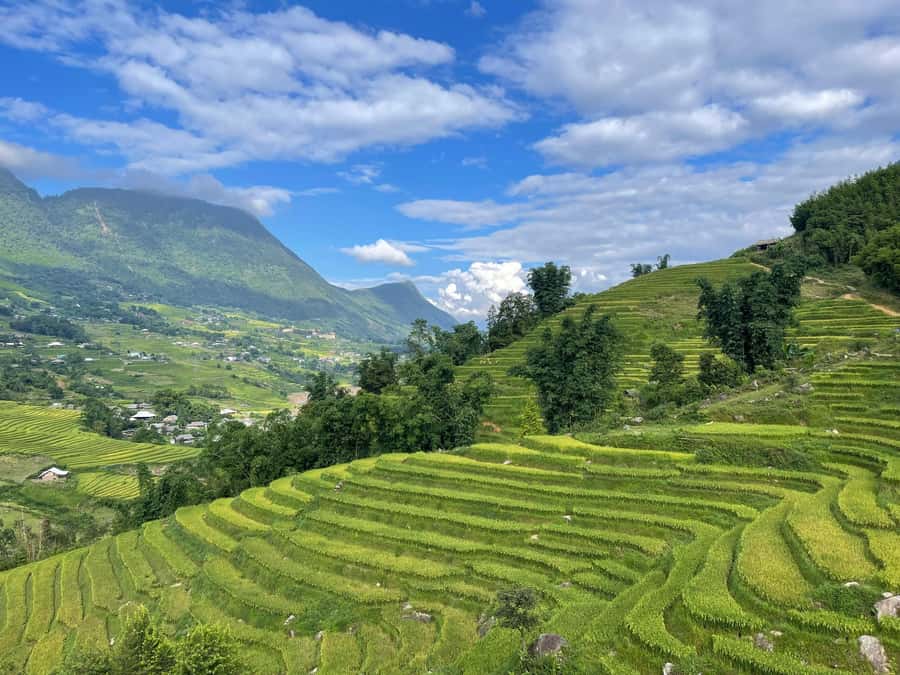
In the afternoon, the trek continues toward Ta Van, home to the Giay people. This stop helps broaden the day beyond Black Hmong life.
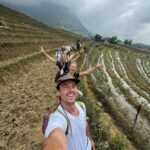
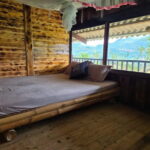
You’ll walk through emerald rice paddies and arrive with time for photo stops and guided sightseeing. The Giay stilt houses are the visual clue here, and they help you understand how architecture changes with terrain and local living needs.
What I like about including Ta Van is the “shared valley, different culture” lesson. You’re still in the same highland region, but the living rhythm feels distinct—different practices, different household patterns, and a different feel to the village pace.
Mud, Fog, and Rain: How to Prepare So the Day Stays Fun
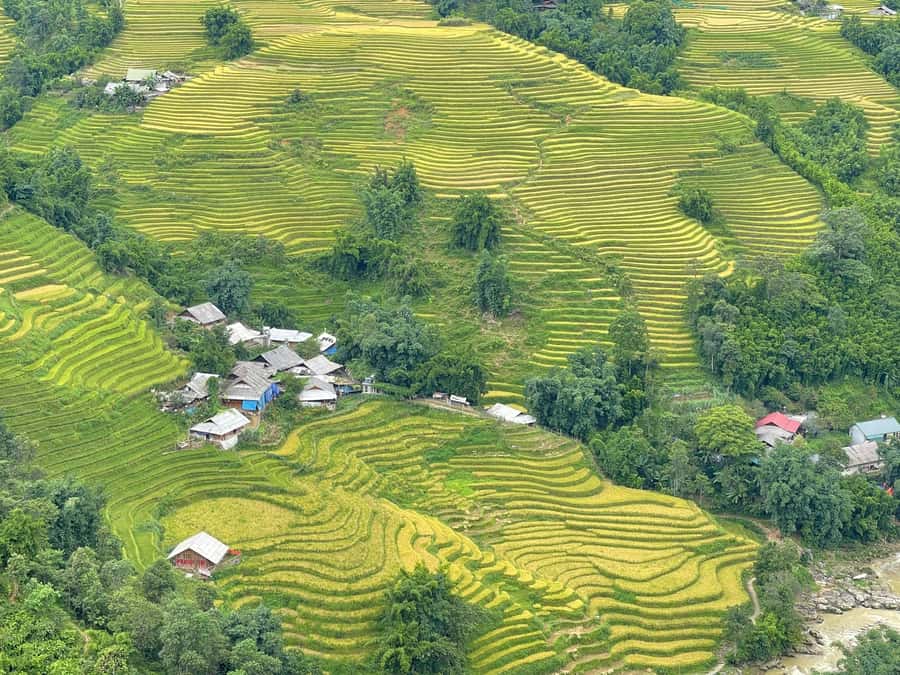
Weather in Sapa can change quickly, and the trail can be slick. The good news: your tour includes a raincoat if conditions turn bad. That alone removes a lot of uncertainty.
Still, you should pack like conditions can be wet. Bring a hat and sunscreen, wear comfortable clothes, and most importantly, use shoes with good grip. If it’s muddy, you’ll appreciate every step you didn’t rush.
Cash is also on the “bring” list. While your lunch and main costs are included, you may encounter sellers offering small items during the walk. Having some cash makes it easier to handle those moments without stress.
If you get foggy weather, don’t cancel the vibe in your head. Fog can limit views, but bamboo and terraced paths still look great, and village interactions remain the highlight.
Transportation and Group Flow: The Parts That Keep You From Stressing
You start in Sapa, hike between villages, then you return to Sapa by vehicle from the last village. The schedule includes a coach/bus segment on the way back, plus your final drop-off at Notre Dame Cathedral.
Group tours run on shared timing, but the best version of this day tour keeps stops flexible enough for photos and rest breaks. In practice, many people enjoy the slow pacing and time to talk, especially when the guide is attentive.
If you’re the type who hates waiting, plan to use your break times well: hydrate, check your footing, and enjoy the views when the path opens up. The rhythm of the day matters more than squeezing everything into one speed-walk.
Price and Value: Why About $26 Can Feel Fair
At about $26 per person, this tour is one of the more budget-friendly ways to get a guided multi-village experience in Sapa. The reason it feels like value is that key essentials are included: an English-speaking guide (plus a local guide), village entrance fees, lunch in the village, and a big bottle of water per person.
You also get a raincoat if the weather is bad, and you’re transported back from the final village. Those add up fast if you try to assemble the same day independently.
What’s not included is important to budget for: tips for guide and driver, any extra drinks, personal expenses, and travel insurance. If you’re traveling on a tight budget, you’ll likely just want to set aside a bit for tips and small purchases so you don’t feel stuck later.
Guides Are the Real Engine: What Makes the Tour Feel Special
The tour experience depends heavily on your guide, and the good ones do a few things consistently: they manage the pace, explain what you’re seeing, and make you feel welcome in the village setting.
Names that have appeared with strong praise include May Pham, Du, Chi, Zu, Pang Chau, and Mrs Ghenh, among others. People particularly value guides who share personal stories from their family or community and explain customs with honesty, not just a script.
Even the small logistics show up: guides often help you navigate muddy starts, answer questions patiently, and offer a choice of harder versus easier walking routes when possible. That choice can be the difference between a day you remember fondly and a day where you count minutes.
Who This Tour Fits Best (and Who Should Skip It)
This day trek is a great match if you want countryside walking plus genuine village interaction in a single morning-to-afternoon window. It’s also ideal if you like learning through conversation, not through big group lectures.
It’s not suitable for people with heart problems, wheelchair users, and people over 70, based on the activity’s restrictions. Also, short skirts aren’t allowed, so plan clothing that respects the setting.
If you’re bringing grandparents or someone with mobility limits, you’ll likely want a different style of tour that’s less dependent on trail conditions and walking time.
Should You Book This Sapa One-Day Group Trek?
If you’re choosing between “views only” and a guided day with village culture, I’d lean toward booking this one. The price-to-inclusions ratio is strong, and the day structure gives you multiple culture stops with breaks that keep you comfortable.
Book it if you can walk a few hours and you’re okay with uneven, sometimes muddy trail conditions. Bring grippy shoes, take layers for cooler highland weather, and plan to bring a curious mindset.
Skip or switch to a gentler option if you need fully flat terrain, have mobility limits, or your health makes steep or slippery ground risky.
FAQ
What is the meeting point for the tour?
The meeting point is in front of Sapa Church (Notre Dame Cathedral / Nhà Thờ Đá Sapa). The guide picks you up there.
What time should I arrive?
Pickup time is 9:30 AM. Plan to arrive 10 to 15 minutes early.
How long is the tour?
The experience is listed as about 5 hours total.
What does the tour include?
It includes an English-speaking guide (with a local guide), village entrance fees, lunch in a village, one big bottle of water per person, a raincoat if needed, and transportation back to Sapa from the last village.
Is lunch included, and are there vegetarian options?
Lunch is included in the village. Vegetarian options have been mentioned as available in past experiences, so it’s smart to request it when you book.
What should I bring?
Bring a hat, sunscreen, comfortable clothes, and cash.
Is there a raincoat provided?
Yes. A raincoat is included in case of bad weather.
Is the tour wheelchair accessible?
No. Wheelchair users are not suitable for this activity.
Are there restrictions on clothing?
Short skirts are not allowed.
Is tipping required?
Tips for the guide and driver are not included, so you may choose to tip at your discretion.