REVIEW · SA PA
In Sapa: 1 Day Mountain Trek, Visit beautiful villages
Book on GetYourGuide →Operated by Viet Nam Explore Travel · Bookable on GetYourGuide
Rice terraces and Hmong villages in one hard day.
You start with a climb to Sa Seng for sweeping Fansipan views, then walk down through village paths with constant scenery over Muong Hoa valley. The day also includes real cultural moments in Black Hmong communities—stuff you cannot learn from posters.
Two things I really love about this trek: the mix of mountain viewpoints and village life, and the way the route makes it feel like a human-scale experience rather than a rushed circuit. I also like that lunch is handled by locals and feels part of the day, not an afterthought. Guides such as Mao or Sung are mentioned for clear storytelling and keeping the pace right for the group.
One thing to consider: the hike can be steep and slippery after rain, and the walking is not built for slow, flat comfort. If you hate uneven footing or mud, this is going to test your patience.
In This Review
- Key points to know before you go
- Sapa’s 10-hour hike: start point, pickup, and group size
- First climb to Sa Seng: where Fansipan views hit hardest
- Downhill to Hang Da: Black Hmong village life and animal encounters
- Traditional lunch at a family-run spot: included and actually meaningful
- Hau Thao village walk: rice work, marriage traditions, and house techniques
- The Giang Ta Chai walk-out: finishing strong back to Sapa
- Price and value: why $24 can feel fair here
- Who should book this trek to Hau Thao
- Practical tips so you don’t lose time (or footing)
- Should you book the Sapa 1 Day Mountain Trek to Hau Thao?
- FAQ
- FAQ
- What is the duration of the Sapa 1 Day Mountain Trek to Hau Thao?
- How much does the tour cost?
- What time does the tour start?
- What does the itinerary include?
- Is there lunch included?
- What’s included in the price besides lunch?
- Do I need cash?
- Are there items I’m not allowed to bring?
- What languages are the guides?
- Is it suitable for wheelchair users or people with mobility impairments?
Key points to know before you go
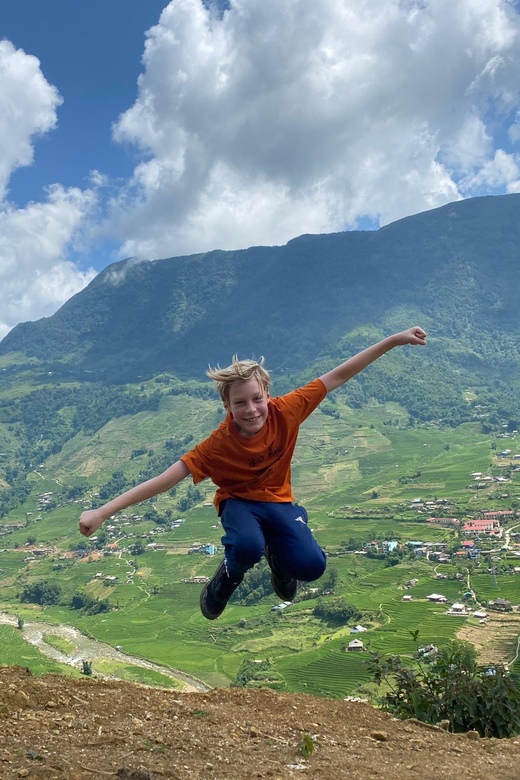
- Sa Seng summit views include Fansipan (3,143m) and major Muong Hoa valley panoramas
- Black Hmong villages Hang Da and Hau Thao bring you into everyday farming life
- Muong Hoa valley is the star scenery, seen from high ground and along downhill paths
- English-speaking local guide shares topics like marriage traditions and house building techniques
- Small group up to 10 helps you keep a calmer rhythm on the trails
- Traditional lunch + village entry fees + trekking stick are included in the price
Sapa’s 10-hour hike: start point, pickup, and group size
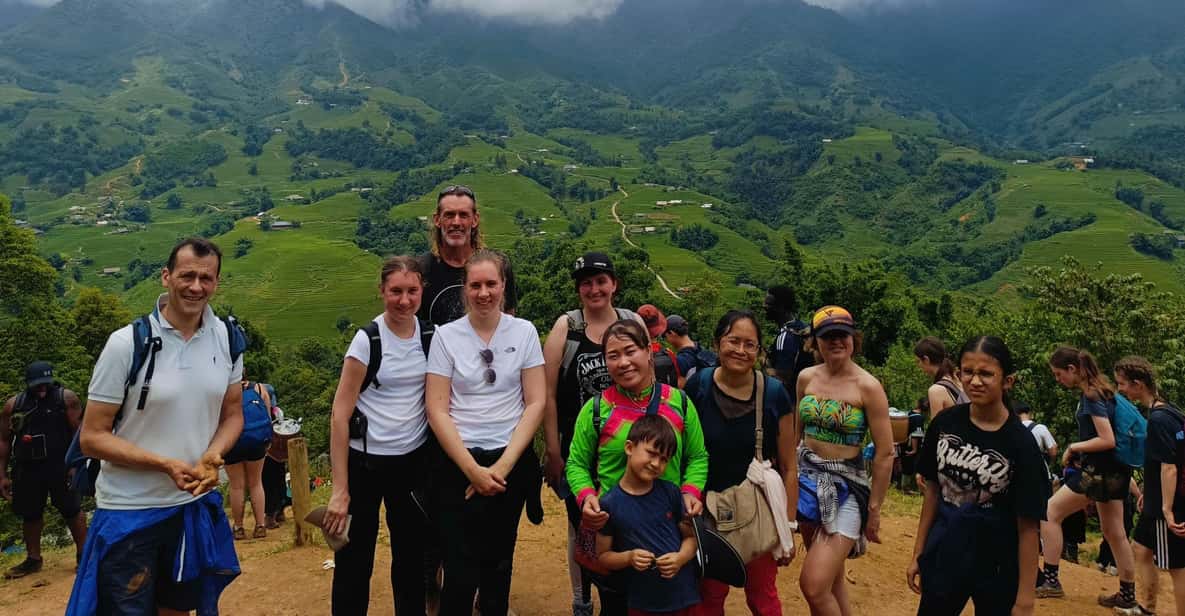
This tour is built as a single full day, about 10 hours from start to finish, with a big chunk of walking plus village stops. The day starts around 9:00 when your guide and van pick you up at your accommodation, then you begin with a short uphill trail to get your legs working.
You’ll also see Sapa TT Homestay listed as a meeting point for the area’s longer 2-day trekking options, and it’s about 2.3 km from central Sapa. Even if your van pickup is arranged from your hotel, plan to arrive early at the start location—at least 30 minutes—so there’s time for check-in, luggage storage, and a pre-trek briefing.
The group stays small (up to 10 participants), which matters here. With fewer people, your photos are easier, your pace feels more human, and you’re less likely to feel herded along.
You can also read our reviews of more hiking tours in Sa Pa
First climb to Sa Seng: where Fansipan views hit hardest
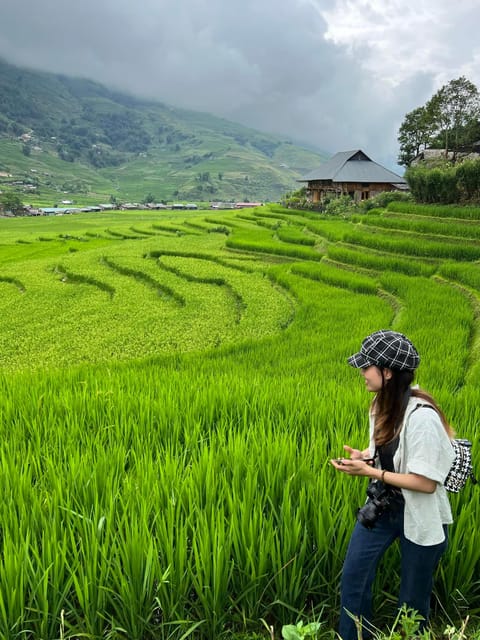
The hike begins with a bit of uphill effort—about 1 km uphill on a small trail—before the real trekking starts. After roughly 1 hour of hard trekking, you reach the top of Sa Seng mountain, where the views do the heavy lifting.
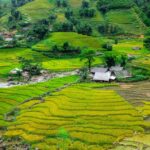
From here, you can see Fansipan (3,143m), which is the highest peak in Indochina, plus views across Sapa town. Then you look down toward Muong Hoa valley, including the rice terraced fields that people come to Sapa for in the first place. You also catch a sense of scale: this area has one of the biggest rivers and valleys in Sapa, and from the summit it feels dramatic.
This part is the reason the trek is worth it, but it’s also where you should be honest about your fitness. Several guides and hikers rate this trek as moderately easy overall, yet the climb includes steep sections, and rain can make the surface slick. Bring sturdy shoes and use the trekking stick if you’ve got one—your knees will thank you on the way down.
Downhill to Hang Da: Black Hmong village life and animal encounters
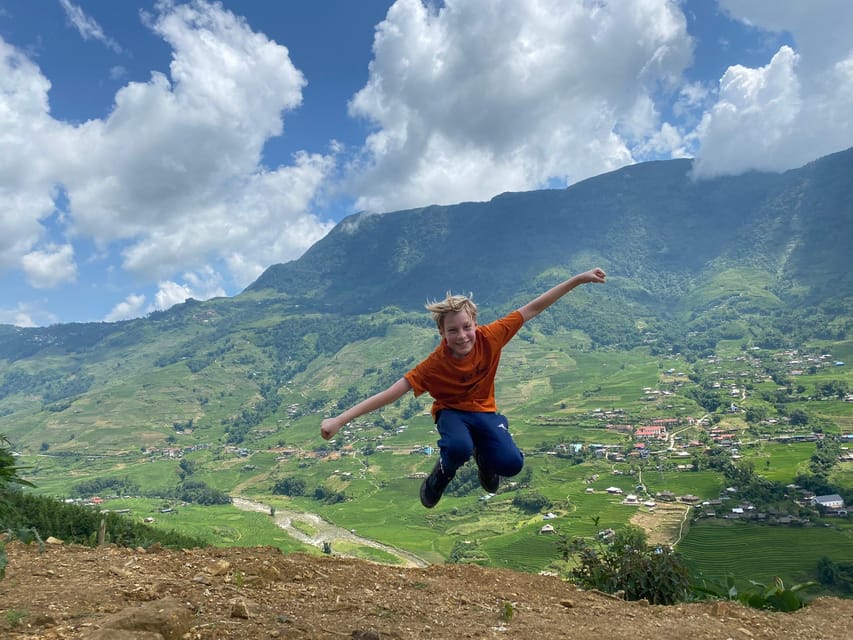
After the summit views, you continue down the mountainside toward Hang Da, a village of the Black Hmong minority. The move from ridge to village is the shift in your day—from sweeping sight-seeing to slower, more grounded walking.
Along the route, you get chances to see farm animals that are part of local life, including buffaloes and pigs. This isn’t a zoo-style stop; it’s more about noticing how the village functions around animals, land, and routines.
Hang Da also gives context. You’re not just arriving at a viewpoint and leaving—you’re walking into a place where farming is the main job and the landscape works like a livelihood. If you’re someone who likes to understand how communities survive and organize their day, this village section is where that starts to click.
One practical note: village paths can be uneven, and the downhill can feel harder than the climb if the ground is wet. If you tend to slip when walking downhill, go slow and keep your weight stable.
Traditional lunch at a family-run spot: included and actually meaningful
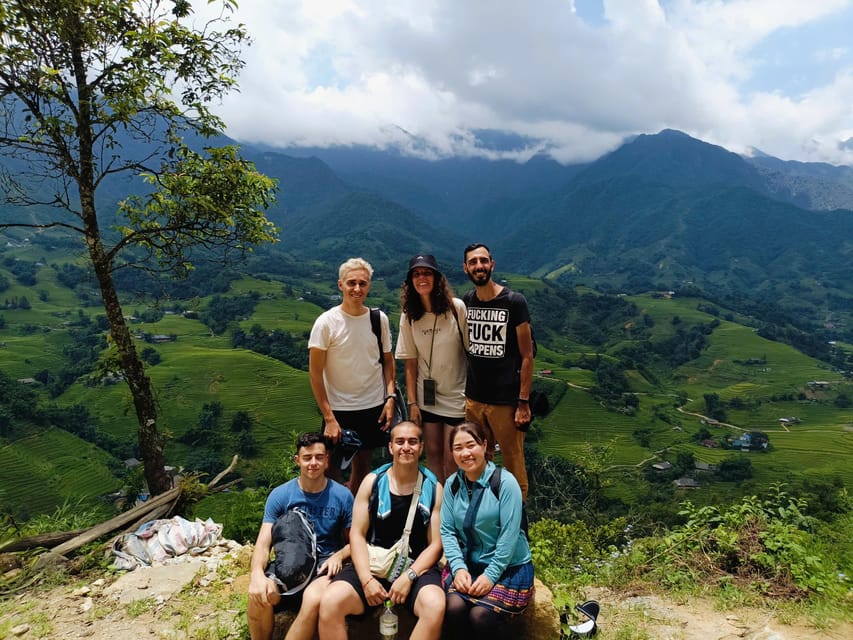
Lunch is scheduled after the morning village and animal time, at a small restaurant run by a local family. This is one of the best value features of the tour because the day would cost more if you had to plan lunch separately while hiking.
Food here is described as homemade and fresh, and you get to take a break without stepping outside the tour rhythm. Timing is also handled—stops are planned so you’re not constantly asking when you’ll eat or where you can take care of basic needs.
I like lunches like this because you’re not doing a food detour. You’re simply being fed in the middle of the trek, which helps you keep energy for the afternoon walking toward Hau Thao.
Hau Thao village walk: rice work, marriage traditions, and house techniques
After lunch, the tour goes down to Hau Thao, again a Black Hmong village. The walk is on a small road, and it sets you up for the most “everyday life” portion of the day.
When the timing lines up, you can watch people working in the fields—things like harvesting or planting rice. Even if you don’t catch every stage, you’ll still see how the village and the terraced fields connect, physically and practically.
Your guide plays a big role here by sharing specific cultural topics rather than vague statements. Expect explanations tied to Hmong marriage traditions, how rice field work is organized, and how houses are built. That kind of detail matters because it turns “I saw a village” into “I understand what I’m seeing.”
This part is often the emotional high point for people who care about cultural context. It can also be the part where you’ll notice the pace is different: you’re not sprinting from one photo spot to another. You slow down, you ask questions, and you learn how daily life shapes what you see.
A few more Sa Pa tours and experiences worth a look

The Giang Ta Chai walk-out: finishing strong back to Sapa
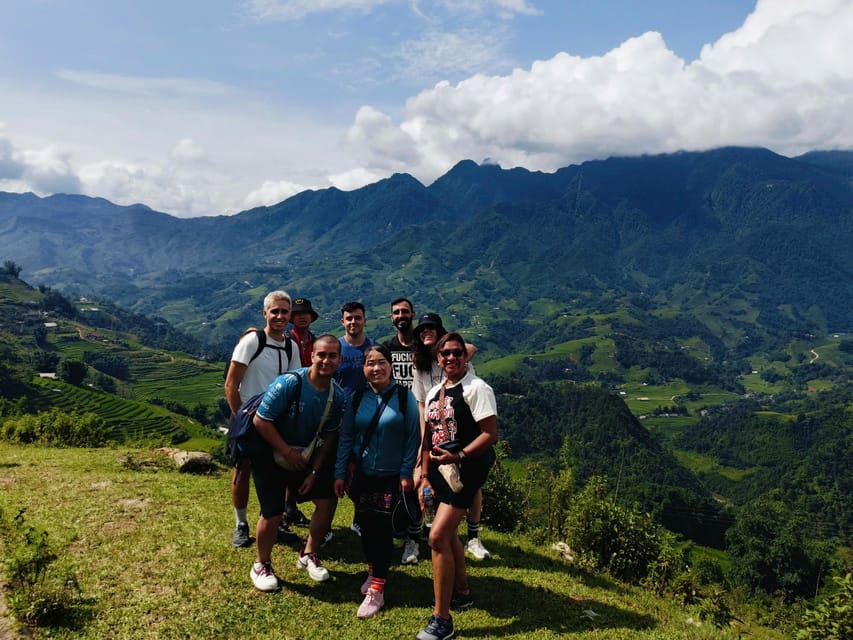
Around 15:30, you start the walk toward Giang Ta Chai village, where the transport is waiting on the main road. This last leg matters because it’s where the day can feel either smooth or tiring depending on your energy level.
From what many people report, the total hike distance is often in the neighborhood of 12–14 km, spread through steep and uneven terrain plus village steps. That’s why the trek is rated as active, not a casual stroll. The walking time can feel longer if you’re also stopping for photos and conversations.
Once you reach the main road, the logistics kick in and you head back to Sapa to end the day. If you want a single-day trek that still feels like a real journey (not a short, bouncy walk), this is the right structure.
Price and value: why $24 can feel fair here
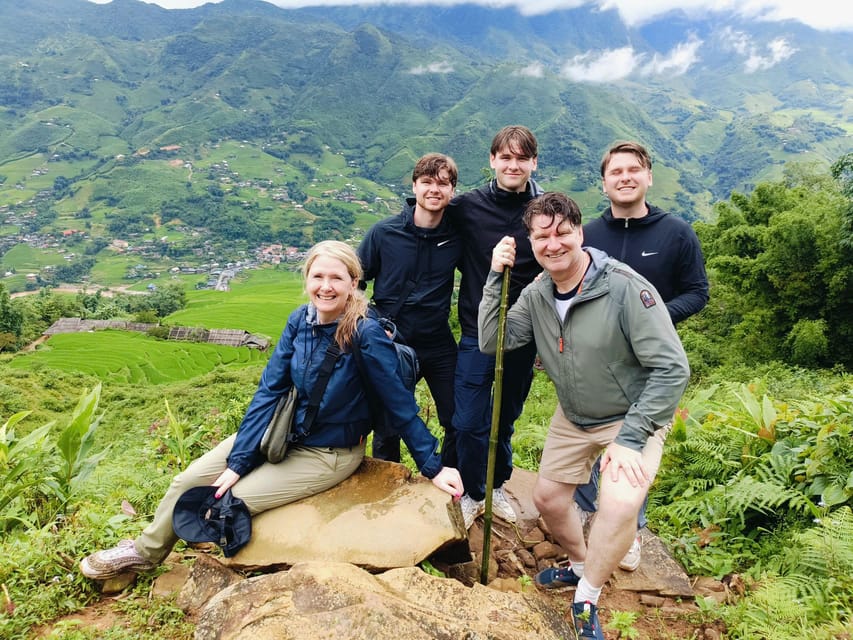
At $24 per person, this is positioned as a budget-friendly way to get a guided trek with cultural access. What helps it feel like value is what’s included: traditional lunch, English-speaking guide, village entry fees, one small bottle of water, a trekking stick, and transport back to Sapa after the village walk.
If you tried to build this yourself, you’d likely pay for a guide, pay for transport, and still need to cover any local access fees. Even if DIY sounds simple on paper, the planning and the route navigation can become the real cost—in time and stress.
Also, small group size matters for value. With up to 10 participants, you get more guide attention and a calmer day than you would with large buses and crowds.
The main reason I’d call this good value is that it doesn’t feel like you’re paying for scenery only. You’re paying for a day that includes viewpoint time plus village learning plus a provided meal.
Who should book this trek to Hau Thao
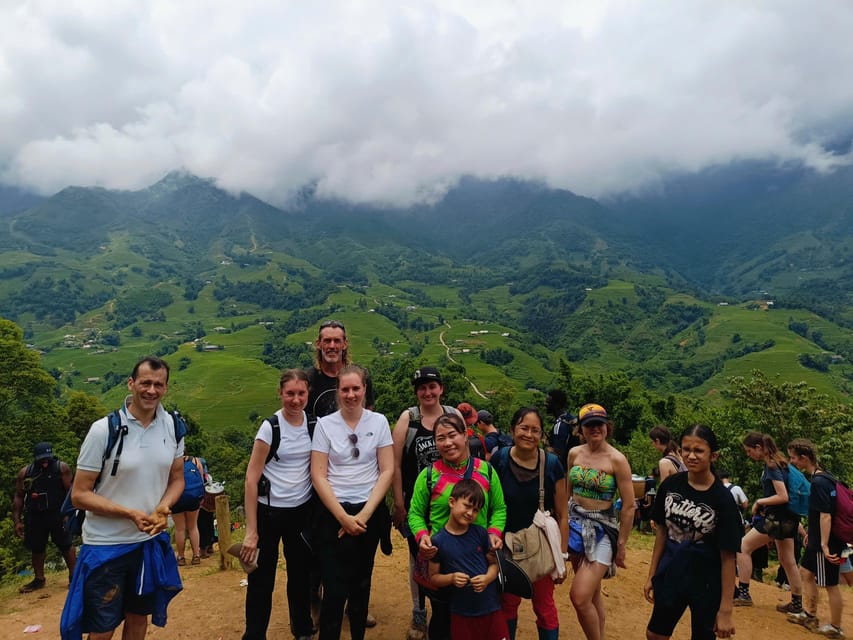
This tour is best for people who want real walking and don’t mind uneven trails. You’ll get steep sections, and in rain you should expect slippery patches. If you enjoy understanding village life and not just taking photos, Hau Thao and Hang Da are worth the effort.
It’s also a good fit if you like small groups. In a group of six or fewer, people often say the experience feels more flexible and personal, with less crowding on paths.
On the other hand, it’s not suitable for people with mobility impairments, wheelchair users, or people over 95 years. The terrain and the uphill/downhill walking make that a practical safety issue, not a marketing one.
If you’re traveling with kids, plan carefully: the tour description doesn’t state child policy, and the hike is described as hard trekking in the first climb. If you do go with younger hikers, choose a slower pace and expect the terrain to be the limiting factor.
Practical tips so you don’t lose time (or footing)
Bring cash, since it’s listed as required. Leave the daypack light enough for balance, but don’t underpack for weather—fog and rain can make the trail more tiring.
Wear sturdy shoes with grip. The trek is often described as challenging in places, with steep, muddy, uneven steps. The trekking stick included can help on downhill sections, especially when the ground is wet.
Also, follow the basic rules: no weapons or sharp objects. It sounds obvious, but it’s worth remembering if you’re coming from outdoor activities.
One more human detail: in some village areas, local people may approach with items to sell. It’s not a reason to panic, but if you hate shopping interruptions, decide how you want to respond ahead of time—polite no, short answer, and keep moving with your group.
Should you book the Sapa 1 Day Mountain Trek to Hau Thao?
Book this trek if you want a full day that combines mountain views (Sa Seng and Muong Hoa valley) with Black Hmong village time in Hang Da and Hau Thao. The included lunch, guide, entry fees, and trekking support make it feel efficient, and the small-group size helps the day stay calm.
Skip it if you want a gentle walk, you dislike steep downhill footing, or you need wheelchair-friendly access. This is active travel, and the terrain is the price you pay for the payoff.
If your dream Sapa day includes seeing rice terraces from above and then understanding what farming life looks like on the ground, this is one of the most direct ways to get there.
FAQ
FAQ
What is the duration of the Sapa 1 Day Mountain Trek to Hau Thao?
The tour runs for about 10 hours.
How much does the tour cost?
The price listed is $24 per person.
What time does the tour start?
Pickup is scheduled for around 9:00 from your accommodation.
What does the itinerary include?
You’ll trek to Sa Seng mountain for views (including Fansipan), visit Hang Da and Hau Thao villages, have lunch at a local family-run restaurant, and walk to Giang Ta Chai where transport brings you back to Sapa.
Is there lunch included?
Yes. Traditional lunch is included.
What’s included in the price besides lunch?
Included items are an English-speaking guide, village entry fees, one small bottle of water per person, transport back to Sapa after the village walk, and a trekking stick.
Do I need cash?
Yes. Cash is listed as what you should bring.
Are there items I’m not allowed to bring?
The tour notes no weapons or sharp objects.
What languages are the guides?
The guide is listed as English and Vietnamese.
Is it suitable for wheelchair users or people with mobility impairments?
No. It is not suitable for people with mobility impairments or wheelchair users.