REVIEW · SA PA
Sa Pa: The Roof of Indochina – Fansipan Hiking Full-Day Trip
Book on GetYourGuide →Operated by Sapa Trekking Hiking Tours · Bookable on GetYourGuide
Fansipan is a one-day grind with payoff. I love how this full-day trip turns Sa Pa into a real Fansipan hike with jungle trekking plus cultural context from an English-speaking local guide. It’s not just about reaching a peak; you also stop for big-sky views over Muong Hoa Valley and the Hoang Lien Son Range.
This is not a casual stroll: the route is 12 km each way and about 6 hours to reach the top. The included raincoat, gloves, and walking stick help, but if you’re dealing with back problems or low fitness, the steep, rocky sections can feel like a long argument with gravity.
In This Review
- Key takeaways before you lace up
- Fansipan Hiking: What makes the Roof of Indochina feel worth it
- Your day on the mountain: how the schedule actually plays out
- Stop 1: Pickup in Sa Pa
- Stop 2-3: The drive to Tram Ton Pass (about 30 minutes each way)
- Stop 4: Arrive back in Sa Pa
- The climb from Tram Ton Pass: what to expect mile by mile
- Segment 1: Start hiking and climb toward 2,200 m
- Segment 2: Side trail viewpoints over Muong Hoa Valley
- Segment 3: Lunch at 2,800 m (about 30 minutes)
- Segment 4: Summit time and Hoang Lien Son Range views
- Muong Hoa Valley viewpoints: the part you’ll remember after your legs recover
- Guide quality: why names like Chu, Chau, Thong, Tung, Pao, and Gio pop up
- Lunch, water, and provided gear: the stuff that keeps the day workable
- The lunch stop at 2,800 m
- Water and snacks mindset
- Rain and cold: the provided raincoat is not a gimmick
- Price and value: is $72 fair for a full-day Fansipan hike?
- Cable car, crowding, and weather: the few things you should plan around
- Who should book this Fansipan full-day trip (and who should skip)
- What to pack so you don’t regret it on step 1
- Should you book this Fansipan hiking trip?
- FAQ
- How long does it take to hike to Fansipan?
- How far is the hiking route?
- What’s included in the tour price?
- Is the cable car included?
- Is there an English guide?
- Is this a small group?
- What should I bring?
- Who is the tour not suitable for?
Key takeaways before you lace up
- Tram Ton Pass start: a quick drive into the mountains, then you’re hiking fast.
- 12 km uphill, twice: expect a full-day effort, not a quick nature walk.
- Lunch at 2,800 m: a proper break in a mountain shack, not a token snack.
- Hoang Lien National Park permits included: you’re covered for entry and paperwork.
- Small group size (max 15): easier pacing and less chaos on the trail.
- Guides make the difference: names you might see include Mr Chu, Chau, Thong, Tung, Pao, and Gio, with lots of patience on tough stretches.
Fansipan Hiking: What makes the Roof of Indochina feel worth it
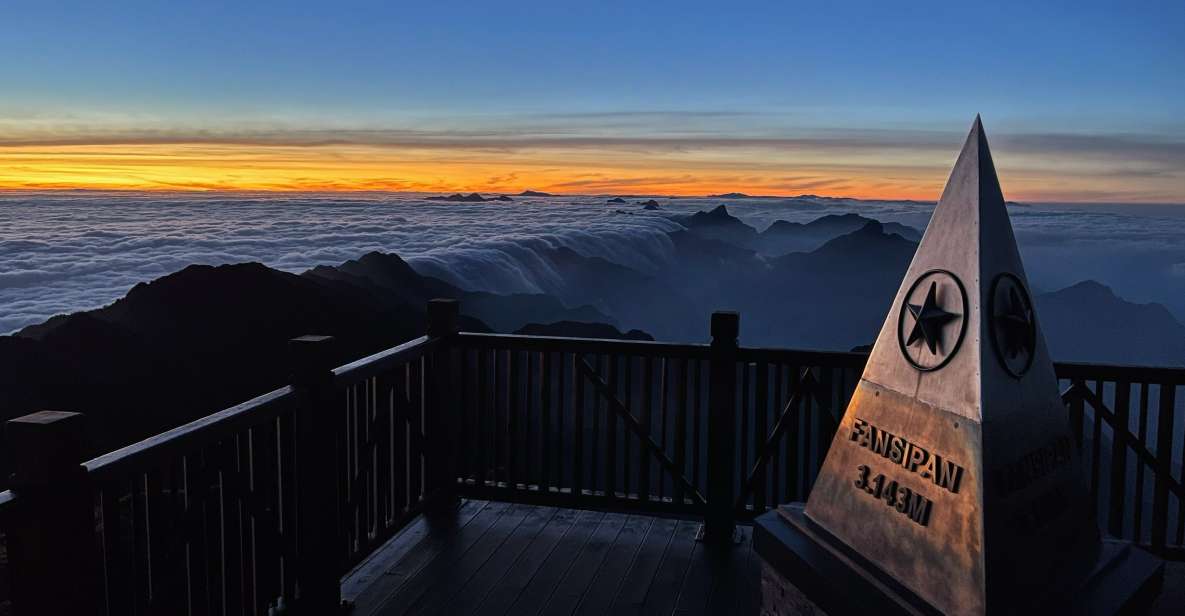
Fansipan is famous because it’s the highest mountain in Indochina—and that matters. But what hits you on this hike isn’t just the summit idea. It’s the gradual shift from foothill forest to thin-air effort, with the route climbing through jungle and then opening to big valley views.
I like that the day is structured for real momentum. You start at Tram Ton Pass, build altitude step by step, and hit a major recharge point around 2,800 m. That lunch stop isn’t just a break on paper—it’s the moment when the hike stops feeling endless and starts feeling like a plan.
Also, the guide component is strong. In this program, you’re not left to guess the trail or manage your own pace. I’ve seen enough stories from guides like Mr Chu, Chau, and Thong that the pattern is clear: they know the ups-and-downs well, keep people moving safely, and talk through local life along the way.
One more thing I really appreciate: the tour isn’t marketed as effortless. It’s physically challenging, and it doesn’t hide that. That honesty makes it easier for you to choose smart.
You can also read our reviews of more hiking tours in Sa Pa

Your day on the mountain: how the schedule actually plays out
The full trip is listed at about 10 hours, and the timing is designed around a one-way climb to the summit and a return before night gets real. Your day follows a straightforward rhythm: pickup in Sa Pa, drive to the trailhead, hike up, lunch at altitude, summit time, then back down.
Stop 1: Pickup in Sa Pa
You’ll get hotel pickup and drop-off within 1 km of the church, with pickup available from Sa Pa’s city center. This matters because it reduces the hassle of finding the right meeting point when you’re already short on daylight and energy.
Practical note: bring your passport or ID card. The tour includes national park entry tickets and permits, and they’ll want your info.
Stop 2-3: The drive to Tram Ton Pass (about 30 minutes each way)
Once you’re picked up, you drive to Tram Ton Pass (listed at 30 minutes), then you’re set up to begin. The total drive time is simple and predictable, so you don’t lose your morning to long transfers.
When you’re hiking a steep mountain, that kind of logistics simplicity is a hidden win.
Stop 4: Arrive back in Sa Pa
The return is built into the 10-hour package. You’ll reach the top, have time for photos, and then head back down. If the conditions aren’t great, you might find the hike back feels longer than the climb—but that’s normal for mountains.
A few more Sa Pa tours and experiences worth a look
The climb from Tram Ton Pass: what to expect mile by mile
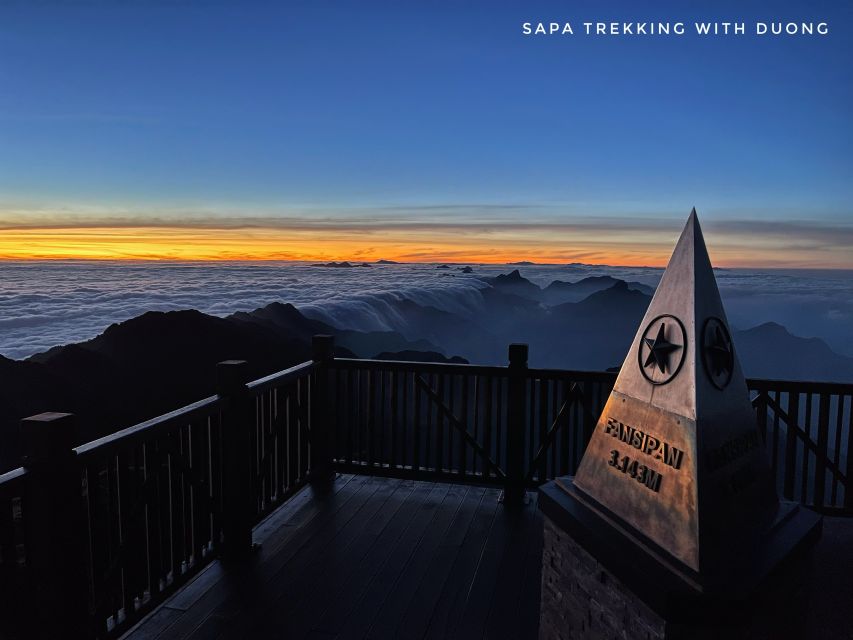
This is a 12 km hike each way route. The tour information also says it takes about 6 hours to get to the top, which lines up with what you’ll feel: lots of uphill, rocky footing, and constant altitude gain.
A good way to think about it:
- You’re not just walking distance—you’re climbing a lot of vertical effort.
- The trail is varied, but the slope is the main character.
Segment 1: Start hiking and climb toward 2,200 m
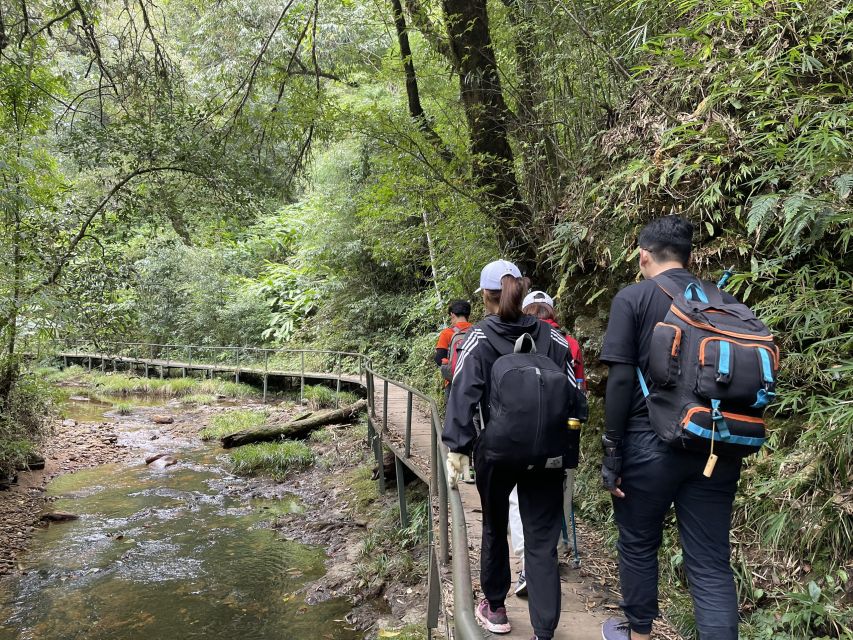
After arriving at Tram Ton Pass, the trek begins. You hike along a forested path, with lush jungle around you and ongoing altitude gains. The route pushes you to about 2,200 m, and this is where the challenge starts to feel physical.
This stretch is where you’ll be happy you brought the right shoes. Regular sneakers can work only if they grip well and you’re lucky with weather. Rain makes it slippery—especially on rocks—so plan for your feet to do real work.
Segment 2: Side trail viewpoints over Muong Hoa Valley
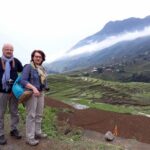
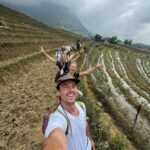
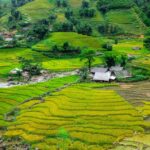
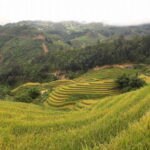
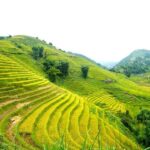
From there, you follow a trail on the mountainside to a spot with sweeping views down Muong Hoa Valley, over Lai Chau Province, and toward the Hoang Lien Son Range. This is a key emotional checkpoint: the view tells your brain that the effort is paying off.
If you’re prone to stopping for photos constantly, manage it here. A quick snapshot is great; lingering too long can chill your legs before the harder climb continues.
Segment 3: Lunch at 2,800 m (about 30 minutes)
Next, you reach around 2,800 m, where you’ll find a shack for lunch and about 30 minutes to refuel. This is one of the most praised parts of the whole day.
Why lunch here matters: higher altitude + uphill climbing = you burn energy fast. A real meal helps your legs recover enough to make the final push and the descent manageable.
Some guide stories also highlight warm food at base points, and that’s consistent with the general idea here: you’re meant to come away not just tired, but properly fed.
Segment 4: Summit time and Hoang Lien Son Range views
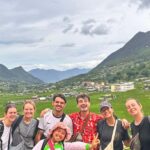
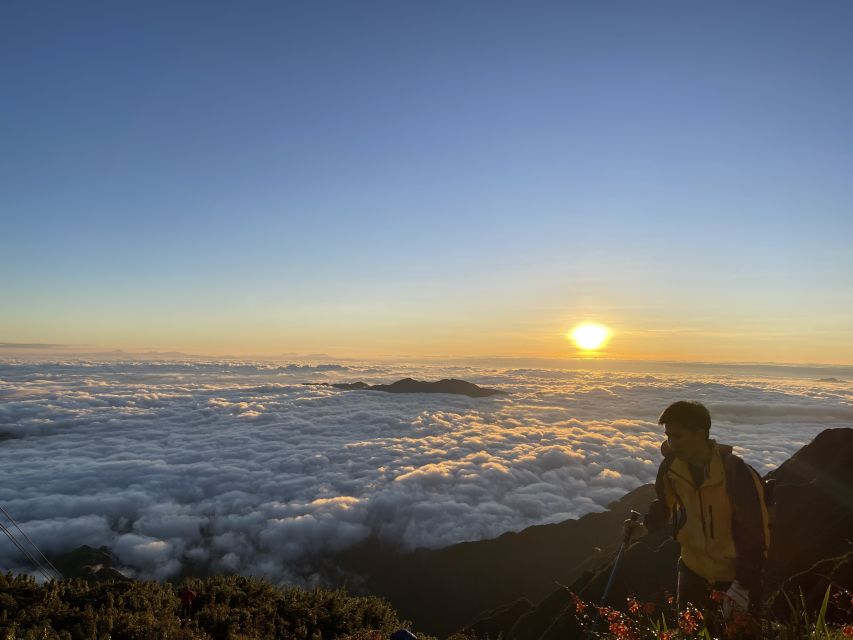
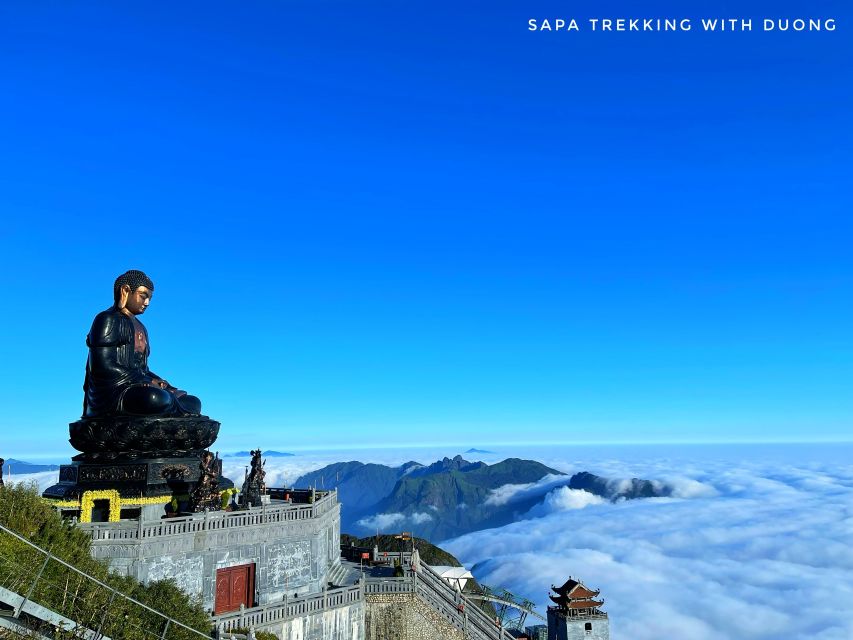
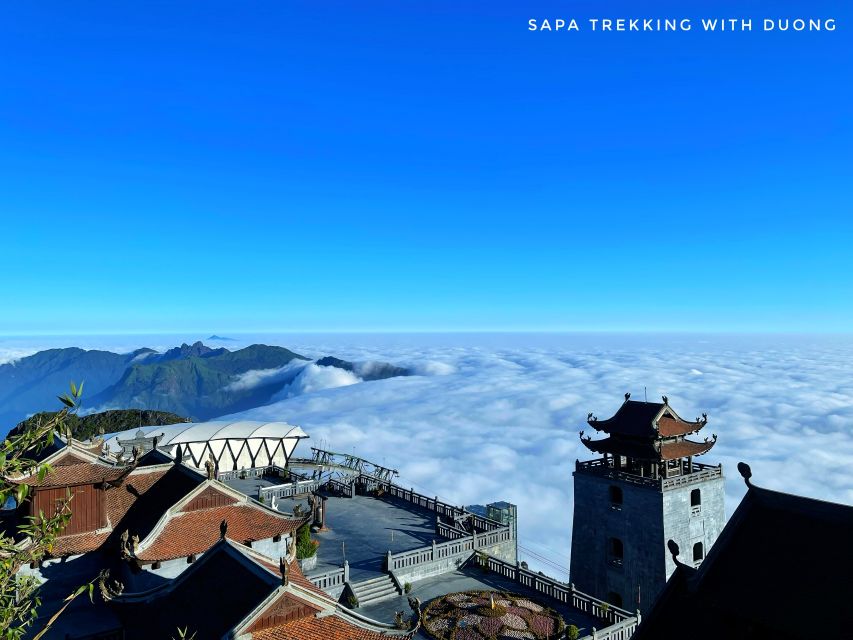
After lunch, you make the final climb to the top for views of the Hoang Lien Son Range. You get time to take photos and admire the scenery before heading back down.
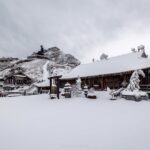
Weather can change everything. If you hit mist, you might see less from the summit than you hoped. Still, reaching the top is the payoff, and your guide will help you make the best of what’s available that day.
Muong Hoa Valley viewpoints: the part you’ll remember after your legs recover
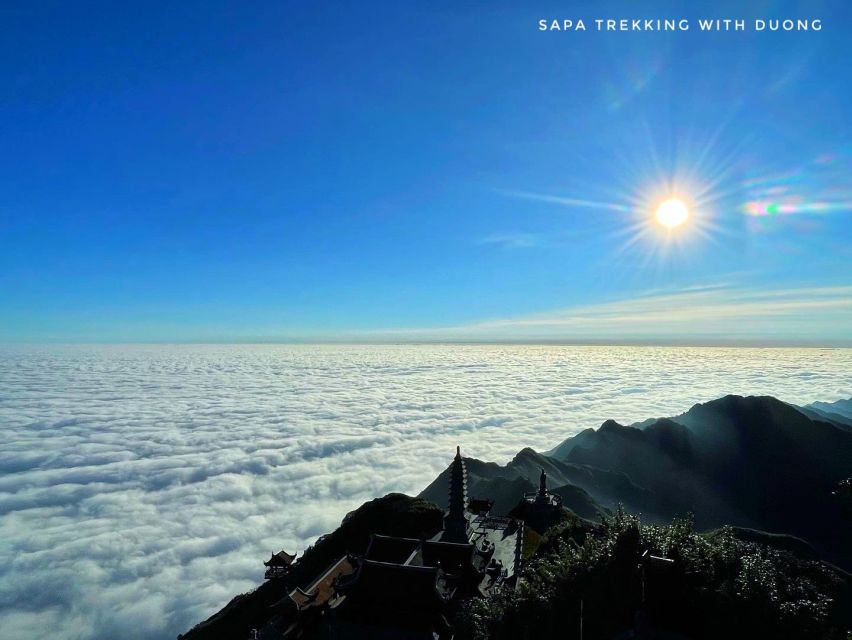
The tour doesn’t just toss you onto a summit treadmill. It’s built around viewing moments. The standout one is the mountainside viewpoint where you look out toward Muong Hoa Valley and Lai Chau Province.
I like this arrangement because it prevents the classic hiking problem: trudging for hours without any emotional reward. You get at least one mid-route view and then summit views at the end.
In practice, you’ll likely feel:
- Relief when the forest opens and you can see distance
- A new kind of motivation once you understand where you are in the bigger terrain
- A photo urge that feels totally justified after all that climbing
Guide quality: why names like Chu, Chau, Thong, Tung, Pao, and Gio pop up
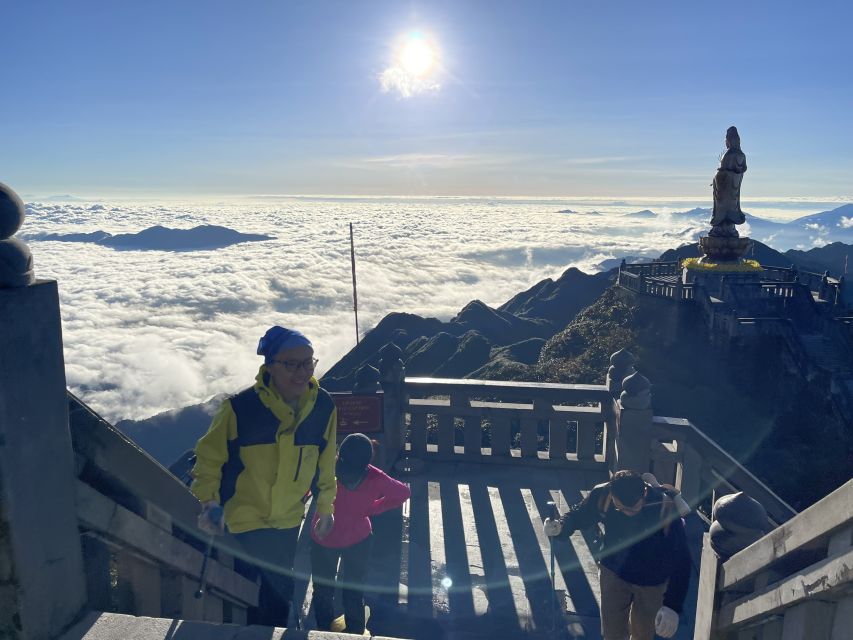
The tour includes a local guide and says the live guide is English. You also get an English audio guide. That combination is useful because you can hear the story in real time and then review it later without falling behind on the trail.
What stands out in guide-led experiences is not just translation—it’s pacing and encouragement. In this hike context, the best guides do three things well:
- They keep you safe on uneven, rocky steps.
- They manage the tempo so you don’t blow up too early.
- They boost morale when the climb feels endless.
You’ll hear names repeatedly: Mr Chu, Chau, Thong, Tung, and guides like Pao and Gio who help with on-trail problem solving and keeping people motivated. One guide story even highlights a moment mid-hike when someone got a cramp and the guide helped them up a steep section—exactly the kind of thing that can make or break a hard day.
Bottom line: a good guide here isn’t a nice extra. It’s the difference between suffering and finishing with pride.
Lunch, water, and provided gear: the stuff that keeps the day workable
This tour includes lunch, water (1.5 liters per person), and gear: raincoat, gloves, and a walking stick. That’s a big deal for value because it reduces what you need to buy or rent in Sa Pa.
The lunch stop at 2,800 m
You get lunch in a hut at altitude, and the timing is solid: after you’ve climbed enough to feel the effort, but before you’re too exhausted for the final push. It’s also one of the highlights people mention—so if you’re the type who hates waiting all day for food, this timing will suit you.
Vegetarian options are mentioned in guide experiences too, so if that matters, ask ahead.
Water and snacks mindset
You’re covered with 1.5 L water included. Some guide stories also mention extra snacks and warm noodles at base points. Even if you don’t get the exact same menu each day, the overall approach is consistent: you’re supported on the trail, not left to fend for yourself.
Rain and cold: the provided raincoat is not a gimmick
Hiking at higher altitude can mean cooler air and wet trail conditions. A raincoat and gloves reduce the risk that discomfort turns into clumsiness. On slippery sections, anything that improves grip and reduces fidgeting helps you keep moving safely.
Price and value: is $72 fair for a full-day Fansipan hike?
At $72 per person, the value depends on what you’d otherwise have to organize yourself in Sa Pa.
Here’s what you’re paying for, in plain terms:
- Roundtrip transportation from Sa Pa
- A local guide (English)
- National park entry tickets and permit
- Lunch
- Water
- Trekking support gear (raincoat, gloves, walking stick)
If you try to DIY Fansipan hiking, you’ll quickly spend time and money on permits, a guide, and transport. Even when DIY is possible in theory, it’s much harder to do safely on a steep, technical trail.
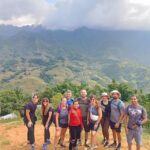
Also, small group size (max 15) is part of the price reason. Smaller groups tend to mean easier pacing, fewer bottlenecks on narrow sections, and more personal help from the guide.
The only financial catch is the cable car: it’s not included, and the listed price is 850,000 VND. Reviews mention people sometimes use the cable car on the way down, especially with rain or for fatigue. If you think you might want the option, factor it into your budget.
Cable car, crowding, and weather: the few things you should plan around
Even though the tour focuses on hiking, the cable car shows up as a practical fallback. It’s explicitly not included, and the price is given. That’s your clue that you shouldn’t count on it being part of the deal.
From real-world guidance, two weather realities matter:
- Humid conditions can make rocks slippery.
- Rain can make the final summit experience less clear and the descent less fun.
Crowding can also happen at the top. Your guide will help you manage photo time, but if you arrive during peak traffic, expect a more touristy summit area than the quiet vibe you might imagine.
If you’re deciding whether to book, I’d treat weather as the biggest wild card, not the hike distance.
Who should book this Fansipan full-day trip (and who should skip)
This tour is best for people who:
- Have a decent fitness baseline and don’t mind steep uphill work
- Want a structured day with guide support and included meals
- Enjoy nature and culture talks while hiking through forest
This tour may not be a good idea if you:
- Are pregnant
- Have back problems
- Need an activity designed for children (the tour is not suitable for children under 18)
Also, if you’re afraid of heights, be honest with yourself. Some sections can feel exposed, and steep rock steps can be mentally tricky even when you’re physically capable.
If you’re a first-time hiker, you’ll still likely finish with the right mindset and shoes, but you’ll work for it. As one guide-led experience put it, the hike is challenging and you should not treat it like an easy walk.
What to pack so you don’t regret it on step 1
The tour lists what to bring, and I’d treat it as the minimum. Key items:
- Hiking shoes (or shoes with real grip)
- Comfortable clothes for uphill sweating, plus a layer for cooler air
- Sunscreen
- Sports shoes if your hiking shoes are more like walking shoes
- Cash (useful for snacks or cable car if you decide on the spot)
- Passport or ID card
Gear you don’t need to bring:
- Raincoat, gloves, and a walking stick are provided
- Water is included (1.5 liters per person)
Should you book this Fansipan hiking trip?
Book it if you want a high-reward day that combines Hoang Lien National Park hiking with strong guide support, included food, and a real sense of achievement. If you like getting outside and you’re confident with hills, this is one of the most direct ways to reach Fansipan without turning your trip into a logistics puzzle.
Skip it if you want a light activity, or if your body won’t handle a steep, rocky 12 km each way hike. Also skip if you’re hoping the cable car will be part of the plan by default—because it’s explicitly not included.
If you do book, I’d show up with good footwear, a calm attitude toward steep steps, and respect for the weather. Fansipan delivers when you meet it halfway.
FAQ
How long does it take to hike to Fansipan?
The hike to the top takes about 6 hours, and the whole trip is listed at about 10 hours.
How far is the hiking route?
It’s 12 km each way, for a total of 24 km roundtrip.
What’s included in the tour price?
You get roundtrip transportation from Sa Pa, hotel pickup and drop-off within 1 km of the church, a local guide (English), Hoang Lien National Park entry tickets and permit, lunch, water (1.5 liters per person), and raincoat, gloves, and a walking stick.
Is the cable car included?
No. Cable car tickets are not included, and the listed cost is 850,000 VND.
Is there an English guide?
Yes. The live tour guide is English, and an English audio guide is also included.
Is this a small group?
Yes. It’s limited to 15 participants.
What should I bring?
Bring a passport or ID card, hiking shoes (and/or sports shoes), sunscreen, comfortable clothes, and cash.
Who is the tour not suitable for?
It’s not suitable for pregnant women, people with back problems, and children under 18.