REVIEW · SA PA
1-Day Sapa Long Trek – Rice Field Terrace, Ethnic Culture
Book on GetYourGuide →Operated by Cat ba memories · Bookable on GetYourGuide
A good day hike in Sapa doesn’t need a bus full of people. This long trek strings together rice terraces, village culture, and a real lunch with locals.
What I like most is how the day is paced for meaning, not just movement, and how your guide (locals such as Pao, Sue, Mao, Sung, or Vu) shares the why behind what you’re seeing. The one drawback to plan for is that it’s a real hike: expect uneven, muddy, sometimes slippery paths, especially in wet weather.
In This Review
- Key Things to Know Before You Start
- Starting in Sapa Town: Morning Air and the Fansipan View
- Muong Hoa Valley Rice Terraces: The Walk That Feels Like Time Slowing Down
- Y Linh Ho Village: River, Wooden Bridge, and a Different Kind of Arrival
- Lao Chai Sang Lunch: Home-Cooked Hmong Food That Actually Feels Local
- Midday Craft Stop: Handwoven Clothing and Natural Dyes
- Ta Van Village Around 3:00 PM: Incense Making and Ethnic Culture Up Close
- How Long Is It, Really? And What the Pace Means for Your Legs
- Price and Value: Why This Costs $24 (and Why It Might Be Worth It)
- Tips to Get the Best Day: What to Do Before and During the Hike
- Who This Trek Fits Best (and Who Should Skip It)
- Should You Book This Sapa Long Trek?
- FAQ
- FAQ
- What time does the 1-day Sapa long trek start?
- How long is the trek?
- Is hotel pick-up included?
- What language is the guide?
- How big is the group?
- What’s included in the price besides the hike?
- Is lunch vegetarian or can it handle dietary restrictions?
- Do I need to pay for Fansipan national park fees?
- Will the tour run in bad weather?
- What should I bring for the trek?
- Who should not take this trek?
Key Things to Know Before You Start
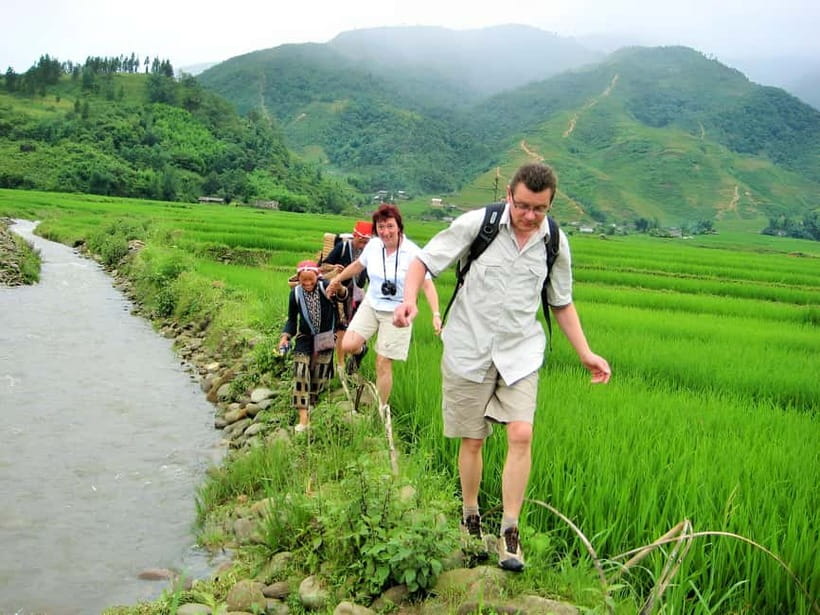
- Small group size (up to 10): easier conversation with your guide and less crowding on paths.
- Hmong villages at different moments of the day: you see the valley shift from morning views to midday life to late-afternoon calm.
- Home-cooked lunch in a Hmong home: not a show, more like a family meal on mountain time.
- Handwoven textiles and natural dyes: a practical look at how clothing is made, not just worn.
- Ta Van includes incense making: you’ll get a hands-on cultural craft moment before heading back.
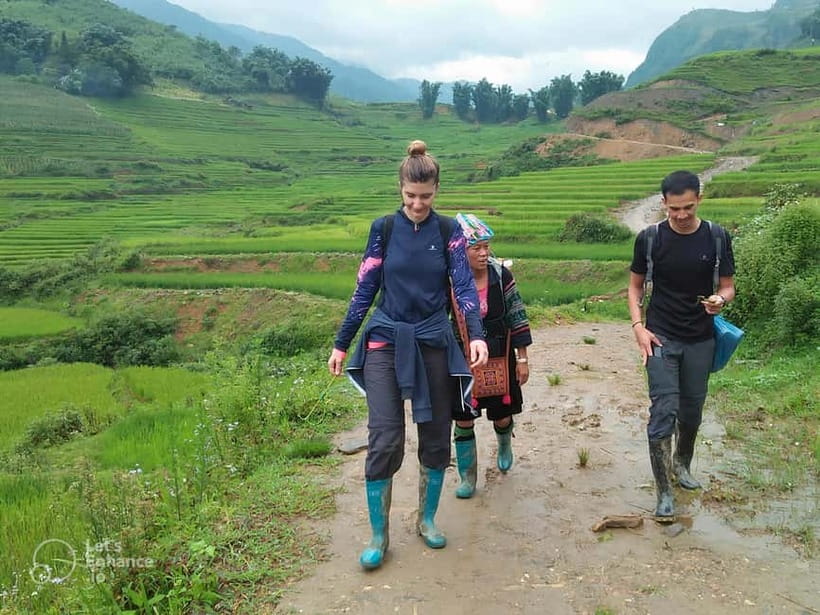
- Long trek with variable footing: bring proper shoes and plan for rain.
Starting in Sapa Town: Morning Air and the Fansipan View
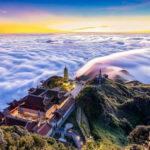
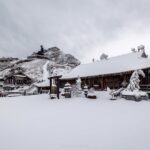
Your day begins at 9:00 AM in Sapa town, with pick-up from your hotel (as long as you’re in town). You’ll feel that classic mountain chill right away, and then the walk starts to climb. The goal early on is a quiet ridge moment where you can look toward Fansipan, the Roof of Indochina, sitting in the Hoang Lien Son range.
This early timing matters. Sapa mornings can be clear and crisp, so you get a better chance at seeing the mountain outlines before clouds roll in. Even if the view is misty, it still changes the feeling of the valley—like you’re hiking through layers of weather.
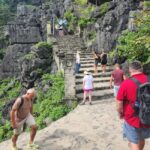
If you’re hoping for a gentle stroll the whole way, note this first section is a step up in effort. It’s not a workout contest, but it’s also not flat.
You can also read our reviews of more hiking tours in Sa Pa
Muong Hoa Valley Rice Terraces: The Walk That Feels Like Time Slowing Down
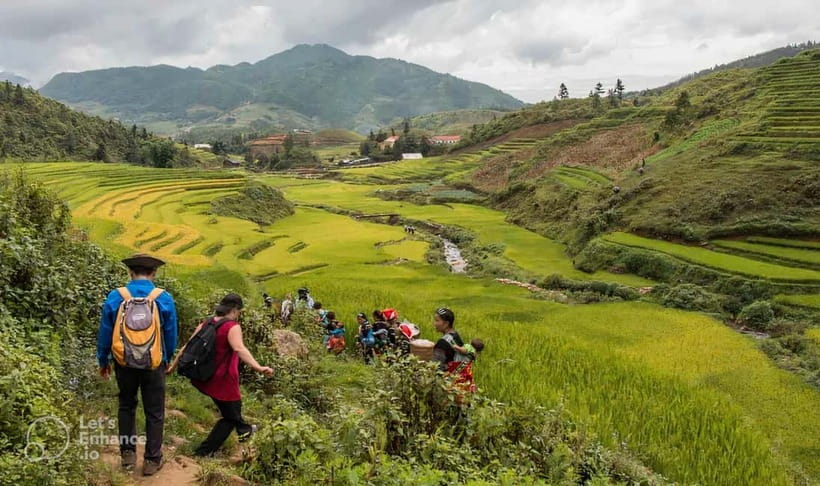
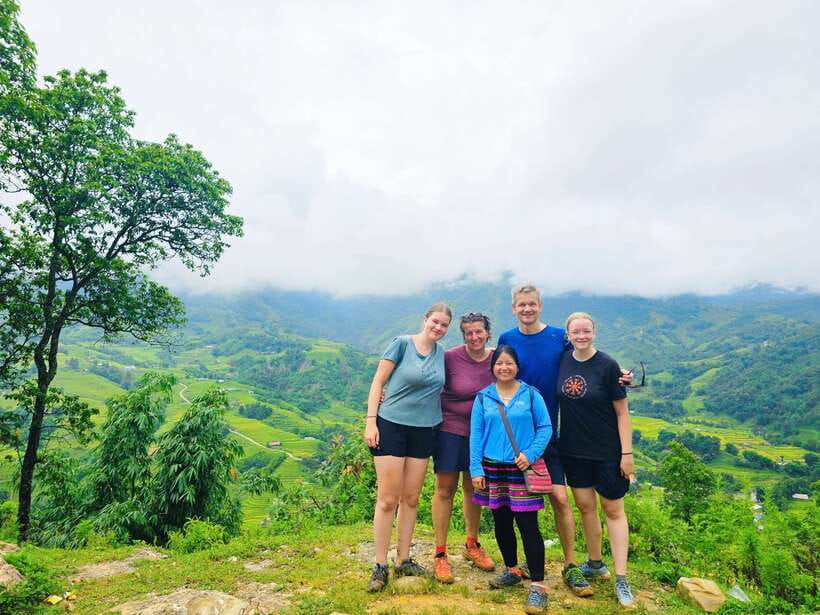
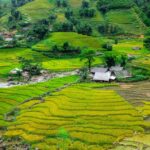
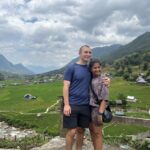
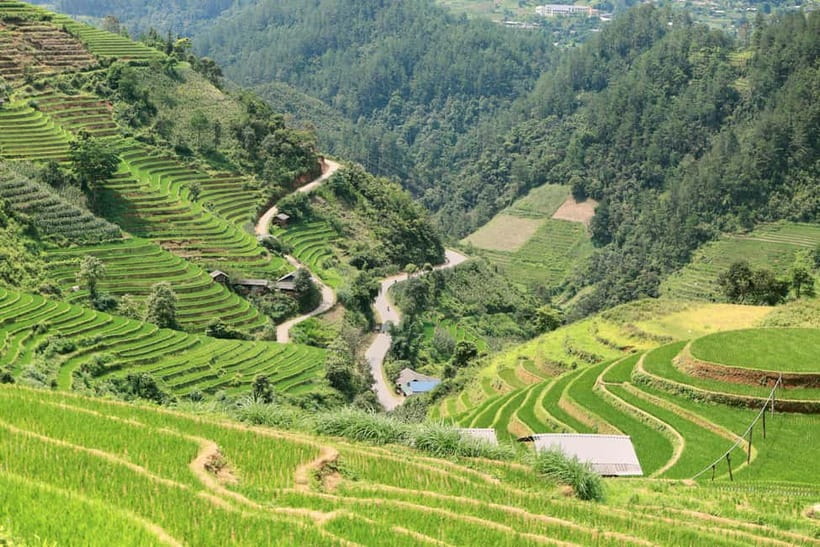
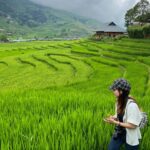
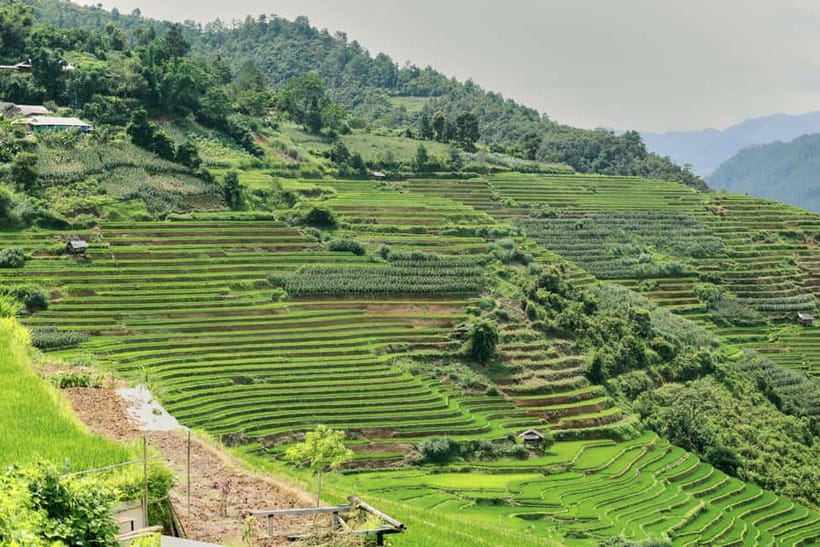
After the ridge viewpoint, the trail eases down toward Muong Hoa Valley. This is where the hike turns into a visual feast: terraced rice fields sweep down the slopes in repeating patterns, and the valley air seems to carry the sound of rural work.
This part is often the emotional payoff. You’re not just seeing terraces from a single photo angle—you’re walking alongside them. And when you pause, you start noticing details: the way water runs through channels, the way fields hold color at different stages, and the way small paths link villages to plots.
You’ll also cross through areas that feel open and airy before you reach the next village stop. On clear days, it’s bright and exposed, so a hat and sunscreen become non-negotiable. On wet days, that same trail can turn slippery fast.
Y Linh Ho Village: River, Wooden Bridge, and a Different Kind of Arrival
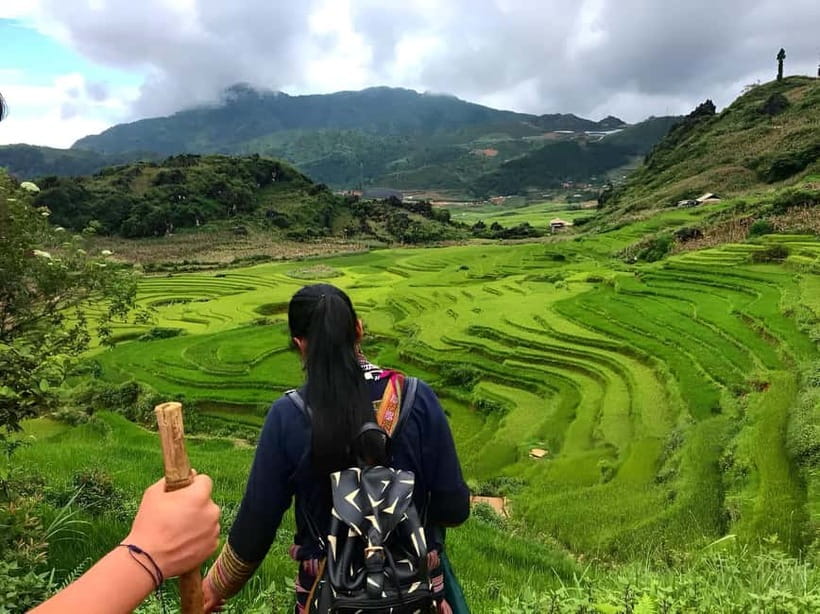
Around 11:00 AM, you reach Y Linh Ho, a quiet Hmong village beside a clear river. This is one of those “arrive, look, breathe” stops where you get a calmer pace and a stronger sense of daily life. You cross a charming wooden bridge, and the change in sound—water, footsteps, birds—helps you switch from sightseeing mode to village mode.
This is also a good moment to slow down your photos. Don’t rush for the iconic shot. Watch where people move: paths between homes, the way the river edges the work zones, and how the village sits with the valley rather than against it.
If you’re sensitive to uneven footing, keep an eye on your steps on the bridge approaches. They’re usually manageable, but the trail isn’t polished like a city sidewalk.
Lao Chai Sang Lunch: Home-Cooked Hmong Food That Actually Feels Local
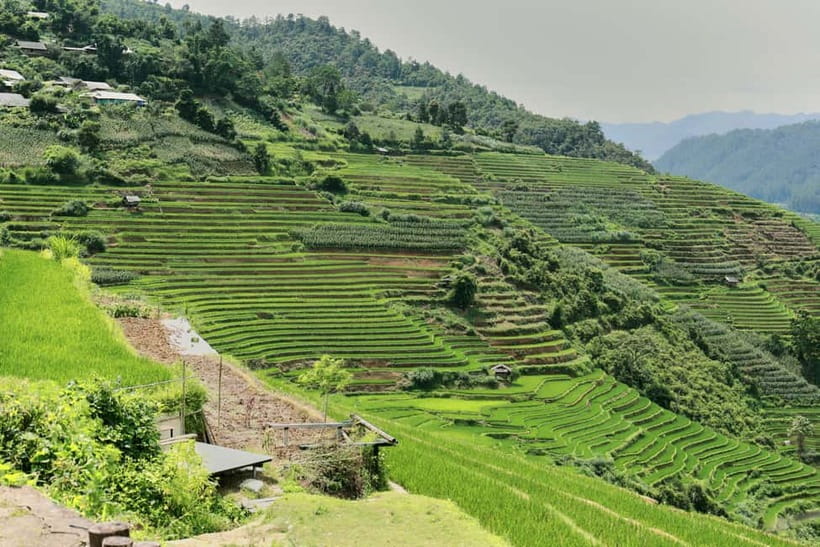
At 12:30 PM, lunch lands you in Lao Chai Sang for a meal with a welcoming Hmong family. This is one of the most valuable parts of the day. You’re not eating a generic restaurant lunch. You’re eating traditional mountain food served family-style in a home setting.
What makes it work for your day is practical too. A real meal at midday gives you steady energy for the afternoon—especially if the ground is wet and your legs feel it. And because dietary needs can be catered for, it’s not just “take it or leave it” food.
I’d treat this lunch as part of the experience, not a break between “real activities.” If you want to ask simple questions—what ingredients are local, what dishes are common—you’ll likely get a warmer response than you expect.
Midday Craft Stop: Handwoven Clothing and Natural Dyes
Around 2:00 PM, you visit a local stop to learn how Hmong people create traditional clothing using handwoven fabrics and natural dyes. This is the kind of stop that’s easy to skim if you don’t slow down. But if you pay attention, it gives context for why textiles are more than decoration.
Clothing in this region isn’t random. It’s often tied to identity, tradition, and knowledge passed through generations. When you see the process—how fabric is made, how color is drawn out—you stop thinking of “traditional outfits” as costumes. You start thinking of them as technology, skill, and time.
One small caution: textile-related visits can include selling. In some situations, it may feel a bit pushy. You can handle it by setting a mindset: browse, ask, and decide. If you’re not buying, a polite no usually works better when it’s calm and clear.
A few more Sa Pa tours and experiences worth a look

Ta Van Village Around 3:00 PM: Incense Making and Ethnic Culture Up Close
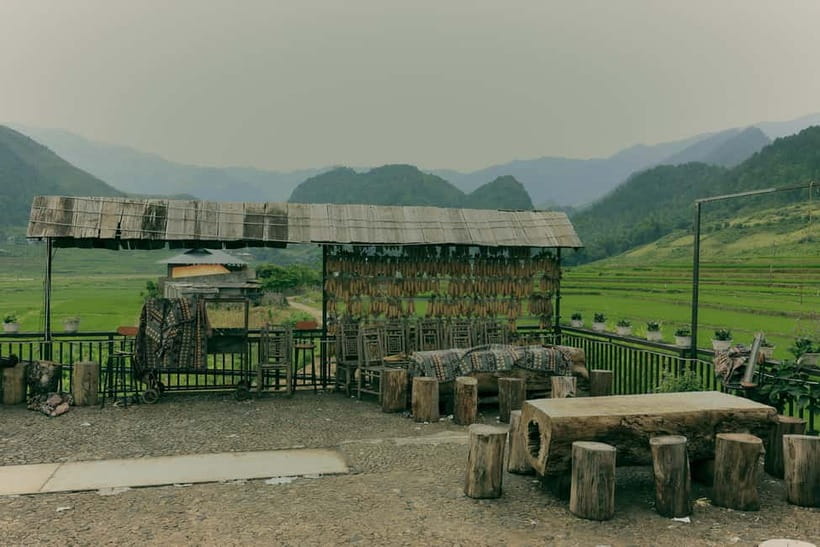
By about 3:00 PM, you reach Ta Van, a Dzay village area where your driver waits to take you back to Sapa town after the village time. This is where the tour’s cultural focus sharpens.
The highlight here is learning traditional incense making in Ta Van. That matters more than it sounds, because it’s a craft you can understand with your hands and your senses. You’ll see how everyday practices become part of community life, and it’s usually a strong contrast to the outdoors-heavy first half of the day.
Ta Van also gives you time for photos and short walks, but the best part is the slow talking moments: questions about routine, daily work, and local traditions. On misty or rainy days, indoor or covered craft moments are especially welcome.
When you’re ready, the ride back to Sapa town closes out the hike without turning it into an all-day transport ordeal.
How Long Is It, Really? And What the Pace Means for Your Legs
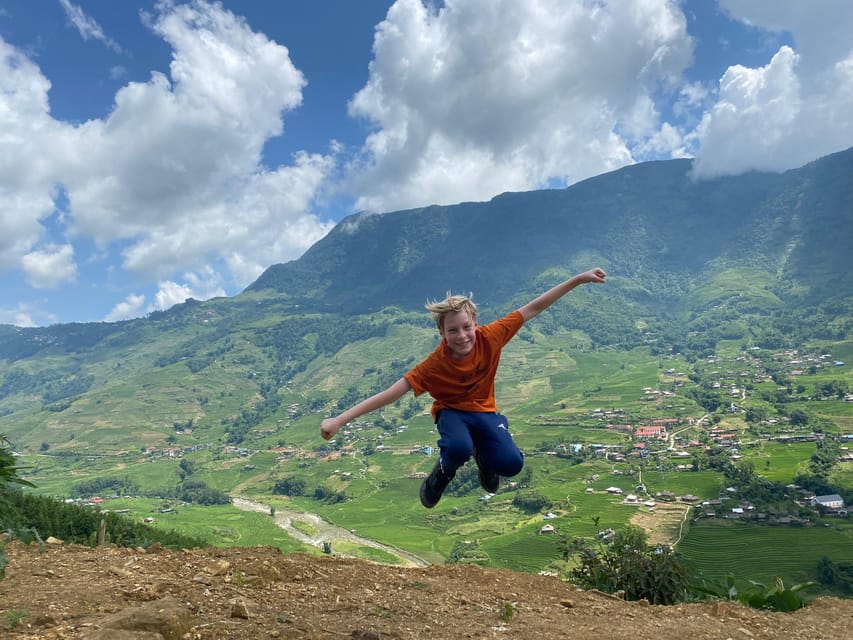
This is a 7-hour trek, and it covers enough ground that you should plan for a full active day. Based on the distances described by past hikers, it can feel like roughly 12–15 km with uphill-and-downhill effort. Some people also report reaching over 1,100 m in elevation, so don’t treat the air as harmless.
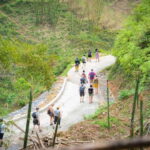
The biggest factor isn’t fitness alone. It’s footing. Wet ground in forest sections can turn the trail into a slip-and-catch kind of hike. That’s why the right shoes matter more than willpower.
If you want a simple checklist:
- Wear hiking shoes with grip
- Bring insect repellent
- Pack sun protection even when clouds show up
- Use the rain ponchos/rain coats you’re provided, but plan for damp clothes anyway
And yes, mud is real. If your boots are lightweight or worn smooth, expect sore ankles.
Price and Value: Why This Costs $24 (and Why It Might Be Worth It)
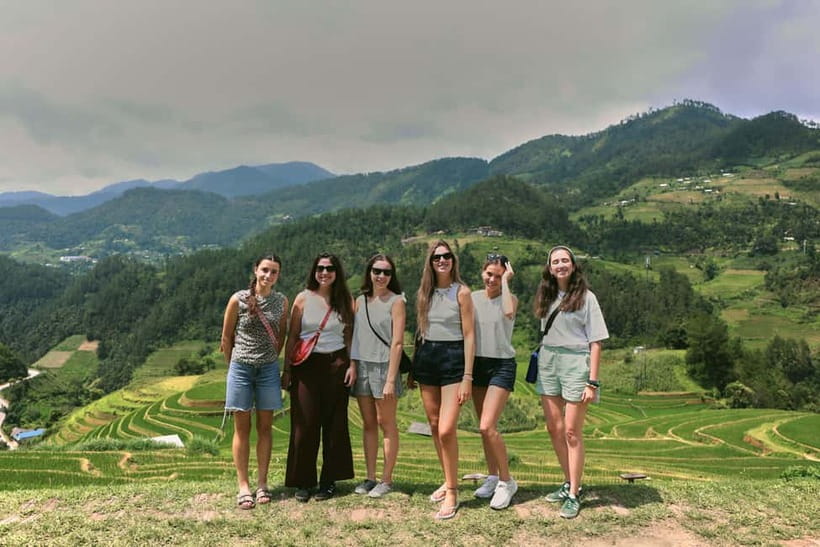
At $24 per person for a full day out, this trek can feel like a bargain. The value isn’t just the scenery. It’s the mix: a guided hike, village visits, an included lunch with locals, and cultural craft stops.
A big part of the cost equation here is your guide and the access. You’re not just walking on public paths with a generic map. You’re moving through communities with local guidance, plus village entrance fees are handled.
The price also makes sense because you’re getting a structured day that starts in Sapa town at 9:00 AM and ends back there, without you coordinating multiple stages. For a one-night Sapa stay, this kind of long trek is often one of the best ways to use time.
Tips to Get the Best Day: What to Do Before and During the Hike
This trek gives you fewer “tourist breaks” and more walking time, so small choices help.
Before you go:
- Bring a sun hat and a second hat if you sweat easily
- Pack sunglasses (the valley can glare even on cloudy days)
- Don’t forget toiletries
- Plan for rain season with a rain layer (you’ll receive ponchos/coats, but extra comfort helps)
During the day:
- Tell your guide if you want slower or steeper sections. Some routes can be adjusted.
- Keep water with you. You’ll get a small bottled amount, but longer or warmer days can make you want more.
- Watch where you step on downhill sections. It’s easy to focus on views and forget the ground.
Also, keep your expectations realistic. The tour gives you culture and craft alongside nature, but it’s still a hike in real terrain.
Who This Trek Fits Best (and Who Should Skip It)
This long trek is a strong match if you want a classic Sapa day: terraces, villages, and hands-on culture, all in one outing with a small group.
It’s not a great fit if you have:
- back problems
- mobility impairments
- heart problems
- wheelchair use
- fear of heights
- visual impairment
- pre-existing medical conditions
Even if you’re “fine with walking,” the combination of uneven ground and muddy sections can be a challenge.
Should You Book This Sapa Long Trek?
I’d book it if you want your Sapa day to feel personal and place-based, not just scenic. The home-cooked Lao Chai lunch, the village craft stops (textiles and Ta Van incense making), and the steady guided pacing give you more than a photo-focused route.
Skip it (or pick a gentler option) if you hate mud, can’t handle steep uneven trails, or want a low-effort stroll. This is a real day outside.
FAQ
FAQ
What time does the 1-day Sapa long trek start?
It starts at 9:00 AM in Sapa town.
How long is the trek?
The total duration is 7 hours.
Is hotel pick-up included?
Yes. The tour includes pick-up and drop-off at your hotel in Sapa town (or at the pickup point), as long as your location is in Sapa town.
What language is the guide?
The live guide speaks English and Vietnamese.
How big is the group?
It’s a small group, limited to 10 participants.
What’s included in the price besides the hike?
You get pick-up/drop-off, a friendly local Hmong guide, village entrance fees, a home-cooked lunch, rain ponchos/rain coats, and a small bottle of water. (There are also Fansipan-related inclusions if you do Fansipan trekking.)
Is lunch vegetarian or can it handle dietary restrictions?
Dietary restrictions can be catered for. You should let the operator know in advance.
Do I need to pay for Fansipan national park fees?
Entrance fees for Fansipan national park are included for Fansipan trekking only.
Will the tour run in bad weather?
Yes. The tour runs rain or shine, and you should bring a raincoat during wet season (rain ponchos/coats are provided).
What should I bring for the trek?
Bring sun hat/hat, hiking shoes, insect repellent, and toiletries. Suncream, sunglasses, and water are also recommended.
Who should not take this trek?
It’s not suitable for people with back problems, mobility impairments, heart problems, wheelchair users, fear of heights, visual impairment, or pre-existing medical conditions.