REVIEW · SA PA
From Sapa Homestay Hideaway 2-Day Local Life Adventure
Book on GetYourGuide →Operated by NEW LAND INTERNATIONAL TOURIST COMPANY LIMITED · Bookable on GetYourGuide
This trek in Sapa mixes big mountain views with everyday village life, from rice terraces to family cooking. I love the guided route through Muong Hoa Valley and the chance to sleep in a traditional homestay, not a hotel corridor. The one thing to consider is fitness and weather: the walking can be muddy and slippery after rain, and the hiking is not for everyone.
You start with a local English guide, roll through several minority communities, then settle into homestay time with a cooking class and free rice wine or happy tea. One drawback: this is a very active couple of days, and it’s not suitable for young kids, mobility issues, or certain health situations.
In This Review
- Key takeaways before you book
- Day 1: Sapa villages, rice terraces, and Muong Hoa Stream
- Ta Van homestay night: cooking class, rice wine, and simple comfort
- Day 2: Red Dao villages, a longer walk than it sounds
- Your guide matters: local English support and a human pace
- Wildlife moments you’ll remember (even the surprise snake)
- Price and value: why $53 can feel like a bargain
- Packing list that actually matters in Sapa
- Who should book this trek (and who should skip)
- Should you book Sapa Homestay Hideaway 2-Day Local Life Adventure?
- FAQ
- How long is the hiking on each day?
- What meals are included?
- Is pickup and drop-off included?
- What’s included in the price?
- What should I bring for the trek?
- Who should not book this tour?
Key takeaways before you book
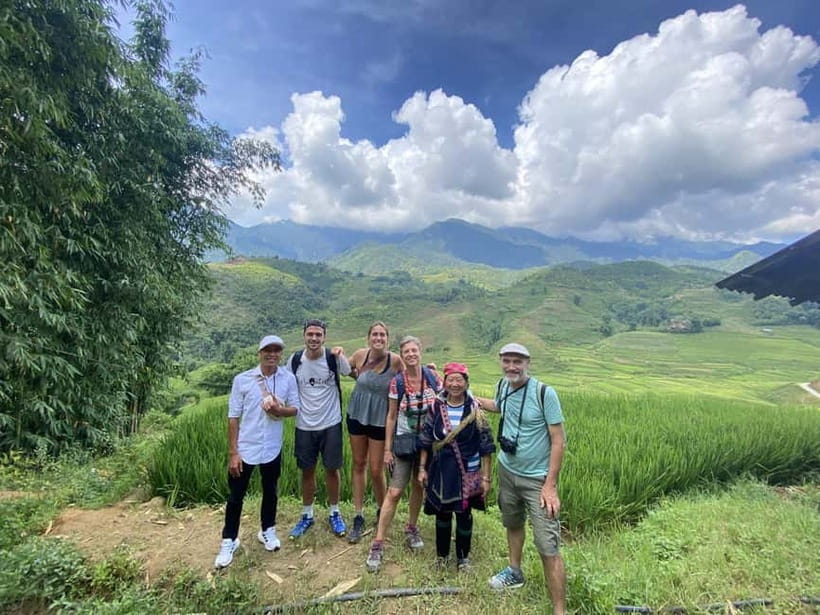
- Small-group, local-expert feel: It’s designed to feel friendly, not industrial.
- Day 1 is the long one: Around 10km of trekking through terraces and bamboo areas.
- Homestay comfort is the goal: You sleep in a private room in Tavan Village with just-right comfort.
- Food is included and practical: 1 breakfast, 2 lunches, 1 dinner, plus entrance/sightseeing tickets.
- Expect heat or rain: Summer can be hot; wet weather can make paths slippery.
Day 1: Sapa villages, rice terraces, and Muong Hoa Stream
The day starts with an 8:15 to 8:30 a.m. pickup window in Sapa town (or a meeting point at Sapa Delta Hotel). From there, you’ll begin the trekking day toward the nearby villages, with a short walking segment from town set up as part of the plan.
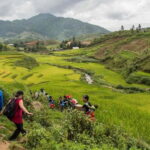
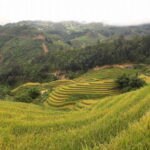
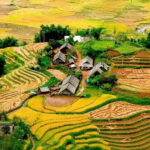
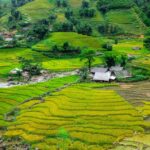
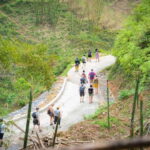
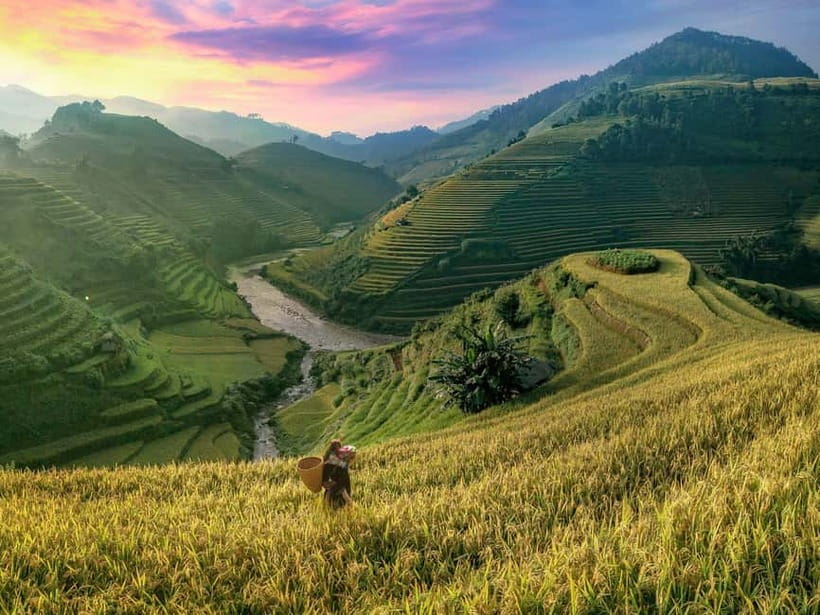
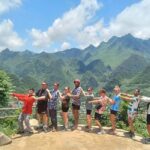
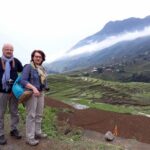
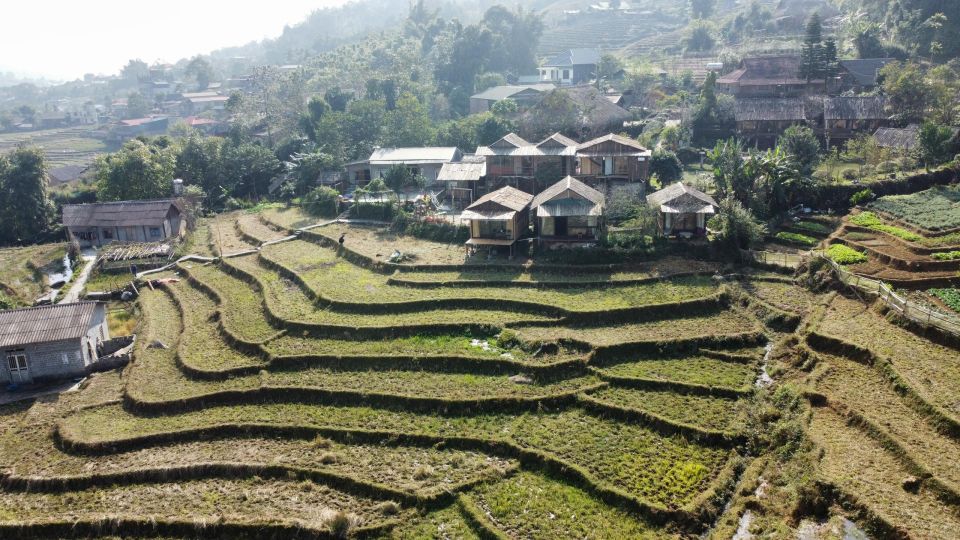
First on the route is Y Linh Ho Village, where the scenery starts doing the heavy lifting. You’re not just looking at mountains; you’re walking alongside the daily rhythm of the valley. After that, the trail winds through rice terraces that track the curves of Muong Hoa Stream. This is the part where the trek feels like it has layers: terraces below, hills ahead, and often bamboo and greenery shifting with every bend.
Next comes Lao Chai Village, home to the Black H’mong community. The value here is not a museum-style “look but don’t touch” vibe. You’re moving between village areas with a guide who can explain what you’re seeing in real terms—customs, daily life, and why the communities live where they do. On a clear day, the Hoang Lien Son mountain ranges frame the walk like a moving backdrop.
By midday, you reach Ta Van Village around 12:30. You’ll have lunch at the homestay, which is a smart pacing move: it’s not a rushed “eat on the move” setup. After lunch, you check in, rest, and reset before the afternoon program.
Reality check: Day 1 is about 10km. That’s very doable for many people, but it’s still a real trek—especially in summer heat or after wet weather. Your guide and the plan help, but your legs still do the work.
A few more Sa Pa tours and experiences worth a look
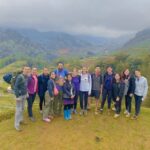
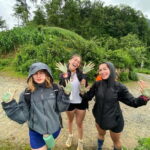
Ta Van homestay night: cooking class, rice wine, and simple comfort
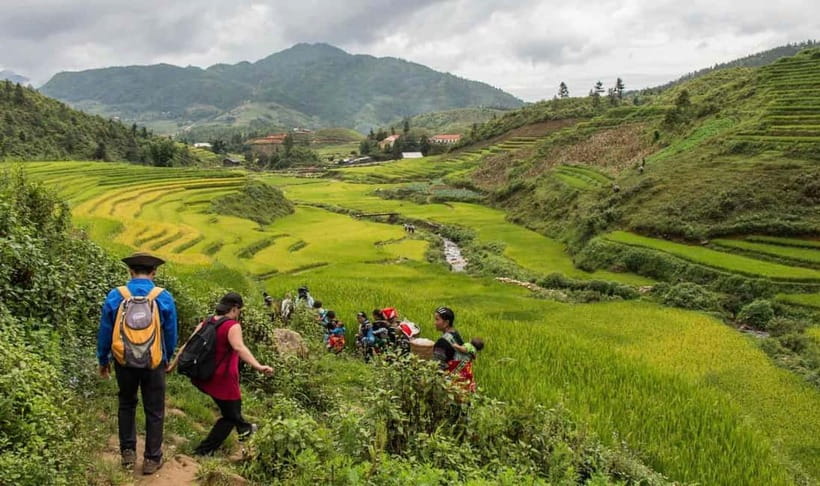
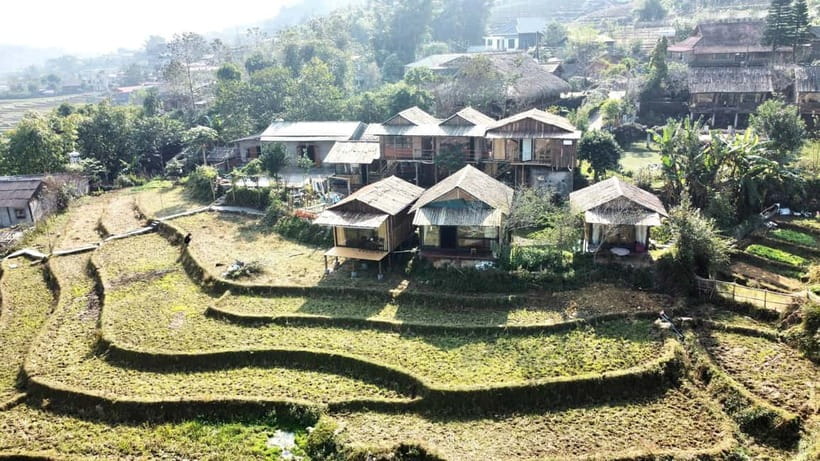
The homestay experience is the whole point here, and you’ll feel that the moment you’re done trekking and back under a more local routine. After you check in, you get free time in Ta Van Village. Use this to slow down, take photos if you want, and get oriented without feeling like you’re racing the schedule.
Then comes the highlight evening activity: a cooking class starting at 5:00 p.m. Your guide shows you how local dishes are prepared, which is more useful than it sounds. You’re learning the food logic—what ingredients matter, how flavor is built, and what locals consider normal for a meal. It’s also one of the best ways to talk to people without needing perfect language skills.
Dinner happens around 6:30 p.m. After that, you can enjoy free rice wine or happy tea. This is optional in spirit—you’re not forced to drink—but it’s a nice cultural touch that stays social and relaxed.
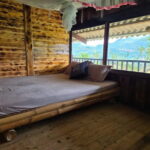
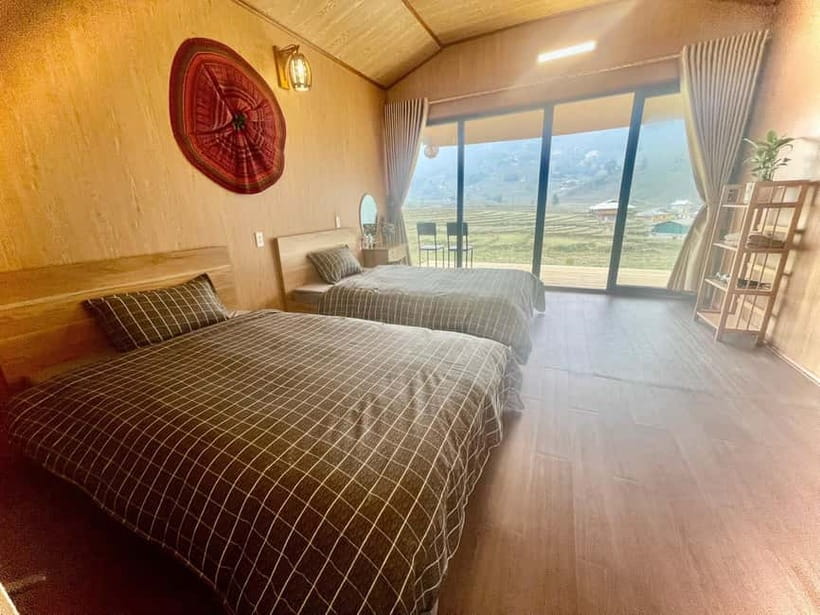
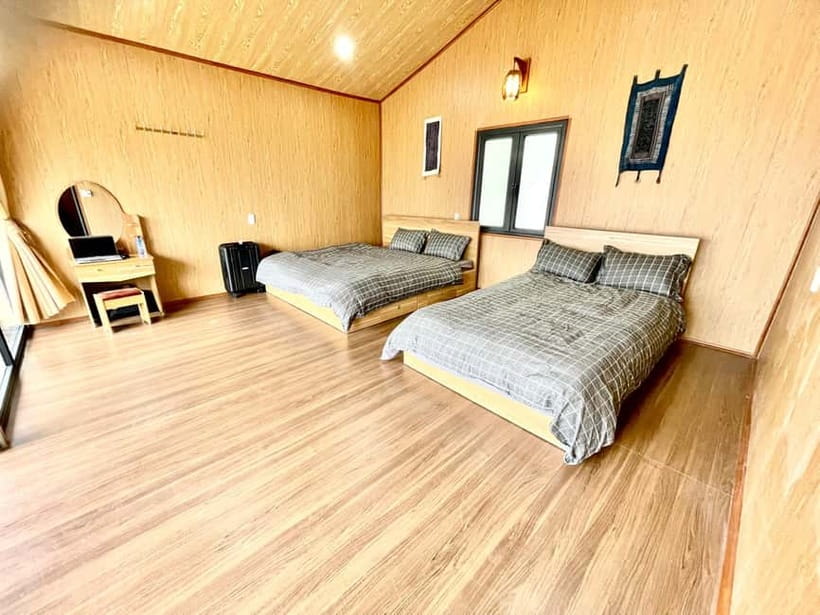
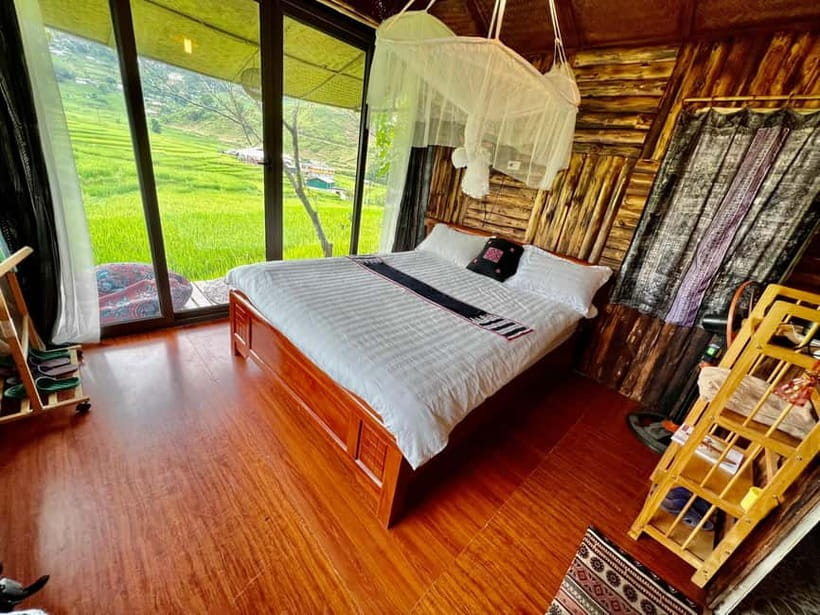
A key comfort detail: you’ll sleep in a private room at the homestay. If you want to make the night feel extra easy, it helps to choose a room setup that includes your own toilet (some rooms do). Views from the rooms can be excellent, and that alone can make an active day feel worth it.
Warm or cool? October to March can mean cold temperatures in this region, so plan for layers. In warmer months, the bigger challenge can be heat—people tend to underestimate how warm trekking feels when you’re walking for hours in direct sun.
Day 2: Red Dao villages, a longer walk than it sounds
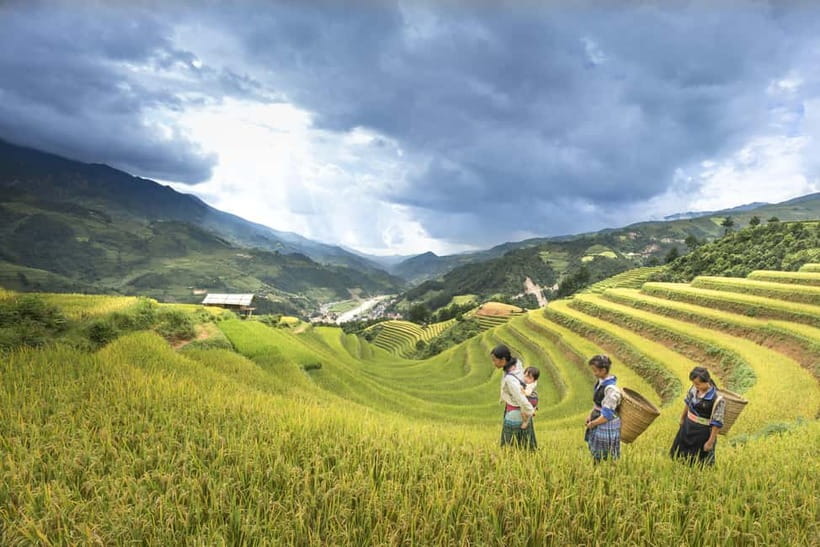
You start day 2 with breakfast at the homestay between 8:00 and 9:00 a.m. Then you head out around 9:30 a.m. toward Giang Ta Chai Village, a Red Dao community.
This part of the trek is a “scenic effort” day. The route to reach the villages is described as about 6 kilometers, and the overall day2 walking is also noted as roughly 4 kilometers. In plain terms: expect a walk that can feel longer than the shorter number suggests, because terrain and stops for village visits change the pacing.
Along the way, you’re not just walking between points. You’re visiting two villages: Giang Ta Chai and Supan Village. This is where the tour’s cultural value shows up most clearly. You’ll see differences in how communities live, what materials they use, and how traditions show up in everyday routines.
By 12:30 p.m., lunch is at a local restaurant. After that, the tour ends the trekking portion and you’ll board the bus back to Sapa town around 1:30–2:00 p.m. So while day 2 is active, it does not run late into the evening.
If it rains: Paths can get slippery. Good shoes matter, and you’ll want to walk like you’ve got time—not like you’re chasing a bus.
Your guide matters: local English support and a human pace
A big reason this experience works is the guiding style. You travel with a local English tour guide, and the vibe is meant to feel like a small group—more like going with friends than being processed by a big tour machine.
One guide name you may hear is Zem. When she’s leading, the focus is on explaining local customs in a way that actually helps you understand what you’re seeing. That makes a difference on a short trek, because you don’t have to guess what’s important.
Small groups also help with pacing. When you’re walking terraces and moving village-to-village, you want a tour that can slow down when you need a photo, a question, or just a breath.
Wildlife moments you’ll remember (even the surprise snake)
This is a trekking tour, so “animals” isn’t a guaranteed feature—but it can be part of your day. In practice, it’s easy to spot village animals up close in the areas you walk through.
Common sightings include buffalo, chickens, cats, dogs, ducks, and even a snake at a distance. If you’re nervous about snakes, you’ll still want to remember this: the snake sighting is described as being at a distance, not right in your face. Still, it’s smart to keep your head up and follow your guide’s cues.
These wildlife moments are part of the tour’s charm because they feel like life, not a performance.

Price and value: why $53 can feel like a bargain
At $53 per person, this package is priced for value, especially because it covers more than just the walk. The included basics are strong:
- Meals: 1 breakfast, 2 lunches, 1 dinner
- Homestay: 1 night in a private room in Ta Van Village
- Guiding: local English guide
- Tickets: sightseeing entrance fees included
- Transport and timing: pickup and drop-off in Sapa town, plus day2 return by bus
What’s not included is mainly the flexible stuff: drinks with meals (water and wine or other beverages), and personal expenses.
So the question becomes: are you getting real village time and food, or just paying for a basic trek? Here, you’re paying for a complete rhythm—walking, meals, homestay sleep, and activities like cooking. That’s why the price can feel fair, even when you account for the fact that you’re doing real hiking.
Packing list that actually matters in Sapa
This tour gives practical guidance, and I agree with it. Your goal is to travel light, stay comfortable, and handle messy paths.
Bring:
- Comfortable shoes or ideally hiking boots
- Change of clothes
- Comfortable clothes you can layer
- Sunscreen and insect repellent
- Warm layers from October to March
Also consider:
- If you’re going in summer, heat can sneak up on you. I’d bring something simple for cooling, like a fan or a spray bottle, plus extra water where allowed.
- If you’re going in rain, take extra care with footing. The routes can get muddy and slippery.
One logistics note: luggage or large bags aren’t allowed. Pack like you’re trekking. If you’ve ever tried to carry a bulky bag on uneven paths, you already know why this matters.
Who should book this trek (and who should skip)
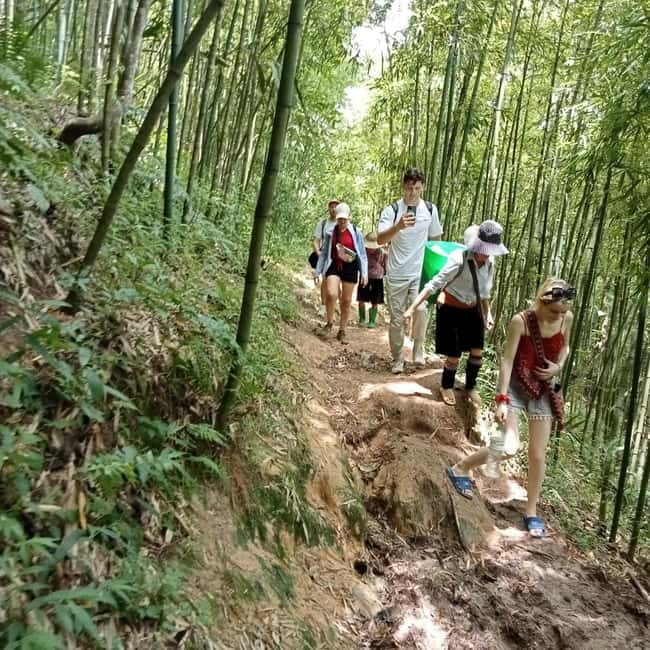
This tour is designed for people who are comfortable with active walking and uneven terrain. It may be worth it for you if you want:
- Village visits across multiple communities
- Rice terrace scenery plus real daily-life moments
- A homestay night with structured activities (cooking class, dinner, tea or wine)
- A small-group experience with a human guide
It’s not suitable for:
- Children under 5
- Pregnant women
- People with back problems
- People with mobility impairments or wheelchair users
- People over 70
If you’re unsure about your fitness, be honest before booking. Day 1 is around 10km, and day 2 includes a walk toward two villages plus travel back to town.
Should you book Sapa Homestay Hideaway 2-Day Local Life Adventure?
I’d book this if you want a Sapa trip that feels like local life, not just checkpoints. The combination of terrace trekking, village visits, and a full homestay night (with cooking) makes it hard to replace with a typical day tour.
Skip it if you:
- need flat, easy walking
- have health constraints that make long hikes risky
- plan to travel with bulky luggage
- want a purely relaxed, low-effort itinerary
If you’re willing to walk, dress for weather, and follow your guide’s pace, this is the kind of tour that pays you back with memorable scenery, food, and human interactions in the valley.
FAQ
How long is the hiking on each day?
Day 1 is around 10km of trekking. Day 2 is noted as around 4km, and the route to the Red Dao villages is described as a 6-kilometer trek to reach Giang Ta Chai and Supan.
What meals are included?
Breakfast is included for day 2, plus two lunches (one on each day) and one dinner. Drinks during meals are not included.
Is pickup and drop-off included?
Yes. You get pickup and drop-off at Sapa town. Day 1 includes walking from Sapa town toward the villages, and day 2 returns to Sapa town by bus.
What’s included in the price?
The package includes a local English guide, 1 night in a private room at the homestay in Ta Van Village, meals (1 breakfast, 2 lunches, 1 dinner), and sightseeing tickets, plus the pickup/drop-off and day 2 bus ride back.
What should I bring for the trek?
Bring comfortable shoes (hiking boots if you have them), change of clothes, and comfortable clothes. Also pack warm layers from October to March, plus sunscreen and insect repellent.
Who should not book this tour?
It’s not suitable for children under 5, pregnant women, people with back problems, anyone with mobility impairments or who needs a wheelchair, and people over 70. Luggage or large bags are also not allowed.