REVIEW · HANOI
Hanoi City Half Day – A City Saves Traditional Beauties
Book on GetYourGuide →Operated by Asian Travel Discovery · Bookable on GetYourGuide
Hanoi in four hours sounds tight, but it works. You start at Ba Dinh Square and move through some of Hanoi’s most meaningful sites, from Ho Chi Minh’s living-room-sized history to the One Pillar Pagoda. I also like how the day squeezes in real neighborhood scenes, especially the train-track egg coffee moment that shows Hanoi life up close.
The route is packed, so you’ll spend part of the time riding and part walking between stops. One thing to consider: the tour includes most major sights and entrances, but egg coffee isn’t included, so you’ll likely pay extra if you want that signature sip.
In This Review
- Quick hits
- A smart half-day plan when Hanoi feels too big
- Ba Dinh Square: Ho Chi Minh Mausoleum and the human-scale details
- One Pillar Pagoda: Hanoi’s iconic symbol in a small footprint
- Temple of Literature: studying, mandarins, and 800 years of ambition
- Old Quarter orientation: Đống Xuân, Tạ Hiện, and how markets shape the day
- Train-track egg coffee: the strangest stop that makes perfect sense
- Opera House, Cathedral, and the cultural frame around Hoan Kiem
- Price and logistics: what $22 buys you in real terms
- Guides can make or break the day
- Who should book this tour (and who should skip it)
- Should you book this Hanoi City Half Day tour?
- FAQ
- How long is the Hanoi City Half Day tour?
- Where does the tour pick up and drop off?
- What’s included in the price?
- Is egg coffee included?
- Which major landmarks are visited?
- What guide languages are available?
Quick hits
- Ba Dinh Square first: You begin at the Ho Chi Minh Mausoleum complex and related places tied to daily life.
- One Pillar Pagoda’s oddball charm: A tiny-feeling pagoda with a big cultural symbol and ancient roots.
- Temple of Literature timing: You see the site long associated with study and exams, with shaded paths under old trees.
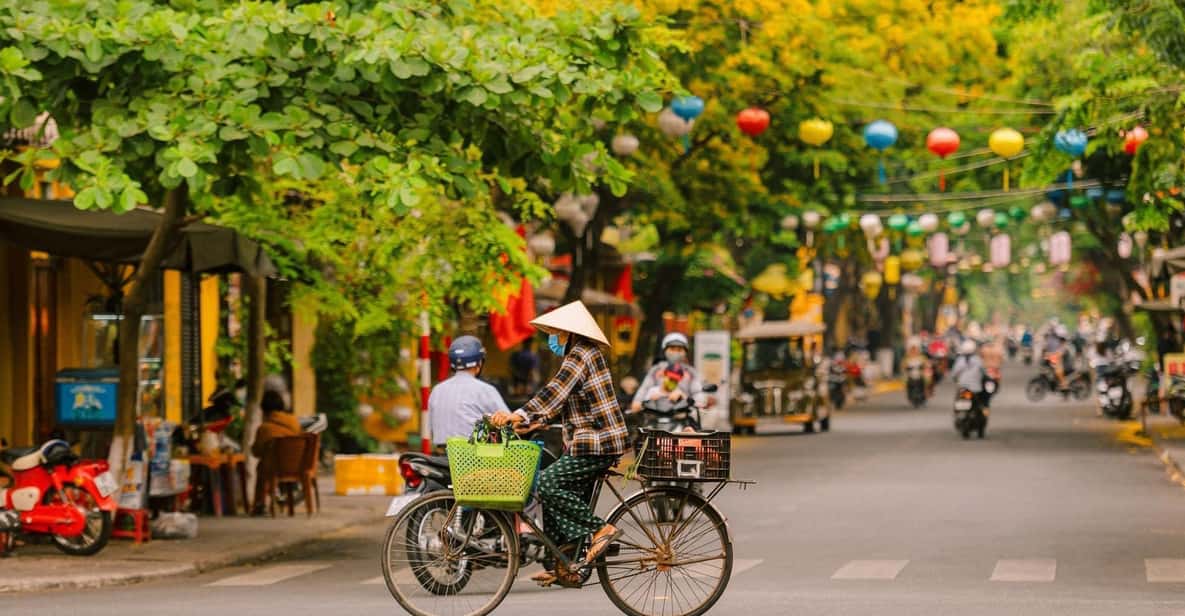
- Old Quarter without the guesswork: You get oriented with views of key market streets like Đồng Xuân and Tạ Hiện.
- Train-track egg coffee reality check: It’s in a residential area where everyday life continues around passing trains.
- Hoan Kiem Lake at the end: You close with Ngọc Sơn Temple and the legend tied to the lake.
A smart half-day plan when Hanoi feels too big
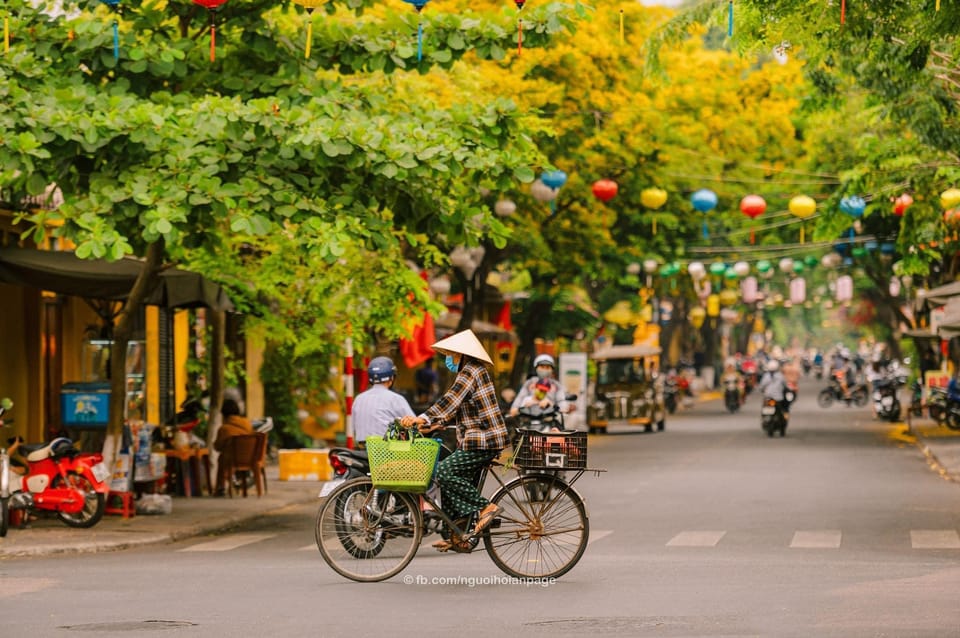
This is the kind of tour that helps you get your bearings fast. Four hours is short, but it’s not random sightseeing. The route follows the most important layers of Hanoi: state history around Ba Dinh Square, traditional spirituality with the pagodas and academies, then the everyday city pulse in and around the Old Quarter and Hoan Kiem Lake.
What makes it practical is the mix. You’re not only chasing monuments. You also get street-level context, like how people live near the train tracks and how markets shape the city’s rhythm. You’ll see famous landmarks like the Opera House and Cathedral, but the tour’s real value is how it stitches them into daily Hanoi life—what people do, where they gather, and why certain places matter.
If you’re the type who wants a slow, self-paced afternoon, this may feel like a lot. But if you want a focused overview and you like having a guide handle the route, it’s a strong fit.
You can also read our reviews of more city tours in Hanoi


Ba Dinh Square: Ho Chi Minh Mausoleum and the human-scale details

Most mornings begin somewhere scenic. This one begins with seriousness. You’re picked up in the center of Hanoi, then head straight to Ho Chi Minh Mausoleum at Ba Dinh Square, the symbolic spot where the Declaration of Independence was read and a revolutionary era took shape in public memory.
The mausoleum complex isn’t just a single stop. You can also visit associated places tied to Uncle Ho’s routine: the Presidential Palace, the stilt house, the fish pond, and the Ho Chi Minh museum. I like this approach because it avoids the statue-only version of history. You’re given the chance to connect his public role with the simpler, everyday imagery Vietnamese people remember.
A quick practical note: sacred political sites often have rules about behavior and dress. The tour doesn’t spell out details here, so I’d plan to keep things respectful—no flashy outfits, keep your steps calm, and listen closely when your guide explains what to expect.
One Pillar Pagoda: Hanoi’s iconic symbol in a small footprint
Next comes One Pillar Pagoda, one of Hanoi’s best-known ancient temples. Even if you’ve seen photos before, the experience lands differently when you’re standing there in real time. The guide frames it as a sacred site with a unique architectural and cultural symbol—the kind of place that’s famous because it’s visually memorable and spiritually meaningful.
What I like about visiting it on a guided half-day is timing. It’s early enough that the area usually feels easier to navigate, and your guide can explain why it became such a shorthand for Hanoi’s religious identity.
This stop is short compared to longer religious visits you might do later. If you want lots of quiet time for prayer and photos, you might wish for more minutes here. Still, for a 4-hour tour, it’s a solid anchor point.
Temple of Literature: studying, mandarins, and 800 years of ambition
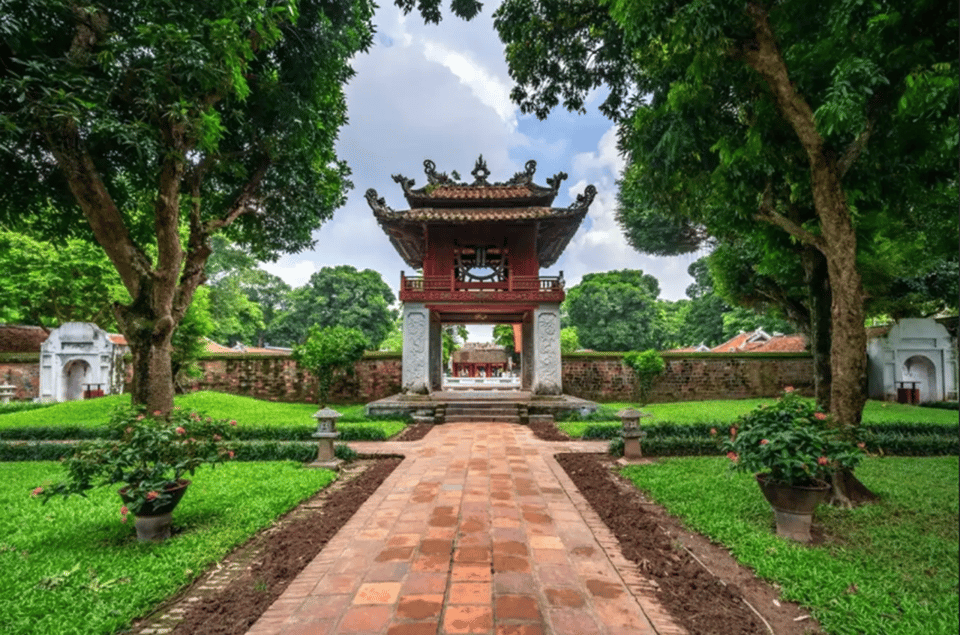
Then you move to the Temple of Literature, described as the first university in Vietnam, established in a temple meant to train royals, mandarins, and members of the Vietnamese elite. It’s also presented as a site with about 800 years of connection to education and scholarly tradition.
The guide’s framing matters. This isn’t only about old buildings. It’s about what the place represents: people treating education like a path with rituals attached. You’ll notice many students come here to pray for their studies, which tells you this is still a working spiritual idea, not just a historical attraction.
Architecturally, it’s shaded and structured, with large trees and careful design that highlights the wealth of the aristocracy when the site was at its peak. If you like walking through places where people still follow older habits, this stop pays off.
One consideration: temple and university sites can mean crowds during peak times. The tour duration is tight, so expect to see the highlights and keep moving, not to linger all day.
Old Quarter orientation: Đống Xuân, Tạ Hiện, and how markets shape the day
After temples and study halls, the tour turns back into the living city. Your guide brings you to the Hanoi Old Quarter area and uses the car route to show you key market and street zones.
One named highlight is Đồng Xuân Market, described as the largest traditional market in Hanoi. Even from a moving car, you get a sense of scale and local energy. Markets aren’t just places to buy things; they’re social infrastructure—where people meet, trade news, and keep daily routines running.
Then there’s Tạ Hiện Street, known as the street that never sleeps. The tour notes it’s less than 100 meters long, and that its energy comes from bar music, laughter, and street food smells. I like that the guide doesn’t treat it like a theme park. Instead, it’s presented as a short stretch where nightlife and daily life meet.
If you’re sensitive to noise or you don’t enjoy bar areas, you may want to keep your expectations realistic. This isn’t a quiet cultural walk—it’s a city street. But it’s also exactly why it’s useful: you see where Hanoi’s younger, more social side shows up.






Train-track egg coffee: the strangest stop that makes perfect sense
Now for the moment people talk about. You’ll enjoy egg coffee on the train track—and the tour explains why that’s such a Hanoi thing. The train tracks sit in the middle of a crowded residential area, just a few steps from people’s homes.
Between train passes, the streets on both sides become a living space. Kids play. Adults cook, sit, drink tea, and knit. Then the train arrives and everything shifts in an instant. That rhythm—daily life working around the schedule of the rails—is the real story here.
Two practical tips if you want to get the most out of this:
- Watch your timing: Your guide may position you depending on when trains run, so listen for cues rather than trying to guess.
- Plan for the extra cost: The tour experience mentions egg coffee, but egg coffee itself is listed as not included. So if you want the full moment, budget a bit extra.
This stop can feel surreal the first time you see it, but it makes sense fast. Hanoi isn’t separated into tidy attraction zones. It’s built around real routines. This is what that looks like in motion.
Opera House, Cathedral, and the cultural frame around Hoan Kiem

After the Old Quarter scenes, you get a change in tone with Hanoi Opera House and the Cathedral. The tour frames them as some of the most famous architectural works in Hanoi, so the point is less about spiritual ritual and more about appreciating style, scale, and how different eras shaped the city.
If you like your photos with context, this is helpful. You’re not only taking pictures—you’re getting a guide’s way of reading the city as a collection of layers.
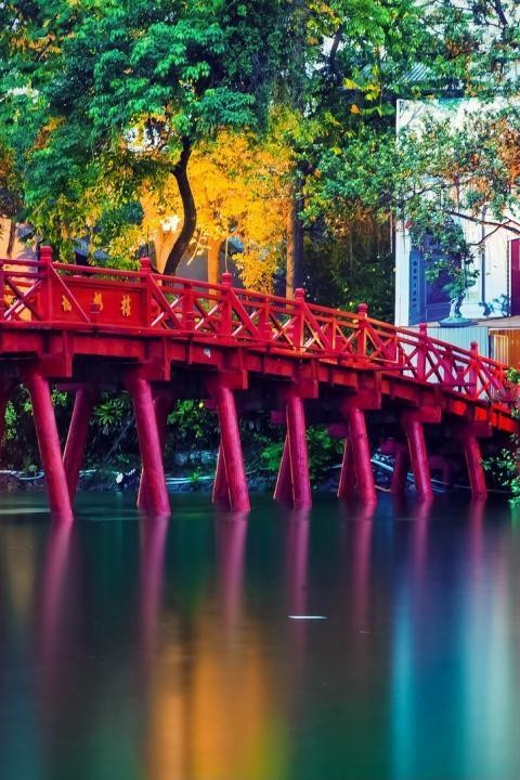
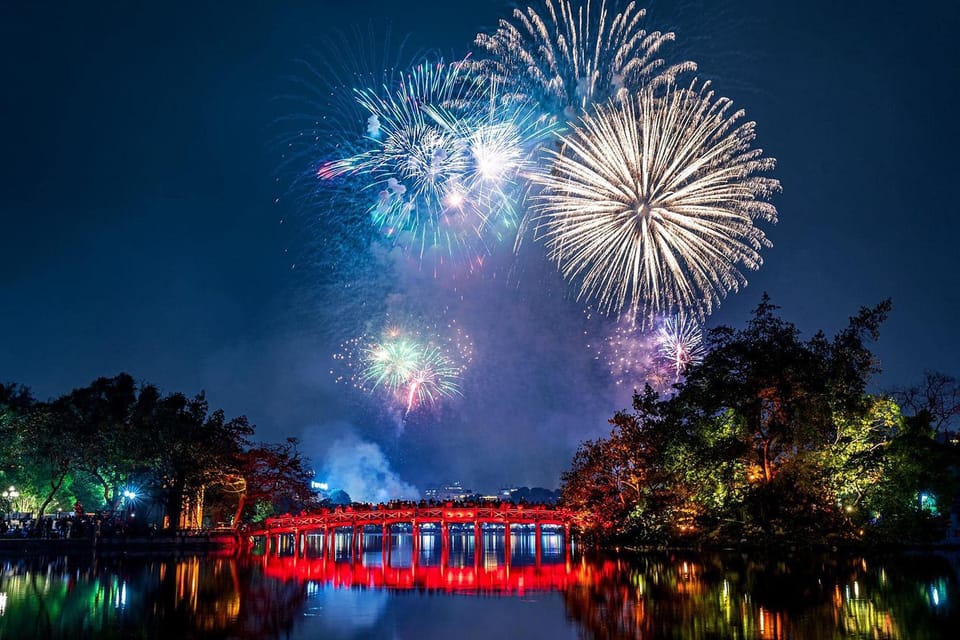
Then the route returns to the water and legend side of Hanoi with the Ngọc Sơn Temple at the heart of Hoan Kiem Lake. This temple is described as a spiritual place, with unique architecture and a view over the famous lake.
And from there, you finish at Hoan Kiem Lake, tied to Vietnam’s well-known legend of the Divine Turtle returning the sword. This is where a half-day tour gives you more than sightseeing. You close with meaning: a landmark that isn’t about a building alone, but about story, symbolism, and the kind of myth people keep alive in public space.
Price and logistics: what $22 buys you in real terms

The price is listed at $22 per person for a 4-hour experience. For that kind of time window, you’re paying for:
- a car with AC
- an English-speaking guide (and other languages may cost extra)
- bottled water during the ride
- pick-up and drop-off in central Hanoi
- entrance fees for the stops provided (with one small caveat below)
One small thing to double-check before you go: the tour notes that some ticket cost isn’t included, even though it also states that entrance tickets are included. That’s not uncommon when listings separate different categories. I’d message the operator or confirm on the day what is definitely covered, and what might be an extra charge.
Also, holiday surcharges may apply, and egg coffee is not included. If you want the train-track egg coffee experience as described, that’s the one extra you should plan for.
Where this tour feels like good value is in its density. Many solo travelers underestimate how much time it takes to move between sites and navigate getting in and out of major areas. Here, the route is already structured, and the guide handles the pacing.
Guides can make or break the day

The quality of the guide shows up in the flow. In past tours, Chiến has been praised for punctual pick-up, explaining the plan in advance, and making sure the group caught a train passing during the train-track stop. Alex also stood out for story-telling that tied sites together, with a driver who kept things on time. Tony received strong mentions as well.
That tells you something important: this tour relies on good guiding, not just a list of stops. If your guide is strong, you’ll understand why each site sits where it does and why people still use certain places the way they always have.
Who should book this tour (and who should skip it)
You’ll likely love this tour if:
- you’re in Hanoi for a short time and want a high-coverage orientation
- you enjoy guided context at major landmarks, not just photo stops
- you want a taste of both official history (Ba Dinh Square) and neighborhood life (Old Quarter and train track area)
You might want to choose differently if:
- you prefer slow pacing and lots of time at each site
- you don’t like busy city streets like the Tạ Hiện area
- you hate any feeling that the day might not match your expectations—one past booking flagged that the description didn’t match what they expected, so read inclusions and confirm egg coffee and ticket coverage before you go
Should you book this Hanoi City Half Day tour?
I’d book it if you want a guided, efficient sampler that still leaves room for real Hanoi moments. The standout strength is the pairing: national-scale history at Ba Dinh Square, cultural anchors like One Pillar Pagoda and Temple of Literature, then the city’s everyday texture in the Old Quarter, ending at the legend-powered calm of Hoan Kiem Lake.
Just don’t treat it like a leisurely stroll. It’s designed to cover a lot, so go with an active mindset, dress respectfully for sacred sites, and keep a small extra budget for egg coffee if you want to do the full train-track scene.
If you’re flexible, this half-day format is a smart way to set up the rest of your Hanoi trip—because once you understand where everything sits, you’ll feel far more confident building your own day afterward.
FAQ
How long is the Hanoi City Half Day tour?
It runs for about 4 hours.
Where does the tour pick up and drop off?
You’ll be picked up and dropped off at the center of Hanoi.
What’s included in the price?
The tour includes an AC car transfer, bottled water, an English-speaking guide, and entrance tickets for the stops. (Some ticket costs are listed as not included, so it’s worth confirming what you personally may need to pay for.)
Is egg coffee included?
Egg coffee is listed as not included, even though the experience includes the opportunity to enjoy it at the train track.
Which major landmarks are visited?
The tour includes Ho Chi Minh Mausoleum (with related sites), One Pillar Pagoda, Temple of Literature, Hanoi Old Quarter areas around Đồng Xuân Market and Tạ Hiện Street, Opera House and Cathedral views, Ngọc Sơn Temple, and Hoan Kiem Lake.
What guide languages are available?
The guide is available in English and other languages are offered, including Chinese, French, Japanese, Italian, Spanish, Korean, Russian, and German. A surcharge may apply if you choose a language other than English.