REVIEW · SAPA
The best view and most authentic tour in Sapa (Non Touristy)
Book on Viator →Operated by Sapa Original Trek · Bookable on Viator
Rice fields, bamboo paths, and sunset on water. This Sapa Original Trek tour pairs a non-touristy village walk with paddleboarding on the Cai River, and it keeps crowds low so you actually feel present in the valley. I really liked the few-tourist feel on the trails, plus the way you can choose how far you paddle after a quick start.
I also appreciated the human side: guides like Mo and Toa share real-life details about farming, weaving, and everyday routines, not just facts for a slideshow. The only consideration is that the day runs about 6–7 hours and includes uphill walking plus time on the river, so you’ll want a moderate fitness level even if you’re not a hardcore hiker.
In This Review
- Key highlights worth your time
- A small-group Sapa day that mixes walking and sunset water time
- Entering the village trails from Giang Cha: Hmong weaving, hemp and indigo
- What to expect on the walk
- A practical note
- Suoi Thau and the Dzao viewpoint feeling over Ta Phin valley
- Why this section feels more meaningful
- A drawback to keep in mind
- Bamboo jungle and terrace views: the scenery you can actually earn
- How to get the most out of it
- Lunch that keeps the day from falling apart
- Cai River paddleboarding at sunset: beginner-friendly in real terms
- Why sunset paddle time feels like value, not just activity
- What you should plan for
- Guides who make the villages feel like people, not stops
- What you can do to get more from your guide
- Is $52 good value for 6–7 hours in Sapa?
- Who this tour fits best (and who might want to choose differently)
- Should you book Sapa Original Trek?
- FAQ
- What is the duration of the tour?
- What time does the tour start?
- How much does this tour cost?
- What’s included in the price?
- Are paddleboards provided, and do beginners get help?
- Does the tour include bottled water?
- What physical fitness level is recommended?
- Is the tour private or shared?
- Where does the tour end?
Key highlights worth your time
- Non-touristy trekking through quiet valley trails and minority villages like Hmong and Dzao communities
- Cai River paddleboarding at sunset, with boards provided and support for beginners
- Included 1 liter of water per person plus a real lunch to keep your energy steady
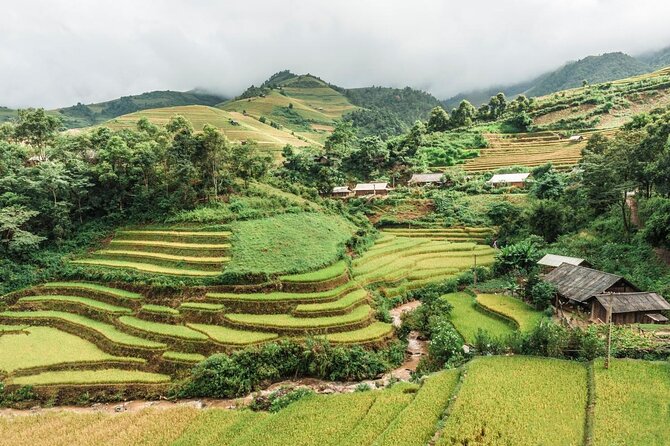
- Bamboo jungle and rice/corn terraces views that don’t feel staged
- English-speaking guidance that connects the scenery to daily life
A small-group Sapa day that mixes walking and sunset water time
This tour works because it gives you two kinds of payoff in one stretch of time: the slow discovery of village paths, then the calm thrill of being on the water when the light softens. Starting at 8:30 am, you get moving before the busiest sightseeing hours, which helps keep the day feeling grounded instead of rushed.
Price-wise, $52 per person sounds simple, but the value comes from what’s wrapped in. You’re not just paying for a guide and a viewpoint. You’re also getting lunch, entrance fees, transport by car, and 1 liter of water per person, plus the gear and support for the paddleboarding portion. That’s how you keep the day from turning into a pile of surprise add-ons.
One more reason it feels smarter: it’s set up as a small group (often with group discounts), and it’s private for your group rather than rolling you through a crowded conveyor belt.
You can also read our reviews of more tours and experiences in Sapa.
Entering the village trails from Giang Cha: Hmong weaving, hemp and indigo
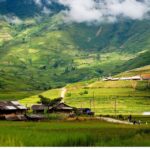
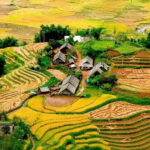
A big part of what makes this day feel authentic is the way the trek begins in places where people actually live, work, and make things by hand. The day starts by car to Giang Cha village, home to the Hmong community, where you pass through rice paddy fields and see how the landscape ties directly into livelihoods.
Giang Cha is described as a place where local weavers craft tribal costumes using traditional techniques and materials like hemp and indigo. Even if you’re not into textiles, this kind of visit adds texture. You’ll notice that clothing here is not just decoration; it’s part of identity and everyday skill passed down over time.
What to expect on the walk
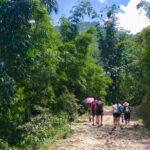
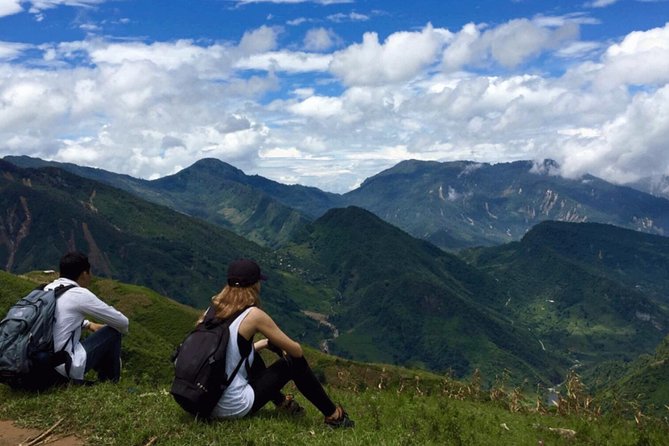
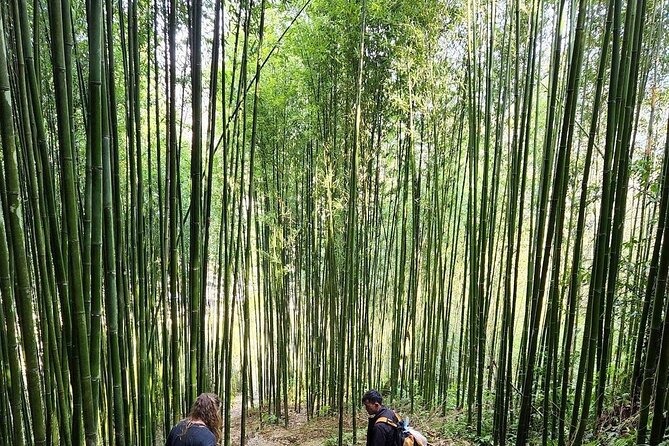
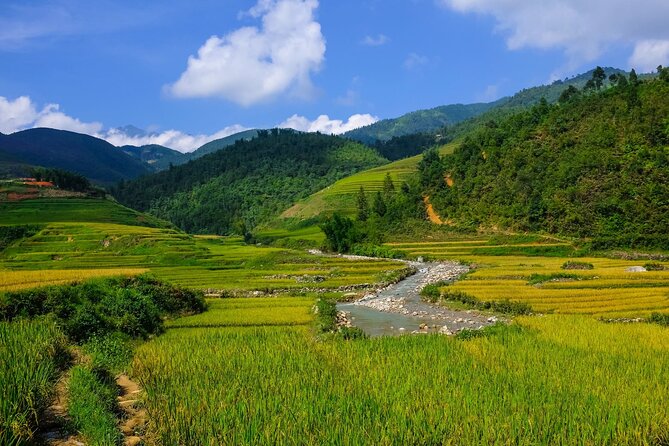
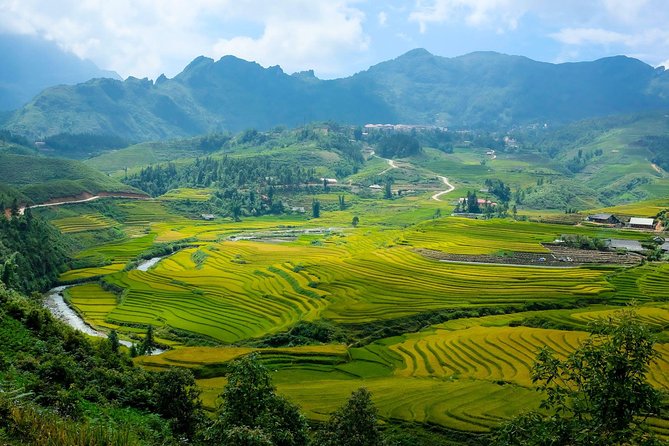
After the initial village area, the trek continues across corn and rice terraces and moves through a bamboo jungle. The pacing matters: you’re walking on valley trails that aim to feel peaceful and non-touristy rather than like a highlight-hike with constant photo stops.
A practical note
This is not a “sit and look” tour. You should expect some uneven ground, and you’ll be happier if you wear shoes with grip rather than dressy footwear. The day is designed for people with moderate physical fitness, so you don’t need to be an athlete, but you do need comfort walking for hours.
Suoi Thau and the Dzao viewpoint feeling over Ta Phin valley
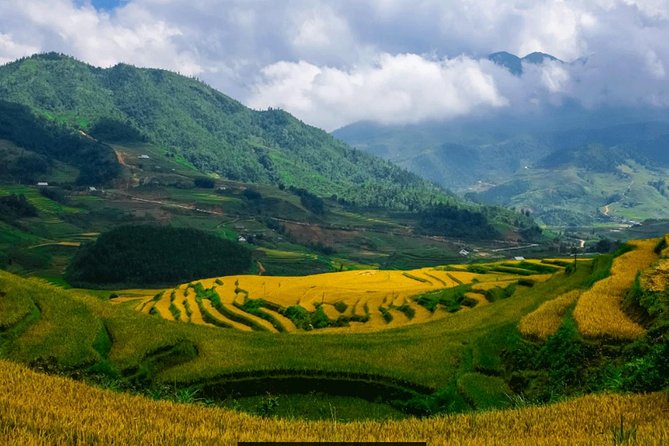
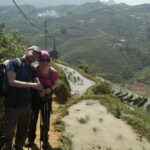
As you continue, the trek rises toward Suoi Thau village, associated with the Dzao ethnic community. The big payoff here is the shift in scenery: you’re moving toward a broader sense of the Ta Phin valley viewpoints.
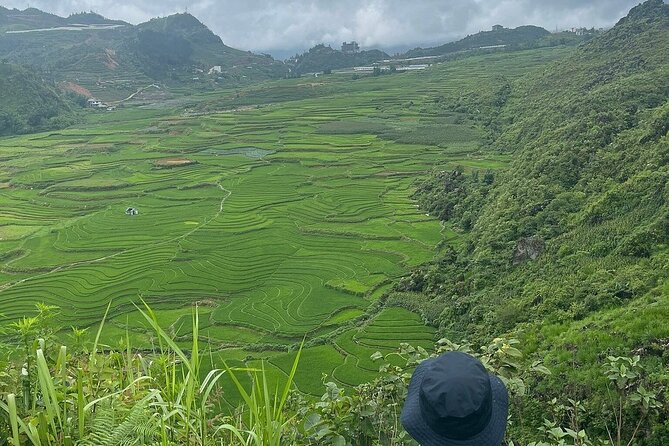
The most memorable part of areas like Suoi Thau is usually the in-between moments: when the air changes, when the path opens up, and when you can see the valley stretching out beyond the next bend. This is also where the tour leans into the feeling of “walking through real daily life” rather than just collecting stops.
Why this section feels more meaningful
Village visits work best when you’re not treating them like a stage. Here, the day is framed around exploring Hmong and local houses to understand daily life and routines. That’s the part you’ll carry with you after the photos fade, because it gives context to what you’re seeing while walking and looking out.
A drawback to keep in mind
Sunset is part of the plan, and the day holds both walking and paddle time. If you have knee trouble on uphill sections or you’re worried about keeping energy up, pace yourself early, and don’t wait until you’re tired to start moving slowly.
Bamboo jungle and terrace views: the scenery you can actually earn
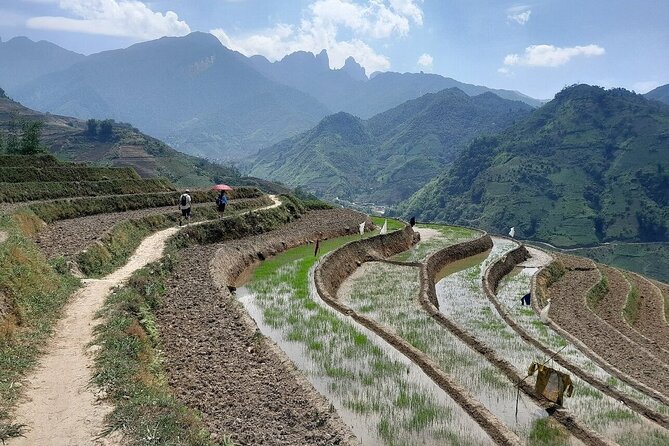
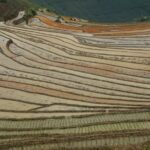
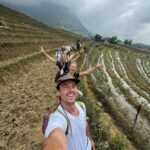
Sapa has plenty of scenic trails, but this tour’s advantage is that the best views come attached to effort and quiet. The route includes amazing corn and rice terrace scenes and stretches through bamboo jungle, which tends to create a different mood than the typical photo points.
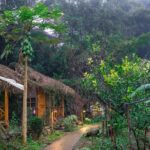
When you’re in the bamboo, you often get a feeling of shade and hush. It’s not just pretty foliage; it’s a change in texture that makes the trek feel like a real journey. And the terrace segments are where you get depth: layered fields, changing angles, and views that keep unfolding as you move.
How to get the most out of it
Bring a water bottle mindset even though you’ll have water included. The tour includes bottled water (1 liter per person), which is great because you don’t have to guess where the nearest shop is. Still, take small sips during breaks instead of chugging only at the top of the next hill.
Also, start with a calm pace. Your feet will thank you later when you switch from trekking posture to paddleboarding posture.
Lunch that keeps the day from falling apart
The itinerary includes lunch, which may sound like a minor detail, but it matters a lot on a full morning and early evening schedule. A good meal is what keeps you from turning grumpy mid-afternoon or feeling flat once you’re out on the river.
You’ll also want to remember that this is a small-group tour, so you’re less likely to get dragged into long gaps while everyone else catches up. In practical terms: lunch helps protect your energy so you can enjoy both halves of the day.
Cai River paddleboarding at sunset: beginner-friendly in real terms
The paddleboarding portion is one of the most fun parts of the concept. You go paddleboarding on the Cai River as the sun sets, and the tour is set up so paddleboards are provided and support is included for different levels.
If you’re new to paddleboarding, you’ll get a lesson first. Then, when you feel comfortable, you can explore more of the river yourself. That’s the best setup for beginners: learn enough to feel safe, then adjust your own comfort zone once you’re floating.
Why sunset paddle time feels like value, not just activity
Sunset does two things for this experience. First, the light makes the river look calmer and more dramatic, so you get better scenery without chasing separate viewpoints. Second, you’re not doing the hardest walking at the same time you’re expected to perform. The day’s structure shifts from land energy to water relaxation.
What you should plan for
Even though it’s beginner-friendly, paddleboarding still uses your core and legs. If you’re coming off uphill trekking, expect to move slower and focus on balance. Also, bring practical clothing you don’t mind getting damp. The tour includes water, but it can’t keep the river from being the river.
Guides who make the villages feel like people, not stops
One of the strongest signals from the experience feedback is that the guides connect what you see to how people live. The names Mo and Toa come up for a reason: they’re described as cool and brilliant, and they share interesting details about life in the area.
That matters because village tourism can go two ways. It can turn into quick checklists, or it can become a conversation through daily routines. This tour’s framing—house visits, daily life observations, and explanations tied to weaving, farming, and local houses—pushes it toward the second option.
What you can do to get more from your guide
Ask one simple question at each stop:
- How do you use this material or place day to day?
- What changes most in different seasons?
You don’t need a long interview. A quick question helps you notice details you’d otherwise miss.
Is $52 good value for 6–7 hours in Sapa?
Let’s break it down in a way that helps you decide.
For $52, you get:
- English-speaking guide
- Lunch
- Entrance fee(s)
- Transport by car following the program
- 1 liter of water per person
- Paddleboards provided, including support for beginners
Not included: tip, insurance, and personal expenses.
What makes this feel like fair value is that you’re not only paying for access. You’re paying for a full day plan: guided trek + village context + water activity, all with transport and basic needs handled. Also, small-group setup and group discounts tend to reduce the per-person cost versus private-only experiences that skip inclusions.
One more detail: this is booked about 57 days in advance on average. That suggests it’s popular enough that you shouldn’t wait for a last-minute plan if your dates are fixed.
Who this tour fits best (and who might want to choose differently)
This is a good match if you want:
- Authentic, non-touristy trails rather than only big-name viewpoints
- To see Hmong and Dzao minority village life through everyday routines
- A day that mixes trekking with a fun, active sunset paddleboarding experience
- Included basics like lunch and plenty of water
It may feel like the wrong fit if:
- You want mostly flat walking or very short activity blocks. The day runs 6–7 hours, and it includes uphill sections.
- You strongly dislike being on the water. Even beginners get a lesson, but you still need comfort with the idea of paddling.
Should you book Sapa Original Trek?
I’d book it if you’re aiming for a Sapa day that feels real, not staged. The combination of village trekking, bamboo and terrace views, and Cai River sunset paddleboarding makes it a complete experience without needing extra tickets or constant planning on your end. It also looks like a smart value play because so much is included.
If you’re the type who hates active days, or if your knees get cranky on uphill ground, you might prefer a lighter cultural tour instead. But if you can handle moderate walking and you’d enjoy learning paddleboarding basics, this is the kind of Sapa outing that sticks.
FAQ
What is the duration of the tour?
It lasts about 6 to 7 hours.
What time does the tour start?
The start time is 8:30 am.
How much does this tour cost?
The price is $52 per person.
What’s included in the price?
The tour includes an English-speaking guide, lunch, entrance fee, transport by car following the program, and 1 liter of water per person.
Are paddleboards provided, and do beginners get help?
Yes. Paddleboards are provided, and beginners receive a lesson before they explore more of the river themselves.
Does the tour include bottled water?
Yes, you get bottled water (1 liter per person).
What physical fitness level is recommended?
You should have a moderate physical fitness level.
Is the tour private or shared?
This is described as a private tour/activity, meaning only your group participates.
Where does the tour end?
It ends back at the meeting point.