REVIEW · SAPA
Sapa Motorbike Tour 2 Days 1 Night Off The Beaten Track
Book on Viator →Operated by Sapa Motorbike Tour · Bookable on Viator
Sapa by motorbike beats the usual tour. This 2-day ride threads through rice terraces, quiet villages, and big viewpoints like O Quy Ho, then brings you to Thác Bạc (Silver Falls) and beyond. It’s the kind of schedule that helps you see more than the postcard parts of town.
I especially like two things: the English-speaking guide and easy-rider drivers, and the fact that meals and key entrances are already handled (breakfast, lunches, dinner, plus entrance fees). When the day is long, having water and rain ponchos ready also makes the whole thing feel less stressful.
One possible drawback: you’ll spend a lot of time as a motorbike passenger on mountain roads. If you’re sensitive to motion or you hate windy, bumpy riding, plan accordingly (or consider a slower transport option).
In This Review
- Key highlights worth your time
- Why This Sapa 2-Day Motorbike Ride Feels More Local
- Price of $225: What You’re Paying For (and What You’re Not)
- The Vehicles, Guides, and Group Size That Make It Work
- Day 1: O Quy Ho Views, Silver Falls, and Ta Phìn’s Quiet Villages
- Stop in Sapa Town (orientation time)
- Thác Bạc (Silver Falls) with viewpoint time
- Ta Phìn and Phìn Hồ: the less-visited village feeling
- What I like about this Day 1 pacing
- Day 1 Night: Traditional-House Stay and a Proper Reset
- Day 2: Ta Van, Giang Ta Chải, and the Valley Roads After Breakfast
- Ta Van Village: more time than a quick photo stop
- Giàng Tả Chải and stone-area stops
- O Quy Ho and Thác Bạc Aren’t Just Stops: They Set Your Expectations
- Lao Chải, Ta Van, Giang Tả Chải, and Muong Hoa Valley: What the Big Names Add
- Packing List and Comfort Tips for Mountain Riding
- Wear for riding, not for fashion
- Rain gear is provided, but be smart
- Bring the basics for walking in villages
- Motion sickness? Plan early
- Who Should Book This Tour (and Who Might Want Another Option)
- Should You Book Sapa Motorbike Tour 2 Days 1 Night?
- FAQ
- What’s included in the $225 price?
- Do you offer pickup, or is there a meeting point?
- How big are the groups?
- What language is the guide?
- What are the main places you’ll visit?
- How long is the tour?
- Is a mobile ticket provided?
- What’s the cancellation policy?
Key highlights worth your time
- Off-the-beaten-track village routes: you’ll go to spots that feel quieter than the main Sapa circuit
- O Quy Ho to Muong Hoa Valley viewpoints: major vantage points built into the flow
- Thác Bạc (Silver Falls) time plus viewpoints: not just a quick stop, you get time to look
- Ta Phin and Phìn Hồ area: smaller village stops with very limited tourist feel
- Built-in traditional-house stay: you sleep right in the local rhythm, not in a bubble
- Max group size of 15: easier to hear your guide and keep the pace under control
Why This Sapa 2-Day Motorbike Ride Feels More Local
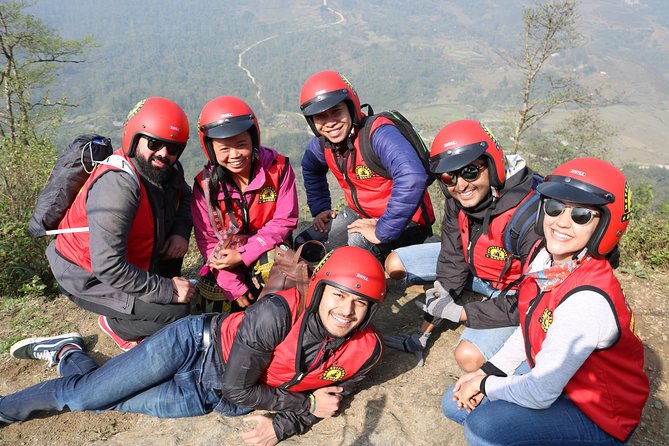
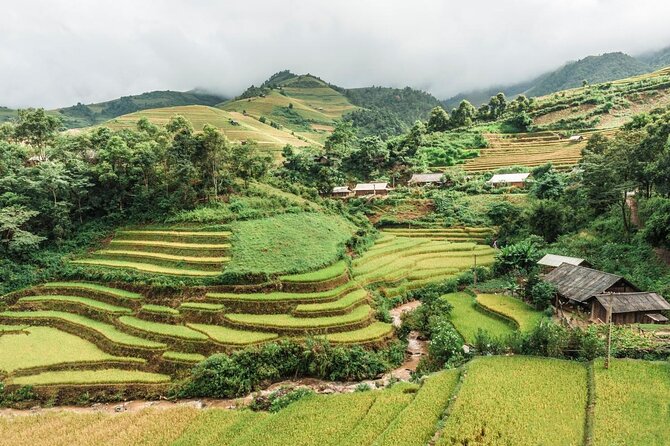
Sapa can feel like it has two versions of itself: the town center with tours lined up, and the rural slopes where daily life carries on. This tour goes for the second one. You’re not just watching villages from a distance. You ride through backroads and smaller paths that put you closer to the rhythms of the rice terraces and the people who farm them.
You start with city logistics (hotel pickup or the meeting point), then the day shifts fast into mountain travel. The best part is how the itinerary mixes big-name scenery with lesser-visited village corners. You’ll get the classic wow moments, like viewpoints over Muong Hoa Valley and stops near O Quy Ho, while still spending meaningful time in places like Ta Phìn and the hidden-feeling Phìn Hồ area.
You can also read our reviews of more evening experiences in Sapa

Price of $225: What You’re Paying For (and What You’re Not)
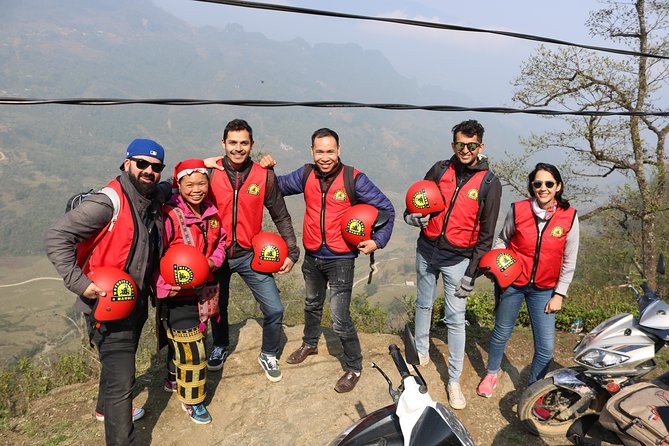
At $225 per person for 2 days and 1 night, the value depends on what you’d otherwise pay for on your own. Here, the big cost drivers are already included: English-speaking guidance, motorbike riders, fuel, entrance fees, and multiple meals.
Included items you should care about:
- Meals: breakfast (2), lunch (2), dinner (1)
- Tour essentials: water during the tour, rain ponchos
- Access: entrance fees are included
- Riding setup: easy-rider style motorbikes and fuel
What’s not included: tips for your guide and driver, and anything not explicitly listed. If you’ve ever toured in Vietnam and ended up spending extra time and money buying tickets one by one, this format is simply easier.
The Vehicles, Guides, and Group Size That Make It Work
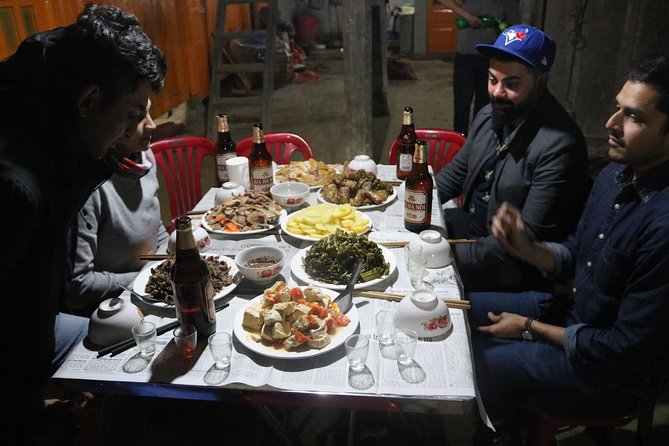
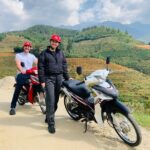
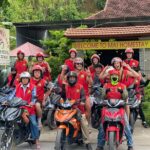
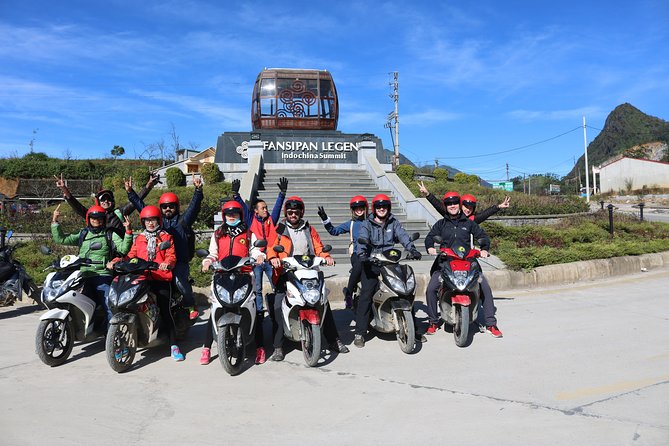
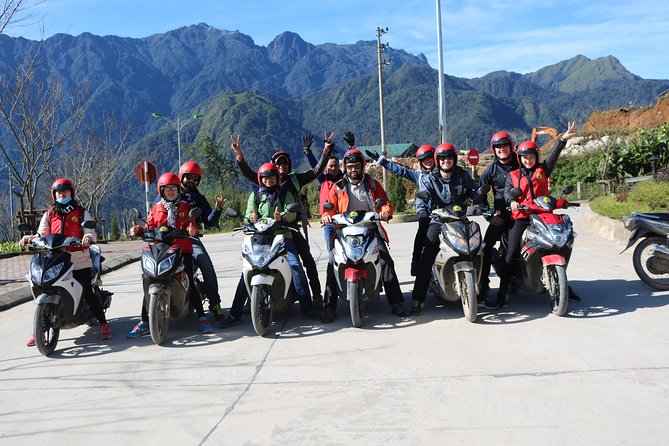
This tour is built around the “easy rider” concept. You don’t need to drive. You ride as a passenger while an experienced rider does the work. That matters in Sapa because roads can be narrow, steep, and unpredictable in weather.
You’ll also get an English-speaking guide. In Sapa, language isn’t just convenience. It’s how you understand what you’re seeing: the village layout, the rice terrace logic, and why certain valleys look the way they do.
Group size is limited to 15 travelers max. That’s a sweet spot. It’s small enough that the guide can manage pacing, and it’s big enough that you’re not stuck waiting around forever.
One more practical note: several guides mentioned by name in traveler feedback include May, and another guide name that shows up is Tamay. If your booking assigns you one of them, you can expect a friendly, conversational guiding style and a willingness to adjust day-to-day.
Day 1: O Quy Ho Views, Silver Falls, and Ta Phìn’s Quiet Villages
Day 1 is where the tour earns its “off the beaten track” promise. After pickup (either at your Sapa hotel or at the meeting point at 018 Phạm Xuân Huân), you start with a safety and tour briefing. Then you move into the scenery early.
Stop in Sapa Town (orientation time)
You’ll begin with a short Sapa stop for the briefing and setup. This is the moment to ask questions that matter to you: how long the riding stretches feel, where rest breaks land, and what to do if you get rain.
A few more Sapa tours and experiences worth a look


Thác Bạc (Silver Falls) with viewpoint time
Thác Bạc is the classic waterfall stop, but what makes it smarter here is the way the schedule blends it with viewpoints. You’ll ride from Sapa toward O Quy Ho, with time for early impressions of valleys and a view over Muong Hoa Valley before you arrive at the waterfall.
Expect about 1 hour 15 minutes here, with the entrance ticket included. This timing is important. You’re not just snapping photos at the front gate and racing away. You get time to actually watch the falls and absorb how the valley sits around them.
Ta Phìn and Phìn Hồ: the less-visited village feeling
After the waterfall, you jump back on the motorbikes and head up to Ta Phìn area. The tour description emphasizes that this is a more secretive stop, with very little tourist presence. In plain terms: you’ll likely see more everyday life and less stage-managed tourism.
Day 1 also includes time that points toward the hidden village called Phìn Hồ (very little known to tourists). The itinerary then continues back toward Ta Phìn Village for lunch and afternoon exploration.
You’ll have a lunch break with a local family or at a local restaurant (lunch is included). Then you’ll have time to look around Ta Phìn at your own pace before riding further through Ma Tra and toward the Hang Đa / soi chu area.
What I like about this Day 1 pacing
It’s not just a list of stops. It’s structured like a route. You start with big valley views, hit an iconic waterfall, then shift into smaller village time. That order helps you stay excited without burning the day too early.
Day 1 Night: Traditional-House Stay and a Proper Reset
You stay 2 days / 1 night and the tour specifically notes a typical traditional house. I like this part because it changes how the trip feels. You’re not simply traveling; you’re also shifting into local time.
Dinner is included, and after a day that mixes riding with walking around villages, that meal matters. You’ll want something filling, and you’ll want to stop thinking about logistics. This tour does the basic heavy lifting for you: dinner is planned, and breakfast is planned for the next morning.
A heads-up for comfort: traditional-house stays can mean simpler rooms than hotel standards. The data doesn’t list bedding type or room layout, so don’t assume you’ll have Western-level comforts. If you travel with that expectation, you’ll enjoy it more.
Day 2: Ta Van, Giang Ta Chải, and the Valley Roads After Breakfast
Day 2 starts with breakfast (included). Then you head deeper into the mountain villages around areas like Sau Chua and Hang Đa along the way to Ta Van Village.
Ta Van Village: more time than a quick photo stop
Ta Van is one of the better-known names in the Sapa region, but this route still keeps its focus on the back roads and mountain approaches. You’ll spend about 4 hours here, with entrance time included.
Why this matters: in Sapa, the difference between a great visit and a forgettable one is whether you actually have time to slow down and look. Four hours lets you wander, ask questions, and watch daily movement—rather than racing to the next photo spot.
Giàng Tả Chải and stone-area stops
After Ta Van, you continue through backroads on the way to Giang Tả Chải (with 3 hours listed). The description includes crossing rivers and passing through an ancient stone area.
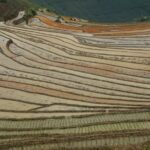
You’ll also see rice paddies and more of the terrace pattern as you move. The route then continues toward Ta Giàng Phìn Village after Ta Giàng Phìn / related stops, depending on the day’s pacing.
This part of Day 2 feels like the finale: you’ve already “earned your eyes” with Day 1, and now you see the valleys and paddies from fresh angles.
O Quy Ho and Thác Bạc Aren’t Just Stops: They Set Your Expectations
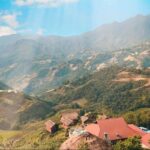
O Quy Ho and Thác Bạc work well as anchors because they frame how Sapa actually looks when you’re not stuck in town. O Quy Ho viewpoints give you the big picture—valleys, layers of terraces, and the sense of distance between villages.
Then Thác Bạc brings you down into something physical: water, the sound, the way the valley channels the view. After that, the village stops make more sense. You understand what you’re walking toward and why those villages sit where they do.
Lao Chải, Ta Van, Giang Tả Chải, and Muong Hoa Valley: What the Big Names Add
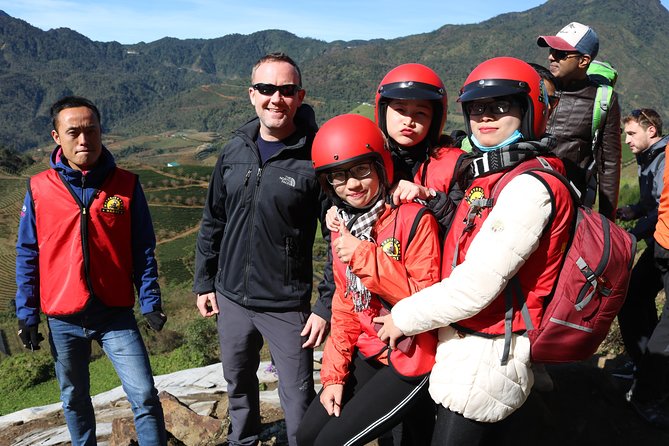
Your tour plan includes Lao Chải, Ta Van, Giang Tả Chải, and time that references Muong Hoa Valley. Even if you’ve seen photos online, seeing these areas from multiple angles (and not just from one roadside viewpoint) gives you a more accurate feeling for Sapa.
Think of it like this:
- Big names help you orient yourself.
- Smaller village stops teach you what life looks like close up.
That mix is why this kind of tour often beats the “checklist-only” versions.
Packing List and Comfort Tips for Mountain Riding
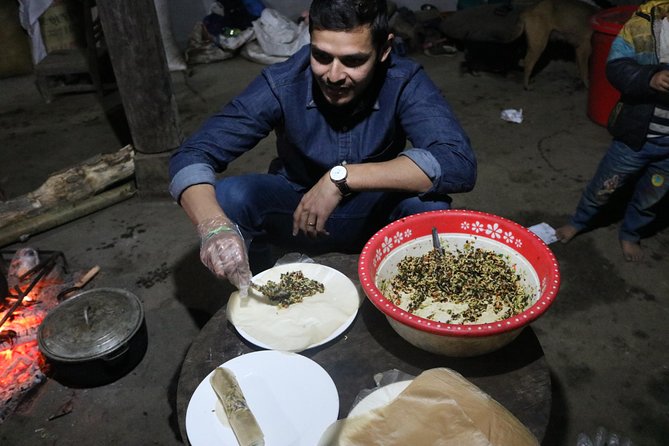
Here’s how to make the riding day easier, based on what the tour provides and what mountain riding usually demands.
Wear for riding, not for fashion
- A layer for cool mountain air
- Long pants and closed-toe shoes for comfort and grip
- Something to protect your head and face from wind
Rain gear is provided, but be smart
The tour includes rain ponchos. Still, pack a small dry bag or zip bag for your phone and passport, because rain in the mountains can turn quickly.
Bring the basics for walking in villages
Even if you’re not doing a long hike, you’ll likely step onto uneven ground around village areas. I like to carry:
- A small towel or tissues
- Sunscreen and sunglasses (clear days can still bite)
Motion sickness? Plan early
Because this is a motorbike passenger tour, if you’re prone to motion sickness, test yourself before you commit. The itinerary includes multiple long riding segments across valleys and backroads.
Who Should Book This Tour (and Who Might Want Another Option)
This is a great fit if you want:
- More villages, less tourist trail
- Scenic viewpoints plus meaningful village time
- A guided experience in English
- Included meals and entrance fees so you don’t spend your time budgeting on the fly
It may not be the best fit if:
- You strongly prefer private transport or a car-based itinerary
- You dislike motorbikes and windy mountain roads
- You want a purely restful pace with minimal movement
If you’re the type who enjoys active travel—where the journey is part of the story—this tour delivers.
Should You Book Sapa Motorbike Tour 2 Days 1 Night?
I’d book it if your Sapa trip has room for adventure and you want the version of the region that feels lived-in. The value is strong at $225, especially because meals, entrance fees, fuel, water, and rain ponchos are included. And the route’s mix of O Quy Ho viewpoints, Thác Bạc, and village time like Ta Phìn and Phìn Hồ is exactly what makes it feel different from the quick sightseeing loops.
I’d think twice if you’re riding-sensitive or you’re expecting a hotel-style schedule with minimal bumps. This is a motorbike tour. The upside is the access; the tradeoff is the ride.
FAQ
What’s included in the $225 price?
The tour includes English-speaking guide and riders, fuel, entrance fees, water, rain ponchos, and meals: 2 breakfasts, 2 lunches, and 1 dinner.
Do you offer pickup, or is there a meeting point?
Pickup is offered, and there’s also a meeting point at 018 Phạm Xuân Huân. The start time is 8:00 am, and hotel pickup is listed at 8:30 am.
How big are the groups?
The tour has a maximum group size of 15 travelers.
What language is the guide?
You’ll have an English-speaking guide.
What are the main places you’ll visit?
Key stops include O Quy Ho village, Thác Bạc (Silver Falls), Ta Phìn and Phìn Hồ area, Ta Van, Giang Tả Chải, and routes that reference Muong Hoa Valley plus Lao Chải.
How long is the tour?
It’s 2 days (about 2 days / 1 night).
Is a mobile ticket provided?
Yes, the tour notes mobile ticket as part of the experience.
What’s the cancellation policy?
There’s free cancellation if you cancel up to 24 hours in advance for a full refund.