REVIEW · HANOI
Hanoi Maya Kitchen: Traditional Cooking Class & Market Tour
Book on Viator →Operated by Crossing Vietnam Tour · Bookable on Viator
Food markets teach you faster than any guidebook. At Hanoi Maya Kitchen, you start in the local market, then cook four classic Vietnamese dishes and Vietnamese egg coffee, and finally eat what you made in one sitting. The small-group format also keeps things practical, so you can actually follow along while you learn.
I especially love the logic of the class: you see the ingredients first, including how Vietnamese cooks choose substitutes, and then you put that knowledge to work right away. I also like the step-by-step coaching you get for the tricky parts, like rolling those spring rolls until they’re even and neat.
One thing to consider: there’s no pick-up or drop-off, so you’ll need to make your own way to the meeting point in the Old Quarter area. If you’re relying on taxis or short walks in Hanoi traffic, plan extra time.
In This Review
- Key Highlights
- A Real Market-to-Kitchen Lesson in Hanoi’s Old Quarter
- What You’ll Cook: Nem, Papaya Salad, Pho Rolls, Mixed Pho, and Egg Coffee
- The Spring Roll Skill You Can Actually Take Home
- Stop 1: Hang Da Market (or Yen Thai Market) for Ingredient Choices That Matter
- In the Kitchen: How the Instructor Keeps You Moving
- Why Egg Coffee Fits the Culture of the Tour
- The Meal: Eat What You Made, Plus Seasonal Fruits
- Local Wine Tasting: A Small Add-On With Real Context
- What Group Size Really Changes (Up to 15 People)
- Price and Value: Why $30 Feels Fair for What You Get
- Who This Hanoi Cooking Class Is Best For
- Choosing Based on Your Food Interests
- Small Logistics That Affect Your Experience
- Should You Book Hanoi Maya Kitchen?
- FAQ
- How long is the Hanoi Maya Kitchen class?
- What dishes are included in the menu?
- Do I get to eat what I cook?
- Is a market tour included?
- What drinks and tastings are included?
- Is pick-up or drop-off provided?
- How many people are in the group?
Key Highlights
- Market tour with ingredient shopping so you learn what to buy and why
- English-speaking instructor guiding you step by step at the stove
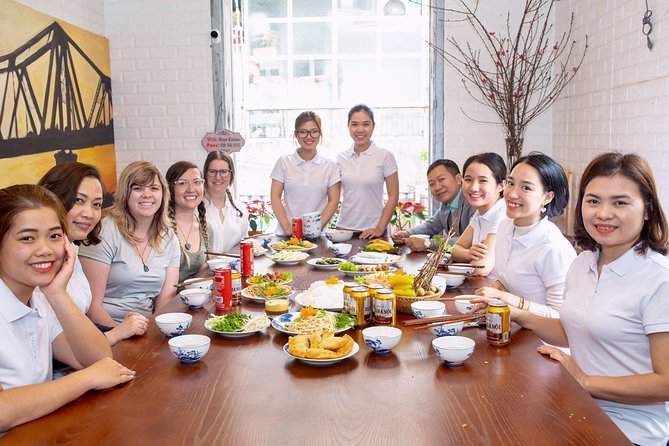
- Four dishes plus egg coffee, then you eat your own meal
- Local wine tasting included alongside the main food experience
- Up to 15 people for a more hands-on feel
- Skip-breakfast friendly: the portions tend to be more than you expect
A Real Market-to-Kitchen Lesson in Hanoi’s Old Quarter
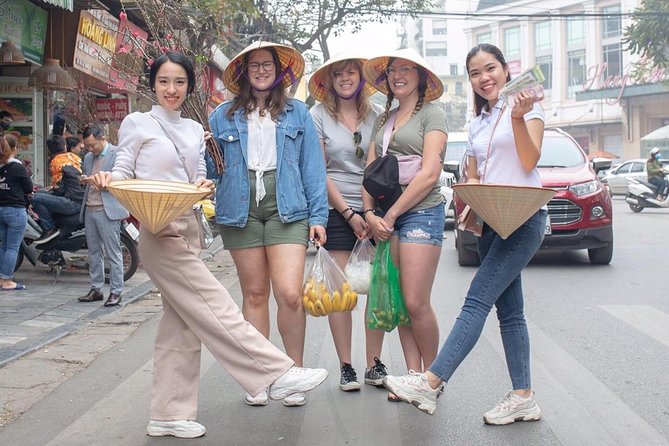
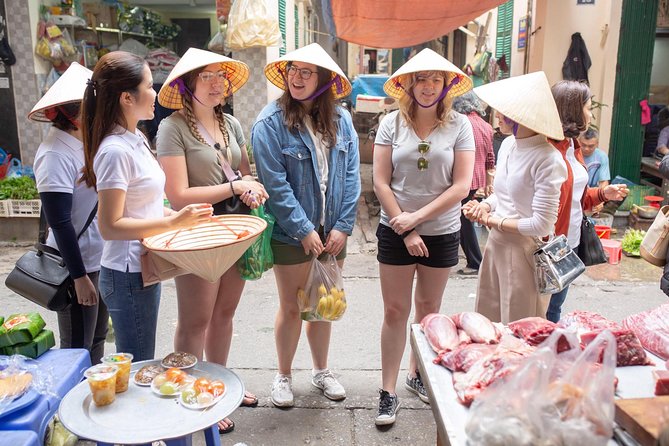
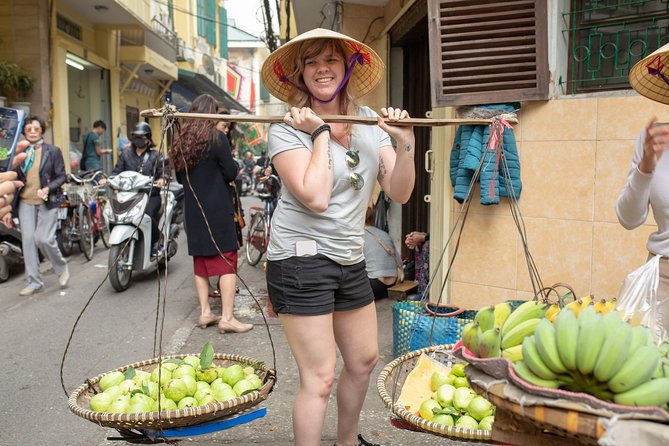
This experience is built around a simple idea: food is easier when you understand the ingredient choices behind it. You’ll begin with a welcome and then head out to a nearby local market (listed as Yen Thai Market / Hang Da Market in the tour details). It’s not a slow museum-style walk. It’s the part where you get to see the produce, pick ingredients for your dishes, and get a sense of what Vietnamese cooks swap in when something isn’t available.
I love this approach because it changes how you cook later. If you’ve ever tried to recreate a dish from memory back home, you know how frustrating it gets when you can’t find the exact same item. Here, you’re explicitly learning how substitutes work in Vietnamese cooking, which makes the class feel useful beyond the day.
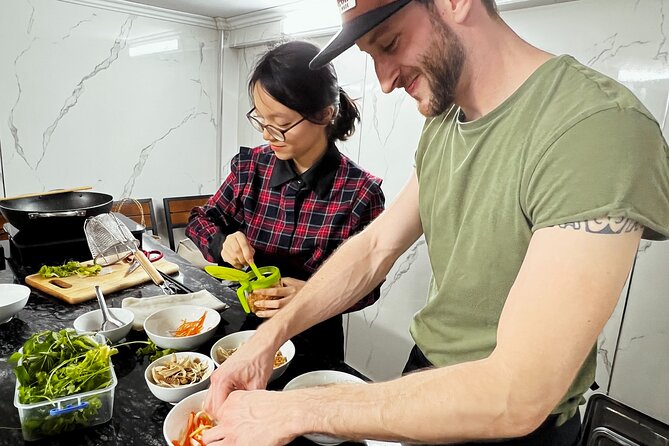
And then you step into the kitchen. The cooking part focuses on technique, not just recipes: the instructor guides you through each dish so you can finish with real results. You end with the payoff: you eat the dishes you cooked, plus dessert.
You can also read our reviews of more shopping tours in Hanoi

What You’ll Cook: Nem, Papaya Salad, Pho Rolls, Mixed Pho, and Egg Coffee
The menu is very clear, and that’s a good thing. There’s no guesswork about what you’ll spend your time making. You’ll cook:
- Nem Ran: fried spring rolls
- Nom Du Du: papaya salad
- Pho Cuon: pho rolls
- Pho Tron: mixed pho
- Ca Phe Trung: egg coffee
- Dessert: seasonal fruits
You’ll probably notice that the dishes cover different textures and flavor styles. The spring rolls focus on hand skills and consistency. The papaya salad is explicitly about the balance of sour and sweet, which helps you understand what you’re aiming for while you’re cooking. And the pho dishes give you a chance to work with how Vietnamese meals build variety within one bowl or plate.
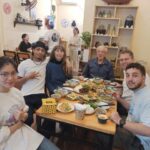
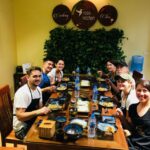
Then comes the best part for most people: you sit down and eat everything you made. The class is designed so the meal is part of the experience, not an afterthought. Bring that appetite mindset. Based on what people report, the food amount can be more than enough, and some people even plan for leftovers.
The Spring Roll Skill You Can Actually Take Home
Spring rolls sound straightforward until you’re the one trying to roll them. The class treats nem ran as a kind of national celebration food—often linked with holidays and gathering feasts—so it’s not presented as just a snack. Your instructor walks you through the process so you can get rolls that look good and cook evenly.
Even if you’ve never rolled anything before, the step-by-step guidance helps. This is the kind of lesson where the technique matters more than the exact ingredients, and you can use that skill at home later even when your pantry changes.
Stop 1: Hang Da Market (or Yen Thai Market) for Ingredient Choices That Matter
The market portion is where the tour becomes more than a cooking class. It’s the part that teaches you how Vietnamese cooking connects to real shopping.
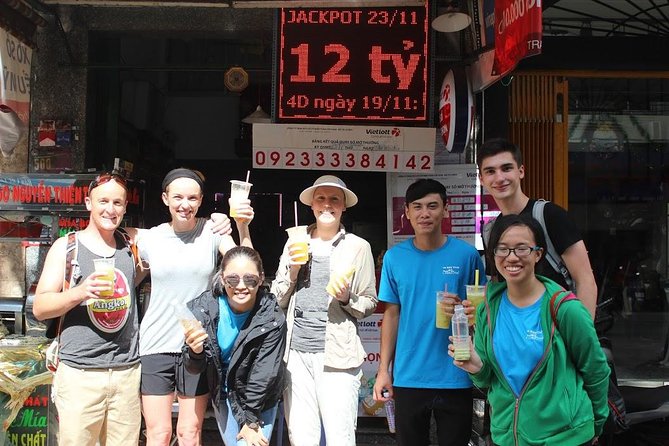
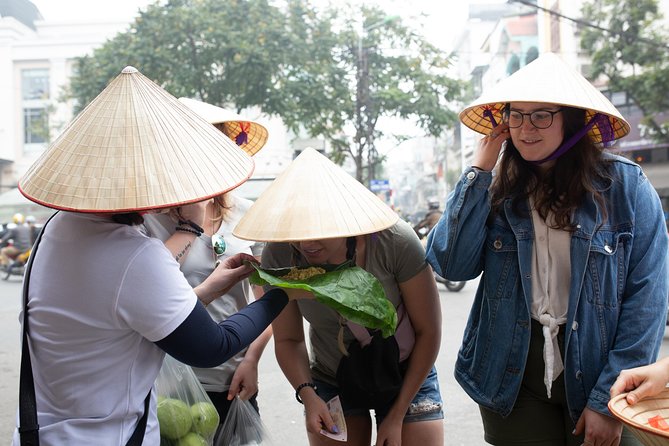
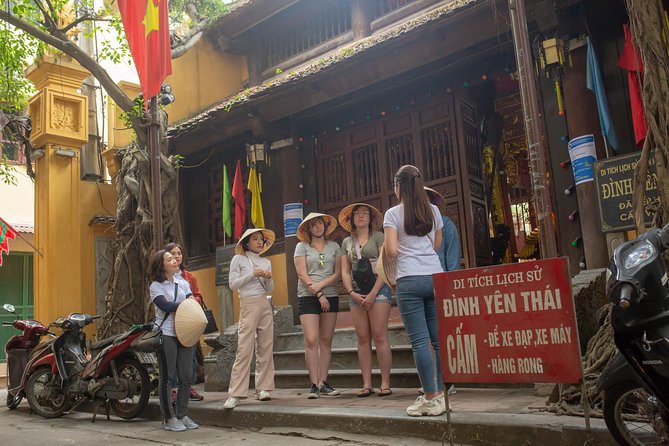
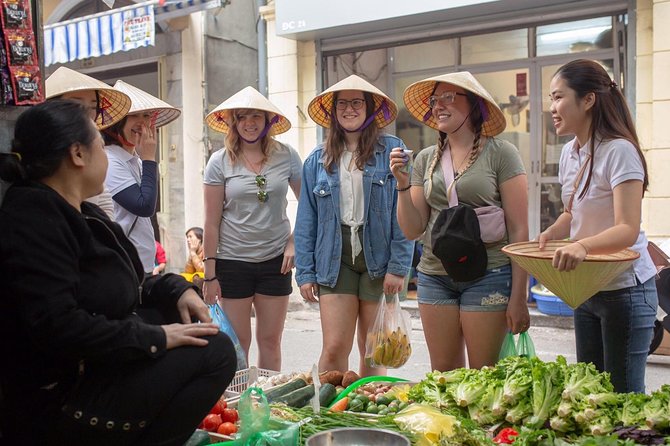
You’ll go with a guide to Yen Thai Market, described as a local market nearby where you can see daily life and buy fresh food. The instructor also helps you understand ingredients and their possible substitutes. That’s valuable because Vietnamese cooking often works well with substitutions, but only if you know what the substitute is supposed to do for flavor or texture.
You’re also learning through observation. You can see what’s available and how people choose it. That helps you make smarter choices if you ever shop for these ingredients in your own city later.
Practical note: markets can be noisy, busy, and fast. The tour keeps it functional—you’re there to learn and buy, not just browse for an hour. Wear comfortable shoes, and keep your phone ready for photos if you like.
In the Kitchen: How the Instructor Keeps You Moving
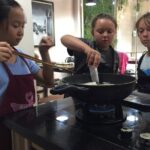
Once you reach the kitchen, you’ll be guided step by step. The flow is designed so you’re not waiting around wondering what happens next. First, you tackle fried spring rolls. Then you move to papaya salad, where the main flavors you’re aiming for are sour and sweet.
After that, you’ll shift to the pho dishes: pho rolls and mixed pho. You’ll also learn how to make egg coffee. The class doesn’t treat egg coffee as a random drink add-on. It’s part of the main Vietnamese specialty set, and you get to make it yourself.
This matters because hands-on instruction changes what you remember. When you watch a video later, you might understand the steps. When you do it once in a real kitchen, your brain stores the workflow. That’s why people tend to feel confident enough to try again at home after the class.
A few more Hanoi tours and experiences worth a look
Why Egg Coffee Fits the Culture of the Tour
Egg coffee is listed as a Vietnamese specialty, and it’s built into the class plan so you’re tasting something you learned about, not just sampling something on the side. If you like coffee drinks and you’re curious about what makes this one different, you’ll appreciate that it’s included as part of the cooking lesson rhythm.
The Meal: Eat What You Made, Plus Seasonal Fruits
After cooking, you get to enjoy the meal with all the dishes you made, plus dessert of seasonal fruits. You also get at least one included drink (water, tea, coffee, or similar).
This is where the value becomes obvious. You’re not paying just for instruction. You’re paying for ingredients, guidance, cooking time, and a full sit-down meal.
Also, go in with an appetite. Multiple descriptions of the class point out that the portion amount can be generous, and people have taken food away in special containers. Even if you don’t plan leftovers, you’ll likely be glad you skipped a big breakfast beforehand.
Local Wine Tasting: A Small Add-On With Real Context
One included item that you might not expect in a cooking class is local wine tasting. It’s listed as part of what’s included, so it’s not a surprise upsell.
Even though the tour isn’t framed as a wine-focused day, tasting something local alongside the dishes makes sense. It adds another layer to how you understand Vietnamese eating culture. You’ll finish the meal with more than just recipes in your notebook.
What Group Size Really Changes (Up to 15 People)
This experience caps out at 15 travelers. That’s not tiny, but it’s also not a factory tour. In a class setting, smaller groups typically mean you can get more specific feedback when something doesn’t go quite right.
If you like learning at your own pace but still want hands-on structure, this group size is a practical sweet spot. You’ll usually have enough attention to keep moving without feeling rushed.
Price and Value: Why $30 Feels Fair for What You Get
At $30 per person for about 4 hours, the biggest value isn’t just the cooking. It’s the full combination:
- market tour and food buying
- an English-speaking instructor
- ingredients for all dishes on the menu
- egg coffee included
- seasonal fruits for dessert
- a drink included
- local wine tasting
- cooking recipes to take home
If you tried to replicate this on your own, you’d quickly spend time and money just figuring out what ingredients to buy and how to cook them correctly. Here, you’re paying for guidance plus the ingredient plan, and then you eat the result.
That makes it a solid deal for a short trip. You get a full cultural experience in a single block of time, and it directly teaches skills you can practice later.
Who This Hanoi Cooking Class Is Best For
This tour is a great fit if you want more than a food stop. You’ll enjoy it most if you like doing hands-on work and you want a meal that feels personal because you made it.
It’s also a good choice for:
- couples and small groups who want a shared activity
- food lovers who like learning techniques, not just tasting
- travelers who prefer structured experiences that still feel local
If you’re the type who gets bored by long lectures, you’re in luck. The class is built around moving from market to stove to meal.
Choosing Based on Your Food Interests
If you love crispy textures, you’ll focus on spring rolls. If you like sour-sweet flavor work, the papaya salad portion is designed for that. If you want variety in a single meal style, the pho dishes give you that range. And if you’re curious about Vietnamese coffee culture, the egg coffee is part of the main set.
Small Logistics That Affect Your Experience
There are a couple practical points worth knowing so you don’t lose time:
- You’ll meet at the Crossing Vietnam Tour office address listed near 47 Hang Bong str. (the tour also provides a start address). Your ticket will confirm what you need day-of, but plan to arrive with time to find the exact door.
- Pick-up and drop-off are not included, so you’re walking, taxiing, or taking public transport on your own.
- The experience ends back at the meeting point, so you won’t be dropped somewhere far away afterward.
- It’s near public transportation, which helps if you’re coordinating with other Old Quarter plans.
If you like to pack your schedule tight, this still works. Just give yourself breathing room at the start.
Should You Book Hanoi Maya Kitchen?
If you want a hands-on, market-led cooking class that ends with a real meal, I think this is an easy yes. The market-to-kitchen flow is smart. The dish list is clear and classic. And the price-to-inclusions ratio is strong because you’re not just watching food get made.
I’d book it if:
- you want to learn technique, not just eat
- you like the idea of shopping for ingredients first
- you’re excited to make nem, papaya salad, pho rolls, mixed pho, and egg coffee
I’d think twice if:
- you strongly dislike walking through busy markets
- you don’t want to handle your own arrival since there’s no pick-up
FAQ
How long is the Hanoi Maya Kitchen class?
It lasts about 4 hours.
What dishes are included in the menu?
You’ll make fried spring rolls (Nem Ran), papaya salad (Nom Du Du), pho rolls (Pho Cuon), mixed pho (Pho Tron), and egg coffee (Ca Phe Trung), plus seasonal fruits for dessert.
Do I get to eat what I cook?
Yes. After the class, you enjoy the meal with all the dishes you’ve made.
Is a market tour included?
Yes. The experience includes a local market tour and food buying before you cook.
What drinks and tastings are included?
The tour includes 1 drink (water, tea, coffee, or similar) and a local wine tasting.
Is pick-up or drop-off provided?
No. Pick-up and drop-off service is not included. The meeting point is at the Crossing Vietnam Tour office.
How many people are in the group?
The tour has a maximum of 15 travelers.
If you want, tell me your travel month and whether you prefer walking or taxis in Hanoi, and I’ll suggest a simple plan for pairing this with nearby Old Quarter sights.