REVIEW · SAPA
Exploring Fansipan: A 2-Day, 1-Night Trekking Adventure
Book on Viator →Operated by SAIGONESE TREKKING HOUSE · Bookable on Viator
A sunrise climb with real payoff. Hike to Fansipan’s 3,143-meter summit for morning light, then sleep on the mountain so you’re ready when the day breaks. This is a small-group overnight trek from Sapa with pickup, meals included, and a route built for people who want more than a quick day hike.
I like the small-group cap of 10. It keeps the pace manageable, makes it easier to ask questions, and helps the guide fine-tune the plan if someone needs a slower rhythm. I also like that meals are handled for you: dinner, breakfast, and lunch plus bottled water are part of the package, so you’re not rationing energy while you’re working uphill.
One thing to consider: this trek is described as challenging enough that it takes strong fitness. It can feel easy at the start and then get steeper and tougher on the way up, so don’t book it as a casual walk.
In This Review
- Key things that make this Fansipan trek different
- Fansipan at 3,143 meters: why the Roof of Indochina matters
- The Sapa start at 9:00 am: pickup, small groups, and realistic timing
- Day 1 on the mountain: your first push, base camp time, and dinner
- What to watch for on Day 1
- Overnight rest and the pre-dawn summit push
- How the guide support shows up here
- Sunrise summit and descent: hike down or take the cable car
- The honest trade-off
- Food on the trek: included meals, base camp basics, and bottled water
- Dietary needs
- Price and value: is $120 fair for an overnight guided climb?
- Fitness check and weather reality for Fansipan
- Who should book this 2-day Fansipan overnight trek?
- Should you book it? A simple decision guide
- FAQ
- How long is the Fansipan trek?
- What time does the tour start in Sapa?
- How big is the group?
- What’s included in the $120 price?
- What is not included?
- Does the tour include pickup?
- Can the tour accommodate dietary restrictions?
- What if the weather is poor?
Key things that make this Fansipan trek different
- Overnight on Fansipan means sunrise is part of the plan, not an optional bonus.
- Max 10 hikers gives you real attention on the trail and more flexible pacing.
- Meals are included (dinner, breakfast, lunch) plus bottled water, so you can focus on hiking.
- Pickup and round-trip transport from Sapa reduce the stress of logistics.
- Support in Sapa can be practical—people have mentioned luggage storage and motorbike pickup from hostels.
- Sunrise is the goal, not just the summit—you’ll wake early and hike up for the best chance.
Fansipan at 3,143 meters: why the Roof of Indochina matters
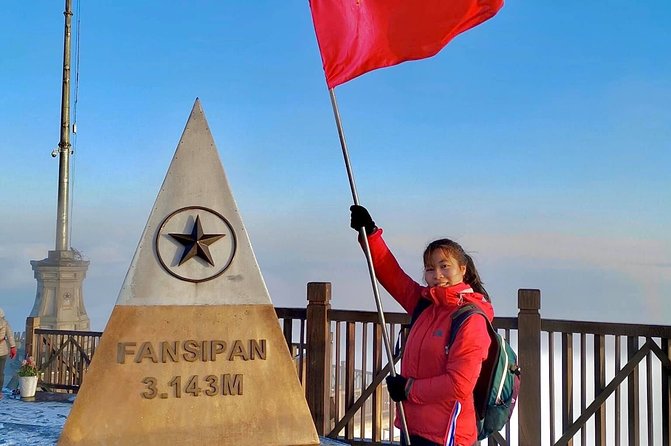
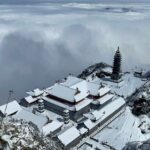
Fansipan sits in the Hoàng Liên Sơn mountain range and is the highest peak in the region—often called the Roof of Indochina. That title isn’t just marketing. When you’re aiming for a summit at 3,143 meters, the goal becomes more about stamina and timing than about rushing to check a box.
What I like about this kind of itinerary is how it turns altitude into a clear experience. You don’t just hike up, snap a few photos, and leave. You stay overnight and plan your effort around sunrise, which is when visibility and cloud layers can make the views feel like a different world.
If you’re planning around seasons, you can also align your expectations with what the mountains give you:
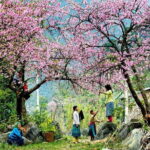
- Feb to Apr (spring): blossoms and cooler air
- May to Jul (summer): rhododendrons and other mountain flowers
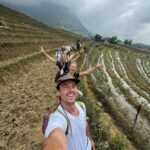
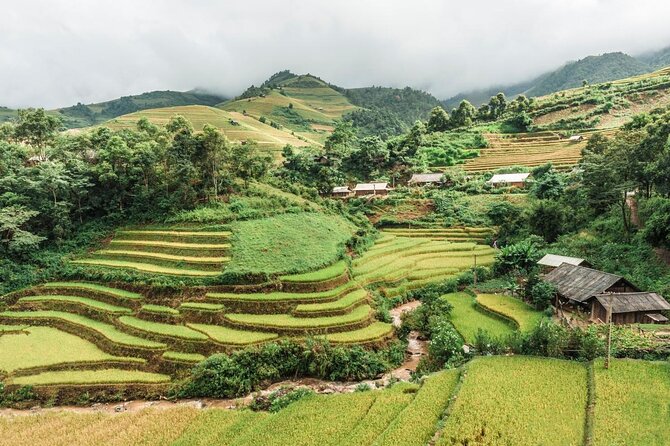
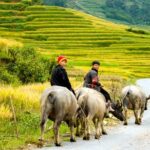
- Aug to Oct (autumn): golden rice fields in the area
- Nov to Jan (winter): cloud cover can sometimes wrap the peak
That seasonal awareness helps you pack mentally. Even when you can’t control the weather, you can control what you’re hoping to see.
You can also read our reviews of more evening experiences in Sapa
The Sapa start at 9:00 am: pickup, small groups, and realistic timing
This trek begins at 9:00 am in Sapa, with pickup offered. For many people, the best part of paying for a guided overnight hike is not the walking—it’s removing the moving pieces. Getting to the trail, coordinating transfers, and keeping the group moving on schedule matters a lot once you’re heading into the mountains.
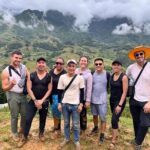
You’ll also be in a group of up to 10, which changes how the day feels. Big tours can turn into a single file line. Small groups tend to feel more human: you can ask your guide to explain the route again, and you’re less likely to get lost when the trail gets demanding.
There’s also a practical touch that shows up in how this operator supports people in Sapa. Some hikers have mentioned luggage storage and even motorbike pickup from their hostel location. That kind of help matters because Sapa can be busy, and you don’t want your hike day derailed by trying to move bags around.
Day 1 on the mountain: your first push, base camp time, and dinner
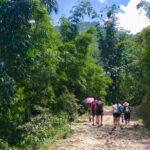
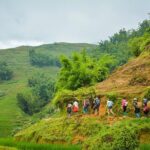
Day 1 is about hiking from the start point up into the mountain area, following your guide along the trail. The package includes transport from Sapa to the trail and return, so you’re not stuck figuring out local rides while you’re tired and wearing hiking shoes for the first time that day.
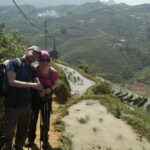
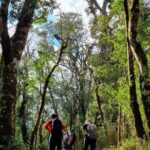
As you move uphill, the route tends to grow gradually more demanding. One review highlighted how the trek can feel doable at the beginning and then gets harder step by step. That’s normal for mountain hikes, but it’s still a reminder: go easy early so you don’t burn out before you even reach the place you’ll sleep.
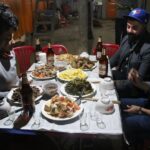
When you reach the base camp area, you’ll get your first big win: a proper meal and time to reset. One strong detail from feedback here is that the guide prepares food at the base camp, and people found it basic but tasty and sufficient. In other words, you’re not eating gourmet. You are, however, eating something that supports the next day’s climb.
And yes, base camp has a social side. There are also mentions of drinks like beer available for purchase, which can make the evening feel less like waiting in silence and more like a shared moment with other hikers from different places.
What to watch for on Day 1
- Expect the uphill work to ramp up. Pace yourself.
- Dinner is included, so don’t waste your energy hunting food early.
- Base camp can be a quiet reset zone, but it’s also where you meet other hikers—good for company, but don’t let conversations drag your energy down too late.
Overnight rest and the pre-dawn summit push
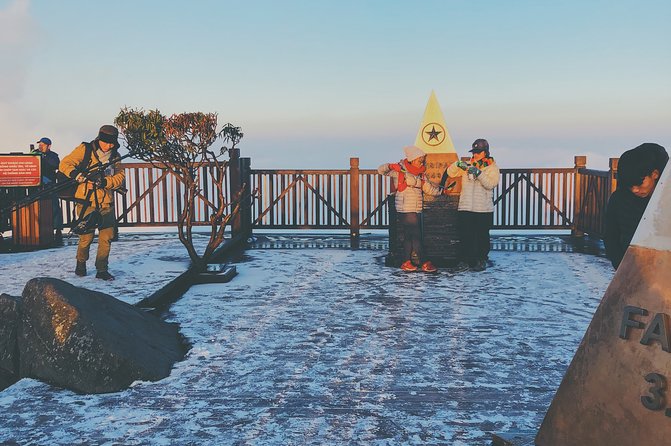
The whole structure of this trek is built around a simple logic: if you want sunrise on a mountain, you need to be there before sunrise. That’s why the trek includes an overnight stay on the mountain.
After you sleep, you wake up early and hike to the summit for sunrise. This is the heart of the experience. It also shapes what the trek feels like emotionally: it’s less about a single dramatic climb and more about a concentrated effort where each step counts because you’re racing the clock.
A key reason I like this format is that it reduces decision fatigue. Some people try to do a last-minute sunrise climb without staying overnight. You end up negotiating transport, timing, and energy. With an overnight trek, those variables are already handled, and you can focus on the one thing you came for: reaching the summit at the right moment.
You can also read our reviews of more hiking tours in Sapa
How the guide support shows up here
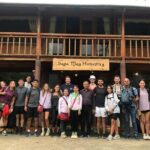
Feedback emphasizes that guidance can be patient and helpful, especially if your fitness level isn’t where you wanted it to be. In at least one case, when the group was just two hikers, the guide let them hike at their own pace. That’s a good sign. It suggests the operator doesn’t treat everyone like identical machines.
Sunrise summit and descent: hike down or take the cable car
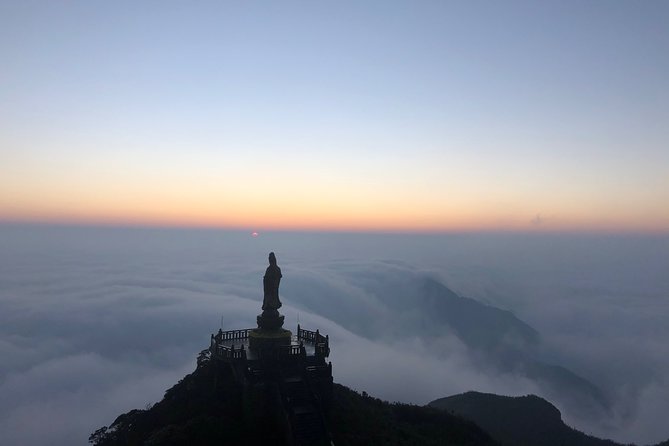
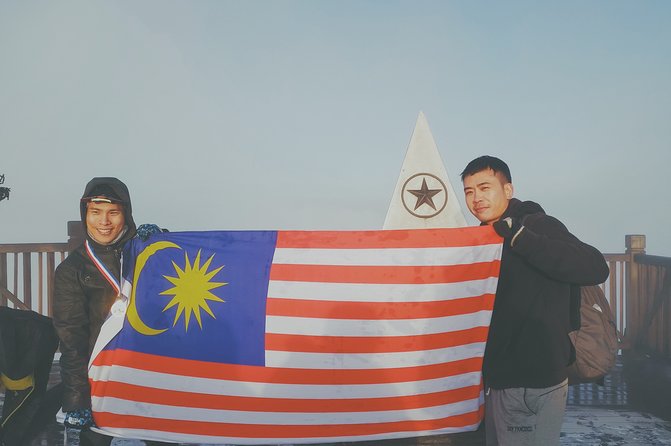
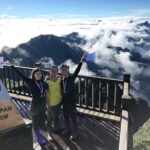
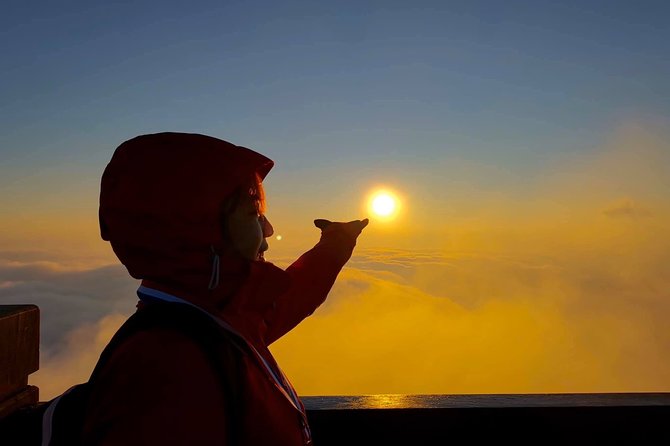
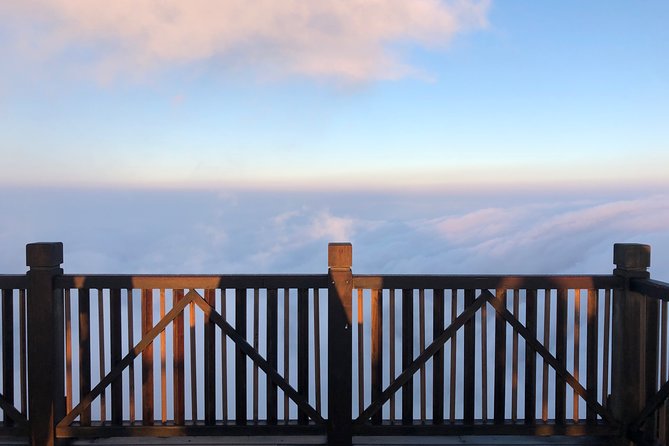
Once you reach the summit, you’re set up for the main payoff: sunrise from the top with sweeping views over northern Vietnam and southern China. Even better, one piece of feedback specifically mentioned clear weather at the summit and seeing cloud sea views—the kind of sight that makes the early wake-up feel worth it.
After sunrise, you have a choice for the descent:
- hike back down with your group, or
- take the cable car (not included, so it’s an extra expense)
That choice is practical. Mountain descents can be hard on knees and energy. If you still feel strong, walking down gives you more time to enjoy the experience. If your body needs a shortcut, the cable car option helps you finish the trip with less strain.
The honest trade-off
Cable car means fewer hours on the trail. Hiking down means more time outdoors, more chances to enjoy the mountain mood, and more time for your guide to keep you moving safely.
Food on the trek: included meals, base camp basics, and bottled water
This tour includes dinner, breakfast, and lunch, plus bottled water. For an overnight trek, that coverage is a big deal. It protects you from the most common hiking mistake: arriving hungry and then paying the price later.
The meals are described as basic, but in a good way—people found them flavorful and filling enough to keep going. You should still treat your energy like it matters, not like food is unlimited. The included meals are meant to support the trek, not turn it into a restaurant experience.
Also note the base camp scene. Drinks can be available for purchase, and that can add morale after a tough climb. Just remember: if you’re planning to hike down on tired legs the next day, you’ll want to keep your hydration and energy priorities straight.
Dietary needs
If you need vegetarian, vegan, gluten-free, or other dietary accommodations, the operator says they can handle it. You’ll need to indicate it when booking, so the team can plan accordingly.
Price and value: is $120 fair for an overnight guided climb?
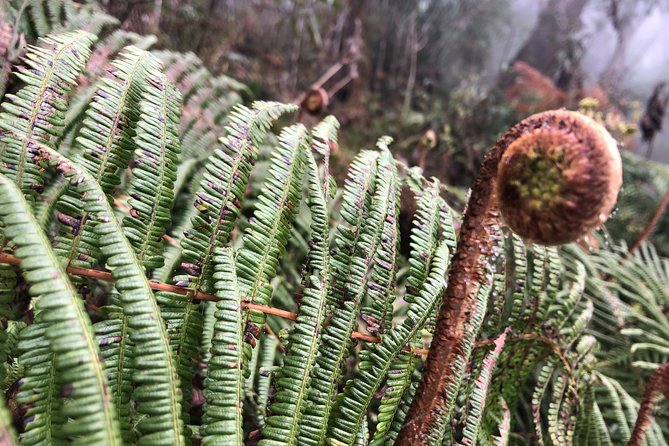
The price is $120 per person. On its face, that’s not a bargain. But for an overnight trek to the region’s highest peak, it’s closer to a fair deal once you look at what’s included.
Here’s what you’re paying for:
- Guided hiking with a small group (max 10)
- Round-trip transport from Sapa to the trail area
- All fees and taxes
- Meals: dinner, breakfast, lunch
- Bottled water
The big value is time and certainty. You’re buying a ready-to-go experience: someone handles the route structure, meals, and logistics so you can focus on hiking. The small-group limit also adds value. It’s not just less crowded—it usually means better attention.
What’s not included:
- optional cable car return
- tips
If you’re comparing to self-organizing a climb, the cost doesn’t look as high once you price the guides, transport, and food management. The only real question is whether you’re excited about sunrise hiking enough to justify paying for the full setup.
Fitness check and weather reality for Fansipan
This is an overnight trek that requires strong physical fitness. That wording matters. The climb isn’t framed as a casual hike, even if it starts manageable.
One key insight from feedback: the trek can feel easy in the opening stretch, then gets harder and harder as you continue alone on parts of the route. That doesn’t mean it’s impossible. It means you should be honest with your conditioning and plan to hike with patience rather than bravado.
Weather is another big factor. This experience requires good weather. If conditions are poor, the operator will cancel and offer a different date or a full refund. That weather dependency is also why booking at the last minute can be risky—this is the kind of plan that needs flexibility.
If you’re someone who likes plans that can absorb a weather shuffle, an operator that offers a clear reschedule or refund choice is a plus.
Who should book this 2-day Fansipan overnight trek?
This trek fits best if you:
- want sunrise on the summit, not just a daytime hike
- prefer a small group over big-tour chaos
- value having meals and transport handled
- are comfortable with a physically demanding overnight climb
It’s also a good fit if you like mountain camaraderie. Base camp time can include chatting with other hikers, and it can feel like you’re part of a small shared effort rather than a solo expedition.
You might reconsider if:
- you’re hoping for an easy walk
- you don’t have strong fitness, or you’ve had trouble with longer uphill days
- you’d rather avoid weather-driven changes
Should you book it? A simple decision guide
If your main goal is sunrise views from the top of Fansipan, this is the right style of tour. Overnight access plus a guided, small-group structure makes the experience feel focused instead of complicated.
I’d book it if you can say yes to two things: being physically ready for a tougher hike, and accepting that you’re booking a plan that depends on good weather. If those are true, the $120 price starts to look like value, because your meals, transport, fees, and guide attention are all wrapped into one straightforward package.
FAQ
How long is the Fansipan trek?
The tour runs for 2 days (approx.), including an overnight stay on the mountain and a sunrise summit hike.
What time does the tour start in Sapa?
The start time is 9:00 am.
How big is the group?
The maximum group size is 10 travelers.
What’s included in the $120 price?
Included are breakfast, lunch, and dinner, bottled water, all fees and taxes, and transport from Sapa to the trail and back.
What is not included?
An optional return via cable car is not included, and tips are not included.
Does the tour include pickup?
Pickup is offered, and the tour includes round-trip transport from Sapa.
Can the tour accommodate dietary restrictions?
Yes. You can request vegetarian, vegan, gluten-free, and other dietary options when booking.
What if the weather is poor?
The experience requires good weather. If it’s canceled due to poor weather, you’ll be offered a different date or a full refund.