REVIEW · SAPA
Sapa Valley Trek and Homestay – 3D2N
Book on Viator →Operated by Trekking Tour Sapa · Bookable on Viator
Fog, footsteps, and real village life in Sapa. This Sapa Valley trek and homestay is built around meeting ethnic communities in daily motion, from Y Linh Ho to Ta Van and on to Ban Ho and Nam Tong, with a guide who explains what you’re seeing. I especially like the small-group feel (up to 15) and the way the itinerary mixes mountain walking with real household time in a homestay. One thing to consider: this is an active trek, with uphill sections, and you’re also relying on workable weather.
I also like that the day-to-day pace stays practical: you start at 9:00am from Sapa’s Church area, you get included meals, and you’re not spending your whole trip figuring out logistics. And yes, it’s cultural, not just scenic—expect customs and traditions tied to the Hmong, Giay, and Red Dao groups, plus Tay culture in the Ban Ho/Nam Tong portion. The potential drawback is that “moderate physical fitness” can still feel like a slog if you’re tired from travel or the ground is wet and slippery.
By the end, you’ll come away with a clearer picture of how people live in the Sapa valleys—rice terraces, waterfalls, house building, and even marriage traditions—without turning it into a checklist. It’s one of those trips where the route does the teaching, and the homestay makes it stick.
In This Review
- Key highlights at a glance
- What You’re Really Booking: A Sapa Valley Trek With Homestay Culture
- The 9:00am Start From Sapa Church: How Day One Sets the Tone
- Y Linh Ho: a quick walk into the village trail network
- Ta Van Village: the homestay moment that makes the trek feel real
- Ta Van to the Waterfalls: The Day Two Climb That Usually Becomes the Favorite
- Giang Ta Chai: coffee first, then the payoff
- Ban Ho Village via Su Pan: from Black Hmong communities to mixed village life
- Ban Ho to Nam Tong: Tay Culture in the Traditional Houses Phase
- What I think you’ll enjoy most here
- What to keep in mind
- Price and Value: Why $170 Often Feels Fair for Sapa
- Guide Quality Changes Everything on This Trek
- What to Expect on the Ground: Fitness, Footwear, and Wet-Trail Reality
- Should You Book This Sapa Valley Trek and Homestay?
- FAQ
- What villages does the trek visit?
- How long is the experience and what time does it start?
- Where do I meet the guide?
- Is there a homestay included, and how many nights?
- What’s included in the $170 per person price?
- What fitness level do I need?
- What happens if weather is bad or I need to cancel?
Key highlights at a glance
- Local, minority guides who can explain daily life, not just point at scenery
- Homestay night in Ta Van, with time to rest and settle in
- Village-to-village trekking across Hmong, Giay, Red Dao, and Tay communities
- Waterfalls and rice fields built into the walking days
- Meals + entry fees included, so you can budget without surprises
- Small group (max 15) for a more personal pace
What You’re Really Booking: A Sapa Valley Trek With Homestay Culture
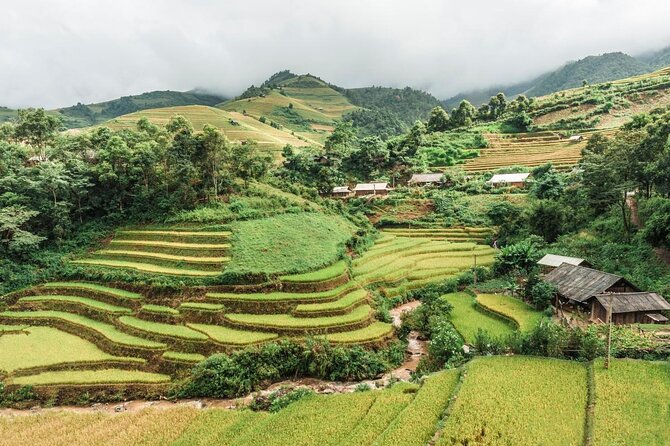
This 3D2N Sapa Valley Trek and Homestay is designed for people who want more than photos. The route links several villages in the Sapa area and keeps you moving through morning starts, uphill walks, and shared meals—then anchors the trip with a homestay night so you’re not just passing through.
The big value here is that culture is not treated like a stage show. You’re guided to villages of the Hmong, Giay, and Red Dao ethnic minorities, and you’ll also learn Tay culture during the Ban Ho/Nam Tong part of the trek. In the background, you’ll hear about practical life—how people build houses, work in rice fields, and maintain traditions. That matters, because Sapa can turn touristy fast. This keeps the focus on daily rhythms.
Price-wise, $170 per person is not cheap, but it’s also not only “a walking tour.” The price includes the homestay accommodation (1 night), village entry fees, a local guide, transport back to Sapa after the villages, plus most meals: 3 lunches, 2 breakfasts, and 2 dinners. If you’d otherwise pay separately for a guide, entry fees, and a place to sleep, the math starts to make more sense.
The other key point: this is weather-dependent. If the conditions aren’t good, your date may change or you may get a refund. In mountain trekking, that’s not a small detail—it’s part of the deal.
You can also read our reviews of more hiking tours in Sapa
The 9:00am Start From Sapa Church: How Day One Sets the Tone
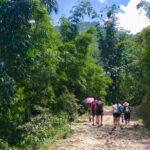
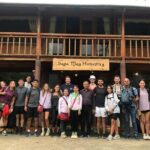
You begin at 9:00am at Sapa Church (P. Hàm Rồng, TT. Sa Pa). From there, you meet your local guide and get oriented. You’ll then head out early, which is smart. In Sapa, mornings are often the easiest time for walking before fog and rain decide to make everything slippery.
Y Linh Ho: a quick walk into the village trail network
Your first stop is Y Linh Ho, and you’ll walk about 2km down toward Cat Cat’s road. This gives you a first hit of the area’s village structure without throwing you into the hardest climbs right away. Village entry fees are included, so you’re not stopping mid-route to pay small things that add up.
Why it works: this portion helps you adjust to altitude and pacing. Also, it’s a good lead-in to the rest of the trek because you get a feel for how roads and footpaths connect communities.
Possible drawback: because this portion starts early and involves walking down (then you’ll later be back up), you’ll want shoes with decent grip. Wet stone paths are common in mountain areas, and you don’t want to spend the first day thinking about footing instead of the views.
Ta Van Village: the homestay moment that makes the trek feel real
After a break, you reach Ta Van Village, home to the Giay minority. Here’s where the trip becomes more than a hike. Your host family welcomes you, and you get time to rest and even take a hot shower. Then you get ready for dinner.
I like this structure because Ta Van isn’t only a place you sleep. You’re given time to reset—hot shower, settle in, then eat with the rhythm of the house. That’s where culture starts to feel personal instead of scheduled.
If you’re sensitive to basic-but-authentic living setups, keep expectations realistic: homestays are comfortable, but they’re not the same thing as a hotel. The good news is that the tour includes homestay accommodation and guided support, and multiple guides on this route are noted for being attentive and helpful.
Ta Van to the Waterfalls: The Day Two Climb That Usually Becomes the Favorite
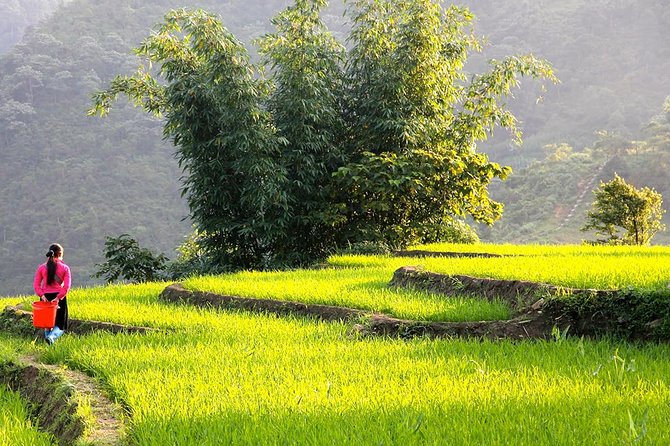
Day two starts with homestay time and local touches. You get hot coffee or tea and time to explore the homestay surroundings and nearby rice fields before breakfast. That’s a small detail, but it makes a difference. You’re not rushing straight into trekking; you’re easing into the landscape and learning what to look for.
Then the walking begins. You’ll go uphill into the mountains to reach the waterfalls of Giang Ta Chai.
A few more Sapa tours and experiences worth a look


Giang Ta Chai: coffee first, then the payoff
The Giang Ta Chai part is one of the most scenic parts of the route. You’re moving through rice-field and mountain settings, then pushing uphill to reach the waterfalls. Expect effort here. Even if you’re fit, Sapa trails can tax your legs because of elevation and uneven ground.
This section is also where a guide’s explanations really pay off. You’re learning about culture and daily life while your body is working. That combination helps the information stick.
What to watch: if it’s rainy or foggy, trail conditions can be tougher. Build in extra time in your mindset, and focus on steady steps. Your guide can help adjust the pace—this is specifically noted as something guides on this trek do well.
Ban Ho Village via Su Pan: from Black Hmong communities to mixed village life
After the break, you’ll travel to Su Pan, a community of the Black Hmong minority, and then continue walking to Ban Ho Village. This is where the trek expands the cultural mix. You’ll meet multiple ethnic groups in the Ban Ho area, including Red Dao and Tay.
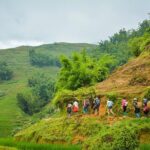
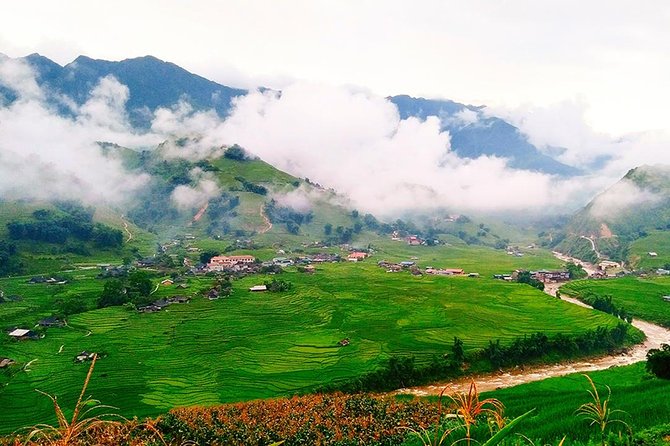
The value of this route design: it doesn’t treat ethnicity like separate “stops.” Instead, you see how communities sit near each other in a shared geography of rivers, rice terraces, and mountain slopes. It’s a more realistic picture of Sapa than a single-village day.
A practical note: this day involves multiple transitions—coffee/tea, breakfast, uphill movement, then more walking to Ban Ho. You’ll want layers, because Sapa temps can swing between day and night.
Ban Ho to Nam Tong: Tay Culture in the Traditional Houses Phase
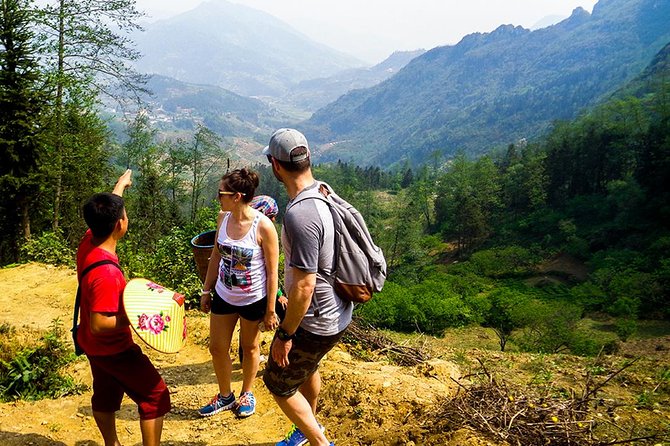
On day three, you begin again from the Ban Ho area. After breakfast, you’ll visit traditional houses and learn about Tay culture, then head onward to Nam Tong Village.
This is a calmer kind of cultural learning compared with the earlier waterfall climb. You’re focused on how homes are built and how daily life works inside the traditional setting. The overview for this tour specifically mentions house-building techniques and also highlights major cultural traditions like marriage traditions tied to the Hmong—so by day three, you should feel like you’ve moved from “what is the valley” to “how people live in it.”
What I think you’ll enjoy most here
This final day is where the trek becomes more grounded. You’re not just walking for views. You’re learning how houses and traditions connect to work in the rice fields and to community life.
It’s also the segment most likely to be memorable in a quiet way. In other words: less “big photo moment,” more “wait, that’s how they do that” moment.
What to keep in mind
Because this tour is 3 days (approx.) with one homestay night, the overall pace can feel full. If you expect a totally relaxed stroll, this might surprise you. But if you like active travel with a cultural payoff, this is exactly the right shape.
Price and Value: Why $170 Often Feels Fair for Sapa
Let’s talk money honestly. At $170 per person, you’re paying for several things at once:
- Homestay accommodation (1 night)
- Local guide
- Village entry fees
- Meals: 3 lunches, 2 breakfasts, 2 dinners
- Transport back to Sapa after the village portion ends
- Water: 1 big bottle per person
- Mobile ticket, plus the tour is described as offering pickup
If you price those separately in your head, the value becomes clearer. Guides in Vietnam aren’t free, and homestay nights + meal plans + entry fees can add up quickly when booked piecemeal. Here, they’re bundled.
Now, the one reason this price might not feel perfect: you’re paying for a set route. If you want total freedom to design your own trek, a fixed itinerary won’t fit your style. But if you want a guided route that connects specific villages and includes the practical stuff, it’s a reasonable deal.
Also, the tour is described as booked about 31 days in advance on average. That’s a hint that this is popular for a good reason: people plan, then they go. If you know you want it, book earlier rather than last minute.
Guide Quality Changes Everything on This Trek
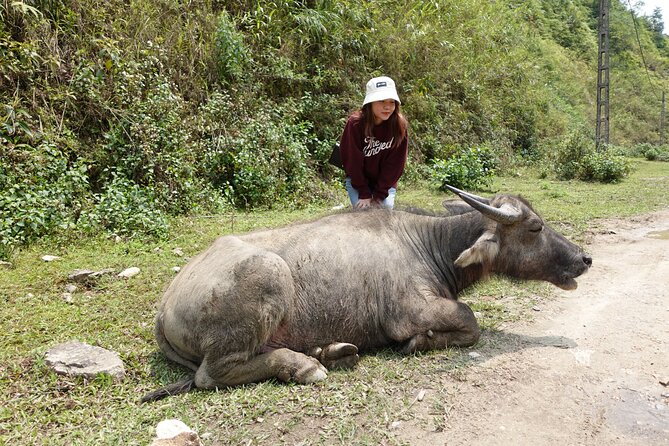
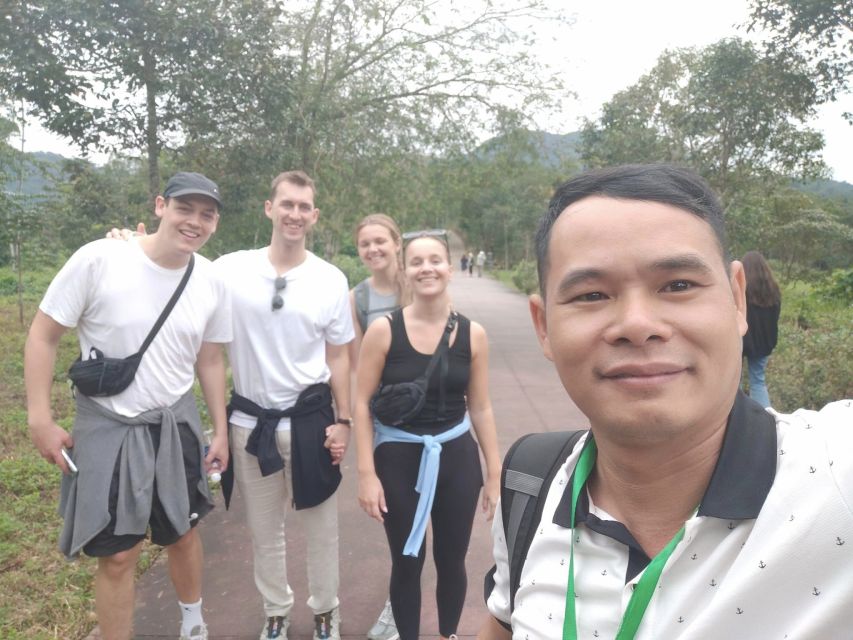
The strongest praise in the information you have here is the guides. Names show up again and again: SoSo, Ly, May, Dom, and Sush. Even with different names, the pattern is consistent. Guides are described as friendly, helpful, and good at explaining culture, ethnicity, and daily life. One guide is praised for adjusting difficulty based on how you’re feeling. Another helps on difficult or slippery tracks.
That matters because Sapa trekking is not just about distance. It’s about rhythm. If your guide can slow the pace when the trail gets slick or steep, you’ll enjoy the hike instead of wrestling it.
You also benefit from a guide who comes from the local minority communities that are part of the route. That tends to create a more grounded conversation. You’re less likely to get generic history and more likely to get lived context: how people work, how houses get built, and what traditions mean inside the community.
If you care about authenticity, this is where you should focus your attention when booking: ask yourself whether you want a guide who can explain what you’re seeing in plain language. This tour is structured for that.
What to Expect on the Ground: Fitness, Footwear, and Wet-Trail Reality
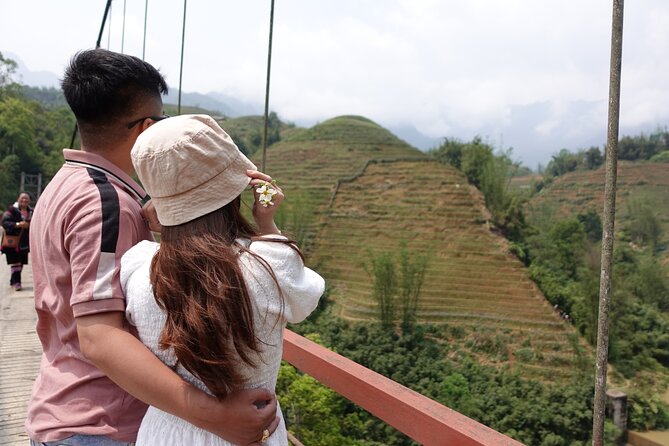
This trek is for travelers with moderate physical fitness. That’s not a marketing label. It usually means uphill walking, uneven surfaces, and long days of moving even if distances don’t sound extreme on paper.
Plan for the possibility of wet or slippery paths. In the feedback you’ve got, guides are specifically appreciated for helping on difficult or slippery tracks. That tells me the trail can get tricky, so don’t show up in shoes that are more for city sidewalks than for mountain ground.
Pack like you’re trekking:
- Grippy shoes with good traction
- Layers (Sapa can cool fast)
- A rain layer (because weather is a real factor here)
- Small day bag for water and essentials
Also keep a little stamina buffer. Homestay nights help you recover, but you still need to be ready for uphill movement day two and village-to-village walking across all three days.
Should You Book This Sapa Valley Trek and Homestay?
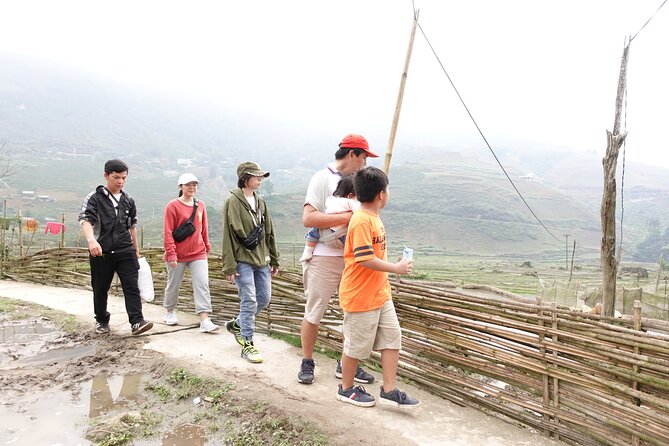
Book it if you want a guided route that connects real Sapa village life—Giay, Hmong, Red Dao, and Tay communities—with a homestay night, included meals, and a local guide who can explain what you’re seeing. The homestay time in Ta Van (including a hot shower) is the kind of detail that turns a trek from “nice walk” into “I learned something and I felt welcomed.”
Skip it or pick a different style if you want a low-effort vacation, or if you’re the type who hates itinerary structure. Also consider the weather factor: this experience requires good weather, and bad conditions can trigger date changes or a refund offer.
If you’re the middle type—curious, active enough, and open to how homestays work—this is a strong choice.
FAQ
What villages does the trek visit?
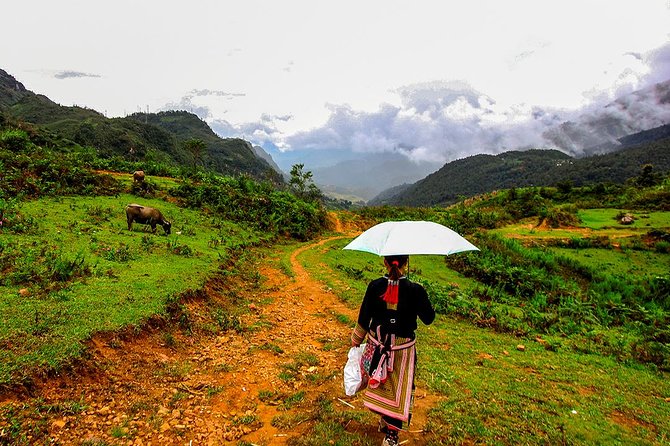
The route includes stops at Y Linh Ho, Ta Van Village, Giang Ta Chai Village (including the waterfalls area), Ban Ho Village, and Nam Tong Village.
How long is the experience and what time does it start?
It’s a 3-day trek (approx.) starting at 9:00am. The activity ends back at the meeting point.
Where do I meet the guide?
The meeting point is Sapa Church (P. Hàm Rồng, TT. Sa Pa, Sa Pa, Lào Cai 333100, Vietnam).
Is there a homestay included, and how many nights?
Yes. Accommodation in a homestay is included for 1 night.
What’s included in the $170 per person price?
Included are village entry fees, homestay accommodation (1 night), transport back to Sapa after the trek ends in the villages, local guide, 1 big bottle of water per person, and meals (3 lunches, 2 breakfasts, 2 dinners). A mobile ticket is also used, and pickup is offered.
What fitness level do I need?
The tour is described as suitable for travelers with moderate physical fitness. You’ll be walking, including uphill sections.
What happens if weather is bad or I need to cancel?
The experience requires good weather. If it’s canceled due to poor weather, you’ll be offered a different date or a full refund. There’s free cancellation up to 24 hours in advance for a full refund.