REVIEW · SAPA
Sapa 3 Days Trek with 2 Nights Homestay
Book on Viator →Operated by Asia Travel Legend · Bookable on Viator
Sapa treks change how you see hills. This 3-day, 2-night private trek in Sapa pairs an English-speaking guide with homestay nights in the villages, plus entrance fees and transport back to Sapa Town. You get to walk valley paths and see daily life up close, not just take photos from a bus window.
I love the way the route can be tailored to your pace and village choices, and that the guides behind past trips (like Py Chi, Mao, Pen, Lang, Little Zo, and Khu) bring real passion for the area. One possible drawback: the walking can be tough on harder options, including steep climbs and muddy stretches, so be honest with your fitness before you choose the quiet-trail or off-the-beaten-path routes.
In This Review
- Key things to know before you go
- Sapa’s 3-day homestay trek: what makes it feel personal
- Two nights in a homestay: the real value is the rhythm of village life
- Day 1: Y Linh Ho valley walking and settling into Ta Van Village
- Day 2: Giang Ta Chai, Su Pan, and the Ban Ho homestay night
- Day 3: Nam Toong and Thank Phu, then back to Sapa
- How hard is it? Choosing between standard and tougher quiet-trail routes
- Food, drinks, and what to plan for on the trail
- Price and logistics: does $196.16 feel like a good deal?
- Who this trek is best for, and who should rethink it
- Should you book the Sapa 3-day trek with 2 nights homestay?
- FAQ
- What are the dates and duration for this trek?
- Where do I meet the tour, and what time does it start?
- Is pickup included?
- What’s included in the price, and what’s not?
- Is this a private tour?
- Can I choose an easier or harder route or which villages to visit?
Key things to know before you go
- Private, English-speaking guidance that helps you shape the itinerary around your comfort level
- Two nights in a homestay with most meals covered (drinks are not included)
- Entrance fees and return transport back to Sapa Town are built in
- A clear plan across three days, starting at 9:00 am and ending back at the meeting point
- Routes can vary in difficulty, from more typical hikes to tougher quiet-trail options
Sapa’s 3-day homestay trek: what makes it feel personal

This isn’t a big group slog through scenic stops. It’s a private tour/activity, so you’re walking with your guide and your group only. That matters in Sapa, where trail time can be long and village encounters go much better when you’re not rushing or getting jostled by strangers.
Another big plus: the guide is English-speaking, and the itinerary is designed to be customizable. Instead of you guessing which villages to fit in, you meet your guide and then decide how you want the trek to feel. Want more time taking it slow and talking? You can aim for that. Prefer a tougher walk with fewer people around? There are options.
One more practical detail you’ll appreciate: pickup is offered, and the tour meets near public transportation. The whole schedule is also anchored around a 9:00 am start, so you’re not scrambling to coordinate anything at the last minute.
You can also read our reviews of more hiking tours in Sapa
Two nights in a homestay: the real value is the rhythm of village life
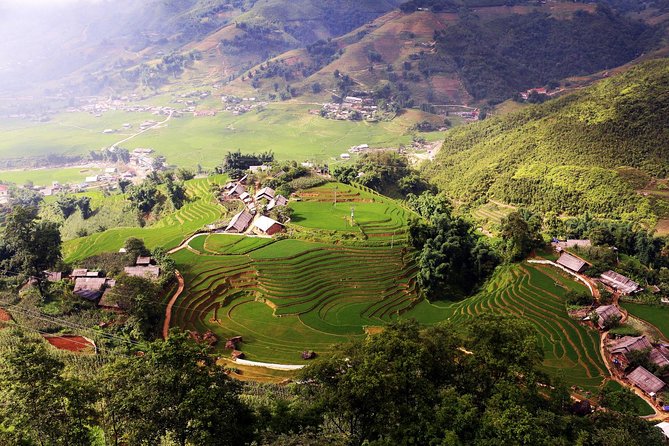
The homestay part is where this trek stops being a standard day hike and turns into a lived-in experience. You’re sleeping in the village for two nights, not just passing through. And meals are largely handled: the package includes food across the three days, including three lunches, two dinners, and two breakfasts.
What that means for you:
- You can spend your energy on the trek instead of hunting for meals in the middle of nowhere.
- You get an extra layer of cultural contact, because you’re part of the household schedule, not just a visitor for a photo moment.
A note on comfort: homestays can vary by family and setup. In one account, the accommodation was described as having a private room and an ensuite bathroom. In other cases, you might find a simpler setup. Either way, this is best for people who like flexible travel and can roll with small differences from one homestay to the next.
Day 1: Y Linh Ho valley walking and settling into Ta Van Village
Day 1 starts at 9:00 am in Sa Pa and runs roughly 9:00 am to 3:00 pm. You’ll have your guide and you’ll also be covered for the basics that usually turn into annoying logistics: entrance fees and the included transport elements tied to the trek.
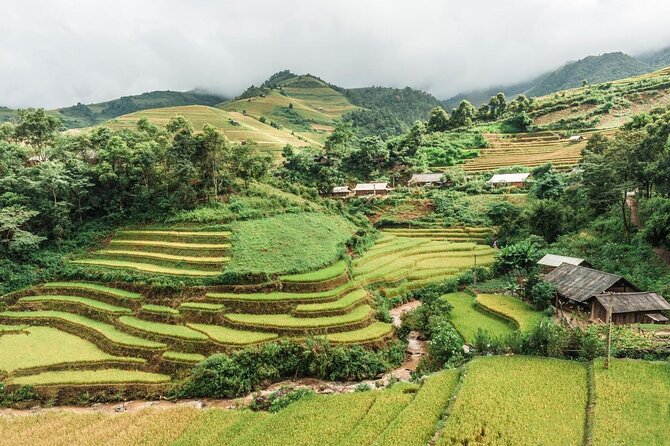
Stop 1 is Y Linh Ho. This is where the valley trekking begins, and it’s a good “entry ramp” for the whole trip. You’re not thrown into the hardest section immediately, but you still get that sense of Sapa’s altitude and changing terrain.
Stop 2 is Ta Van Village, where you stay at a homestay.
Why Ta Van is a smart first-night choice:
- It’s early enough in the trip that you’ll still feel fresh when you’re walking and interacting.
- You get that first taste of village routines right away, so day two doesn’t feel like a sudden jump into the unfamiliar.
Practical consideration: day 1 is also when your body learns what Sapa walking really means. Even if you’re not doing the hardest route available, you may deal with uneven ground and slippery sections after rain.
Day 2: Giang Ta Chai, Su Pan, and the Ban Ho homestay night
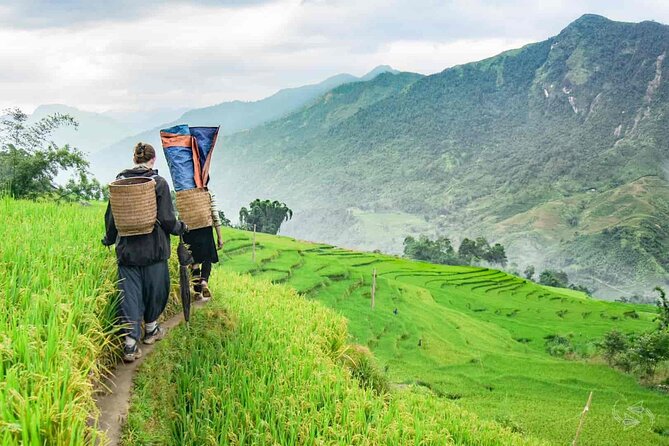
Day 2 follows your first homestay night and keeps the trekking going through multiple village areas. The route goes Ta Van → Giang Ta Chai → Su Pan → Ban Ho for your second homestay stay.
This is a “connective day,” meaning the best part isn’t just one viewpoint. It’s the feeling of moving through different sections of the valley and seeing how the trail threads between community areas.
- Giang Ta Chai Village is your first village stop of the day. This is where you’ll likely do more walking through cultivated areas and reach those moments where you can actually talk and ask questions, rather than only glance and move on.
- Su Pan sits between village stops, and it’s a reminder that trekking here is often about the journey, not just the destination.
- Ban Ho Village is where you end day two and stay at a homestay again.
What makes Ban Ho night special on day 2: you’re now in the second half of the trek. By this point, your pace is set and you’ll know how much conversation you want versus how much you want to just walk and breathe.
Day 3: Nam Toong and Thank Phu, then back to Sapa
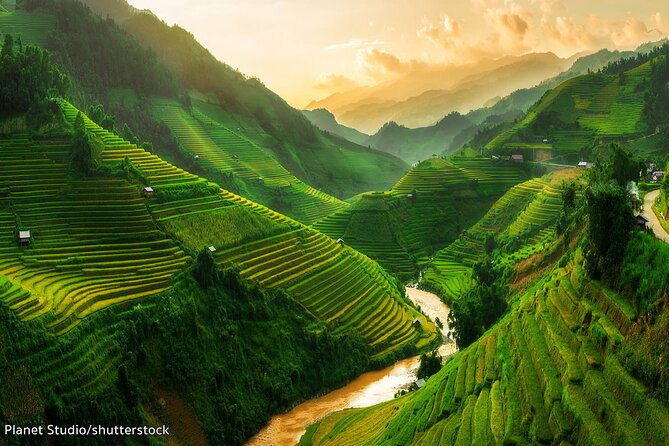
Day 3 finishes the loop and gets you back to Sapa Town. Your itinerary goes Ban Ho → Nam Toong → Thank Phu → Ban Ho → Sapa.
You’ll spend day three on the trail and hit the final village areas that round out the trek. Nam Toong and Thank Phu are the two named stops along the way before you return toward Ban Ho and then head back to Sapa.
This day is also when your guide’s choices really matter. If you picked an easier route, you’ll likely feel more time to slow down and enjoy the final stretch. If you selected a tougher or more off-the-beaten-path option, day three can still feel like work, even if the end is near.
Either way, the trek ends back at the meeting point. That’s a relief: you don’t have to figure out last-mile transport after you’ve already finished the hardest part, which is often when travel days turn into chaos.
A few more Sapa tours and experiences worth a look


How hard is it? Choosing between standard and tougher quiet-trail routes

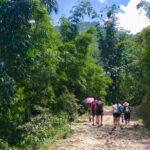
This trek is built for many travelers, and the core description notes that most travelers can participate. But Sapa treks aren’t flat. You’re dealing with real elevation and trail conditions.
Here’s the honest way to think about it:
- If you choose a more typical pace, you’ll still be hiking for hours with changing ground.
- If you ask for a tougher route, you should expect serious effort.
In one set of experiences, a medium/hard quiet trail option turned into roughly 51 km over three days and around 2,500 m of elevation. Another account described an off-the-beaten-path version that included a brutal first day with about 17 km of steep climbing and mud before descending again.
So how do you choose? Ask your guide about the route intensity for the day you care about most. If you’re worried about leg fatigue, prioritize an easier plan on day one and reserve harder segments for days two or three, when you’re already warmed up.
Food, drinks, and what to plan for on the trail
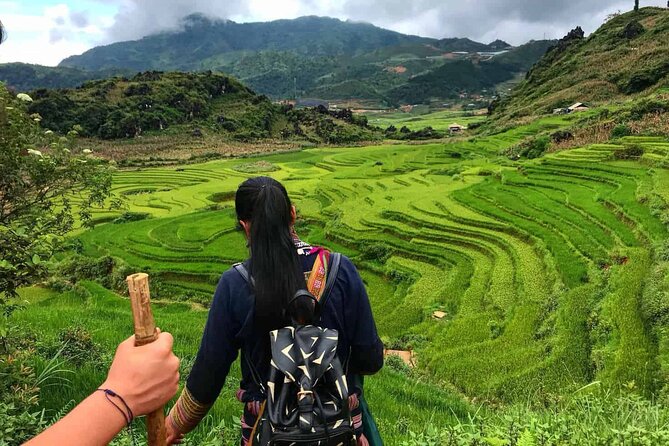
Food is a major part of the value here, and it’s not just snacks. Your package includes food across the three days, with 3 lunches, 2 dinners, and 2 breakfasts.
One thing you should plan for: drinks and beverages are not included, and private expenses aren’t included either. That’s normal for treks, but it affects your daily budget. If you tend to buy bottled drinks each stop, you’ll want to account for that.
If you have dietary restrictions, the safest move is to tell your guide ahead of time when you confirm. The trek is guided and personalized, so the more context you give, the easier it is for them to match what’s available.
Price and logistics: does $196.16 feel like a good deal?

At $196.16 per person, this trek packs in a lot: an English-speaking guide, entrance fees, homestay for two nights, most meals, and transport back to Sapa after the trek.
The value logic is simple:
- If you had to book a guide, pay separate entrance fees, and find two nights of village lodging plus meals on your own, it would likely cost you time and money.
- Here, those moving parts are handled together, and you’re paying for coordination, not just a walking route.
Two logistics wins also help your stress level:
- Pickup is offered, and the tour starts at a fixed time (9:00 am), which makes your Sapa day planning easier.
- The tour ends back at the meeting point, so you avoid the classic post-trek scramble.
One more timing note: this sort of trek often gets booked ahead. The listing averages about 18 days in advance, so if you’re traveling in high season, don’t wait until the last week.
Who this trek is best for, and who should rethink it
This trek is a strong fit if:
- You want a private experience with an English-speaking guide.
- You’re excited about homestays and being part of village life for real, not just a short stop.
- You like customizing your route and can communicate what you want.
It may be less ideal if:
- You want a fully comfortable, hotel-style trip. Homestays can be simpler than you expect.
- You’re not comfortable with the idea that harder options can mean steep climbs, mud, and long days.
Also, if you’re very sensitive to hiking fatigue, don’t just pick the toughest route to prove a point. Pick the version that lets you enjoy the villages without racing your own body.
Should you book the Sapa 3-day trek with 2 nights homestay?
I’d book it if your idea of a great Sapa day includes walking with a guide, staying overnight in a village, and letting your itinerary breathe. The combination of private guidance, homestays, most meals, and included entrance fees plus return transport is the kind of deal that feels practical, not gimmicky.
But book with clear expectations. Ask about the difficulty level and what the route will look like for your exact days. If you’re choosing tougher quiet-trail options, take the elevation and mud risk seriously. If you want Sapa without suffering, aim for the version that matches your fitness.
If you’re ready for a real trek with real people, this is one of the simplest ways to get there.
FAQ
What are the dates and duration for this trek?
The experience runs for 3 days (approximately) with 2 nights in homestays.
Where do I meet the tour, and what time does it start?
The meeting point is Sa Pa, Lao Cai, Vietnam, and the tour starts at 9:00 am. It ends back at the meeting point.
Is pickup included?
Pickup is offered, and the meeting area is described as being near public transportation.
What’s included in the price, and what’s not?
Included items are the guide, entrance fees, food for 3 days, homestay for 2 nights, and transportation back to Sapa. Drinks and beverages and private expenses are not included.
Is this a private tour?
Yes. It’s listed as a private tour/activity, meaning only your group participates.
Can I choose an easier or harder route or which villages to visit?
Yes. The trek is described as customizable, including which villages to visit. Some options mentioned in past experiences include an easier route and also a medium/hard quiet trail style add-on.