REVIEW · SAPA
From Sapa: 3 Day Ha Giang Loop Guided Motorbike Tour With Rider
Book on Viator →Operated by TripBestie Ha Giang · Bookable on Viator
Ha Giang tests your nerve fast. This guided loop from Sapa mixes professional local riders with an English-speaking guide, then drops you onto Vietnam’s best-known mountain roads and gorge scenery. What I like most is the safety focus (helmets, protectors, warm layers) and the way the route strings together Ma Pi Leng, the Nho Que boat trip, and the Du Gia / Du Già water stops without turning everything into a race. One consideration: you’ll be riding through long, winding days, and the tour asks for moderate physical fitness plus comfort with shared dorm-style accommodation.
I also appreciate the practical structure. You start with an overnight bus plan, you rest early in Ha Giang, and you get a proper group briefing before the first loop ride. The sights are split into short photo/visit stops, viewpoint breaks, and a couple of “get off the bike” moments like markets and waterfalls. That balance is what makes it feel like a trip you can actually recover from.
In This Review
- Key things to know before you go
- Sapa to Ha Giang at night: getting oriented without wasting daylight
- Price and value: why $184.69 can be a fair deal for the Ha Giang Loop
- Day 2: from the first briefing to Bac Sum and Quản Bạ viewpoints
- Day 3: Chợ Đồng Văn to Ma Pi Leng, plus the Nho Que river boat ride
- Day 4: cooling off at Du Già waterfall and rolling back to Ha Giang
- Safety and comfort: how the gear and riders make the Loop realistic
- Who should book this Ha Giang Loop tour (and who should reconsider)
- Should you book this Ha Giang Loop with TripBestie?
- FAQ
- How long is the Ha Giang Loop tour?
- Do I get pickup from Sapa?
- What kind of motorbike and safety gear is included?
- What accommodation should I expect?
- Are meals included?
- Is the Nho Que River boat trip included?
Key things to know before you go
- Night pickup and sleeper bus: you travel from Sapa to Ha Giang in the evening and arrive around 2AM to rest
- Safety kit included: helmet, knee and elbow protectors, raincoat, warm coat, seat cushion
- Ma Pi Leng and Nho Que: a top pass ride plus a shared boat trip through the canyon area
- Du Gia / Du Già water stops: including a natural pool beneath the waterfall for cooling off
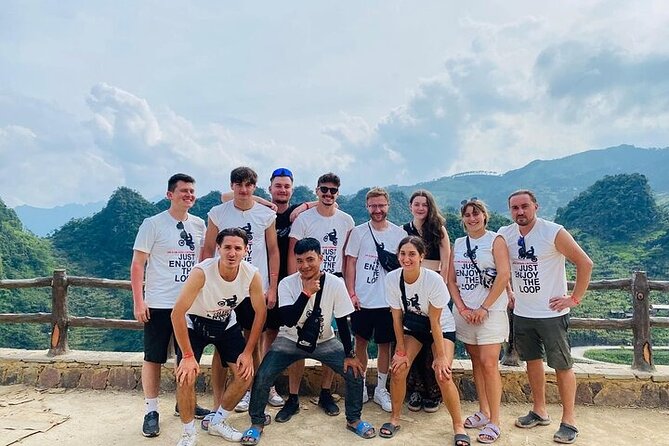
- Small group size: max 11 people, which usually means you’re not constantly stuck waiting for a huge crowd
- Flexible end drop-off: you can continue on to several destinations after Ha Giang
Sapa to Ha Giang at night: getting oriented without wasting daylight
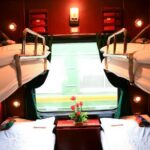
This tour is built around a late start. In Sapa, you can be picked up from your hotel area around 7PM, then head to Ha Giang by sleeper bus. The schedule includes a transfer timing option that can board at about 8PM on a VIP sleeper-style bus, with an upgrade possibility to a limousine or VIP cabin bus.
You reach Ha Giang around 2AM. That sounds early, but it’s actually smart: it protects your daylight for the riding and viewpoints. You then rest in a dorm bed at the hostel for a few hours before Day 2 begins. If you’re the type who gets cranky when sleep gets chopped up, plan to treat that first night as part of the adventure, not a comfortable hotel stay.
What I like here is that the tour doesn’t pretend the night bus is a luxury. It’s simply efficient transportation so you can spend more time where you came for it: the Loop. If you’re arriving in Sapa the same day you book, give yourself an easy buffer so you’re not rushing to make the pickup.
You can also read our reviews of more guided tours in Sapa

Price and value: why $184.69 can be a fair deal for the Ha Giang Loop
At about $184.69 per person, this is not a “cheap ride” tour. But it also isn’t just renting a motorbike and pointing you at a map. The price bundles several items that add up fast if you DIY:
- Sleeper bus from Sapa to Ha Giang (included)
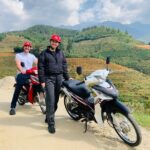
- Motorbike (110cc), fuel, and a local professional rider
- English-speaking tour guide
- Accommodation for multiple nights (shared dorm bed or shared with same-gender travelers)
- Entrance tickets to the listed sites
- Shared boat trip on the Nho Que River
- Meals: breakfast (3), lunch (3), dinner (2)
- Safety and weather gear: helmet, warm coat, knee and elbow protectors, raincoat, small backpack, seat cushion
- Water (unlimited bottled water) plus corn wine
- A finisher T-shirt
- Luggage storage at a secured locker (with a minor surcharge if applicable)
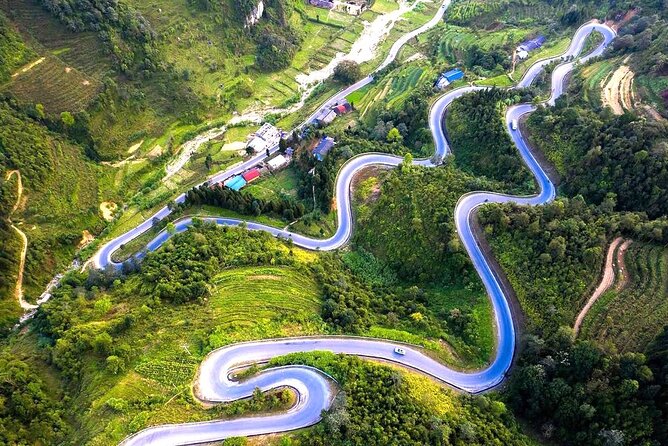
The value question comes down to time and stress. The Loop roads are not hard because they are “scenic.” They’re hard because they’re winding, sometimes foggy, and you’re sharing the road with real traffic. Having a rider who knows the timing and lines cuts your stress level dramatically.
If you were to build this yourself, you’d still need: transport, a route plan, a guide language bridge, a boat ticket, and safety gear. That’s why this price often feels fair for what you get, especially in a small-group format.
Day 2: from the first briefing to Bac Sum and Quản Bạ viewpoints
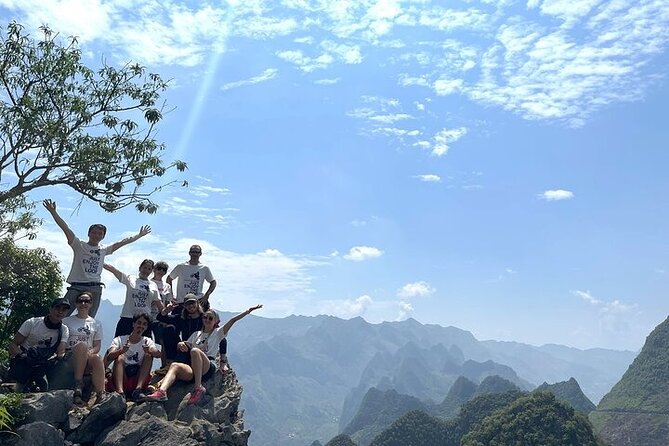
Day 2 starts with a breakfast in Ha Giang, then you meet your guide and group for a route briefing. You begin riding around 9:30AM. After that, the plan is a string of short scenic stops rather than all-day stop-and-go chaos.
A few highlights make this day useful, not just pretty:
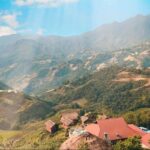
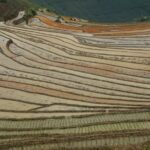
Bac Sum pass: you’re riding through a famous pass area with sweeping views over rice terraces and villages. The stop is short, but that’s the point—quick, clear photo time before you keep moving.
Quan Ba Heaven Gate: this is essentially a panoramic “gateway” viewpoint for the Dong Van Karst Plateau region. If weather cooperates, it’s one of those places where you instantly understand why the Loop gets so many repeat visitors.
Can Ty pass: you’ll feel the road get more serious here. This is a winding, mountainous stretch, and it’s often clouded. Don’t expect perfect visibility every moment. Instead, treat it as a chance to ride through changing weather on purpose.
Yen Minh: you get a look at a valley town setting after the hairpins. It’s less about a single photo spot and more about perspective—slowing down your brain after the road turns into constant curves.
Thẩm Mã slope / Tham Ma: the stop connects you to the human side of the ride, including friendly ethnic minority children. That’s also where the tour’s cultural angle shows up without turning into a “show.”
Dinh Vua Mèo (Hmong King’s Palace): this stop adds history and culture. It’s an early 20th-century structure tied to Hmong heritage, and the karst backdrop helps it feel grounded in place, not like a random museum stop.
Dong Van: you end the day at Dong Van ancient town. This matters because it sets you up for Day 3’s market and pass day. If you love eating, walking small streets, and resting your legs, this evening in Dong Van is a big part of the payoff.
Practical note: because this day is stop-based, you’ll want your phone charged and your go-to photo settings ready. You don’t get long sittings everywhere.
Day 3: Chợ Đồng Văn to Ma Pi Leng, plus the Nho Que river boat ride
Day 3 is the “big hit” day for most people—passes plus the signature gorge experience.
You start with Chợ Đồng Văn, a market that opens only on Sunday. If your dates line up with Sunday, you get a live snapshot of local trading culture right in the Dong Van area. If it isn’t Sunday, you might miss the market element—but you still get the rest of the pass-focused stops.
Then there’s A Pao rock, about 200 meters from Happiness Street. The rock viewpoint is short but scenic, and it’s a good stop to stretch your legs before the day’s main ride.
After that: Ma Pi Leng Pass. This is one of Vietnam’s top mountain passes, and the road is narrow with a serious drop-off on one side and towering peaks on the other. This is where your local rider’s skill matters. This is also where you’ll notice why the tour provides protectors and a seat cushion—your body will feel every curve.
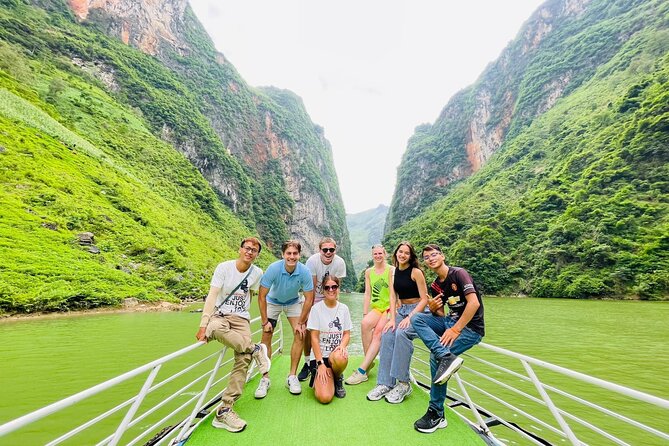
Next is the Nho Que River boat trip. This part is a breathing break in the schedule. You descend into the river area and ride through cliff-lined scenery tied to Tu San Canyon. The time window includes enough to appreciate the gorge scale without feeling like you’re stuck waiting around.
The remaining stops round out the day’s visual variety:
- M-shaped turn viewpoint between Meo Vac and Mau Due
- Mau Due viewpoint, with time to pause, drink something, and take in the rice terrace panorama if conditions are good
- Lũng Hồ / view point, looking down over terraces and small villages
You finish by heading to Đu Già (Du Gia), described as a fairy village feel—rice terraces down the slopes, limestone cliffs rising, and small Hmong and Tay village presence. Even if you’re not a “culture-spot” person, this stop is useful because it gives you a calmer end-of-day setting after intense road time.
A tip: keep an extra battery or power bank. The combination of pass views, cliff scenery, and river light can drain a phone faster than you’d expect.
Day 4: cooling off at Du Già waterfall and rolling back to Ha Giang
Day 4 starts with another “timing matters” cultural stop: Chợ Phiên Du Già (Du Gia market), which is noted as only available on Saturday morning. If your tour hits that schedule, you get another chance to see trading and local daily rhythms.
Then comes the highlight for many people who want a break from the bike: Du Già waterfall. The description emphasizes a slender waterfall tumbling roughly six meters and forming a natural pool. Unlike huge roaring falls, this is positioned as a cooling swim type stop. If you like getting out of wet-weather gear and into actual fresh-water relief, this is the moment.
Next is Đường Thượng, a viewpoint walk or short climb area with cornfields and craggy cliffs. It’s a reflective stop: you’re looking back at the winding path you traveled, and it’s usually a good time to steady your nerves after the last day of riding.
Lunch in Thái An gives you a normal meal break with time to reset. After lunch, the tour includes Lũng Tám valley (more road-and-forest views), then A Boong waterfall as a roadside refresh point.
In the final stretch, you stop at Little Ma Pi Leng canyon, then unwind by the Mien River with coffee and a farewell rhythm. The tour returns to Ha Giang, arriving at the hostel and ending with a free shower and towel when you reach the starting point area.
This “end clean” detail matters. After several days of dust, rain possibility, and engine warmth, a hot shower plus towel makes the finish feel like you actually completed something, not just survived it.
A few more Sapa tours and experiences worth a look

Safety and comfort: how the gear and riders make the Loop realistic
The Ha Giang Loop is famous for being dramatic. It’s also famous for being a lot on your body if you’re not prepared. This tour’s approach is straightforward: you ride a 110cc motorbike with a professional local rider, and you get a full safety kit.
Included gear:
- High-quality helmet
- Warm coat
- Knee and elbow protectors
- Raincoat
- Small backpack
- Seat cushion
That list is the difference between a “cool story” and a painful week. Knee and elbow protectors reduce road rash risk if you scrape a shoe or brace wrong. A seat cushion matters more than people think because you’ll be shifting your weight constantly on curvy roads. Raincoat and warm coat are also practical in a mountain pass itinerary where weather can change fast.
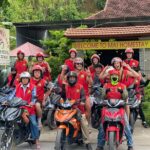
Group size is also a safety factor. With a maximum of 11 travelers, you’re less likely to have people spread too far out. One practical plus: you’re not forced into a giant convoy feel where you lose your guide and rider completely.
From the guide/rider praise in the reviews, names like Diem, Chu, and Jony show up for English support and organization, while riders such as Binh and Dung get called out for safe handling and attentive care. That lines up with what you need on this route: someone who knows where to slow, where to wait, and how to keep the group together.
One potential drawback shows up in a separate Sapa-focused complaint about ticket handling: the issue wasn’t the Loop itself, but a sense that the guide wasn’t with the group at all moments while tickets were being managed. For you, the takeaway is simple: before you go, confirm what is included versus what’s optional, and pay attention to meeting points at each stop. If something feels unclear, ask directly.
Who should book this Ha Giang Loop tour (and who should reconsider)
This tour suits you if:
- You want the classic Ha Giang Loop route with Ma Pi Leng, Nho Que, and the key viewpoint pattern
- You’d rather ride with a local rider than manage the roads alone
- You prefer small-group structure (max 11) and an English-speaking guide
- You like a mix of photo stops plus a couple cultural stops like the Hmong King’s Palace and markets
You might reconsider if:
- You hate shared accommodation. Rooms are hostel/homestay/guesthouse type, shared dorm or shared with same-gender travelers.
- You don’t handle long riding days well. The tour calls for moderate physical fitness, and even with breaks, your body will feel the road.
Also think about what you want from “guided.” This isn’t a slow walk-everywhere tour. It’s a ride-heavy experience where the guide manages timing and sites, while the rider drives the bike challenge.
Should you book this Ha Giang Loop with TripBestie?
If your priority is a well-managed, safety-forward Ha Giang Loop—without spending days figuring out logistics—this is a solid booking. The value is strongest when you compare what’s included: transport from Sapa, motorbike with fuel, safety gear, guide, entrances, boat trip, and most meals. You’re basically buying back your mental energy.
Book it if you want the main hits: Ma Pi Leng Pass, the Nho Que River boat trip, and the Du Già waterfall natural pool finish. The inclusion of warm gear and protectors is not just “nice.” It’s what helps you enjoy the riding instead of getting sidelined by discomfort.
One last decision tip: double-check your dates for market availability (Chợ Đồng Văn is only Sunday; Du Già market is only Saturday morning). If your timing aligns, the cultural stops feel like extra bonuses rather than replacements.
FAQ
How long is the Ha Giang Loop tour?
The tour is listed as about 4 days total, covering a 3-day Loop experience with an overnight start and an end return to Ha Giang on the final day.
Do I get pickup from Sapa?
Yes. Pickup from your hotel in Sapa town center (or the nearest accessible point) is included.
What kind of motorbike and safety gear is included?
You’ll ride a 110cc motorbike with a professional local rider. Safety gear is included: a high-quality helmet, warm coat, knee and elbow protectors, raincoat, and a seat cushion, plus a small backpack.
What accommodation should I expect?
Accommodation is included and can be hostel, hotel/guesthouse, or homestay. Rooms are shared with same-gender travelers or dorm beds.
Are meals included?
Yes. Breakfast is included 3 times, lunch 3 times, and dinner 2 times.
Is the Nho Que River boat trip included?
Yes. The tour includes a shared boat trip on the Nho Que River.