REVIEW · SA PA
Journey Through Sapa Terraces & Traditions
Book on GetYourGuide →Operated by BAE Travel Company · Bookable on GetYourGuide
A good day in Sapa starts with steep steps and big views. This one-day trek weaves through rice terraces, the Muong Hoa River, and mountain backdrops around Hoang Lien Son, then adds real village time with minority communities. I especially like the hands-on feel of walking between Hmong and Giay areas, and the included lunch that’s cooked and served locally. The main thing to consider is that rain can slow things down, so you’ll want solid footwear and some patience for a slightly bumpy start.
You’ll cover a lot of ground for about 7 hours, so this isn’t a stroll. The trade-off is you get that classic Sapa rhythm: descent, bridge, bamboo climb, terraces, then village hopping back down toward Sapa town.
In This Review
- Key Things You’ll Notice on This Sapa Terraces and Traditions Trek
- Why This Sapa Trek Feels More Like Real Walking Than a Tour Bus
- 8:00 AM Pickup and the Cat Cat Road 2km Descent
- Hanging Bridge Over the Muong Hoa River: The Moment You Feel the Valley
- Bamboo Forest Climb: When the Trail Gets Quiet and Steady
- Hoang Lien Son Views and the Rice Terrace Scale You Can’t Fake
- Lunch in Y Linh Ho: A Local Family Meal, Not a Ticketed Restaurant Stop
- Lao Chai and Ta Van: Black Hmong and Giay Encounters on Foot
- Pace, Rain, and What to Pack (So You Stay Comfortable)
- Price and Value: Why About $20 Can Make Sense Here
- Who This Tour Suits Best (And Who Should Skip It)
- Should You Book This One-Day Sapa Terraces and Traditions Trek?
- FAQ
- How long is the Sapa trek, and when does it usually end?
- Where do you get picked up from?
- Is lunch included?
- What languages is the guide available in?
- What should I bring, and what footwear is required?
- Who is this tour not suitable for?
Key Things You’ll Notice on This Sapa Terraces and Traditions Trek
- Muong Hoa River hanging bridge gives you a memorable photo moment and a real sense of place
- Bamboo forest section breaks up the trail and cools the pace (at least for a bit)
- Y Linh Ho lunch is the social center of the day, served at a small village restaurant
- Lao Chai and Ta Van add cultural contrast, including Black Hmong and Giay communities
- Small group (up to 10) keeps the walk feeling personal instead of rushed
- Challenging terrain is part of the deal, especially on wet days
Why This Sapa Trek Feels More Like Real Walking Than a Tour Bus
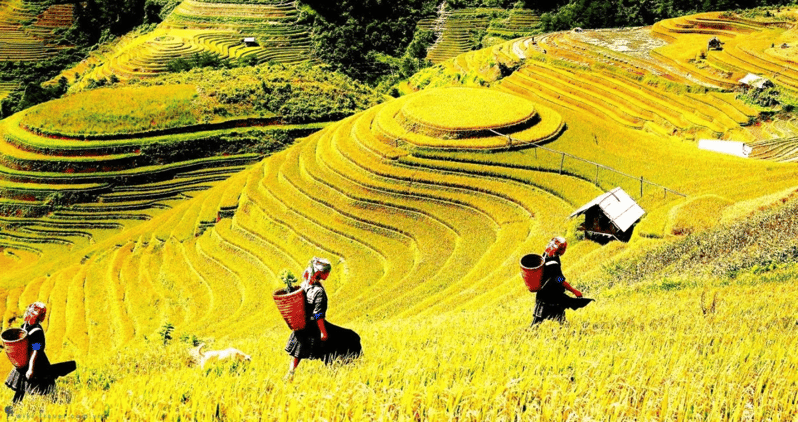
This trek is built around moving through the actual valleys and paths people use around Sapa. You start near the town and work your way down and back up through a mix of forest paths and farm tracks, with the rice terraces showing up again and again. It’s the kind of route where you keep looking at the ground for footing, then look up for the view—often within the same minute.
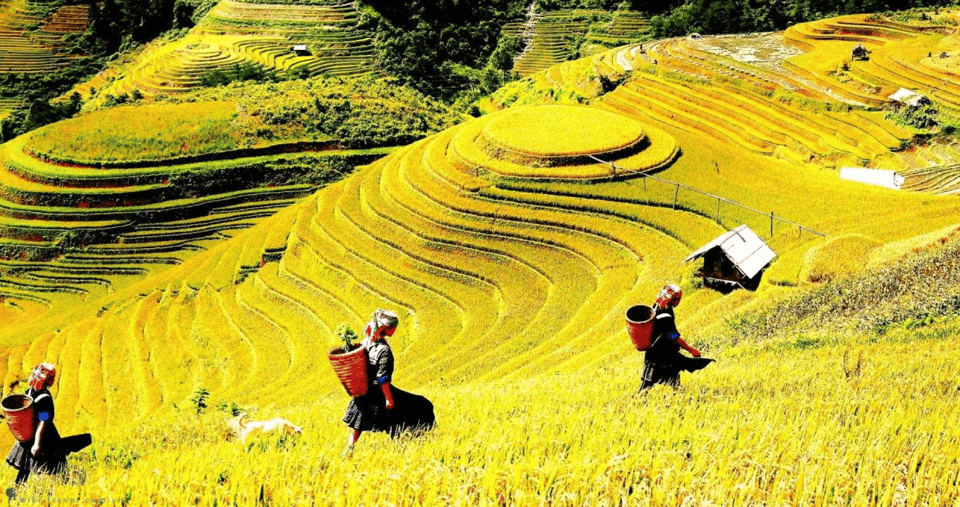
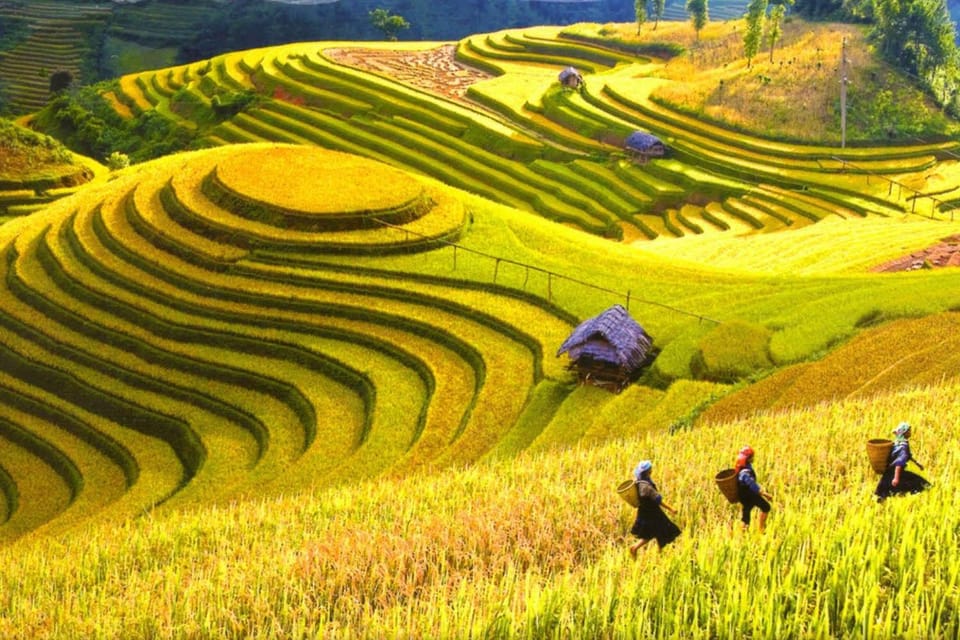
Two things make it especially worth your time. First, you get terrace scale—some of the biggest and most striking rice fields in the Sapa area—framed by Hoang Lien Son. Second, the day mixes scenery with village life, from a Hmong stop around Y Linh Ho to Black Hmong areas like Lao Chai, then onward to the Giay community in Ta Van.
One practical note: the scenery is great, but your body is doing the work. If you’re not comfortable with steep, uneven paths, plan on taking it slower and moving carefully.
You can also read our reviews of more tours and experiences in Sa Pa.
8:00 AM Pickup and the Cat Cat Road 2km Descent
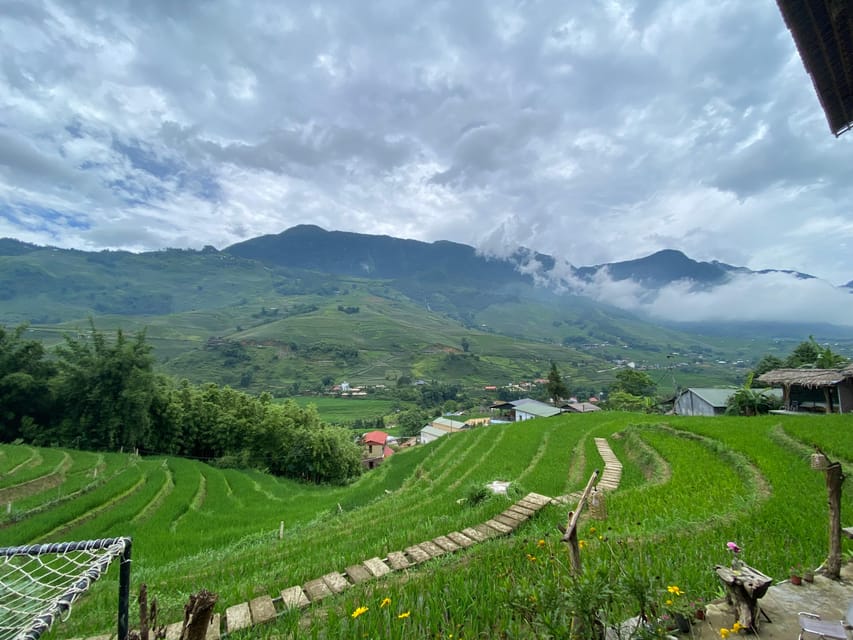
Your day starts at 8:00 AM with pickup from Sapa center (or your stay, depending on the option you choose). The first stretch takes you along Cat Cat Road for about a 2km descent. This is a smart warm-up, because it gets your legs moving right away without throwing you straight into the hardest climb.
You’ll also spend time around the Hmong minority village area near the start of the walk. That early village context helps you understand what you’re seeing later. The rice terraces aren’t just pretty. They’re part of how people farm, work, and live in a steep, carved landscape.
If weather is wet, the descent can feel slippery and a little chaotic. Plan to leave the ego at the door and walk like a careful hiker, not like you’re strolling a city sidewalk.
Hanging Bridge Over the Muong Hoa River: The Moment You Feel the Valley
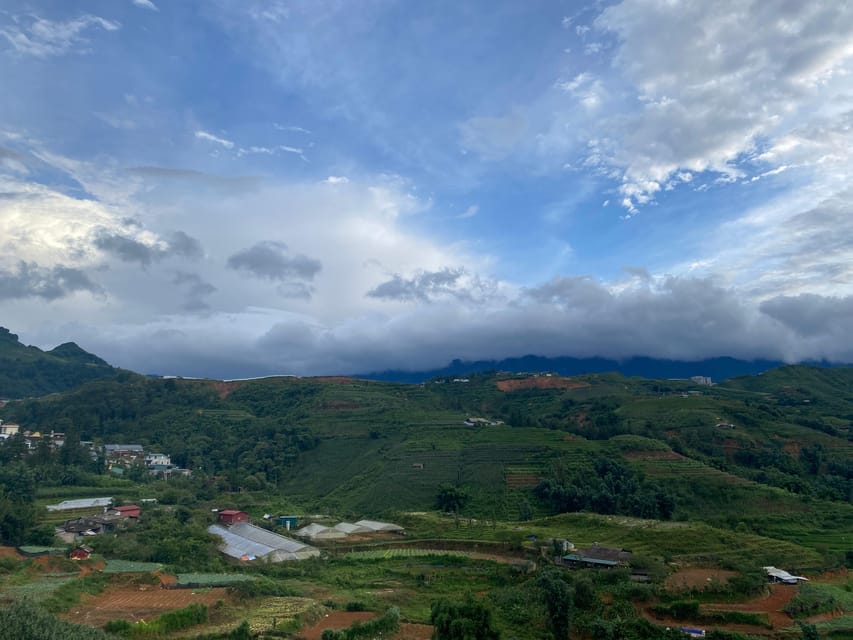
After the initial descent, the trail connects into the classic Sapa valley vibe: you cross the iconic hanging bridge over the Muong Hoa River. Even if you’re not chasing thrills, this bridge changes the rhythm of the day. You pause, you take in the river below, and you start understanding how the villages sit across the slopes.
This is also where small-group touring helps. With a group limited to 10 participants, you’re more likely to get a smoother flow across the crossing, and your guide can help manage spacing so nobody gets left behind.
If you’re afraid of heights, take slow steps and keep your focus on your footing. The bridge is scenic, but it’s still a bridge.
Bamboo Forest Climb: When the Trail Gets Quiet and Steady
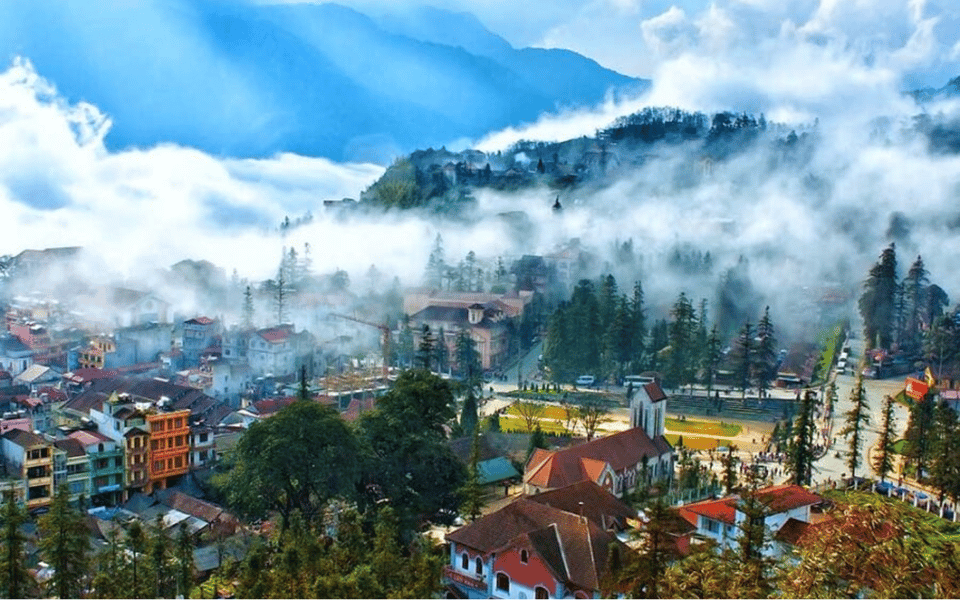
From the river crossing, you’ll move into a calmer section of trail through a bamboo forest. It’s not a long “rest break,” but it’s a mental reset. The air feels different under the trees, and the walking becomes more about steady effort than big views.
This section matters because it’s the connective tissue between the dramatic photo moments. Without it, you’d just hop from one viewpoint to the next. Instead, you feel how the valleys are stitched together by paths, farms, and small forest pockets.
On wet days, bamboo sections can be damp and slick. Shoes with solid grip are essential. Skip flip-flops and sandals—this tour is built on traction.
Hoang Lien Son Views and the Rice Terrace Scale You Can’t Fake
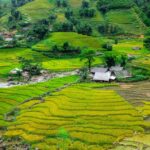
Then comes the part most people remember: the wide terrace views, framed by the Hoang Lien Son mountain area. You’ll see rice terraces that are described as some of the largest and most beautiful in Vietnam, and the way they step across the slopes makes it hard to understand them from just a single viewpoint.
What I like about this stretch is that it’s visual, but it’s also practical. When you’re walking across terrace edges and farm paths, you understand why the route follows certain lines. It’s not random. It’s shaped by how the hills are farmed and accessed.
If clouds roll in, don’t cancel your plans. Wet or hazy conditions can soften the contrast and hide some distance, but the terraces still read clearly up close. Just be ready for a slower pace if the ground is slick.

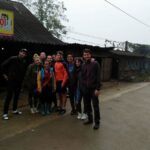
Lunch in Y Linh Ho: A Local Family Meal, Not a Ticketed Restaurant Stop
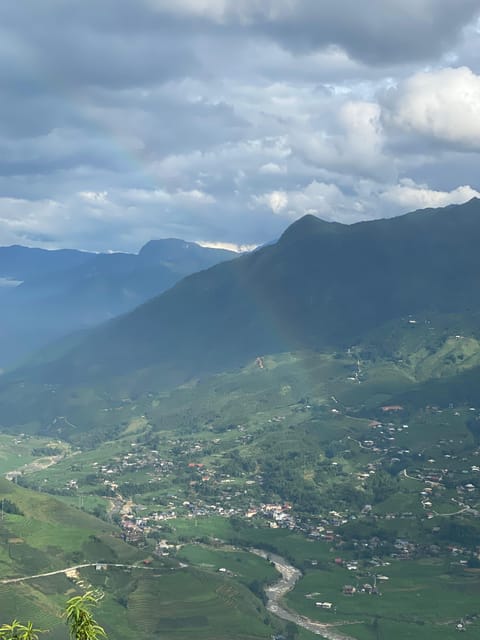
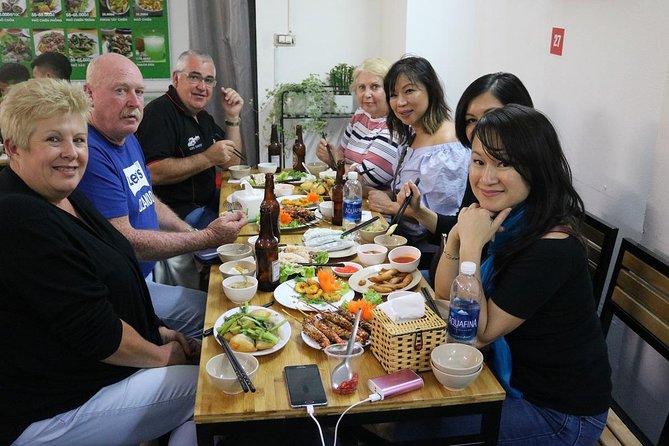
The day’s main recharge happens in Y Linh Ho village, where you’ll enjoy a traditional lunch at a small restaurant run by a local family. The food is the point here, not the staging. You’re sitting with a local community setting and eating what’s been prepared for real daily life.
This matters for value because lunch can make or break a tour like this. The price already includes your meal, and the experience is tied to the community rather than being a generic buffet stop.
You’ll likely be hungry by this point. After a morning of descent, bridge time, and uphill effort, a warm meal helps you keep energy steady for the afternoon trek.
Lao Chai and Ta Van: Black Hmong and Giay Encounters on Foot
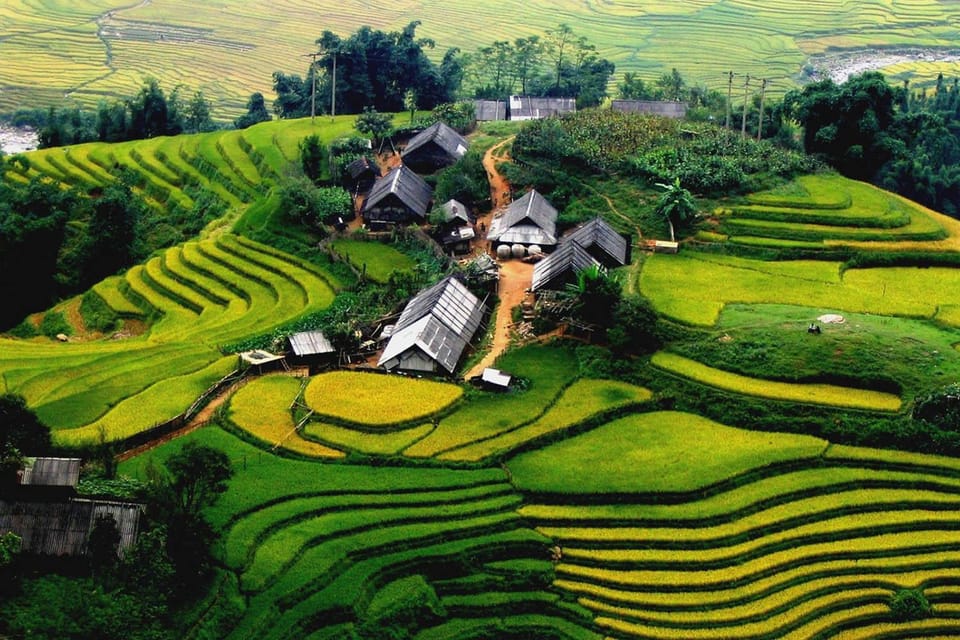
After lunch, the walk continues toward Lao Chai, where you’ll spend time in a community connected with the Black Hmong. This section tends to feel more immersive because you’re still moving through working areas while your guide explains what you’re seeing.
Then comes the final village time in Ta Van, where you can meet members of the Giay minority. The point isn’t just photos. The value is the everyday details—how people live in these valleys, how traditions show up in daily routines, and how different groups share the same region while keeping distinct ways of life.
Two tips here. First, move with respect. Many community spaces are not set up like tourist venues. Second, ask your guide small questions as you walk. The best insights usually happen between viewpoints, not only at the stops.
Pace, Rain, and What to Pack (So You Stay Comfortable)
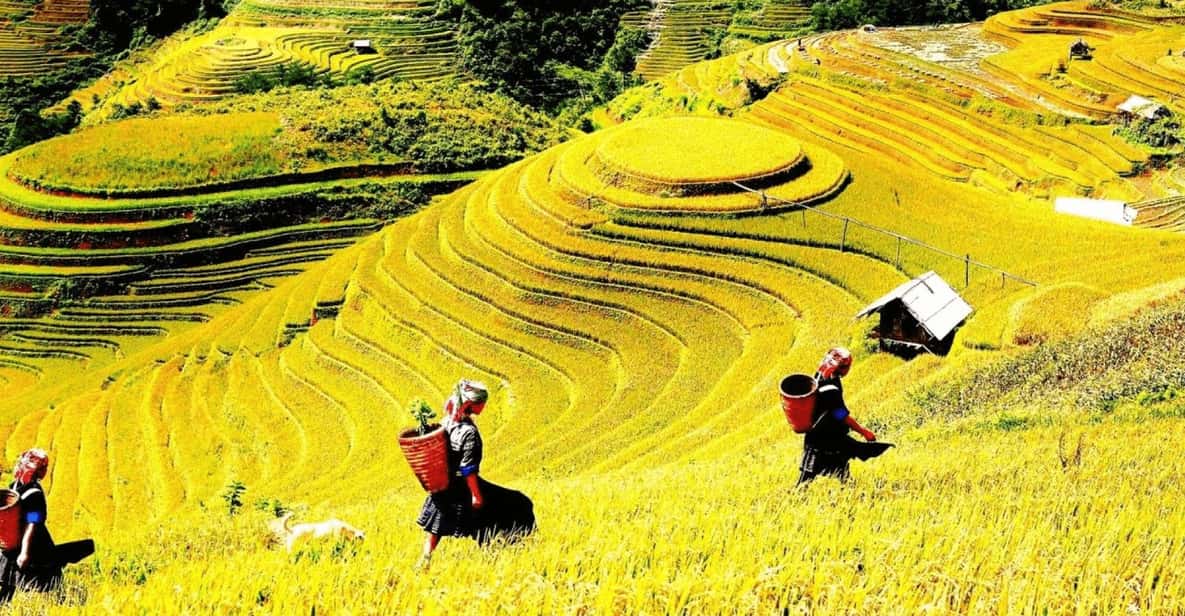
This trek is listed at about 7 hours total, with multiple hiking segments. Expect uneven ground, steep bits, and plenty of “pay attention to your feet” moments.
Based on real-world patterns in Sapa, rain is the big factor. When weather turns, guides may adjust timing to keep the group safe, and pickup can run late if conditions slow the van schedule. One thing to take seriously: not everyone gets rain gear automatically. Bring your own rain protection if you can, and don’t assume you’ll be handed waterproof footwear.
Here’s what you should bring for comfort and safety:
- Hiking shoes with grip (not worn-out sneakers)
- Sun hat
- Clothes that can get dirty
- A backup layer if the air feels cool in the morning
And what’s not allowed:
- Sandals or flip-flops
If you’re prone to motion sickness, be aware that this route includes vehicle time and mountain roads, and the tour isn’t listed as suitable for people who get seasick easily.
Price and Value: Why About $20 Can Make Sense Here
At $20 per person for roughly 7 hours with pickup, a guide, and lunch, this is priced like a value trek rather than a private guiding experience. What you’re paying for isn’t just the walk—it’s the local coordination, route knowledge, and the structure that gets you from terrace viewpoints to village meals without needing to plan all the logistics yourself.
The small group size (up to 10 participants) is also part of the value. It helps the guide manage the pace and makes it easier to ask questions without feeling like you’re in a crowd.
One more value point: a guide with 10+ years of experience means you’re more likely to have a smoother day when trail conditions change. The tone from guides often stays calm and practical, especially when the weather isn’t cooperating.
If you want a soft, flat itinerary, this isn’t it. But if you want a genuine day on Sapa’s terraces and communities at a fair price, the math works.
Who This Tour Suits Best (And Who Should Skip It)
This is a good match if you want:
- A challenging, active day (not a gentle walk)
- Real time with Sapa minority communities like Black Hmong areas and the Giay in Ta Van
- Included lunch and a small-group feel
It’s not listed as suitable for:
- Children under 4
- Pregnant women
- Wheelchair users
- People prone to seasickness
- People over 95
If you’re traveling with limited hiking experience, you can still do it—but you should choose pace over speed. The tour works best when you’re comfortable with stairs, slopes, and uneven trails.
Should You Book This One-Day Sapa Terraces and Traditions Trek?
Book it if you want the best of Sapa in a single day: rice terrace scale, Muong Hoa river crossing, bamboo forest walking, and village time with Hmong and Giay communities—while keeping the group small and the price grounded.
Skip it if you hate uneven ground, can’t handle steep steps in wet conditions, or you need a very predictable schedule with minimal delays. Rain can change the timing, so build in flexibility.
If you’re a confident hiker with proper shoes and a calm attitude toward weather, this is exactly the kind of Sapa day that turns into a real memory, not a checklist.
FAQ
How long is the Sapa trek, and when does it usually end?
The tour duration is 7 hours, and it typically returns to Sapa town around 3:30 PM.
Where do you get picked up from?
You can be picked up from Sapa center town or from your accommodation, depending on your booking details.
Is lunch included?
Yes. Lunch is included and is served at a local traditional restaurant connected with the village community.
What languages is the guide available in?
The live tour guide is available in English and Vietnamese.
What should I bring, and what footwear is required?
Bring a sun hat, hiking shoes, and clothes that can get dirty. Sandals or flip-flops are not allowed.
Who is this tour not suitable for?
It’s not suitable for children under 4, pregnant women, wheelchair users, people prone to seasickness, and people over 95 years.