REVIEW · SAPA
Sapa hard trekking villages homestay 3days/ 2nights tour – amazing culture
Book on Viator →Operated by David Tran Travel - Day Tours · Bookable on Viator
A few hours of hiking in Sapa can turn into real village time fast. I like the mix of working terraced rice views plus evenings in homestays where you eat with the family, not just pose for photos. The one thing to consider: this is a walking-heavy trip, so come ready for long days and basic overnight comfort.
This tour is built for people who enjoy moving outdoors and want culture you can see with your own eyes. You get a small group (max 15), an English-speaking guide, and the walking route is paced so you don’t feel shoved along. Still, weather in northern Vietnam changes quickly, and mist or fog can shift the plan more than you’d expect.
If you’re trying to squeeze Sapa into a tight schedule, this 3-day format is also a good deal. You’re not stuck doing logistics—pickup is arranged, meals are included, and key trekking fees are covered.
In This Review
- Key things to know before you go
- Why This Sapa Village Trek Feels Like a Real Cultural Visit
- Pickup, Group Size, and How the Days Are Timed
- Day 1: Ta Van, Y Linh Ho Hmong Terraces, and Lao Chai Village Breaks
- Day 2: Bamboo Forest, Silk Waterfall, and the Tay Welcome in Ban Ho
- Day 3: Nam Toong (Red Dao) Views, River Walks, and Lavie Waterfall Time
- Guides, Hospitality, and Why the Best Part Is the People
- Homestay Comfort Level: Basic Rooms, Sharing Bathrooms, Real Conversation
- Price and What’s Actually Included for $110
- Pace, Effort, and Packing Tips That Make the Difference
- Who This Tour Suits Best (and Who Should Think Twice)
- Should You Book This Sapa Hard Trek Villages Homestay Tour?
- FAQ
- How long is the Sapa hard trekking villages homestay tour?
- Where does the tour start and when do you meet?
- What type of accommodation is included?
- What’s included in the price?
- What should I pay for myself?
- How big is the group?
- What happens if weather is bad or I need to cancel?
Key things to know before you go
- Max 15 people keeps the trip personal and easier to ask questions.
- Homestay nights in local houses mean family cooking, family routines, and a real sense of place.
- Village-hopping routes connect Hmong, Giay, Tay, and Red Dao communities across terraced paths.
- All meals are included (breakfast x2, lunch x3, dinner x2), so you won’t be hunting food mid-trek.
- Bamboo forest and waterfall time gives you more than just rice terraces and viewpoints.
- Price includes fees and tickets, so you can budget without guessing at extras.
Why This Sapa Village Trek Feels Like a Real Cultural Visit
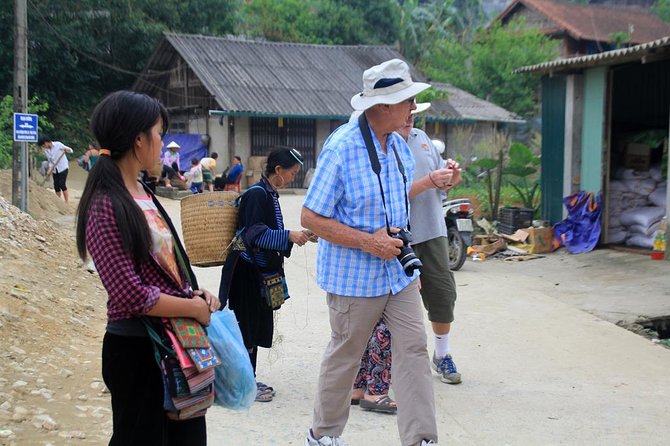
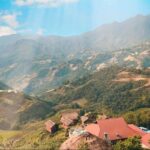
Sapa can look like a postcard from the road—then you walk a little farther and it turns into daily life. This tour does that on purpose. You spend your days moving between small villages, and you spend your evenings inside the homes of the ethnic communities who have lived here for generations.
Two parts really matter for me (and they’ll matter for you): the long views across terraced rice fields and the fact that dinner isn’t a separate restaurant experience. On nights in Ta Van and then Ban Ho, your meals and conversations are tied to family routines—so you learn what people actually do, not just what they think you want to see.
The trip also has a practical edge. It’s priced at $110 per person and includes accommodation and meals, plus trekking and entrance fees. That matters in a place where add-ons can quietly stack up. The catch is physical effort: even with a guide and a small group, you’re on foot for hours each day. If you want short strolls only, you’ll want a gentler option.
You can also read our reviews of more hiking tours in Sapa
Pickup, Group Size, and How the Days Are Timed
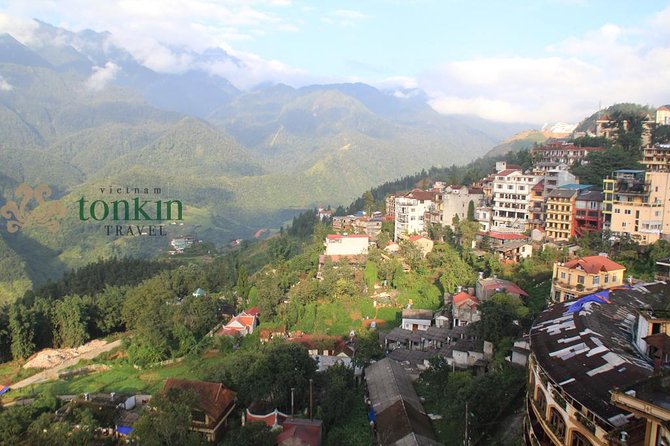
Your start is late afternoon-ish for Sapa standards—pickup is around noon, and the meeting point listed is near the Delta Sapa Hotel at 1:00 pm. The goal is to get you out of town and down toward the villages while you still have daylight to work with.
The tour runs with an English-speaking guide and keeps the group to a maximum of 15 travelers. That size is important. In bigger groups, you spend your time waiting, trying to stay with strangers, and losing the chance to ask real questions. Here, you’ll likely get more back-and-forth, especially during meal breaks and short stops in the villages.
You also get a mobile ticket, which is convenient, and you’ll travel by an air-conditioned vehicle for the transfers. Just remember: the walking is the main event, so the comfort of the ride only covers part of the day.
Day 1: Ta Van, Y Linh Ho Hmong Terraces, and Lao Chai Village Breaks
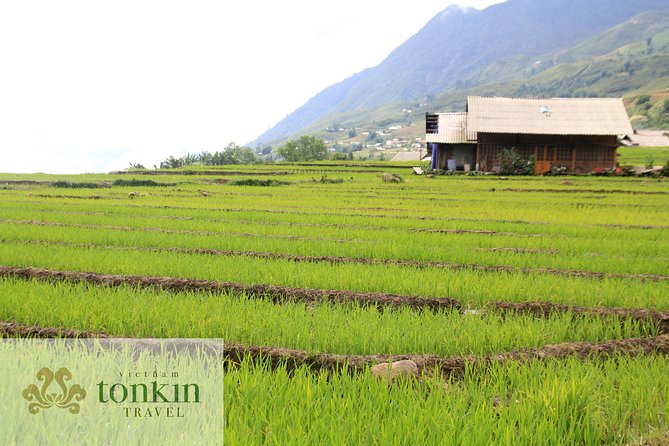
Day 1 is the “warm-up with views” day, and it sets the tone quickly. After pickup and hotel lunch at the start point area, you head out at about 2:30 pm for a downhill walk toward Y Linh Ho, a village area associated with the Hmong minority.
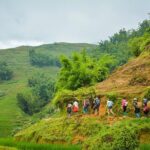
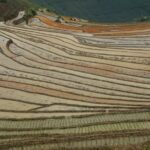
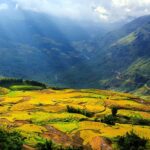
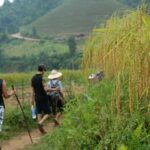
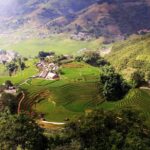
Y Linh Ho is known for photo-friendly terraces. The terraces here are described as being around 100 years old, and the walking path gives you plenty of angles—far enough to appreciate the scale, close enough to see the texture and the way water and crops shape the slopes. Even if fog rolls in later, you still get that Sapa feeling: layered hills, drifting clouds, and a route that keeps unfolding.
From Y Linh Ho you move on to Lao Chai, where you’ll have time for a short break. This is the moment to slow down: enjoy drinks, look out over the fields, and watch how village life continues even while hikers pass through.
Then you continue to Ta Van, described as an established Hmong and Giay village. You’re welcomed by a local Giay family and stay overnight in their home. That’s the key cultural shift on Day 1. The tour is not just about scenery; it’s about learning how people host, cook, and move through the evening.
You also get dinner and cooking time with the family. That can be fun in a very practical way: you learn what ingredients taste like here, what steps matter, and how hospitality works when you’re inside someone’s house—not just outside taking pictures. Day 1 runs about 7 hours.
A consideration: homestay expectations matter. Accommodation is basic, with sharing and a sharing bathroom setup. It’s part of the authentic experience, but if you’re used to hotel-level comfort, mentally plan for simple.
Day 2: Bamboo Forest, Silk Waterfall, and the Tay Welcome in Ban Ho
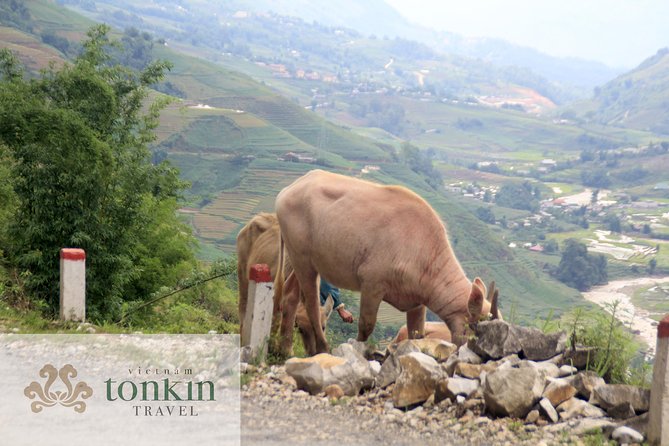
Day 2 is the big trekking day. It starts with a wake-up by the rhythms of village life—roosters or pigs, then breakfast with hot tea or coffee and pancakes. That start isn’t just cute. It helps you sync with the local schedule instead of fighting your own jet-lag and city routine.
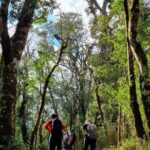
After breakfast, you leave the previous home area and trek through an enchanting bamboo forest, toward silk waterfall and onward to Giang Ta Chai. This day is great for people who want more variety than terraces alone. Bamboo trails can feel cooler and quieter, and the waterfall stretch adds movement and sound to the route.
When it’s time to eat, you stop for picnic lunch with scenic views. Then you keep trekking to Ban Ho village. Once you arrive, you get the welcome of the Tay minority and another homestay dinner with the family.
One detail worth knowing: this day is longer on the clock. It’s listed at about 15 hours, so build your expectations for stamina. You’ll be glad you’re in a small group, but you still need steady boots and a realistic pace. If you rush, you’ll feel it by late afternoon.
The upside is that Day 2 is where your experience starts to feel like a story, not a checklist: bamboo → waterfall → terraces → another village welcome. And yes, it’s the day you’ll remember for the raw effort and the changing scenery.
Day 3: Nam Toong (Red Dao) Views, River Walks, and Lavie Waterfall Time
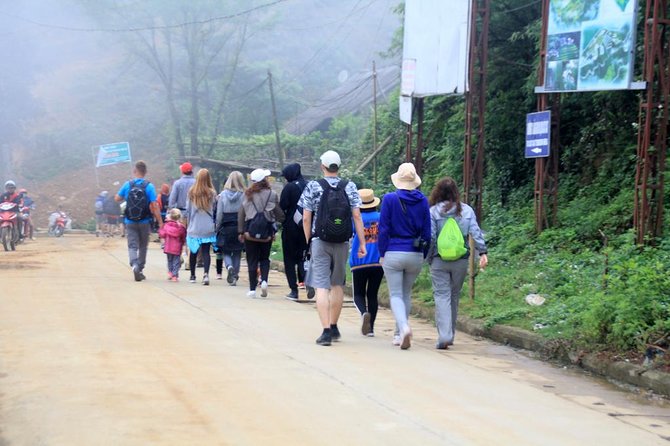
Day 3 starts calmly—breakfast at the homestay, then a short morning walk along the river. The route is built for scenery and cultural connection, leading you to Nam Toong village, described as the village of the Red Dao minority.
This is a good time to slow down and notice details beyond the big views. The river walk gives you a different kind of Sapa atmosphere: cooler air, water sounds, and fewer “look-at-me” viewpoints. It feels more like a local path than a tourist trail.
After Nam Toong, you walk back to Ban Ho. Then there’s a chance to dip into fresh water near the Lavie waterfall. That’s a simple payoff after two days of trekking—cool off, shake out your legs, and reset for the ride back.
After your morning and lunch back at the homestay, you head back to Sapa by car. You’re back around 2:00 pm, shower at the hotel, then a shuttle takes you to the bus office around 3:00 pm for your onward trip to Hanoi. The tour ends back at the starting area, and sandwiches are prepared for the ride.
Day 3 is listed at about 8 hours, and it’s structured so you don’t feel like you’re trekking straight to the bus departure. Still, plan for a full day.
A few more Sapa tours and experiences worth a look


Guides, Hospitality, and Why the Best Part Is the People
This is where the reviews shine, and you can feel it in the tour design. When guides are good, they don’t just translate. They help you notice what you might otherwise miss—why a village sits where it sits, how ethnic groups relate to the landscape, and how daily life works.
In past experiences, English-speaking guides have included names like Ha and Tran, with praise for being friendly and making the trip feel enjoyable. Other named guides in feedback include Jack, Dem, Dinh, Lu, and Hung—often highlighted for humor, good explanations, and a smooth, confident handling of the route.
Here’s what I’d take from that if you’re deciding whether this tour fits you: the cultural value doesn’t come only from seeing villages. It comes from having someone help you understand what you’re looking at while you’re still walking through it.
And the homestays do the rest. Cooking dinner with the family in Ta Van, and then again sharing dinner in Ban Ho, turns the stay into a relationship—not a transaction. You may even find yourself playing with children or noticing crafts and everyday objects. That’s the kind of interaction that makes the trip feel real.
Homestay Comfort Level: Basic Rooms, Sharing Bathrooms, Real Conversation

Let’s talk straight comfort. This tour includes 2 nights in a local house/basics room with sharing bathroom. That means you should expect simple facilities, shared spaces, and a more rustic setup than what you’re used to in hotels.
What’s good is that meals and family hospitality help the “basic” aspect feel manageable. People often mention how cozy the stay is and how good the food tastes. Even when conditions are simple, the family setup can feel warm—because you’re invited into their routine.
If you’re the type who needs quiet, a private bathroom, and a perfectly clean sheet set, this might not be your favorite style. One past note mentioned hygiene concerns in a hotel portion of a similar overall arrangement, so it’s worth keeping expectations realistic and packing thoughtfully. Bring your own small essentials (like a refillable water bottle, a basic hygiene kit, and any comfort items you prefer).
Price and What’s Actually Included for $110
At $110 per person, the value comes from what you don’t have to think about. The tour includes:
- 2 nights’ accommodation in homestays (basic rooms, sharing bathroom)
- all meals: breakfast x2, lunch x3, dinner x2
- entrance/sightseeing fees and trekking trip
- an English-speaking guide
- air-conditioned vehicle transfers
- pickup from your Sapa hotel area or bus station setup
- mobile ticket
What’s not included is straightforward: beverages and drinks. So if you love iced tea or extra snacks, budget for those separately.
There’s also a Lunar New Year surcharge of $50 per person on specific dates in February 2026. If you’re traveling around that holiday window, double-check the date impact so there are no surprises.
From a practical traveler’s standpoint, I’d judge the price by risk reduction. When transportation, fees, and meals are covered, you can focus on walking, resting, and enjoying villages instead of budgeting minute-to-minute.
Pace, Effort, and Packing Tips That Make the Difference
This is called a hard trekking villages tour, and the walking time reflects it. Day 2 can be long (listed about 15 hours), and the other days still include meaningful trekking segments plus transfers and breaks.
Your best strategy is to treat this as an endurance trip, not a casual stroll. Wear shoes with grip, bring socks you can change, and carry a small day pack. You’ll want layers because Sapa weather can shift quickly. One past experience described fog and changing conditions during the day, so pack for variation.
Bring:
- rain protection (even if it’s clear at pickup)
- a light warm layer (mornings can feel cooler)
- a small towel or quick-dry cloth
- any personal meds you might need
- cash for beverages you choose to buy (since drinks aren’t included)
And hydrate early. Don’t wait until you feel thirsty.
Who This Tour Suits Best (and Who Should Think Twice)
This tour is a strong match if you:
- love walking outdoors and want countryside views beyond the main Sapa viewpoints
- enjoy meeting people and having conversations in everyday settings
- are comfortable with basic homestay comfort (shared spaces and bathrooms)
- want a route that connects multiple village communities in a short time
It may not be the right fit if you:
- need a fully hotel-standard experience
- hate long hiking days and prefer short excursions
- struggle with basic comfort settings when you’re tired
Also note: while the tour says most travelers can participate, it still expects real effort. The word “hard” isn’t just marketing—it’s in the hours.
Should You Book This Sapa Hard Trek Villages Homestay Tour?
If you’re looking for an experience that goes beyond scenery, I’d say yes—especially if you like practical travel and don’t mind basic comfort for meaningful cultural access.
Book it when:
- you want homestays plus guided trekking without DIY planning stress
- you’d rather pay a fair price that covers fees and meals than piece things together
- you’re ready for long walking days and can handle changing weather
Skip or reconsider if:
- you want lots of downtime and minimal exertion
- you’re very sensitive to cleanliness standards and basic facilities
- you travel during the Lunar New Year surcharge dates and the added cost doesn’t work for your budget
If you do book, give yourself a small mindset switch: this is not a “see and leave” tour. It’s a shared walk, a shared meal, and a shared evening with people who live here.
FAQ
How long is the Sapa hard trekking villages homestay tour?
It runs for 3 days (about) with 2 nights of accommodation.
Where does the tour start and when do you meet?
Pickup is arranged from your hotel in Sapa or the bus station around noon time, with the listed start time at 1:00 pm. The meeting point is Delta Sapa Hotel, 031 Ng. Cầu Mây, TT. Sa Pa.
What type of accommodation is included?
You’ll stay 2 nights in local houses on a basic room setup, with sharing bathroom.
What’s included in the price?
The tour includes an English-speaking guide, entrance and sightseeing fees, trekking trip, air-conditioned vehicle transfers, and meals (breakfast x2, lunch x3, dinner x2).
What should I pay for myself?
Beverages and drinks are not included. There is also a Lunar New Year surcharge of $50 per person on the listed February 2026 dates.
How big is the group?
The tour has a maximum of 15 travelers.
What happens if weather is bad or I need to cancel?
The experience requires good weather. If it’s canceled due to poor weather, you’ll be offered a different date or a full refund. Cancellation is free up to 24 hours in advance for a full refund.