REVIEW · SAPA
3-Day Trek in Amazing Muong Hoa Valley & ethnic Homestay
Book on Viator →Operated by Vietnam Nomad Trails · Bookable on Viator
That first day pull toward the valley is magic. This 3-day trek in Sapa’s Muong Hoa Valley mixes village walks with rice-terrace photo time and real ethnic homestay culture, not just a bus ride to viewpoints. I love that it’s guided in English by people who explain what you’re seeing, and I also love that the days are long enough to feel like you’re actually trekking rather than checking boxes.
One thing to consider: it’s built for moderate fitness. Expect 4–7 hours walking on day schedules that assume you can handle steep, uneven mountain trails.
In This Review
- Key reasons this trek earns top marks
- Muong Hoa Valley: why this route feels different in Sapa
- Price and value: what $109 covers (and what it doesn’t)
- Your 3 days: what the walking days actually feel like
- Day 1: Muong Hoa Valley to Lao Chai (Hmong)
- Day 2: Ta Van to Giang Ta Chai via bamboo forest (Red Dzao)
- Day 3: Ban Ho Valley sunrise and the Nam Tong walk (Red Dzao)
- Homestay and village interaction: what you should expect
- Pace, fitness level, and what to pack for Sapa trails
- Timing, group size, and how the day transitions work
- Making the most of terraces and sunrise without burning out
- Should you book this 3-day Muong Hoa Valley trek with homestay?
- FAQ
- What’s the duration of the trek?
- How much does it cost?
- Is an English-speaking guide included?
- What meals are included?
- Where do I meet, and when does it start?
- Can I cancel for a full refund?
Key reasons this trek earns top marks
- English-speaking guide support so the villages, names, and traditions make sense while you’re walking
- Village-to-village routes through places like Lao Chai, Ta Van, Giang Ta Chai, Ban Ho, and Nam Tong
- Bamboo forest trekking on day 2, a change of scenery from terraces and village lanes
- Sunrise in Ban Ho Valley that turns the last morning into something special for photos
- Small group size (max 14) which usually means less crowding at stops and more time with your guide
- Meals included (2 breakfasts, 3 lunches, 2 dinners) so you’re not hunting food between hikes
Muong Hoa Valley: why this route feels different in Sapa
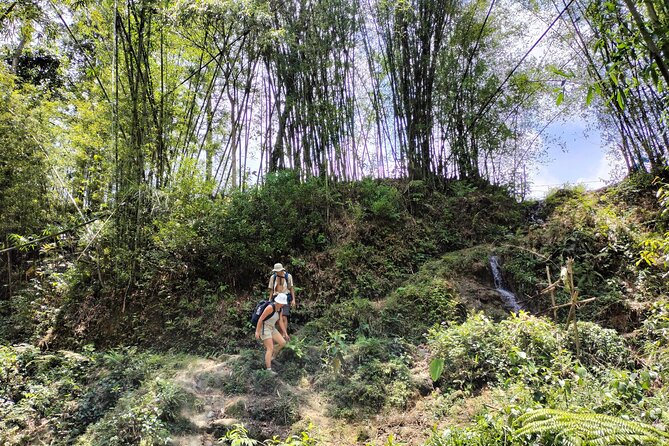
Sapa is famous for mountain views, but Muong Hoa Valley has a specific pull: it’s made for walking. The tour is built around moving through the valley between communities, so you get that slow-bloom feeling where the scenery changes every hour. You’re not just reaching a viewpoint and calling it a day.
What makes this one especially appealing is the mix of cultures you’ll meet on the trail. You’ll spend time with Hmong communities and Red Dzao communities along the route, and the day plans are tied to actual villages—Lao Chai, Ta Van, Giang Ta Chai, Ban Ho, and Nam Tong—so conversations aren’t random. They happen because you’re going somewhere.
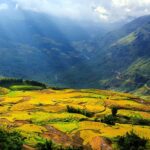
If you like photography, this trek also gives you the right timing. Rice-terrace areas show up along the way, and sunrise in Ban Ho Valley is scheduled as part of day 3 rather than a maybe-if-the-weather-works bonus.
You can also read our reviews of more hiking tours in Sapa
Price and value: what $109 covers (and what it doesn’t)
At $109 per person for a 3-day experience, the value comes from the basics that normally add up: guide, transport, and meals. This tour includes an air-conditioned vehicle, an English-speaking tour guide, plus breakfasts, lunches, and dinners. Even if you weren’t paying attention to meals, you still benefit from having someone organize the day so you’re not figuring out timing, stops, and route transitions alone.
Also check the small details that matter in Sapa. This experience uses a mobile ticket and is listed with group discounts, and the operator sets a cap of 14 travelers, which helps keep the day from turning into a crowded parade.
What’s not included is equally important for your planning:
- Travel insurance
- Personal expenses (snacks, drinks, tips, anything extra)
One more value note: this trek is often booked about 25 days in advance. That usually means you should plan ahead if you want a specific date—especially around peak season.
Your 3 days: what the walking days actually feel like
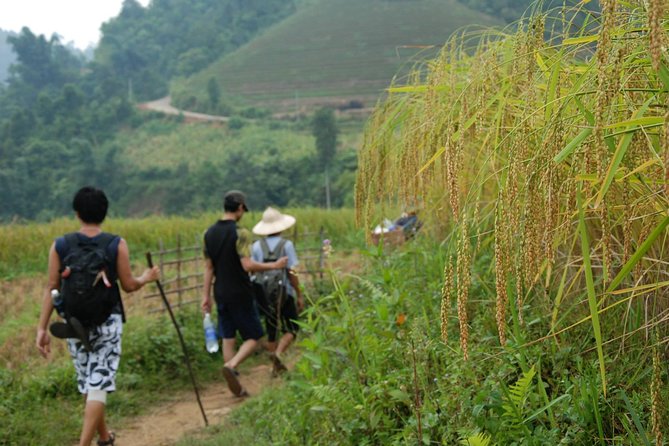
This tour runs about 3 days with day-length hikes that range from 4 to 7 hours, depending on the day. I like that the itinerary is built as a sequence: village mornings, trail afternoons, and then a calmer evening rhythm tied to meals and homestay-style hosting.
Day 1: Muong Hoa Valley to Lao Chai (Hmong)
You’ll meet at 15 Tuệ Tĩnh, Sa Pa, Lào Cai with a start time listed around 9:00 AM. In practice, pickup can happen from hotels in Sapa Town around 9:15, then you head out toward Muong Hoa Valley.
The walking starts toward Lao Chai, an area inhabited by the Hmong ethnic minority. The route is described as trekking through Y Li—useful because it signals you’re not just strolling along a single road. You’re moving through the valley in a way that gives you both terrace views and village glimpses.
Day 1 also tends to be where you’ll feel the most “setup-to-trail” energy: warm up with morning movement, take photos when you’re not breathing hard, and let the guide set the pace.
Possible drawback: if you’re sensitive to early-morning starts, day 1’s 9 AM start and a longer initial hike can feel like a jump.
Day 2: Ta Van to Giang Ta Chai via bamboo forest (Red Dzao)
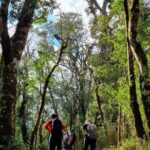
Day 2 begins with local breakfast, then you leave Ta Van and start trekking through a bamboo forest. That bamboo segment matters because it changes the trail feel: shade, cooler air, and a different kind of scenery than open terrace paths.
You’ll continue to Giang Ta Chai, where people from the Red Dzao ethnic minority live. This is the kind of stop that works well on day 2 because your legs are warmed up, you’ve already learned what to notice, and you have enough time to ask questions without rushing.
The listed hike time for day 2 is around 7 hours, so build your day around steady effort. This is the day most likely to test your stamina, especially if you’re carrying a heavier backpack.
Practical tip: bring a rain layer even if it looks okay in town. Mountain weather can flip quickly, and trekking days don’t pause because clouds roll in.
A few more Sapa tours and experiences worth a look


Day 3: Ban Ho Valley sunrise and the Nam Tong walk (Red Dzao)
Day 3 is shorter on paper—about 4 hours—but it starts with the most scenic moment: sunrise in Ban Ho Valley. This is scheduled as part of the experience, which is exactly what you want for sunrise. You don’t have to guess timing or scramble for a “maybe” moment.
After sunrise, you start a short trek to Nam Tong village, also inhabited by the Red Dzao tribe. Then you return to Ban Ho village for lunch.
Because day 3 is shorter, it’s a great “wrap” day. You get time to soak in what you learned over the first two days, and you finish with a meal rather than heading straight back into a travel spiral.
Homestay and village interaction: what you should expect
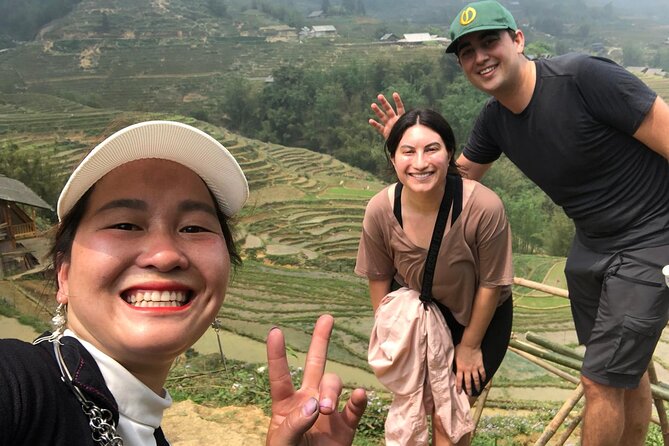
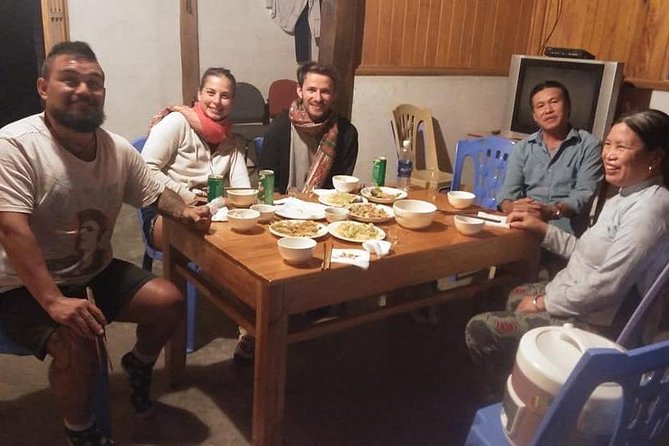
Even though the schedule details focus on trekking, the tour is clearly positioned as an ethnic homestay experience. And the inclusion of dinner twice strongly suggests you’ll have at least two evening moments tied to local hosting, not just a long hike with a quick roadside stop.
Here’s how to make the homestay portion work for you, without needing to overthink it:
- Ask practical questions early. Your guide will translate the basics, but you’ll still get more from questions like daily life, farming, and what traditional clothing means for each group.
- Be mindful with photos. If people are busy, wait. If they invite it, great—otherwise, pause and ask your guide what’s appropriate.
- Keep your pace respectful. Trekking is physical. Village time works best when you’re not rushing through conversations to reach your next photo angle.
You’ll meet Hmong on day 1 in the Lao Chai area, then shift to Red Dzao villages on day 2 and day 3 (Giang Ta Chai and Nam Tong). That progression helps you compare how different communities live with the same mountain setting. The guide’s explanations are what turn “I saw a village” into “I understand what I’m seeing.”
If you get a guide named Lang, that’s a good sign. One trek group connected with Lang and highlighted that his support made the longer 3-day plan feel memorable and manageable.
Pace, fitness level, and what to pack for Sapa trails
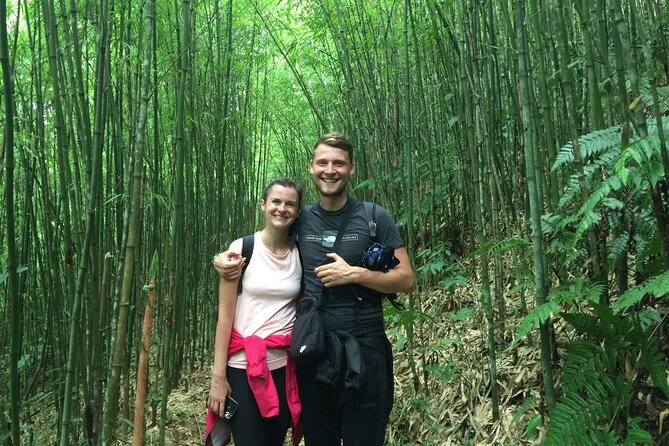
This tour is listed for travelers with moderate physical fitness. That matches the hours: day 2 alone is about 7 hours. You don’t need to be an ultra-hiker, but you do need to be comfortable walking uphill and moving over uneven paths without expecting a smooth, flat route.
What I’d plan around:
- Shoes first: proper trekking shoes or sturdy hiking boots. Day 2’s bamboo forest still has roots and uneven ground.
- Layers: mornings and evenings can feel cool even when Sapa town is warmer. Bring a light insulation layer plus a rain shell.
- Lightweight day pack: water, snacks, a small towel, and a power bank if you’re using your phone for sunrise photos.
- Rain plan: the tour requires good weather, and if conditions are poor, you may be offered a different date or a full refund.
Photo note: sunrise in Ban Ho Valley is worth preparing for. Pack warm layers you can handle standing around for a bit. Also, keep your camera or phone accessible so you’re not digging through your bag while you’re waiting for light.
Timing, group size, and how the day transitions work
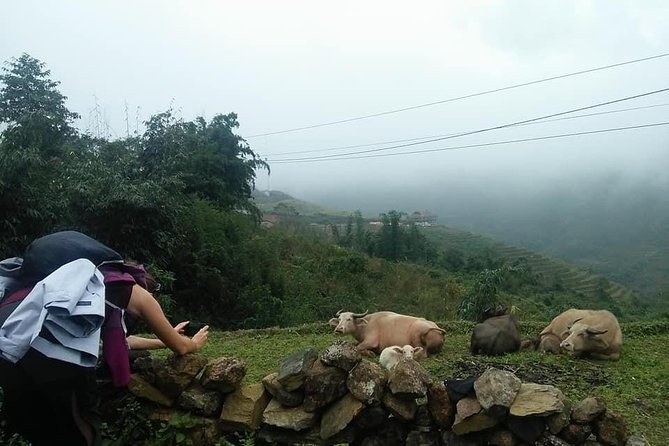
The group size max is 14 travelers. That’s small enough to feel personal, especially at village stops. It also makes it easier to follow your guide’s instructions without constant bottlenecks.
The itinerary is paced by daily transitions—pickup from Sapa Town, then village-to-village trekking, then meals that keep energy steady. You’ll get breakfast twice, lunch three times, and dinner twice, which is a big deal in a place where snacks can get pricey and the day can stretch long.
One thing to be aware of: groups on multi-day treks sometimes get mixed by trek length. It’s possible you’ll share parts of the route with people doing shorter itineraries, so your hiking pace could feel a little different at times. Don’t worry—your guide keeps the route moving—but adjust expectations for who you’re walking with each day.
Making the most of terraces and sunrise without burning out
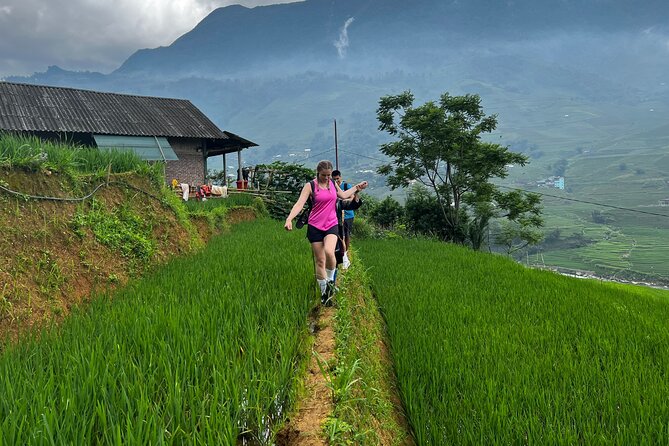
You’ll likely want to photograph:
- rice-terrace views as you move through Muong Hoa Valley
- village life along paths near Lao Chai and the Red Dzao communities
- sunrise at Ban Ho Valley on day 3
Here’s how to do it without turning the trek into a sprint:
- Walk first, shoot second. Pause where the trail naturally widens. If you stop in the middle of a narrow path, you’ll slow others and lose time.
- Use your guide as a timing tool. With an English-speaking guide, you can ask when the best light will hit an area so you’re not guessing.
- Don’t over-pack for photos. Phone + small camera is usually enough. Your legs will thank you later.
Also, accept that weather affects views. The experience is described as weather-dependent. If the day is foggy or rainy, you may still walk and learn, but photos might be less dramatic—so focus on people, questions, and the rhythm of the day.
Should you book this 3-day Muong Hoa Valley trek with homestay?
I think you should book if you want:
- a real walking itinerary (4–7 hours on trekking days) rather than short sightseeing
- structured time to meet Hmong and Red Dzao communities
- a guided experience with English support so you don’t miss the meaning behind what you see
- included meals that reduce planning stress
You might skip it if:
- you want a very relaxed walk (day 2 is long)
- you’re not comfortable with uneven mountain paths
- you need total control over exact sunrise timing or weather outcomes (this trek depends on conditions)
If you do book, plan smart: wear proper footwear, pack layers for early mornings, and be ready to trade “perfect photos” for a more human pace. For many people, that’s why a 3-day trek beats a shorter version—it gives you time to settle into the valley rather than just pass through.
FAQ
What’s the duration of the trek?
It’s scheduled for 3 days (approximately). Each day has its own hiking time, ranging from about 4 hours to 7 hours.
How much does it cost?
The price is $109.00 per person.
Is an English-speaking guide included?
Yes. The tour includes an English speaking tour guide.
What meals are included?
The tour includes 2 breakfasts, 3 lunches, and 2 dinners.
Where do I meet, and when does it start?
The meeting point is listed as 15 Tuệ Tĩnh, Sa Pa, Lào Cai, Vietnam, with a start time around 9:00 AM.
Can I cancel for a full refund?
Yes. You can cancel up to 24 hours in advance for a full refund, and the cancellation cutoff uses local time.