REVIEW · SAPA
Sapa Trekking Tour Full Day
Book on Viator →Operated by Travel New Land · Bookable on Viator
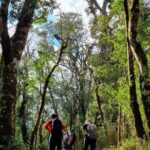
Mud meets big valley views. On this Sapa trek, small groups follow lesser-worn trails through bamboo and terraced country while an on-site H’Mông or Dao guide shares daily life and customs. I also like that the day includes lunch (plus sightseeing tickets and insurance), so you’re not scrambling for food or paperwork mid-hike. The one real catch: paths can get very muddy, so you’ll want proper footwear and a little patience on slippery descents.
The best part is the people. Each small group is led by a local guide on the ground, and the names that pop up in feedback like Ms Su, Maucha, and Mao Co (Mao Cô) are consistently described as friendly, helpful, and good at explaining what you’re seeing—especially when the trail turns chaotic after rain.
You’ll start with pickup around 8:00–8:30, leave (or use) luggage storage at the meeting point if you need it, and return to the same spot at the end. Because it’s flexible—route tweaks and optional stops based on the group’s preferences—you get a pace that fits your fitness level, not a rigid factory schedule.
In This Review
- Key moments that make this Sapa trek worth your time
- A Sapa trek that stays human-sized
- Getting there: pickup, meeting point, and what to do with luggage
- Stop 1: Y Linh Ho Village and the start of the trail culture
- Muong Hoa Valley: where the ethnic mix shapes daily life
- Lao Chải to Ta Van: rice-farming rhythm and a midday arrival
- The high-point payoff: terraced views, valley depth, and cloud hunting
- What makes the guide so important (and why names like Mao Co matter)
- Price and value: why $24.17 can feel like a deal
- The comfort checklist: what to bring for a muddy, village-day trek
- Quick FAQ for this Sapa trekking tour
- FAQ
- How long is the trek?
- What time does the tour pick you up?
- Where do I meet the group?
- Is lunch included?
- Are sightseeing tickets included?
- Is pickup and drop-off included?
- What fitness level do I need?
- Are drinks included?
- Is cancellation free?
- Should you book this Sapa trek?
Key moments that make this Sapa trek worth your time
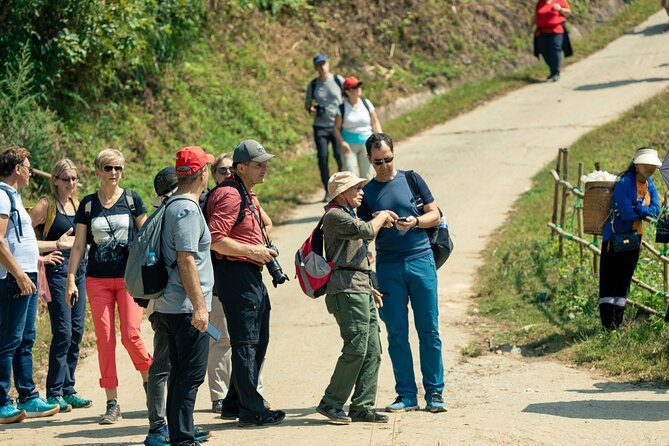
- 10–12 travelers max: small-group pace, easier photo stops, and less standing around.
- Local H’Mông or Dao guidance: you don’t just pass villages—you learn how people live and farm.
- Village-hopping in the Muong Hoa Valley: Y Linh Ho, Lao Chải, and Ta Van are the core stops.
- Panoramic view at the high point: terraced fields, Muong Hoa Valley, and the Hoàng Liên Sơn range.
- Lunch + tickets + insurance included: less hassle for the price.
- Bring gum boots in rainy season: slippery paths are part of the deal, not a surprise.
A Sapa trek that stays human-sized
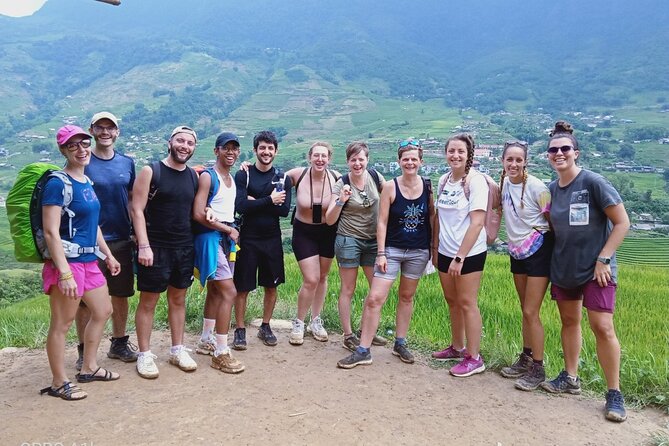
Sapa trekking can go two ways: crowded and rushed, or calm and personal. This one leans toward calm, mostly because the max group size is 12 (often smaller), and the guides can adjust the pace. That matters on a hike like this, where your “time budget” isn’t just about distance—it’s about footing, breaks, and time to talk with villagers.
I also like the way the tour is flexible. Instead of forcing everyone to march through the same exact rhythm, the route can shift with the group’s preferences and how everyone’s doing. If you want more photos, you can generally ask for extra stops. If you want fewer stops and a faster cadence, you can usually keep it moving.
Still, don’t read “flexible” as “easy.” This is a village-and-trail trek. In wet conditions, you’ll be on uneven ground with mud and slick patches.
You can also read our reviews of more hiking tours in Sapa
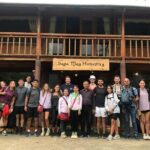
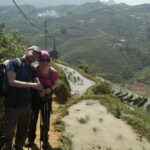
Getting there: pickup, meeting point, and what to do with luggage
The day starts with pickup from your central Sapa hotel, or you can head straight to the meeting point: Sapa Retreat Condotel, 03 Hoàng Liên, TT. Sa Pa. Pickup runs from 8:00 to 8:30, so plan to be ready a bit early—Sapa mornings can feel busier than you expect.
If you’re traveling with bags, the meeting point can work as a temporary base. The itinerary notes you can leave luggage at the hotel then head out on the trek. That’s a relief if you’re still settling into town when you book.
This tour also uses a mobile ticket, and it includes pickup/drop-off at a central hotel, which cuts out the headache of lining up taxis or figuring out where to stand.
One more practical note: the tour includes insurance and allows service animals. That’s useful clarity when you’re planning your day.
Stop 1: Y Linh Ho Village and the start of the trail culture
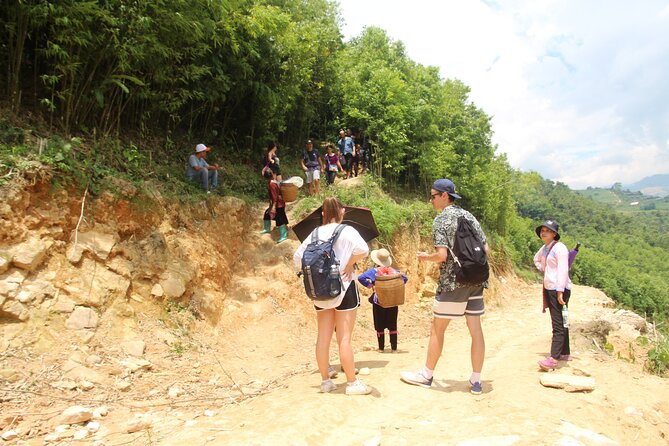
You begin with Y Linh Ho Village, and you get about two hours here, with sightseeing tickets included. This is the kind of stop that sets expectations for the rest of the hike: you’ll see how terraced country and rural life shape everyday routines.
Y Linh Ho sits right along the Muong Hoa Valley corridor, and the area is framed by the Hoàng Liên Sơn mountain range. Even if it’s cloudy when you start, you can feel how the terrain funnels views and streams into the villages.
What to watch for here: small details like how people organize around the terrain—paths, fields, and water. A good guide will point out what you’d miss if you were just walking by.
If it’s raining or misty, you’ll also want to remember: the “easy” start can still turn slick fast once you step onto trail surfaces.
Muong Hoa Valley: where the ethnic mix shapes daily life
As you move through the Muong Hoa Valley, the tour focuses on ethnic diversity you can see in clothing, daily routines, and local customs. The tour description specifically calls out ethnic communities like H’Mông, Red Dao, Tay, and Giay.
This part of the trek is valuable because it’s not only about scenery. You’re walking through a living area where communities have distinct identities. A guide who knows the local customs can explain what you’re seeing in plain terms—like how agriculture ties into village life and why certain practices show up where they do.
One itinerary highlight is passing through the valley toward Lao Chải Village, where the description mentions a small, clear stream running near the village. Even when you’re not chasing the highest view, water and fields make a walk feel real, not like a “tour path.”
Potential drawback: if the ground is wet, streams and trails can mean extra slippery banks. Go slow, and trust your guide’s pace rather than trying to match someone who’s already confident on mud.
Lao Chải to Ta Van: rice-farming rhythm and a midday arrival
From the valley passage, you reach Lao Chải Village and then, around 12:30, you arrive at Ta Van Village. Ta Van is described as home to multiple groups—H’Mông, Dao, Giáy, and Tày—and the local economy revolves around farming, livestock raising, and rice cultivation.
This is also where the day’s “conversation level” often rises. When you’re in a place like Ta Van, it’s easier to ask questions and understand how people live with the mountains. You’re not just scanning houses from the roadside; you’re walking through the logic of the land.
Lunch is included. The itinerary doesn’t spell out exactly which village serves it, but the tour is structured so that lunch happens along the route before the trek wraps up. Practically: eat-friendly shoes and a ready appetite help here. And since drinks aren’t included, budget for water separately—especially because trekking days can make you underestimate how fast you’ll get thirsty.
Reviews also back up the lunch value, with feedback calling it good and noting it was served at a village stop later in the route. So if you’re traveling on a tighter budget, this is one of the places where paying less still gets you a complete day.
A few more Sapa tours and experiences worth a look


The high-point payoff: terraced views, valley depth, and cloud hunting
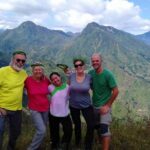
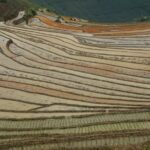
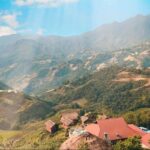
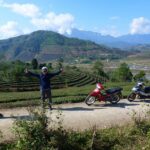
The tour includes a high point where you get panoramic views over the Muong Hoa Valley, the terraced fields, and the Hoàng Liên Sơn range. This is the part you’ll feel in your legs before you see it—because climbing toward a viewpoint is where your pace becomes important.
What makes this moment special is that Sapa’s weather can change fast. Fog and clouds can drift through the mountains, turning the view into something softer—or, if you’re lucky, giving you sharp visibility over fields stacked like steps. In rainy season especially, the “cloud hunting” factor is real: the scenery can look different from one hour to the next.
How to handle it: keep your camera accessible, but don’t stop suddenly. If the trail is wet, the best photos come from controlled stops, not last-second hops.
What makes the guide so important (and why names like Mao Co matter)
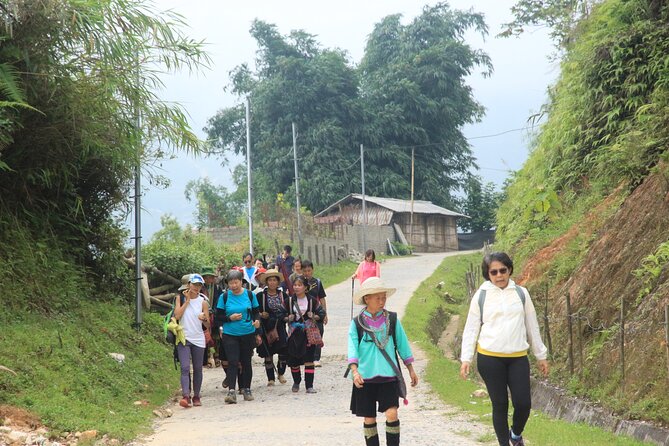
This tour isn’t led by someone who only knows the map. It’s guided by an on-site H’Mông or Dao guide, which changes the entire tone of the walk. You’ll get direction, yes, but also local explanations tied directly to what you’re seeing.
Feedback repeatedly praises guides for being genuinely helpful on the ground—especially in mud. Names that stand out include Ms Su, Maucha, and Mao Co (Mao Cô). In particular, Mao Co is described as great with English and supportive with questions and group needs. Maucha is mentioned in a less positive review where the guide seemed to pull ahead, which is a useful reminder: group dynamics matter, and you should speak up early if you need extra time at stops.
Here’s the practical takeaway for your day:
- Ask your guide what the plan is for the next leg.
- Tell them your comfort level if you’re less steady on slopes.
- Use the guide for context—your photos will look better once you understand what you’re seeing.
Price and value: why $24.17 can feel like a deal
At $24.17 per person, the standout value isn’t just the trek itself. You’re paying for a full package: a tour guide, lunch, sightseeing tickets, insurance, and pickup/drop-off at a central hotel area, with a small-group size capped at 12.
Also, this tour has a strong reputation score in the data you provided: 95% recommend it, with an overall rating of 4.8 from 65 reviews. That doesn’t guarantee perfection on every day, but it does suggest the standard of service is usually solid.
What you should not expect from the listed inclusions:
- Drinks are not included, so bring a plan for water.
- The itinerary includes tickets, but you shouldn’t assume anything extra like additional paid attractions beyond what the tour covers.
- The trek quality depends on trail conditions—mud isn’t a flaw, it’s part of the region.
If you’re comparing options in Sapa, this one tends to win when you want fewer logistics and more walking with local context.
The comfort checklist: what to bring for a muddy, village-day trek
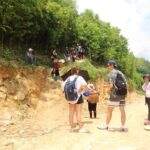
If you do one thing after reading this review, make it footwear. Multiple bits of feedback point to slippery paths after rain and the need for gum boots or similarly grippy shoes.
Here’s what I’d pack for comfort (without overbuying gear):
- Grip-first shoes (gum boots or trail shoes with real tread)
- A rain layer you can move in
- A small bag for water and snacks (since drinks aren’t included)
- Your patience. Mud makes everything slower. That’s normal.
Also, since you’re walking through villages and fields, keep your pace steady and respectful. You’re a visitor passing through someone’s daily setting, not just taking photos at a viewpoint.
Quick FAQ for this Sapa trekking tour
FAQ
How long is the trek?
The tour is listed at about 6 hours.
What time does the tour pick you up?
Pickup is scheduled between 8:00 and 8:30.
Where do I meet the group?
You can be picked up from a town center hotel, or meet at Sapa Retreat Condotel (03 Hoàng Liên, TT. Sa Pa).
Is lunch included?
Yes. Lunch is included.
Are sightseeing tickets included?
Yes. Sightseeing tickets are included.
Is pickup and drop-off included?
Yes. The tour includes pick up/drop off at a central hotel and the activity ends back at the meeting point.
What fitness level do I need?
The tour notes you should have a moderate physical fitness level.
Are drinks included?
No. Drinks are not included.
Is cancellation free?
Yes, you can cancel for a full refund up to 24 hours in advance of the experience start time.
Should you book this Sapa trek?
Book it if you want a small-group Sapa experience that focuses on walking village trails, learning from an on-site H’Mông or Dao guide, and still getting a complete day with lunch and key tickets included. It’s also a good pick for first-time Sapa trekkers because the route is flexible and can be adjusted to your pace.
Skip it (or plan to go slower and pack smarter) if you hate slippery conditions. Mud is common enough that multiple reviews specifically recommend gum boots, and a fall or slip is exactly what you want to avoid.
If you’re in Sapa for only one day and want the classic Muong Hoa Valley mix of people + views, this is a strong value choice for the money—especially when you care more about the guide’s context than checking a box.