REVIEW · SAPA
Full Day Trekking in Sapa
Book on Viator →Operated by Trekking local villages and rice fields in Sapa · Bookable on Viator
Rice fields and village life start at 8.
This is a private Sapa trekking day you can shape to your group, with the plan made in advance by your guide (often via WhatsApp) so the route matches your pace and interests. I like that Thào Thikhu builds options for different difficulty levels and can steer you toward the more common scenery or the less-touristy paths, while chatting in clear English as you walk.
My favorite parts are the Lao Chai/Loa Chai village trekking plus the meals shared along the way, with a home-cooked lunch break mid-route. My only real caution: the day runs on footpaths that can be uneven, and Sapa weather can shift quickly, so expect that mist or rain may change what you see from the viewpoints.
In This Review
- Key highlights you’ll feel on this trek
- Why this Sapa trek feels local from the first pickup
- 8:00 a.m. start: Sapa town to the village trails
- Lao Chai/Loa Chai rice fields: what you’ll actually see
- Animals, crafts, and family farms along the way
- Lunch at a local home: the pause that makes the day
- Picking the right difficulty so you don’t suffer unnecessarily
- Weather, pace, and the gear choices that matter
- Price and value: what $24 buys you in Sapa
- Should you book this Full Day Trekking in Sapa tour?
- FAQ
- How long is the Full Day Trekking in Sapa?
- What time does the tour start?
- Is pickup included?
- Is this tour private?
- Can I choose the trekking difficulty?
- What happens if the weather is bad?
Key highlights you’ll feel on this trek
- Custom routes by your guide: easy to hard options, planned ahead so you don’t get stuck with the wrong pace
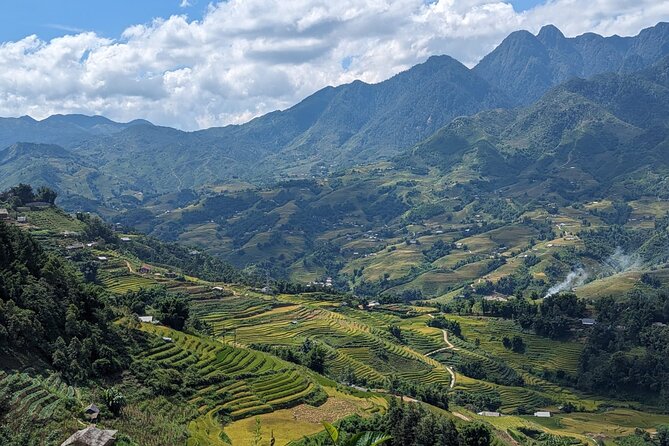
- Rice fields up close: trekking through the Sapa rice landscapes in the Lao Chai/Loa Chai area
- Wildlife along the trail: buffalo, chickens, ducks, and pigs show up in daily farm life
- A lunch stop at a local home: fuel plus cultural context, not a generic meal stop
- English + local stories: guides like Thào Thikhu and Khu explain what you’re seeing as you go
- Private group only: your group stays together the whole time
Why this Sapa trek feels local from the first pickup
Sapa can be tour-heavy, fast. What I like about this full-day trek is that it starts with a local relationship, not a bus drop-off and a map. You’ll be picked up from your hotel or meeting point, and your guide sets the tone right away—talking about what you want to see and how much time you want to spend on the climbs.
The guide also matters. In this experience, you may trek with Thào Thikhu (who’s known for arranging different difficulty routes) or Khu (praised for English, humor, and making the day flow even when clouds roll in). Either way, you’re not just following someone’s watch—you’re learning how locals live with the mountains as part of the calendar.
You’ll spend your day moving from Sapa town into more rural areas where daily work and small-scale farming shape the scenery. That’s also why the sights feel real: rice plots, animal pens, and family-run spaces are part of the walk, not staged photo stops.
You can also read our reviews of more hiking tours in Sapa
8:00 a.m. start: Sapa town to the village trails
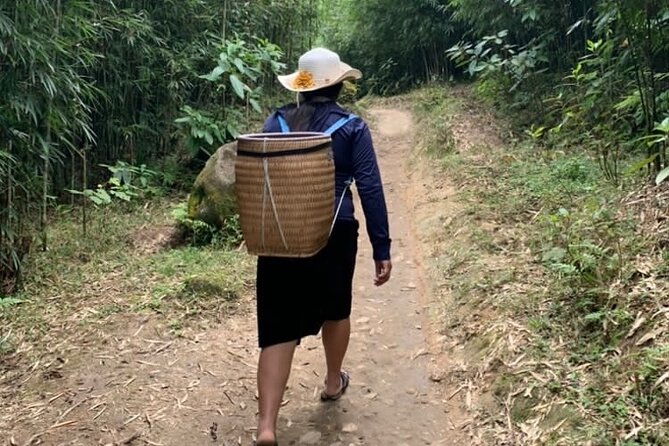
The tour begins at 8:00 am, and it’s designed as a loop trek that returns you to your hotel at the end. The timing is helpful because you’re already in motion before the day gets loud and crowded around town.
In the morning, expect the route to guide you from Sapa’s main area toward the village zones your guide knows well. The goal isn’t to “check boxes.” It’s to get you out to the places where the mountain farming rhythm shows up: rice fields, narrow footpaths, and the kind of small farm buildings you wouldn’t notice if you stayed on main roads.
A practical thing to plan for: the trek is about 6 hours total (approx.), so it’s not a short stroll. Even if you choose an easier route, you’ll still be walking consistently. If you’ve come to Sapa for a relaxed day, you’ll want to pick the easiest option your guide offers—or you’ll spend more energy watching your footing than enjoying the views.
Lao Chai/Loa Chai rice fields: what you’ll actually see
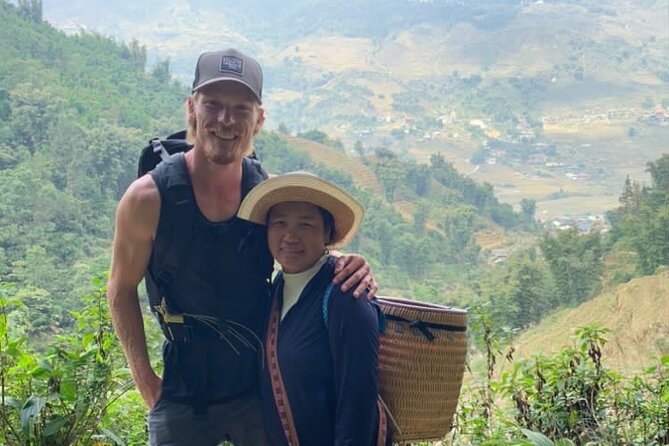
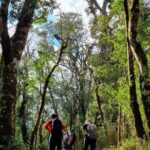
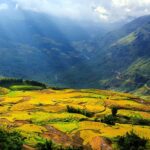
The centerpiece is the rice-field trekking around Lao Chai/Loa Chai. You’re not just looking at fields from a distance. You’ll walk through them, in the same pattern a lot of local life follows—paths that cut between plots and small water channels that keep the whole system working.
This is also where seasonal timing can matter. One guide-style explanation you’ll likely hear is how rice is grown and timed to the harvest cycle. If it’s harvest season, the fields feel especially active; if not, you still get the layout and the daily routines that keep the farms going.
And yes, visibility plays a role. On misty or cloudy days, the mountains and valley can disappear. But guides like Khu have a way of turning that into a different kind of experience—focusing on what you can see up close (rice plots, farm paths, village life) instead of only chasing faraway viewpoints.
Animals, crafts, and family farms along the way
One of the most memorable parts of this trek is how it mixes scenery with farm reality. On the route, you might see buffalo, plus smaller animals like chickens, ducks, and pigs—the kind of everyday presence that makes the walk feel like you’re passing through a working place, not a museum set.
You may also encounter local craft moments. The tour includes the chance to watch and purchase local handmade goods. Think small shop stops or on-route opportunities connected to village life, not big factory stores. It’s a good way to take something home that isn’t a generic souvenir with a label slapped on.
This is also where choosing your difficulty level becomes more than just “easy vs hard.” Depending on the route, you may spend more time in fields and family areas, or you may walk through stretches that get more physically demanding. Your guide can adjust what you see—so if you care most about village culture or wildlife, tell them early.
Lunch at a local home: the pause that makes the day
Midway through the day, you’ll stop for lunch at a friend’s house or the guide’s home area—described as a delicious, home-cooked meal. This is more than a break to eat. It’s a moment to sit, recover your energy, and hear the day explained in a more personal way.
In particular, guides like Khu are praised for how carefully they handle this part of the day. When the trail gets rougher, the lunch stop becomes the “reset button” that helps you keep going without feeling rushed.
Practical tip: treat lunch as part of the trek. You’re likely to walk for a few hours after. If you’re sensitive to spicy food, let your guide know before the meal, and you’ll have a better shot at a comfortable experience.
A few more Sapa tours and experiences worth a look
Picking the right difficulty so you don’t suffer unnecessarily
The tour is described as infinitely customizable, with options for very easy through more challenging treks. That’s a big deal in Sapa, because the weather, trail conditions, and your group’s comfort levels can vary a lot from day to day.
Here’s how I’d choose:
- If your group includes kids, older travelers, or anyone who doesn’t like uneven ground, pick the easiest route your guide recommends. You’ll still get rice fields and village life—just with less grinding terrain.
- If you like a challenge and your legs are ready, choose a harder option and let your guide steer the route. Reviews highlight that guides can help you manage tougher segments and keep the day safe and steady.
Also, be honest about what you mean by “hard.” Some people mean steep slopes. Others mean long walking time. This tour gives you room to match the day to your definition, because your guide can shift direction and route content.
Weather, pace, and the gear choices that matter

Sapa’s weather can change without asking permission. The tour notes that it needs good weather, and if conditions are poor, you’ll be offered a different date or a full refund. That’s not a gimmick—it’s part of why you should plan clothing that works even if you get mist.
Pack for footpath conditions, not just temperature:
- Good grip shoes are non-negotiable on uneven ground.
- Bring a light rain layer in case fog turns into drizzle.
- If you get cold easily, wear layers so you can adjust when you stop for lunch or when clouds roll in.
Pace-wise, you’re walking for about six hours. Your guide will manage the day with a human rhythm: stops for views, moments to talk, and time to keep moving so you don’t burn out early.
Price and value: what $24 buys you in Sapa
At $24, this trek is one of those prices that makes you ask, what’s included beyond the walk. Here’s the value logic: you’re paying for a local guide’s time, local knowledge, and access to farm-and-village paths you probably wouldn’t find on your own.
The tour also stacks value through:
- Pickup from your hotel or meeting point
- A route that aims to show daily Sapa life, including rice fields and farm animals
- A lunch stop at a local home
- A private group setup, so you’re not stuck behind a crowd
- Communication that can be smooth, since guides have learned to speak English well for exchanging stories
If you’re comparing against the more “viewpoint-only” Sapa day tours, the difference is clear: this trek spends your day on how people actually live, cook, farm, and sell small crafts—rather than only where buses pull over.
And because it’s customizable, that $24 isn’t locked into one style of day. You can aim for easier walking and more village time, or a tougher trail if your group wants it.
Should you book this Full Day Trekking in Sapa tour?
Book it if you want a Sapa day that’s built around real villages, rice fields you can walk through, and a guide who adjusts the trek to your group. It’s a great fit for couples, friends, and small groups who enjoy chatting while they walk, and for anyone who likes the idea of stopping for a local meal instead of hunting for lunch.
Don’t book it if your group needs a strictly flat, easy walk with guaranteed clear mountain views. Weather can shift, and the trails aren’t described as smooth sidewalks. If anyone in your party has limited mobility or doesn’t do well with uneven terrain, choose the easiest difficulty right away.
My final advice: send your guide a clear note about what you want most—rice fields, wildlife, culture, crafts, or a tougher trek. With Thào Thikhu or Khu, the day is designed to fit your preferences, not just the calendar.
FAQ
How long is the Full Day Trekking in Sapa?
It’s about 6 hours (approx.).
What time does the tour start?
The start time is 8:00 am.
Is pickup included?
Pickup is offered from your hotel or meeting point.
Is this tour private?
Yes. It’s described as a private tour/activity, so only your group participates.
Can I choose the trekking difficulty?
Yes. The experience is customizable, and the guide can plan routes for different levels, from very easy to more challenging.
What happens if the weather is bad?
The tour requires good weather. If it’s canceled due to poor weather, you’ll be offered a different date or a full refund.