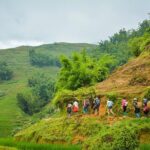
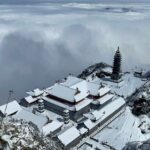
Mountain views and village steps, all in one day. This Sapa Hidden Trail trek runs from Dragon Jaw Mountain through H’Mong and Dao communities, with a local guide and lunch built into the day. I like that it mixes big viewpoints with real human stories, not just photo stops.
I also really like the way the guides pace the hike. People shared that guides like Nhu and Zo stayed patient on steep sections, answered questions clearly, and kept the day moving without rushing you.
One thing to think about: this is not a casual stroll. Expect steep inclines, uneven footing, and sometimes mud, and in wet months the clouds can hide the valley views.
In This Review
- Quick hits before you lace up
- Why this Hidden Trail feels worth $35
- Meeting at 9:00am: how your day actually starts
- Dragon Jaw Mountain (Ham Rong): the view you climb for
- Hang Da Village: rocks, panorama, and H’Mong life
- Bamboo trails and village roads on the way down
- Giang Ta Chai Village and its small museum
- Lunch and bottled water: included, but keep expectations realistic
- How hard is it: steps, mud, and weather in Sapa
- Quick gear mindset (based on what the trail can do)
- Guides who turn walking into stories (Nhu, Zo, Jacob and more)
- Price and logistics: what’s included, what you handle
- Who should book this trek in Sapa
- Should you book the Sapa Hidden Trail Trek 1 Day?
- FAQ
- What time does the Sapa Hidden Trail Trek start?
- Where can the guide meet me if I’m not staying near the center?
- How long is the trek?
- What’s included in the price, and what’s not?
- Is this trek suitable for beginners?
- What is the cancellation policy?
Quick hits before you lace up
- Dragon Jaw Mountain views with a proper uphill climb (and the best photo moments)
- Hang Da Village rock formations and H’Mong culture in a dramatic setting
- Bamboo forest trail sections plus village roads that feel local, not touristy
- Giang Ta Chai village museum where you can learn about traditional clothing and custom
- Local lunch + bottled water included so you’re not juggling meals mid-trek
- Guide flexibility reported by hikers who needed a slower or easier route
Why this Hidden Trail feels worth $35
At $35 per person, this trek is priced like a true budget-day in Sapa, but it includes the stuff that usually costs extra: a local guide, village entry fees, lunch, bottled water, and transportation back to town. That’s the heart of the value. You’re paying for a guided, structured route rather than only a scenic walk.
The big reason I’d choose this over a do-it-yourself hike is guidance. When you’re walking in mountain terrain with village paths, it’s useful to have someone who knows where to go and how to interpret what you’re seeing—especially around the H’Mong and Dao communities.
You can also read our reviews of more hiking tours in Sapa
Meeting at 9:00am: how your day actually starts
The day begins around 9:00am, with a guide picking you up at your hotel in Sapa or meeting you at Sapa Church if that’s easier. After pickup, you get a quick briefing on how the day will work.
This early start matters. You’re more likely to catch clearer mountain light before clouds thicken. It also helps keep the day from turning into a scramble, because the trek includes both uphill climbs and downhill walking to reach the villages.
If you want a calmer Sapa schedule, this is a solid “one and done” plan. You’re back in town afterward, instead of committing to a full-day trek that eats your evening.
Dragon Jaw Mountain (Ham Rong): the view you climb for
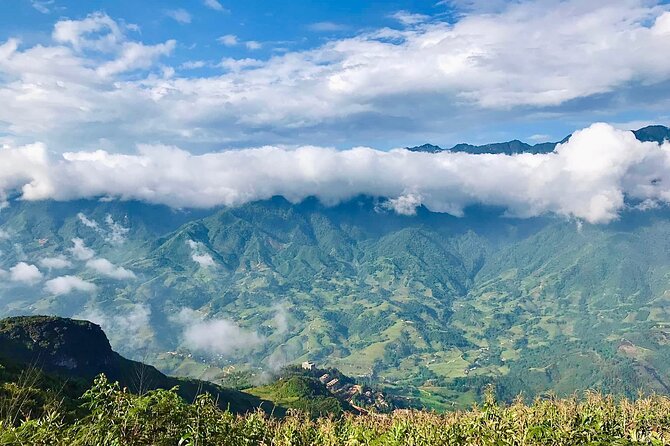
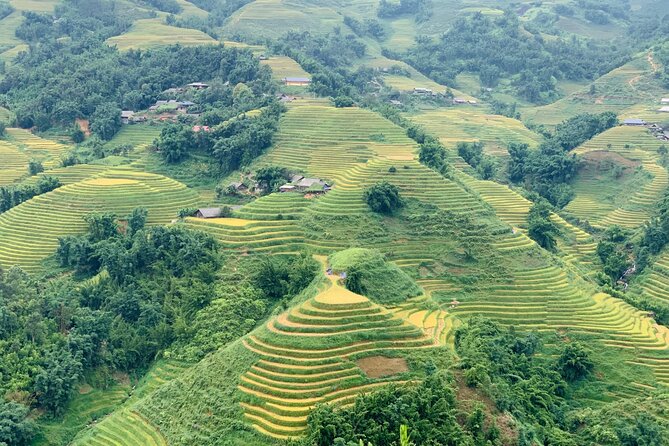
The first major stop is Ham Rong Mountain, also associated in Sapa with the famed viewpoints often described as Dragon Jaw Mountain. This is the part where the route earns its reputation.
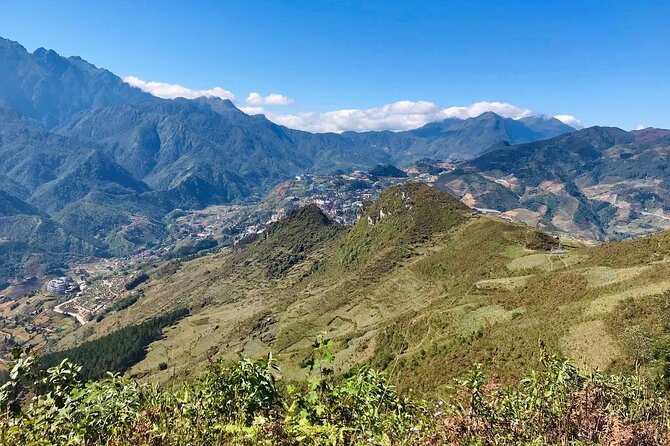
The walk includes uphill sections with step-like inclines and uneven ground. Several hikers called out the terrain as challenging enough to be a real workout, not a gentle warm-up. If you’re visiting Sapa for the first time, this is where you get oriented: from above, you can start to understand how the town and the Muong Hoa valley fit together.
Tip from people who know the trail: plan for your legs to feel it. Even if you’re generally active, this is not the kind of hike where you can coast the whole way.
Hang Da Village: rocks, panorama, and H’Mong life
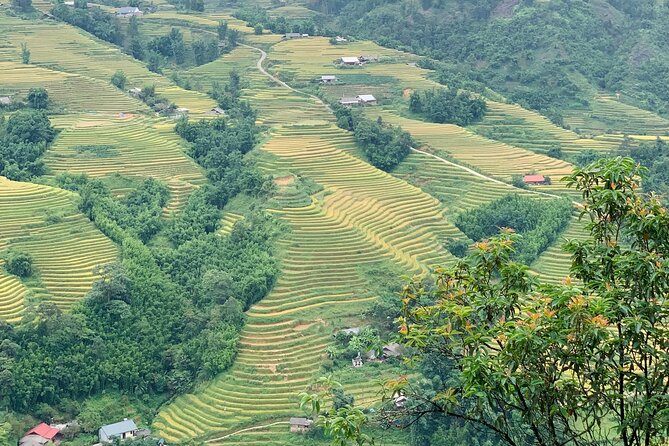
Next up is Hang Da Village, a place known for its natural setting and H’Mong culture. A standout detail here is the way you can look out from Hang Da toward the wider Sapa panorama.
This is also a cultural stop, not just scenery. Guides often explain what you’re seeing—life, traditions, and what different parts of the route mean to the communities living around these ridges and valleys. People specifically mentioned guides who shared stories and answered questions in a way that made the village feel understandable rather than like a checklist.
In practice, you’ll want to slow down here and take your time. The value of Hang Da isn’t only the views. It’s the chance to connect those views to everyday village life.
Bamboo trails and village roads on the way down
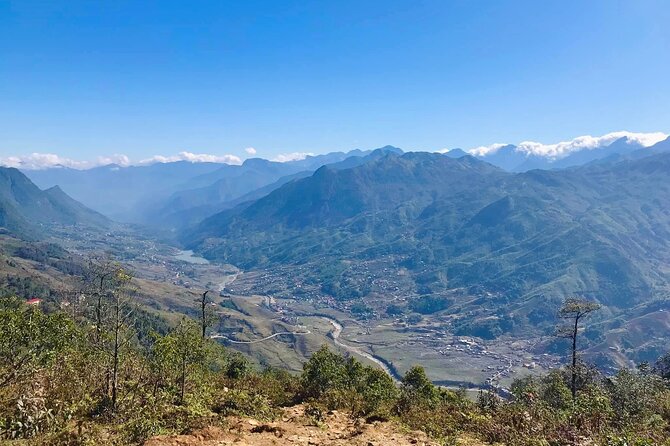
After lunch, the trek keeps moving toward Hau Chu Ngai village area, with walking that often includes village roads and short bamboo forest trail sections.
This part of the hike is important because it changes your experience. Instead of constant uphill effort, you get more downhill and uneven walking that can feel slick—especially after rain. One review called out that the trek can be muddy, and that was framed as part of the adventure for the right kind of traveler.
If your group includes anyone newer to hiking, this is where a good guide earns their pay. Several hikers described guides adjusting the route or allowing a slower pace so everyone could keep going without turning the day into a test.
A few more Sapa tours and experiences worth a look

Giang Ta Chai Village and its small museum
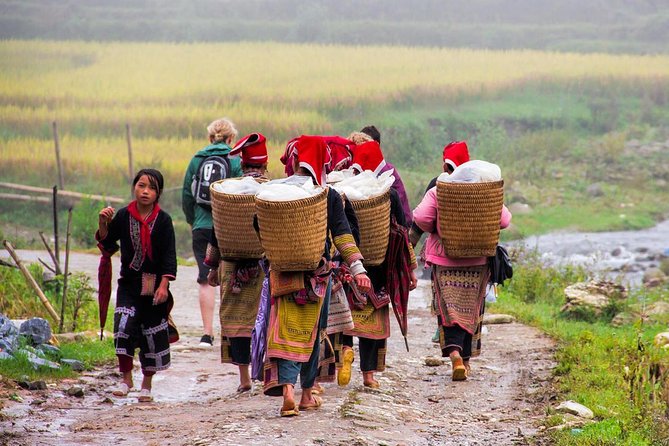
You’ll finish with a visit to Giang Ta Chai Village, associated with communities including Black H’Mong and Dao people. This stop is one of the most “learn something real” portions of the day.
You visit a small museum, and your guide explains traditional clothing and local custom. If you like cultural context that you can actually carry home, this is the part that delivers it. It’s not just watching—there’s interpretation, and it helps you notice details on the trail you might otherwise miss.
Time here is shorter than some other stops, so it helps to come curious. Ask questions. Even simple ones about clothing, daily life, or why certain paths are used can turn the museum visit into a memorable moment.
Lunch and bottled water: included, but keep expectations realistic
Lunch is included, along with bottled water. That’s a big plus because it removes one of the most annoying parts of trekking in a tourist area—you don’t have to hunt for food while your legs are already tired.
That said, one piece of feedback to keep in mind: the lunch experience can be basic. One hiker expected a home-cooked style meal and instead got something more like a small restaurant stop, and they found the food bland. So if you’re picky about flavor or you love spicy food, you might want to mentally prepare for “good enough fuel,” not gourmet.
Still, other hikers praised the local village lunch as tasty, so it’s likely solid overall—just not something to plan your taste buds around.
How hard is it: steps, mud, and weather in Sapa
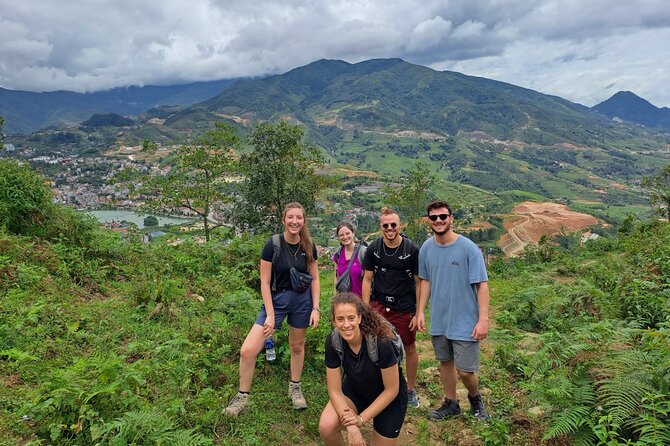
This trek is best for people with at least moderate physical fitness. The terrain is uneven and includes lots of steps and uphill climbing. Multiple hikers estimated around 6–7 hours of straight walking time, even though the tour duration is listed as roughly 5–6 hours. Translation: the day is longer than you’ll think when you’re counting only the calendar hours.
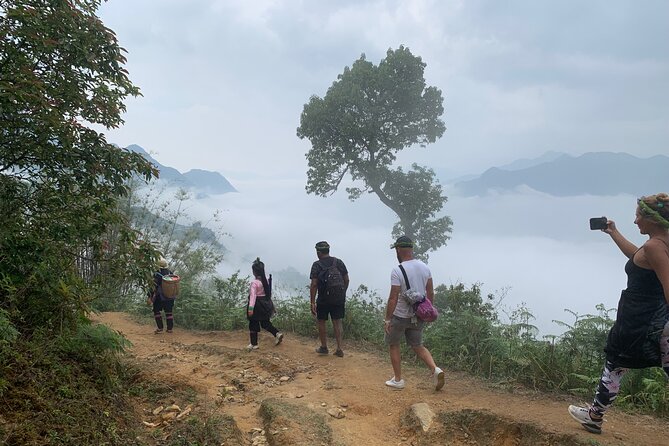
Also watch the weather. In wet season conditions, you may get cloud cover that hides the valley views after you climb. One review specifically noted that in June there can be lots of rain and visibility can be poor once the route hits higher points.
If you’re going during a rainy week, bring patience. The hike can still be beautiful, but it might look more like mist-and-moss than postcard panoramas.
Quick gear mindset (based on what the trail can do)
Since people mentioned mud and uneven surfaces, think in terms of stable footing. If you normally use hiking poles, they may help on steep bits—one review even suggested poles for hikers over 40.
Guides who turn walking into stories (Nhu, Zo, Jacob and more)
What really lifts this trek is the guide quality. Several hikers singled out guides by name, especially Nhu, Zo, Jacob, TJ, Pheng(Phenh), Chu, Fin, Keyni, and Paine.
Here’s what stood out about them in real terms:
- They explained what you were seeing along the trail, not just the schedule.
- Many were reported to be patient on steep sections and supportive if someone needed extra time.
- Some guides had strong English and could answer cultural questions clearly.
- One hiker mentioned the guide helping them switch to an easier route when needed, which is a huge deal if you’re traveling with mixed fitness levels.
If you want to learn while you walk, this is the kind of trek where your guide can make the difference between just photos and real understanding.
Price and logistics: what’s included, what you handle
This is $35 per person, and it includes:
- Local guide
- Village entry fees
- Lunch
- Bottled water
- Transportation back to town
Not included:
- Tips
- Personal expenses including insurance
It also runs as a private tour/activity, meaning it’s only your group. That matters because pacing, breaks, and questions tend to go smoother when the guide isn’t balancing too many people.
If you like to keep decisions flexible, cancellation is free up to 24 hours in advance for a full refund, with the cutoff based on local time.
Who should book this trek in Sapa
Book it if you want:
- A short, guided mountain day that still feels like a real trek
- To see multiple villages, not just one photo stop
- A route where culture and explanations are part of the value
- Views from above that make Sapa’s valley geography click
Consider skipping or swapping to an easier option if you:
- Hate uneven footing or can’t handle long uphill segments
- Are visiting during a very rainy stretch and you’re only chasing clear panoramas
- Expect a gentle, flat walk. This one is built with steps and climbs.
Should you book the Sapa Hidden Trail Trek 1 Day?
If you’re deciding between staying in Sapa town all day and getting out into the Muong Hoa valley terrain, I’d lean toward booking. For the money, you get the key ingredients: a guide, village access, lunch, and a structured route that hits viewpoints plus cultural stops.
Just go in with the right expectations. This is a hike. You’ll likely earn your views with uphill effort, and conditions can get muddy. If you show up ready to walk and ask questions, this trek delivers the kind of Sapa day that feels real: mountain air, village life, and stories you can’t get from a bus window.
FAQ
What time does the Sapa Hidden Trail Trek start?
The trek starts at 9:00am. Your guide will pick you up at your hotel in Sapa, or meet you at Sapa Church.
Where can the guide meet me if I’m not staying near the center?
You can meet at Sapa Church, or your guide can pick you up from your hotel in Sapa.
How long is the trek?
It’s listed as about 5 to 6 hours total, depending on conditions and pace.
What’s included in the price, and what’s not?
Included: bottled water, villages entry fees, local guide, lunch, and transportation back to town. Not included: tips and personal expenses including insurance.
Is this trek suitable for beginners?
It’s intended for travelers with at least moderate physical fitness. The terrain includes steep inclines and uneven surfaces, and it can be muddy.
What is the cancellation policy?
You can cancel up to 24 hours in advance for a full refund. If you cancel less than 24 hours before the experience starts, the amount paid isn’t refunded.