REVIEW · HO CHI MINH CITY
Ho Chi Minh: Cu Chi Tunnels tour halfday private with lunch
Book on GetYourGuide →Operated by A Travel Mate Co. Ltd · Bookable on GetYourGuide
Cu Chi tunnels make Vietnam’s war history real fast. You’ll start with a smooth countryside ride, then spend real time inside the Cu Chi tunnel maze, where the design choices feel practical and chilling at the same time. I especially like how you also get the aboveground context with B52 bomb craters nearby, so the story doesn’t stay underground.
Two things I’d highlight: the tours I’ve seen described are run as a small group, and the guides bring the material to life with real care. Names like Tommy, Jack, and David come up for a reason—warm welcome, clear explanations, and a pace that can be adjusted when you need it. One possible drawback: the schedule can feel quick, and the walking in tunnel areas may be more tiring than you expect, especially if you’re a slower mover.
Key highlights to look for
- 250+ km tunnel network with multiple levels, trap areas, and hidden living spaces
- Intro video before you go in, so you understand what you’re seeing
- Mantraps, tank remains, and bombing craters that connect the underground to the fighting
- English-speaking guide to translate history into something you can picture
- Optional rifle-range experience nearby (AK47 or MK16) if you want a hands-on add-on
- Lunch with set menu plus a drink (beer or soft drink) after the tour
In This Review
- Why Cu Chi Tunnels Hit Hard (And What You’ll Actually See)
- The Ho Chi Minh City Countryside Drive: Rubber Forest to Cu Chi
- Inside the Tunnel Maze: Video, Mantraps, and Three-Level Life
- B52 Bomb Craters and the War’s Physical Scars Aboveground
- Optional Rifle Range Add-On: AK47 or MK16 Shooting Experience
- Lunch After the Tunnels: Set Menu, Beer or Soft Drink
- Price and What Makes This Tour Feel Worth It
- Small-Group Guides and Comfort: Tommy, Jack, and David’s Style
- Practical Tips for Visiting Cu Chi Without Wiping Out
- Who This Tour Fits Best
- Should You Book This Cu Chi Tunnels Half-Day Tour?
- FAQ
- How long is the Cu Chi Tunnels half-day tour?
- What time is pickup from Ho Chi Minh City?
- What happens when we arrive at Cu Chi?
- Is lunch included, and what does it include?
- What is included in the tour price besides lunch?
- Can I cancel for free?
- Is there an option to shoot a rifle?
Why Cu Chi Tunnels Hit Hard (And What You’ll Actually See)

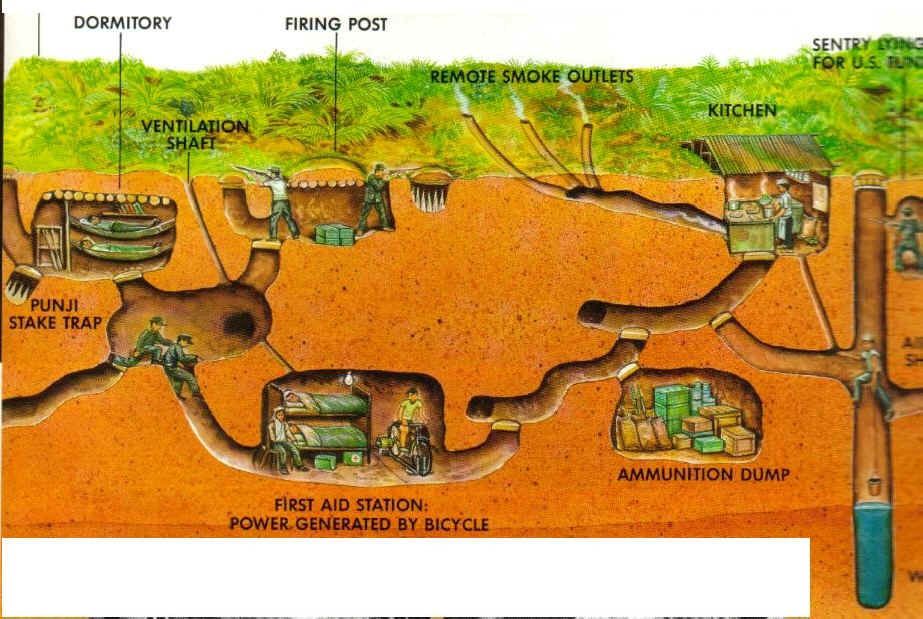
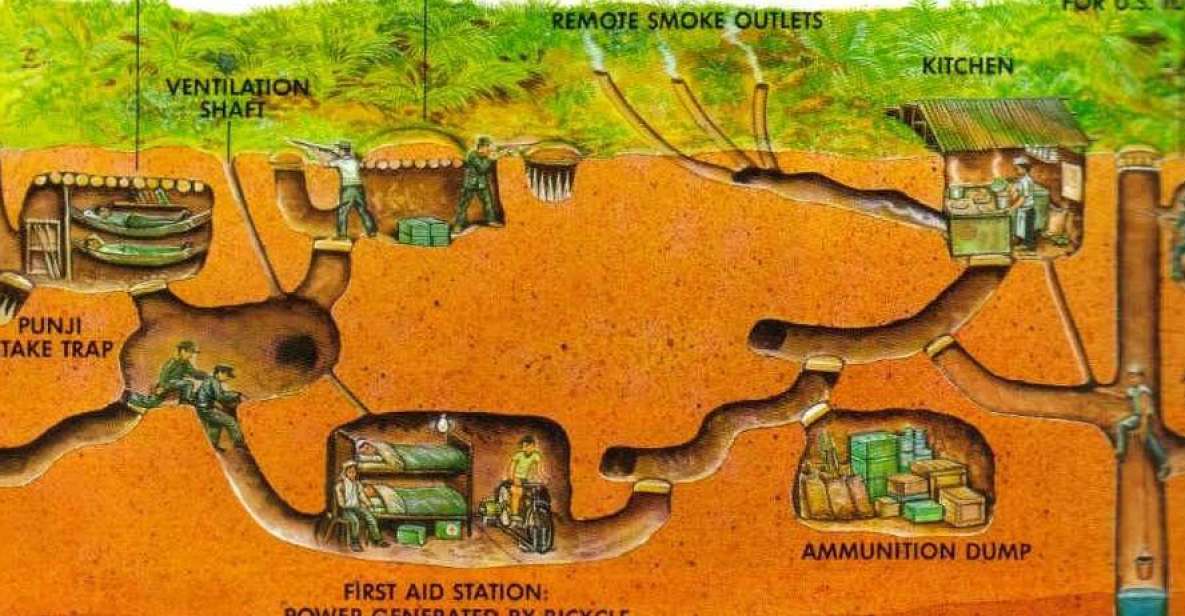
The Cu Chi tunnels are more than a photo stop. This is a real underground system built to help people survive and operate under extreme pressure during the American–Vietnamese War. The scale is the first jaw-drop moment: at the height of the conflict, the network stretched for more than 250 kilometers, linking areas from Saigon toward the Cambodian border, and running three levels deep.
What makes the experience especially compelling is that you’re not just hearing about tunnels. You’re learning how the tunnels worked like a whole infrastructure: trap doors, living areas, storage spaces, weapons factories, field hospitals, command centers, and kitchens. When you understand that, the physical tightness of the underground maze stops being abstract. It becomes functional—built for protection, stealth, and getting tasks done even when the surface was lethal.
Just know the tone here is serious. Some parts will feel uncomfortable if you’re expecting a casual adventure. That’s also the point. You’re visiting places shaped by war, not a theme park.
The Ho Chi Minh City Countryside Drive: Rubber Forest to Cu Chi
Your tour day begins with pickup in Ho Chi Minh City around 08:00–08:30, then you head out about a 1 hour 45 minute drive to Cu Chi. The route is part of the value. Instead of bouncing straight from city noise into a historical site, you get time to reset and watch southern Vietnam turn from streets into countryside.
The drive goes through pleasant rural scenery and rubber forest. For many people, that makes the later “underground life” experience feel more grounded. When you’re no longer surrounded by tall buildings, it’s easier to imagine how remote and dangerous the tunnel system had to be to function.
You’ll be traveling in an air-conditioned car or van, which matters because Cu Chi can feel hotter and more humid than you’d expect. Taking the comfort into the morning helps you arrive with less stress and more energy for the walking.
You can also read our reviews of more private tours in Ho Chi Minh City



Inside the Tunnel Maze: Video, Mantraps, and Three-Level Life
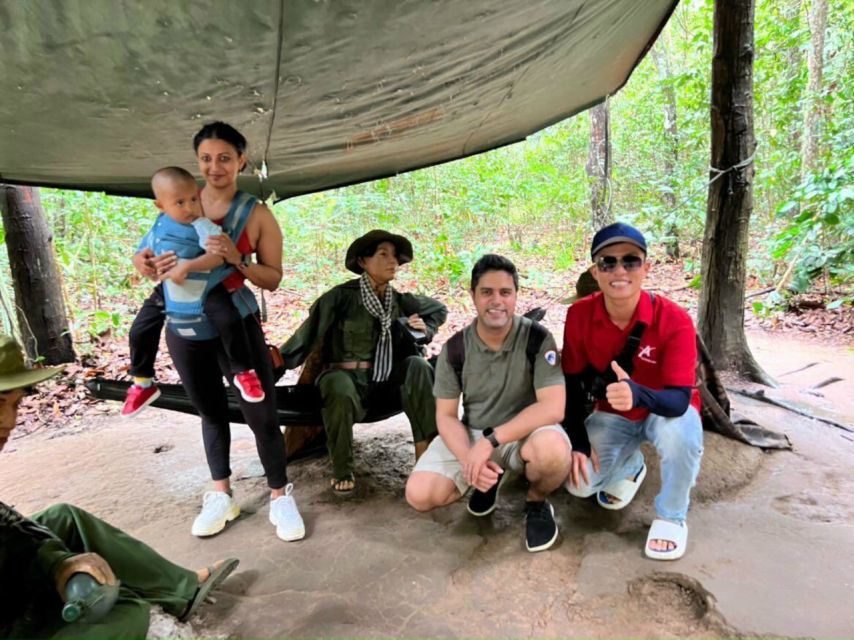
Once you arrive, you start with a short introductory video that explains how the tunnels were constructed in a way that’s meant for visitors. That’s a smart start. Without that, you’d spend the next hour mainly reacting to tight passages and unclear layouts. With it, you can connect the design choices to survival tactics.
Then you move into the tunnel exploration for about one hour, following the maze with your guide. The tour description emphasizes several specific elements you’ll encounter: mantraps, parts of an American tank on display, and the layout remains that help you understand the “how” behind the “why.”
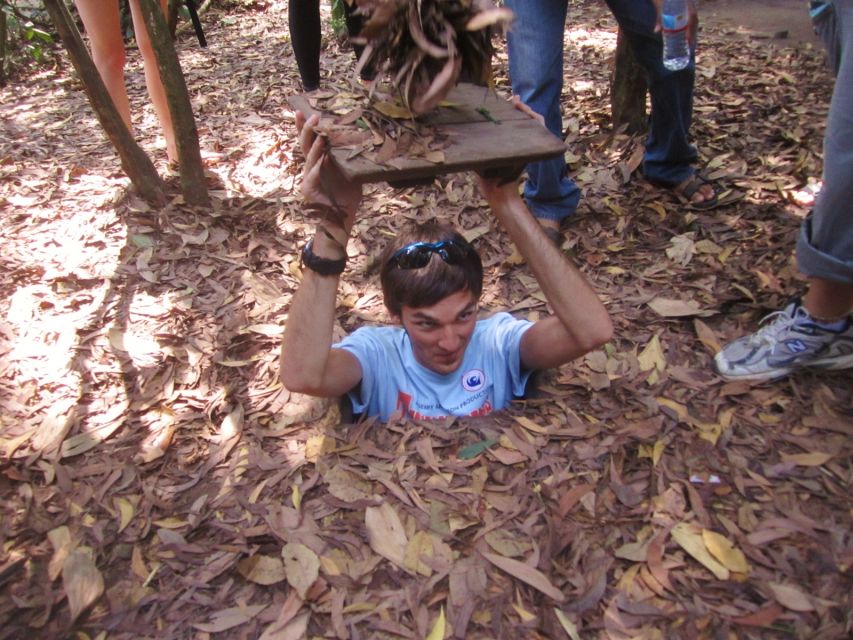
A key detail for first-timers: the tunnels available for tourists have been widened for visitor use. That doesn’t remove the challenge or the reality of the setting, but it does mean you’re not trying to crawl in the exact same conditions used during wartime. Still, you should expect cramped spaces and uneven walking in areas designed to show what the system was like.
If you’re the type who likes to connect the dots, pay attention to how the guide frames what you’re seeing. The tunnels weren’t built as a single long corridor. They were a network. And the network included areas for everyday functions—storage, food prep, medical care, command activity. That’s one reason the story feels more human than strictly military.
B52 Bomb Craters and the War’s Physical Scars Aboveground
After you understand the underground side, you’ll see the war’s surface impact too. One of the standout features is viewing bomb craters left from B52 bombing raids—specifically from 500-pound bombs.
This part matters because it shows how the environment around the tunnels was shaped by attack. It’s easy to talk about tunnels as if they were separate from the battlefield. Craters bring the connection back. You get a sense of why the underground approach wasn’t optional.
You’ll also see the remains of an American tank during the tunnel area visit. That kind of artifact can feel stark, but it adds a concrete anchor. It helps you picture the reality behind the stories instead of treating the war as distant textbook information.
If you’re sensitive to heavy history, this is where you’ll feel it most. I’d approach these stops with a calm mindset. Let the visuals do their job. You don’t need to force a reaction.
Optional Rifle Range Add-On: AK47 or MK16 Shooting Experience
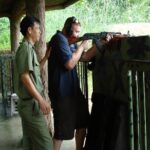
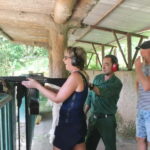
One of the “only if you want it” options is an opportunity to fire rounds at a nearby rifle range using AK47 or MK16. This is mentioned as an activity connected to the tour, but the details (like any added cost or how it’s timed) aren’t spelled out in the provided info.
My practical advice: if you’re interested, ask your guide as early as possible after the tunnels portion starts. That way you can decide without feeling rushed at the end. Also think about logistics—if you plan to shoot, you’ll want to stay flexible about timing and follow any instructions carefully.
This add-on can shift the feel of the day from historical and reflective to hands-on and adrenaline-tinged. If that’s not your style, you can simply enjoy the tunnel and crater portions without adding it.
Lunch After the Tunnels: Set Menu, Beer or Soft Drink
By the time you finish the main site, the tour is scheduled to end around 14:00. Then you’ll have lunch with a set menu. Lunch is included, along with one bottle of water per person.
A nice touch is the included drink: you get one beer or one soft drink with your meal. That matters because a long morning of walking and heat can make food feel like survival in a good way. You’re not left hunting for lunch right after a history-heavy visit—you get a planned meal and a chance to slow down.
If you like getting out of the city for a different pace of life, this is one of those quiet wins. A proper meal after Cu Chi helps the day feel complete instead of like a quick history errand.
A few more Ho Chi Minh City tours and experiences worth a look





Price and What Makes This Tour Feel Worth It

The price is $126 per person for a half-day private tour that runs about 6 hours. At first glance, that may sound like a lot—until you break down what you’re actually getting.
Included in the cost:
- Air-conditioned transport from your Ho Chi Minh City hotel area
- English-speaking guide
- Entrance fees
- Lunch (set menu)
- Beverage (beer or soft drink)
- Water (one bottle per person)
Here’s the value equation I’d use: DIY to Cu Chi can quickly become a mess of transport, timing, and ticketing. When a guide adds context—what to look for, why certain areas matter—you’re paying for translation, pacing, and meaning. Add in lunch and transport and the price starts to make sense for a comfortable, low-friction day.
If you’re traveling with people who enjoy history but don’t want to spend time figuring out logistics, this cost can feel fair. If you’re a super flexible traveler who’s comfortable organizing everything yourself and doesn’t need guide context, then you might find cheaper options. But for many visitors, paying for a guided half-day with lunch is the stress-free route.
Small-Group Guides and Comfort: Tommy, Jack, and David’s Style
The reviews that come with this kind of tour tend to focus on one theme: how the guide runs the day. Names like Tommy, Jack, and David show up for a reason.
What you can take from that as a traveler:
- Guides who explain both “before and after” war help you connect the dots from conflict to daily life.
- Warm, welcoming service makes a difference when you’re stepping into a heavy subject.
- A tour that runs like clockwork feels less tiring, because you’re not waiting around.
Pace matters too. One concern raised is that the tour can feel fast. On a site like Cu Chi, fast usually means more “moving through” and less “lingering.” If you’re the type who likes questions and extra time, you may need to speak up politely if you want slower stops.
Comfort note: one review points out that for senior citizens some trekking can be arduous, and the guide found an easier way back to the bus. That’s a useful signal. If you have mobility concerns, communicate them early with your guide so they can adjust the pacing and route as much as possible.
Practical Tips for Visiting Cu Chi Without Wiping Out
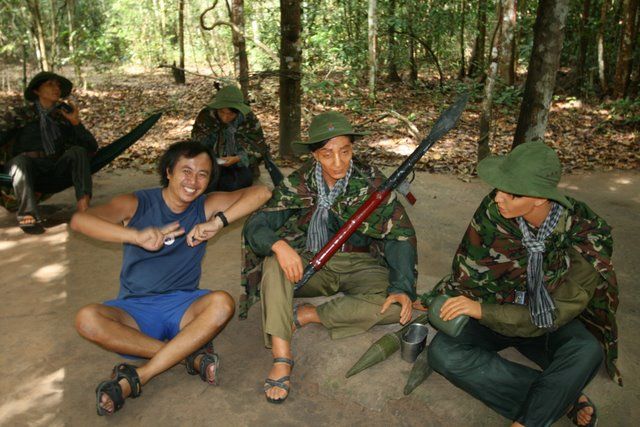
Cu Chi isn’t only about seeing. You’re moving through an underground-style environment with real walking involved—plus the walkways and displays on the surface.
Here’s what I’d do to make your day smoother:
- Wear comfortable shoes with good grip. The tunnel experience and crater viewing are not where you want slippery footwear.
- Dress for heat and humidity with comfortable clothes. You’ll be outside around the entrance areas and during the drive.
- Bring a small daypack if you want camera gear or extra essentials. The tour info suggests keeping it lightweight.
- Pace yourself. Even if you’re fine physically, the cramped nature of tunnel areas can feel more exhausting than open-air walking.
If you plan to shoot at the rifle range (AK47/MK16), keep in mind you’ll likely need to follow staff instructions closely and stay attentive to timing. Ask what you need to do so you don’t lose time.
Who This Tour Fits Best
This half-day Cu Chi Tunnels tour is a good fit if:
- You want a guided visit that explains what you’re seeing instead of just touring on your own.
- You like history but also appreciate a day that’s structured, not chaotic.
- You want transport from Ho Chi Minh City plus lunch included, so your day doesn’t sprawl.
It’s also a solid option if you’re short on time. With an end time around 14:00, you still have the afternoon free to recover, eat, or do something lighter in the city.
On the other hand, if you dislike heavy war-related sites or you’re very sensitive to that type of history, you may find the craters and underground story emotionally intense. And if you have mobility limitations, the tunnel environment and walking may be a challenge—still, the tour suggests the day can be adjusted when needed.
Should You Book This Cu Chi Tunnels Half-Day Tour?
If you want the Cu Chi Tunnels experience without the headache of planning transport, ticketing, and timing, I think this is an easy yes. The combination of English guidance, tunnel exploration, visible war scars aboveground, and a real included lunch makes it feel like a complete half-day—not a rushed grab bag.
I’d book it especially if:
- You’re traveling with someone who benefits from clear explanations.
- You want a comfortable start with pickup around 08:00–08:30 and air-conditioned travel.
- You prefer a managed pace rather than trying to figure everything out on your own.
Skip or reconsider if:
- You’re hoping for a leisurely, slow, linger-and-chat kind of tour.
- You want only a surface view with minimal walking.
- You’re strongly uncomfortable with war history.
FAQ
How long is the Cu Chi Tunnels half-day tour?
The tour lasts about 6 hours in total.
What time is pickup from Ho Chi Minh City?
Pickup is around 08:00–08:30.
What happens when we arrive at Cu Chi?
You’ll watch a short introductory video, then explore the tunnel maze for about one hour.
Is lunch included, and what does it include?
Yes. Lunch is included with a set menu, plus one beverage (beer or a soft drink).
What is included in the tour price besides lunch?
The tour includes air-conditioned transport, an English-speaking guide, entrance fees, water (one bottle per person), and lunch with a set menu.
Can I cancel for free?
Yes. Free cancellation is available up to 24 hours in advance for a full refund.
Is there an option to shoot a rifle?
There’s an opportunity to fire rounds from an AK47 or MK16 at the nearby rifle range, if you want to add it.