REVIEW · SAPA
Sapa Easy Trekking Tour 1 Day – Rice Paddies and Cultures
Book on Viator →Operated by Trekking Tour Sapa · Bookable on Viator
Sapa can feel like a postcard until you walk it. This short trek is built around rice terraces and two ethnic villages, plus Ta Phin’s cave—so you get scenery, culture, and easy structure in one go.
What I like most is the way the route mixes practical stops (villages, animals, viewpoints) with stories from guides who actually live the culture. Guides such as Pang (Hmong) or Zhu can turn a walk into something personal, not just sightseeing. You also get a vegetarian lunch included, which helps you travel lighter.
One thing to keep in mind: even if it’s marketed as easy, you’ll still be trekking for about 5.5 hours and you may hit slippery ground in places. Wear proper shoes and don’t expect a flat, stroller-friendly stroll.
In This Review
- Key highlights at a glance
- A 9:00 AM start that shapes the whole day
- Easy trekking in name, but real walking in practice
- Ta Phin village first: cardamom valleys, Suoi Ho, and farm-animal life
- Rice paddies and valley views: why the trek is worth it
- Ta Phin cave: a recognized Sapa stop you can fit into a half-day trek
- Two ethnic villages: Black Hmong plus Red Dao, and how to be a good visitor
- Lunch on the trail: vegetarian food is included, drinks are extra
- Guides matter here: stories, pacing, and why small groups feel different
- Price and value: $40 isn’t just a ticket, it’s the whole structure
- Who should book this trek (and who should skip it)
- Should you book the Sapa Easy Trekking Tour 1 Day?
- FAQ
- What time does the tour start?
- Where do I meet for the Sapa Easy Trekking Tour?
- How long is the trek?
- What is included in the price?
- Is it truly easy?
- Can I cancel if weather is bad?
Key highlights at a glance
- Small-group feel (max 2 travelers), so your guide can adjust the pace and answer questions.
- Ethnic culture in two villages, with time for both Black Hmong and Red Dao communities.
- Ta Phin cave and a well-known Sapa stop that’s easy to fit into a half-day plus rhythm.
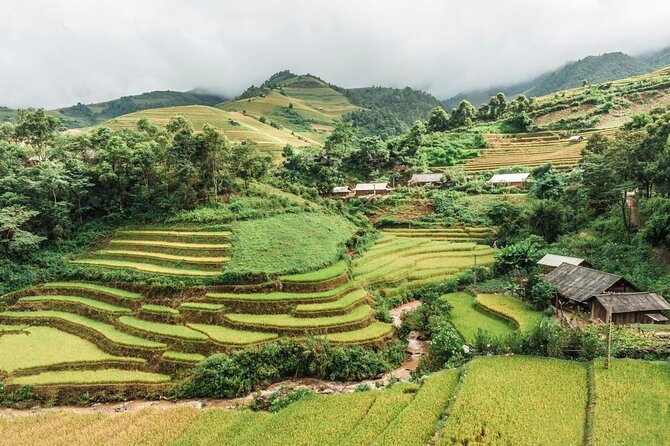
- Rice paddies and big mountain views, including viewpoints around terraces and valleys.
- Local details you can see up close, from cardamom trees to everyday farm animals.
A 9:00 AM start that shapes the whole day
This tour runs in the morning, starting at 9:00 am. You meet at Sapa Church on P. Hàm Rồng, which is a simple landmark to find, and pickup is also offered if you’re staying in Sapa town.
Starting early matters more than you’d think. Sapa’s mountain weather can change quickly, and an earlier departure gives you better odds of comfortable walking and clearer views over the valley. It also helps you avoid the feeling that you’re rushing while everyone else is still waking up.
Timing-wise, plan on about 5 hours 30 minutes of total time on the go. That’s long enough to feel like a real trek, but short enough that you’re not stuck all day.
You can also read our reviews of more hiking tours in Sapa
Easy trekking in name, but real walking in practice
The big promise here is mountain trekking up to roughly 1,900m above sea level, plus village visits. That’s part of why the views are so good. But altitude and uneven paths mean you should treat this as moderate walking, not a casual stroll.
If you’re reasonably fit, you’ll likely handle it. The tour is designed for moderate physical fitness and includes a local guide who keeps the route moving. Still, the one caution I’d repeat is simple: expect uneven ground.
One review flagged slippery slopes and asked for a slower pace. Even if that’s not your exact experience, it’s a good reminder to come prepared: proper footwear, a small water stash if you like (water is included, but you might want more), and a mindset that the “easy” part is about time and structure—not that the terrain is flat.
Ta Phin village first: cardamom valleys, Suoi Ho, and farm-animal life
The tour’s first big section leads you from Sapa toward Ta Phin Village, with a stop that starts in the Black Hmong area around Suoi Ho.
Right after you meet your guide and get a short intro, you’ll walk onto a small trail where you can see cardamom trees in the valleys. Cardamom isn’t just a name in a guidebook here—it’s one of the practical crops that shapes daily life in the hills, and spotting it early helps you understand what you’re walking through.
Then you hike down into Suoi Ho, described as a small Black Hmong village. You’ll see older, small houses and meet the everyday rhythm of the community. It’s not staged. It’s part of why this tour feels authentic: you’re walking into real farm country, where the sounds and animals are as present as the views.
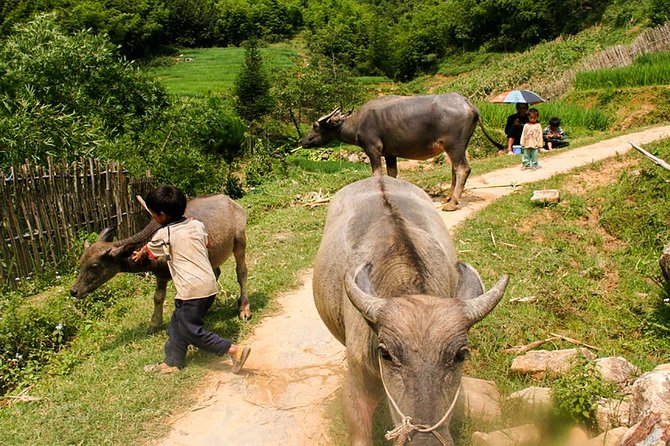
This is also where you’ll likely encounter the kind of animals used by locals, including water buffalo, chickens, dogs, and pigs. Seeing these animals up close changes how you interpret the scenery. The rice terraces and mountain shapes don’t feel like background anymore—they look like something people actively live from.
What to watch for: this is often the moment when you’ll want the best photos. But also, it’s where you should slow down and look around. Don’t turn the village visit into a quick pass for pictures.
Rice paddies and valley views: why the trek is worth it
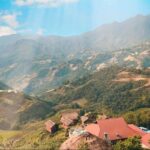
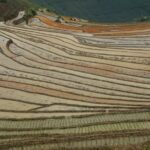
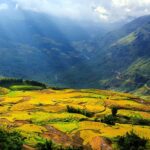
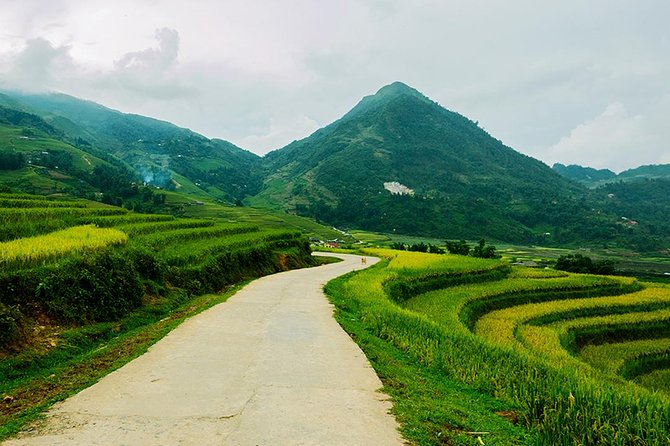
Sapa is famous for its terraced rice fields, and this tour is built around that payoff. As you move through the route, you get fantastic views of rice terrace fields and mountains—the kind of scenery that makes you stop without even realizing you’re doing it.
The tour’s structure gives you a reason to keep going: each stretch of walking connects you to a new perspective. You’re not just walking between random photo stops. The route is set up so you gradually shift from village corners to open views and back again.
This is also where the altitude can start to matter. Up around 1,900m, air feels cooler, and clouds can drift over the ridges. If the weather is clear, the terraces can look almost patterned. If clouds roll in, the hills can feel more dramatic and close. Either way, you’re experiencing the mountain atmosphere rather than just reading about it.
Ta Phin cave: a recognized Sapa stop you can fit into a half-day trek
Ta Phin is known for its cave, and this tour includes a visit there. Even without getting technical, a cave stop changes the day in a good way because it breaks up the walking-and-looking pattern.
A cave also tends to feel cooler than the open air. In Sapa’s shifting conditions, that can be a relief. It gives you a moment where you’re not fighting the wind or scanning for the next viewpoint. Instead, you’re taking in a different type of setting—rock, shade, and atmosphere.
If you’re the type who likes variety, you’ll appreciate this. If you want only panoramic views, this may feel like a detour. But it’s a classic Sapa touch, and it keeps the trek from becoming one long sequence of scenery.
A few more Sapa tours and experiences worth a look
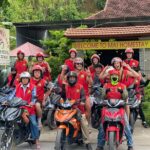
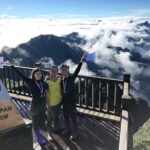
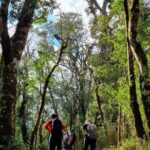
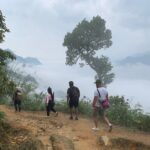
Two ethnic villages: Black Hmong plus Red Dao, and how to be a good visitor
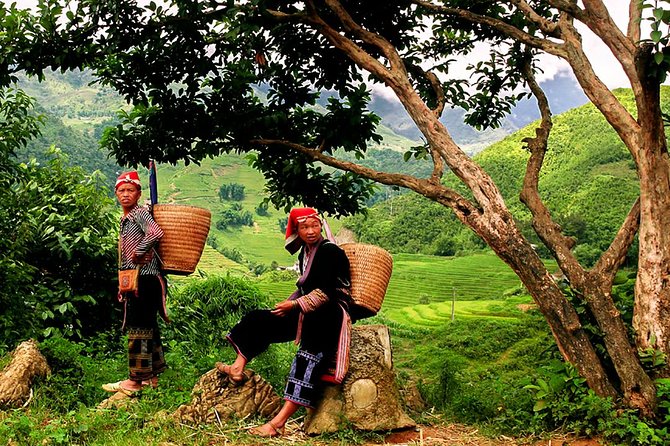
One of the strongest points of this experience is that it doesn’t stop at just one community. You get to visit two different villages—one associated with the Black Hmong and another with the Red Dao.
The Black Hmong portion starts early around Suoi Ho, where the tour focuses on village life and the surrounding farming setting. The Red Dao village visit is the second key cultural moment, designed to show you a different side of the region’s ethnic mosaic.
Here’s the practical value: seeing multiple communities in one outing helps you notice differences in daily life, not just differences in clothing. You’re more likely to come away with a sense of how diverse Sapa actually is.
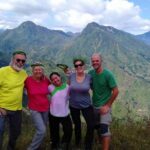
How you can make it better: ask your guide questions. Some of the best moments in reviews highlight guides sharing personal stories about their lives as Hmong minority women—those kinds of answers help you avoid treating people like props. Guides like Pang and Zhu are specifically mentioned as sharing great information about nature and traditions, which is exactly what turns a visit into understanding.
And keep expectations grounded. You’re visiting living communities, not a museum. Move thoughtfully, be respectful with photos, and let your guide steer the pace.
Lunch on the trail: vegetarian food is included, drinks are extra
You’ll get lunch included, with vegetarian food available. That’s a real quality-of-life feature. In mountain trekking tours, food can make or break your energy level, and having it planned lets you focus on the walk.
The one caution is also simple: drinks aren’t included at the restaurant/homestay. The tour includes 1 small bottle of water, but if you’re the type who drinks more than average, consider buying extra water before or during the day.
Also, even when lunch is included, it helps to ask yourself what “included” means for your own comfort. If you’re sensitive to altitude-related appetite changes, carry a small snack in your daypack. The tour doesn’t list extra snacks, so it’s on you to bring anything beyond water and lunch.
Guides matter here: stories, pacing, and why small groups feel different
This experience is run by Trekking Tour Sapa and is designed as a small-group trek with a maximum of 2 travelers. That small number is a big deal.
With fewer people, you’re more likely to get:
- faster Q&A with your guide
- fewer crowded bottlenecks on narrow paths
- a pace that matches your group better than a big-group shuffle
Reviews strongly connect the best moments to the guide. One guide, Pang, is highlighted for incredible storytelling and insights into her life as a Hmong ethnic minority woman. Another guide, Zhu, is praised for sharing useful knowledge about nature and traditions.
Of course, the pace note from the lowest rating is still worth respecting. If conditions are slippery, pace can become a safety issue. If you need slower walking or more time in certain spots, say so early—don’t wait until you’re already anxious on the slope.
Price and value: $40 isn’t just a ticket, it’s the whole structure
At $40 per person, this tour is priced like a bargain—especially because several practical items are included:
- Lunch (vegetarian)
- Transport back to Sapa
- Village entry fees
- 1 small bottle of water
- Local guide
To judge value, think about what those pieces cost you if you try to DIY it: guide time, entry fees, coordination, transport, and a planned meal. Doing that on your own usually adds up quickly, and it often takes more time than you expect—time you could spend sightseeing or resting.
What’s not included is also clear: personal travel insurance and extra drinks. Tips are also listed as not included, which is common for many local-guided experiences. If you appreciate the guide’s work—especially when they explain cultural details—it’s reasonable to budget something for that.
Also note the popularity: the tour is commonly booked about 39 days in advance on average. That suggests it’s in demand and you shouldn’t wait until the last minute if your dates are fixed.
Who should book this trek (and who should skip it)
This tour fits best if you:
- want a short, structured way to see Sapa’s terraces and villages
- enjoy meeting people and learning through guide stories
- are okay with moderate walking and uneven terrain
You might want to look for something gentler (or go with more buffer time) if you:
- hate slippery footing or have balance issues
- prefer long viewpoints but minimal walking
- need strict pacing control due to mobility constraints
Because the trek is up in the hills and around 1,900m, it also makes sense to take it seriously on breathing and energy. Bring water, pace yourself, and let the guide do the route planning.
Should you book the Sapa Easy Trekking Tour 1 Day?
If you want a one-day plan that mixes rice paddies, Black Hmong and Red Dao village visits, Ta Phin cave, and an included lunch, this is a strong choice. The small-group format (max 2 travelers) adds comfort and flexibility, and the best versions of the tour come alive through guides like Pang or Zhu, who share real culture context rather than generic facts.
Book it if your idea of easy means a short, organized trek with support—not a flat, totally risk-free walk. If you show up with good shoes, a cooperative attitude, and a willingness to slow down for village moments, you’re likely to leave with better than just photos—you’ll have stories you can explain.
FAQ
What time does the tour start?
The tour starts at 9:00 am.
Where do I meet for the Sapa Easy Trekking Tour?
You meet at Sapa Church on P. Hàm Rồng, TT. Sa Pa, Sa Pa, Lào Cai 333100, Vietnam. Pickup may also be offered.
How long is the trek?
The duration is about 5 hours 30 minutes.
What is included in the price?
The tour includes lunch (vegetarian), transport back to Sapa, village entry fees, 1 small bottle of water, and a local guide.
Is it truly easy?
It’s described as easy trekking, but it involves mountain walking up to about 1,900m and should be done with moderate physical fitness. Wear proper shoes and be ready for uneven or slippery parts.
Can I cancel if weather is bad?
Yes. You can cancel for a full refund up to 24 hours before the experience’s start time. The tour requires good weather, and if it’s canceled due to poor weather, you’ll be offered another date or a full refund.
If you want, tell me your travel dates and fitness level, and I’ll help you decide whether this 5.5-hour route is a good match or whether you’d be happier with a shorter option in Sapa.