REVIEW · SA PA
Sapa: Discover the Secrets of the Red Dao: A Healing Journey
Book on GetYourGuide →Operated by LALA SAPA TREKKING & HOMESTAY. · Bookable on GetYourGuide
Herbal bath and rice fields sounds like an odd mix. It works here, on a guided hike that pairs Sapa views with Red Dao traditions, including time in Ta Phin with guide Su’s clear explanations. I really liked how the walk feels like part trek, part village visit, and how you’re guided through what daily life looks like for different ethnic groups.
One thing to consider: the route involves a lot of walking on uneven ground. If you have back issues, limited mobility, or you’re pregnant, this isn’t a good match.
In This Review
- Key things to know before you go
- Why this Red Dao healing journey feels worth the time
- Getting started: Sapa Church, 9:00AM, and finding your guide
- Suoi Ho village: rice paddies, a small stream, and the valley pace
- Ma Tra and the Black H’mong stop: culture you can see in daily routines
- Cang Ngai lunch in a Black H’mong village: the meal with context
- Ta Phin village and the Red Dao herbal bath: the heart of the story
- The walking math: what 6 hours really feels like
- Price and value: what $24 includes, and what costs extra
- What to bring (so the day stays fun)
- Who this tour is best for (and who should skip it)
- My honest booking verdict
- FAQ
- Where do I meet the guide?
- How long is the tour?
- What is included in the price?
- Is the herbal bath included?
- What villages does the tour visit?
- Is the guide English-speaking?
- What should I bring?
- Is this tour suitable for everyone?
- Do I get lunch?
- What if my plans change?
Key things to know before you go
- Meet your guide in Sapa town at 9:00AM in front of Sapa Church (they’ll find you by name)
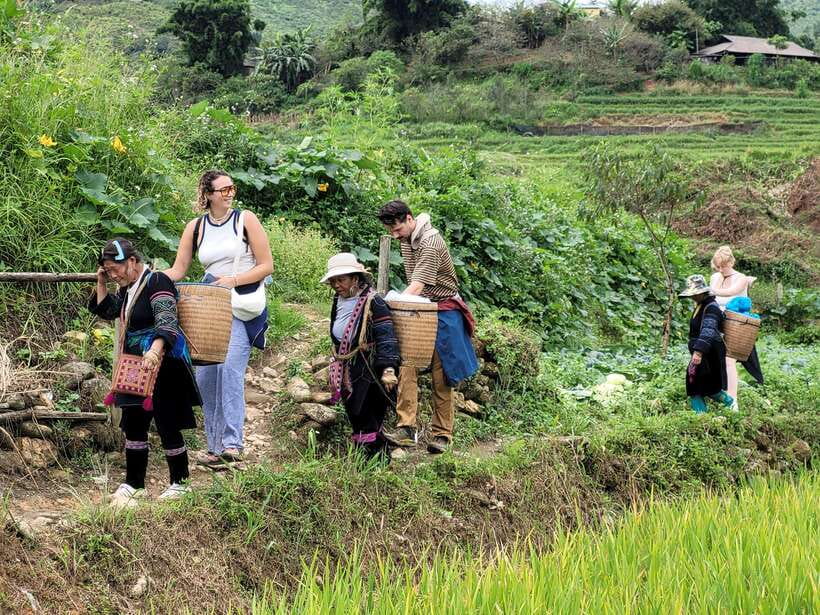
- Village stops with real context across Suoi Ho, Ma Tra, Cang Ngai, and Ta Phin
- A long, rewarding trek that can feel like 12–15 km depending on the pace and day
- Lunch included in Cang Ngai at a local restaurant, with a great chance to enjoy the setting
- Red Dao herbal bath is optional (extra cost), with time to try it if you want
Why this Red Dao healing journey feels worth the time
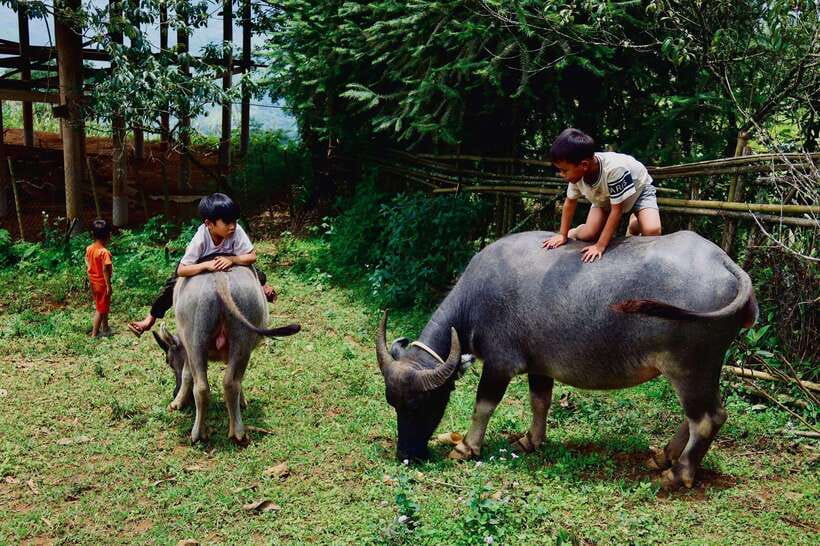
This tour is built around one simple idea: Sapa isn’t just about scenery. You come for the rice paddies, sure, but the lasting payoff is learning how people live with the landscape—through farming, community, and Red Dao herbal knowledge.
I like that it’s not only sightseeing. You walk between villages, you meet the people tied to that land, and you get direct cultural context from an English-speaking guide. The Red Dao herbal bath element is also a big deal, because it turns a concept you might’ve heard about into an actual experience you can choose to try.
The biggest “value” here isn’t that everything is packed in. It’s that the plan uses the full day (about 6 hours) in a way that keeps you moving but still allows proper village time—especially in Ta Phin.
You can also read our reviews of more tours and experiences in Sa Pa.

Getting started: Sapa Church, 9:00AM, and finding your guide
You meet in Sapa town in front of Sapa Church at 9:00AM. The guide looks for you using your name, so you’re not stuck trying to spot a random group at the curb.
If you’re used to tours that start with a confusing meet-up point, this is refreshingly straightforward. The tour also includes transportation, which matters in Sapa where you don’t want to burn time juggling buses or taxis before you even start walking.
The tour is a group format with a live English guide, so you can ask questions as you go rather than just reading captions. And yes, in at least one case the guide name Su came up specifically—so if you see that name on your booking details, that’s likely who you’ll be following.
Suoi Ho village: rice paddies, a small stream, and the valley pace
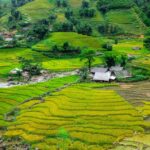
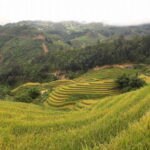
The day begins by heading from Sapa toward Suoi Ho village. This is your first real taste of what makes the Sapa region special: terraces, cultivated fields, and little water features that shape daily life.
What I like about this start is that it sets expectations early. You’re not just doing a “hard hike first, meaning later” thing. You begin with a village setting—admiring the rice paddies and a small stream—so you understand why you’ll be walking the way you do.
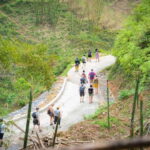
A practical note: even when the views are the headline, your shoes do the talking here. The route includes uneven surfaces, and that’s true from the start, not only during the steep bits. Comfortable walking shoes aren’t optional if you want this to feel enjoyable.
Ma Tra and the Black H’mong stop: culture you can see in daily routines
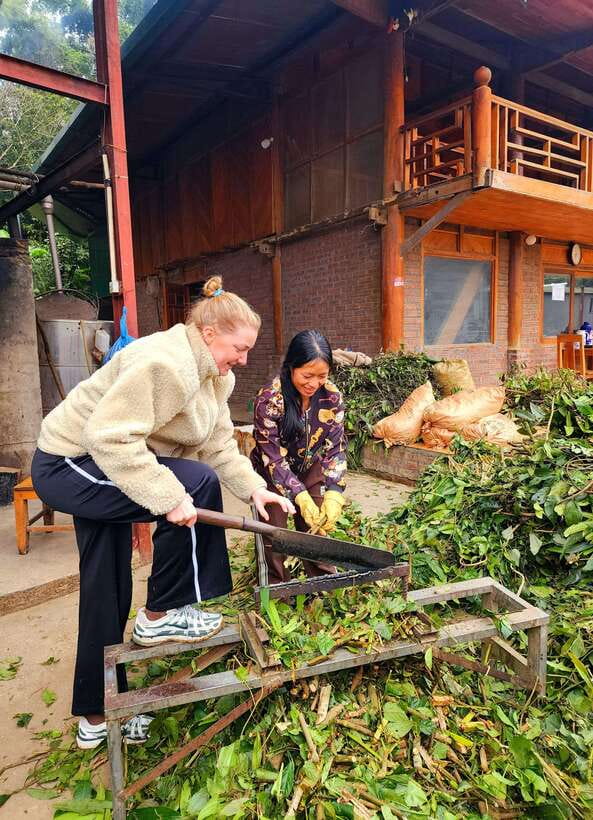
After Suoi Ho, you continue to Ma Tra, a Black H’mong village. This section is where the tour shifts from “scenic walk” into “cultural walk.”
Even without turning every minute into a lecture, the structure helps. You’re guided through what you’re seeing—fields, village life, and how the community connects to the land. This kind of visit works best when you’re curious and willing to slow down at the edges of the path. Look at how people farm, where activity happens, and how the settlement fits the terrain.
One reason this stop is so strong for many people: it’s not a one-minute photo stop. You’re given time to understand the setting and to move at a human pace rather than rushing from one viewpoint to the next.
Cang Ngai lunch in a Black H’mong village: the meal with context

Lunch happens in Cang Ngai, another Black H’mong village. The tour includes this meal, and that matters for value. When a day trip includes lunch, you’re less likely to spend part of your budget on a touristy backup plan, and you also get to eat where the experience is happening.
What makes Cang Ngai particularly satisfying is the setting. Several people highlight the lunch as good, and they mention enjoying the view from the restaurant. That’s exactly the kind of payoff you want after a long trek—food that isn’t an afterthought.
Diet details aren’t provided in the tour info, so if you have strict dietary needs, you’ll want to message the operator before going. But if you’re flexible, this lunch stop is one of the most logical rests in the day.

Ta Phin village and the Red Dao herbal bath: the heart of the story
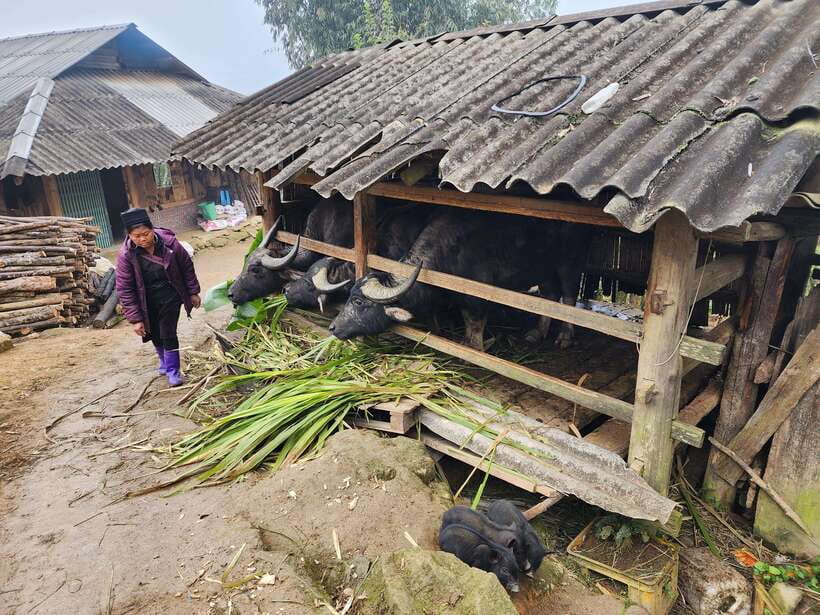
The tour continues to Ta Phin Village, home of the Red Dao. This is the part of the day that turns the trip from a cultural hike into a “healing journey” concept you can actually engage with.
Here’s what you’ll focus on:
- understanding Red Dao culture and herbal medicine knowledge
- learning about herbal bath traditions
- deciding whether to take an herbal bath (optional extra)
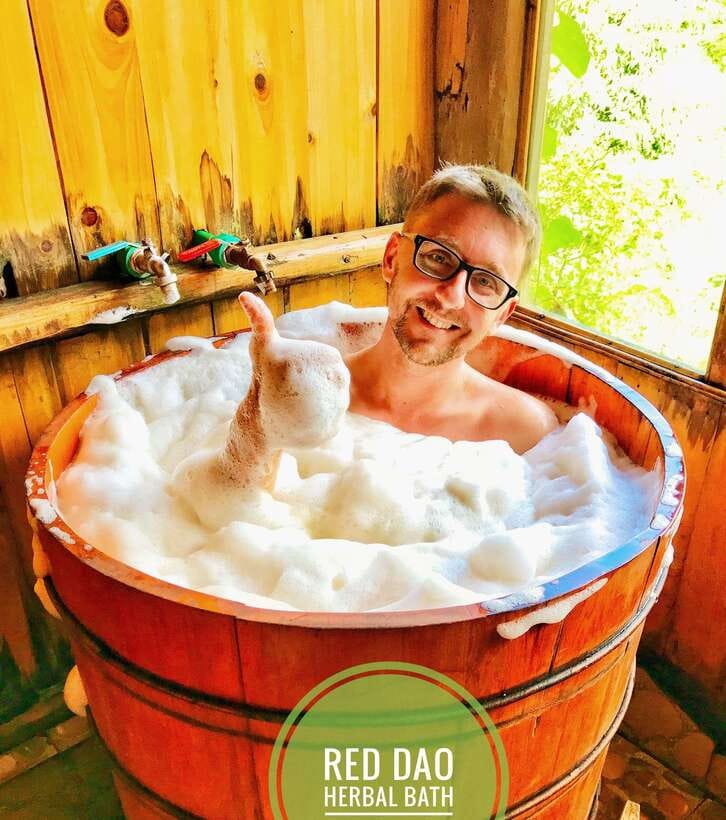
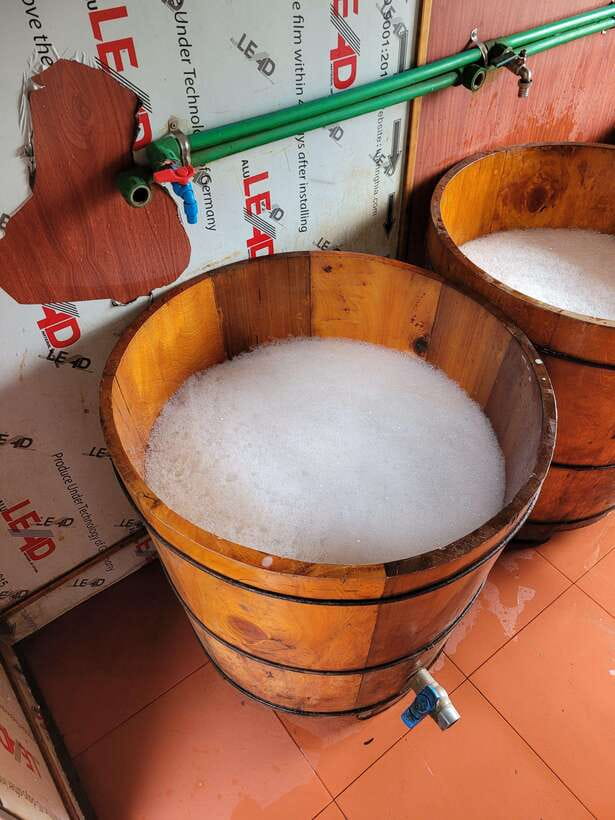
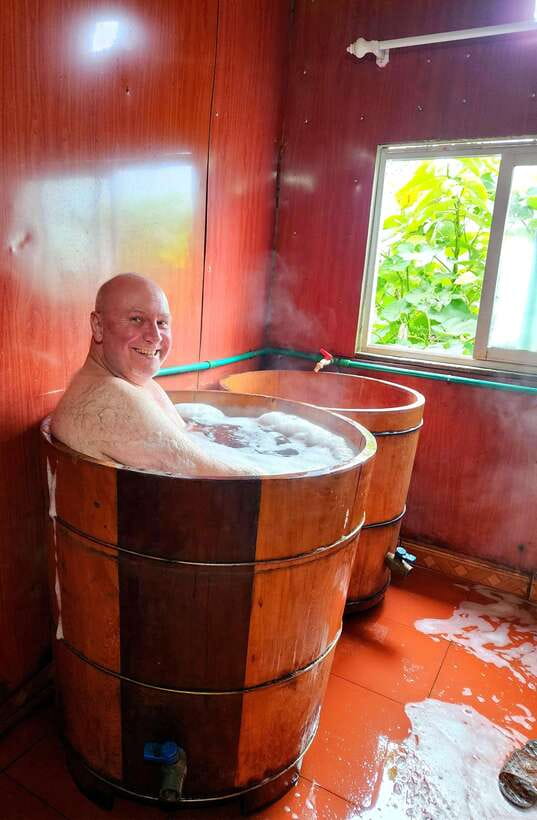
The optional bath is often what people talk about most, because it’s not just a demonstration. It’s a chance to experience something tied to herbal traditions and local practice. In one account, the bath time was about 30 minutes, followed by transportation back toward Sapa.
Should you do it? If you’re even slightly interested in herbal remedies or traditional wellness practices, it’s worth weighing as a highlight. You’re already in the right place for it. But if you’d rather skip extra costs or you don’t feel comfortable with the idea, you can still enjoy the cultural learning portion.
The walking math: what 6 hours really feels like
The itinerary is structured to keep you moving, with multiple segments of guided walking and village visiting. Based on reported trekking distances, this can feel like a 12–15 km trek for many people.
That means you should plan for:
- enough movement to get your legs working
- plenty of time outdoors between stops
- frequent “stop and look” moments during village segments
The upside is you don’t feel stuck in a van the whole day. You’re actually out in the valley, seeing how people interact with rice and vegetables fields, not just viewing them from one fixed spot.
The downside is fatigue. This isn’t a sit-and-sip tour. If you’re sensitive to long walks or your back tends to punish you after a certain distance, think hard before booking.
Price and value: what $24 includes, and what costs extra
At $24 per person, this tour is priced like a good value for a guided day that includes:
- a local guide
- lunch at a local restaurant
- transportation as part of the route
- an English-speaking group experience
The herbal bath is listed as an optional extra, so your final total might be a bit higher if you choose to do it. But that’s the key point: you can treat the bath as the upgrade, not the baseline.
In practice, the included lunch and guide make a big difference. You’re paying for direction, context, and a full plan across multiple villages—rather than only buying access to a single attraction.
What to bring (so the day stays fun)

The tour suggests packing:
- comfortable shoes
- hat
- camera
- sunscreen
- water
- insect repellent
I agree with all of that. In Sapa, sun and bugs can make an easy walk feel like hard work if you ignore the basics. Water is especially important when you’re covering multiple segments and waiting time is filled with hiking and village time.
Also, bring a camera if you like village life and farmland scenes. This tour gives you natural moments for photos, from rice terraces to village streets.
Who this tour is best for (and who should skip it)
You’ll likely enjoy this if you:
- like guided walks with real village stops
- want to understand ethnic culture beyond a quick market visit
- are curious about Red Dao traditions and herbal bath practice
- can handle uneven paths and a long day on your feet
You should skip (or look for a different option) if you:
- have mobility impairments
- have back problems
- are pregnant
That’s not just “extra caution.” The tour is explicitly not suitable for those situations, because of the amount of walking and the uneven terrain.
My honest booking verdict
Book this tour if you want a full Sapa experience with a clear cultural focus—Black H’mong villages for context, then Ta Phin for the Red Dao herbal bath tradition. The guide-led explanations and the included lunch make it feel like a complete day, not a rushed highlight reel.
Don’t book it if you want minimal walking or you know uneven terrain will be a problem for you. And if you’re not interested in the herbal bath at all, you may still enjoy the hike and village visits—but you should be mentally prepared that the “healing journey” part is part of the program, not just a bonus.
If you can walk comfortably, show up at 9:00AM in front of Sapa Church, and bring the basics (shoes, hat, water, repellent), this is the kind of Sapa day trip that rewards your effort with both views and meaning.
FAQ
Where do I meet the guide?
You meet your guide in front of Sapa Church at 9:00AM. The guide will find you with your name.
How long is the tour?
The tour lasts 6 hours.
What is included in the price?
The price includes a local guide, lunch at a local restaurant, and transportation.
Is the herbal bath included?
No. The herbal bath is optional and listed as an extra cost.
What villages does the tour visit?
The tour visits Suoi Ho, Ma Tra, Cang Ngai, and Ta Phin.
Is the guide English-speaking?
Yes. The tour includes a live guide in English.
What should I bring?
Bring comfortable shoes, a hat, a camera, sunscreen, water, and insect repellent.
Is this tour suitable for everyone?
No. It is not suitable for people with mobility impairments, pregnant women, or those with back problems.
Do I get lunch?
Yes. Lunch is included and served at a local restaurant in Cang Ngai.
What if my plans change?
You can cancel up to 24 hours in advance for a full refund, and you can reserve now and pay later to keep your plans flexible.