REVIEW · SAPA
2 days private Wildland Trek in Sapa
Book on Viator →Operated by Vietnam Nomad Trails · Bookable on Viator
That first stretch of trail hits hard. This private 2-day wildland trek in Sapa trades big-group sightseeing for long forest walks, rice-terrace views, and fewer people on the paths. You’ll spend time with local communities and get real-day cultural context, not just photo stops.
I especially like the pacing and variety: one day has a waterfall picnic plus a long trek through terraces and valleys, then the next day adds a salmon farm break before you head back through river paths to another village. The food is also built into the schedule with breakfast, two lunches, and dinner, so you’re not constantly hunting for meals on the go.
One consideration: you need strong physical fitness. This is described as a long, hard trek with slippery tracks at times, and the tour runs only when the weather cooperates.
In This Review
- Key things I’d count on before you book
- Why this Sapa trek feels more real than the usual route
- Starting in Sapa: meeting at Nomadtrails and heading toward Ta Phìn
- Day 1 in Ta Phìn: forests, rice terraces, and a waterfall picnic
- The overnight with a local family: what it adds to the trek
- Day 2 across terraces and a salmon farm stop
- Why the rice terraces and fewer-tourist trails matter
- What you’re really getting for the $110 private price
- The right kind of fitness and the weather that makes it work
- Who should book this trek, and who might want an easier option
- Should you book the private 2-day Wildland Trek in Sapa?
- FAQ
- How much is the private Wildland Trek in Sapa?
- How long is the trek?
- Where do I meet the tour, and what time does it start?
- Is this tour private?
- What meals are included?
- What about tickets or admissions fees?
- Do I need to be physically fit?
- What happens if the weather is bad?
- What’s not included in the price?
Key things I’d count on before you book
- Private group hiking: only your group participates, so your guide can adjust routes and timing to your pace.
- Ta Phìn and Sa Xeng village time: you’re walking to and spending the night in a local family setting, tied to Hmong and Red Dao communities.
- A waterfall picnic on Day 1: an actual pause in a scenic spot, not just a quick stop for photos.
- Salmon farm learning: a short break where you can learn about raising techniques for the local fish.
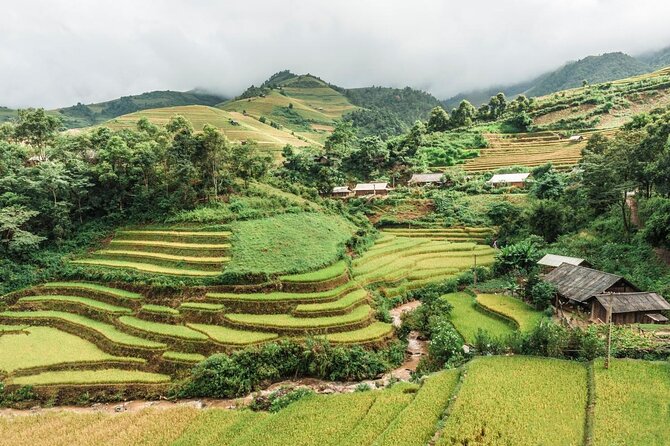
- Rice terraces across two days: enough time to see the valley views change as you move through different sections of the trails.
- Meals included for two full days: breakfast, dinner, and two lunches, so the trek feels complete rather than improvised.
Why this Sapa trek feels more real than the usual route
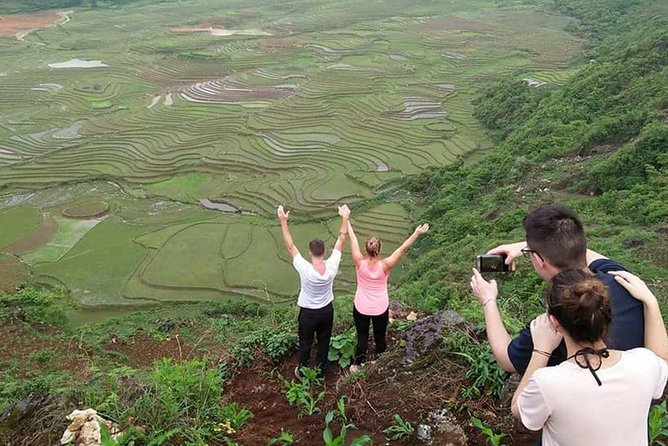
Sapa’s famous, which is exactly why you’ll love a trek that puts you on smaller trails and keeps the crowds thinner. This experience is built around long walking days through mountain forests, rice terraces, and valley paths—so you see the region the way people actually live with it.
The private format matters more than you might think. When you’re off-trail for stretches and moving between villages, a guide isn’t just there to point at views. They’re there to keep the walk flowing, explain what you’re seeing, and help when the ground turns slick.
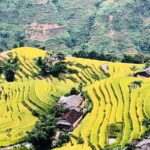
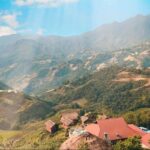
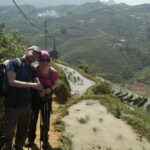
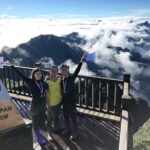
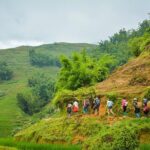
And yes, you’ll get the classic Sapa photos: terraced fields stretching across slopes, layers of rice green fading into valleys, and quiet village stops that don’t feel like a theme park. The difference is that you’re earning those views with time and sweat.
You can also read our reviews of more private tours in Sapa
Starting in Sapa: meeting at Nomadtrails and heading toward Ta Phìn
You meet at Nomadtrails Boutique Sapa at 15 Tuệ Tĩnh, Sa Pa, Lào Cai. The start time is listed as 9:30am, and the morning welcome is described as around 9:00am—so plan to arrive early enough to check in comfortably.
From there, you’ll transfer to the trail area where trekking begins. Day 1 starts with walking from the Hmong village direction, and the rest of the day follows a clear rhythm: trek, picnic stop by a waterfall, then continue toward the next village for dinner and an overnight with a local family.
If you like a clean schedule, this works. You’re not waiting around for “maybe the weather is okay” vibes. The plan is structured around two full trekking days with meals and overnight handled.
Day 1 in Ta Phìn: forests, rice terraces, and a waterfall picnic
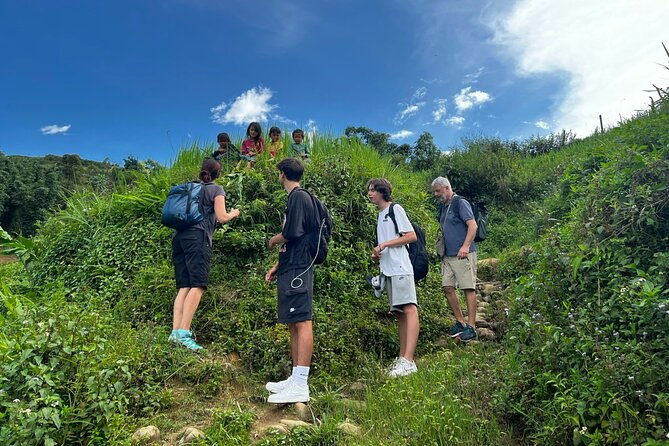
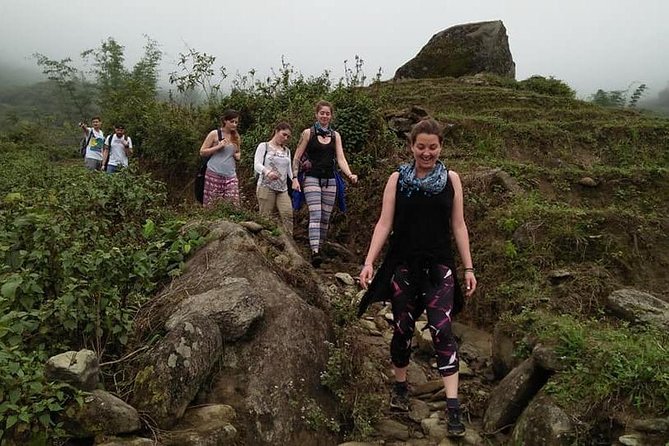
Day 1 centers on Ta Phìn, moving you through mountain range terrain covered by forests and rice terraces. The walk begins on a small trail designed for fewer tourists, and it’s paced around about two and a half hours before your first major stop.
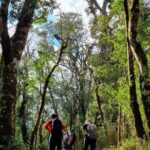
Here’s what makes this part special: the scenery doesn’t just sit there for you—it changes as you climb and traverse. You’re walking through forest sections that break up the open terrace views, so you’re not staring at the same angle for hours. Then the day opens into terrace-lined valleys where the fields stretch out wide.
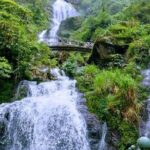
After that, you’ll have a picnic lunch next to a beautiful waterfall. This is one of those details that turns “a trek” into “a day you’ll remember.” Even if you’re not into dramatic scenery, a waterfall stop gives your legs a real reset and adds a natural landmark you can orient around later.
In the afternoon, you continue reaching a valley with more rice terraces before arriving at Sa Xeng Village (Tả Phìn village) for dinner and an overnight. This is where cultural context comes in: you’ll hear about the unmixed cultural life of Hmong and Red Dao minorities, two major ethnic groups in the area.
Practical takeaway: on Day 1, you’ll want to keep your pace steady. It’s not a sprint trek, but it’s long enough that smart walking matters. If your legs get angry early, you’ll feel it later when you’re approaching the next village.
The overnight with a local family: what it adds to the trek
The overnight is in a local family setting in Sa Xeng Village. Because dinner is included, you don’t have that awkward stretch where you’re hungry but still far from the next meal.
This kind of stay changes the whole feel of the experience. You’re not just trekking through villages; you’re spending time in one long enough that daily life becomes part of the story. That can be the difference between “I took photos of people” and “I understood how the community fits into the landscape I walked.”
I also like that the overnight is tied to the cultural explanations you receive about Hmong and Red Dao life. It’s not random. The cultural learning and the lodging happen in the same general area, which helps it connect.
Day 2 across terraces and a salmon farm stop
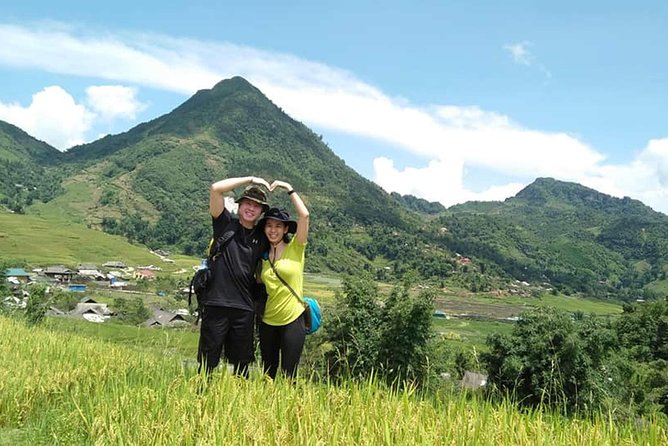
Day 2 starts again from Ta Phìn Village and keeps you walking through rice terraces with breathtaking views over the mountain range and its valley. This is where the trek starts to feel like a continuous route rather than two separate hikes.
You’ll take a short break at a salmon farm. The focus here is learning about the raising technique for salmon fish. Even if you’ve seen fish farming before, the value is context: you’re seeing how people produce food in this mountain setting, not just touring a “spot.”
Then you’ll have a picnic lunch with a Dao family. After lunch, the walking continues along a nice river before you arrive at Ban Khoang Village. The plan is to experience their culture and traditions there, then you head back to Sapa by bus, ending at the meeting point.
What to expect emotionally: Day 2 can feel a little more relaxed than Day 1, but it still demands attention. River-side walking often means slippery sections and uneven footing, especially after rain. Keep your eyes on the ground, take your time, and let the scenery come to you instead of fighting the terrain.
You can also read our reviews of more hiking tours in Sapa
Why the rice terraces and fewer-tourist trails matter
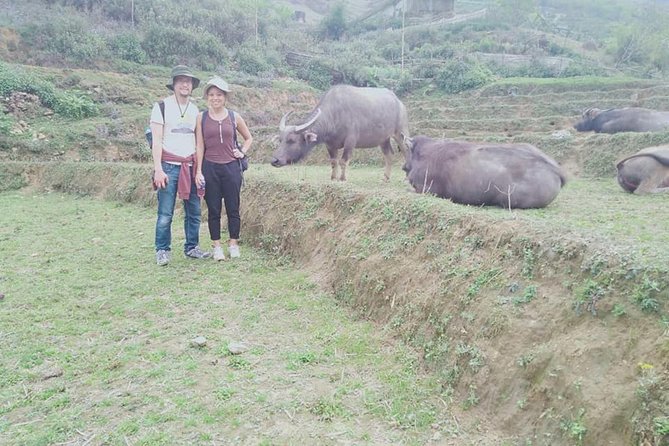
This trek is built for real views, not just fast photo moments. The terraced rice fields are the headline, but what you’re really paying for is time on the paths that connect them.
Less tourist traffic is a quality-of-experience upgrade. In Sapa, crowds can shrink your attention. When there are fewer people on the trail, you notice smaller details: how water moves through the terraces, how the valley opens and closes, and how village life sits around the walking routes you take.
And because this is a wildland style trek, it’s not a smooth stroll. You’re getting forest sections, valley traverses, and village approaches. That means the scenery hits harder because it’s earned, not delivered on a flat surface.
If you’re the kind of traveler who likes to see how places work, not just what they look like, this route fits.
What you’re really getting for the $110 private price
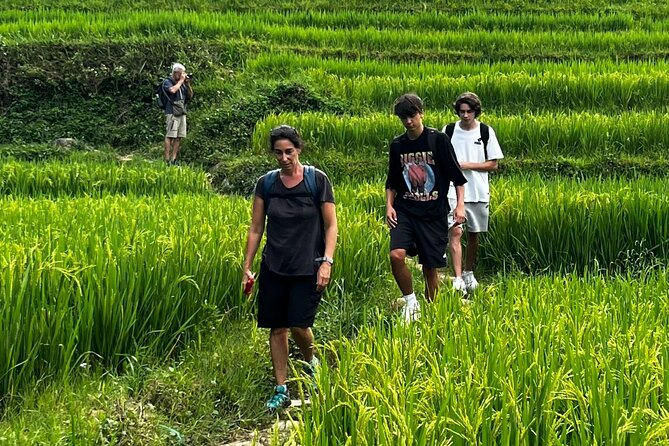
At $110 per person for a private two-day trek, the value comes from what’s packaged together. You’re not just buying a guide; you’re buying transportation to the trail area, trekking time across multiple village stops, an overnight in a local family, and meals throughout.
Breakfast, dinner, and two lunches are included. That matters in Sapa because a trek can otherwise turn into a string of convenience-store stops and expensive café bills. Here, your calories are planned around the walking, so you’re less likely to run out of energy at the wrong time.
There’s also a note that Day 1 admission is free, while Day 2 admission is included. Even if you don’t care about tickets, it signals that the tour covers entry costs connected to the planned stops, not just guiding and “good luck.”
Important fine print: VAT is not included, and travel insurance isn’t included. That’s normal for tours, but it’s worth having your own coverage for trekking.
The right kind of fitness and the weather that makes it work
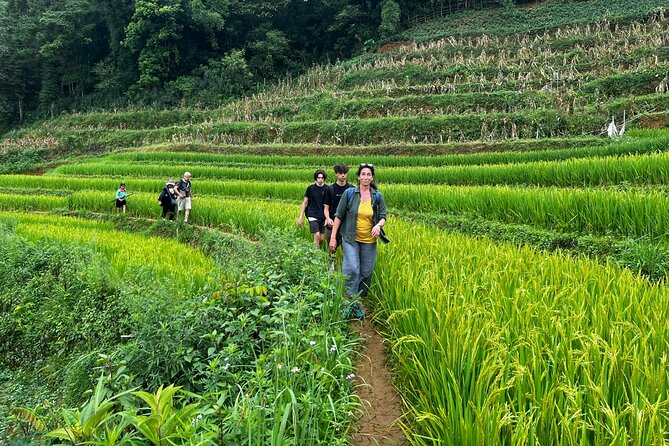
This experience explicitly calls for strong physical fitness. Translation: you’re walking for hours on uneven ground, and you should be ready for effort that lasts more than a casual sightseeing day.
You’ll also want to take slippery footing seriously. In feedback connected to this trek, people mention help getting down slick tracks, which tells me the trails aren’t always dry, especially around wet seasons or misty mornings. Good shoes are not optional.
Weather matters too. The trek requires good weather, and if it’s canceled due to poor conditions, you’ll be offered a different date or a full refund. That’s a big deal for you as a planning decision: don’t build your Sapa trip around only one tight day.
Who should book this trek, and who might want an easier option
This is for you if:
- You can handle a long, hard trek without breaking down halfway.
- You want village culture with actual time on the ground, including an overnight.
- You like being off the main tourist tracks and getting photos without constant foot traffic.
It may not be ideal if:
- You want a light walking holiday or mostly flat paths.
- You struggle with slippery trails or long days of hiking.
- You’re traveling with limited time and can’t flex if the weather changes.
The private format helps, but it doesn’t erase the physical reality of the route.
Should you book the private 2-day Wildland Trek in Sapa?
I think you should book it if you’re aiming for an authentic Sapa experience where the walk connects directly to villages, terraces, and local food. The combination of private pacing, Ta Phìn trekking, a waterfall picnic, and the salmon farm learning stop makes it feel more intentional than the standard “see a view, move on” tour.
I’d skip it if you want a relaxed, easy day outdoors. This trek is for strong walkers and for people who understand that mud and slick spots are part of trekking life.
If you do book, go in with one mindset: slow down, watch your footing, and let the changing terraces and valley paths set the pace.
FAQ
How much is the private Wildland Trek in Sapa?
It’s $110.00 per person.
How long is the trek?
The tour is listed as 2 days (approx.).
Where do I meet the tour, and what time does it start?
You meet at Nomadtrails Boutique Sapa, 15 Tuệ Tĩnh, Sa Pa, Lào Cai. The start time is listed as 9:30am (and the morning welcome is also described around 9:00am).
Is this tour private?
Yes. It’s a private tour/activity, and only your group participates.
What meals are included?
The package includes breakfast, dinner, and lunch (2) across the two days.
What about tickets or admissions fees?
Day 1 is marked as Admission Ticket Free, and Day 2 is marked as Admission Ticket Included.
Do I need to be physically fit?
Yes. Travelers should have a strong physical fitness level.
What happens if the weather is bad?
This experience requires good weather. If it’s canceled due to poor weather, you’ll be offered a different date or a full refund.
What’s not included in the price?
Travel insurance and VAT are not included.