REVIEW · SAPA
Sapa Local Trekking Adventures
Book on Viator →Operated by Sapa Trekking Tours · Bookable on Viator
A footpath in the clouds beats any bus tour. This Sapa trekking route mixes big valley views with real village moments in places like Y Linh Ho, Ta Van, and Giang Ta Chai. I like that the group stays tiny (up to 8), so you can actually hike at a human pace, and you also get homestay time instead of just passing through. The one watch-out: in rainy weather, trails can get muddy fast, and the walking can be tougher than the easy-looking photos suggest.
The schedule is built for a full day outdoors, typically running 9:00 AM to about 3:00 PM each day, with transportation handled back to town. You don’t need to plan meals or worry about navigating the route day-by-day. One more practical note up front: the tour is priced per person, and the value depends on what you want most—scenery and hiking, or lots of explanation in your language.
If you’re okay with muddy boots, and you like a small-group pace with a real cultural stopover, this is a very solid way to see Sapa beyond the main drag.
In This Review
- Key moments that make this trek worth your time
- Why Y Linh Ho to Giang Ta Chai feels like Sapa’s real side
- Small group, 9 to 3 schedule: how the pacing and logistics work
- Day 1: Y Linh Ho (9AM to 3PM) for an easy entry into the valley
- Day 2: Ta Van Village (2 days/1 night) plus a real homestay night
- Day 3: Giang Ta Chai Village (3 days/2 nights) for more village time
- Homestays and included meals: what you can expect to be handled
- Guides and culture lessons: what can make or break your trek
- Rain, mud, and the real Sapa walking conditions
- Price and value: is $66.67 per person fair for 3 days?
- Who this trek suits best (and who should pick another plan)
- Should you book Sapa Local Trekking Adventures?
- FAQ
- What area in Vietnam does this trek cover?
- How long is the experience?
- When does the trek usually start?
- Is pickup available?
- What’s included for meals?
- Are valley entrance fees included?
- How big is the group?
- Can I get a ticket on my phone?
- FAQ
- Is the tour refundable or changeable after booking?
- What if I need to bring an animal?
- Where does the tour start and end?
Key moments that make this trek worth your time
- Tiny group size (max 8): you move at your pace, not the tour bus pace.
- Moa Huong Valley access: entrance fees are included, so you can focus on the walk.
- Homestays with meals: longer trips include multiple meals and overnight village stays.
- Three duration choices: pick 1-day, 2 days/1 night, or 3 days/2 nights based on fitness and time.
- Guides matter: one guide named Nhu stood out for answering questions and sharing practical village info.
Why Y Linh Ho to Giang Ta Chai feels like Sapa’s real side
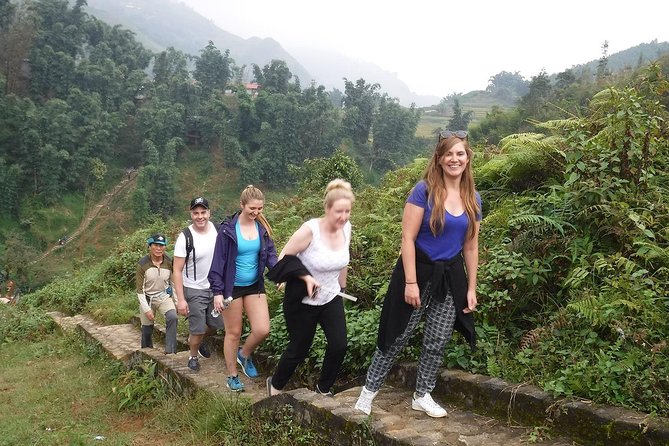
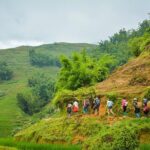
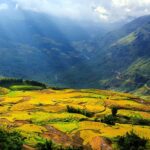
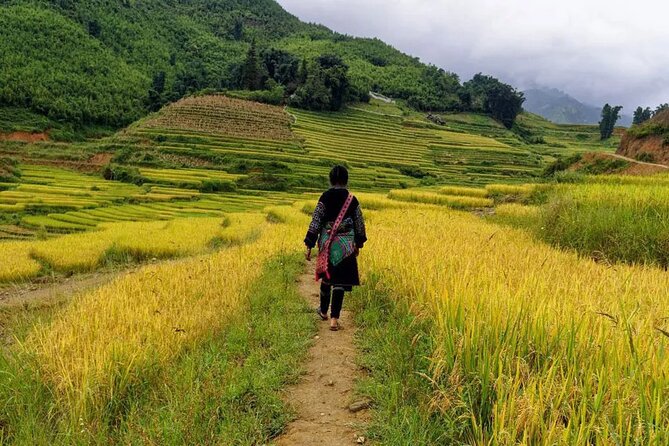
Most first-timers in Sapa start with a quick loop of viewpoints and markets. This trek nudges you past that and into the rhythms of the valley. You’re walking through areas known for terraced farming, valley paths, and minority village life, and the “wow” factor comes from how close you get to daily scenes instead of just looking down at them.
What I like is that the trip is set up as an actual progression. You start with a one-day taste in Y Linh Ho, then you build to an overnight at Ta Van Village, and finally you extend into Giang Ta Chai Village for more time in the villages and on the paths between them. That structure matters because it keeps the experience from feeling like a checklist.
You can also read our reviews of more hiking tours in Sapa
Small group, 9 to 3 schedule: how the pacing and logistics work
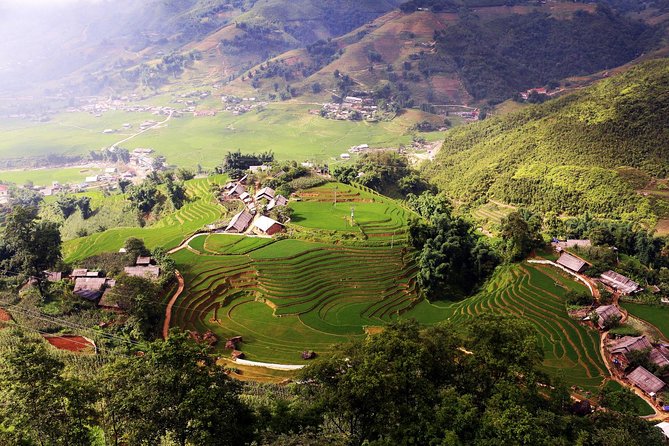
This is a guided trek with a maximum of 8 travelers, which is the sweet spot for a place like Sapa. On a smaller group, you can take breaks without everyone getting grumpy. You can also slow down when the ground is slick. And when the route turns into narrower village paths, you’re less likely to feel herded.
The day format is consistent: you typically start around 9:00 AM and wrap around 3:00 PM. That’s long enough to feel like you did something, not so long that you’re exhausted at sunset. At the end, the tour finishes back at the meeting point in Sa Pa, Lao Cai, Vietnam.
Practical extras that help:
- Pickup is offered, so you’re not always figuring out how to get to the trail start on your own.
- Transportation back to Sapa Town happens after the trek.
- A mobile ticket is used.
- There are group discounts available (exact terms can vary, so check what applies to your booking).
- The operator states service animals are allowed, and the activity is near public transportation.
That all adds up to less hassle, which is what you want when you’re also thinking about shoes, rain gear, and where the next meal is coming from.
Day 1: Y Linh Ho (9AM to 3PM) for an easy entry into the valley
Day 1 is the “try it and see” option: a 1-day trek running roughly 9:00 AM to 3:00 PM. The walk is built around Y Linh Ho, and it includes:
- Lunch in a local restaurant
- Entrance fee to the valley
- Transportation back to Sapa Town
Why this day works: it’s long enough to understand the vibe of the trails—uphill bits, downhill bits, and the way the villages sit around the farming slopes—but not so long that you’re committing to multiple nights right away.
What to consider on Day 1:
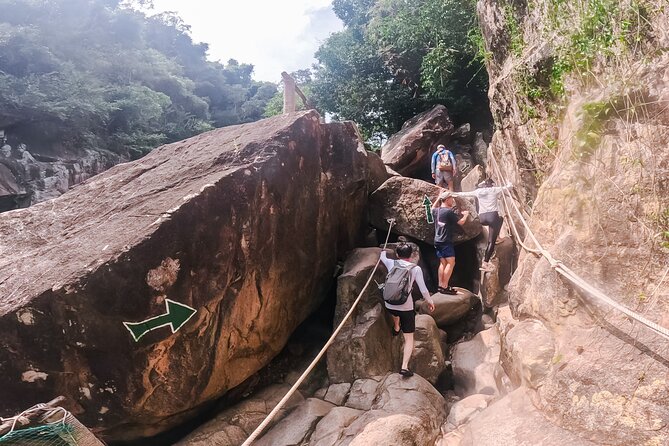
- If it’s raining, expect damp footing. One common complaint in Sapa trekking is that rain can make the ground messy and harder to navigate.
- This day can be a great option if you want the valley experience but don’t want a full homestay overnight.
If you’re traveling with limited time in Sapa, Day 1 is also the simplest way to confirm whether you actually like this style of walking.
Day 2: Ta Van Village (2 days/1 night) plus a real homestay night
Day 2 is where the trip starts feeling less like a hike and more like a stay. The route focuses on Ta Van Village, and the format becomes 2 days / 1 night, again running about 9:00 AM to 3:00 PM across the trek day.
Included details for the longer stay version:
- 2 lunches
- 1 dinner
- 1 breakfast
- Overnight stay in a homestay
- Entrance fee to the valley
- Transportation back to Sapa Town after your trek
This is the part you’re paying for if you want culture, not just scenery. A homestay changes the tone of the trip. You’re not sprinting through a village; you’re sharing time there.
You might also notice that some areas are modernizing quickly. One traveler noted seeing a sign about free Wi-Fi in a village setting. That’s not a reason to skip the trek. It’s just a reminder that village life in Sapa is changing, and your visit becomes a snapshot of a place in motion.
Day 3: Giang Ta Chai Village (3 days/2 nights) for more village time
The 3-day option continues the same logic: more time in the valley, more meals handled for you, and more overnight homestay time. Day 3 focuses on Giang Ta Chai Village and runs as 3 days / 2 nights.
Meal and stay inclusions for the longest version:
- 3 lunches
- 2 dinners
- 2 breakfasts
- 2 overnight stays in homestays
- Entrance fee to the valley
- Transportation back to Sapa Town after the final trek
This is the best choice if you want the villages to feel like places, not stops. With two nights, you have more flexibility in the rhythm of the day: slower mornings, time to ask questions, and more chances to see the same scenery from different angles.
It’s also the option that fits better if you enjoy trying hands-on moments. One guide experience included the chance to plant rice, which is the kind of activity that makes the trek feel personal instead of rushed.

Homestays and included meals: what you can expect to be handled
One of the easiest ways to judge value in a trekking tour is meals. Here, meals are handled in a structured way on the 2- and 3-day versions.
- 1-day trek (Y Linh Ho): lunch is included, served at a local restaurant.
- 2 days/1 night (Ta Van): two lunches, one dinner, one breakfast, plus the homestay night.
- 3 days/2 nights (Giang Ta Chai): three lunches, two dinners, two breakfasts, plus two homestay nights.
That matters because food logistics in rural areas can eat up energy. You don’t want to spend your trekking day hunting for snacks or trying to translate menus. Having meals included also helps you keep moving, since the plan doesn’t depend on your schedule or your language skills.
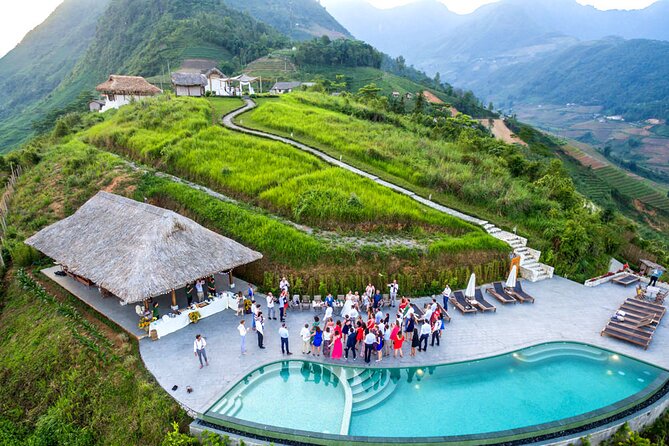
One more point: homestays are not a hotel stay. You’re there to experience village life, and the comfort level can vary by home. If you have high expectations for modern amenities, set them carefully before you go. If you’re curious and flexible, you’ll usually get more out of it.
Guides and culture lessons: what can make or break your trek
This tour leans heavily on the guide to connect the walking to real village understanding. When it’s done well, it’s the difference between seeing houses and understanding how people live around those houses.
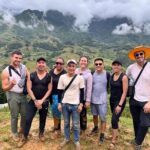
A guide named Nhu stood out in one experience for paying attention to the group, meeting individual needs, and answering questions about the villages visited. That matters because the valley isn’t just scenery—it’s community life, farming, traditions, and daily routines.
That said, a trekking guide’s ability to explain in your preferred language can vary. If you want deep Q&A and story-level context, ask ahead what languages the guide speaks and how much explanation you can expect. If your main goal is walking and views, the language barrier may matter less.
Either way, the best results come when you treat the guide as your information source, not just your walking partner.
Rain, mud, and the real Sapa walking conditions
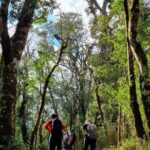
Sapa trekking can look gentle on a brochure, then surprise you with weather. If you go during rainy periods, expect muddy paths and slippery patches. Some people reported falling a few times on a rainy, muddy night trek.
So do yourself a favor:
- Bring serious rain gear and grip-focused shoes.
- Plan to move slower than you think you should.
- If you’re unsteady on your feet, consider the 1-day option or ask if there are less challenging sections for your group.
This is also where the small group (max 8) helps. In bad weather, a smaller group gives the guide more room to adjust pace, pause, and regroup.
Price and value: is $66.67 per person fair for 3 days?
At about $66.67 per person for the 3-day / 2-night option, this trek can feel like a bargain—especially because the itinerary includes:
- valley entrance fees
- transportation back to town
- multiple lunches and dinners
- two homestay nights
In other words, you’re not just paying for a guide. You’re paying for the whole set-up that keeps you from spending time and money figuring out meals, entry fees, and logistics.
Where the value question gets personal is what you care about:
- If you want strong explanation and high energy cultural context, the guide experience level can affect whether it feels worth it.
- If you mainly want walking time, valley access, and homestay life, the price-to-inclusions ratio looks strong.
If you’re comparing alternatives, don’t just compare the walking days. Compare what’s included: meals, valley entry, and homestays change the math fast.
Who this trek suits best (and who should pick another plan)
This trek is a good fit if you:
- like hiking with village time
- want a small group pace
- are comfortable with homestay-style accommodation
- want meals and entry fees handled for you
- appreciate learning from a guide while you walk
It may be less ideal if you:
- need very smooth, flat ground (rain can make trails muddy)
- want a trip with guaranteed lots of explanation in English regardless of guide
- dislike overnight stays outside hotel comfort
The good news: you can tailor your risk. Choose the 1-day route if you want to test the trekking feel. Choose 2 or 3 days if you want the deeper village experience and more time in the homestay rhythm.
Should you book Sapa Local Trekking Adventures?
Book it if you want Sapa that feels lived-in: a guided walk through the Moa Huong Valley with real village stops, homestay nights, and meals already taken care of. The max 8 group size is a big plus for comfort and pacing.
Think twice or ask questions first if:
- you’re worried about rain and slippery footing
- you need lots of language-based explanation (ask what languages your guide can use)
- you prefer hotel-only comfort for overnight stays
If you’re flexible and prepared, this is one of the more satisfying ways to see Sapa beyond the usual viewpoint shuffle.
FAQ
What area in Vietnam does this trek cover?
The trek is based in Sapa, Lao Cai, Vietnam, with routes through the Moa Huong Valley area.
How long is the experience?
You can choose from 1-day, 2 days/1 night, or 3 days/2 nights options.
When does the trek usually start?
The start time is 9:00 AM, and the activity runs until about 3:00 PM each trekking day.
Is pickup available?
Yes, pickup is offered, and the tour also includes transportation back to Sapa Town after your trek.
What’s included for meals?
For the 2 days/1 night option, meals include 2 lunches, 1 dinner, and 1 breakfast, plus a homestay night. For the 3 days/2 nights option, meals include 3 lunches, 2 dinners, and 2 breakfasts, plus 2 homestay nights.
Are valley entrance fees included?
Yes, entrance fees to the valley are included.
How big is the group?
The tour has a maximum of 8 travelers.
Can I get a ticket on my phone?
Yes, the tour uses a mobile ticket.
FAQ
Is the tour refundable or changeable after booking?
No. The experience is non-refundable and cannot be changed for any reason.
What if I need to bring an animal?
Service animals are allowed.
Where does the tour start and end?
It starts in Sa Pa, Lao Cai, Vietnam, and ends back at the meeting point.