REVIEW · SA PA
From Sapa: Terrace Fields and Local Villages Trek with Lunch
Book on GetYourGuide →Operated by Vietnam Real Tour · Bookable on GetYourGuide
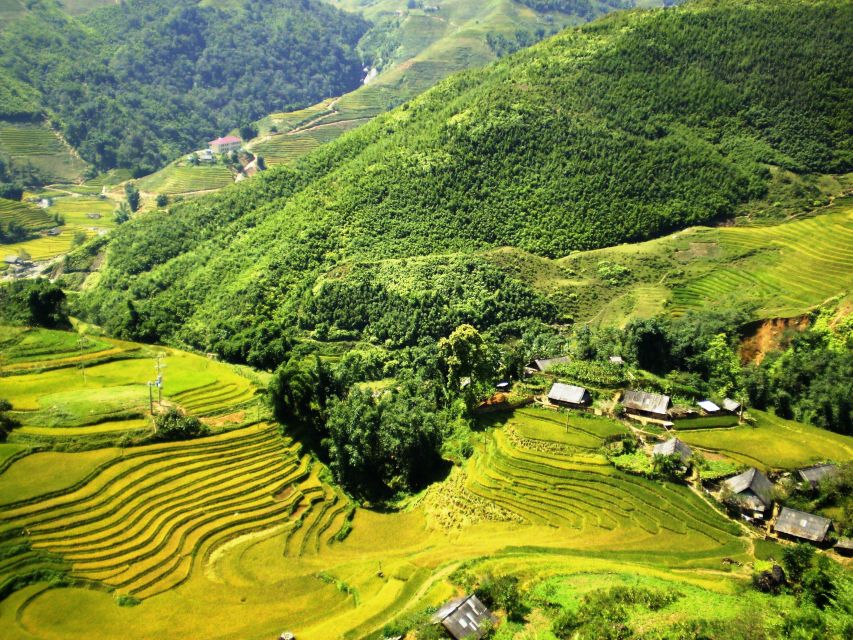
If Sapa has one real flex, it’s the terraces. This 7-hour trek takes you from Sapa town out to village paths, with a local ethnic-minority guide who helps you read what you’re seeing, not just snap it. You’ll move past rice, corn, and potato fields, visit villages including Lai Chai, and pause at a waterfall for photos.
I especially love the way this route mixes scenery with people. You get a practical look at daily life in small communities, guided by someone from the area, and the lunch is part of the plan instead of an afterthought.
The main drawback to plan around is the walking conditions. When weather turns foggy or wet, paths can get slippery and muddy, so bring the right footwear and expect some uneven ground.
In This Review
- Key things I’d circle before you go
- Sapa’s Terraced Fields: Why the Walk Matters
- Pickup Window and a Realistic Sense of the 7 Hours
- From Sapa Town to the Fields: Getting Out Without Missing Real Life
- Lai Chai Village and Ethnic-Minority Culture (With Actual Questions)
- The Waterfall Stop: When You Catch Your Breath
- Lunch in a Local Restaurant: Included, Timed, and Filling
- Price and Value: What $22 Really Covers
- Footwear and Weather: The Slip Factor You Should Plan For
- Who This Trek Fits Best (And Who Should Think Twice)
- Should You Book This Sapa Terrace Fields Trek?
- FAQ
- How long is the trek from Sapa?
- What time does pickup happen?
- Is lunch included?
- Are drinks included with the lunch?
- Is there an English-speaking guide?
- What’s included in the tour price?
- What cancellation flexibility is offered?
Key things I’d circle before you go
- Hotel-to-hotel pickup in Sapa town (it can take 30–45 minutes to collect everyone)
- Local ethnic guide who can explain customs as you walk, not just at a stop
- Non-touristy route through terraced rice, corn, and potato fields
- Lai Chai village visit on the tribal hill route
- Waterfall photo stop to break up the trek
- Lunch included, with no need to hunt for food mid-walk
Sapa’s Terraced Fields: Why the Walk Matters
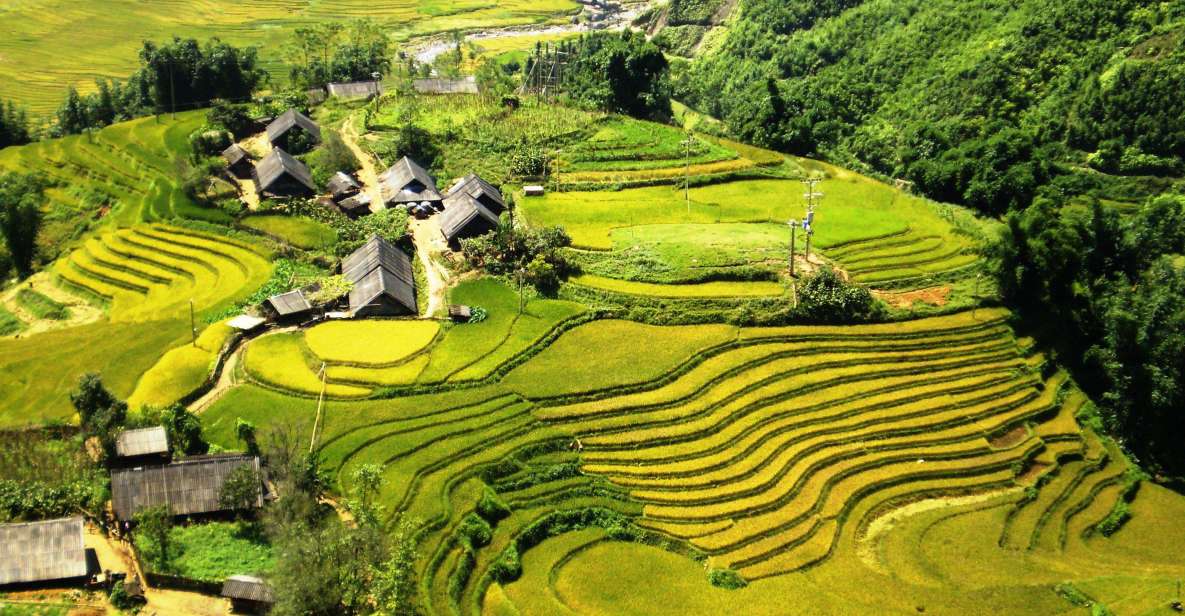
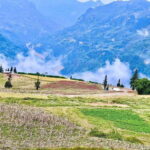
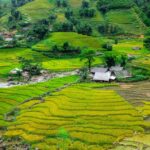
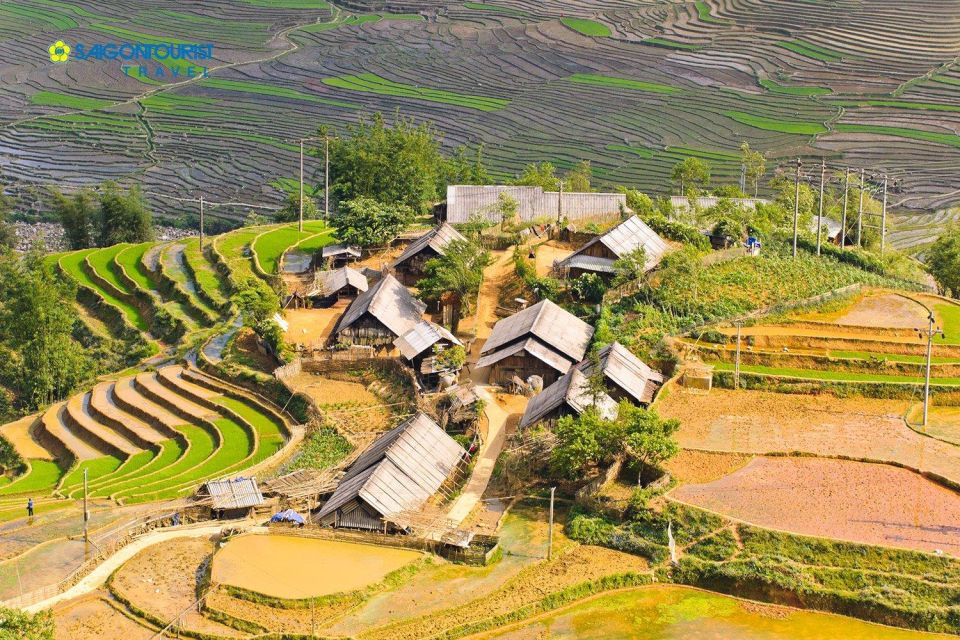
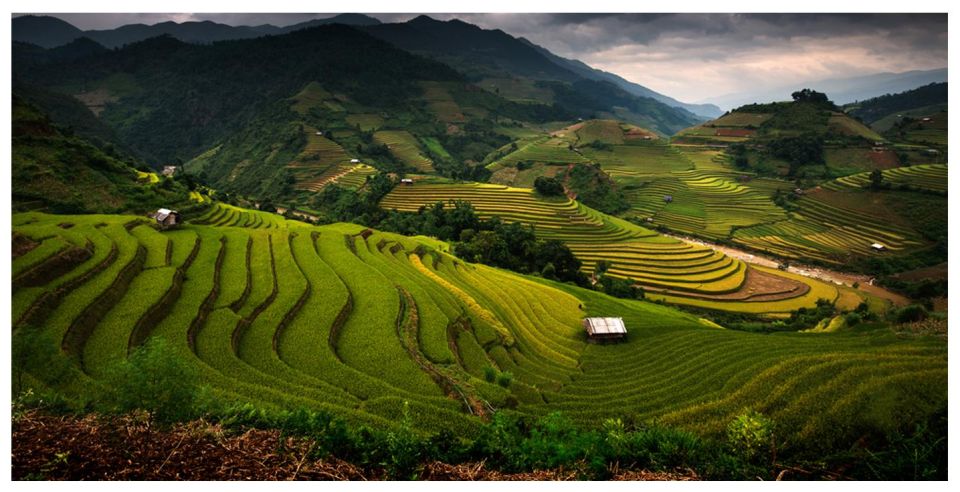
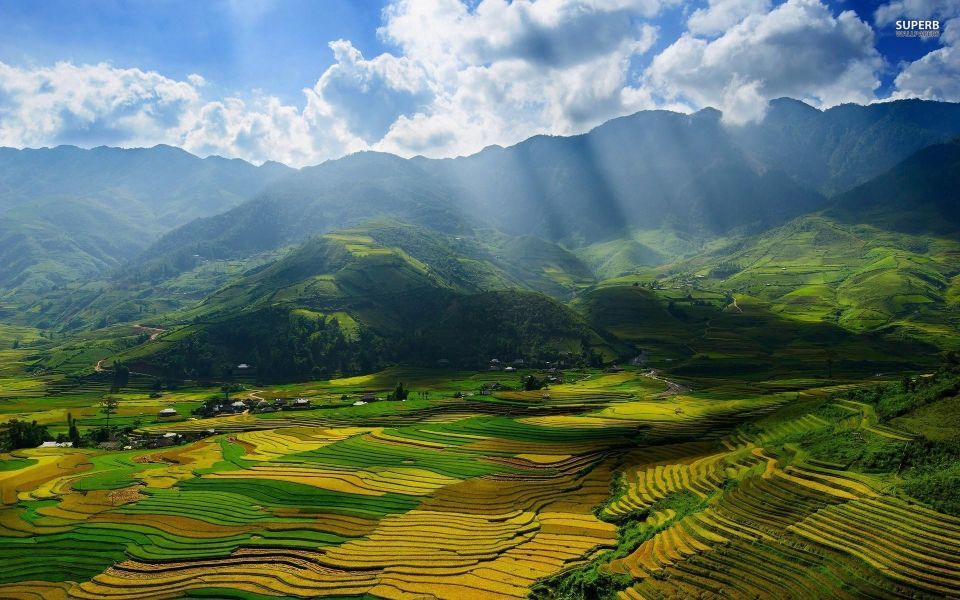
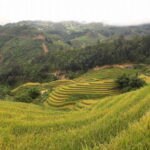
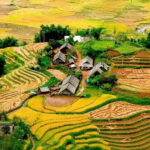
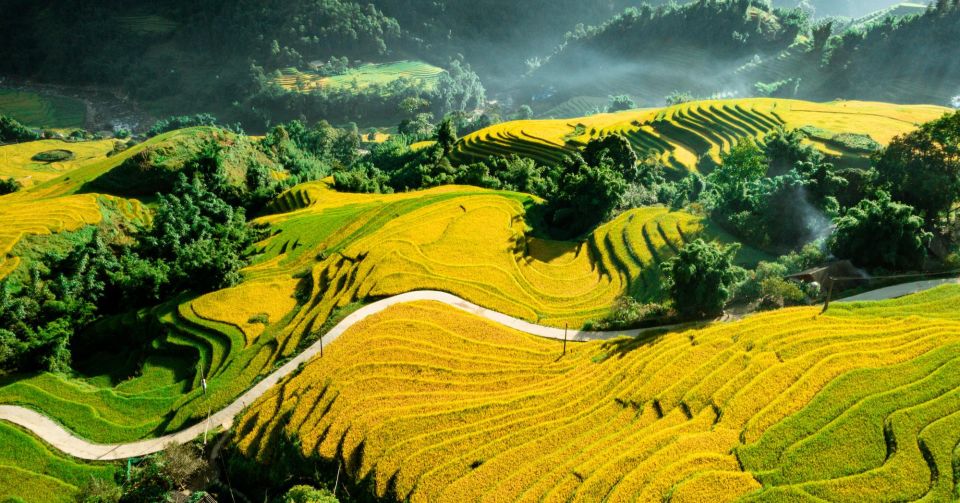
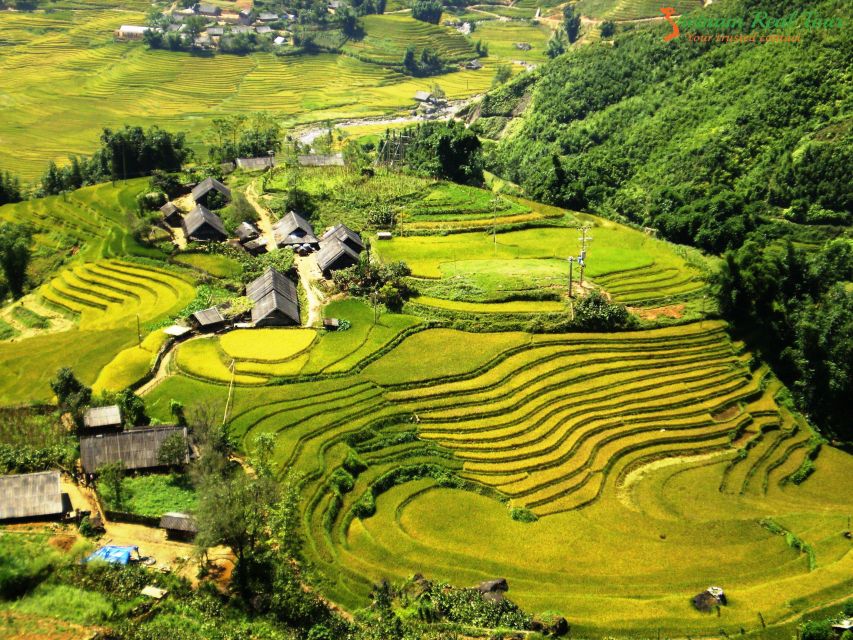
Sapa’s terraced fields aren’t just pretty from above. On this trek, you experience them the way they function day to day. The terraces step across the hills, so every turn gives you a new angle on how farming follows the slope. You’ll also see more than rice—corn and potatoes show up in the mix—so the valley looks alive with multiple crops, not a single-season postcard.
Because you’re walking on footpaths rather than staying in a vehicle, you notice the small rhythms: where people likely spend time, how water and fields relate, and how villages fit into the slopes. It’s a better way to understand why Sapa’s hillsides are so carefully shaped.
A few more Sa Pa tours and experiences worth a look
Pickup Window and a Realistic Sense of the 7 Hours
The day starts with hotel pickup between 08:00 and 08:45am. Your guide starts by walking hotel to hotel, and pickup can take 30–45 minutes depending on where you’re staying. That’s a small time tax, but it’s also convenient if you don’t want to organize your own transport to the trailhead.
Once you’re matched with the group and moving, you’re set up for a full day: towns stretch into farmland, then into village paths, with breaks built in. The trek runs about 7 hours total, and lunch is timed after the walking portion rather than replacing it. If you’re the type who likes to feel the hike, not just stroll a bit and leave, this structure usually works well.
One practical note: you’re outdoors most of the time. If fog rolls in or the ground stays wet, you’ll feel it. A couple of people noted slippery routes in foggy weather, even when they had trekking poles—so don’t treat this as an easy, flat walk.
From Sapa Town to the Fields: Getting Out Without Missing Real Life
Before you reach open countryside, you start by trekking through Sapa town. That first stretch matters more than it sounds. You get a sense of daily rhythms before the view opens up, so the terraces don’t feel sudden or disconnected.
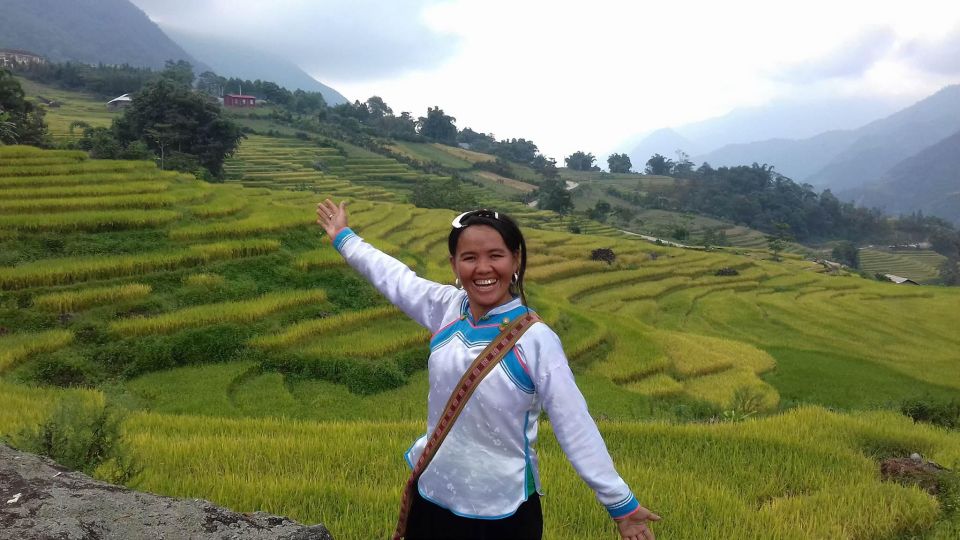
Then the trail leaves town behind and moves onto a non-touristy route through terraced fields. You’ll pass rice, corn, and potato areas, and the hike steadily shifts you from town sights to hillside farming. The air tends to feel fresher once you’re away from traffic and crowds, and the views change often because the terraces are stacked.
This is also where the route becomes a learning walk. Your guide from the local ethnic minority can explain customs and habits as you go, which turns the hike from scenery-only into context.
Lai Chai Village and Ethnic-Minority Culture (With Actual Questions)
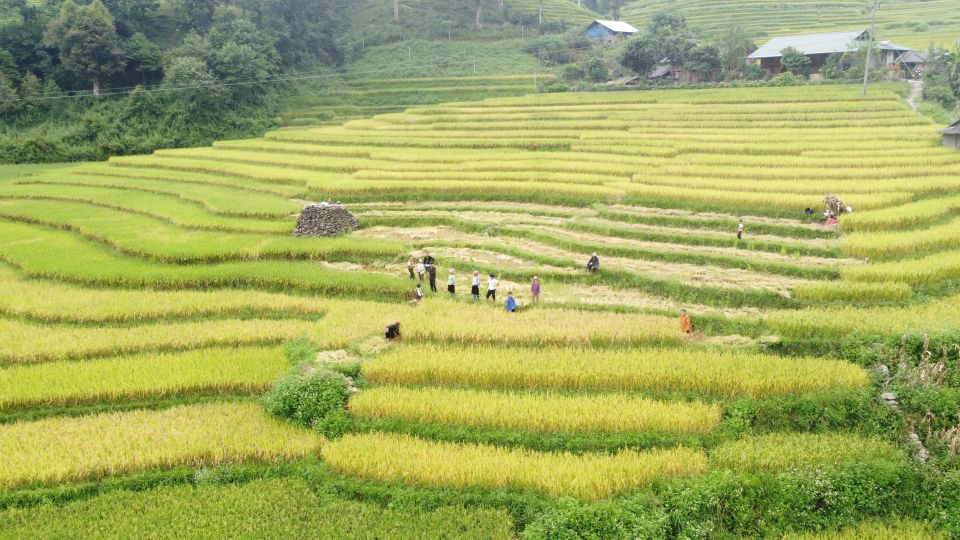
A highlight is the village portion, including a stop at Lai Chai, described as a small village on the tribal hill route. This is where your guide’s role is most valuable.
Instead of giving you a script at a single viewpoint, you spend time trekking through village areas, learning about the ethnic minority in Sapa as you walk. You’re not just watching from the outside. You’re moving through the same pathways that connect homes to fields, and that makes the conversation feel more grounded.
One guide you may meet is Mao—in at least one case, she was attentive with questions and even shared her house and family context. That kind of personal explanation can turn a village visit from a checkbox into something you understand and remember.
A balanced note: one experience description flagged the day as a bit touristy. That doesn’t automatically mean it’s bad—Sapa is busy, and villages are part of the tourism economy—but if you want complete off-grid solitude, manage expectations and focus on the moments where your guide is talking and you’re walking among fields rather than only stopping for photos.
The Waterfall Stop: When You Catch Your Breath
At some point during the walk, there’s a pause at a waterfall described as a lovely spot for photos and relaxing. This kind of stop is more than a postcard break. It helps you reset your legs, rehydrate, and take a slower look at what you’ve already climbed through.
If fog or mist is around, waterfall areas can look extra dramatic. Just remember: wet ground near water usually means slippery footing, especially on uneven paths. Keep your pace cautious and give yourself time for the step-by-step terrain.
You can also read our reviews of more hiking tours in Sa Pa
Lunch in a Local Restaurant: Included, Timed, and Filling
Lunch is included, served at a local restaurant after the trek portion. This matters because you’re already working up an appetite on hillside paths. Having lunch handled means you don’t burn time searching while your energy drops.
The lunch is described as varied with local flavors. While details aren’t listed dish-by-dish, the real value is the timing and inclusion. You get a proper meal before the ride back, and you avoid the common travel problem of late food, cold snacks, or pricey sit-down meals after a hike.
Also, drinks are not included. So if you like to have water or other beverages with your meal, plan to purchase them separately.
Price and Value: What $22 Really Covers
At $22 per person for a roughly 7-hour experience, the value is in what’s included rather than the headline price.
You get:
- Hotel pickup and drop-off
- Guided trek
- Villages entry fees
- Local ethnic guide
- Local lunch
- Shuttle bus back to Sapa
For many visitors, the biggest hidden costs on trekking days are transport and guide time. Here, both are included, plus entry fees and lunch. That’s why the price feels fair: you’re paying for a full, guided half-to-full day with multiple moving parts handled.
The only clear extra is drinks. So budget lightly beyond the base price, and you won’t get surprised.
Footwear and Weather: The Slip Factor You Should Plan For
This is one of those treks where your shoes matter as much as your enthusiasm.
In at least one instance, fog made paths slippery, and the walk became physically more difficult. Someone mentioned other people wearing rubber boots, plus even with trekking poles, the footing still challenged them. Another local helper assisted to prevent a fall, which says a lot about how quickly conditions can shift.
So here’s the practical takeaway:
- Wear footwear with real grip for mud and wet rock.
- If you own trekking poles, they can help, but don’t assume they solve everything.
- Go slow on downhill sections and keep your balance first, photos second.
If you’re visiting during wetter weather, treat that as a sign to prepare, not an excuse to downgrade your expectations.
Who This Trek Fits Best (And Who Should Think Twice)
This trek is clearly geared toward people who can handle sustained walking on uneven ground.
It’s not suitable for:
- Children under 5
- People with back problems
- People with heart problems
- Wheelchair users
- People over 275 lbs (125 kg)
- People over 70 years
If you’re within the recommended range and comfortable with a long day outdoors, this tour can be a great way to see Sapa beyond the viewpoint circuit. You’ll get scenery, village interaction, and a meal in one package, which is ideal when you want depth without spending the day organizing logistics.
Should You Book This Sapa Terrace Fields Trek?
I’d book it if you want a guided walking day that connects terraced farming with village culture, not just a quick view stop. The combination of non-touristy field paths, a guide from the local ethnic community (including the chance to meet someone like Mao), and an included lunch makes it a strong value at $22.
Skip or reconsider if you know you’re sensitive to slippery terrain, you have mobility or health limits listed above, or you’re searching for completely quiet, low-tourism solitude. Even then, you might still enjoy it if you focus on the walking moments with your guide and pack footwear for wet conditions.
FAQ
How long is the trek from Sapa?
The experience is listed as lasting 7 hours.
What time does pickup happen?
Pickup is scheduled between 08:00 and 08:45am, and collecting guests hotel to hotel may take about 30–45 minutes depending on where you stay.
Is lunch included?
Yes. Lunch at a local restaurant is included.
Are drinks included with the lunch?
No. Drinks are not included.
Is there an English-speaking guide?
Yes, the live tour guide is listed as English.
What’s included in the tour price?
Included are hotel pickup and drop-off, a guided trek, villages entry fees, a local ethnic guide, lunch, and a shuttle bus back to Sapa.
What cancellation flexibility is offered?
The experience offers free cancellation up to 24 hours in advance for a full refund.