REVIEW · HO CHI MINH CITY
Private Long Tan and Nui Dat Old Battlefields 1 Day Tour
Book on Viator →Operated by Scooter Saigon Tour · Bookable on Viator
Long Tan hits harder than postcards. This private trip links the Australian role in the Vietnam War to the places you can still stand on today, including Nui Dat’s old base area and the Long Tan Cross Memorial. It’s the kind of history walk where the world feels suddenly close and personal.
I especially love the private, English-speaking guiding with Nam at the centre of it. In the best kind of way, Nam brings the story down to the ground using old site comparisons and clear, practical explanations as you move between remnants of the base and battle sites.
Second, I really like that you get time for respect, not just photos. You can lay flowers at the Long Tan memorial, and it gives the day a steady, human pace.
One consideration: this is a long travel day. If you’re starting from Phu My, you may find the sightseeing wraps up sooner than the headline time, so keep your expectations flexible and stay ready for a tight return schedule to match port timing.
In This Review
- Key things to know before you go
- Why Long Tan and Nui Dat still matter (and not just to Australians)
- Getting there from Vung Tau or Phu My without losing the day
- Nui Dat Task Force Base: seeing the base through its leftovers
- The drive through plantations, tunnels, and places you can’t access
- Long Tan Cross Memorial: where the day turns quiet
- Lunch in Ba Ria: a real break, not a rushed meal
- What to wear and bring when the weather does its thing
- Price and value: what $110 really covers
- Who this tour suits best (and who might want another option)
- Should you book the Private Long Tan and Nui Dat Old Battlefields tour?
- FAQ
- What’s the duration of the Long Tan and Nui Dat private tour?
- Where does the pickup happen?
- How much does the tour cost, and what’s included?
- Is lunch included?
- Do I need a port permit?
- Can I cancel for a full refund?
Key things to know before you go
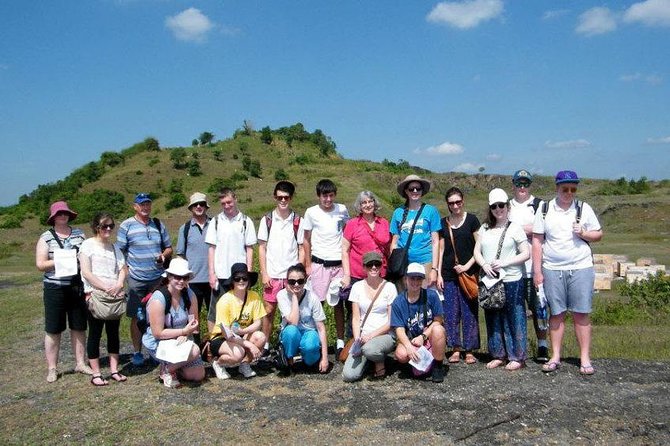
- Private transport, A/C comfort: You’re picked up and driven in a dedicated vehicle from Vung Tau or Phu My (or from Ho Chi Minh City hotels).
- Nui Dat’s “what remains” stops: You’ll see the base location through small, real remnants, plus what replaced them later (roads, fields, community spaces).
- Long Tan Cross Memorial time: This is where the emotion lands, including the chance to lay flowers.
- Lunch included in Ba Ria: A proper break with local Vietnamese food, plus unlimited bottled water.
- Restricted area awareness: The Horseshoe area is off-limits due to mining activity, so you’ll plan around that reality.
- Port permit option: A port permit service is available for an extra fee of 25 USD per person if you choose it.
Why Long Tan and Nui Dat still matter (and not just to Australians)
Long Tan and Nui Dat are not just names on a map. They connect to one of the most significant engagements involving the Australian Army Corps during the Vietnam War, and the setting makes the story harder to shrug off. When you stand at the places where military life once concentrated, it’s easier to understand how fast everything could change—terrain, routes, and even what “infrastructure” means after decades.
What I like about this tour is that it doesn’t treat the past like a museum diorama. You move from the Australian base area at Nui Dat—where thousands of troops were stationed at any one time—to the battle-linked memorial at Long Tan, then out into nearby sites that show how the area evolved. It’s history you can read with your feet: a base that became village roads, a helipad that turned into a soccer field, and memorial moments that still pull in families and descendants.
Also, there’s an important tone shift you’ll feel during the day. A lot of the emotional power comes from how the guide frames the conditions soldiers faced—hard weather, real pressure, and the human cost—without turning it into simple slogans. For Australians, it can feel like duty and remembrance. For everyone else, it’s a chance to understand Vietnam through the experience of a foreign force that was deeply involved.
You can also read our reviews of more private tours in Ho Chi Minh City



Getting there from Vung Tau or Phu My without losing the day
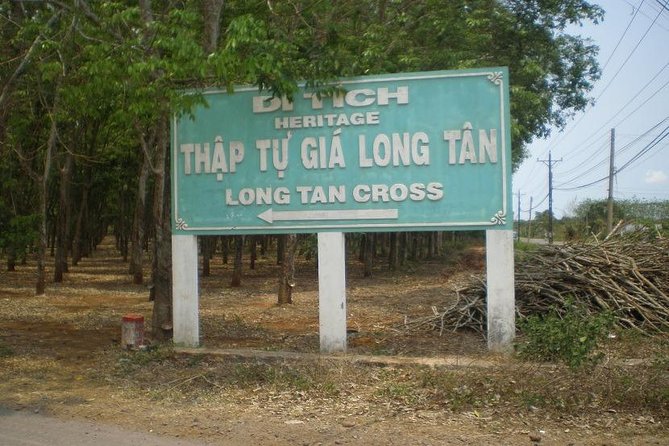
This is built for shore-excursion timing. You start either from Vung Tau Port or Phu My Port (and sometimes from hotels in Ho Chi Minh City), then you’re in a private, air-conditioned vehicle on a round trip to the Nui Dat–Long Tan area.
The practical win here is that you’re not coordinating buses, hunting meet points, or hoping your ride shows up. You’re just picked up, driven, and dropped at the port again when the day is done. The tour operator specifically aims to get you back on-time to board your cruise ship, which is exactly what you want when travel days get unforgiving.
Here’s one thing to keep in mind: port permit services can matter depending on your ship and schedule. The tour notes a port permit service is optional for 25 USD per person. If your cruise includes free or simplified shore access, you may not need it—but if you’re unsure, check with your ship and then decide. Either way, ask the driver/guide at pickup so you’re not guessing later.
Lastly, this tour runs with a mobile ticket, and you’ll be travelling with unlimited bottled water. That’s a small detail that actually helps. In the heat, you’ll drink more than you think you will.
Nui Dat Task Force Base: seeing the base through its leftovers
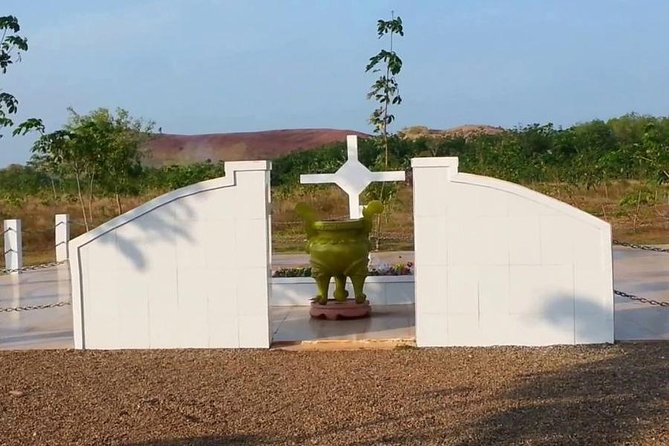
Nui Dat SS Hill is the kind of stop that makes you slow down. Instead of massive ruins, you get the quieter proof: only a few key remnants remain—two pillars being the main survivors. It sounds small, but that’s the point. The base’s presence is now mostly implied through the layout and what took over afterward.
You’ll also notice how the old military infrastructure has been repurposed. The former runway has become a wide stretch of village road, and the old helipad is now a soccer field. That transformation hits harder than any history lecture because it turns “war zone” into “place where people live and play now.” You’re watching time do its work in real space.
Then you’ll visit Nui Dat Kindergarten. This one is very specific and worth paying attention to. The kindergarten opened in October 2010 and is funded by the Australian Vietnam Volunteers Resource Group. It sits on the site where over 5,000 Australian soldiers were based at any one time during the war. So yes, you’re looking at a classroom and playground area—but you’re also standing on a former operational hub. That contrast is one of the most powerful ways to understand how the war’s physical footprint was repurposed.
A final note: this part of the day isn’t about rushing. The value here is that your guide can connect the dots between old maps, photos, and what you’re seeing now. Nam in particular is praised for answering questions and taking time with explanations, including using images to help you compare past and present.
The drive through plantations, tunnels, and places you can’t access
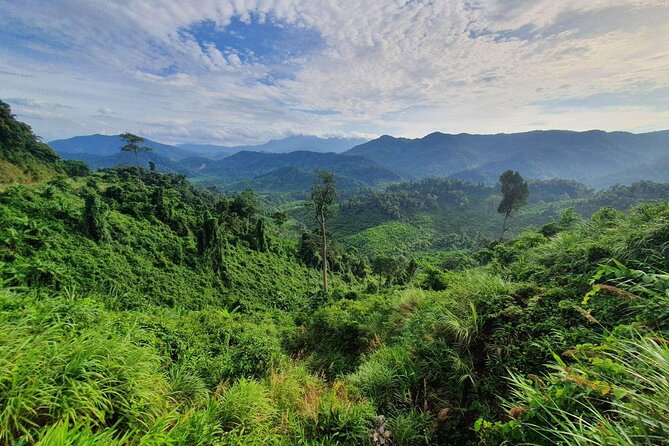
Between the base area and the Long Tan-linked sites, you travel through the broader region around Vung Tau Province. This is where the tour does more than list stops—it shows how the geography shaped movement and survival.
You’ll pass the location of the Horseshoe, but access is prohibited due to mining activity. That’s an important practical reality. Even if you’re coming for “battlefield tourism,” not everything is open. Good tours handle that honestly, and this one builds around it.
You’ll also be driven past the Discourtesy Rubber Plantation. Plantation country can look deceptively calm from the road, but it’s the same ground where tactics and movement mattered. The tour’s rhythm helps: you hear the context, then you’re moving on before the day grows stale.
After lunch (more on that next), you’ll continue through additional battle-relevant sites, including the Long Phuoc Tunnels and Ming Dam. Ming Dam is described as no longer the Secret Zone—meaning the area’s access and status have changed over time. That matters because it affects how you picture the past: where once it was hidden or restricted, now it’s part of the visible circuit you can visit.
Finally, there’s Long Hai on the route. It’s a reminder that this isn’t a single battlefield bubble. It’s a region with towns, roads, and everyday life that grew up around the wartime imprint.
Long Tan Cross Memorial: where the day turns quiet
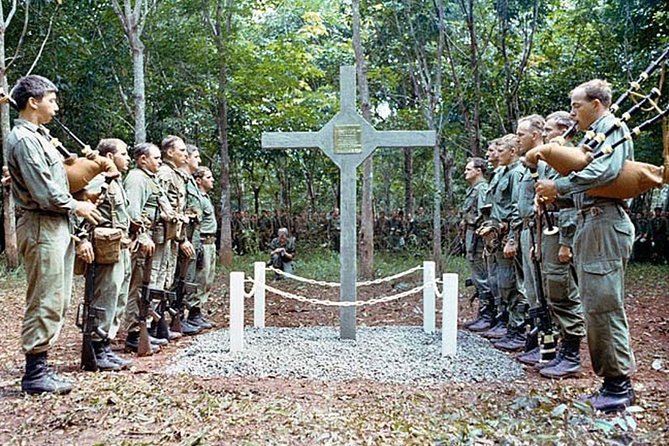
This is the core emotional stop. The Long Tan Cross Memorial isn’t just a landmark—it’s a place of remembrance, and it’s designed for people to pause.
What makes this stop special on this tour is the time and the permission to participate in a simple, meaningful ritual. You can lay flowers at the memorial. If you’re Australian, that act can feel like a personal, grounded connection to family stories. If you’re not, it still offers a human entry point into a war that’s otherwise hard to grasp from afar.
Nam’s approach is the part that tends to land for people. Reviews highlight how the guide uses photos of original sites so you can compare what used to be there with what exists now. That helps you understand what you’re looking at, instead of treating it like a generic memorial stop.
Also, the tour’s focus on horrendous weather conditions the troops faced matters here. It shifts the mental picture from heroics to strain—how difficult it was to hold firm and keep going when everything around you is working against you.
If you want to get the best out of this memorial moment, go slowly. Bring a respectful mindset, and don’t be rushed by the schedule. The tour’s pacing is set up to make room for this rather than turning it into a quick drive-by.
A few more Ho Chi Minh City tours and experiences worth a look




Lunch in Ba Ria: a real break, not a rushed meal
Battlefield days can feel like they’re running on adrenaline and questions. Lunch is what resets that.
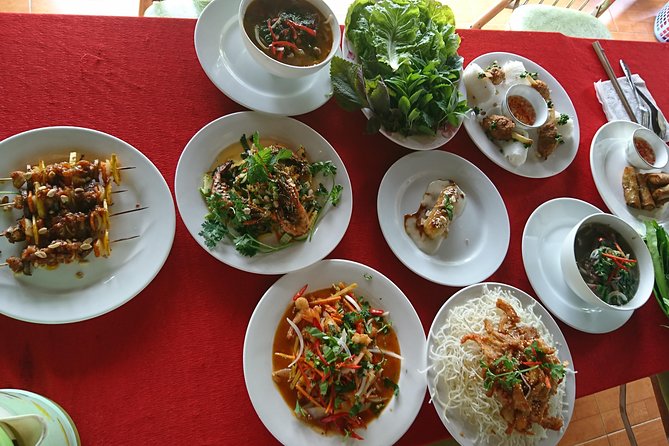
Lunch is included and served in the nearby area of Ba Ria. The food is local Vietnamese, and you’ll get a proper pause from walking and staring at history. You’ll also have unlimited bottled water, which is practical because it keeps you from spending extra money on drinks during a day that’s already priced fairly.
One more helpful touch: dietary requirements can be catered for if you contact the operator ahead of time. That’s worth doing early if you have allergies or strong preferences, because it’s much easier to sort out before the day arrives.
This lunch break also helps with the overall emotional pacing. It’s easier to absorb what you’ve learned when your body is not running on empty.
What to wear and bring when the weather does its thing
This day is outdoors, and Vietnam weather doesn’t care about your itinerary. Dress for sun and insects, and keep it respectful at the sites.
Bring:
- Sunscreen
- Hat
- Insect repellent
- Light jacket
- Flashlight or torch
Wear:
- Clothes that cover knees and shoulders out of respect for the sites and memorials.
The tour also notes service animals are allowed, and most travellers can participate. So this is not framed as a high-mobility challenge tour, but you should still expect walking on uneven ground at sites and being outside for stretches.
My practical advice: pack a small day bag with what you need for a long pause between stops—water access helps, but don’t assume you’ll always have time to buy anything on the fly.
Price and value: what $110 really covers
At 110 USD per person, you’re paying for a private, guided day that combines transportation, entrance fees, and meals. The cost isn’t cheap in absolute terms, but the value is in what gets bundled.
Included essentials:
- Round-trip private air-conditioned vehicle from Vung Tau or Phu My port to the Long Tan–Nui Dat area
- An English-speaking local guide
- Entrance fees
- Lunch as indicated in the day’s plan
- Unlimited bottled water
- Pickup offered (ports or Ho Chi Minh City hotels)
What you’re not paying for:
- Tips and other drinks
- Port permit service (optional, 25 USD per person)
This is the kind of tour that pays off if you care about context. Going alone to these sites would mean more planning time, more guessing about where to stand and why, and fewer chances to ask questions on the spot. Nam’s explanations—plus the way the day is arranged to connect Nui Dat remnants to Long Tan memorial meaning—are exactly what you’re buying with this price.
You’re also getting privacy. It’s only your group on a private activity, which matters if you want quiet reflection at the memorial instead of competing with a big crowd.
Who this tour suits best (and who might want another option)
This is a strong fit for:
- Australians (especially anyone with family ties to the Long Tan era)
- History lovers who want more than a drive-by memorial
- People who value context, photos, and guided interpretation
- Anyone who wants a shore-excursion day that still leaves space for emotion and remembrance
It may be less ideal if:
- You want a purely sightseeing style day with lots of unrelated attractions
- You’re expecting a rigid “full day” experience from start to finish with zero flexibility, because timing can vary depending on your departure port and how the route works out that day
The guide’s empathetic tone is repeatedly highlighted. That’s a plus if you’re coming to learn with respect, not to treat war sites as entertainment.
Should you book the Private Long Tan and Nui Dat Old Battlefields tour?
Yes, if Long Tan and Nui Dat matter to you—personally, nationally, or historically. The biggest selling point isn’t just access to famous places. It’s the way the day connects base remnants like Nui Dat SS Hill and the repurposed spaces (roads and a soccer field) to remembrance time at the Long Tan Cross Memorial, with Nam’s explanations keeping the story clear.
If you’re short on time and you want the comfort of a private vehicle with entrance fees and lunch handled, this is a smart shore day plan. If you’re going from Phu My, keep your schedule expectations a bit loose so you’re not disappointed if you wrap earlier than the headline duration.
FAQ
What’s the duration of the Long Tan and Nui Dat private tour?
The tour runs about 8 hours 30 minutes (approx.), and the day may run longer or shorter depending on your time constraints, with an emphasis on returning on-time for port schedules.
Where does the pickup happen?
Pickup is available from the port gate at Vung Tau or Phu My port, or from hotels in Ho Chi Minh City.
How much does the tour cost, and what’s included?
The price is 110 USD per person. The tour includes a private air-conditioned vehicle round trip, an English-speaking local guide, entrance fees, lunch (as indicated), unlimited bottled water, and pickup.
Is lunch included?
Yes. Lunch is included as indicated in the plan, and dietary requirements can be catered for if you contact the operator beforehand.
Do I need a port permit?
A port permit service is optional and costs 25 USD per person if you choose it.
Can I cancel for a full refund?
Yes. You can cancel up to 24 hours in advance for a full refund, based on local experience time.