REVIEW · HANOI
From Hanoi: 2-Day Sapa Trekking Trip with Homestay & Meals
Book on GetYourGuide →Operated by Vietnam Real Tour · Bookable on GetYourGuide
Sapa can feel far away, but this two-day trek gets you into the villages fast, with a real overnight at a local house. What makes it special is the mix of big terraced views and hands-on time with your host.
I especially love the guided day of walking that strings together farming villages like Lao Chai and Ta Van. And I like that the experience isn’t just a photo stop—there’s cooking time, plus a chance to share stories and see how daily life works up close.
One thing to consider: this is proper trekking on uneven, sometimes slippery paths, and the homestay setup uses shared bathroom arrangements like locals. If you’re not comfortable with basic rural conditions and muddy footing, you’ll want to rethink.
In This Review
- Key things that make this trek worth your time
- Two days from Hanoi: the early start that pays off
- Day 1 hike: 12 kilometers through terraced fields and H’Mong villages
- Ta Van homestay night: family welcome, cooking time, and basic comfort
- Day 2 options: bamboo forest, more villages, and possible field work
- Meals and drinks: farm-to-table style, plus big portions after hiking
- Free time in Sapa: use the market window wisely
- What to pack for this Sapa trek (and what will save you)
- Fitness limits: how hard is it, really?
- Value for $71: what you’re really paying for
- Who this Sapa homestay trek fits best
- Should you book this Sapa homestay trek?
- FAQ
- What time is pickup in Hanoi for this Sapa trip?
- How long is the trip?
- Where do you go on the first day hike?
- What meals are included?
- What are your options on Day 2?
- Is this trip suitable for kids or people with mobility/health issues?
Key things that make this trek worth your time
- A 12-kilometer guided hike through multiple villages with terraced fields, corn, and potato plots
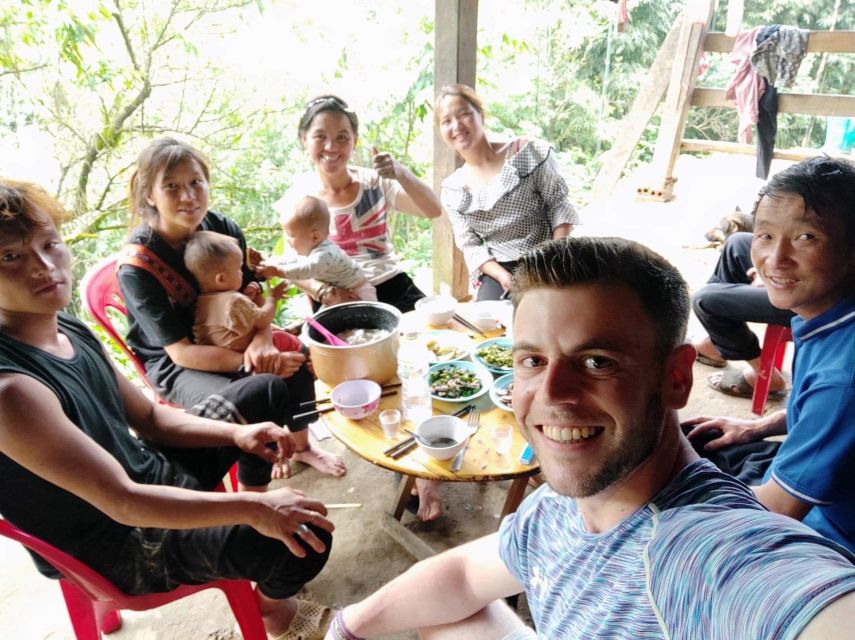
- A homestay night with Mama Zuzu and the option to help cook dinner with your host
- A waterfall break that breaks up the walking and gives your legs a reset
- Day 2 choices: hike to more villages or head to a bamboo forest, with possible field work
- Small-group feel (often around a dozen people) that makes sharing the meals easier
- Sapa market/free time after your second lunch, so you’re not stuck on the trail the whole time
Two days from Hanoi: the early start that pays off
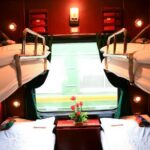
This trip runs on a very practical rhythm: you leave Hanoi early, sleep on a bus, and arrive in Sapa with enough daylight to start hiking the same day. Pickup is from Hanoi’s Old Quarter in a shuttle, timed between 6:00 and 6:45 AM, and then you’re transferred to an air-conditioned sleeper bus.
The travel isn’t slow-tour scenic cruising—it’s a straight shot so you can maximize your time where it matters: in the rice terraces and village trails. You’ll reach Sapa around early afternoon and get moving fairly quickly after a local lunch. On the second day, you’re back in Sapa town for a market window before the return bus leaves in the mid-afternoon.
Why that matters for you: if you’ve only got a short window in northern Vietnam, this is one of the more efficient ways to turn Sapa into more than a day trip. The trade-off is the wake-up time. Bring a jacket and plan to take the road portion as part of the adventure, not a relaxing bonus.
You can also read our reviews of more hiking tours in Hanoi

Day 1 hike: 12 kilometers through terraced fields and H’Mong villages
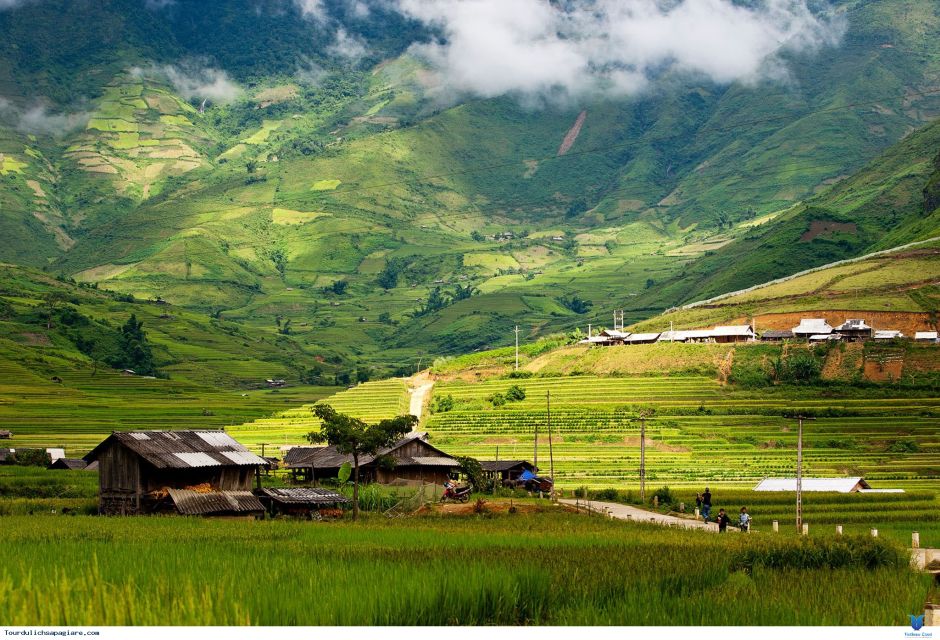
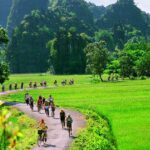
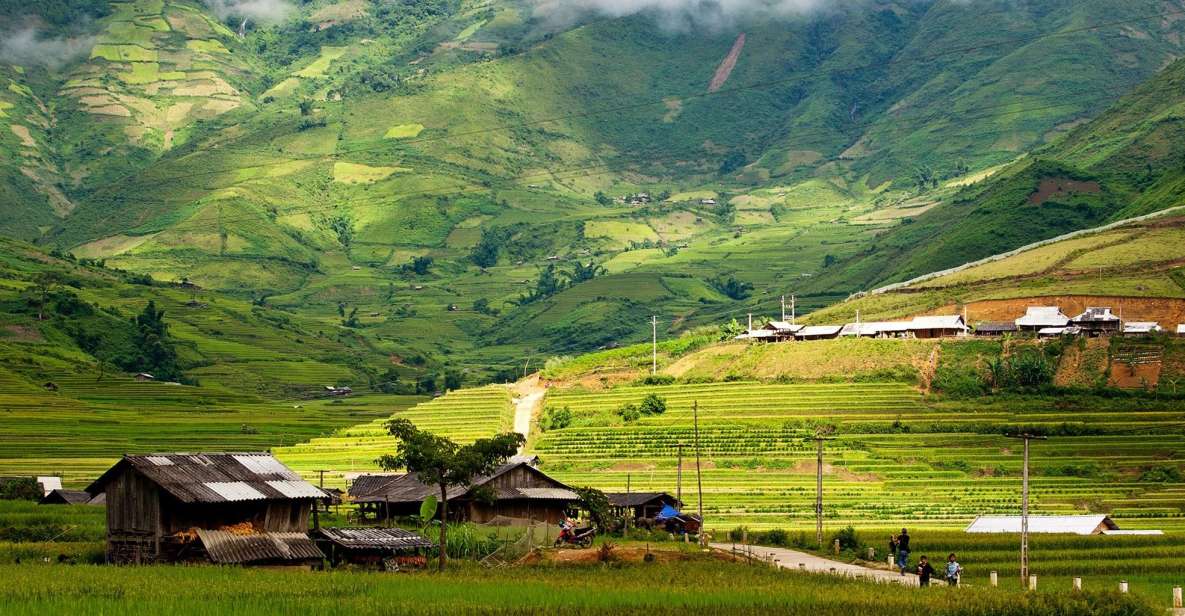
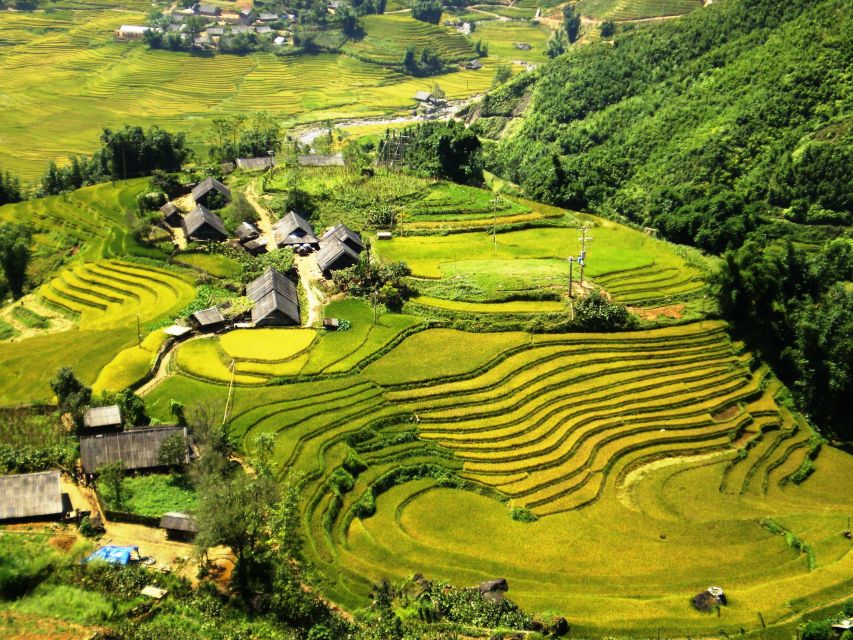
Day 1 is all about the walking route that threads together rural life. You start with lunch in Sapa town, then set off on a 12-kilometer guided hike through terraced rice fields (plus corn and potato areas). The route passes village communities including Ylinh Ho, Lao Chai, and Ta Van, and it’s paced for sightseeing as well as movement.
One of the best parts is that you’re not just viewing the terraces from a distance—you’re walking through them. You’ll get photo stops and guided context along the way, including time to meet local H’Mong people and hear about customs and daily life.
There’s also a waterfall stop along the hike. It’s the kind of break that keeps energy up because you’re changing scenery and getting a breather from walking. If it’s rainy—or if the ground is damp—the trail can get slippery, so proper traction matters.
My practical advice here is simple: wear trekking shoes, not fashion sneakers. Several people note slipping on muddy clay is easy. If you’re unsure, go conservative with your footwear and pack spare socks. This is not the place for brand-new shoes that haven’t been broken in.
Ta Van homestay night: family welcome, cooking time, and basic comfort
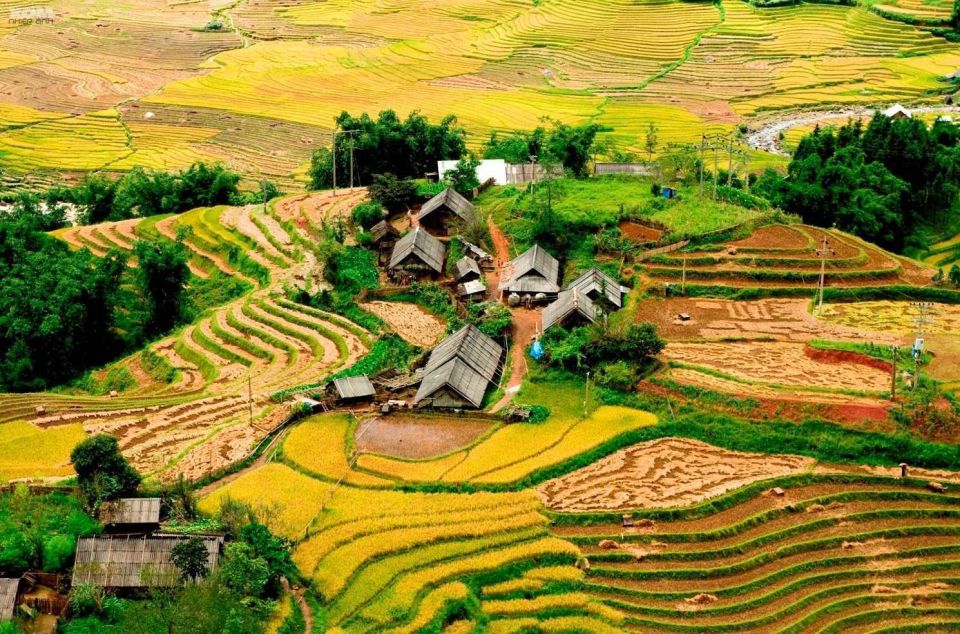
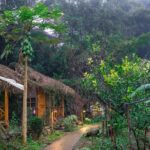
Once you finish the first day’s hike, you arrive at your guide’s house for the homestay stay. This is where the trip shifts from scenery to people. You’re welcomed like family, and you’ll have the option to help with dinner cooking so you can learn local dishes while sharing stories.
You should expect the homestay setup to be straightforward and rural. The tour notes explicitly that bathrooms are shared as locals do each day. That means you should bring patience, not expectations of a Western setup.
What you can still be happy about: many homestays on this style of trek are organized to feel comfortable after a long walk. People often mention rooms with fans, separate shower arrangements, and the small comforts of towel or toiletries. Beds can feel firmer than you’re used to, but duvets are usually available, and after trekking, you’ll likely sleep anyway.
One cultural detail to remember: you’ll likely interact with family and village members in a friendly, social way. That can include conversation at the dinner table, and some evenings include shared fun like group games or karaoke. Don’t treat it like a performance. It’s a real home evening—show gratitude, stay relaxed, and let the rhythm of rural life set the pace.
Day 2 options: bamboo forest, more villages, and possible field work
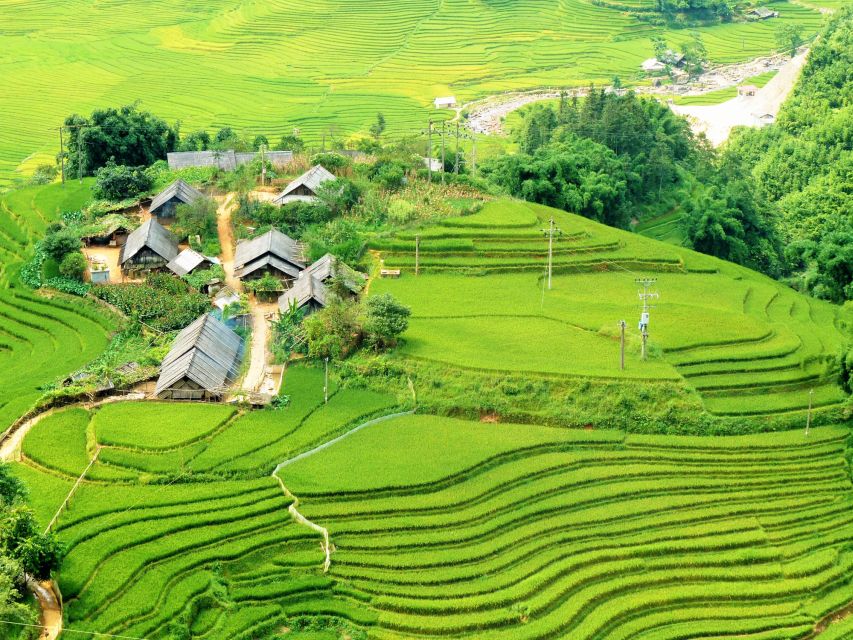
Day 2 starts early with breakfast cooking alongside your host. This is a fun way to learn the basics of what you’re eating and how the morning routine works at the homestay.
Then you choose between options. You can hike to further villages or take a second hike to a bamboo forest. Depending on the day, you might also get a chance to participate in field activities like harvesting, planting, or caring for plants.
That “hands-on” element is valuable because it turns the view into something you understand. Terraced farming and forest edges aren’t just scenery—they’re livelihoods. Even if your role is small, it helps you connect what you walked through on Day 1 to what people do every day.
After your hike and lunch at a local restaurant, you head back to Sapa town by shuttle. You then get free time for the market and some independent wandering. This portion is a good reset before the return bus leaves around 15:00.
Then it’s back on the sleeper bus, arriving back in Hanoi’s Old Quarter around 21:30 to 22:00.
Meals and drinks: farm-to-table style, plus big portions after hiking
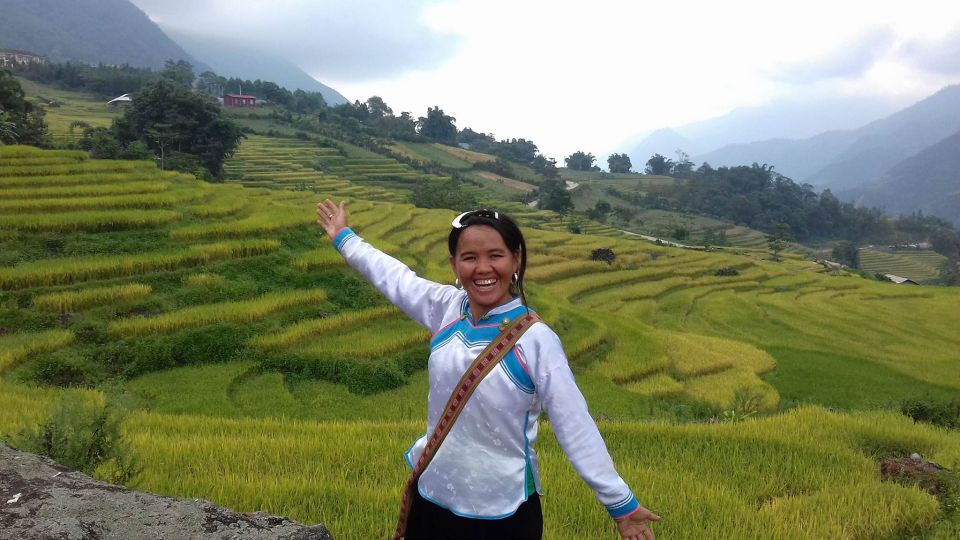
Meals are a major part of why this trek works, and the itinerary does more than list food. On Day 1, you’ll have lunch at a local restaurant, then dinner with your host. You may help cook dinner, which makes the meal feel earned instead of transactional.
The tour also points you toward a farm-to-table approach by gathering vegetables to cook for dinner. Even if you’re only helping a little, it’s a strong way to see how much of the cooking is tied to daily growing and local ingredients.
On Day 2, breakfast is cooked with your host, and lunch happens at a local restaurant again. Many people report the meals are plentiful, and breakfast may include items like pancakes. If you eat vegetarian or have dietary restrictions, tell your operator in advance—some groups report accommodations, but it’s not something you should assume without confirming.
And yes, you might be offered local drinks like happy water during the evening at the homestay. It’s not just a gimmick. It’s social fuel for karaoke-style fun or a calmer conversation under the bamboo canopy.
Practical take: carry water with you, and consider packing extra snacks if you tend to get hungry after climbing. The included meals are filling, but trekking burns energy fast.
A few more Hanoi tours and experiences worth a look
- Doris Cruise 5 star cruise 2 days visiting Halong Bay Lan Ha Bay private balcony
★ 5.0 · 2,338 reviews




Free time in Sapa: use the market window wisely
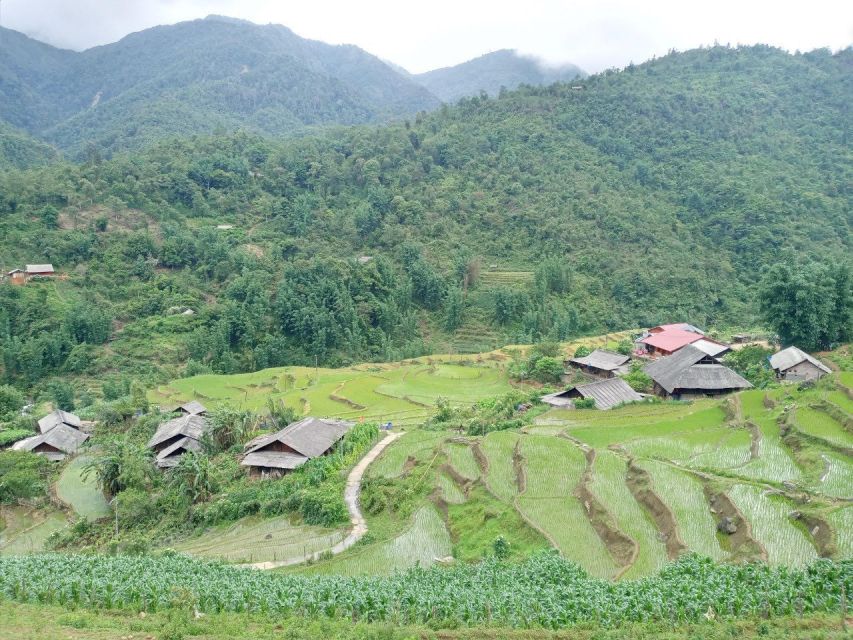
After your second lunch, you’ll have free time in Sapa town. This is your chance to shop the market, look at local products, and pick up small souvenirs.
What I’d do with your time: keep it simple and budget-friendly. You’ll already be meeting sellers during the hike, and you’ll see more in town. Use the market window for items you actually want to carry back—textiles, small crafts, or food items—then move on.
Also, remember you’ll likely hear sales talk during the hike too. Some villagers may join you on steep sections and then offer goods afterward. It’s best to be polite but clear. You can decline. It’s not a negotiation tournament; it’s normal village commerce tied to the trail experience.
What to pack for this Sapa trek (and what will save you)
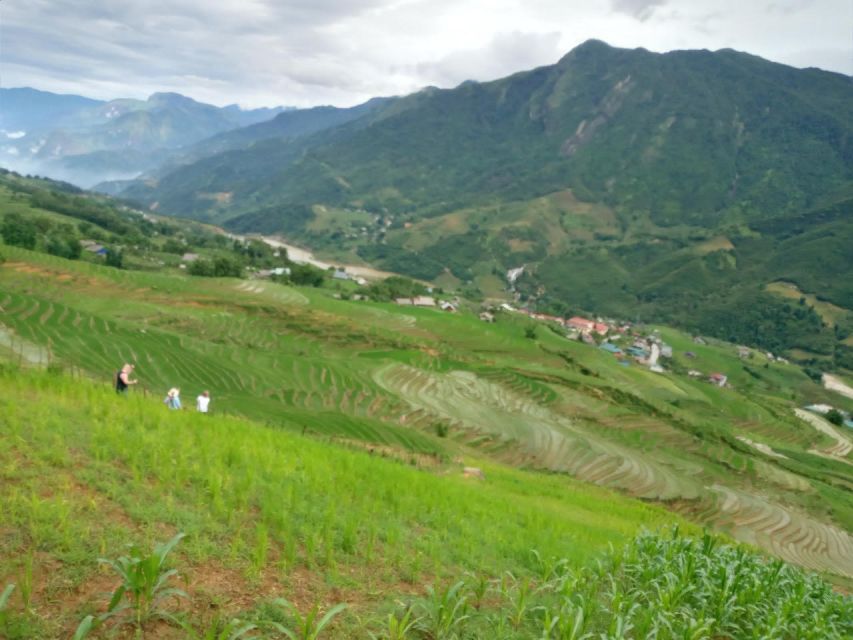
The tour gives a solid packing list, and it lines up with what you’ll feel on the trail. Bring:
- Trekking shoes (not optional)
- Change of clothes and outdoor clothing that can get dirty
- A jacket (weather shifts fast in the mountains)
- Breathable layers
- Water and any drinks you want on the trail
- Cash for small purchases
- A charged smartphone, plus a pen (useful for forms or quick notes)
A few “real life” tips based on common trek problems:
- If your footwear isn’t grippy, you’ll work harder than you need to. Mud happens.
- Pack clothes you’re okay washing later. This trek is about movement, not keeping everything pristine.
- Consider bringing a light towel or extra plastic bags for damp gear.
Fitness limits: how hard is it, really?
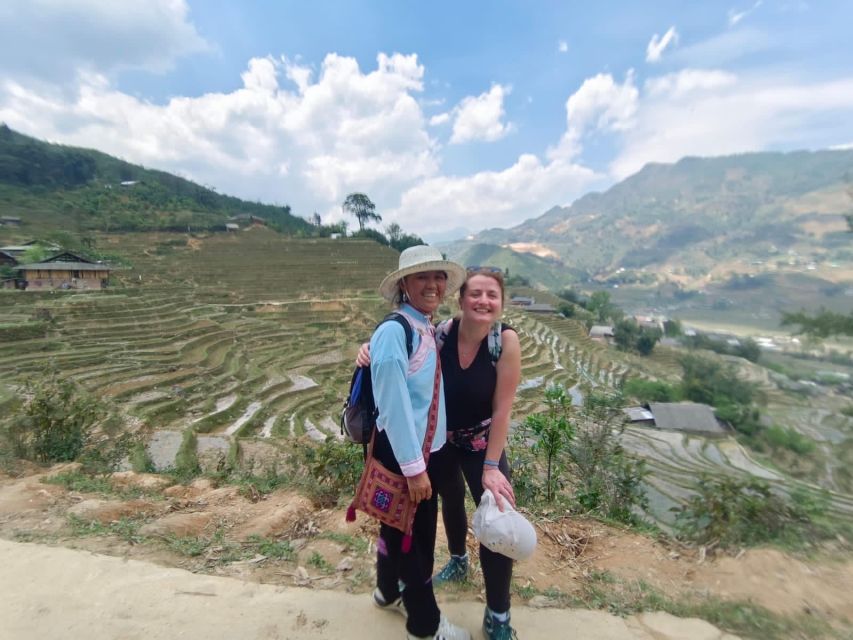
This trek is not extreme mountaineering, but it is physically demanding. The route includes steep inclines and can involve muddy, slippery sections, especially after rain. The hike is long enough that you’ll feel it in your legs the next morning.
The good news is pacing and guidance. You’ll have a local guide, and you’ll be walking on a route designed for visitors who want both views and access to village life. The homestay portion is timed so you have a full night to rest and a cooked breakfast in the morning.
But you should respect the limits listed by the operator. This trip is not suitable for:
- children under 8
- pregnant women
- people with back problems
- people with heart problems
- wheelchair users
- people over 220 lbs (100 kg)
- people over 70
If any of those apply, pick a gentler option in Sapa instead of trying to force it.
Value for $71: what you’re really paying for
At $71 per person for a two-day overnight, the real value isn’t the hiking alone. It’s the bundle:
- Hanoi Old Quarter pickup and return drop-off
- Air-conditioned sleeper bus transport
- Local guide
- Entrance fees
- Two guided hikes
- Homestay accommodation
- Cooking with your host
- Meals: 1 dinner, 2 lunches, 1 breakfast
For you, that means fewer planning headaches. You’re not arranging transport, hunting down a homestay, and piecing together meal plans. It’s one price that covers the basics of getting you into the Sapa countryside and keeping you fed.
The trade-off is that you’re sharing facilities and following a schedule. If you need total independence or expect hotel-level comfort, this is likely not your style of trip. But if you want genuine interaction and don’t mind basic rural conditions, this can be a strong value.
Who this Sapa homestay trek fits best
This trip is a great match if you:
- want more than a bus-and-view version of Sapa
- enjoy walking for scenery and conversation, not just checkpoints
- like cooking time and cultural exchange
- are okay with shared bathrooms and simple lodging
- travel with a flexible attitude about weather
It may not fit if you:
- hate uneven steps and slippery trail conditions
- need frequent medical stops or have mobility limits
- want quiet, private accommodation without group dynamics
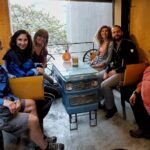
One more note on group vibe: people often describe groups around a dozen. That usually feels friendly—easy to talk during meals, but not so large that it becomes a crowded scramble.
Should you book this Sapa homestay trek?
If you’re torn between a quick Sapa stop and a real countryside experience, I’d lean toward booking this. The best part is the combination: guided walking through working farmland plus an overnight at a local home, with cooking and shared meals.
Only skip it if you know you won’t handle muddy, steep sections or you’re uncomfortable with basic rural facilities. If you can do trekking shoes and a shared bathroom setup, you’ll get a Sapa story that feels personal, not packaged.
FAQ
What time is pickup in Hanoi for this Sapa trip?
Pickup is included from your accommodation in Hanoi’s Old Quarter between 6:00 and 6:45 AM, followed by transfer to a sleeper bus.
How long is the trip?
The experience runs for 2 days, starting with pickup in the morning and ending with return to Hanoi’s Old Quarter in the evening.
Where do you go on the first day hike?
You hike a guided route of about 12 kilometers through villages including Ylinh Ho, Lao Chai, and Ta Van, with a waterfall stop along the way.
What meals are included?
The tour includes 1 dinner, 2 lunches, and 1 breakfast. Cooking with your host is part of the experience.
What are your options on Day 2?
On Day 2 you can choose between hiking to further villages or taking a hike to a bamboo forest, and you may have the chance to help with field activities like harvesting, planting, or caring for plants.
Is this trip suitable for kids or people with mobility/health issues?
No. It’s not suitable for children under 8, pregnant women, people with back or heart problems, wheelchair users, or travelers over 220 lbs (100 kg) or over 70.

More 2-Day Experiences in Hanoi
- Doris Cruise 5 star cruise 2 days visiting Halong Bay Lan Ha Bay private balcony
★ 5.0 · 2,338 reviews