REVIEW · SAPA
Batik Making in Sa Pa: Learn, Paint & Take Home Your Masterpiece
Book on Viator →Operated by SAIGONESE TREKKING HOUSE · Bookable on Viator
Beeswax turns fabric into stories in Sapa. This hands-on workshop is built around Hmong batik and the tjanting pen, so you’re not just watching cultural art—you’re making it. You’ll meet the Hmong artisan behind the craft (including Mây, who comes up again and again in feedback), then create your own fabric design inspired by Hmong motifs and storytelling.
Two things I especially like: you get real guidance while working with natural beeswax, and you leave with an actual handmade artwork that feels personal. One caution: there’s at least one unhappy account involving an absent workshop lead and problems with finished pieces, so it’s smart to be alert about timing and how your work is handled at the end.
At about two hours, it’s a compact cultural stop that fits easily into a Sapa day. For $20 per person, materials plus a welcome drink are included, which makes the value feel sensible—assuming the session runs smoothly.
In This Review
- Key highlights to know before you go
- Where You Start at Saigonese Trekking House in Sapa
- What Hmong Batik Teaches You (Beeswax, Motifs, and Meaning)
- Hands-On Session: Using the Tjanting and Building Your Pattern
- The Dye and Finishing Part: What You’ll Actually Walk Away With
- A Welcome Drink and a Secret Gift: Small Details That Matter
- Price and Logistics: Does $20 for 2 Hours Make Sense?
- Who This Workshop Suits Best in Sapa
- Should You Book Batik Making in Sa Pa?
- FAQ
- How long is the batik workshop in Sa Pa?
- Where do I meet for the workshop?
- What’s included in the $20 price?
- Is there a group size limit?
- Do I need drawing or art experience?
- Will I take something home?
- Are tips included?
- Can I cancel for a full refund?
Key highlights to know before you go
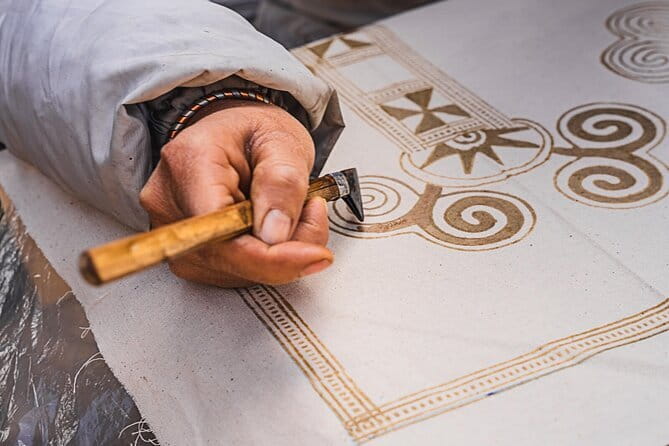
- Meet the artisan (Mây is a standout): Friendly instruction is a big part of why people would do this again.
- Work with the real tool: tjanting: You learn to control the pen to form intricate wax lines.
- Natural beeswax creates your pattern: The wax-and-dye method is the core of batik.
- You can often make more than one piece: Some sessions result in two separate artworks.
- Tea or coffee welcome drink: A small touch, but it sets a relaxed pace.
- You take home more than fabric: You’ll get your artwork, and you may receive dyes to finish at home plus a secret gift.
Where You Start at Saigonese Trekking House in Sapa
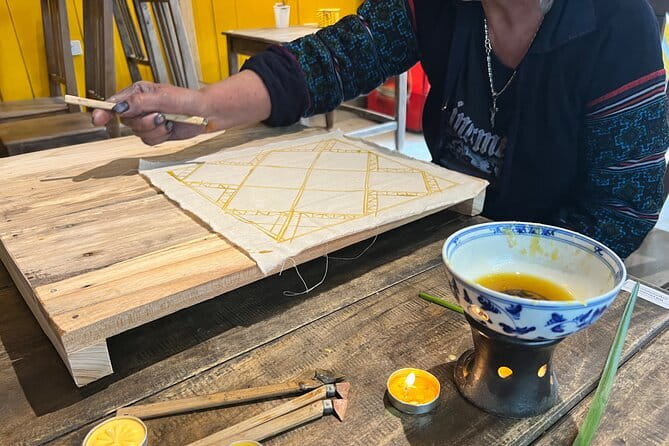
You’ll begin at Saigonese Trekking House, located at 02 Nguyễn Chí Thanh in TT. Sa Pa, Lào Cai. The location is convenient for getting there and the activity ends back at the same meeting point, so you don’t have to worry about transport plans after the workshop.
Because the group is capped at a maximum of 10 people, you should expect a more personal feel than a big “line up and go” style class. That matters with batik, since careful wax lines and patience are part of the process.
If you like clear start-to-finish experiences, this one is simple: show up, get your welcome drink, get your materials, and follow the instruction through to the end. That simplicity is also part of the value.
You can also read our reviews of more tours and experiences in Sapa.



What Hmong Batik Teaches You (Beeswax, Motifs, and Meaning)
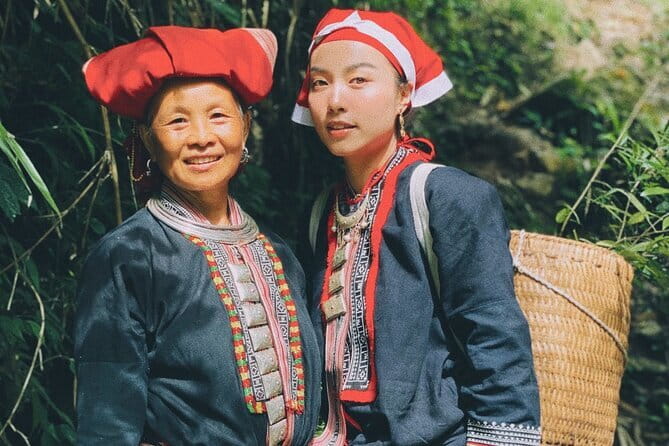
This workshop centers on Hmong batik, a craft that isn’t just decorative. In Sa Pa, sharing these skills with visitors supports local economic development and helps preserve the artistic tradition itself. When you make the craft with the guidance of a Hmong artisan, you’re participating in that exchange, not just buying a souvenir.
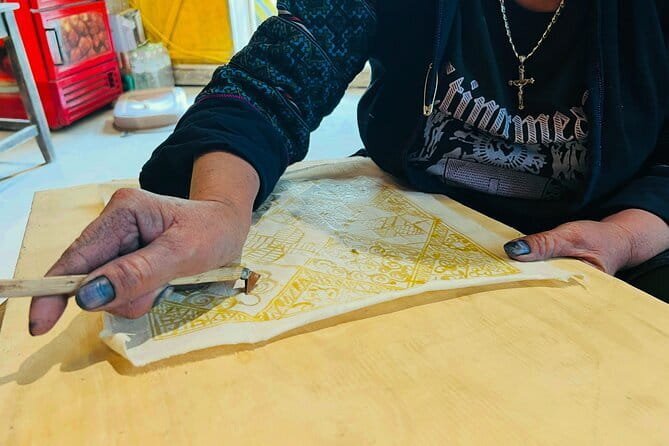
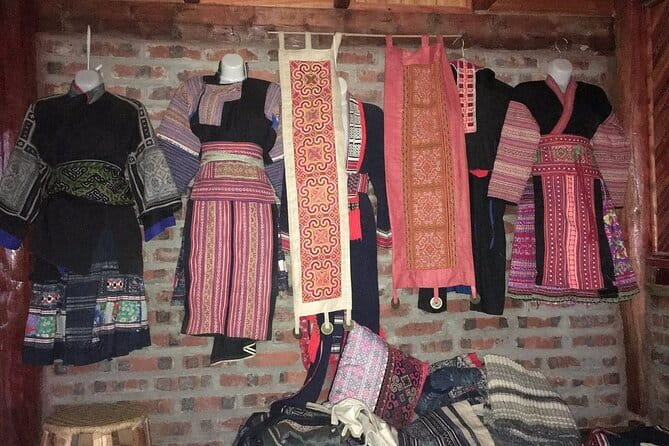
You’ll work with natural beeswax and a traditional batik pen called a tjanting. The goal is to create intricate patterns on fabric using Hmong motifs and storytelling as inspiration. Even if you don’t know what any motif “means,” the process still gives you context: the patterns have purpose, and the final cloth is a result of both technique and cultural creativity.
One useful mindset: approach this like learning a craft, not performing art. The best sessions feel calm and practical—wax lines take time, and your first attempt is usually more about getting the method down than creating museum-level work.
Hands-On Session: Using the Tjanting and Building Your Pattern
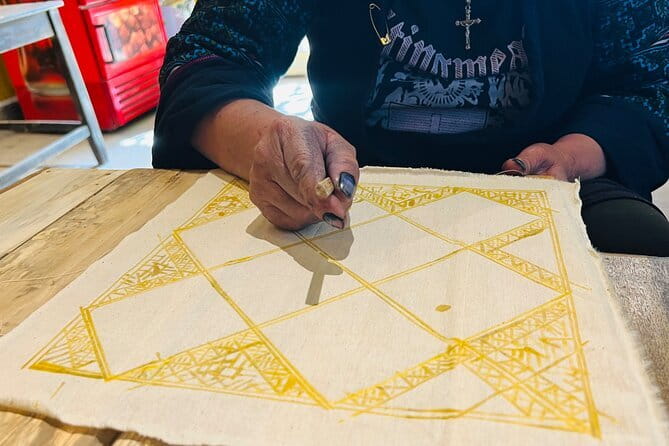
Here’s what the workshop experience feels like in practice: you start with instruction, then you put the tool to work. The tjanting pen is the star. It’s designed to carry wax so you can draw patterns directly onto the fabric.
Under the artisan’s guidance, you’ll learn how to guide the pen to form lines and shapes that make sense as a design. Some people go in worried they can’t draw. Based on what’s been shared from past participants, you don’t need formal drawing skills to end up with something that looks like a real batik piece.
What I like about this approach is that it lowers the pressure. You’re not trying to create a perfect design from scratch. You’re learning a repeatable method and using the workshop’s motifs or storytelling cues to shape your choices.
Also pay attention to pacing. Batik requires control, not speed. If you rush your wax work, your lines may look messier when everything comes together. The payoff is that once your method clicks, you’ll start seeing your design take shape step by step.
The Dye and Finishing Part: What You’ll Actually Walk Away With
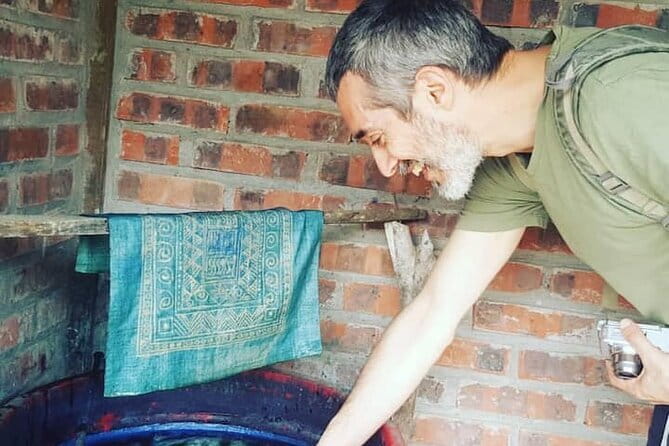
At the end, you take home your own handcrafted artwork. That part is straightforward. What can vary a bit by session is how finishing is handled.
In one of the more positive experiences shared, the class produced two separate pieces during the session, and participants were given dyes to finish their work at home. If that’s how your session runs, it’s a nice bonus because it stretches the fun beyond the workshop itself—you get a chance to complete the color stage without needing to return.
Just be aware of the reality of handcraft. Wax resist and dye processes are simple in concept, but the outcome depends on careful handling and good timing. That’s where quality control matters.
And I have to mention it: there’s at least one account of finished work being lost and returned pieces turning out in poor quality. That doesn’t mean every session is like that, but it’s enough reason to do a couple of practical things:
- confirm you’ll receive your pieces at the end (or a clear plan if dyeing continues at home)
- keep track of your items the moment they change hands
- if you’re able, double-check that you know which piece is yours before you leave
If you’re the type who hates uncertainty, you may feel more comfortable asking one quick question before the session winds down: when exactly will I get my finished artwork, and what happens if I’m doing finishing later at home?
A Welcome Drink and a Secret Gift: Small Details That Matter
The workshop includes a welcome drink—coffee and/or tea. It’s not the main event, but it makes the start feel human and relaxed instead of transactional.
You’ll also get a special secret gift from your instructor at the end, described as a token of appreciation. Even if the content of that gift isn’t specified, the intention is clear: the artisan wants you to leave feeling respected for your time and effort.
These small touches matter because batik takes attention. When the session feels warm and well-run, you can focus on learning the technique rather than wondering whether something is going off schedule.



Price and Logistics: Does $20 for 2 Hours Make Sense?
At $20 per person for about two hours, this workshop is priced like an accessible craft class rather than a premium art tour. Materials are included, and you also get the welcome drink. Since you’re taking home your work, the cost-to-output ratio can feel pretty fair.
Group discounts are mentioned too, which can make it even better if you’re sharing with someone. The cap of 10 people also helps keep it manageable.
Still, the biggest variable isn’t the price—it’s the consistency of the session. Batik is hands-on and the results depend on how the workshop is run. So the value is strongest when:
- the instructor is clearly present and leading the steps
- your items are handled carefully at the end
- the dye/finishing plan is explained clearly
If any of that is unclear in the moment, ask before you leave the workspace area.
Who This Workshop Suits Best in Sapa
This is a great fit if you want something more hands-on than a quick sightseeing stop. You’ll like it if you enjoy making, tinkering, and learning a craft with cultural context.
It’s also a good match for people who don’t have art experience. One of the strongest points from the positive feedback is that even without drawing skills, you can produce a piece you feel good about.
Because it lasts about two hours and keeps a small group size, it’s ideal for:
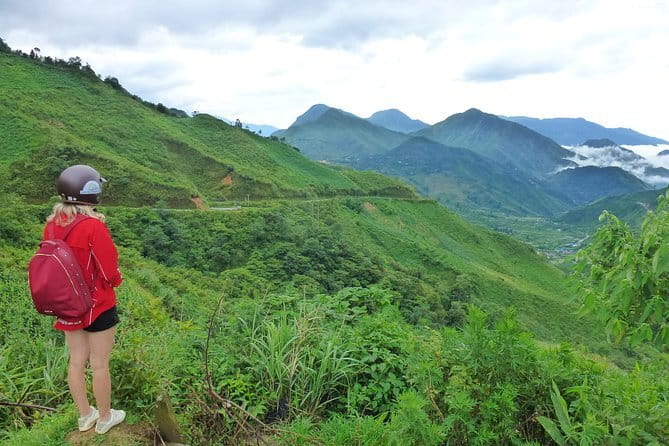
- first-time Sapa visitors who want one meaningful activity beyond the usual photo stops
- anyone traveling with a friend who wants a shared creative project
- people who care about cultural crafts tied to local livelihoods
Should You Book Batik Making in Sa Pa?
I’d book it if you’re excited by the idea of learning Hmong batik directly from an artisan, using beeswax and the tjanting pen, and taking home something you made yourself. The $20 price with materials included, the welcome drink, the small group size, and the strong notes about friendly teaching (including Mây) all point to real value.
But don’t ignore the caution flag. If you’re going on a day when you’re short on time, or you get easily stressed by uncertainty about getting your finished piece, it’s worth asking a simple question about when you’ll receive your artwork and how any finishing steps are handled.
If you want one practical rule: treat your batik like a process you’ll participate in, not a product you hope appears. When you stay attentive during the session and confirm what happens at the end, the odds of a great experience go way up.
FAQ
How long is the batik workshop in Sa Pa?
It lasts about 2 hours.
Where do I meet for the workshop?
You meet at Saigonese Trekking House, 02 Nguyễn Chí Thanh, TT. Sa Pa, Sa Pa, Lào Cai, Vietnam.
What’s included in the $20 price?
Coffee and/or tea welcome drink and the materials for the workshop.
Is there a group size limit?
Yes. The workshop has a maximum of 10 travelers.
Do I need drawing or art experience?
No experience is required. One participant noted they have no drawing skills and still produced something they considered decent.
Will I take something home?
Yes. You’ll leave with your unique handcrafted artwork. In at least one shared experience, dyes were also provided to finish at home.
Are tips included?
No. Tips are not included.
Can I cancel for a full refund?
Yes, free cancellation is allowed up to 24 hours in advance for a full refund. If you cancel less than 24 hours before, you won’t get a refund.