REVIEW · HANOI
From Hanoi: 3 Days Sapa Trekking & Ethnic Villages by Dcar
Book on Viator →Operated by SST TRAVEL · Bookable on Viator
Sapa moves fast in three days. You’ll ride from Hanoi to Sapa with DCAR, sleep two nights in a 3-star hotel, and spend your mornings trekking—Cat Cat Village on Day 2 and Ham Rong (Dragon’s Jaw) Mountain on Day 3—while an on-the-ground guide helps connect the scenery to the local ethnic communities.
What I like most is how smooth the Hanoi-to-Sapa logistics feel, starting with a hotel pickup in the Old Quarter and a clear early start. You also get a small-group setup (up to 10 people) plus real local guidance, not just a quick walk-by. The only real drawback to plan around is that the trek days expect a moderate fitness level, and if you want Fansipan, the cable car cost is extra.
In This Review
- Key things to know before you go
- Hanoi to Sapa: DCAR limousine and a clean handoff
- Day 1 in Sapa town: check-in, lunch, and a village introduction
- Weather reality: plan for Sapa’s changing moods
- Day 2: Cat Cat Village trek plus optional Fansipan or free Sapa time
- Day 3: Ham Rong (Dragon’s Jaw) Mountain trek and the long ride back
- The ethnic villages angle: what you’ll actually notice
- Price and logistics: what $140 really buys you
- Small-group experience: calmer pace, more help
- What to pack for Sapa trekking (based on the conditions)
- Who this tour suits best
- Should you book this Dcar 3-day Sapa Trekking & Ethnic Villages tour?
- FAQ
- What’s included in the 3-day Sapa trekking and ethnic villages tour?
- Where do I meet in Hanoi, and what time does the tour start?
- How many days is the tour, and is it really 2 nights in Sapa?
- Is Fansipan included in the price?
- What’s the group size?
- Is there any physical fitness requirement for the trekking days?
- Can I cancel and get a full refund?
Key things to know before you go
- 6:30am start from Hanoi Opera House with a clear meeting point if you’re not picked up
- Cat Cat Village on Day 2 after hotel breakfast, with lunch built in
- Ham Rong (Dragon’s Jaw) Mountain on Day 3 for big mountain views before heading back
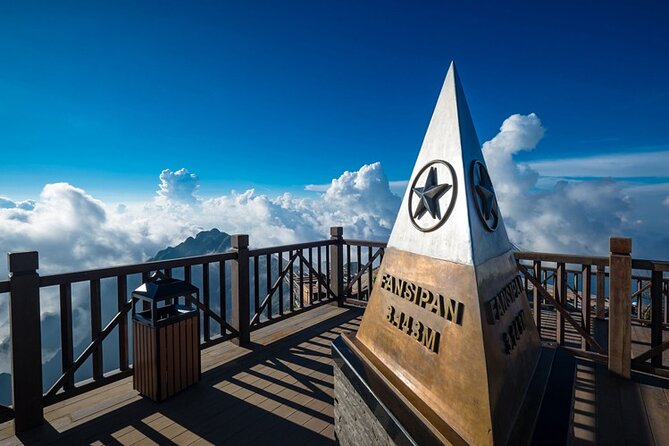
- Fansipan is optional and cable car is not included
- Up to 10 travelers for a calmer pace than big bus tours
- Meals included: 2 breakfasts and 3 lunches, plus hotel for 2 nights
Hanoi to Sapa: DCAR limousine and a clean handoff

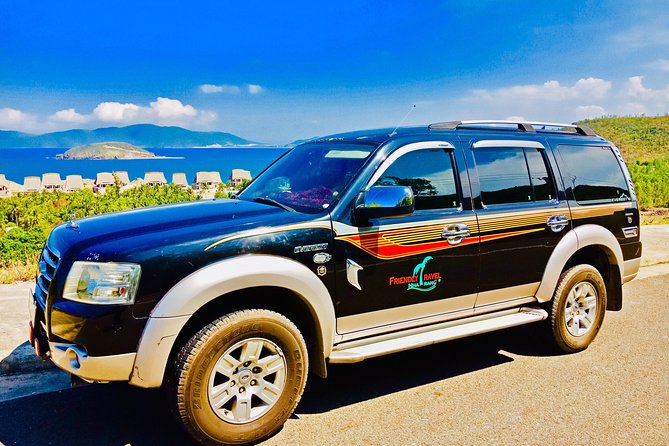
This tour is built around one big win: getting out of Hanoi without you having to figure out the train/bus puzzle. You travel round-trip Hanoi–Sapa by DCAR Limousine, with hotel pickup from Hanoi’s Old Quarter and a meeting point set at the Hanoi Opera House for those not picked up.
The timing matters. You start early (around 6:30am) and you’ll arrive in Sapa by about 1:00pm on Day 1. That means you’re not spending your first day in transit all day, and you still get an afternoon activity once you check in.
You can also read our reviews of more hiking tours in Hanoi

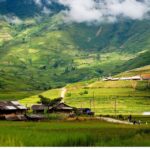

Day 1 in Sapa town: check-in, lunch, and a village introduction

Day 1 is a gentler ramp-up. You leave Hanoi in the morning, reach Sapa Town around 1:00pm, and then go straight to lunch and check in at a 3-star hotel. After that, you’ll have time to get your bearings before your first cultural stop.
At 2:30pm, your guide takes you to visit a local village to learn about daily life. The visit is short—about 20 minutes—but it’s useful as an orientation. You’ll start seeing how ethnic groups live differently, not just what they wear for pictures.
If you’re the type who likes to ease into a place, Day 1 fits you well. You’re there, fed, checked in, and not rushed into long walking on arrival day.
Weather reality: plan for Sapa’s changing moods
Sapa’s climate is cool year-round, with an average air temperature around 15°C. And it’s famously changeable: the morning can feel like spring, the afternoon like summer, and the night like winter—so bring layers you can adjust fast. A warm layer, a light rain shell, and shoes you can walk in comfortably will save you from thinking about weather all day.
Day 2: Cat Cat Village trek plus optional Fansipan or free Sapa time
Day 2 is where the trip starts to feel like a trek tour. After breakfast (7:00am–8:30am), you set out at 9:00am for a trek to Cat Cat Village. By 12:00pm, you’ll have lunch, so you’re not stuck hiking until dinner.
Cat Cat Village is a classic Sapa stop for a reason: it’s close enough to make it workable in a 3-day schedule, but it still gives you time on foot to experience village life beyond the town center. Your local guide is there to connect what you see—homes, everyday routines, and farming-style life—with the surrounding mountains.
At 3:30pm, you get a choice:
- Fansipan on your own expenses, or
- free time to explore Sapa
Fansipan isn’t fully “part of the package.” The cable car is explicitly not included, so treat it as an add-on you decide based on your energy and budget.
That free time window is underrated. After a morning hike, you’re likely to want a slow wander—coffee, photos, markets, or simply catching your breath with a view.
Day 3: Ham Rong (Dragon’s Jaw) Mountain trek and the long ride back

Day 3 is the “views morning” day. You’ll have breakfast at 7:30am, then start trekking up Ham Rong (Dragon’s Jaw) Mountain at 9:30am. This is timed so you’re out earlier rather than burning daylight.
By 12:00pm, you’re back for lunch at the hotel. Then the trip shifts into wrap-up mode: around 2:10–2:30pm, you’ll say goodbye to Sapa and head back to Hanoi. You arrive around 8:30pm, which makes this a full day even though it’s the last one.
One thing I like about this design: you get your big walking done in the morning, not at the end of the day when everyone is tired. Still, you should be ready for the day’s pace and the evening travel.
A few more Hanoi tours and experiences worth a look



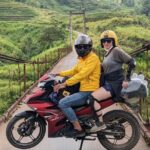
The ethnic villages angle: what you’ll actually notice
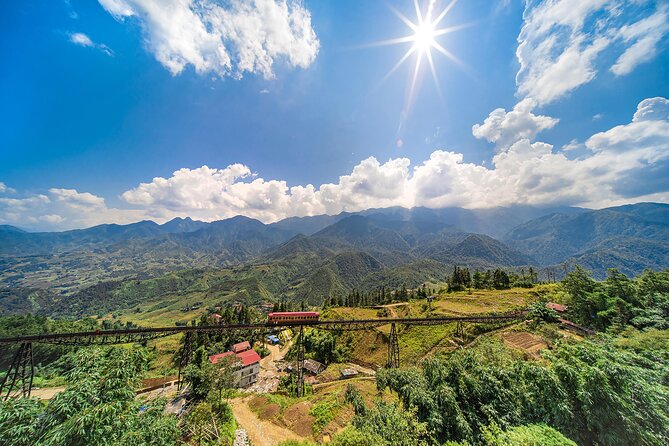
Sapa is special because multiple ethnic groups live close together, and their identities show up in daily life. The tour’s village visits are your chance to notice those differences in real ways: clothing, lifestyle, customs, and farming methods. In the Sapa area, you’re likely to encounter groups such as H’Mong Black, Red Dao, Tay, Giay, and Xa Pho.
Here’s what I think is valuable about this approach in a short 3-day trip: you’re not only chasing photos. You’re getting a guided bridge between the scenery and how people make a living in the hills. Even with a short village stop on Day 1, you’ll leave with a clearer mental map of what you’re looking at.
Also, Sapa has a feel that’s shaped by craft and tradition. If you have the time and curiosity, ask your guide practical questions—how people farm, what the weather does to daily routines, and how the different groups live near each other. That kind of conversation turns a quick stop into something memorable.
Price and logistics: what $140 really buys you
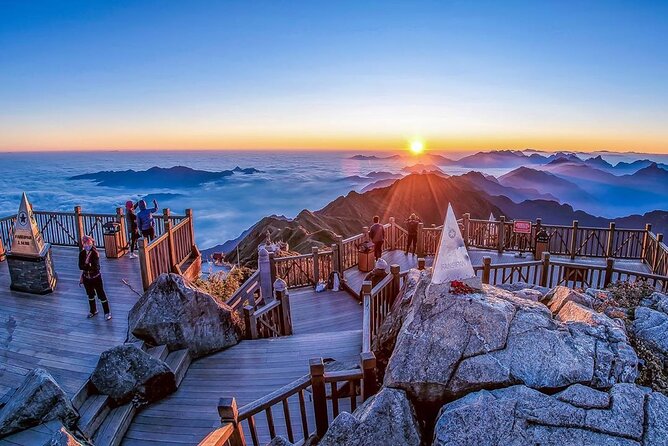
At $140 per person, this is priced like a no-stress, all-in package for a short trip. You’re paying for the hardest parts of a Sapa getaway: round-trip limousine transport, 2 nights in a 3-star hotel, and the guided structure that keeps the days from turning into guesswork.
Here’s what’s included:
- Round-trip Hanoi–Sapa by DCAR Limousine
- 2 nights in a 3-star hotel
- Hotel pickup from Hanoi’s Old Quarter
- Local speaking guide
- Lunch (3) and breakfast (2)
And here’s what costs extra:
- Surcharge on holidays (if your dates fall on one)
- Fansipan cable car (not included)
So the value question comes down to this: do you want the convenience of transport + hotel + meals covered, while still trekking and getting guided culture stops? If yes, this package makes financial sense because you’re buying time and coordination—not just bed nights.
Small-group experience: calmer pace, more help

The tour caps at a maximum of 10 travelers. That’s big for two reasons. First, it keeps the trekking and village moments from feeling like a livestock line. Second, it makes it easier for a guide to help you with small issues—timing, questions, or simply what to do next.
The guide support sounds like it’s a real part of the experience. In the way people describe it, staff like Ms. Mei and Mikey show up as helpful and communicative, including proactive check-ins for assistance. That kind of service matters more in Vietnam than you’d think, especially when you’re starting with an early pickup and a schedule that moves.
What to pack for Sapa trekking (based on the conditions)
You don’t need to overthink it, but Sapa’s cool, changeable weather means packing smart beats packing more.
Bring:
- Layered clothing for big temperature swings (morning cool, afternoon brighter, night colder)
- Comfortable walking shoes for the treks
- A light rain layer since dew/clouds can shift fast
- A small day bag for water and essentials
Since you’ll be trekking on both Day 2 and Day 3, prioritize feet comfort over fashion. You’ll thank yourself when the return trip feels long.
Who this tour suits best
This experience is a good match if you want:
- A structured 3-day Sapa visit without handling transportation logistics
- A mix of trekking and ethnic village context
- A calmer experience with up to 10 people
- Included meals so you’re not hunting for lunches on a tight schedule
It may be less ideal if you’re looking for an ultra-relaxed Sapa day with no real walking, since you’ll trek both Cat Cat Village and Ham Rong (Dragon’s Jaw) Mountain. The good news: the tour asks for moderate physical fitness, so you’re not expected to be a marathon hiker—just prepared.
Should you book this Dcar 3-day Sapa Trekking & Ethnic Villages tour?
I’d book it if your priority is a smooth Hanoi-to-Sapa experience with real guide support, two hotel nights, and trekking that fits into a short timeframe. The value is strongest when you like the idea of paying for coordination up front: transport, hotel, and meals are handled.
I’d think twice only if you hate early starts or you’re not comfortable with moderate walking. And if Fansipan is a must for you, factor in that the cable car isn’t included, so your total budget should include that choice.
FAQ
What’s included in the 3-day Sapa trekking and ethnic villages tour?
You get round-trip Hanoi–Sapa transport by DCAR Limousine, 2 nights in a 3-star hotel, hotel pickup from Hanoi’s Old Quarter, a local speaking guide, 3 lunches, and 2 breakfasts.
Where do I meet in Hanoi, and what time does the tour start?
The meeting point is Hanoi Opera House on Tràng Tiền, and the start time is 6:30am. Pickup from Hanoi’s Old Quarter is also offered.
How many days is the tour, and is it really 2 nights in Sapa?
It’s listed as approximately 3 days. The trip includes 2 nights staying in Sapa at a 3-star hotel.
Is Fansipan included in the price?
Fansipan itself is optional. Cable car costs are not included, and you can choose Fansipan (at your own expense) during the afternoon break on Day 2.
What’s the group size?
The tour has a maximum of 10 travelers.
Is there any physical fitness requirement for the trekking days?
You should have a moderate physical fitness level since the itinerary includes treks to Cat Cat Village and Ham Rong (Dragon’s Jaw) Mountain.
Can I cancel and get a full refund?
Free cancellation is allowed up to 24 hours in advance of the experience start time for a full refund.