REVIEW · SAPA
Sapa Mountain Escape: 2-Day Trekking, Rice Terraces & Homestay
Book on Viator →Operated by Sapa Odyssey Tour · Bookable on Viator
Two days, and Sapa changes. This 2-day, 1-night trek blends panoramic mountain viewpoints, village paths, and an overnight stay with a Hmong family—so you don’t just pass through town. It’s built around that mix of walking and human moments, with hotel pickup and entrance fees handled for you.
I love the homestay with a Hmong family—tea on arrival, dinner included, and real day-to-day life like cooking and tending animals. I also love the guiding style: in particular, Nhu can adjust the pace so you get quieter stretches and less crowd pressure, which makes the trail feel more personal than a checklist.
One thing to consider: this is trekking in Sapa. You should have moderate physical fitness, and you’ll spend real time on uneven paths, steps, and mountain weather that can shift quickly.
In This Review
- Key highlights you’ll actually feel
- A Sapa trek that balances views and real contact
- Your first morning: Ham Rong Mountain, then Hang Da Village
- Ham Rong Mountain: the quick-view payoff
- Hang Da Village: rock formations and H’Mong culture
- Day 1 after lunch: bamboo paths, the descent, and a warm homestay arrival
- Hau Thao area: bamboo and short trail work
- Giang Ta Chai Village: arrive around mid-afternoon
- Homestay night: what’s included, and how to make it respectful
- What you’re likely to experience
- Practical etiquette that matters
- Dietary flexibility
- Day 2: terraced mornings, Ta Van bamboo walks, and Lao Chai
- Ta Van Village: Black Hmong and Giay viewpoints
- Lao Chai: terraced rice fields and village houses
- Price and logistics: what you get for $80 (and what you don’t)
- Trekking comfort: how to pace yourself on mountain paths
- What I recommend packing
- Who this Sapa escape fits best
- Should you book this Sapa Mountain Escape?
- FAQ
- FAQ
- How long is the Sapa trek and homestay?
- Where does the tour start and end?
- Is pickup from my hotel included?
- What meals are included?
- Do I pay entrance fees for the viewpoints and villages?
- What fitness level do I need?
- Can dietary needs be handled?
- Is this a private tour?
- Is there a chance to cancel without losing money?
Key highlights you’ll actually feel
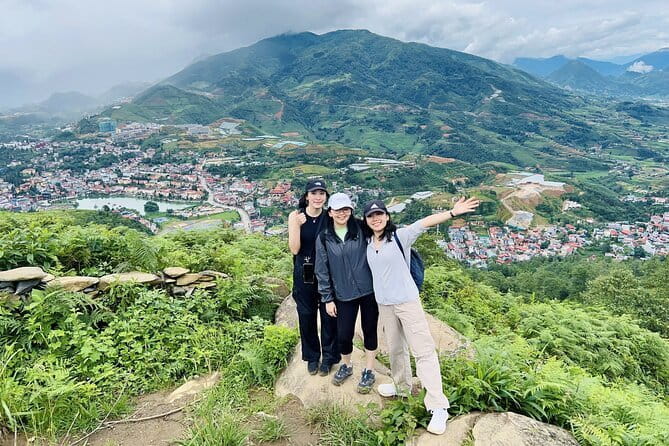
- Homestay life with a Hmong family: tea, dinner, and a first look at everyday routines beyond souvenir stops
- Route tweaks by your guide (Nhu): pacing changes when you want to avoid other groups
- Towering views without complicated logistics: Ham Rong Mountain early on, then village trails the rest of Day 1
- Bamboo forest walking and terraced-field mornings: a steady rhythm of nature + villages
- Meals and fees included: breakfast, dinner, two lunches, water, and all entrance fees
A Sapa trek that balances views and real contact
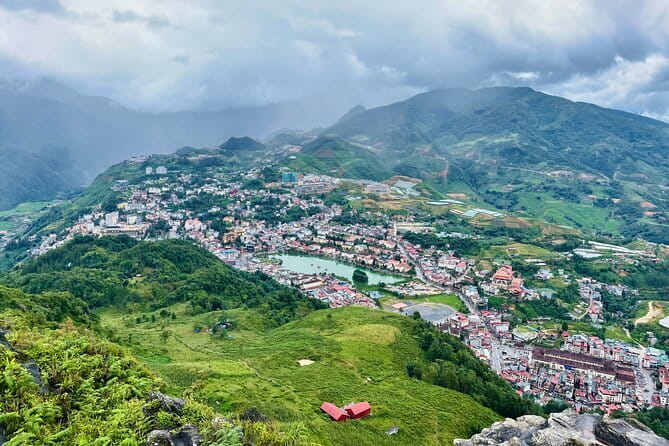
Sapa can be all scooters and shops if you choose wrong. This kind of two-day trek is different because it’s structured around movement through places locals actually live in—then it lands you in a homestay instead of sending you back to a hotel before nightfall.
The value comes from what’s bundled. For the price point ($80 per person), you’re not only paying for the walking. You’re also covering private transportation, breakfast, dinner, and two lunches, water, and entrance fees for the stops that charge admission. Tips and personal travel insurance are the only obvious extras.
And yes, a good guide really matters here. In the reviews, Nhu shows up as the difference-maker—warm, knowledgeable, and willing to adapt so the trail feels calmer when possible.
You can also read our reviews of more hiking tours in Sapa
Your first morning: Ham Rong Mountain, then Hang Da Village
Day 1 starts with an easy win: pickup at 9:00 AM from your hotel or at Sa Pa Stone Church (Sapa Church area). You’ll get a briefing before heading out, which helps you know what’s coming and keeps the day from feeling chaotic.
Ham Rong Mountain: the quick-view payoff
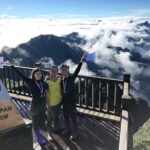
You’ll spend about 3 hours at Ham Rong Mountain, and admission is included. This is the kind of stop that helps you understand where you are right away—Sapa’s elevation, the pattern of valleys, and how the town sits under the mountains.
Practical note: because it’s early in the day, the viewpoints tend to feel more spacious. If weather is clear, this is often when you’ll get the most usable photos.
Hang Da Village: rock formations and H’Mong culture
Next up is Hang Da Village, around 1 hour of exploring, again with admission included. Hang Da is known for its scenic setting and the way the area’s large rock formations shape the feel of the village.
This is a good time to slow down and look at daily life from the path level—how homes sit, where people move, and how the terrain influences everything.
Day 1 after lunch: bamboo paths, the descent, and a warm homestay arrival
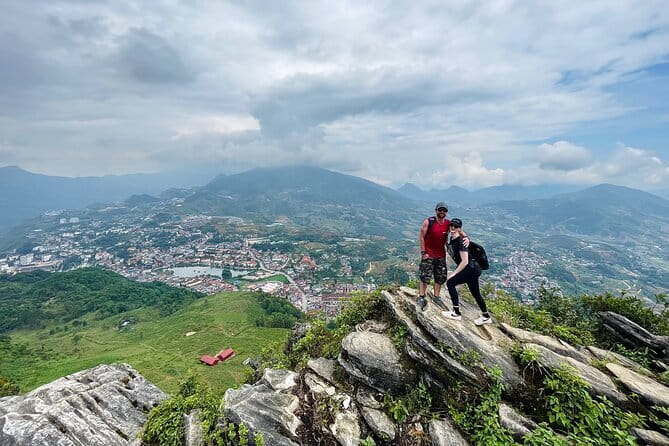
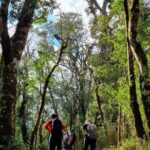
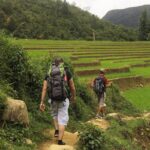
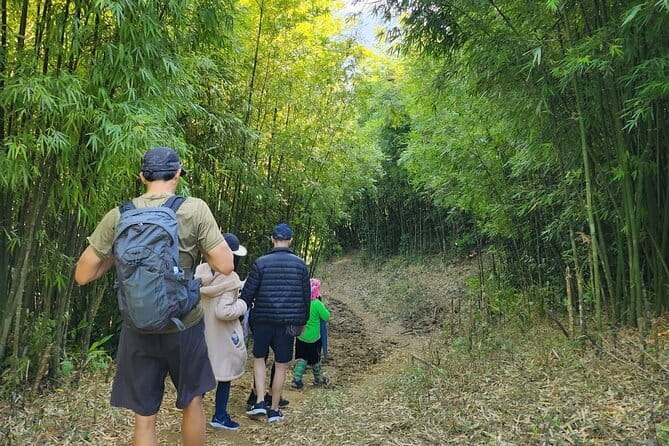
After lunch, the trek continues toward Hau Chu Ngai village, with paths through village areas and short trails through bamboo forests. You’re looking at about 1.5 hours here, and it’s paced like a “walk-and-look” day rather than a hard climb.
A few more Sapa tours and experiences worth a look
Hau Thao area: bamboo and short trail work
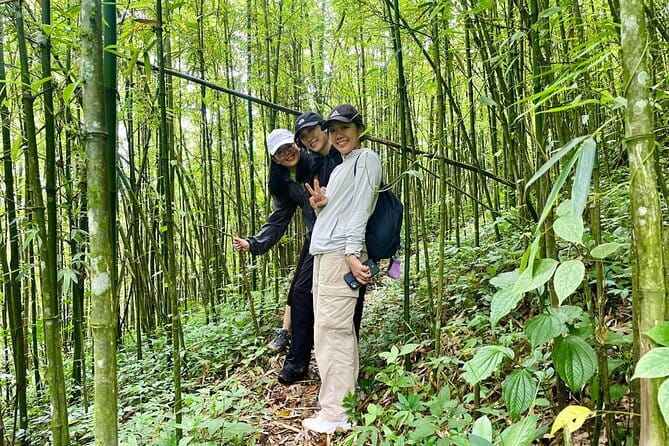
This segment includes time marked as Hau Thao (with admission listed as free). Even though it’s not ticket-heavy, it’s still part of what makes this trek worth doing: you get that bamboo texture—shade, a cooler walking feel, and the sense that you’re moving through a living ecosystem instead of just crossing a single road.
Giang Ta Chai Village: arrive around mid-afternoon
By 3:30–4:00 PM, you’ll reach the homestay with a Hmong family in Giang Ta Chai Village. Check-in is followed by warm tea, a reset period, and a short show listed in the schedule.
This is one of the best parts of the trip for first-timers. The day ends with a clear rhythm:
- you arrive before evening turns into “rush time,”
- you get to settle in,
- and you’re not forced to choose between culture and rest.
Homestay night: what’s included, and how to make it respectful
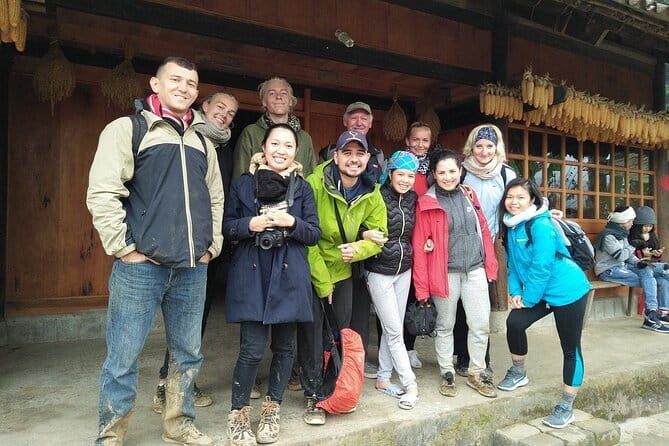
The homestay is the centerpiece, and it’s more than a place to sleep. It’s where the tour becomes human-scale.
What you’re likely to experience
The trip is designed around a real homestay day: you’ll eat with your hosts (dinner is included), and you’ll see how family routines connect to the land—like cooking and tending animals. Some of that happens simply because you’re there, not because you’re being “performed at.”
Your hosts greet you with tea after arrival, which is a small detail but a big mood-setter. It signals you’re not just renting a room—you’re joining their evening.
Practical etiquette that matters
You don’t need to memorize a rulebook, but these basics help:
- Ask before taking close photos of people or daily activities.
- Be patient if family routines set the timing.
- Treat the space as shared—not a hotel room you can rearrange.
Also, because this is a homestay experience, sleeping conditions can be simpler than you’re used to. That’s normal. If you want plush comfort, this probably won’t feel like your style.
Dietary flexibility
Good news for food planning: the trip is vegan friendly and can accommodate dietary restrictions like vegetarian and gluten-free, as long as you indicate it at booking. Since meals are included, this is one of the practical reasons to pick this exact format.
Day 2: terraced mornings, Ta Van bamboo walks, and Lao Chai
Day 2 starts with a calmer pace. You’ll wake up in an unfamiliar setting, have coffee while looking out over terraced fields, and then enjoy breakfast at 8:00 AM. Then you pack up and head out.
This morning setup matters more than it sounds. It’s the moment when the scenery stops being “a photo target” and becomes the real backdrop for your day.
Ta Van Village: Black Hmong and Giay viewpoints
The trek moves you through bamboo again, and then you reach Ta Van Village, home to the Black Hmong and Giay ethnic groups. The schedule allows about 1 hour, with an included ticket.
Your guide will explain cultural distinctions between groups. That’s useful because Sapa’s ethnic landscape can look similar at street level—learning the differences helps you read what you’re seeing without turning it into a guessing game.
Lao Chai: terraced rice fields and village houses
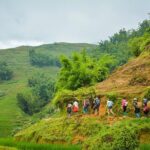
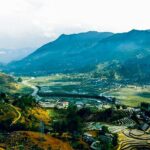
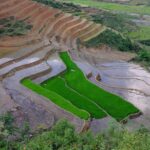
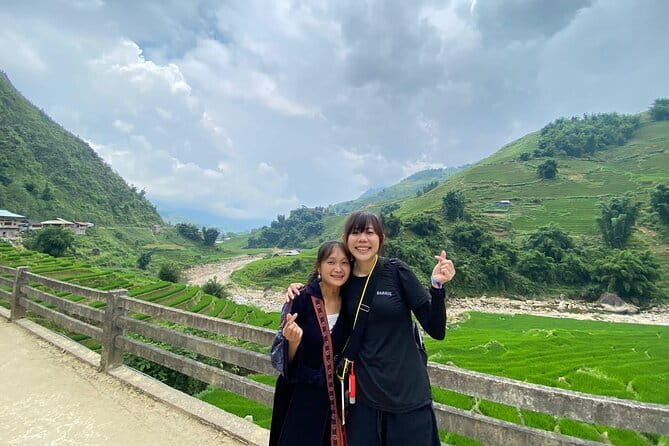
Finally, you’ll go to Lao Chai for about 2 hours, and this stop is listed as free for admission. Lao Chai is known for terraced rice fields and a strong Black Hmong community.
This part of Day 2 is where you get a “slow walk” payoff: you’re down to a manageable number of stops, and you can spend time looking at how terracing, houses, and paths work together. It’s also a good time to ask your guide questions that came up the day before—like how seasonal work changes the daily routine.
Price and logistics: what you get for $80 (and what you don’t)
Let’s talk value in plain terms.
For $80 per person, you’re getting:
- Private transportation
- Breakfast + dinner
- Two lunches
- Water
- Homestay
- All entrance fees for the included sights
That’s a lot of cost that would add up fast if you booked everything separately—especially transport and tickets in a place where routes are spread out across valleys.
What’s not included:
- tips
- personal travel insurance
- personal expenses
So you’re mostly paying for the experience package, not just the hike.
Two smaller details to know:
- The tour is set up as private (only your group participates), which usually means you don’t get stuck behind strangers’ photo stops as much.
- You’ll receive a mobile ticket, and there’s free cancellation up to 24 hours before the start time.
Trekking comfort: how to pace yourself on mountain paths
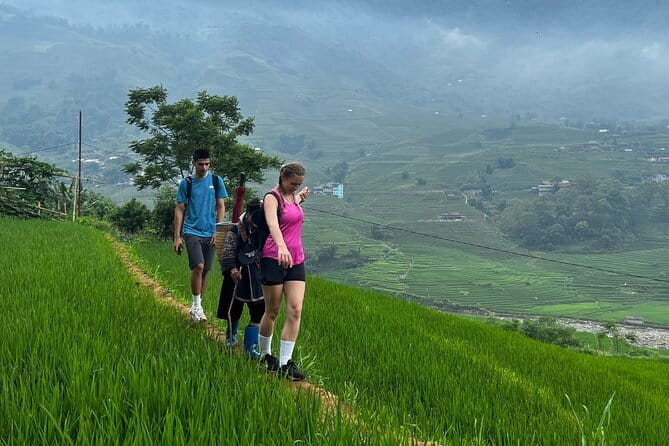
This trek is for people with moderate physical fitness. That’s a helpful phrase because it sets expectations: you don’t need to be training for a marathon, but you also shouldn’t expect easy flat walking.
Here’s how to think about it:
- You’ll spend hours walking between villages and through forested paths.
- Terrain can include uneven steps and slopes common to rural Sapa routes.
- Weather can shift fast, so being prepared helps your mood.
What I recommend packing
The tour data doesn’t list a packing list, so you’ll want to go with common sense for Sapa trails:
- comfortable hiking shoes with good traction
- a light rain layer (mountain weather doesn’t ask permission)
- a small day bag for water and layers
- a warm layer even if the day starts mild
Also, since water is included, you don’t need to overthink hydration—but you do need your own snacks if you’re the type who likes extra energy between meals.
Who this Sapa escape fits best
This tour makes a lot of sense if you:
- want more than scenic viewpoints and actually want a homestay
- like cultural context that a guide can explain in real time
- prefer a structured route so you don’t have to coordinate transport between stops
- value a guide who adjusts pacing—Nhu’s flexibility is clearly a standout from the reviews
It might not be the best fit if you:
- want a slow, fully comfortable walk with minimal uneven terrain
- prefer sleeping in a hotel environment only
- dislike the idea of being inside someone’s home routine (even respectfully)
Should you book this Sapa Mountain Escape?
If you’re choosing between a quick day tour and something more involved, I’d lean toward booking this one—because the homestay changes what Sapa feels like. It’s not just about looking. It’s about spending time where people live, eat, and work, and doing it with meals and transport handled.
Book it if you’re ready for a moderate fitness trek and you like the idea of being guided through villages, bamboo paths, and terraced fields with a guide like Nhu who can shape the day for comfort and space.
Skip it if you want luxury comfort, or if you’re not comfortable with uneven outdoor walking.
FAQ
FAQ
How long is the Sapa trek and homestay?
It’s a 2-day experience with 1 night in a homestay.
Where does the tour start and end?
The start point is Sa Pa Stone Church (Sapa Church area), and the tour ends back at the same meeting point.
Is pickup from my hotel included?
Yes. Pickup is offered, and you can also meet at Sapa Church.
What meals are included?
The tour includes breakfast, dinner, and two lunches, plus water.
Do I pay entrance fees for the viewpoints and villages?
Entrance fees are included as part of the experience for the listed stops. Some segments are free where noted.
What fitness level do I need?
You should have moderate physical fitness. You’ll be walking on mountain paths across the two days.
Can dietary needs be handled?
Yes. The tour is vegan friendly and can accommodate dietary restrictions like vegetarian, vegan, and gluten-free if you mention your needs at booking.
Is this a private tour?
Yes. It’s private, and only your group participates.
Is there a chance to cancel without losing money?
Free cancellation is available up to 24 hours before the start time for a full refund.