REVIEW · SAPA
Explore Nature View And Homestay Experience
Book on Viator →Operated by Trekking Tour Sapa · Bookable on Viator
Fansipan views start the story. This 2-day Sapa trek uses village walking and a homestay night to show you the rice-terrace valleys, the Muong Hoa scenery, and everyday life with Sapa’s ethnic minorities. You’ll also get a view of Fansipan (3,143 m) and the big river/valley panorama from the trail.
What I like most is the focus on people, not just photos. You visit multiple villages connected to the Hmong, Giay, and Red Dao communities, and your guide explains real topics like rice field work, house-building methods, and Hmong marriage traditions. The small-group size (up to 15) helps you ask questions and keep the pace human.
One thing to consider: the walk can be muddy, especially in wet weather. Plan for good hiking boots and a moderate fitness level, and remember this tour depends on good weather to run.
In This Review
- Key highlights worth planning for
- Where the trek begins: Sapa Church at 9:00 am
- Hang Da Village and the Muong Hoa Valley view you’ll remember
- Hau Thao homestay: Black Hmong welcome and real field life
- Day 2: the trek from the homestay to Su Pan
- The culture you actually get to talk about
- Homestay meals and the question of comfort
- Fitness, footwear, and weather: what can trip you up
- Price and what $71.80 really buys you
- Who this trek is best for
- Tips to get more out of the day
- Should you book Trekking Tour Sapa?
- FAQ
- What is the duration of the Explore Nature View And Homestay Experience tour?
- Where is the meeting point and what time does it start?
- Is pickup included?
- What meals are included?
- Do I get an accommodation night at the villages?
- Will I visit multiple ethnic minority villages?
- What is the fitness level required?
- What about footwear and trail conditions?
- What is not included in the price?
Key highlights worth planning for
- Fansipan and Sapa panorama from a short uphill stretch on day 1
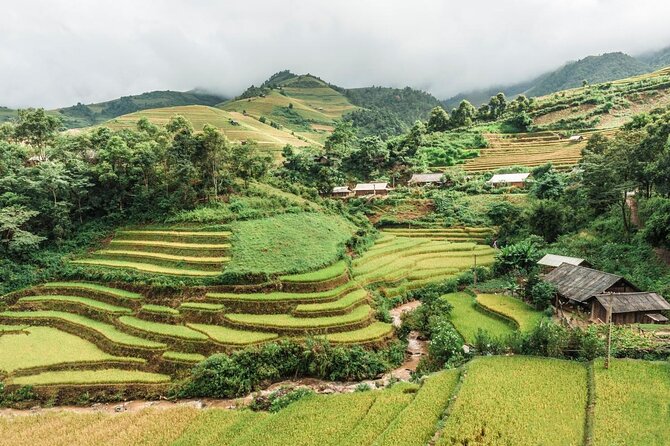
- Muong Hoa Valley views plus rice terraces, river, and valley viewpoints
- Two village moments: a lunch break with a local family and a homestay welcome
- Homestay included for 1 night, with dinner and breakfast (and clean, comfortable rooms in practice)
- Guides who adjust the trek when needed, such as pacing changes for knee discomfort
Where the trek begins: Sapa Church at 9:00 am
Your day starts at Sapa Church (P. Hàm Rồng, TT. Sa Pa). The meeting time is 9:00 am, and pickup is offered, so if you’re staying in Sapa you should have an easy handoff to the team.
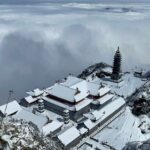
Right away, you’ll get a short introduction, then you move onto a small trail with a steady uphill section. The first climb is about 1 km uphill, and the goal here is simple: get you above town quickly so you can see Sapa from the height. From this viewpoint, you look toward Fansipan (3,143 m), the highest mountain in Indochina, and you also get a wide view over Sapa town.
This opening matters because it sets expectations. You’re not trudging for hours before the views show up. You’re also not stuck in a car for the whole first hour.
You can also read our reviews of more tours and experiences in Sapa.
Hang Da Village and the Muong Hoa Valley view you’ll remember
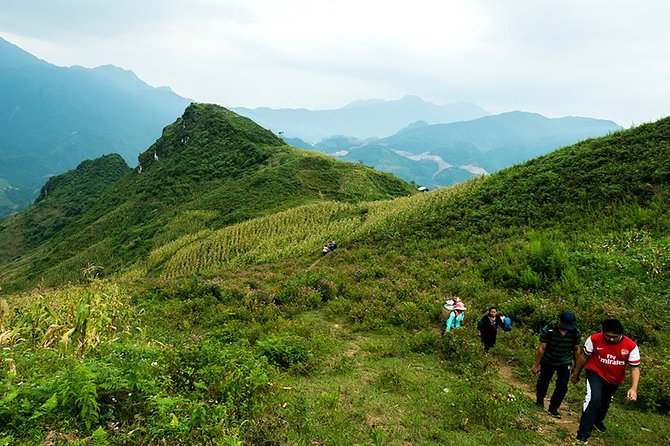
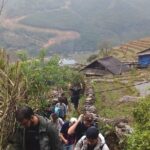
After the viewpoint, the route continues down the mountainside toward Hang Da Village, associated with the Black Hmong minority. This is one of those stops where the scenery and the village life are both part of the story.
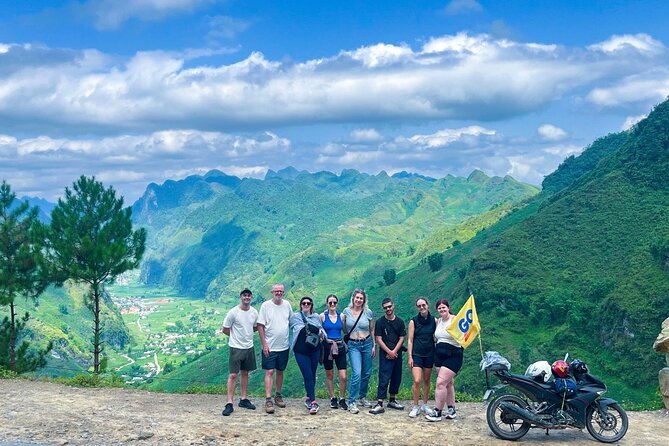
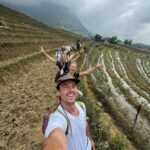
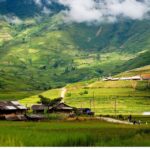
From the earlier viewpoint area, you’ll also see the famous rice terrace fields in the Muong Hoa Valley, along with Sapa’s biggest river and valley perspectives. This is the kind of sight that makes Sapa feel less like a town and more like a working mountain system.
During the walk and arrival, you may also spot farm animals around the village area, such as buffalo, cores, and pigs (the tour description lists buffalo and pigs, and the route notes animals you can see in the village environment). Then you stop for lunch at a small restaurant run by a local family—a meal that tends to be more than fuel because it’s part of how you connect with daily rhythms.
If you care about practical value: day 1’s structure keeps you fed and gives you a “big view” moment before lunch, which makes the day easier on your feet.
Hau Thao homestay: Black Hmong welcome and real field life
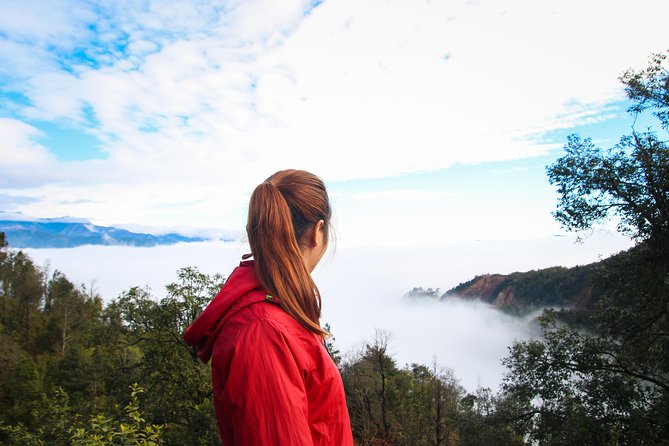
After lunch, the tour heads to Hau Thao, another Black Hmong village. This part of the program is built around two hours of slower, more local time rather than constant walking.
You go by a small road down to the village, and then the experience shifts. Instead of focusing on distant photos, you’re watching how people spend the day—especially if timing lines up with fieldwork. The tour description specifically calls out the possibility of seeing harvesting or planting rice if it’s the right time.
Then comes the homestay welcome. You’ll be greeted by the Black Hmong family at their homestay in Hau Thao, and dinner is included. The homestay is also described as clean and comfortable in real guest feedback, sometimes even exceeding expectations for comfort while still feeling authentic to the setting.
One more reason this homestay night is worth your attention: it’s not just a place to sleep. It’s a chance to ask questions in a natural setting—about work, household routines, and the kinds of traditions your guide mentions during the trek.
Day 2: the trek from the homestay to Su Pan
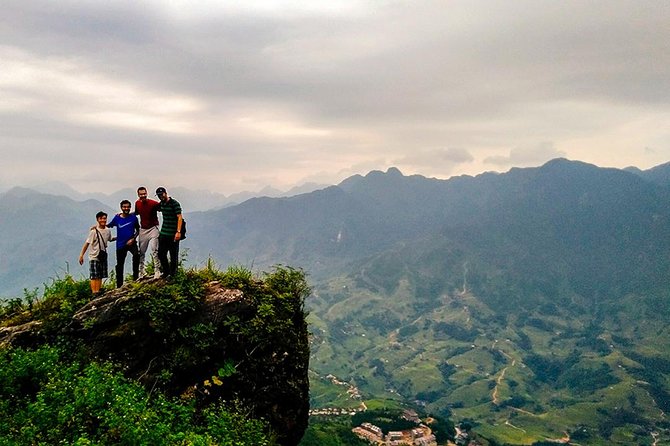
Day 2 starts with breakfast at the homestay, then you set out on the next walk. The route begins from the homestay area to Su Pan, a small village close to the Black Hmong mountain region.
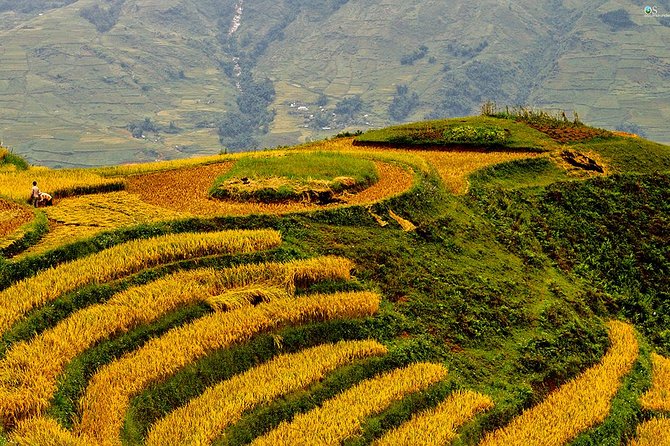
This trek segment is shorter in time—about 1 hour—but it’s timed for views. As you walk, you get chances to take photos of rice-field panoramas. The tour also highlights that locals live in small traditional houses, which helps you see how the landscape supports daily life rather than just looking at terraces from a distance.
If you’re the type who likes calm end-of-trip moments, this is your second-day payoff: not a huge marathon, but a guided walking window with scenery and village atmosphere.
The culture you actually get to talk about
This tour isn’t only about walking between viewpoints. Your guide is there to explain cultural practice in plain terms, including Hmong topics like:
- Hmong marriage traditions
- Rice fields and how people work them
- Work routines
- House-building techniques
That cultural focus is one of the reasons the experience scores so well. In practice, different guides bring different strengths, and it shows. For example, you may have guides like Su Su who are described as organized, on time, professional, and willing to adjust the trek for comfort (one guest noted knee pain and a tailored pace). Others include May, praised for being very insightful and helpful, and Susu, praised for explaining and making the two homestays feel different and special.
You might even catch extra life moments when timing fits. One guest shared that their guide took them to a local wedding on day 2. That’s not guaranteed in the schedule, but it’s a good sign of how flexible some guides can be if an event lines up.
Homestay meals and the question of comfort
If you worry that “homestay” means uncomfortable, this is where you should pay attention to included meals and the way the homestays run.
Your package includes dinner and breakfast, and you’ll also have lunch twice (the tour lists lunch (2)). A lot of the value comes from not having to hunt for meals in the middle of trekking days.
Guest feedback also points to homestays that are very clean and comfortable. Some stays are described as authentic but with a touch of modern practicality, which matters if you want the cultural experience without feeling wrecked by day 2.
One more detail to know: you may be invited to share local drinks during the evening. A guest described sharing something called happy water. If that interests you, just go with the flow and ask your hosts what’s what. If it doesn’t, you can simply skip it without making it a thing.
Fitness, footwear, and weather: what can trip you up
This is not a technical climb, but it is trekking in mountain terrain. The tour asks for moderate physical fitness.
The biggest practical challenge is the ground. Reviews consistently mention that parts can be muddy and can get slippery in the rain. So wear footwear with real tread. Even if you’re a confident hiker, treat this like a “trail conditions matter” trek, not a smooth park walk.
Also, the tour is described as requiring good weather. If weather is poor, the experience can be canceled and you’ll be offered another date or a full refund. That’s not a flaw; it’s how you protect the walking route.
Price and what $71.80 really buys you
At $71.80 per person for about 2 days, the price looks low for what’s included—especially because you’re getting multiple meals, a homestay night, village fees, and guide time.
Here’s what your cost covers:
- Homestay accommodation (1 night)
- Dinner and breakfast
- Lunch (2)
- Village entry fees
- Transport back to Sapa at the end of the tour
- Local guide
- 1 big bottle of water per person
- Mobile ticket (simple to use on the day)
What you pay extra for:
- Personal travel insurance
- Extra drinks at the homestay
- Tips
For value, the key is that you’re not just buying a scenic walk. You’re paying for access: the village entry, guided explanations, and the homestay experience that lets you sit down as part of daily life. If you came to Sapa to see beyond the town streets, that’s where the money tends to feel well spent.
Who this trek is best for
This is a strong fit if you want:
- Authentic rural Sapa rather than staying inside town
- A guided cultural explanation with context on ethnic minority traditions
- A plan that keeps you active but not overly long each day
- A small-group feel (maximum 15 travelers)
It also works well for solo travelers. One guest noted it was easy to join a group tour even when traveling alone. For couples or friends, the smaller group helps keep the day from feeling like a stampede.
Where it might not be ideal: if you have very limited mobility, or if you hate uneven, muddy trails. The tour expects moderate fitness, and rainy conditions can make footing tricky.
Tips to get more out of the day
A few practical moves will make this easier and more enjoyable:
- Pack good hiking boots. Don’t rely on soft sneakers.
- Bring a steady mindset. The day mixes uphill, downhill, and village walking.
- Ask your guide questions while you’re walking, not only at the village stops. That’s when explanations fit naturally.
- If you need pacing changes, say so early. Some guides tailor the trek for knee discomfort, which can make the difference between finishing and feeling miserable.
Should you book Trekking Tour Sapa?
Book it if you want Sapa’s real feel: rice terraces, river-and-valley views, and village life with a homestay night. The included meals, village fees, and guide support make it good value, and the cultural focus on Hmong traditions adds depth beyond sightseeing.
Skip or reconsider if you’re expecting an easy flat walk, or if muddy conditions would ruin your comfort. Also note the tour depends on good weather.
If you can handle uneven ground and you’re curious about how people live and work in the hills, this is exactly the kind of Sapa experience that makes the town visit feel worth it.
FAQ
What is the duration of the Explore Nature View And Homestay Experience tour?
It lasts about 2 days.
Where is the meeting point and what time does it start?
The meeting point is Sapa Church, and it starts at 9:00 am.
Is pickup included?
Pickup is offered.
What meals are included?
Dinner and breakfast are included, and lunch is included (2 lunches total).
Do I get an accommodation night at the villages?
Yes. The tour includes homestay accommodation for 1 night.
Will I visit multiple ethnic minority villages?
Yes. The tour visits villages connected to Hmong, Giay, and Red Dao ethnic minorities.
What is the fitness level required?
The tour is meant for travelers with a moderate physical fitness level.
What about footwear and trail conditions?
Bring hiking boots. Parts of the trek can be muddy or slippery, especially if it has rained.
What is not included in the price?
Not included are personal travel insurance, extra drinks at the homestay, and tips.