REVIEW · SA PA
Sapa: Sapa Mountain View And Villages Trek
Book on GetYourGuide →Operated by Sapa Trekking Hiking Tours · Bookable on GetYourGuide
Sapa feels close enough to touch. This guided trek is a great mix of big Muong Hoa valley panoramas and real Black Hmong village visits, plus an English-speaking guide who explains local life as you walk. You’re also set up for comfort with water, a raincoat, and trekking gear included, which makes the whole day feel easier. One thing to keep in mind: the route is not suitable if you have back issues or mobility limits, and good hiking shoes matter.
From the start, you’ll be climbing your way toward higher viewpoints—up around 1850 meters—without the stress of figuring out directions. The day runs about 6 hours from a morning pickup (9:30 AM), and it’s paced for a steady walk with breaks for looking around and learning.
I like that lunch happens in the villages, not as a rushed stop in town. Still, you should expect uneven ground and rocky slopes on parts of the trek, so if your feet get tired easily, plan accordingly.
In This Review
- Key moments that make this trek worth it
- Price and value: what you’re really paying for
- Picking up in Sapa center and heading out (9:30 AM start)
- Ham Rong Mountain (Dragon): where the views start doing the talking
- Following the trekking route: what the walk feels like
- Black Hmong village visits: Sa Seng, Hang Da, Hau Chu Ngai
- Lunch in Hang Da: local food in the place you’re learning about
- Hmong House visit: a quick but important context stop
- Included gear and water: small things that make the day smoother
- Duration, pace, and who this is best for
- What to bring (and what to leave behind)
- Should you book the Sapa Mountain View and Villages Trek?
- FAQ
- What time does the tour start?
- How long is the trek?
- What views will I see during the walk?
- Which villages are visited?
- Is lunch included?
- What’s included in the price?
- Can I cancel for a refund?
Key moments that make this trek worth it
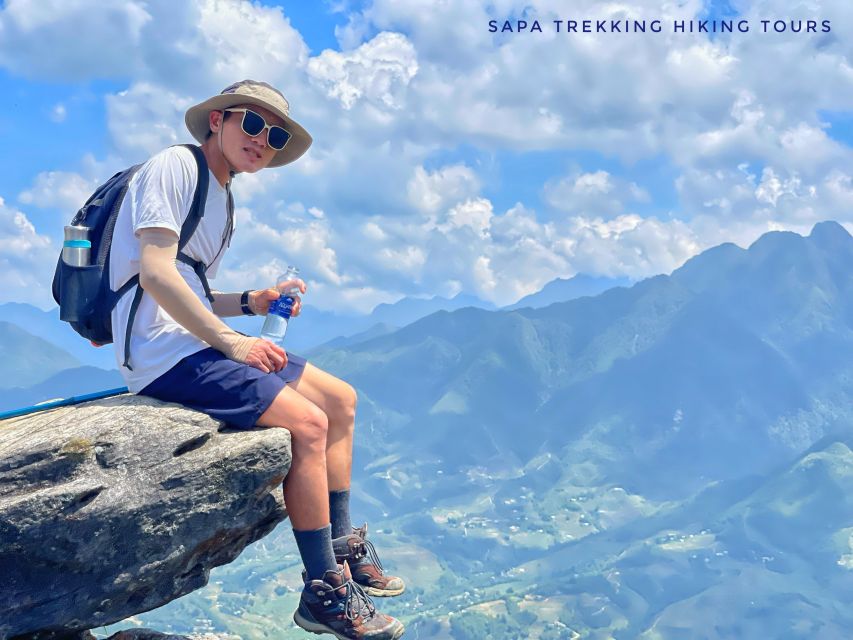
- 1850-meter viewpoint time with wide views over Sapa and the Hoang Lien Son range
- Ham Rong Mountain (Dragon) walking for dramatic angles on the valley
- Black Hmong villages on the mountainside (Sa Seng, Hang Da, Hau Chu Ngai)
- Lunch in Hang Da village at a local restaurant after village time
- Hmong House visit plus cultural explanations about customs and daily life
- Included comfort items like 1.5 liters of water, a raincoat, and a hat/small backpack/trekking stick
Price and value: what you’re really paying for
This tour is listed at about $38 per person, and that price is mainly buying you four things: logistics, guidance, entry fees, and reduced hassle.
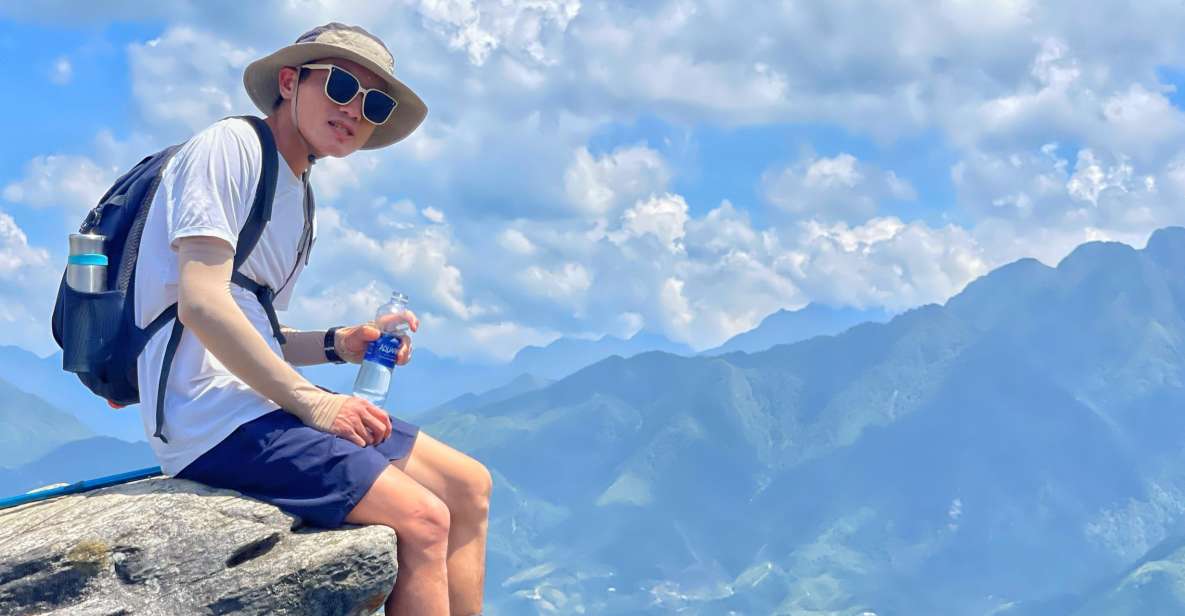
You get hotel pickup and drop-off from Sapa center (or Sapa Church) and round-trip transportation back to Sapa after the last village. You also get an English-speaking local guide, village entry fees, and lunch in the village area. On top of that, you’re not just getting “a walk with a guide.” You also receive practical extras that you’d otherwise have to manage on your own: 1.5 liters of water per person, a raincoat, plus a hat, small backpack, and trekking stick.
If you’ve traveled in Vietnam before, you know small “extras” add up quickly. Here, those items are folded into the experience, so you can show up with comfortable clothes and shoes and focus on the day.
You can also read our reviews of more hiking tours in Sa Pa
Picking up in Sapa center and heading out (9:30 AM start)
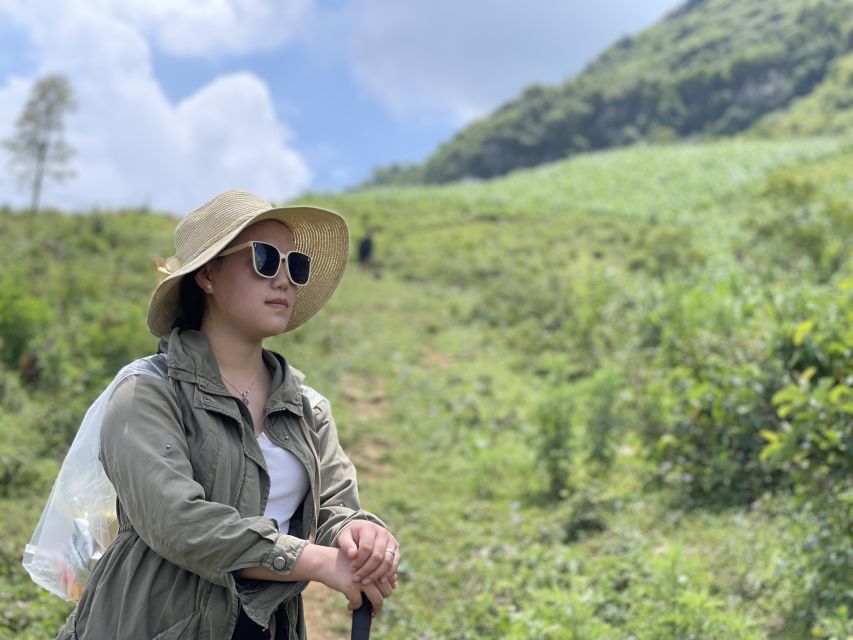
The day begins with pickup at 9:30 AM—either at your hotel in Sapa center or at Sapa Church. After a short briefing, you’re taken out of town toward the trail start.
There’s also a short ride segment (about 30 minutes by bus/coach) before you reach the walking area. That matters because it keeps the trek from turning into a long slog on roads. It also helps you start the walk with your legs ready, not still warming up from travel.
Because this is a private group, you’ll usually feel less herded than on big group tours. You’ll still be walking with your guide, but you’re not competing with a crowd for attention when questions come up.
Ham Rong Mountain (Dragon): where the views start doing the talking
Your first big target is Ham Rong Mountain, often called the Dragon Mountain area. The route takes you down a small road along the mountainside to get out of town, then gradually into orchard country.
You’ll pass peach, plum, and corn orchards as you head toward the higher area around 1850 meters. That orchard walk is a nice breather. It’s not just scenery for scenery’s sake—you get a feel for how locals farm the slopes, and it breaks up the climb before the more panoramic moments.
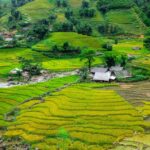
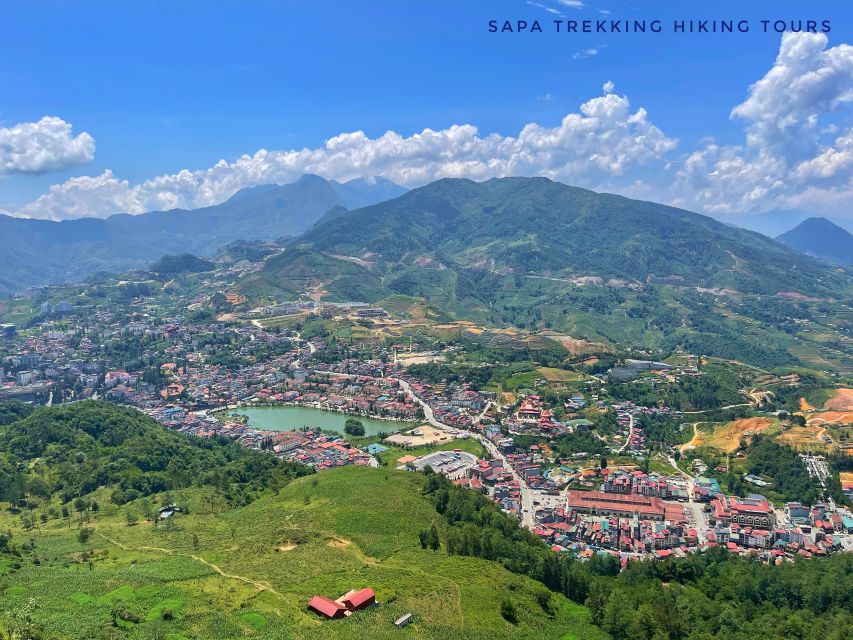
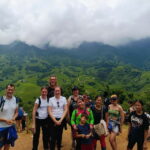
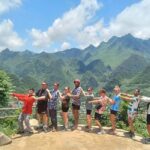
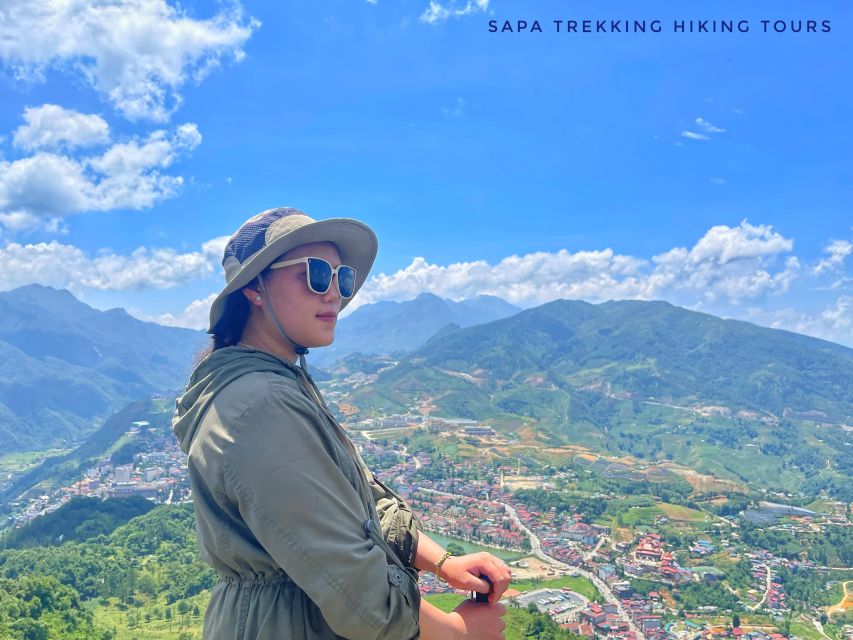
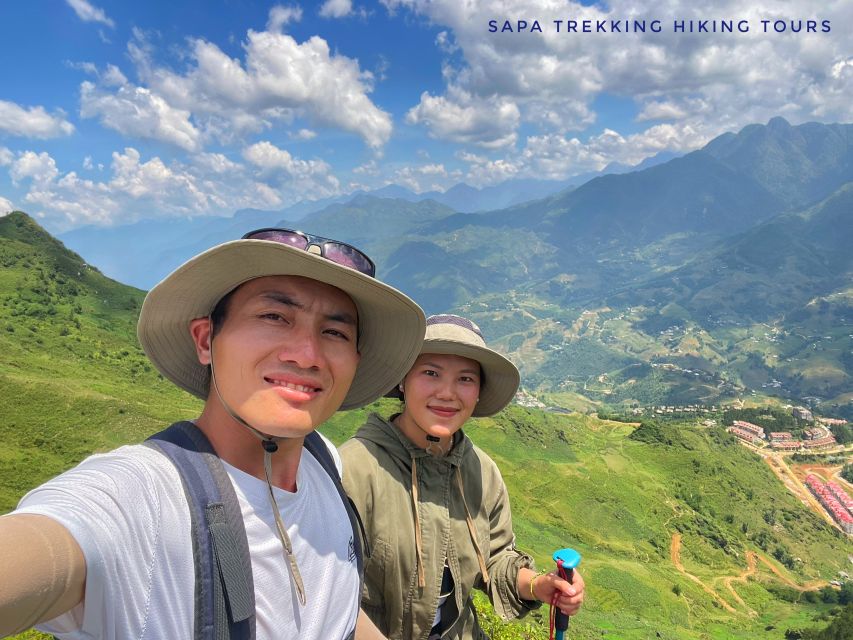
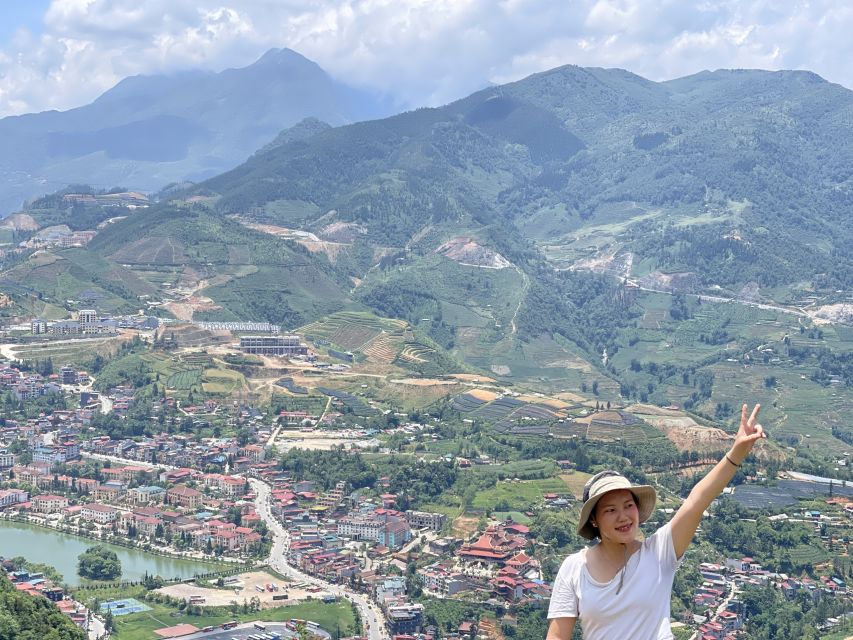
Once you’re up higher, the views open fast. You’ll see the Hoang Lien Son range, and on a clear day you can spot Fansipan peak across the way (it’s the highest mountain in Indochina). The mountain angle also gives you a bird’s-eye view of Sapa town and the Muong Hoa valley, which is one of the best reasons to do this trek rather than only sightseeing by car.
Practical tip: mornings can be clearer, but weather in this region can shift. Bring sunscreen and a light layer, and don’t assume every viewpoint will be equally sharp. When visibility is good, you’ll feel like you’re standing on the edge of a postcard.
Following the trekking route: what the walk feels like
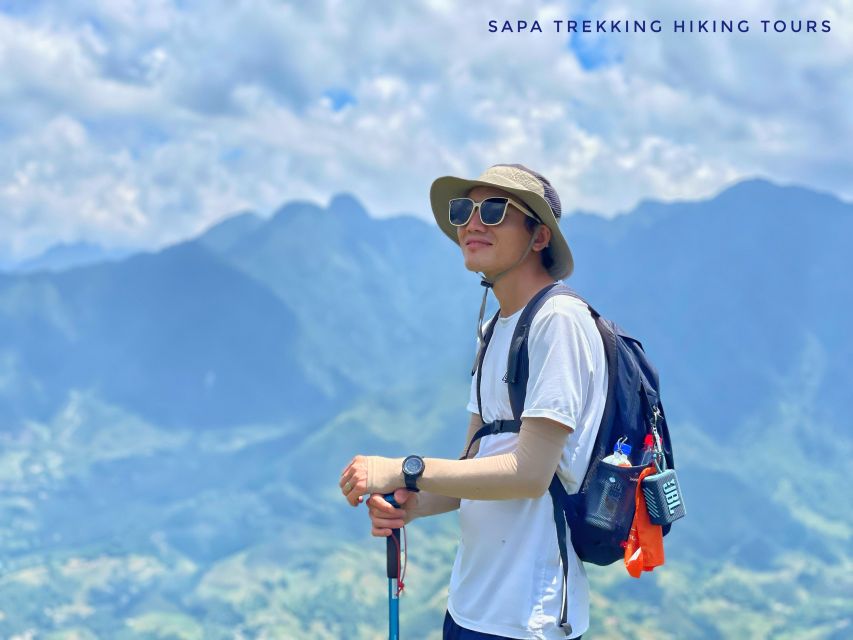
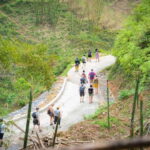
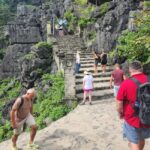
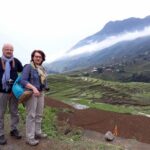
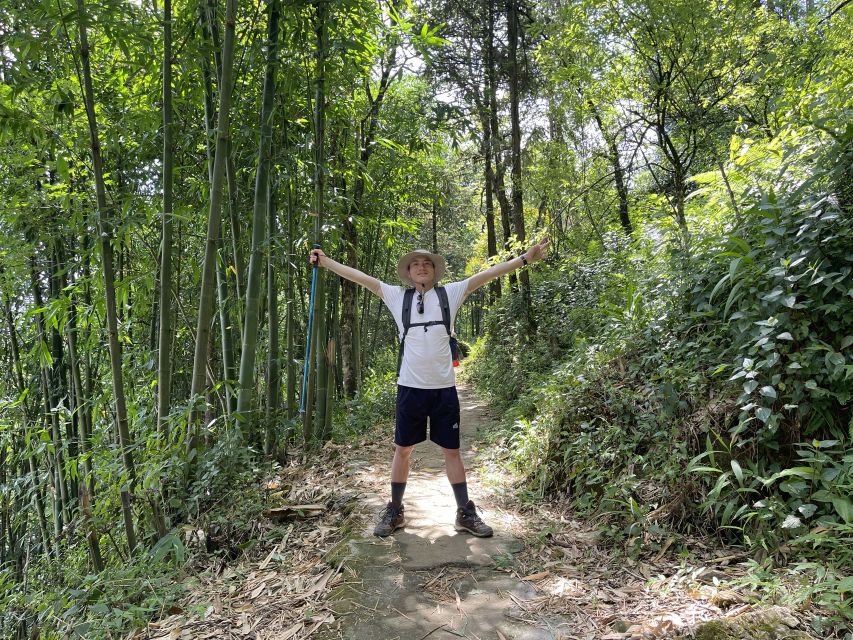
After the initial viewpoint time, you’ll start the main walking section along the mountain side toward the villages. The trek follows natural paths through green areas, and you’ll be on uneven ground at times.
This is the part where good shoes matter. The tour specifically notes you need hiking shoes, and I agree—sandals or flexible sneakers won’t cut it on rocky slopes.
The benefit of this route is that you’re not stuck walking only on paved roads. You’re moving through the kind of scenery locals live with every day, and the guide can point out details as you go—where people grow crops, how the terrain shapes daily movement, and what the village life looks like from the trail.
Also, the included trekking stick is genuinely helpful on downhill sections and for keeping balance on uneven patches. It’s the kind of small inclusion that makes a difference over a multi-hour walk.
Black Hmong village visits: Sa Seng, Hang Da, Hau Chu Ngai
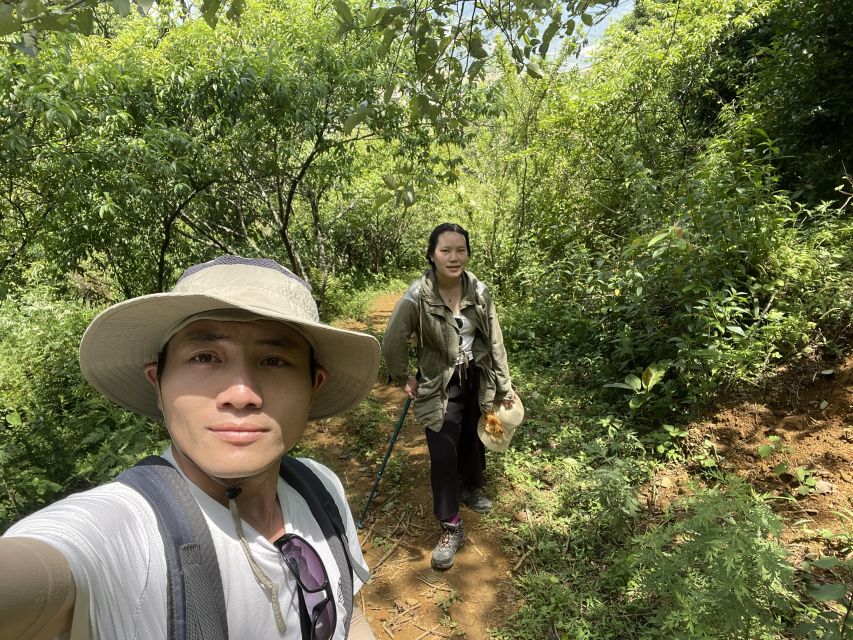
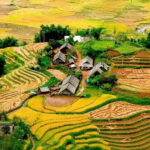
This trek’s cultural heart is the village section on the mountain side. You’ll visit several Black Hmong villages—Sa Seng, Hang Da, and Hau Chu Ngai—which sit on rocky slopes.
What you’re doing here is not just getting photos. Your guide leads you through the village areas and shares local customs and traditions tied to how people live in these communities. Since a big part of what people love is understanding the way of life of the ethnic group, this is where the tour earns its rating.
In Hang Da village, your lunch is also tied to the experience, so you’re not separating “culture time” from “food time.” It keeps the day coherent: walk → village life → meal → more village exploration.
One consideration: these villages are not flat “open-air museums.” Walking involves small transitions, and you may spend time moving between areas that feel a bit rugged. If you’re expecting a gentle stroll the whole way, adjust your expectations.
Lunch in Hang Da: local food in the place you’re learning about
Lunch is served at a local restaurant in Hang Da village. That’s one of the smartest parts of the plan because it keeps the meal grounded in the setting you’re touring.
You’ll also have a guide around you, which helps if you’re curious about what you’re eating or how meals work in village life. The tour includes lunch, so you won’t need to hunt for food partway through the day.
Drinks beyond what’s included aren’t covered—extra drinks are not included—so if you know you like iced tea, coffee, or bottled drinks, keep some cash handy for that.
Hmong House visit: a quick but important context stop
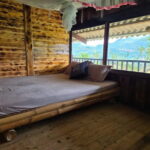
The tour includes a visit to the Hmong House, which gives you a more direct look at everyday structures and home life. Even when the visit is time-limited, it helps you connect the cultural explanations from your guide to something tangible.
This is the “why” behind the village walking. Without it, you can come away with a few images. With it, you’ll understand more of what you’re seeing—customs, routines, and the logic of living on the slopes.
If you’re the type of traveler who likes asking questions, this stop is usually where your guide can respond with the most context.
Included gear and water: small things that make the day smoother
Here’s what you can expect to be covered, which is a big deal on a 6-hour trek:
- 1.5 liters of water per person
- Raincoat per person (handy in mountain weather)
- Hat, small backpack, and trekking stick
- Village entry fee
- English-speaking local guide
- Lunch in Hang Da village
- Transportation back to Sapa from the last village
- Audio guide in English (so you’re not totally reliant on spoken explanations alone)
If you’re traveling light, this matters. You don’t need to buy or rent hiking accessories right before the trek. You also don’t need to worry about water quantity during the walking time.
What you’ll want to plan for yourself:
- Travel insurance is not included
- Tips for the guide and driver are not included
- Extra drinks at villages cost extra
Duration, pace, and who this is best for
The tour is scheduled for about 6 hours, starting at 9:30 AM. That’s a good sweet spot: long enough to see views and multiple villages, but not so long that you’re completely wrecked by the end.
That said, it’s still a trek. The tour isn’t suitable for:
- People with back problems
- Pregnant women
- People with mobility impairments
- Children under 5
If you’re generally healthy, comfortable walking on uneven ground, and you can handle a moderate climb, you’ll probably enjoy it.
Who I’d recommend it to:
- You want views plus cultural context, not just one or the other
- You like walking with a guide who talks about customs and traditions
- You’d rather have a plan and included gear than assemble everything yourself
If you’re looking for a fully flat “easy stroll” day, this probably won’t match your expectations.
What to bring (and what to leave behind)
For this kind of Sapa trek, packing smart is half the success.
Bring:
- Hat
- Hiking shoes
- Comfortable clothes
- Cash
- Passport or ID card
- Sunscreen
- Comfortable shoes (yes, they’re repeating the shoe advice for a reason)
Not allowed:
- Luggage or large bags
The reason is simple: you’ll be moving on trails and between villages. Small and easy wins. If you have a large suitcase, this tour is not the day to drag it around.
Should you book the Sapa Mountain View and Villages Trek?
I’d book it if your priority is seeing Sapa from the mountains and learning about Black Hmong village life along the way. The combination of Muong Hoa valley panoramas, a walk on Ham Rong Mountain, multiple villages (Sa Seng, Hang Da, Hau Chu Ngai), and a included lunch plus Hmong House visit is strong for the price.
Skip it or look for an alternative if you:
- Have back issues or mobility limitations
- Want minimal walking or perfectly smooth surfaces
- Are traveling with large luggage you don’t want to manage
If you’re ready for a real mountain walk with cultural stops—and you want the day handled for you with transfers and useful gear—this is a solid pick.
FAQ
What time does the tour start?
The tour starts at 9:30 AM. Pickup is available at your hotel in Sapa center or at Sapa Church.
How long is the trek?
Plan for about 6 hours total.
What views will I see during the walk?
You’ll get panoramic views of Sapa town and the Muong Hoa valley from around 1850 meters above sea level, with views toward the Hoang Lien Son range and Fansipan peak across the way.
Which villages are visited?
The trek includes Black Hmong village visits such as Sa Seng, Hang Da, and Hau Chu Ngai.
Is lunch included?
Yes. Lunch is included at a local restaurant in Hang Da village.
What’s included in the price?
Included items are hotel pickup/drop-off in Sapa center, village entry fees, an English-speaking local guide, lunch, 1.5 liters of water, a Hmong House visit, and transportation back to Sapa. You’ll also receive a raincoat, a hat, a small backpack, and a trekking stick.
Can I cancel for a refund?
Yes. Free cancellation is available up to 24 hours in advance for a full refund.