REVIEW · SAPA
Sapa Tour: 2-Day Fansipan Trekking
Book on Viator →Operated by Vietnam Nomad Trails · Bookable on Viator
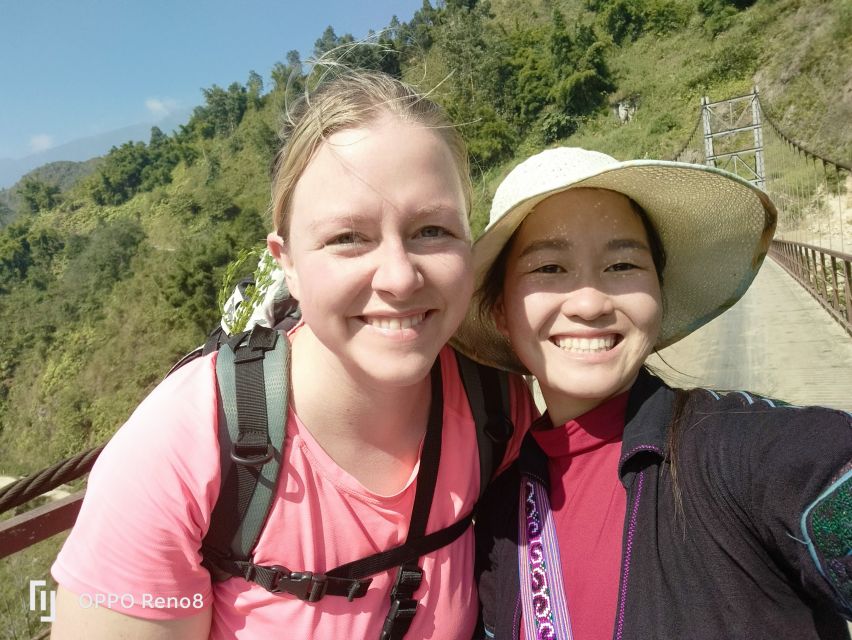
Fansipan can feel like it belongs to another planet. This 2-day guided trek from Sapa is built to get you up high, fed well, and back down without getting stuck in the logistics fog. You start from Tram Ton, hike with a guide, and learn about the mountain’s environment and the Indigenous communities who live here.
Two things I really like: the tour includes round-trip transfers from Sapa’s train and bus stations, and you get porter help so you don’t end up carrying more than you planned. Plus, the guide support is solid, and I’ve heard Mr Zi can step in when you need help.
One possible drawback: this is a hiking-down trip to Tram Ton, so if you’re counting on the cable car for an easier return, plan for the fact it can be unavailable during maintenance windows.
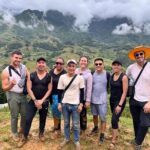
Small group size (max 20) means you’re not lost in a crowd.
English-speaking guide keeps things clear from briefing to summit.
Porter convenience helps you avoid surprise heavy loads.
Meals and water included so you can focus on breathing and footing.
Overnight on the mountain in hut/tent style accommodation with sleeping bags.
National park access and fees covered so you’re not hunting tickets.
In This Review
- Price and Logistics: What You Really Get For $136.65
- Getting From Sapa Or Lao Cai To Tram Ton: Day 1 Setup
- Overnight On Fansipan: Hut/Tent Sleeping Arrangements That Work
- Day 2 Summit Push And The Return To Tram Ton
- The Guide And The Indigenous-Learning Layer (Why It Feels More Than A Hike)
- What 10,000+ Feet Feels Like: Cold, Footing, And Your Best Strategy
- Who This Fansipan Trek Is Best For (And Who Should Skip It)
- Should You Book This 2-Day Fansipan Trek?
- FAQ
- What time does the 2-day Fansipan trek start?
- Where is the meeting point?
- Does the tour include pickup from Lao Cai or hotels in Sapa?
- What meals are included?
- Is there an English-speaking guide?
- Are national park fees and permission included?
- What kind of overnight accommodation do you get?
- What documents do I need on the day of travel?
- Can I get a full refund if I cancel?
Price and Logistics: What You Really Get For $136.65
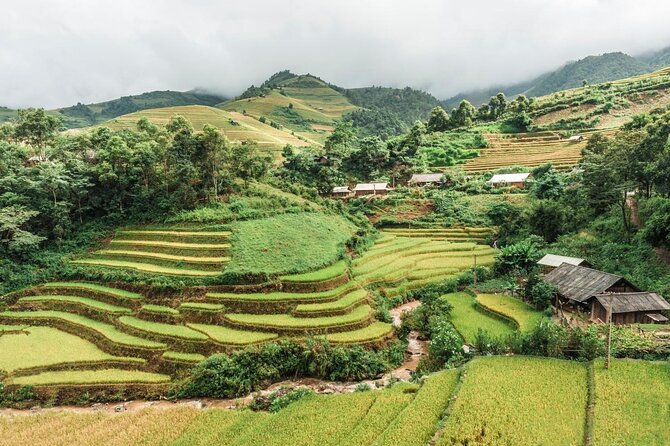
At $136.65 per person for about 2 days, the value isn’t just the hike. It’s how much of the trip is handled for you: transportation, permissions, meals, and the mountain night setup.
A lot of “trek packages” in Vietnam look cheap until you add the real costs (entry fees, guides, transfers, food, and gear arrangements). Here, the basics are bundled: English-speaking guide, national park permission and entrance fees, and accommodation in the mountain area with sleeping bags plus hut/tent options. You’re also covered for meals—breakfast, lunch (2), dinner, and water 1.5L per person per day.
The practical win is that you’re not spending your limited trip time in Sapa trying to assemble a patchwork plan. You join a small group and follow a set route—starting from Tram Ton for the hike to Fansipan, then returning the next day the same way.
Logistics are also simpler because the tour includes round-trip transfers from Sapa’s train and bus stations. If you’re arriving by public transport, this matters. It reduces the “now what?” stress that can hit right when you’re tired from travel.
Quick timing note: start time is 8:30 am. If you like slow mornings, you’ll want to build in some extra sleep the night before.
Getting From Sapa Or Lao Cai To Tram Ton: Day 1 Setup
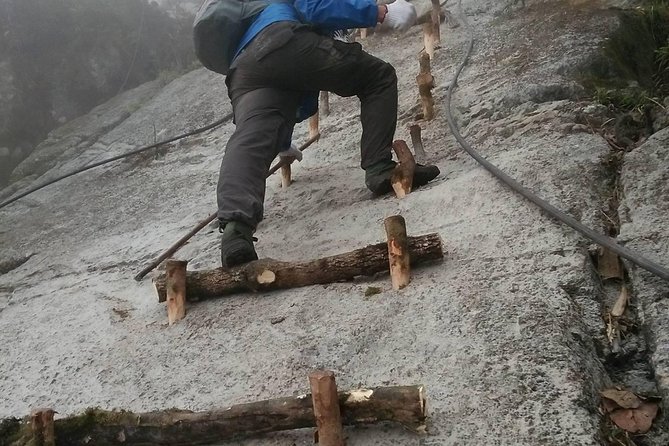
Day 1 starts with pickup—either from Lao Cai station or from your hotel in Sapa—then you get breakfast before heading toward Tram Ton, the main trail starting area. The move to Tram Ton matters because it sets up your trek in a practical way. Instead of scrambling to find the trailhead, you’re transferred to the right starting point and briefed by the guide.
Then it’s time for the hiking day. The plan is straightforward: you trek to Fansipan via Tram Ton, with the admission ticket included. You’re not spending time negotiating entry points or wondering what’s covered.
What you should watch for on Day 1 is the combo of altitude and slow-building fatigue. Even when the route is manageable, your body feels it higher up—especially because Fansipan reaches over 10,000 feet. Expect cooler air and changing conditions as you climb, and don’t treat this like an easy walk.
Also, “no unexpected loads to carry” is a real selling point here. The idea is that you get porter convenience, so you’re less likely to show up thinking you’ll carry everything, only to find yourself hauling more than you can comfortably manage.
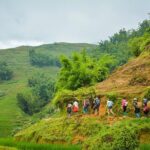
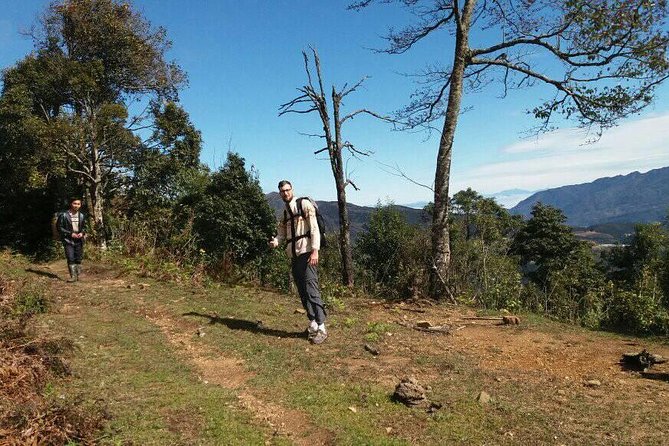
If you’re the type who enjoys learning while you move, this is where the tour style helps: you’re not just going uphill for photos. You’re hiking while the guide explains the environment and Indigenous tribes living on the mountain—a useful layer that makes the trail feel more grounded than just scenery.
You can also read our reviews of more hiking tours in Sapa
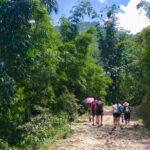
Overnight On Fansipan: Hut/Tent Sleeping Arrangements That Work
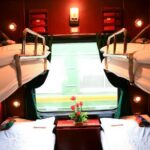
This tour includes overnight mountain accommodation: sleeping bags plus a hut or tent setup. In practice, this can feel more comfortable than you might fear, especially because sleeping bags are provided. One review specifically called out a shared wooden cabin with separate rooms, which suggests you won’t be sleeping cheek-by-jowl on the floor.
Even so, treat it as mountain lodging: it’s not a resort. You should expect cold and a basic setup. The upside is that sleeping in the mountain area helps you start Day 2 closer to the summit push, instead of trying to travel around early-morning distances before hiking.
The best part of overnight coverage is the mental relief. You don’t have to figure out where to sleep, what to bring, or how to move gear safely. Your energy stays for the hike.
My practical tip: if you run cold easily, take the cold seriously on night one. Reviews mention temperatures can be cold, and altitude doesn’t care that you planned a “quick photo stop.”
Day 2 Summit Push And The Return To Tram Ton
Day 2 is the highlight: you climb to the top and then go down to Tram Ton. Having the guide accompany you to the summit is one of the biggest safety-value additions. You’re not navigating alone on a long, demanding route where the weather can change quickly.
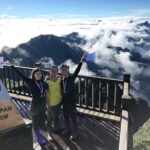
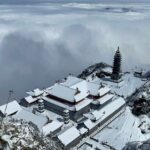
Conditions can also shape the mood. One standout moment shared in feedback was mystical fog at the summit. That’s not something you can plan for, but it’s exactly why guided timing helps: you’re moving as a group, following instructions, and dealing with changing visibility without turning it into a solo decision-making contest.
The pace is tiring—again, that’s part of the deal with Fansipan—but the tour structure makes it manageable. You have meals and water accounted for, and the route is planned so you’re not losing time.
One consideration from real-world experiences: some people hope to use the cable car down, but it may not be available if maintenance is happening. This trek doesn’t rely on that. It brings you back via the hiking route down to Tram Ton, which is reliable. Just don’t build your day around cable car timing.
The Guide And The Indigenous-Learning Layer (Why It Feels More Than A Hike)
This trek isn’t only about reaching altitude. The plan includes time learning about the environment and the Indigenous tribes living on the mountain. That matters because Fansipan is more than a peak you conquer—it’s a living mountain system with people and culture connected to it.
The guide role is also more than “point and smile.” You’re working with a group process: briefings, decisions, and keeping the route coherent. Reviews note an English-speaking guide who could explain clearly. One name that came up was Mr Zi—praised for helpfulness, even when plans shifted (like when cable car use wasn’t possible).
If you prefer a chatty guide, you might find the style more matter-of-fact. One comment mentioned the guide spoke correct English but wasn’t overly talkative. That’s not a problem if you’re here for the hiking and learning facts, not for a running travel documentary. It’s just good to know what vibe to expect.
Also, with the maximum group size at 20, the guide can actually manage a group. This isn’t “everybody on their own” territory.
What 10,000+ Feet Feels Like: Cold, Footing, And Your Best Strategy
At over 10,000 feet, your body will remind you you’re not at sea level anymore. Even if you’re fit, the air is thinner and the effort feels different. The tour helps by keeping the experience structured: meals, water, porter convenience, and guide support.
Expect cold. Reviews specifically mention the temperature is cold, and your plans should match that. Warm layers help you stay comfortable enough to keep moving. If you’re thinking of packing only a “light jacket,” rethink it.
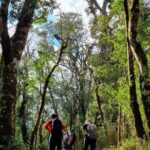
Footing is another reality. Mountain trails change underfoot, and it’s easy to focus so hard on “going up” that you forget to protect your ankles on the way down. The Day 2 descent back to Tram Ton is when smart pacing matters most.
Finally, don’t ignore hydration. You’ll have water 1.5L per person per day included, but you still need to drink steadily. High altitude plus hiking makes thirst sneak up. Sip regularly rather than trying to catch up later.
A few more Sapa tours and experiences worth a look


Who This Fansipan Trek Is Best For (And Who Should Skip It)
This is best for you if:
- You want a guided, set-route trek to Fansipan without heavy planning.
- You like having meals and water sorted so you can focus on the hike.
- You’re okay with cold conditions and a workout that’s more than a casual walk.
- You’d rather deal with a small group than handle permits, entry, and timing on your own.
You might want to skip or think twice if:
- You need a cable-car-based descent plan.
- You’re not comfortable with overnight mountain conditions (even with sleeping bags).
- You’re sensitive to cold and aren’t willing to dress for it.
One more fit detail: the tour has a minimum age of 18 and requires a minimum of 2 people per booking. If you’re traveling solo and don’t meet the group minimum, you’ll need to coordinate through the provider.
Should You Book This 2-Day Fansipan Trek?
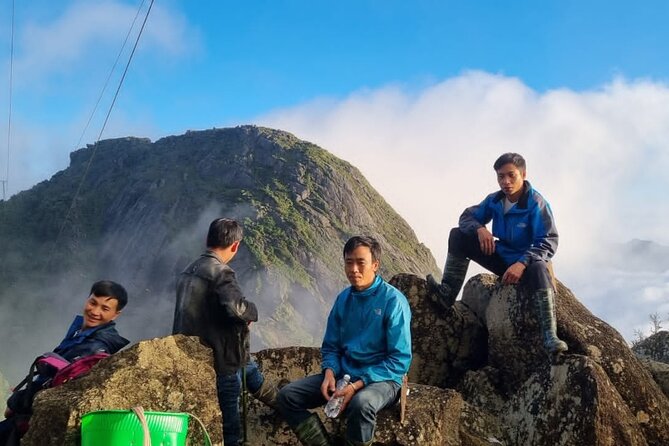
If you want the summit experience with less friction, I’d say yes—especially for value and clarity. For $136.65, you’re getting a lot of the hard-to-organize pieces bundled: guide, national park permissions and entrance fees, mountain accommodation with sleeping bags, meals, water, and transfers from Sapa’s train/bus hubs. The fact it runs as a small group up to 20 also helps you feel guided without feeling crowded.
Book it if you’re ready for cold, a real hike, and an early start. Don’t book it if you’re mainly chasing the idea of an easy descent—because this is hiking down to Tram Ton, and cable car availability isn’t something you should rely on.
FAQ
What time does the 2-day Fansipan trek start?
The start time is 8:30 am.
Where is the meeting point?
The meeting point is Nomadtrails Boutique Sapa, 15 Tuệ Tĩnh, Sa Pa, Lào Cai, Vietnam.
Does the tour include pickup from Lao Cai or hotels in Sapa?
Yes. Pickup can be arranged from Lao Cai station or your hotel in Sapa.
What meals are included?
You get breakfast, lunch (2), and dinner. Water 1.5L per person per day is also included.
Is there an English-speaking guide?
Yes. The tour includes an English speaking guide.
Are national park fees and permission included?
Yes. National park permission and entrance fees are included.
What kind of overnight accommodation do you get?
You’ll have sleeping bags plus hut/tent accommodation in the mountain.
What documents do I need on the day of travel?
A current valid passport is required on the day of travel.
Can I get a full refund if I cancel?
Yes. You can cancel up to 24 hours in advance for a full refund.