REVIEW · VINH MOC TUNNELS
From Hue: Private DMZ Tour
Book on GetYourGuide →Operated by Stop and Go Travel Company · Bookable on GetYourGuide
Underground life beat the bombing. That’s the emotional punch of this DMZ day trip from Hue, where you trace how the war split Vietnam from 1954 to 1972 and how people tried to survive it. I like that it moves beyond photos and dates, with real places you can stand in: Doc Mieu Base, the Hien Luong Bridge boundary area, and the Vinh Moc tunnel network.
Two things make it especially worth your time. First, the English-speaking guide keeps the story clear as the drive rolls from Hue toward Dong Ha and out into DMZ country. Second, the guide and team add human context, and you end up with conversations that cover both the war and Vietnam today, helped by the friendly driver Mr Trung and the guide Hai, known for strong English and thoughtful answers.
One consideration: this is not an easy walk. You’ll want comfortable shoes, and the tour is not suitable for people with mobility impairments, since it includes stops at battlefield sites and underground tunnels.
In This Review
- Key highlights you should know before you go
- DMZ From Hue: what this 6-hour private day actually covers
- Meeting your team in Hue and how the day starts smoothly
- Doc Mieu Base: American firebases on a ridge overlooking the Ben Hai River
- Hien Luong Bridge and the 17th Parallel line in wartime Vietnam
- Vinh Moc tunnels: the village moved underground to survive bombing
- American base stop and the army cemetery: what you take away
- Lunch in Hue style: pay on your own, but plan for it
- Price and value: is $129 for a private group worth it?
- Who should book this DMZ tour, and who should skip it
- Should you book this DMZ tour from Hue?
- FAQ
- How long is the DMZ tour from Hue?
- What are the main stops on the tour?
- Is pickup and drop-off included?
- What language is the guide?
- What’s included in the price?
- Do I pay for lunch during the tour?
- What should I bring?
- Is the tour suitable for people with mobility impairments?
- What are the cancellation terms?
Key highlights you should know before you go
- Doc Mieu Base views: a ridge-and-river setting that helps you understand how American firebases were positioned across the DMZ.
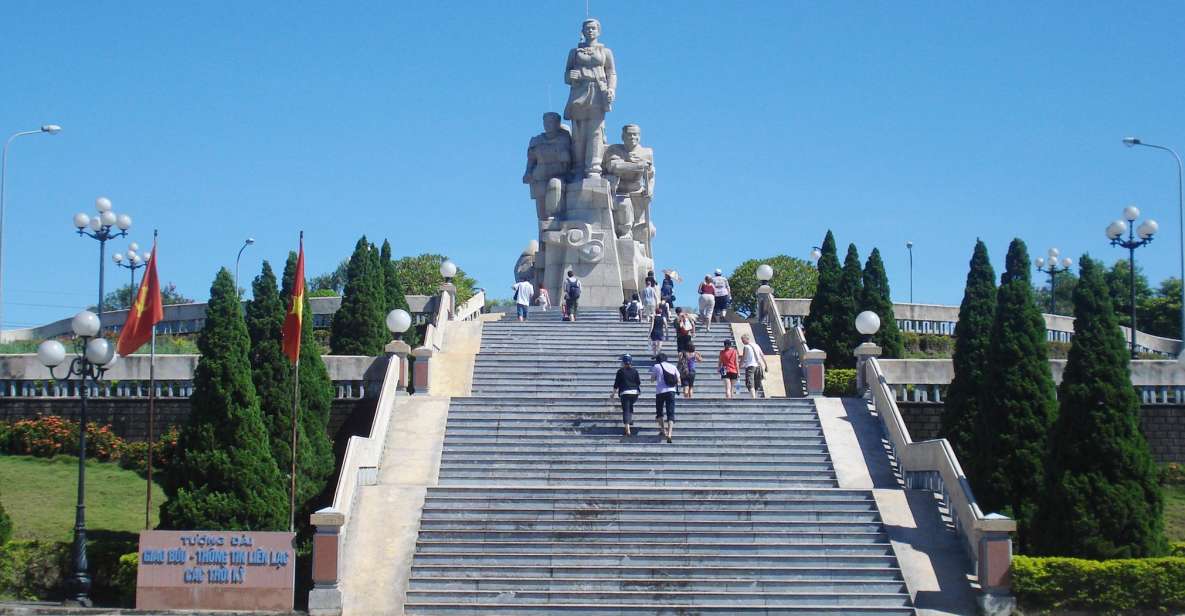
- Hien Luong Bridge at the 17th Parallel: see how the line split North and South Vietnam during the war.
- Vinh Moc underground tunnels: a whole village moved underground to survive constant bombing.
- American base stop plus an army cemetery: places that ground the story in what soldiers left behind.
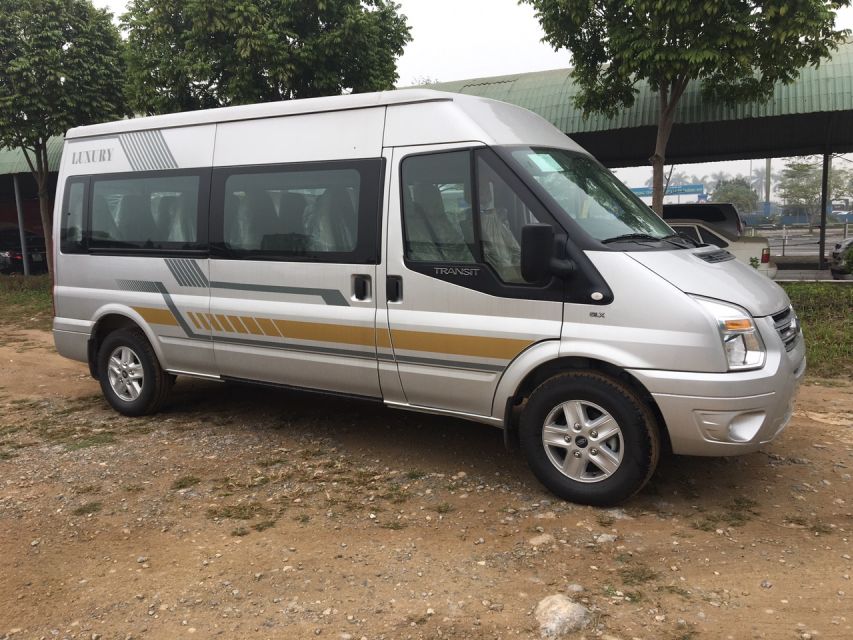
- Private, door-to-door format: pickup in Hue, drop-off back at your accommodation, plus bottled water and entrance fees covered.
DMZ From Hue: what this 6-hour private day actually covers
This is a focused DMZ tour designed for people who want the big wartime geography and key sites without spending your whole day traveling around. The total time is about 6 hours, and you get a private car with a guide who’s there to explain what you’re seeing as the day moves along.
You start in Hue, then head toward Dong Ha, where the local guide boards the vehicle to lead the main tour. The route centers on three signature moments: Doc Mieu Base, the Hien Luong Bridge area tied to the 17th Parallel, and the Vinh Moc tunnels, which are widely considered the standout place to visit within the DMZ.
The value here is how the sites connect. You’re not just checking boxes. You’re building a mental map of why this area was strategically brutal, how the border mattered, and how civilian life responded when bombing made normal life impossible.
You can also read our reviews of more private tours in Vinh Moc Tunnels
Meeting your team in Hue and how the day starts smoothly
Pickup is included, so you’re not wrestling with buses or taxis right away. You should plan to wait in your hotel lobby about 10 minutes before your scheduled pickup time.
Then the day runs in a simple rhythm. You drive toward Dong Ha, where the guide joins you for the interpretive part of the tour. This is one reason the private format feels efficient: you’re not stuck trying to coordinate the handoff yourself, and the guide can jump right into the story when you reach the DMZ area.
In the reviews, Mr Trung (the driver) comes up as a real part of the experience, with kindness and helpful context even before the main guide leads the stops. Hai is specifically mentioned for great English and for answering questions with real conversation, not just reciting facts.
Doc Mieu Base: American firebases on a ridge overlooking the Ben Hai River
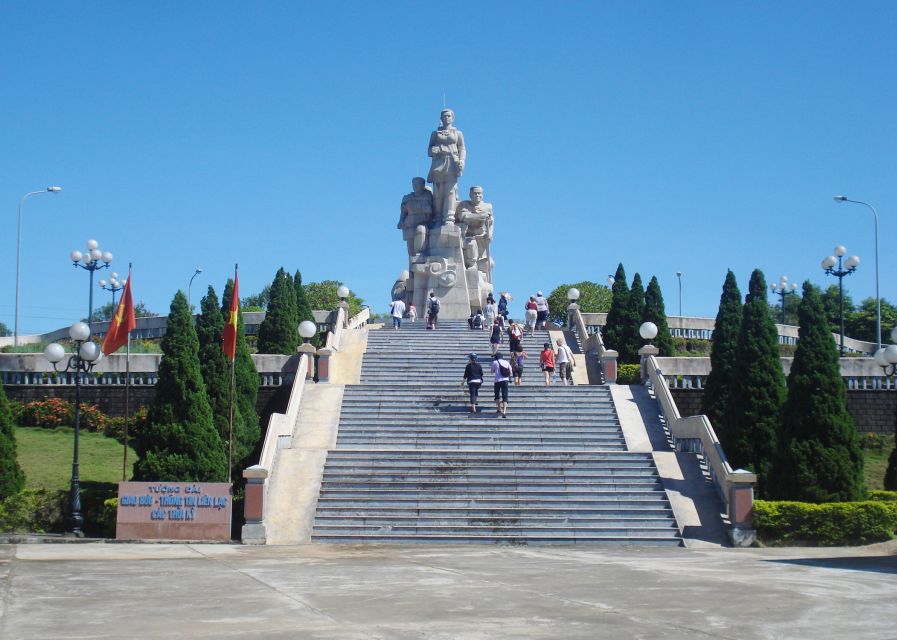
Doc Mieu Base is the first battlefield stop, and it sets the tone for everything that follows. The big idea is the positioning: American forces set up firebases on a ridge of hills, aiming across the DMZ and toward the Ben Hai River. Standing in a location like this helps you understand why the war felt constant and why control of viewpoints mattered.
As you’re there, expect the guide to explain what the area represented and why ridges and river lines became so significant. The setting also helps you picture how the border wasn’t just a map concept—it was a real physical presence shaping movement, fear, and survival.
One practical tip: this is the kind of stop where comfortable shoes matter. You’ll be on uneven ground in a battlefield zone, and you’ll probably want to spend a few minutes standing still to let the guide’s explanation land.
If war sites make you tense, you might want to take it slower here. The guide’s job is to give context, not to shock you, but this location is still tied to real combat.
Hien Luong Bridge and the 17th Parallel line in wartime Vietnam
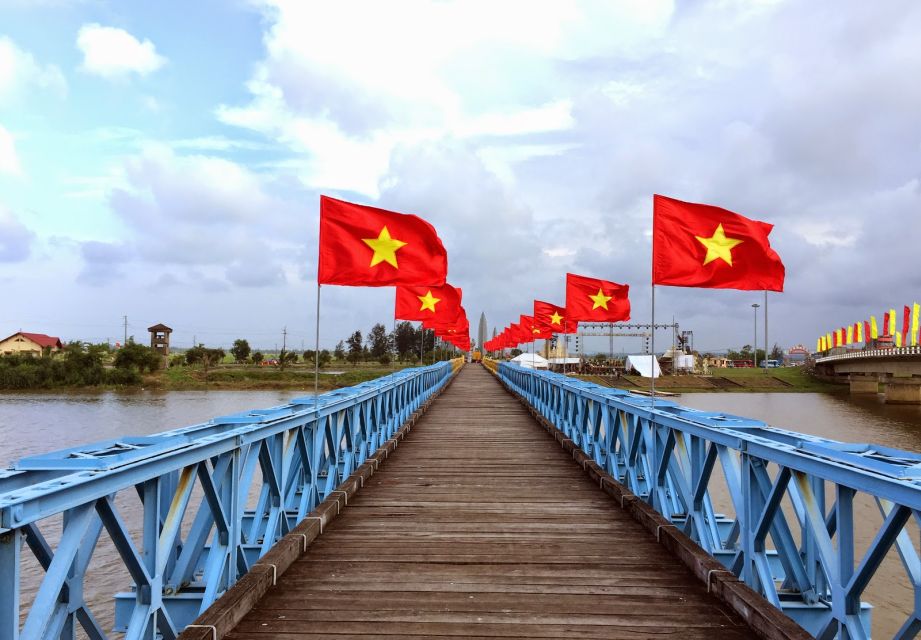
Next comes Hien Luong Bridge, and the reason it’s such an important stop is plain and specific: it’s located on the 17th Parallel, and during the war it was bisected between South and North Vietnam.
In practice, this stop works because it anchors the border story in something you can see. Instead of talking about a theoretical divide, you’re at a real crossing area where the “line” becomes immediate. That helps the later story about civilians make more sense, because you can start to understand how separation and conflict shaped daily decisions.
It’s also a good moment to ask questions. The guide’s English and willingness to talk came up repeatedly, and questions here usually lead to clearer answers about how people would have experienced the border in daily life during 1954–1972.
If you’re the type who likes to understand the logic of strategy, this is a stop that rewards that mindset. The guide will likely connect geography to the war’s pressure points, without overcomplicating it.
Vinh Moc tunnels: the village moved underground to survive bombing
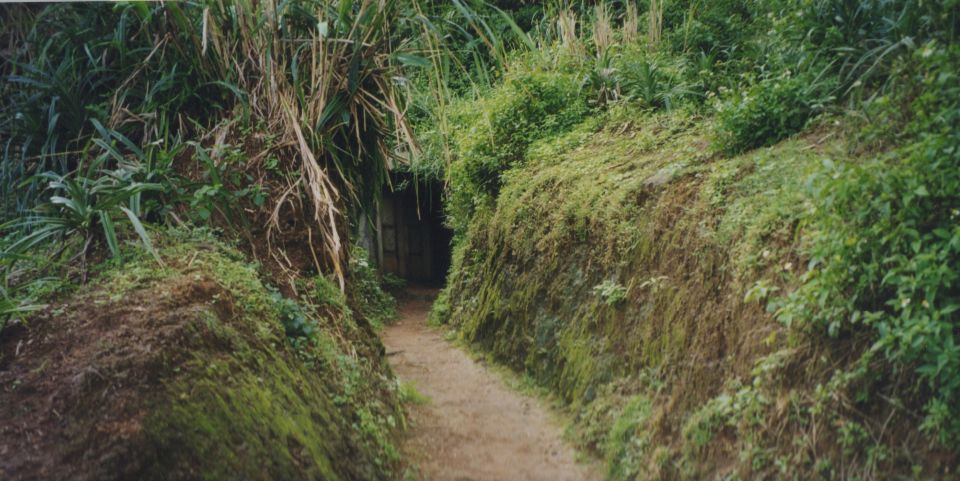
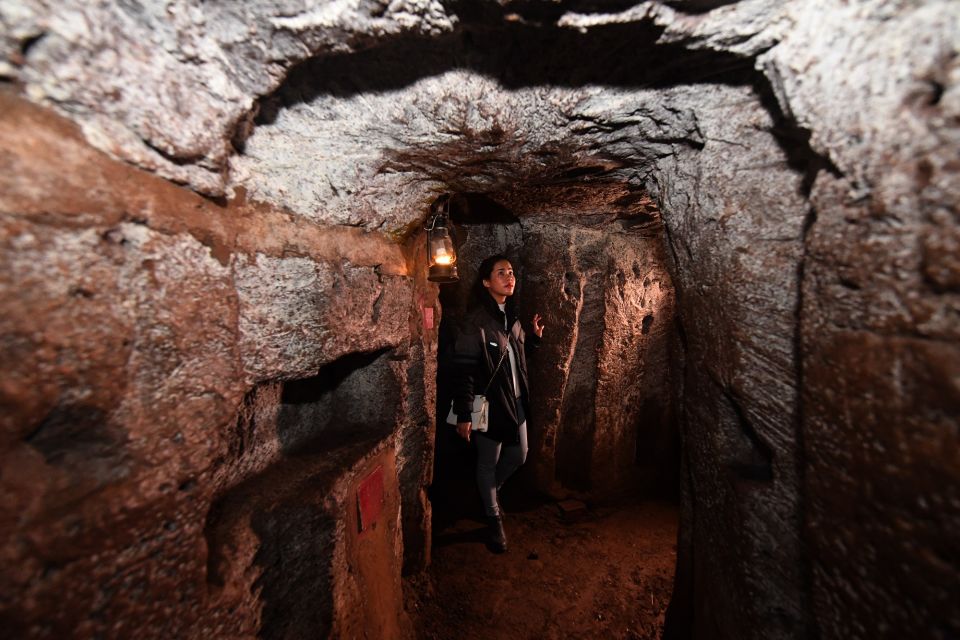
The Vinh Moc underground tunnel complex is the tour’s main highlight, and it earns that title. The central story is stark: an entire village moved underground to avoid constant American bombing, using tunnels as refuge from attacks that made surface life unworkable.
Even if you’ve read about Vietnam’s wartime tunnels, the impact here comes from scale and atmosphere. You’re not just hearing about survival—you’re walking through the spaces that were designed for it. This is where the tour becomes emotionally heavier, but also more memorable, because the tunnel design reflects urgent everyday needs: shelter, safety, and the ability to keep going.
In the reviews, people specifically called out how interesting this stop was and how much they learned. That aligns with what you should expect: the guide’s explanation matters a lot here. If the guide is good at turning the tunnel space into a story of real choices, the visit becomes far more than a quick walk-through.
Practical note: underground spaces can feel cooler and darker than the outside, and the route can involve uneven steps or tight areas. Bring the mindset of comfy shoes and a willingness to move carefully. This isn’t built for people who need mobility support.
American base stop and the army cemetery: what you take away
The tour also includes a visit to an American base and an army cemetery. That combination matters because it shifts your frame from tactics and geography to consequences.
An American base stop gives you a sense of how foreign forces established operational space in the region. The army cemetery, meanwhile, turns those strategic ideas into a human timeline. Even if you don’t memorize names, you’ll likely feel the weight of what happened here and how long it lasted.
This part of the tour is where you should let your guide’s explanations pace your emotions. You can ask for details about what you see on-site, but you can also just absorb the atmosphere. A good private tour gives you that choice.
Lunch in Hue style: pay on your own, but plan for it
Before you head back to Hue City, the tour includes a stop at a local restaurant for Vietnamese lunch. You pay for it yourself.
This is a helpful structure because it keeps your tour time realistic. You’re not scrambling for food at random, and you’re still eating something local right before the return drive.
A simple strategy: avoid a huge breakfast so you can enjoy lunch without feeling rushed. And if you have dietary needs, bring them up with your guide or driver early. The tour description doesn’t spell out special meals, so it’s best to plan for standard restaurant food.
In the reviews, lunch came up positively, including comments that it was good. That’s a nice sign that the stop isn’t just an afterthought.
Price and value: is $129 for a private group worth it?
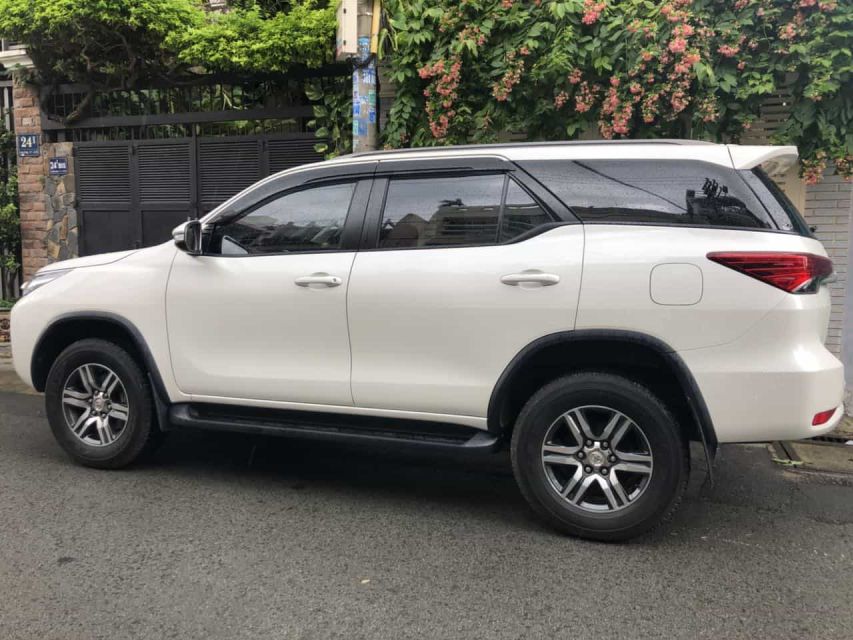
The price is listed at $129 per group, for up to 1 person, for the private format. On paper, that can look steep if you compare it to cheaper group tours. But this itinerary has a few traits that usually justify the cost for the right traveler.
You’re buying:
- Door-to-door pickup and drop-off in Hue
- A private car for the day’s DMZ route
- An English-speaking guide who explains the sites as you go
- Entrance fees covered
- Bottled water included
- A schedule that fits 6 hours without long, unstructured delays
If you’re traveling solo, this private arrangement can be more efficient than piecing together transport and guides on your own. And because the tour is private, you can ask questions at the stops that matter most to you—about the 17th Parallel border line, what the ridge positioning meant at Doc Mieu Base, or how Vinh Moc tunnels were used for refuge.
Bottom line: if you want clarity, comfort, and a guide-led story at key DMZ sites, this price looks like value. If your goal is purely low-cost sightseeing, you may want to compare alternatives.
Who should book this DMZ tour, and who should skip it
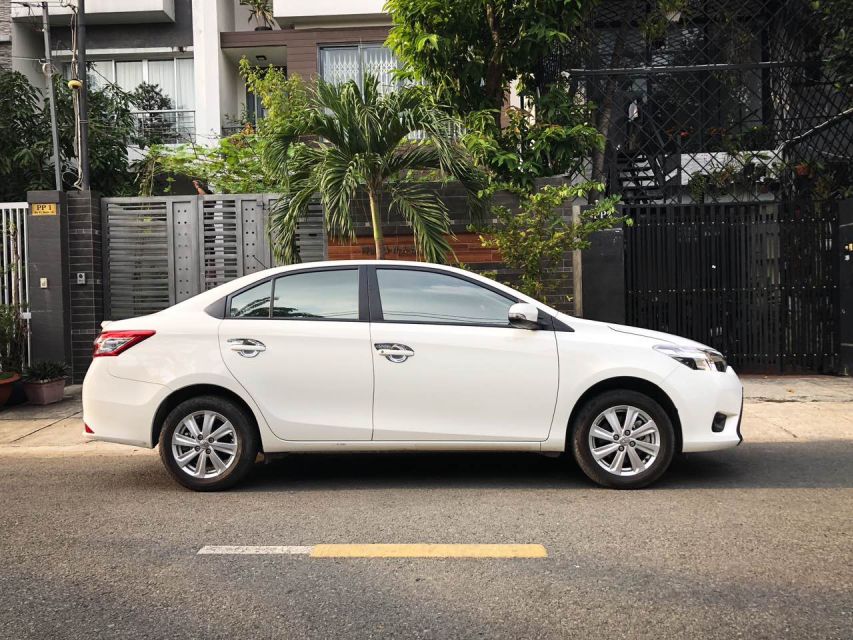
This tour is a good match if you want a tight, guided day focused on the DMZ’s most significant locations around Hue. It’s also ideal if you care about getting the story right—especially at places like Hien Luong Bridge and Vinh Moc tunnels—where the context is what makes the visit meaningful.
I’d also steer it toward people who prefer a quieter experience. The private format means you’re not sharing attention with a large group, and the guide can pace the conversation to your questions. The reviews highlight that Hai’s English and Q&A style are a big part of the experience.
Skip it or think twice if:
- You have mobility impairments (it’s not suitable for that)
- You’re likely to struggle with uneven outdoor areas and underground tunnel spaces
- You need a fully light, carefree day (this is tied to war sites, even when the guide keeps things factual and respectful)
Should you book this DMZ tour from Hue?
Yes—if you’re looking for one well-run day that connects the border story (1954–1972) with the places where the war shaped daily life. The strongest reason to book is the pairing of Doc Mieu Base, Hien Luong Bridge, and Vinh Moc tunnels, plus the added stops that include an American base and an army cemetery.
Also, pay attention to the guide factor. The names Mr Trung and Hai show up in feedback as central to the trip’s quality: good English, kindness, and real answers to questions. That makes the difference between seeing sites and actually understanding them.
If you can handle a walking-and-tunnel day and you’re ready for an emotionally serious subject, this private DMZ tour is a smart use of your time in Central Vietnam.
FAQ
How long is the DMZ tour from Hue?
It runs for about 6 hours. The exact start times vary, so you’ll need to check availability for the schedule.
What are the main stops on the tour?
You visit Doc Mieu Base, Hien Luong Bridge (on the 17th Parallel boundary area), and the Vinh Moc underground tunnel complex. The tour also includes a visit to an American base and an army cemetery.
Is pickup and drop-off included?
Yes. The tour includes pickup from your accommodation in Hue and drop-off back to your accommodation at the end. You’ll be asked to wait in your hotel lobby about 10 minutes before pickup.
What language is the guide?
The guide is English-speaking.
What’s included in the price?
Included items are hotel pickup and drop-off, a private car, an English-speaking guide, entrance fees, and bottled water.
Do I pay for lunch during the tour?
Lunch is included as a stop at a local restaurant, but you pay for the meal yourself.
What should I bring?
Wear comfortable shoes. The tour includes walking and underground tunnel areas.
Is the tour suitable for people with mobility impairments?
No, it’s not suitable for people with mobility impairments.
What are the cancellation terms?
You can cancel up to 24 hours in advance for a full refund. The booking option also offers reserve now & pay later.