REVIEW · HANOI
Hanoi-Sapa Trek 2 days 2 nights and Homestay with small group
Book on Viator →Operated by Crossing Vietnam Tour · Bookable on Viator
Sapa without the crowd feels different. I like the small group limit of nine, and I also like that you get a real Ta Van Village homestay instead of only bouncing between viewpoints. This kind of setup helps you move at a human pace and still see the main Hmong villages people come for.
The biggest consideration is comfort: Sapa weather can be cold and foggy, and homestay facilities are not like a standard hotel room. If you’re prepared for cold and basic lodging, this trip hits a sweet spot for first-time northern Vietnam visitors.
In This Review
- Key highlights worth planning around
- How the Hanoi–Sapa trek feels when you want less chaos
- Getting there and back: meeting point, pickup, and end drop-off
- The village route in Sapa: Cat Cat to Su Pan and beyond
- Ta Van homestay: the cultural upside and the comfort trade-off
- Trekking day reality check: fog, cold, and muddy steps
- What’s included: meals and guide time that actually help
- Price and value: why $139 can make sense (and when it won’t)
- Who this is perfect for (and who should pass)
- Should you book this small-group Sapa trek with Ta Van homestay?
- FAQ
- How many people are in the group?
- What meals are included in the tour?
- Where do I meet in Hanoi, and where do I end?
- Which villages does the trek include?
- What should I pack for Sapa weather?
- Is free cancellation available?
Key highlights worth planning around
- Max 9 people for a more personal, less-chaotic trek in Sapa
- Ta Van Village homestay for a closer look at daily life in the countryside
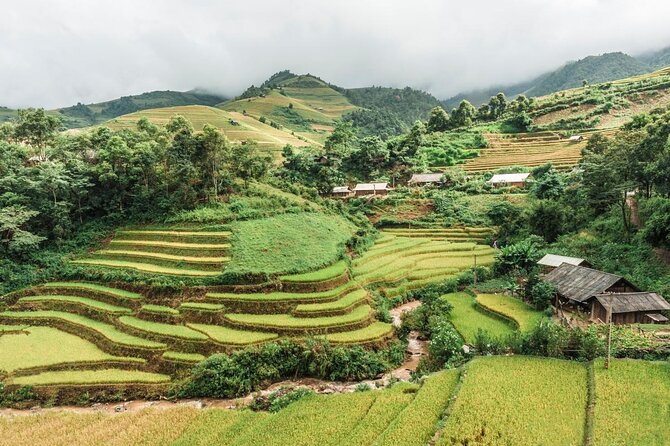
- Village circuit that includes Cat Cat, Lao Chai, Ta Van, Giang Ta Chai, and Su Pan
- Local English-speaking guide to handle logistics and keep you moving safely
- Meals included (2 breakfasts, 2 lunches, 1 dinner) so you’re not hunting food on trekking days
- Cold, unpredictable conditions where packing properly matters more than perfect photos
How the Hanoi–Sapa trek feels when you want less chaos
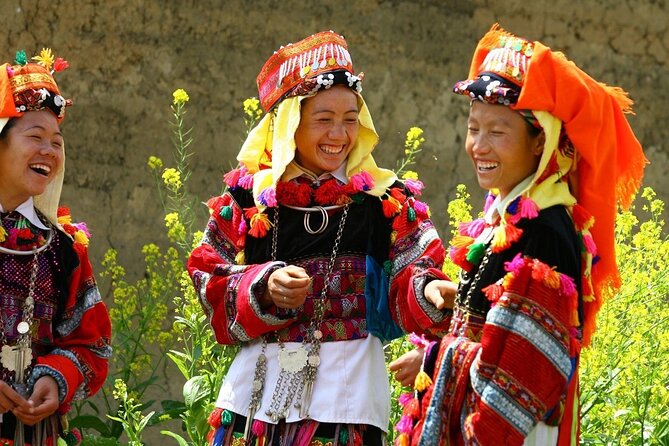
This is the kind of Hanoi to Sapa experience that tries to solve two common problems at once: travel stress and overcrowding. The Sapa region is famous for its village scenery, but it can also feel like a conveyor belt if you go with the wrong group. Here, the trip caps out at nine travelers, which usually means you get clearer instructions, more space on the trail, and a guide who can actually answer your questions.
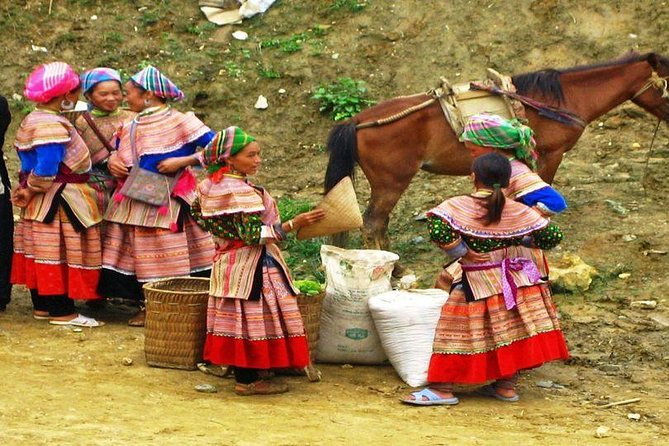
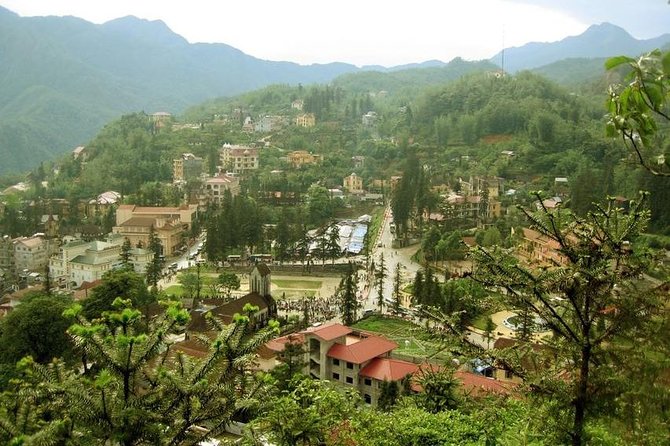
I also like the mix of sightseeing and culture. You’re not just doing a quick look at rice terraces from a distance. You’ll visit well-known village stops tied to local ethnic communities, including places such as Cat Cat, Lao Chai, Ta Van, Giang Ta Chai, and Su Pan. That matters because Sapa’s charm isn’t only the views. It’s the people, daily rhythms, and the way villages are organized across steep hills.
The homestay part is a major reason this works for first-timers. Staying in Ta Van Village shifts the trip from tourist sightseeing to real-life context, even if the amenities are simpler than what you’d expect in a city hotel.
You can also read our reviews of more hiking tours in Hanoi


Getting there and back: meeting point, pickup, and end drop-off
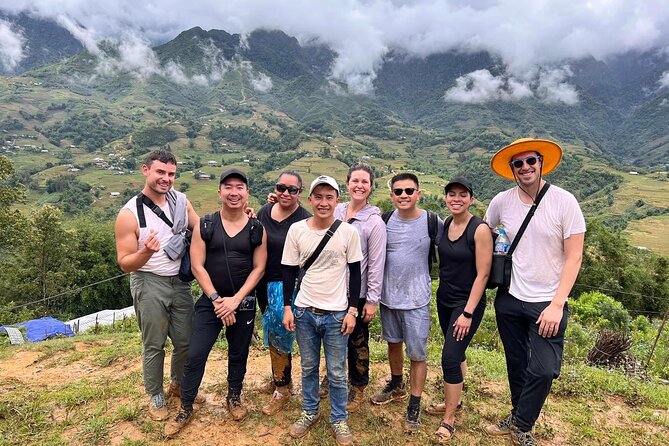
You start in Hanoi at Hoàn Kiếm, and pickup is offered. In other words, you shouldn’t have to figure out transportation from a random part of town on your own.
At the end, you won’t be dropped at your hotel. The tour finishes back at the meeting area, but the noted drop-off point is the last stop at 160 Tran Quang Khai street in the Old Quarter. From there, you can take a taxi or walk back to where you’re staying.
One more practical note: you’ll receive a mobile ticket, and confirmation comes at booking time. That matters because transportation details can vary by departure. (Some Sapa trips in general use overnight train-style travel; other listings for this same experience describe limousine transport. Your confirmation is the best place to check exactly how you’ll travel for your date.)
The village route in Sapa: Cat Cat to Su Pan and beyond

The standout promise here is variety across the Sapa valley villages. Instead of doing one neighborhood and calling it a day, you’ll cover multiple stops that visitors often cluster into a few must-sees.
Here’s what to expect from the village list you’ll run into:
- Cat Cat: A classic first stop tied to local village life and mountain scenery.
- Lao Chai: Often linked with iconic rice-field views and a strong sense of traditional village layout.
- Ta Van: You’ll see it during the trek, and you’ll also spend the night in a homestay here.
- Giang Ta Chai: Another village stop that helps you experience more than one community and terrain type.
- Su Pan: A good add-on for the wider Sapa region feeling, beyond the first villages most people hit.
What I think makes this set valuable is that it gives you a “course map” of the area. You’re not just wandering; you’re comparing different village scenes—some flatter, some steeper, some muddier, depending on the day and conditions.
You should also know that terrain can get physical. In one guide-led trek experience, the walk was described as about 10 km across the two days, with muddy sections that made footing tricky. Even if your pace differs, plan on real walking time rather than a casual stroll.
Ta Van homestay: the cultural upside and the comfort trade-off
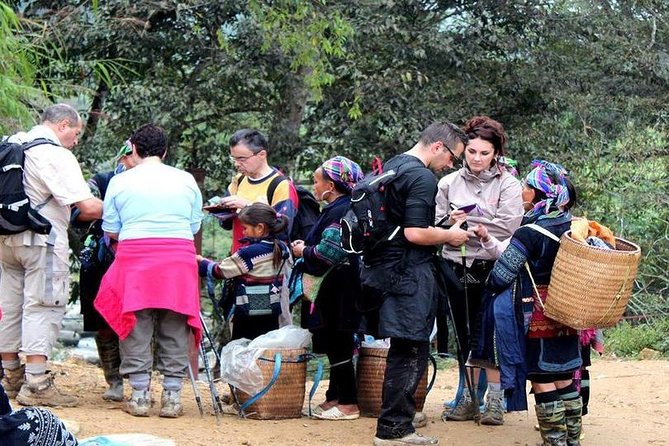
The trip includes one night at a homestay in Ta Van Village. That’s the core cultural difference between this and a standard day-trip. Homestays can feel simple, but they also create small moments: you slow down, you see how people live without staging it for a bus schedule, and you get a more human rhythm for dinner and morning.
The trade-off is obvious in the details you’re given: homestay facilities are not as in hotel in Sapa. You’re not paying for luxury bedding, polished bathrooms, or the kind of comfort you’d expect in a big-city resort town. If you need hotel-style predictability, this may feel like too big a step down.
But if you’re the type of traveler who values connection over comfort, the homestay is the part that makes the whole trip stick in your memory. Many Sapa experiences lean on “ethnic village visits.” This one builds in overnight time where you can actually feel the village calm after the day-tour crowd disperses.
Trekking day reality check: fog, cold, and muddy steps
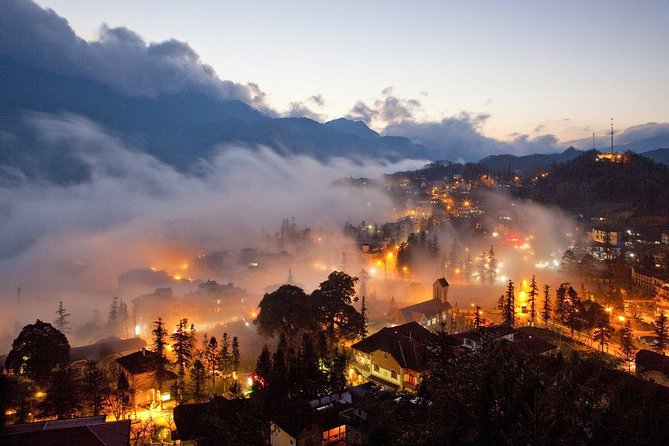
Sapa runs cold, and the weather is unpredictable. The guidance you’re given is clear: bring warm clothes plus a scarf, hat, and cap. It’s normally cold in September through March, and if you travel during those months, fog can happen in December through February and March.
That matters because fog can make trails feel colder and visibility lower, especially in higher areas. You’ll want to dress for warmth first and photos second. Sun may show up between clouds too, so you’ll still want basics like sun cream and sunglasses.
On top of weather, you also have ground conditions. Mud is part of the trekking math in this region, especially after wet periods. One trek experience highlighted difficult muddy terrain, so it’s smart to pack for it rather than assuming all paths are groomed.
Here’s the practical packing set that’s specifically recommended and worth taking seriously:
- Trekking shoes (not just comfortable sneakers)
- Insect repellent
- Cash in Vietnam Dong, since banking can be spotty in Sapa
- Medicine, even if there are chemist’s shops around
Also, altitude plays into the cold factor. Sapa sits high, and the foggy conditions you’re warned about are part of what can make the day feel colder than you expect.
A few more Hanoi tours and experiences worth a look
- Doris Cruise 5 star cruise 2 days visiting Halong Bay Lan Ha Bay private balcony
★ 5.0 · 2,338 reviews





What’s included: meals and guide time that actually help
This trip includes 2 breakfasts, 2 lunches, and 1 dinner. That’s a big deal for value because trekking days can turn into a scramble if meals aren’t covered. With meals built in, you can focus on walking, village time, and resting when it’s offered.
You should still plan your own budget for drinks and personal expenses, since drinks aren’t included. If you’re sensitive to dehydration or altitude dryness, you’ll likely want more control over what you drink than what’s included in the meal plan.
You’ll also have a local English-speaking tour guide, and the small group size helps you get more than generic directions. In past experiences connected to this style of tour, guides such as Zua and Khu were specifically mentioned for good communication and friendliness. There were also examples of helpful agency support before departure, including support from people named Jenny and Lucy. You’re not guaranteed those exact names every time, but the pattern is consistent: good communication and organized logistics are part of what you’re paying for.
Price and value: why $139 can make sense (and when it won’t)

At $139 per person for roughly 2 days / 2 nights, this is priced like a guided package that covers the heavy lifting. What you’re getting includes:
- Round-trip transport between Hanoi and Sapa (described as a luxury limousine in the included details)
- Homestay in Ta Van Village (1 night)
- All meals listed (2 breakfasts, 2 lunches, 1 dinner)
- Sightseeing fees, tax, and services charge
- Local English-speaking guide
Not included are drinks, personal expenses, and hotel drop-off (you end at 160 Tran Quang Khai street instead).
Is it a steal? If you were trying to arrange transport, a homestay, meals, village entrance fees, and a guide all on your own, the “saved time” factor is huge. Even if you could find cheaper pieces separately, stitching it together usually takes more energy than most people want after travel days.
When it might not be ideal: if you strongly prefer hotel-level comfort, or if cold weather and muddy trekking will stress you out. This tour is best for travelers who see trekking as part of the experience, not an annoying requirement.
Who this is perfect for (and who should pass)
This Hanoi-to-Sapa trek works especially well if:
- It’s your first time in Sapa and you want an intro that doesn’t feel like a rushed checklist
- You like meeting locals and you’re open to homestay simplicity
- You prefer a small group instead of a large bus crowd
- You want a guide to handle logistics while you enjoy the walking and village time
You might think twice if:
- You need hotel comfort in every step of the trip
- You don’t handle cold weather well, even with proper layers and a scarf/hat
- You dislike uneven, muddy trail conditions
Should you book this small-group Sapa trek with Ta Van homestay?
If you want an efficient, guided path into Sapa with real village context, I’d book it. The combination of a small group (max nine), a multi-village visit list (Cat Cat, Lao Chai, Ta Van, Giang Ta Chai, Su Pan), and an included Ta Van homestay is a solid recipe for seeing more than just the postcard version of Sapa.
My main “yes, but” is preparation. Bring warm layers, good shoes, insect repellent, and cash. If you do that, you’re far more likely to enjoy the trekking days instead of fighting the cold and slippery ground.
If homestay conditions sound like a deal-breaker, you might prefer a version that leans harder into hotel stays. But if you’re curious about daily life in a northern Vietnam village and you can handle basic lodging, this tour is very much in its element.
FAQ
How many people are in the group?
This experience has a maximum of 9 travelers, and it’s designed as a small-group trek.
What meals are included in the tour?
Meals included are 2 breakfasts, 2 lunches, and 1 dinner. Drinks are not included.
Where do I meet in Hanoi, and where do I end?
You start in Hoàn Kiếm, Hanoi, and the activity ends back at the meeting point. Drop-off at your hotel is not included; you’re dropped at the last stop at 160 Tran Quang Khai street in the Old Quarter.
Which villages does the trek include?
You’ll visit Cat Cat, Lao Chai, Ta Van, Giang Ta Chai, and Su Pan, plus experiences tied to major local ethnic communities in the region.
What should I pack for Sapa weather?
Bring warm clothes, including a scarf, hat, and cap, because Sapa weather is unpredictable and can be cold. You should also pack trekking shoes, sunglasses, sunscreen, insect repellent, and consider bringing medicine.
Is free cancellation available?
Yes, you can cancel for a full refund. Free cancellation is allowed up to 24 hours before the experience’s start time; within 24 hours, no refund is given.



More 2-Day Experiences in Hanoi
- Doris Cruise 5 star cruise 2 days visiting Halong Bay Lan Ha Bay private balcony
★ 5.0 · 2,338 reviews