REVIEW · HANOI
Sapa Trekking Tour by Night Train from Hanoi 3 Nights – 2 days
Book on Viator →Operated by Charming Vietnam Travel · Bookable on Viator
Sapa feels real when you arrive by night train. This small-group trekking trip pairs an overnight soft-sleeper ride with guided village time in the Hoang Lien Son hills. I like that you get built-in structure—no transfer puzzle—and I also like the chance to meet the Dao, Hmong, and Giay in real villages, not just photo stops.
The main thing to weigh is comfort. You’ll sleep in a shared 4-person cabin on the night train, and one guest noted it was not very comfortable—plus the return trip can vary by schedule, so ask what your return transport will be.
In This Review
- Key things I’d mark on your mental map
- Why this Sapa trek works so well with an overnight train
- Price and value: $240 isn’t just for walking
- Hanoi to Sapa at 9:00 pm: what the meeting and train night actually mean
- Cat Cat village and your first trek day: seeing Hmong life up close
- Ta Van and Lao Chai: buffalo trails, rice fields, and real conversations
- Your guide can make or break the experience (Chang and Trang are proof)
- Charm Hotel in Sapa: the value of a real base night
- Getting back to Hanoi: Lao Cai departure at about 21:00
- What I’d do differently if I had to repeat this trip
- Who should book this tour, and who should think twice
- Practical packing tips for Sapa trekking in two compact days
- Should you book this Sapa trekking tour by night train?
- FAQ
- How long is the Sapa trekking tour, and how many nights does it include?
- What accommodation is included?
- Which villages and communities does the tour include?
- Where do I meet the tour on the first day?
- Is hotel pick-up included in Hanoi?
- What is included and not included?
Key things I’d mark on your mental map
- Max 15 travelers, so the guide can actually answer questions
- 2 nights on the Hanoi–Sapa soft-sleeper train plus 1 night in a central Sapa hotel
- Cat Cat Hmong village as your first immersion stop
- Ta Van and Lao Chai treks on buffalo trails, with multiple minority groups you can meet and learn from
- Local Sapa guide included, with strong communication praised (including guides named Trang and Chang)
- Mobile ticket + planned pick-up at Hanoi’s meeting point, so you’re not hunting down logistics
Why this Sapa trek works so well with an overnight train
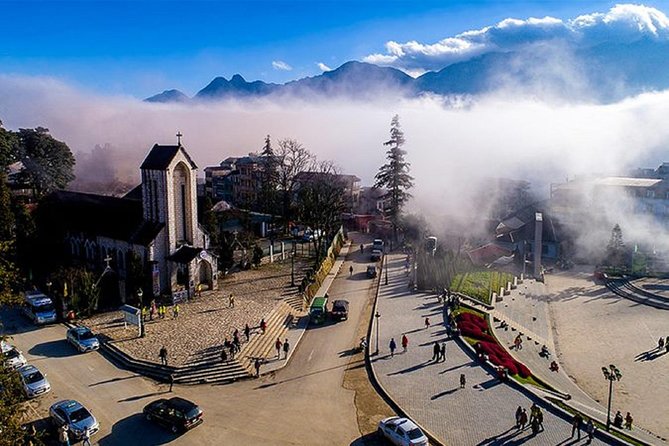
Sapa can be a lot. The town is busy, the roads are twisty, and if you’re doing it DIY you end up spending more energy on logistics than on the mountains. This tour takes a chunk of that stress off your plate by putting your travel from Hanoi into an overnight rhythm.
What makes it interesting is the combo: you don’t just reach Sapa and start trekking. You arrive already on the move, then you wake up in northern Vietnam’s cooler air and begin hiking among hill-tribe communities. You also get a hotel night in the center of Sapa (Charm Hotel), which matters because it gives you a real base between trekking days.
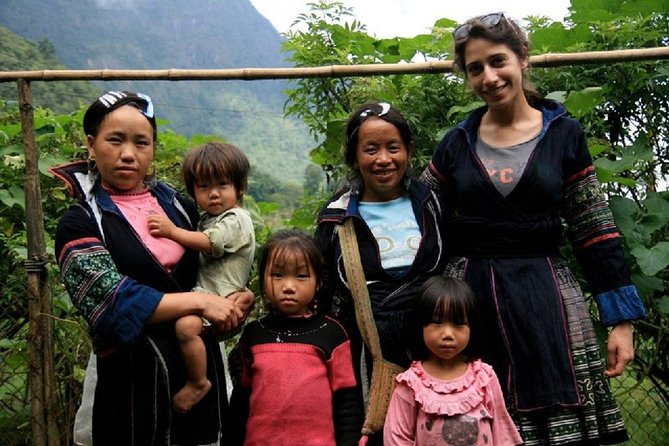
And it’s not just about getting scenic views. The whole point is meeting people—Dao, Hmong, and Giay—around villages like Cat Cat and Ta Van. That human connection is where the trip earns its value, especially when your guide can explain what you’re seeing in plain language.
You can also read our reviews of more evening experiences in Hanoi



Price and value: $240 isn’t just for walking
At $240 per person, you’re paying for more than “two days of trekking.” Your price is doing real work in three buckets:
- Overnight transport: 2 nights on a sleeper train (shared cabin for 4)
- On-the-ground support: a local guide in Sapa and organized village activities
- A proper rest night: 1 night at a 3-star hotel in Sapa (Charm Hotel)
When you compare solo costs, trains, and paying a guide separately, the math usually starts to make sense for groups. Add that the tour is designed for a small group (up to 15), and you’re also buying time and coordination—less waiting around, fewer unanswered questions, and fewer “what do we do next?” moments.
One more value detail: drinks aren’t included, and tips are not included. That’s normal, but it’s a reminder to budget for daily water and small snacks so you don’t get stuck thinking about money while you’re on the trails.
Hanoi to Sapa at 9:00 pm: what the meeting and train night actually mean

Your day starts late. The tour meeting point is 120 Đ. Lê Duẩn, Hoàn Kiếm, Hà Nội, with a start time of 9:00 pm. There’s no mention of hotel pick-up, so you should plan to be at the meeting point and ready before departure. The good news: the meeting is tied to Hanoi’s train station area, so you’re not juggling multiple transfer stops.
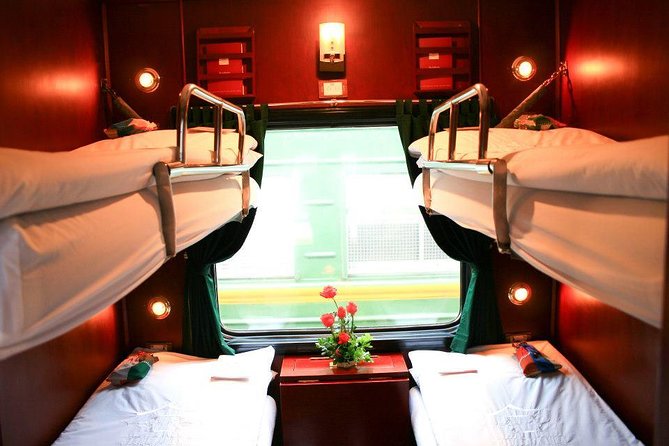
On the night train, you’re in a shared cabin for 4. This is the trade-off you’re buying for convenience: you’re saving time and spending a night traveling rather than adding another transport day.
Here’s what to expect realistically:
- The sleeper train is described as soft-sleeper, so it’s meant to be more comfortable than a basic seat.
- Still, it’s shared space, so you’ll want to pack for light sleep and changing temperatures.
- One past guest specifically said the train was not very comfortable, so if you’re sensitive to sleep disruption, plan accordingly.
Bring earplugs or anything that helps you nod off faster. And keep your expectations practical: this is transportation that also functions as lodging.
Cat Cat village and your first trek day: seeing Hmong life up close
After you arrive on the first leg into the Lao Cai area, you’re transferred to Sapa and checked into your hotel. Then you set out for Cat Cat village, including time with local life and culture.
Cat Cat is a good “first immersion” choice because it’s structured enough to understand quickly and close enough to Sapa rhythms that you don’t feel abandoned in the hills right away. You’ll spend part of your day moving through the village area, guided by your local person in Sapa, and you’ll get context for what you’re seeing.
What I like about placing Cat Cat early is pacing. Your trekking legs aren’t destroyed yet, so you can pay attention to details: how villages are laid out, how paths connect farms to homes, and how daily life shapes the feel of the place. If your guide is strong, you’ll also understand the background behind names and customs—rather than just hearing quick trivia.
Just remember: this is still a trekking day. You’ll want solid shoes and a layer you can adjust, since northern mountain weather can shift quickly.
Ta Van and Lao Chai: buffalo trails, rice fields, and real conversations
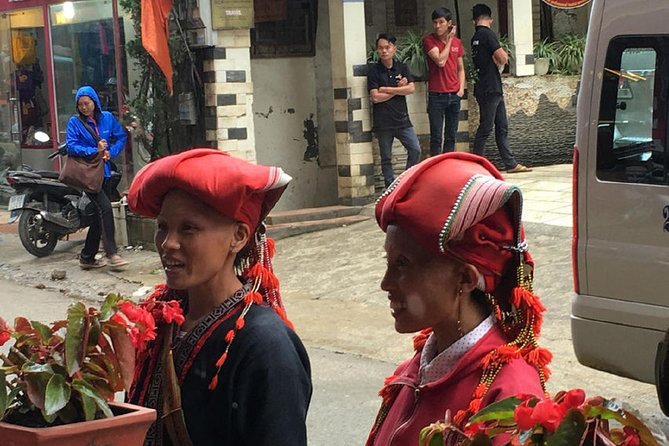
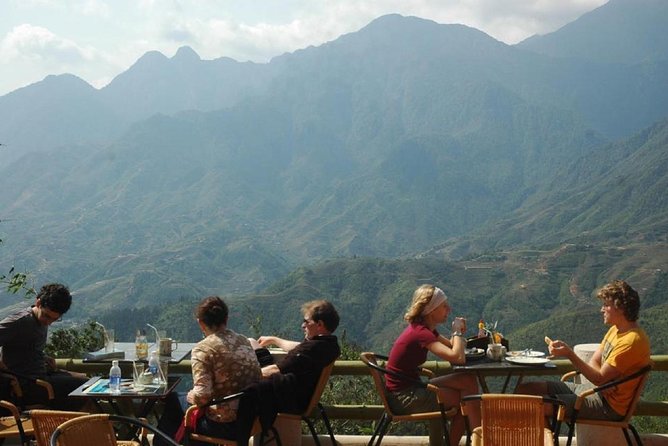
This is where the trip earns its “worth it” feeling. After breakfast at your hotel, you trek along buffalo trails through the surrounding hills, passing villages including Lao Chai and Ta Van. This is also where you’ll encounter multiple communities—Black Hmong, Dao, and Giay are specifically mentioned in the tour description.
The route matters because buffalo trails usually mean smaller paths, not big tourist roads. You’re moving through working terrain—places shaped by farming and foot traffic over generations. That’s why it feels different from a short bus stop.
Your guide plays a huge role here. In the feedback you’ll hear names like Trang and Chang, both praised for communication and for explaining local culture and landscapes in a way that makes sense. With a good guide, you stop treating the day like a checklist and start treating it like an education you can walk through.
One review mentioned being able to see rice fields in full splendor, and that matches why this day tends to be so memorable: you’re not just walking past scenery—you’re watching how agriculture shapes the valley.
Practical notes for this trek day:
- Take your pace seriously. Small-group trekking is still trekking.
- Ask questions early, when you still have energy.
- If the day is cool or misty, protect your hands and phone screen.
You can also read our reviews of more hiking tours in Hanoi




Your guide can make or break the experience (Chang and Trang are proof)
A trekking tour is only partly about the miles. The other big half is what gets explained as you walk.
This tour includes a local guide in Sapa and operates with a small maximum group size of 15 travelers. That structure matters because your questions don’t vanish into silence. The guide can slow down when you want more context, and they can answer in a way that connects daily village life to what you’re seeing.
I also like that guides aren’t just present—they’re described as actively helpful and thoughtful. Named guides like Trang are praised for making people feel looked after, and Chang is praised for being professional and for giving strong explanations. If you get a guide with that style, you’ll feel less like you’re being processed and more like you’re being welcomed into understanding.
A bonus: when your guide talks about community and local culture in an accessible way, the villages stop feeling like they exist only for visitors. You start noticing what locals do for themselves—practical choices, family rhythms, and how the environment sets limits and opportunities.
Charm Hotel in Sapa: the value of a real base night
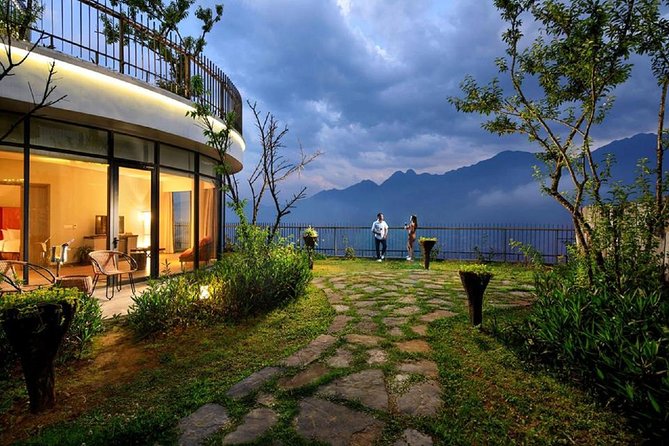
You get 1 night at a 3-star hotel in the center of Sapa: Charm Hotel, #32 Muong Hoa road.
That location detail matters. A central hotel makes it easier to handle the day after your arrival and the logistics before the trek. You’re not stuck far out where you need taxis just to grab water.
As for comfort, one guest said the hotel was good. That’s not a guarantee, but it’s a helpful signal: you’re not relying on a “survival” stay between two active days. For a short trip, that matters more than you might think. Sleep quality and shower access can be the difference between enjoying your second trekking day and just getting through it.
Getting back to Hanoi: Lao Cai departure at about 21:00
At the end, you head to Lao Cai for the return journey. The tour info notes that the train departure is about 21:00.
Most of the time, you should expect this to be a return by train because the included plan is Hanoi–Sapa–Hanoi with two nights on the sleeper train. Still, one past guest reported that the return journey used a bus and was strenuous with little sleep. That suggests schedule changes can happen.
So here’s a fair, practical approach:
- When you confirm your trip, ask what your return transport will be on departure day.
- If it becomes bus-forward, adjust your expectations for sleep and pack what you can to reduce discomfort.
Either way, this is your last day, so don’t plan additional activities that require energy late in the day.
What I’d do differently if I had to repeat this trip
If I were planning this again for maximum comfort and minimum stress, I’d focus on two things: sleep and pacing.
1) Sleep strategy for the night train
Your cabin is shared, and comfort can be variable. I’d bring earplugs, a sleep mask if you use one, and a warm layer. Even if you’re not cold, you might be mentally more relaxed if you feel physically ready.
2) Trekking pacing
Because the trek spans two days and includes village stops, you’ll be tempted to move fast. Don’t. Move steadily, and you’ll enjoy the village time more because you won’t be too tired to pay attention.
3) Questions for your guide
Ask about what you see early, then write down the answers mentally. The difference between a good and great trekking day is often how well the guide helps you connect daily life to what’s around you.
Who should book this tour, and who should think twice
This tour is a great fit if you:
- Want organized village visits without planning transfers or constructing routes
- Like meeting communities and hearing explanations that make walking stops more meaningful
- Appreciate the convenience of overnight train travel paired with a hotel night
It may not be ideal if you:
- Are extremely sensitive to sleep disruption or shared cabin comfort
- Expect everything to be identical to the planned format without any day-of schedule shifts
- Prefer lots of free time with minimal structure (the tour is structured, so free-time info may be limited)
One more note: the tour says most travelers can participate, but it’s still a trek. If you have mobility concerns, you should ask before booking so you understand what pace and terrain to expect.
Practical packing tips for Sapa trekking in two compact days
Based on how this kind of trek typically runs—and what matters on the ground—you’ll be happier with a few basic items:
- Good footwear for uneven paths
- A light rain/wind layer since northern weather can change
- Water and small snacks (drinks aren’t included)
- A small day bag so you’re not juggling everything in your hands
- Cash for personal expenses and any extra drinks
If you’re traveling with a dietary need, the tour says you should advise it at booking. That’s worth doing early so they can plan how to handle meals during your day.
Should you book this Sapa trekking tour by night train?
If your priority is a fast, well-supported introduction to Sapa’s hill-tribe villages—with the bonus of overnight travel that saves you time—then I think this tour is a strong choice. You’re paying for more than trekking: you’re paying for two nights on a soft-sleeper, a central hotel, a local guide, and organized village visits that help you understand what you’re seeing.
Book it if you’re comfortable with shared train sleeping and you enjoy guided conversation while walking. Think twice if your top requirement is maximum comfort, because the shared cabin experience can be hit-or-miss.
If you want the best outcome, choose this mindset: plan to enjoy the day by asking questions, pacing yourself, and using your guide’s explanations to turn the villages into something you truly understand—not just something you pass through.
FAQ
How long is the Sapa trekking tour, and how many nights does it include?
The tour is approximately 3 days long and includes 3 nights total: 2 nights on the night train and 1 night at a hotel in central Sapa.
What accommodation is included?
You get a shared cabin for 4 people on the night train, plus 1 night at a 3-star hotel in Sapa (Charm Hotel, #32 Muong Hoa road).
Which villages and communities does the tour include?
The trek includes village visits such as Cat Cat and Ta Van, with opportunities to meet communities including Dao, Hmong, and Giay (and Black Hmong is specifically mentioned for the trek area).
Where do I meet the tour on the first day?
You meet at 120 Đ. Lê Duẩn, Hoàn Kiếm, Hà Nội, with a start time of 9:00 pm.
Is hotel pick-up included in Hanoi?
No. There is no hotel pick-up/drop-off included. The meeting is at Hanoi train station before departure time (listed as 1 hour).
What is included and not included?
Included are the hotel and train accommodations, the local guide, and activities for the village stops (Cat Cat, Ta Van, Lao Chai). Not included are drinks and tips/personal expenses.