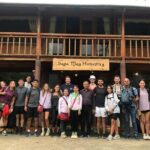
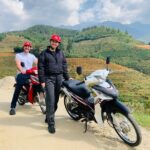
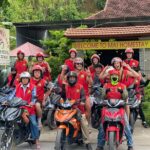
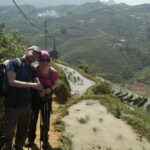
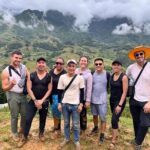
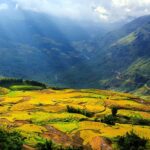
Silver Falls plus rice terraces, two wheels away. This full-day Sapa motorbike tour is interesting because you ride past real village life and end up at Thac Bac Waterfall without spending the whole day in traffic. I also like that the route mixes viewpoints, culture, and a home-style fresh lunch, not just photo stops.
I like the people part. You’ll spend time with local communities such as H’mong, Red Dao, and Dzay (and you’ll see Red Dao houses in Ta Phin, plus H’mong/Giay villages like Ta Van and Lao Chai). One possible drawback: this is a long day with winding mountain roads, and you’ll want moderate physical fitness for the getting-on/off rhythm and time spent walking around viewpoints and villages.
In This Review
- Key things to know before you go
- Motorbike in Sapa: why this format works
- The morning start in Sapa: cool air and quick orientation
- Thac Bac (Silver Falls): the waterfall stop that anchors the day
- Ta Phin Village: Red Dao houses and a slower village rhythm
- Hang Da Village: small mossy houses and quieter scenery
- Ta Van and Lao Chai: rice terraces in H’mong/Giay country
- Back to Sapa: a full day with a practical ending
- Price and value: is $78 worth it?
- Who this tour is best for (and who should pass)
- Practical tips to make your day smoother
- Should you book the Sapa Motorbike Experience?
- FAQ
- What does the Sapa motorbike experience include?
- How long is the tour?
- Where do I meet the group?
- Are there villages and cultural stops, or is it only sightseeing?
- What level of fitness do I need?
- What happens if the weather is bad?
Key things to know before you go
- Motorbike-led local route that helps you skip the slow bus feel and reach villages tucked in the valley
- Thac Bac (Silver Falls) as your main natural highlight, with entry fees included
- Community visits across Red Dao and H’mong/Giay areas, with time to look around
- A family-home lunch plus coffee or tea breaks built into the day
- English-speaking guide + professional riders who handle the driving and keep the day flowing
Motorbike in Sapa: why this format works
Sapa’s scenery is famous for a reason, but roads and viewing points can make a day feel chopped up when you’re stuck waiting for transfers. A motorbike changes the feel fast. You move with the pace of the mountains—cool air, bends in the road, and those quick “wait, stop here” moments where the view opens for a breath.
This tour is also built around more than scenery. The day is structured around living communities—H’mong, Red Dao, and Dzay—so you’re not just looking at the landscape from the edge of a road. You get roads, houses, and village rhythms that explain how people actually live here in the hills and rice valleys.
And the small-group/private style matters. When it’s just your group, you’re less likely to feel rushed through photo moments or stuck behind a herd of people who all move at their own speed.
You can also read our reviews of more tours and experiences in Sapa.
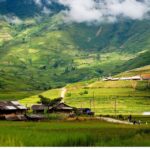
The morning start in Sapa: cool air and quick orientation
The day begins in central Sapa, either from Sun Plaza (near the stated address) or via hotel pickup. You’re getting going around the morning window, and the first stretch sets the tone: the air feels cooler right away, and the roads start curving through hills with views opening up in quick bursts.
This part of the day is useful even if you’ve already walked Sapa’s market streets. It’s your orientation. You see the geography you’ll be riding through—valleys, rice country farther out, and the way the villages sit in relation to ridgelines. It also helps you get comfortable with the ride before you settle into slower village stops later.
Thac Bac (Silver Falls): the waterfall stop that anchors the day
After the ride out of town, you reach Thac Bac Waterfall (often called Silver Falls). The timing is built so you have real time here—about 1.5 hours—rather than a 15-minute photo sprint.
What makes this stop worthwhile is the contrast. Sapa can feel like misty hills and terraced greens for most of the day, but a waterfall gives you motion, texture, and depth. You’ll see why people compare it to a strip of white in the mountain setting, and it’s a strong reset point before the cultural village areas.
A small practical note: it’s a mountain waterfall area. Conditions can change, and the day depends on weather. This matters because the tour is specifically described as requiring good weather, and that’s not just for comfort—it can affect what you can see clearly.
Ta Phin Village: Red Dao houses and a slower village rhythm
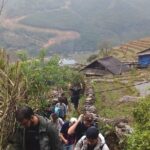
From Silver Falls, you continue to Ta Phin Village, known for its traditional Red Dao houses. The time here is about two hours, which is long enough to do more than take pictures. You can walk at a comfortable pace, look at how the houses fit the terrain, and get a feel for day-to-day life.
This stop works well in the overall route because it balances nature with people. Instead of treating culture as a quick add-on, you have time to notice details and ask questions through your guide. The road to Ta Phin is described as a memorable ride in itself—more winding mountain road, more changing views—and that helps make the village stop feel earned rather than rushed.
Hang Da Village: small mossy houses and quieter scenery
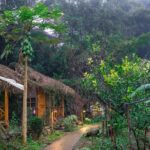
Next is Hang Da Village, described as more “wild” and tucked into mountains and forests. Expect small, mossy wooden houses and a calmer pace than the more central stops.
This is a good point in the itinerary if you like the quieter side of Sapa. After a waterfall and then a culturally focused village, Hang Da gives you a different kind of atmosphere: less structured, more tucked-in, more about slowing down and noticing how the setting shapes daily life.
The potential drawback here is the same thing that makes it great. Because it’s quieter and more tucked in, the scenery can feel less dramatic at a glance. You’ll get more out of it if you enjoy gradual changes and small details—light on wood, angles of houses, and the way paths wind around terrain.
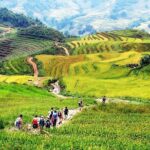
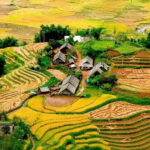
Ta Van and Lao Chai: rice terraces in H’mong/Giay country
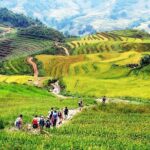
Then you head toward Ta Van and Lao Chai, areas associated with H’mong and Giay people, set in the Muong Hoa valley. This is one of the most “Sapa” parts of the day, because terraced fields often steal the show—especially when clouds break and you can see layers of farmland.
The tour gives you about two hours here, which is a smart length. You can do a couple of short walks, find decent viewpoints, and still have time to talk through what you’re seeing rather than racing from one angle to another.
This stop also ties back to why you’re on a motorbike in the first place. Rice terraces and valley villages don’t always feel reachable when you’re constrained by bus routes. On two wheels, the valley becomes readable—how farms step down the hillsides and how villages cluster where they can.
Back to Sapa: a full day with a practical ending
The day loops back toward Sapa and ends back at the meeting point. The final stop is short—around 30 minutes—which makes sense. After a long day of riding and village visits, you’ll want time to cool down, shower if you can, and decide where to eat next.
Ending in Sapa is also convenient because your next move is easy: you can continue exploring the town’s streets, grab a late dinner, or rest without needing another transport step.
Price and value: is $78 worth it?
At $78 per person, this tour isn’t the cheapest option in Sapa, but it also isn’t trying to be. You’re paying for a package that includes a licensed English-speaking guide, private transportation, the motorbike driver/riders, fuel, and lunch, plus entry fees.
Here’s the honest value logic: the big costs in a motorbike day are transportation, skilled handling of roads, and guiding. This tour also avoids the common “watch a bit, pay extra later” trap because entry fees are included for at least the key attraction, and lunch is part of the day.
What you should budget separately is tips for the guide and driver, since that’s explicitly not included. Also, if you’re the type who hates long rides, the “you get a lot of movement” factor can make it feel pricier. But if you like active travel and want to reach more places than you could on foot from town, the structure makes sense.
Who this tour is best for (and who should pass)
This is a great fit if you want:
- A nature + culture day, not just one or the other
- More time in villages like Ta Phin and Ta Van/Lao Chai rather than only viewing from far away
- A motorbike day where the guide can explain what you’re seeing while you’re moving between spots
You might want to choose a different option if you:
- Have low tolerance for winding mountain roads
- Prefer mostly flat walking or short sightseeing blocks
- Want a very strict schedule with almost no “weather and viewpoint” flexibility
Practical tips to make your day smoother
- Wear shoes you trust on uneven village paths. Some stops involve short walking periods even if the time “on foot” isn’t the whole day.
- Plan for temperature swings. Sapa starts cool, and the ride plus village time can make weather feel changeable.
- Bring a basic layer. Mountain air can turn chilly fast, and you’ll feel it most while moving.
- Keep cash for small purchases. The tour includes coffee/tea and lunch, but personal snacks and village-side spending are not listed as included.
- If you’re booking for good views, watch the weather close to departure. The tour is clear that it needs good weather to run at its best.
Should you book the Sapa Motorbike Experience?
If you want a day that feels like you’re learning how Sapa works—valleys, terraces, and ethnic community life—this is a strong choice. The standout ingredients are the Thac Bac (Silver Falls) anchor, the real village stops across Red Dao and H’mong/Giay areas, and the fact that the day is built with a guide, lunch, and transport all handled for you.
I’d book it if you’re comfortable with a full day and like active sightseeing. I’d pass or switch options if you get carsick easily or dislike long drives on mountain roads.
FAQ
What does the Sapa motorbike experience include?
It includes private transportation, coffee and/or tea, a licensed English-speaking tour guide, the motorbike gas, the driver/riders, a freshly cooked lunch, and all entry fees. The motorbikes can be semi automatic or manual.
How long is the tour?
The duration is about 7 to 8 hours.
Where do I meet the group?
You meet at Sun Plaza -1 Ng. Cau May, TT. Sa Pa, Sa Pa, or at the stated start location in Sapa (4 Đ. Thạch Sơn, TT. Sa Pa). Pickup from your hotel is also offered.
Are there villages and cultural stops, or is it only sightseeing?
There are multiple village stops, including Ta Phin (known for traditional Red Dao houses), Hang Da, and Ta Van and Lao Chai in Muong Hoa valley.
What level of fitness do I need?
You should have a moderate physical fitness level.
What happens if the weather is bad?
The experience requires good weather. If it’s canceled due to poor weather, you’ll be offered a different date or a full refund.