REVIEW · HANOI
From Hanoi: 2-Day Sa Pa Ethnic Homestay Tour with Trekking
Book on GetYourGuide →Operated by Go Asia Travel · Bookable on GetYourGuide
A homestay in the clouds can change your pace fast. This 2-day Sa Pa ethnic trek routes you through Muong Hoa Valley with English-speaking guidance, then sleeps in a Ta Van village homestay where daily mountain life is the whole point. You’ll get rice-terrace walking, village visits, and close-up views of Hmong and other ethnic groups in the Hoang Lien Son area. The only real watch-out: conditions can turn muddy and visibility may drop during rain or fog.
The “value” here is that you’re not just doing a Sa Pa checkoff hike. You get guided time in the valleys, included meals, and a true mountain overnight—plus the modern sleeper bus ride between Hanoi and Sa Pa to make the trip efficient. Just keep in mind the homestay is basic, and you’ll be walking with real uphill and downhill effort.
In This Review
- Key Things I’d Plan for on This Trek
- How This 2-Day Hanoi to Sa Pa Trek Actually Flows
- Sleeper Bus to Sapa: Efficient Transport With Real Trade-Offs
- Day 1: Muong Hoa Stream, Rice Terraces, and Village-to-Village Footsteps
- Ta Van Homestay Night: Food, Clean Water, and Basic Comfort
- Day 2 Trek: Bamboo Forest, Giang Ta Chai Views, and the Return Loop
- Price and Inclusions: Why $64 Can Feel Like a Deal (If You Want the Right Thing)
- What to Pack (and What to Carry as Cash)
- Who This Sa Pa Trek + Homestay Fits Best
- Should You Book This Hanoi to Sa Pa Ethnic Homestay Trek?
- FAQ
- What is included in the price?
- What’s the homestay like in Ta Van village?
- Is there an English-speaking guide?
- Is this tour suitable for children or people with mobility issues?
- Do I need cash?
- What should I bring for the trek?
Key Things I’d Plan for on This Trek
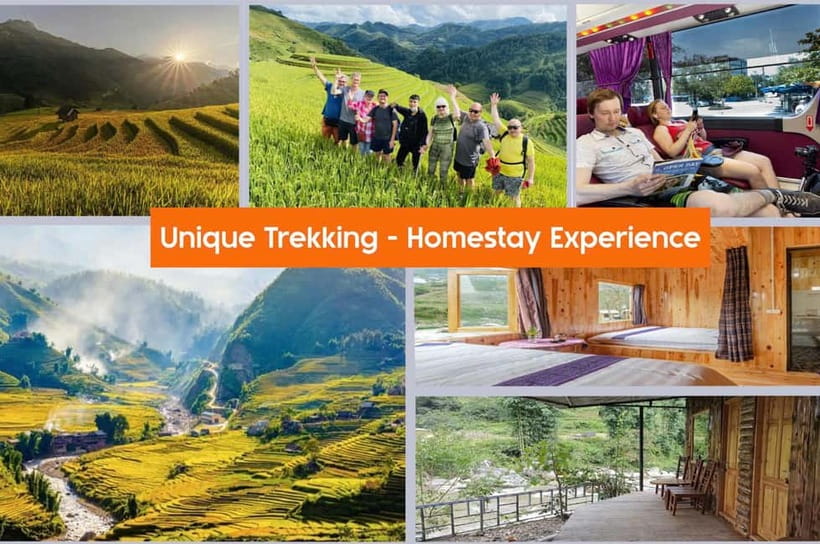
- Modern sleeper bus to Sa Pa: helps you maximize daylight on the trail
- Muong Hoa Valley walking: rice terraces, streams, and village-to-village paths
- Ta Van homestay night: included dinner/breakfast with clean water and fresh food
- Lao Chai and Ta Van village access: entrance ticket is part of the package
- Cash-friendly trekking: banking can be unreliable in Sa Pa, so bring dong
How This 2-Day Hanoi to Sa Pa Trek Actually Flows
This tour is built around one simple idea: you’ll travel up from Hanoi, spend one night in a Ta Van homestay, then trek again the next morning before heading back. It’s a tight schedule, but that’s why it works. You’re not waiting around for transfers all day, and the trekking blocks are long enough to feel like a real day in the mountains rather than a quick photo stop.
Day 1 starts with the journey up to Sa Pa, then settles into a classic Sa Pa rhythm: lunch in town, then a walk along the Muong Hoa Stream through terraced fields toward village areas like Lao Chai and then on to Ta Van. Day 2 begins with breakfast at the homestay and finishes with a scenic segment around Giang Ta Chai before you return to Sa Pa for lunch, a shower, and the ride back down.
If you’re trying to do Sa Pa “the easy way” by staying in town and doing one short hike, this will feel more hands-on. If you want walking + village life as the main event, you’ll likely love how direct it is.
You can also read our reviews of more hiking tours in Hanoi

Sleeper Bus to Sapa: Efficient Transport With Real Trade-Offs
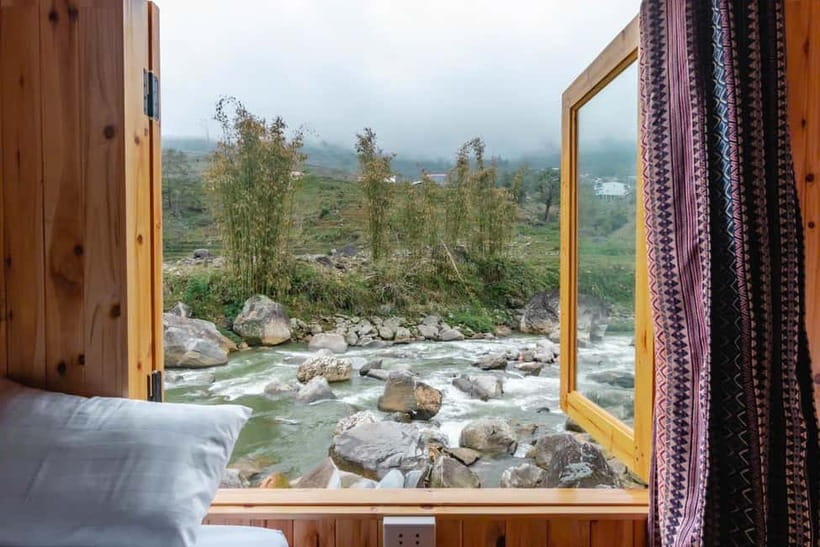
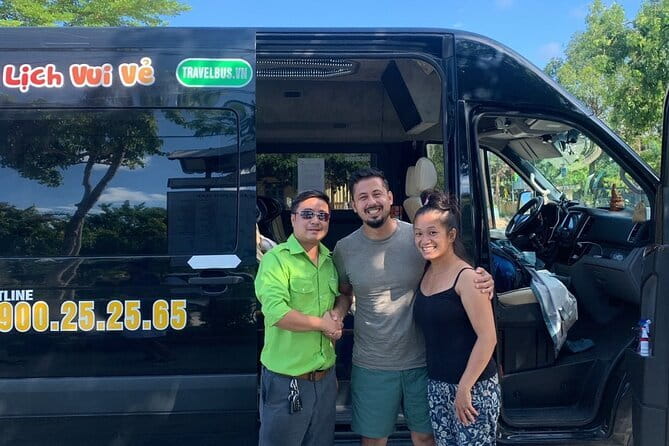
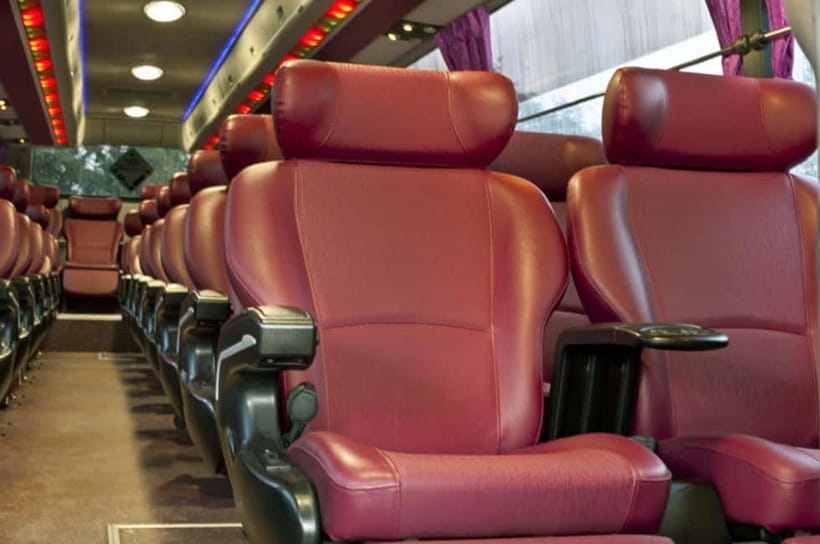
The big logistics win is that you travel by modern sleeper bus between Hanoi and Sapa via Lao Cai. That means you’re not burning an entire day on the road. Instead, you gain a full day on foot in the Muong Hoa Valley.
The trade-off is also part of the deal: sleeper buses are compact. The tour doesn’t promise luxury bedding or guaranteed silence, and fog or mist can roll in when you reach the mountains—so be ready for early starts and variable weather.
When you arrive, a representative meets you at the bus stop and takes you to a hotel in Sa Pa to reset. Then you get lunch in town before heading out for the Day 1 trek. Practically, this keeps you from showing up hungry and cold in the village areas.
One more practical note that matters: the tour suggests you can store your luggage in the bus trunk during the ride, leave it at the lunch hotel in Sa Pa, and only pick it up again when the trip ends on Day 2. That’s helpful because it keeps your pack lighter during the trek—but it also means you need to carry your essentials with you to the village.
Day 1: Muong Hoa Stream, Rice Terraces, and Village-to-Village Footsteps
Day 1 is all about moving from Sapa’s base area into the valley on foot. After lunch, you trek through the rice terraces and along the Muong Hoa Stream. This is the part where Sa Pa stops feeling like a town and starts feeling like a working mountain region.
The walk brings you to Lao Chai, described as a Black Hmong village sitting in the shadow of the Hoang Lien Son Mountains. From there, you continue to Ta Van to check in at the homestay and meet the family hosting you.
Why this works well for your trip: you’re not just seeing villages from a road. You’re walking the paths between places, which changes how you notice the details—how the terraced fields hold water, how trails connect households, and how daily life fits into the terrain.
A realistic drawback: Day 1 can be slow if you’re dealing with misty conditions. In wet weather, trails can get muddy. The upside is that even when visibility isn’t perfect, the valley still feels alive.
Ta Van Homestay Night: Food, Clean Water, and Basic Comfort
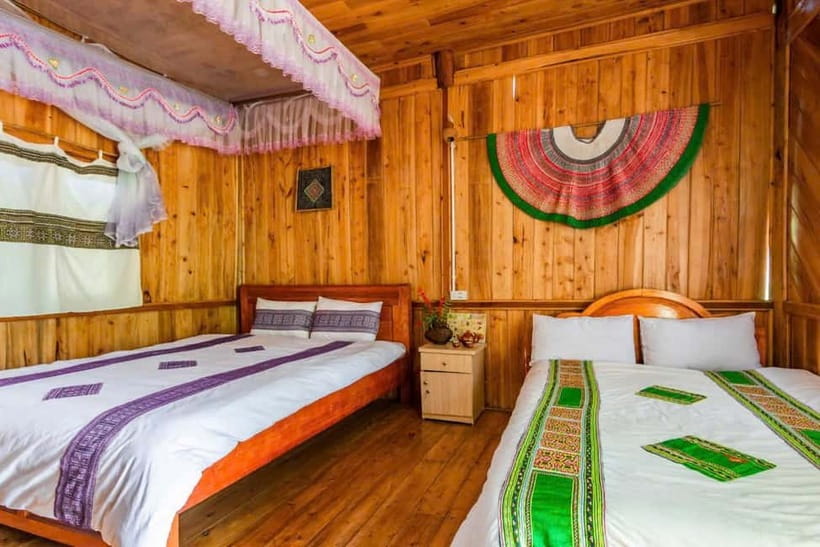
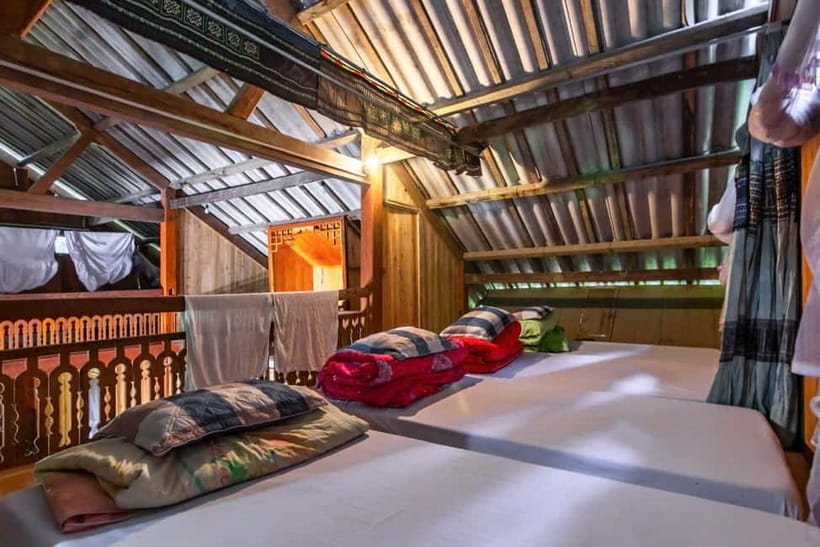
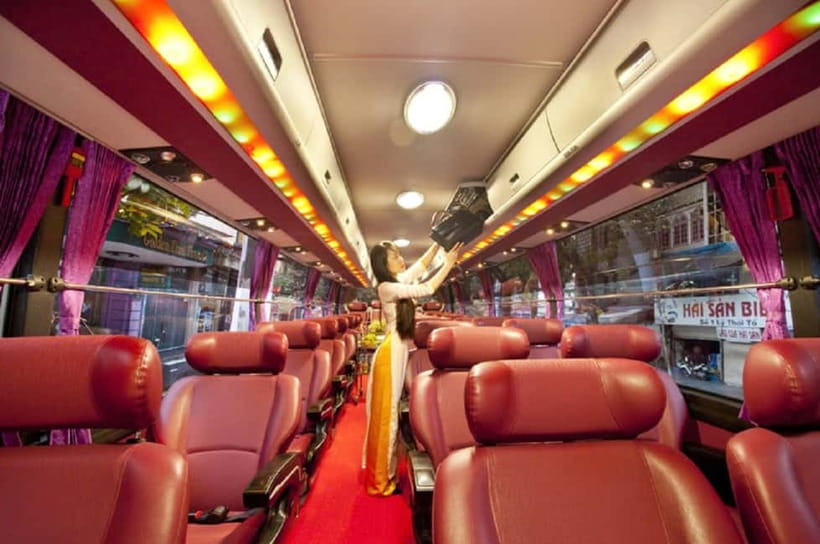
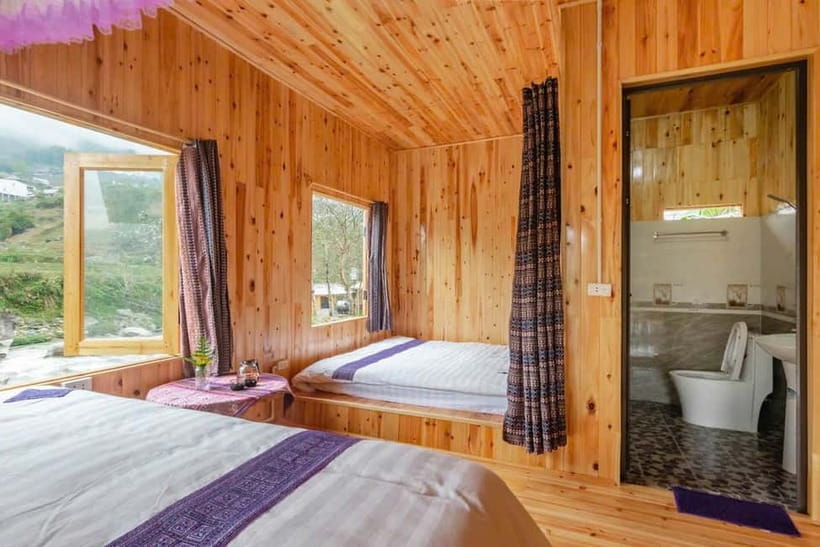
The homestay in Ta Van village is the centerpiece of this tour. You get dinner on Day 1, breakfast on Day 2, and the tour states the homestay provides clean water and fresh food. Accommodation is described as basic, with culture facilities rather than hotel-style comfort.
In practice, plan for simple lodging: the package includes a single mattress. Some people get more comfortable setups (like private rooms) depending on the option you choose, but you should still treat this as a cultural stay, not a resort.
This is also where the “mountain reality” shows up. Village nights can be active, and the homestay can be quieter or busier depending on the household and the season. If you’re a light sleeper, it’s smart to think about earplugs.
One thing to know about village visits on this trek: you may encounter handmade craft selling along the way or during parts of the visit. It can range from friendly to very insistent. If you want to buy, do it because you’re excited by the item. If you don’t, practice a firm, polite no and move on—your guide can’t always control what happens on paths.
Day 2 Trek: Bamboo Forest, Giang Ta Chai Views, and the Return Loop
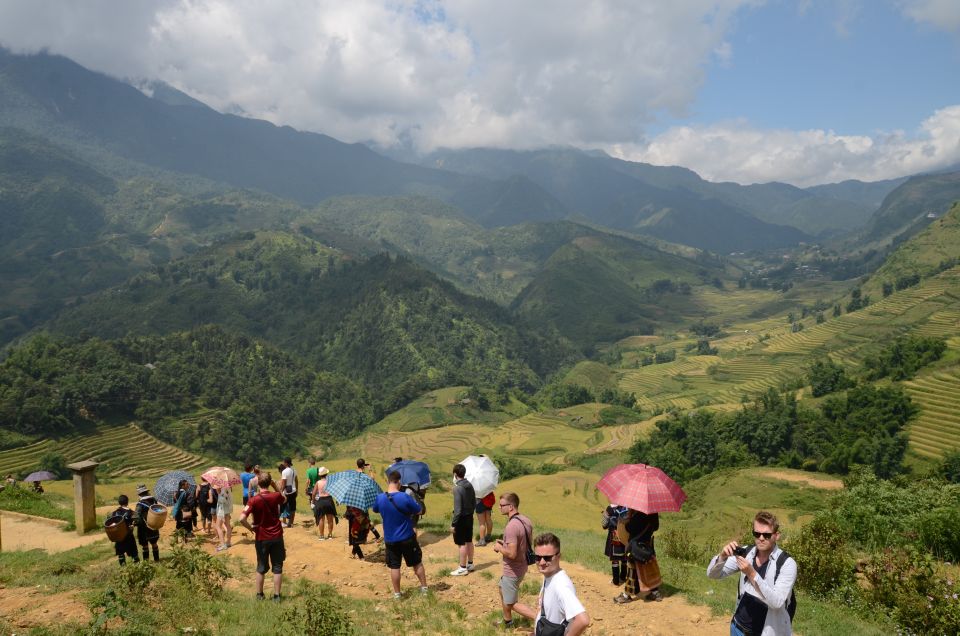
Day 2 starts with breakfast prepared by the homestay family, then you head out for a morning trek through rice paddies and a bamboo forest. That change in terrain is more than scenic variety—it breaks up the “same trail” feeling and keeps the morning interesting.
The highlight is the panoramic view of Giang Ta Chai village. Then you cross the Giang Ta Chai Bridge, a clear marker that the trek is transitioning back toward town. After the bridge, a bus takes you back to Sa Pa for lunch and a shower.
Once you’ve cleaned up, you’ll head back to Hanoi. The tour notes the bus stops at the meeting point, and you’ll then get from there to your hotel on your own.
What to watch on Day 2: the trek can include some uphill and downhill going, and wet ground can make every step feel heavier. If your knees aren’t great with descending slopes, bring extra care—or reconsider whether a trek like this is your best match.
A few more Hanoi tours and experiences worth a look
- Doris Cruise 5 star cruise 2 days visiting Halong Bay Lan Ha Bay private balcony
★ 5.0 · 2,338 reviews




Price and Inclusions: Why $64 Can Feel Like a Deal (If You Want the Right Thing)
At $64 per person for 2 days, this package is priced to bundle the big costs: transport up the mountain, guided trekking, village access, and the homestay experience with meals.
Here’s what’s included:
- Round-trip bus tickets between Hanoi and Sapa (not mandatory, listed as optional)
- Local tour guide (English)
- Homestay accommodation in Ta Van village (single mattress)
- Entrance ticket to Lao Chai Ta Van village
- 2 lunches, 1 dinner, and 1 breakfast
- Car from Giang Ta Chai back to the hotel on Day 2
What’s not included (so you can budget without surprises):
- Drinks during meals
- 8% government tax
- Travel insurance
- Single room surcharge (listed as $5 per person)
- Holiday surcharges on specific dates (paid onsite)
- Optional extras like drinks and any craft purchases you choose to make
The value is best if you want the full package. If you only want one easy walk near town and prefer hotel stays, you’ll probably feel the cost isn’t serving you. But if you want to trade comfort for a genuine mountain night and real trail time, it’s strong value for what’s included.
What to Pack (and What to Carry as Cash)
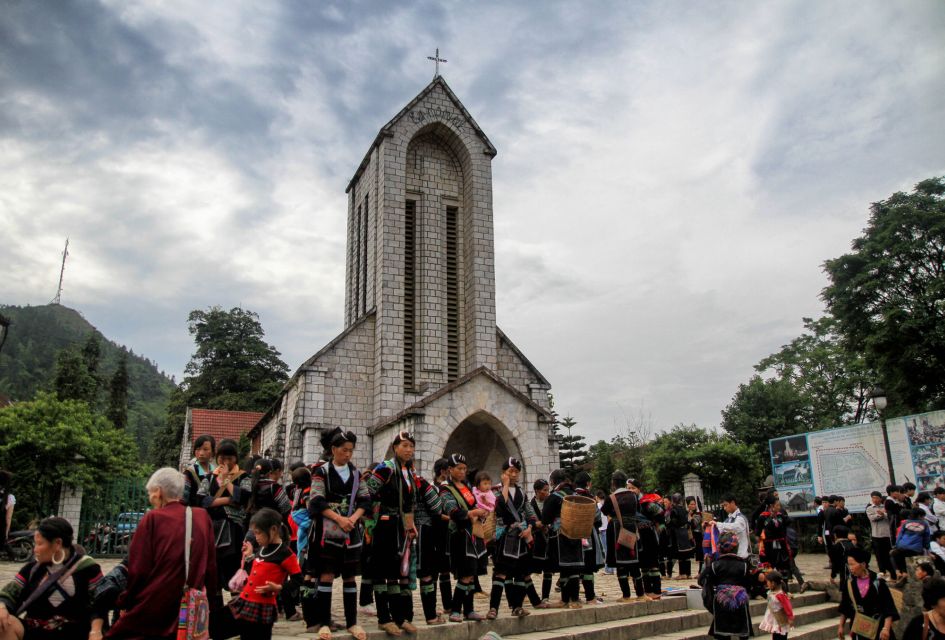
The tour is clear about what you should bring:
- Sunglasses
- Hiking shoes
- Sunscreen
- Insect repellent
- Cash
Cash is important because the guide notes banking in Sa Pa can be unreliable. The tour also states that dong is expected, and US dollars, euros, and Australian dollars are accepted. That’s handy if you’re already carrying foreign cash for other parts of your trip.
Wear footwear that can handle wet ground. Mud and wet steps show up when weather turns. Also, bring your essentials with you to the village, because luggage may stay with the bus/trunk and the hotel until Day 2.
One more smart tip: keep a small day bag with your water/snacks, a layer for cooler mountain air, and anything you’d hate to be without if your luggage is locked away at the hotel.
Who This Sa Pa Trek + Homestay Fits Best
This is a great match if you:
- Want culture + trekking in the same package
- Enjoy walking between villages more than chasing viewpoints by car
- Prefer an English-guided experience (the tour specifies an English live guide)
It’s less ideal if you:
- Need mobility-friendly routes (the tour states it’s not suitable for mobility impairments or wheelchair users)
- Are traveling with children under 6 (not suitable)
- Want a quiet, hotel-style overnight (homestay is basic)
You’ll also have a better time if you go in with flexible expectations about weather. Fog and mist can reduce how far you can see from lookouts. The mountains still feel special even when the view is softened.
Should You Book This Hanoi to Sa Pa Ethnic Homestay Trek?
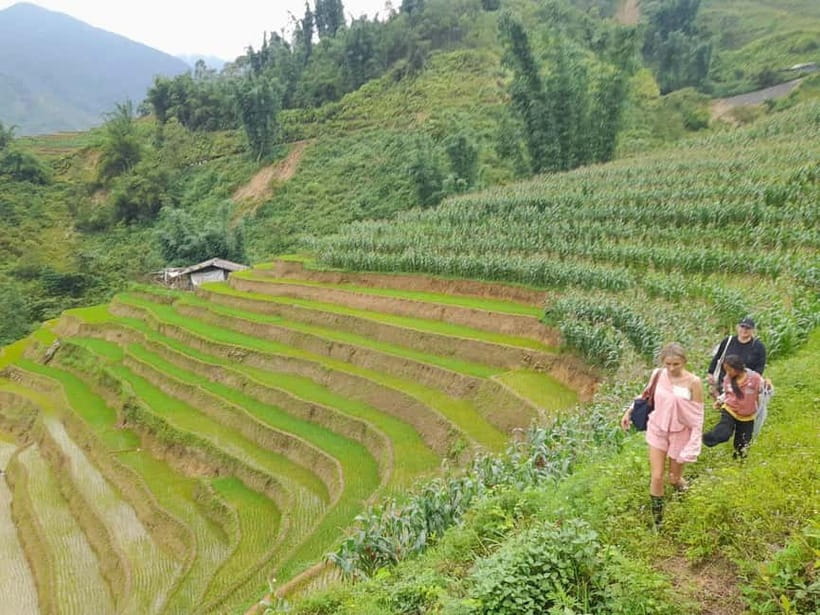
If your priority is real village life plus guided trekking over a long weekend, I think this tour is a solid choice. It’s efficient thanks to the modern sleeper bus, and the included homestay with meals turns Sa Pa into something more personal than a day trip. The guides—often named Sua, Soso, Tung, Trung, and Gom in different departures—are a major part of why people feel cared for during the walks and village time.
Don’t book if you’re looking for easy walking, wheelchair-level access, or a fully polished hotel comfort level. And do keep your expectations grounded: trails can be muddy, craft selling can be pushy at times, and the homestay is basic by design.
If that sounds like your kind of travel—walking, learning, and trading convenience for authenticity—then this is the sort of Sa Pa experience that can stick with you long after you head back to the plains.
FAQ
What is included in the price?
The tour price includes a local tour guide (English), homestay accommodation in Ta Van village, 2 lunches, 1 dinner, and 1 breakfast, an entrance ticket to Lao Chai Ta Van village, and transport back from Giang Ta Chai to the hotel on the second day. Round-trip bus tickets between Hanoi and Sapa are listed as optional.
What’s the homestay like in Ta Van village?
It’s described as basic, with culture facilities. The tour also states the homestay provides clean water and fresh food, and accommodation is included as a single mattress.
Is there an English-speaking guide?
Yes. The tour includes a live tour guide in English.
Is this tour suitable for children or people with mobility issues?
No. The tour states it is not suitable for children under 6 years old and not suitable for people with mobility impairments or wheelchair users.
Do I need cash?
Yes. The tour advises bringing cash because banking in Sa Pa can be unreliable. Dong is expected, and US dollars, euros, and Australian dollars are accepted.
What should I bring for the trek?
Bring hiking shoes, sunglasses, sunscreen, insect repellent, and cash. The tour also suggests packing trekking footwear since the walk can involve muddy ground in wet conditions.