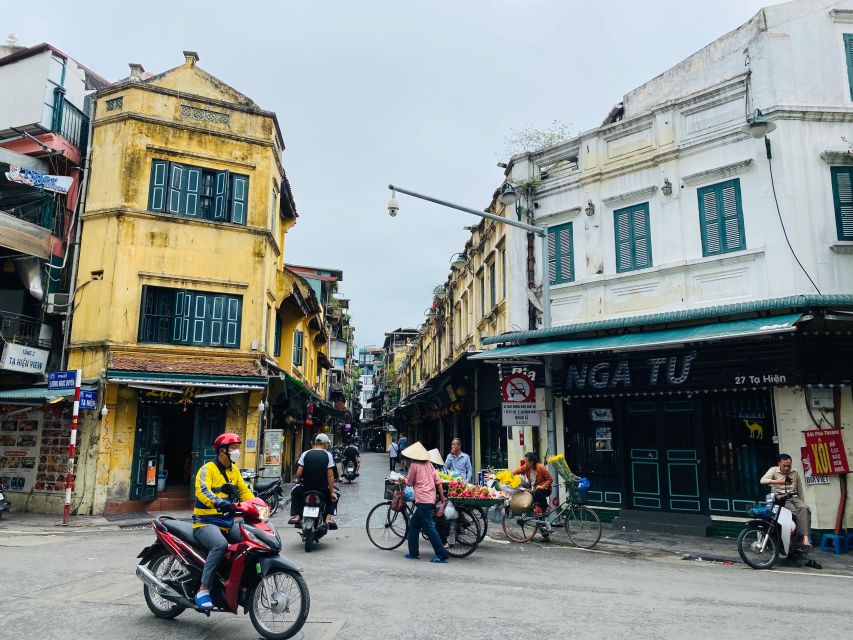
Backstreets beat the postcard version. This Old Hoi An food and production walk takes you into quieter lanes and shows you how key ingredients are made, then feeds you with tastings right after.
I love the small group limit (up to 10) and how you actually watch the work behind favorites like Cao Lau noodles and bean sprouts.
One possible drawback: it’s still a walking tour, so you’ll want moderate fitness and good shoes for the alley hopping.
In This Review
- Quick hits
- Why this Old Hoi An walk starts in the right streets
- Price and value: what $41 actually buys
- Getting there: pickup, meeting points, and the 3–4 hour rhythm
- Stop 1 in Old Hoi An: Ancient Town streets with a story behind them
- The noodle and sprout factories: where tasting starts making sense
- The tasting run: 5 to 7 bites that match what you saw
- Guides make the day: meet the voices behind the route
- What to wear and bring so the tour feels easy
- Who should book this Old Hoi An food and production tour
- Should you book this tour or skip it?
- FAQ
- Can I choose a morning or afternoon tour?
- How long is the tour?
- How many people are in the group?
- What’s included in the tastings?
- Is hotel pickup included?
- Where does the tour start and end?
- Is a mobile ticket provided?
- Is there an admission fee included for the Ancient Town portion?
- What happens if the weather is bad?
Quick hits
- Small group size (max 10) keeps the experience relaxed and easy for questions
- Factory-style stops show you noodle and sprout production up close
- 5 to 7 tastings are built around what you saw being made
- Morning or afternoon timing helps you match your heat levels and schedule
- Complimentary pickup from select hotels reduces the hassle
- Guides you might meet include Quyen (Quinni), Kiwi, Kim, Van, Harry, and Lien Lien
Why this Old Hoi An walk starts in the right streets
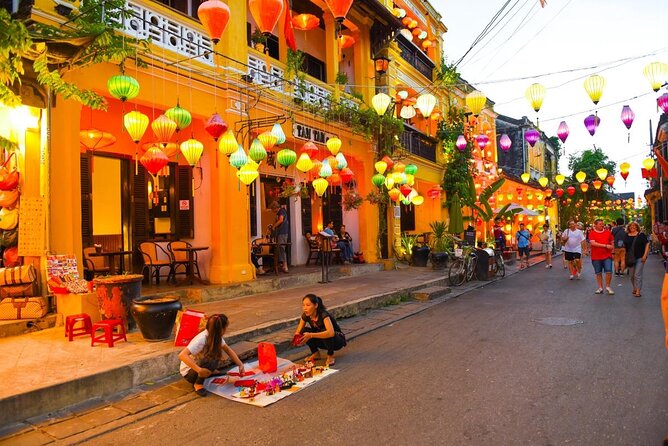
Hoi An can feel like a theme park if you stick to the main roads. This tour goes the other way. You’ll be guided into backstreets and side lanes where daily life is still happening—doorways, tiny storefronts, family routines, and the kind of street rhythm you miss when you only follow crowds.
The big idea is simple: you don’t just hear about Hoi An food. You see the ingredients and production methods first, then taste dishes that use those same items. That makes the flavors land harder, and it also helps you connect the dots between the town’s history and its cooking.
There’s also something to love about the structure. You get a walk that’s paced for conversation, not just exercise. Then you get repeated mini-moments of food and drink, including bottled water and coffee or tea.
You can also read our reviews of more tours and experiences in Hoi An.



Price and value: what $41 actually buys
At $41 per person for roughly 3 to 4 hours, you’re not paying just for snacks. You’re paying for access and context: local family producers, a guided route through Old Hoi An’s back lanes, and multiple tastings.
Here’s what that means for your value math:
- 5 to 7 tastings can easily turn into a full mini-meal if you pace yourself and stay curious
- Bottled water + coffee or tea mean you’re not budgeting extra drinks during the walk
- Hotel pickup (from select hotels) is real money saved in time and taxi hassle
- Small group size keeps the guide from rushing and helps you get clearer answers
If you’re the type who likes to eat well but also understand what you’re eating, this price makes sense. If you only want a casual stroll with a couple bites, you might feel it’s more tour than you need.
Getting there: pickup, meeting points, and the 3–4 hour rhythm
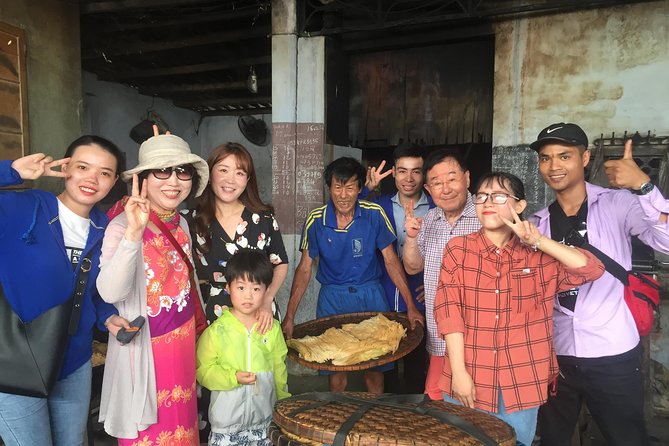
You can choose a morning or afternoon tour, which matters in Hoi An. Morning tends to feel calmer and cooler, and afternoon can be easier if you’ve got other plans earlier in the day. The walking time is short enough to fit into a sightseeing schedule, but long enough that the route will connect several parts of the Old Town area.
If you’re picked up, it’s complimentary from select Hoi An hotels, which is a big practical win. If not, you’ll start at 03 Phan Đình Phùng, Cẩm Sơn, Hội An, and you’ll end at Bill Coffee & Tea, 22 Trần Hưng Đạo, Phường Minh An. That end point is helpful because you can roll right into another coffee stop or a casual dinner nearby.
Pace-wise, the tour is built for people with moderate physical fitness. The walking is through narrow lanes and crossings, so plan on some uneven steps and traffic moments. One of the guides (mentioned in a review) was careful about helping the group cross safely, which is exactly what you want to see.
Stop 1 in Old Hoi An: Ancient Town streets with a story behind them
Your first big focus is Hoi An Ancient Town, but the route is not a checklist of famous sights. It’s more like street-level orientation.
You’ll move into trails and lanes where you’ll learn how different communities shaped the town’s look and flavors. The tour framing includes how Japanese, Chinese, and Westerners influenced life in Hoi An and, by extension, its cuisine. That matters because Hoi An food isn’t just Vietnamese traditions—it’s also a layered mix that shows up in ingredients, techniques, and the way dishes evolved.
During this walking portion, you’ll also see family-scale places tied to everyday life:
- a family temple feel to the neighborhood
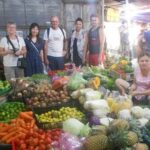
- local market energy
- architecture you’d skip if you only photographed the front of buildings
There’s one more practical note: the Ancient Town portion shows admission ticket not included. So if there’s a paid entry point along your route, you’ll want to have a little cash or card ready. Even if you don’t pay entry, it’s good to keep in mind that the tour isn’t promising everything is free inside the walled or ticketed areas.
The noodle and sprout factories: where tasting starts making sense
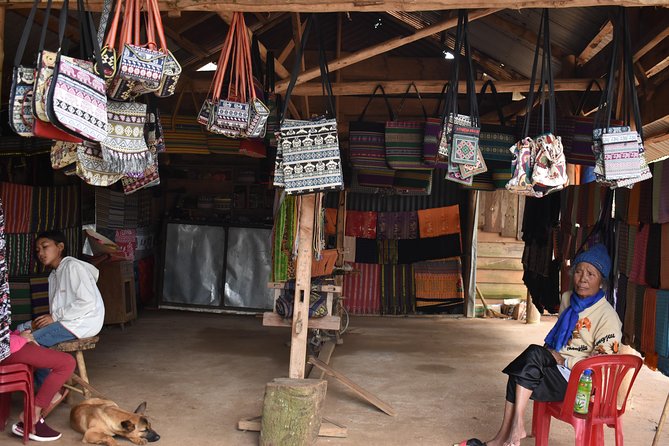
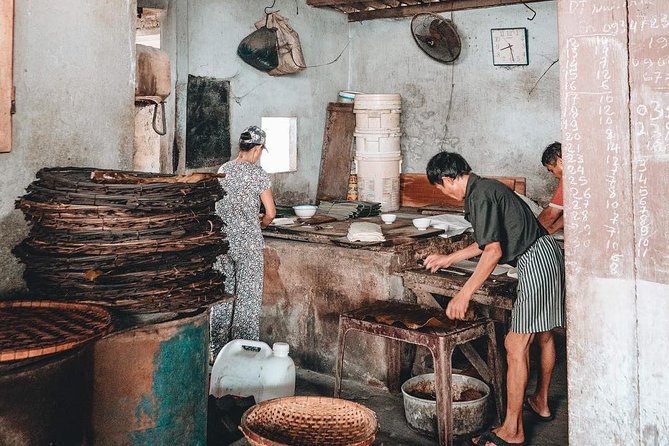
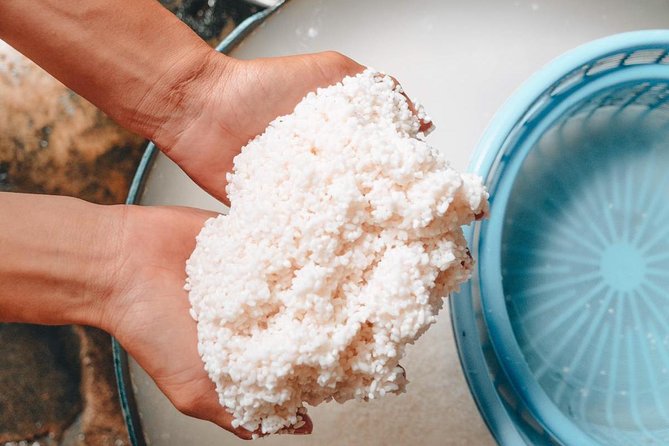
The heart of the tour is what happens before you eat. You’ll visit local family businesses producing items that show up again and again in Hoi An meals—especially organic bean sprouts and Cao Lau noodles.
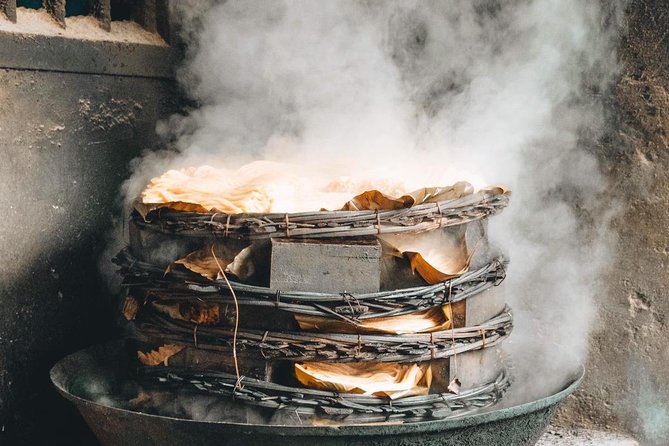
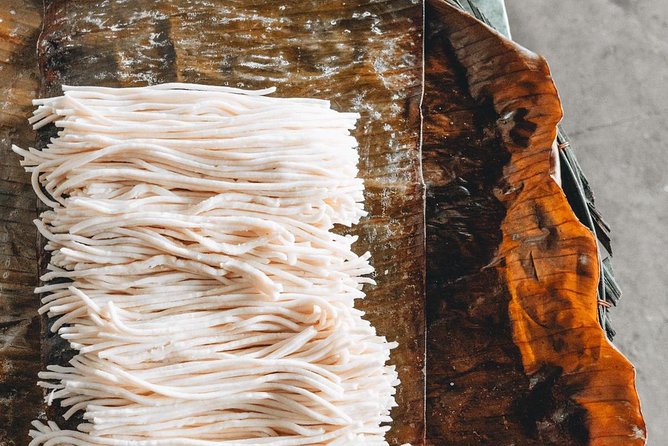
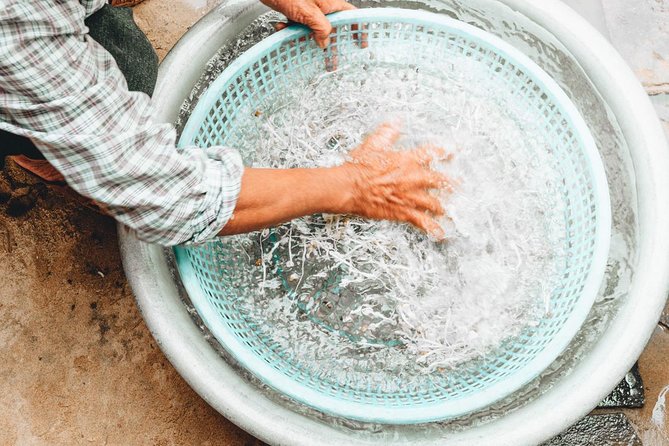
One stop highlights the oldest factory for Cao Lau noodles, with a look at how the product is made and how people keep it going. Another part focuses on bean sprouts and the organic production behind them. It’s not a museum-style lecture. It’s more like a working environment explanation: what they do, why they do it, and what they pay attention to to keep quality.
And here’s what I think you’ll find valuable: seeing the production steps makes the tastings feel earned. When you later try a noodle dish, you’ll connect it to the texture and ingredient choices you just observed. That connection turns your meal into a kind of “food memory anchor,” so you’ll remember the experience even after you leave Hoi An.




The tasting run: 5 to 7 bites that match what you saw
After the production stops and neighborhood walk, the tour shifts into eating mode. You’ll get five to seven tastings, plus bottled water and coffee or tea.
The best part is that the tastings aren’t random. They’re built to incorporate the items you saw being made earlier. In practice, that can mean you’ll taste dishes featuring Cao Lau-style noodles and bean sprouts, along with other local bites tied to the markets and family producers you visited.
Some reviews also mention street-food style eating in local market areas, such as Tiger Market. That sounds exactly like the kind of place this tour is aiming for: food you’d struggle to find on your own, served in a way that feels normal to locals, not staged for tourists.
A tip from how this kind of tour plays out: pace your bites. With 5 to 7 tastings, it’s easy to over-order in your head and then feel too full to enjoy the last stops. Try one item, take a moment to ask questions about it, then move on.
Also note: the tour includes coffee or tea. If you’re someone who gets caffeine crashes, plan how you’ll space it out, since you’ll likely be walking between tasting moments.
Guides make the day: meet the voices behind the route
This tour lives and dies on the guide. The good ones don’t just recite facts—they connect you to people and places in a way that feels respectful.
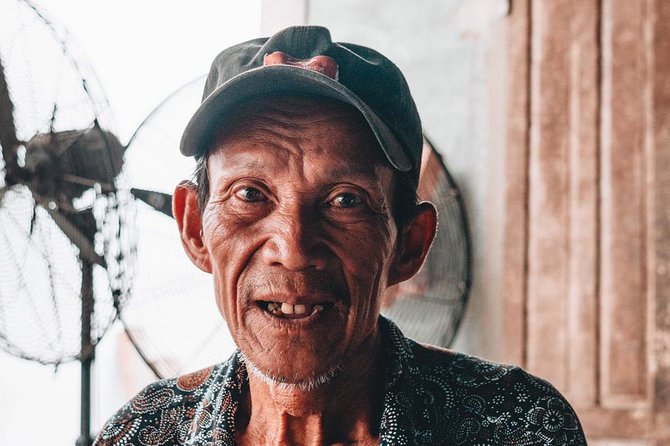
In the guide names shared across past groups, you may be hosted by people like Quyen (Quinni), Kiwi, Kim, Van, Harry, or Lien Lien. The common theme is clear: the guides bring warmth, stories, and enough context to make you feel like a guest rather than a customer.
One of the most praised moments is how guides start the morning with coffee and then lead you into lanes most visitors never see. That early start helps with both comfort and atmosphere. You’re not just avoiding crowds. You’re catching the town before the day fully spins up.
If you’re traveling with kids or family, you’ll likely appreciate guides who keep the pace steady and the questions flowing. At least one family mentioned that even young kids stayed engaged and didn’t get bored. That’s a sign the tour is designed to be easy to follow.
And if you have dietary needs, one of the reviews highlighted that the tour could accommodate two vegans in a group. Still, you should tell your provider ahead of time what you need, because tastings depend on what the local producers are making that day.
What to wear and bring so the tour feels easy
You don’t need special gear. You do need comfort. Since this is a walk through backstreets and markets, here’s what helps most:
- Comfortable shoes with grip for uneven lane surfaces
- Water awareness even though bottled water is included—bring a little extra if you run hot
- A light layer because morning and afternoon conditions can change
- Small questions ready: ask what makes Cao Lau different, how sprouts stay fresh, or why families keep these traditions alive
You’ll also be helped by being ready to cross busy streets at normal Hoi An speeds. One of the guides mentioned in feedback was attentive about helping the group cross safely, which you’ll want from whoever hosts you.
Who should book this Old Hoi An food and production tour
This is a great fit if you:
- love food but hate vague food tours with no real context
- want a route that takes you off the main tourist flow
- like small-group attention and the chance to ask questions
- want both culture and cooking tied together
It also works well if you’re short on time. In a few hours, you get a compact understanding of how Hoi An ingredients are made and how the town’s history shows up in meals.
It may be less ideal if you hate walking, get frustrated in crowded crossings, or want a purely self-guided itinerary. The tour is structured. It’s not a freeform wandering day.
Should you book this tour or skip it?
Book it if you want a smarter food day in Hoi An. The combination of watching local production and then eating 5 to 7 tastings gives you a clear payoff for your time and money. Add the small group size and the chance to be guided by people like Quyen, Kiwi, Kim, Van, Harry, or Lien Lien, and you’re set up for a day that feels more like meeting the town than checking off sights.
Skip it if you’re looking for a low-effort, no-walking stroll or if you already have a tight food plan that doesn’t leave room for guided tastings.
If you’re on the fence, choose the time that matches your energy. If you like calmer streets, morning is the safer bet. If you prefer starting later, pick afternoon and dress for heat and walking anyway.
FAQ
Can I choose a morning or afternoon tour?
Yes. The tour offers both morning and afternoon departures, so you can pick the time that fits your schedule.
How long is the tour?
It runs for about 3 to 4 hours.
How many people are in the group?
The tour has a maximum of 10 travelers, which keeps it small and easier to ask questions.
What’s included in the tastings?
You’ll have five to seven tastings, plus bottled water and coffee or tea.
Is hotel pickup included?
Complimentary pickup is available from select Hoi An hotels.
Where does the tour start and end?
The tour starts at 03 Phan Đình Phùng, Cẩm Sơn, Hội An, and it ends at Bill Coffee & Tea, 22 Trần Hưng Đạo, Phường Minh An, Hội An.
Is a mobile ticket provided?
Yes. The tour includes a mobile ticket.
Is there an admission fee included for the Ancient Town portion?
An admission ticket for the Ancient Town stop is marked as not included, so you may need to plan for any applicable entry fees.
What happens if the weather is bad?
This experience requires good weather. If it’s canceled due to poor weather, you’ll be offered a different date or a full refund.