REVIEW · SA PA
Sapa Trekking Private Tour With Ethnic Female Tour Guide
Book on GetYourGuide →Operated by Vietnam Package Tours · Bookable on GetYourGuide
Rice terraces and real village conversations. This private 4-hour Sapa trek sends you from central Sapa into ethnic minority homes and fields, with a female tour guide who explains daily life in plain English.
I especially like the welcome tea and house visits, because it feels more human than checklist tourism. I also love the payoff: a walk through Muong Hoa Valley where the rice terraces and people keep coming into view. One consideration: the trek includes walking on uneven ground, so it’s not suitable if you have back problems or need wheelchair access.
In This Review
- Key things to look forward to
- Private 4 Hours in Sapa: What You Actually Get for $30
- From Your Hotel to the North of Sapa: Hmong and Dao Village Stops
- Traditional Houses, Tea Time, and Photo Etiquette That Feels Natural
- Muong Hoa Valley and the Dzay People: Terraced Fields With Scale
- How the Trek Feels: Walking Level, Weather, and Footwear
- Guide Power: Why an Ethnic Female Guide Changes the Whole Trip
- What’s Included, What’s Not, and How to Budget
- Who This Tour Suits Best (and Who It Doesn’t)
- Should You Book This Sapa Trek? My Decision Checklist
- FAQ
- How long is the Sapa trekking private tour?
- Where do you get picked up?
- Is the tour guided in English?
- Are meals included?
- What should I bring for the trek?
- Is the tour suitable for wheelchair users or people with back problems?
Key things to look forward to
- Black Hmong and Red Dao village time with traditional houses and a welcome drink
- Tea + conversation that helps you understand clothing, customs, and everyday life
- Hands-on photo moments with hospitable locals (and time to ask questions)
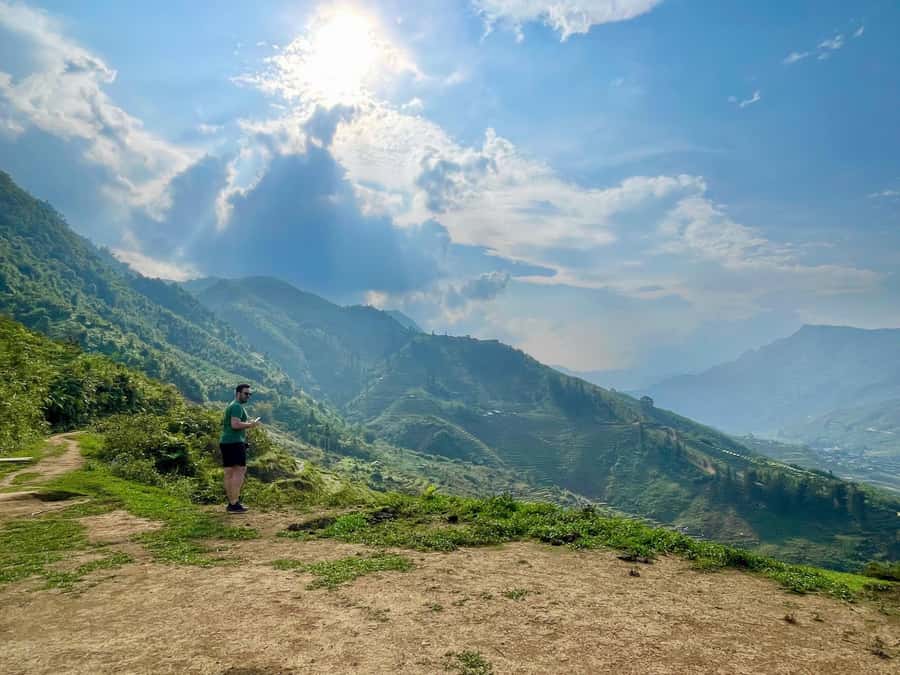
- Muong Hoa Valley terraced fields plus a look at the Dzay community
- Flexible routing starting from your accommodation and adapting to the day
Private 4 Hours in Sapa: What You Actually Get for $30
For about $30 per person and roughly 4 hours, this tour is designed as a short, focused taste of northern Sapa culture—without forcing you into a full-day trek. The big value here is simple: you get a guide who can translate the meaning behind what you’re seeing, not just point at it.
You’re picked up from your accommodation in center Sapa, then you head out with your English-speaking guide (and driver). The itinerary can be flexible, including the option to start your trek right from where you’re staying. That matters in Sapa, because weather and trail conditions can change fast, and you don’t want rigid timing.
Also, this is a private tour, so you move at your pace. In practice, that means you can slow down for photos, ask more questions, or spend a little extra time listening while you’re in someone’s home space. The walk is short enough to be realistic, but long enough to feel like you actually left the town bubble.
Price detail that’s worth knowing: the tour includes pickup, an English-speaking guide, and itinerary flexibility. Meals are not included, so you’ll want to plan food either before you start or for after you return. And tickets like Cat Cat Village entrance are listed as not included, in case your day includes any ticketed stops.
You can also read our reviews of more guided tours in Sa Pa

From Your Hotel to the North of Sapa: Hmong and Dao Village Stops
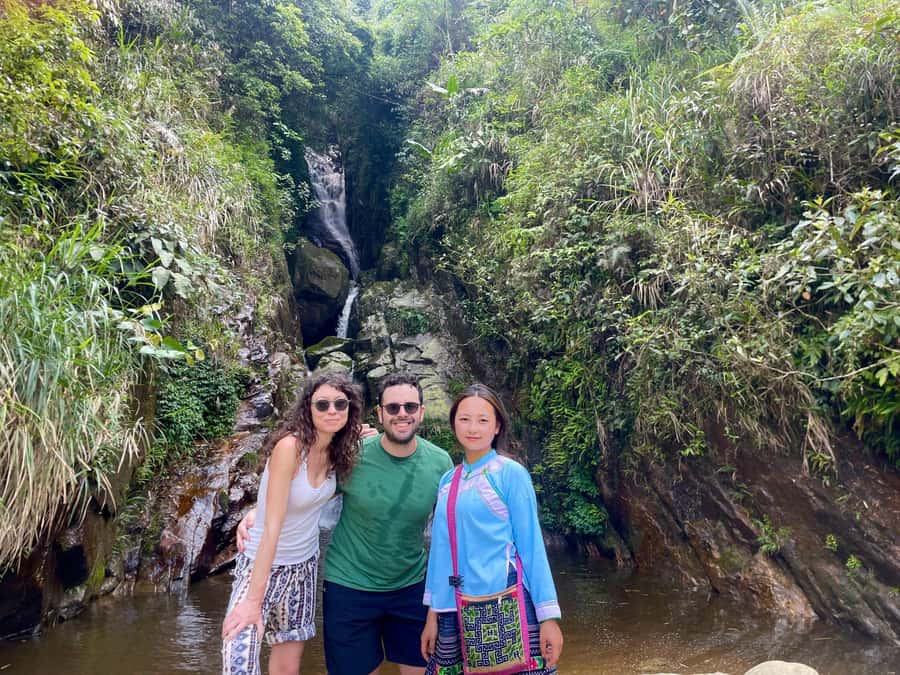
Your day starts with pickup, usually from center Sapa. After a quick introduction, you set off toward the north of Sapa, where you’ll learn about two of the largest ethnic groups in the area: the Black Hmong and the Red Dao.
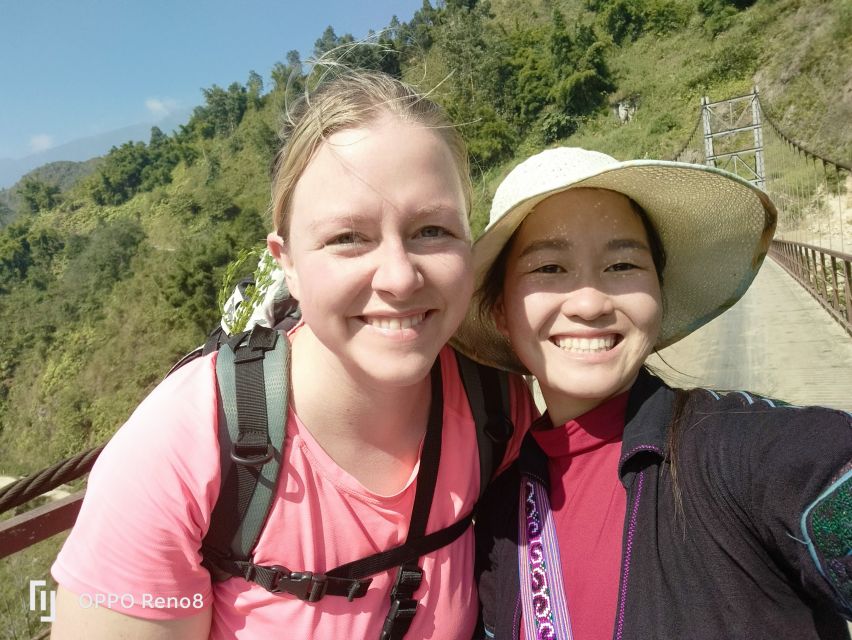
This part of the tour isn’t just about seeing houses from the outside. You visit traditional houses, meet local families, and get chances to taste a welcome drink (often tea) and take photos with people who are happy to share. The value isn’t in collecting snapshots; it’s in understanding what you’re looking at—how daily life is organized, what traditions matter, and why clothing and customs differ between groups.
One of the most useful things I look for on cultural tours is the difference between facts you can Google and what you only learn by asking questions in the moment. Here, that’s exactly what the guide is for. The itinerary is built around conversation: you’ll spend time over tea and talks, where you can ask how people live, what practices are important, and how their community works.
You’ll also see and hear the guide explain the difference between the two biggest groups in Sapa. That comparison is especially helpful for first-time visitors, because Sapa culture can blur together if you only see one community.
Traditional Houses, Tea Time, and Photo Etiquette That Feels Natural
A lot of tours say culture, but then it becomes a quick stop, a forced photo, and back in the car. This one is paced more thoughtfully.
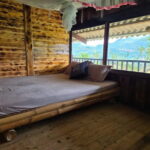
When you step into a traditional house, you get context instead of just visuals. The guide’s role is key: you learn what the spaces are used for and why certain traditions exist. Tea isn’t a random extra—it’s a social rhythm. You’re basically being welcomed, then guided through what you’re seeing.
Photos are part of the experience, and you’ll have time for them. The best advice is simple: keep it respectful. Ask first, be patient, and remember that the goal is a conversation, not a photo studio session. The fact that the tour includes time to talk and learn makes the picture-taking feel less extractive.
If you want a memorable moment, don’t rush the tea conversation. Some guides highlighted in past departures include people like Xiang, Dely, Dung, and La, and the common thread is clear: they’re willing to explain customs and answer questions in strong English. If you like learning through back-and-forth questions, you’ll probably enjoy this format.
Muong Hoa Valley and the Dzay People: Terraced Fields With Scale
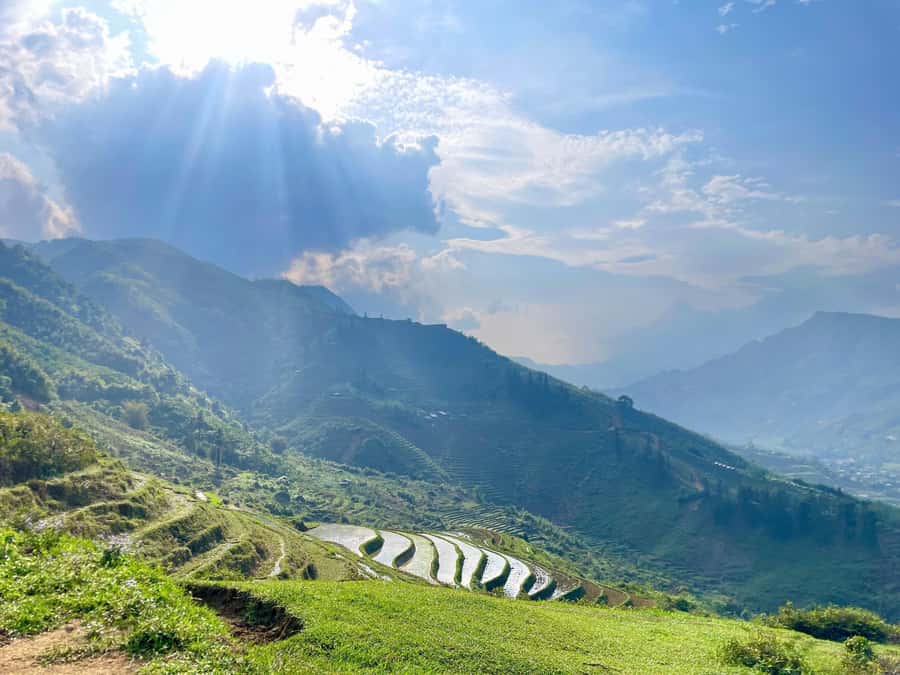
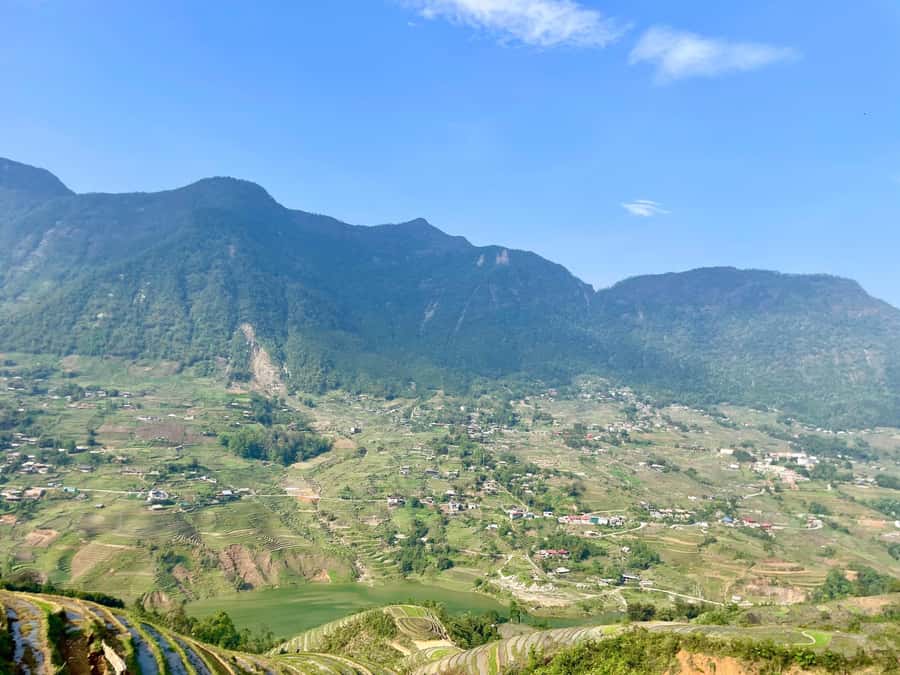
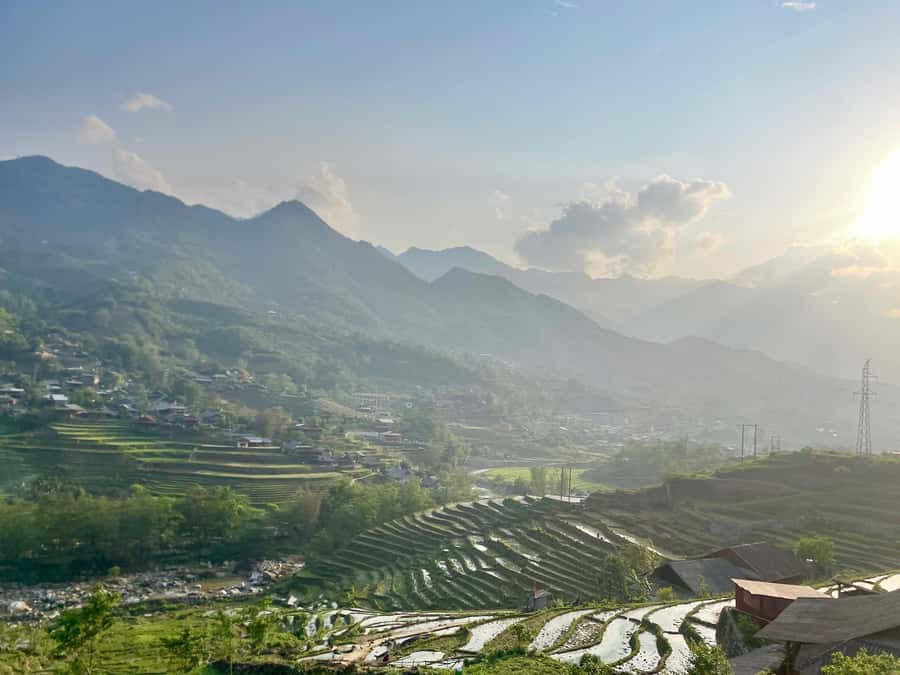
After saying goodbye to the homes you visited in the north, you head to the southeast of Sapa for Muong Hoa Valley and the Dzay community. This is where the scenery starts doing its work.
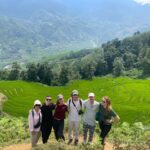
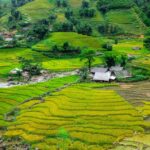
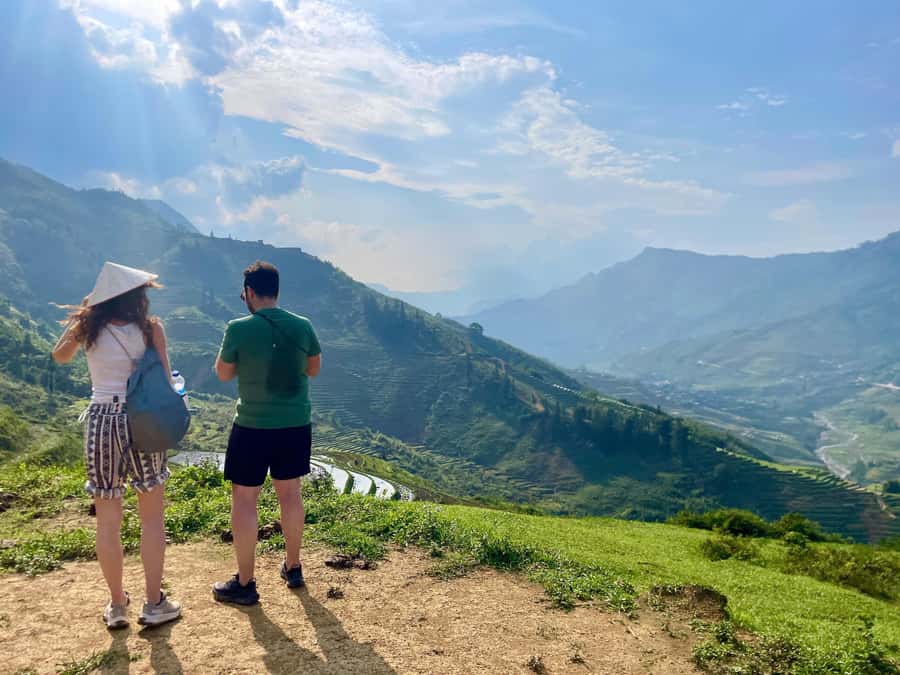
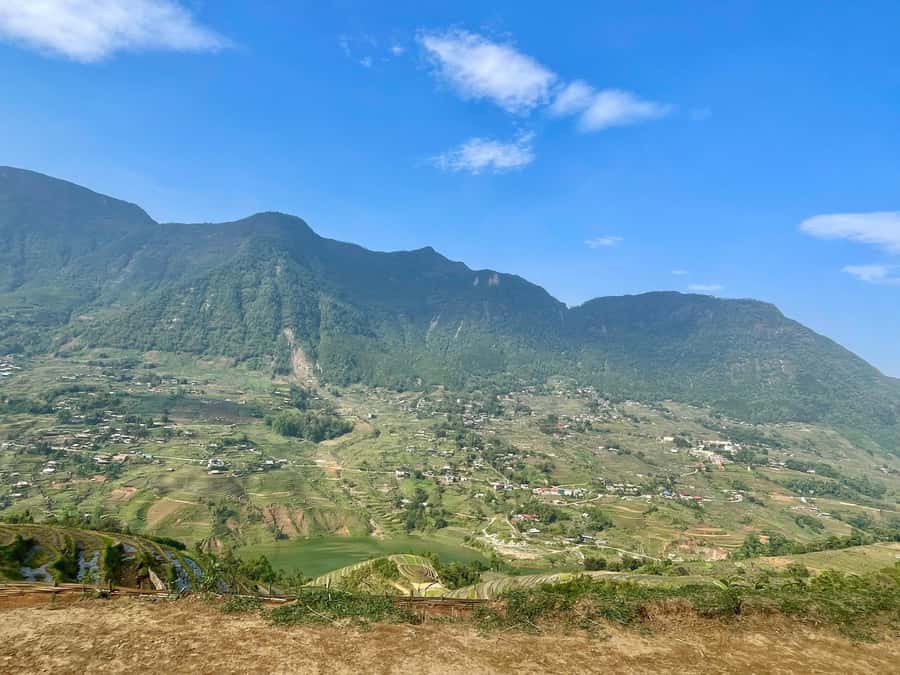
Muong Hoa Valley is known for dramatic terraced fields, and this tour gives you time to witness them while walking through the area. The terraces don’t show up all at once; they appear in layers as you move. It’s a small detail, but it changes how you experience the valley. Instead of staring at a postcard, you feel like you’re inside the pattern.
The Dzay portion matters for more than just photos. The tour is structured to help you see how different ethnic groups live in the same broader region, with distinct customs and community life. That connection—culture and landscape working together—is what makes the walk more than sightseeing.
The local aspect stays strong here too. You’re not just walking through fields that look good in a guidebook; you’re walking alongside communities who live there year-round. The tour focuses on meeting people and seeing how they relate to their surroundings.
At the end, you wrap up with a return to Sapa via a different route. The car may be used depending on the day, but the tour’s main point is that you get the valley experience first, then you get home without turning the day into a marathon.
How the Trek Feels: Walking Level, Weather, and Footwear
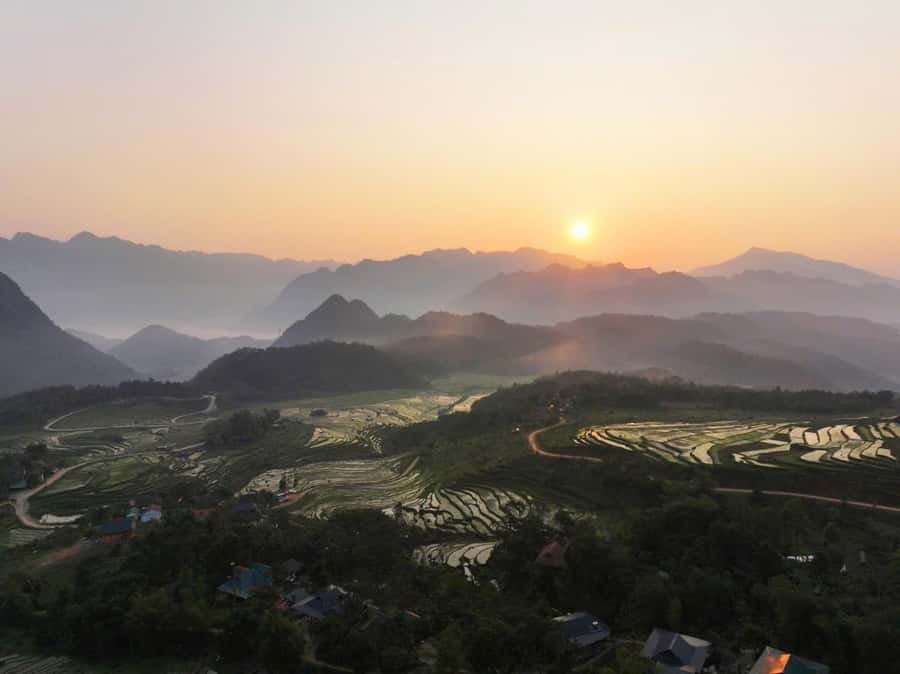
This tour is short, but it’s still a trek. Expect uneven ground and patches that can get muddy, especially after rainfall. Several guides and experiences emphasize that proper trekking shoes or even rubber boots can make the difference between a fun walk and a wet, slip-prone slog.
So here’s the practical checklist I’d follow:
- Bring comfortable shoes you can trust on uneven paths
- Pack a hat and sunscreen for bright days
- Carry water because you’ll be out moving
- Use a camera you’re comfortable using one-handed while walking slowly
Also note one small rule: no smoking during the tour. It’s not a big deal, but it’s good to know before you show up.
The itinerary can change based on weather or booking times. That flexibility is a feature, not a bug. In Sapa, a rainy day can turn a “nice walk” into “why did I bring sandals.” If rain hits, you’ll want a guide who can adapt, and this tour is built to do that.
If you have back problems, this likely isn’t the right choice. And if you need wheelchair access, it’s not suitable per the activity notes. The walking portion is simply part of what makes the experience work.
You can also read our reviews of more private tours in Sa Pa

Guide Power: Why an Ethnic Female Guide Changes the Whole Trip
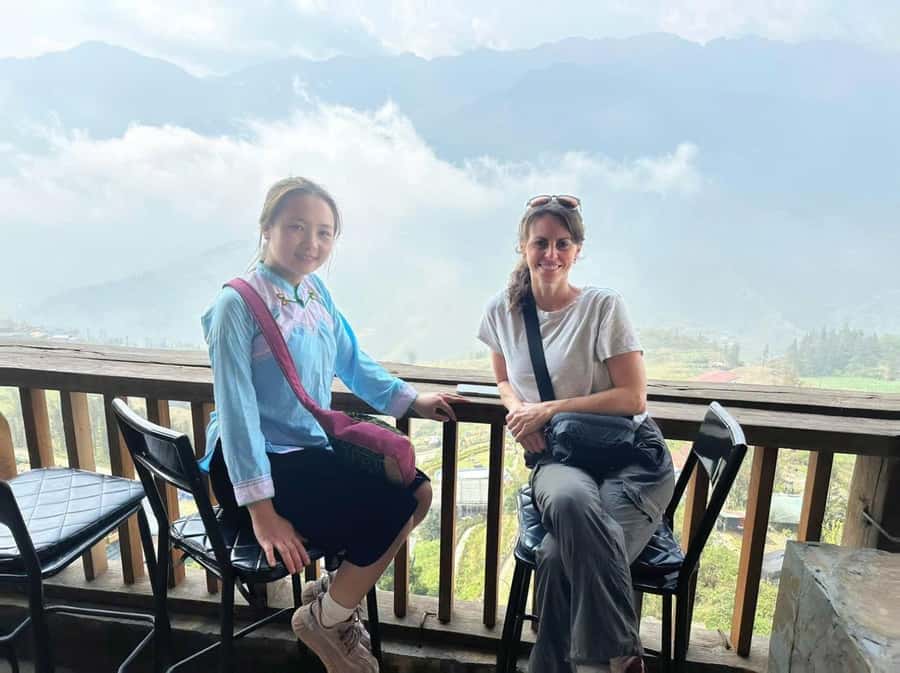
This tour’s identity is the ethnic female tour guide, and it affects the trip in a practical way: communication.
An English-speaking guide matters on a cultural tour, but “English-speaking” can mean anything from basic phrases to real explanations. The experiences shared with these guides point to a stronger level: you can ask questions and get clear answers, with guidance that makes traditions understandable rather than mysterious.
A few guides named in past experiences—Xiang, Dung, Dely, and La—were specifically praised for being friendly, informative, and flexible. Even if you don’t meet the same person, the goal of the tour is the same: you want someone who can translate daily life respectfully and clearly.
One more bonus that’s unique to this format: the tour offers a free edited video per booking if you send your photos to the guide’s WhatsApp. That’s a simple add-on, but it’s handy. You get a better way to keep memories without spending hours editing yourself.
What’s Included, What’s Not, and How to Budget
Included:
- Pickup from your accommodation in Sapa center
- English-speaking tour guide
- Itinerary can be customized if you want
Not included:
- Meals
- Cat Cat Village ticket entrance (if that kind of stop comes up)
- Personal expenses
So budget for food separately. Since this tour is only 4 hours, you can usually handle meals before you go or right after you return. If you’re hungry, bring a snack for the time between pickup and tea, especially if you start early.
Also plan for small personal costs you might create on the day: water top-ups, extra drinks, or any shopping you might do. The tour itself focuses on the walk and cultural time, not on selling you stuff.
Who This Tour Suits Best (and Who It Doesn’t)
You’ll probably love this tour if you want:
- A short cultural trek instead of a long, exhausting day
- Real interaction with local communities, including tea and conversation
- Time in Muong Hoa Valley where the terraces and villages connect
- A guide you can actually ask questions to in English
It’s not ideal if:
- You have back problems
- You need wheelchair access
- You want a fully vehicle-based experience with no walking
If you’re traveling with kids, the tour could be hit-or-miss depending on the child’s comfort with walking. If you’re unsure, ask the provider how the day’s route looks after weather checks.
Should You Book This Sapa Trek? My Decision Checklist
Book it if you want a thoughtful, human-sized experience that mixes village introductions with a terraced valley walk. At $30 for 4 hours, the value is strongest when you care about understanding culture, not just taking photos. The tea time, traditional house visits, and the Dzay portion in Muong Hoa give you three meaningful pieces in one compact schedule.
Don’t book it if you’re chasing an easy stroll on smooth paths. This is still a trek, so footwear and a realistic attitude toward uneven ground matter. Also skip it if mobility is an issue—this one isn’t built for back problems or wheelchair access.
If your goal is to leave Sapa knowing the difference between Black Hmong and Red Dao, then see Dzay community life in Muong Hoa terraces, this tour hits the mark. You get structure, flexibility, and a guide who can turn what you see into something you understand.
FAQ
How long is the Sapa trekking private tour?
The duration is listed as 4 hours.
Where do you get picked up?
Pickup is available from your accommodation in Sapa center.
Is the tour guided in English?
Yes. The tour includes an English-speaking tour guide.
Are meals included?
No. Meals are not included.
What should I bring for the trek?
Wear comfortable shoes, and bring a hat, camera, sunscreen, and water.
Is the tour suitable for wheelchair users or people with back problems?
No. It is not suitable for people with back problems, and it is not suitable for wheelchair users.