REVIEW · SA PA
Cooking Class in Sa Pa With Local Chef
Book on GetYourGuide →Operated by Saigonese Trekking House · Bookable on GetYourGuide
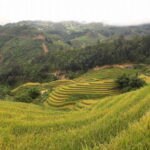
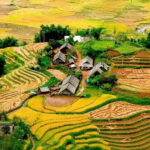
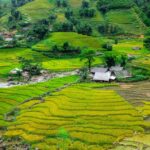
Mountain views and spring rolls in one class. That’s the hook here. This Sapa cooking class pairs hands-on Vietnamese food with time outdoors, including a panoramic look over the mountains and a chance to feel like you’ve really arrived in northern Vietnam. If you like learning by doing, not just watching, this one fits.
I especially like the market part with Sisi leading the ingredient hunt. You get to shop like locals do, then cook what you actually picked. I also love that the class teaches two clear, practical dishes: traditional spring rolls and a tangy tofu in tomato sauce (a vegan-friendly option).
One thing to consider: the highlights mention sunrise and big viewpoints, but your actual experience depends on the specific starting time you choose (the class starts at 14:00, with other starting times available). So if sunrise is your top priority, double-check the time slot before you book.
In This Review
- Key takeaways
- Why a Sapa cooking class starts at the Dong Bac market
- From spring rolls to tofu in tomato sauce: the cooking that actually sticks
- Spring Roll: traditional, fill-your-own knowledge
- Tofu in tomato sauce: easy vegan comfort
- The dinner part: you eat what you made, plus local wine
- The 14:00 timing: how the sunrise and viewpoint fit your day
- Small-group cooking in Sapa: why “up to 10” changes everything
- Price and value: how $30 stacks up for market + cooking + dinner
- Who this Sapa cooking class fits (and who might want a different plan)
- Should you book the Cooking Class in Sa Pa with a local chef?
- FAQ
- FAQ
- Where is the cooking class located?
- How long is the experience?
- What time does the class start?
- What dishes are included?
- Is the instructor English-speaking?
- Is it a small group, and can I cancel if needed?
Key takeaways
- Market shopping with Sisi gives you a real sense of how daily meals start in Sapa
- Traditional spring rolls with flexible fillings you can recognize and adapt at home
- Tofu in tomato sauce is simple, tangy, and teaches vegan Vietnamese flavor fast
- Small group (up to 10) means more time getting your questions answered
- Mountainside views and a Top of Vietnam moment add meaning beyond the food
- Local wine with dinner rounds out the class so you’re not rushing to the next thing
Why a Sapa cooking class starts at the Dong Bac market
The heart of this experience is that you don’t begin at a chopping board. You start with ingredients, right in the flow of local life. The class begins around 14:00, and first you sit down to talk through what local food you’re aiming to cook and enjoy. That short discussion matters because it sets expectations. You’re not just learning recipes; you’re learning how Vietnamese cooks think about balance: fresh herbs, savory proteins, crunchy vegetables, and sauces that tie it all together.
Then you head to a nearby local market to gather ingredients. This is where the class feels most authentic. The market isn’t presented like a museum. It’s practical: you see what’s available, you learn what each ingredient contributes, and you build a shopping basket that matches the dishes you’ll make later. In one example, Sisi takes the group through the food market so you can shop with confidence, not confusion.
Why I think this is great value at a $30 price point: markets turn cooking classes from entertainment into skill-building. If you learn what to buy, you can cook again at home without copying someone else’s pantry list.
You can also read our reviews of more cooking classes in Sa Pa
From spring rolls to tofu in tomato sauce: the cooking that actually sticks
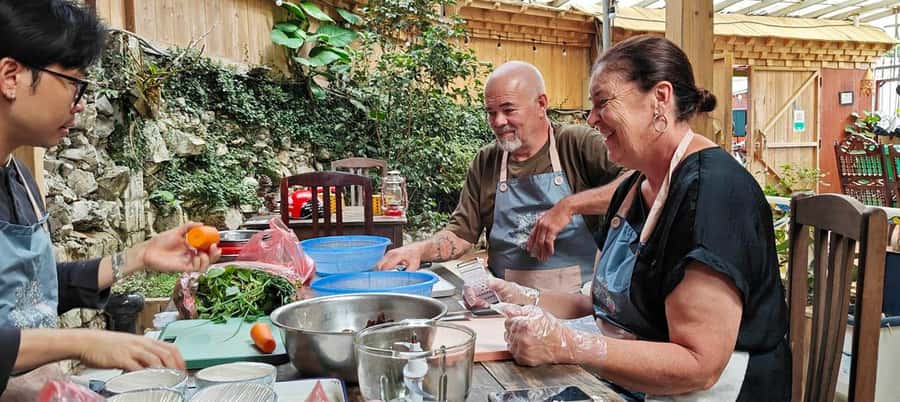
Back at the kitchen setup, the class focuses on two dishes that are both approachable and very “Vietnam.” Even if you’re a confident cook, you’ll likely learn new handling tricks and flavor combinations.
Spring Roll: traditional, fill-your-own knowledge
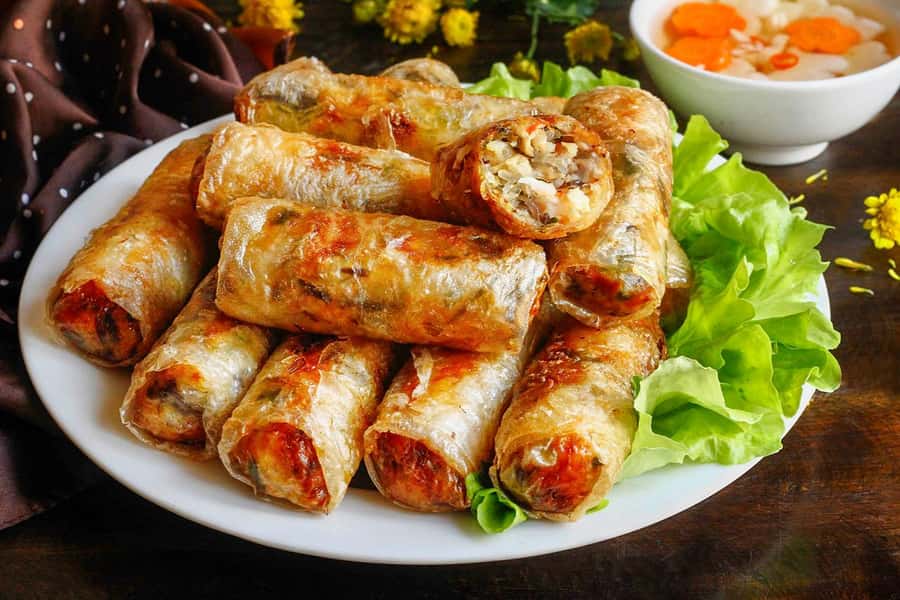
You’ll make spring rolls the traditional Vietnamese way, with a rolling process plus ingredient prep. The class covers the idea that spring rolls can have many fillings. You’ll see common components like vermicelli noodles, leafy greens, onion, pork, carrot, and bean sprouts. That’s the key lesson: there isn’t one single spring roll. There’s a style, and you can steer it based on what you choose and what’s fresh.
The practical advantage here is that spring rolls are a repeatable template. Learn how to manage moisture, layer ingredients, and roll tightly (without tearing), and you can build variations later—vegetarian, mixed meat, or whatever fits your kitchen.
Tofu in tomato sauce: easy vegan comfort
The second dish is tofu mixed with tomatoes, described as a simple, tangy tofu in tomato sauce. This matters because it gives you a clear vegan option that still feels satisfying. The “tangy” part isn’t vague; it tells you the sauce is doing real work for flavor, not just sitting there as a red color.
This dish is also a great skill for home cooks. Tofu can be bland if you treat it like a sponge instead of a base. Tomato sauce helps it along, and the class format (cook together) gives you a chance to see timing and texture choices as they happen.
The dinner part: you eat what you made, plus local wine
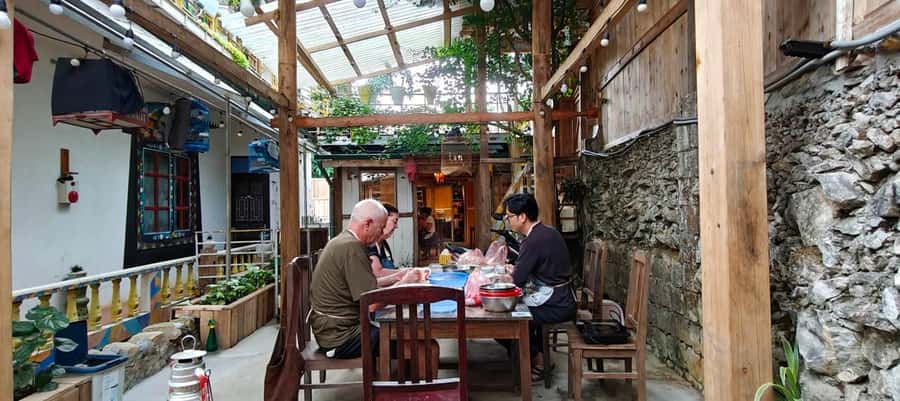
Once cooking wraps up, you enjoy a relaxing dinner that includes local wine. That sounds small, but it’s a big part of the experience. You’re not sprinting through steps and then leaving hungry. You finish the loop: ingredients → cooking → eating → conversation.

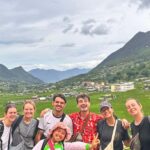
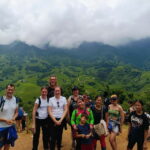
The 14:00 timing: how the sunrise and viewpoint fit your day
The stated start time is 14:00, and the activity runs for 4 hours. That’s a compact window, which is ideal if you want food without losing half your day to logistics.
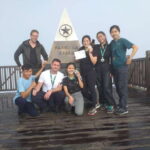
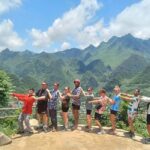
Here’s where you should use your common sense: the highlights mention a sunrise over the mountains and panoramic views, plus a moment of standing at the top of Vietnam. Because the class also notes you can check starting times, different days and time slots may emphasize different parts of the outdoor viewing.
So, what should you do? If sunrise and mountain light are your dream version of this class, confirm the session you’re booking includes that early-morning component. If you’re happy with the views even if they’re later in the day, the mountain moment and the scenic payoff should still make sense as part of the overall experience.
In other words, don’t treat the sunrise as a guaranteed movie scene unless your selected start time matches it. The broader win is that you’re combining Sapa’s scenery with Sapa’s food, and that combination tends to land well no matter the lighting.
Small-group cooking in Sapa: why “up to 10” changes everything
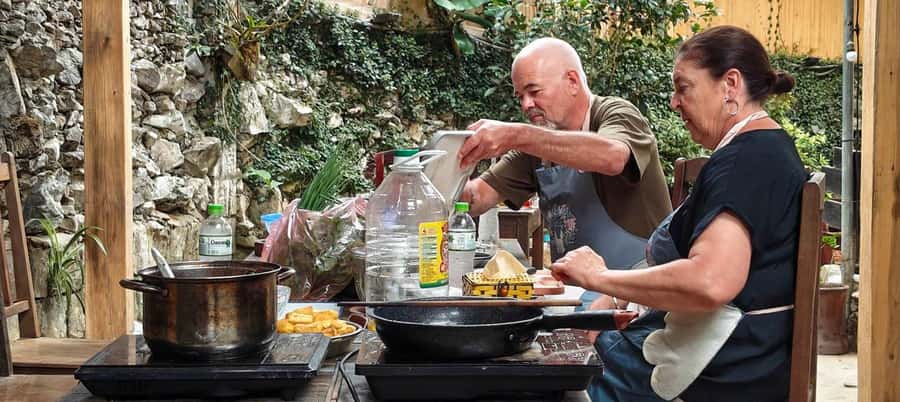
This class is limited to 10 participants, and the instructor teaches in English. In cooking, group size isn’t a comfort perk. It’s a learning multiplier.
With a small group, you get more hands-on feedback while you’re working—especially when you’re doing something fiddly like rolling or managing ingredient prep. It also means the chef can adjust for the group’s pace. If someone needs to slow down, they can without the whole class turning into a race.
You’ll also have a better chance to ask the kind of questions people usually think of halfway through cooking. Things like:
- What ingredient can swap for another?
- How do you balance filling so the roll doesn’t get sloppy?
- What’s the goal of the tomato sauce taste?
The class is described as suitable for serious home cooks who want healthy Vietnamese food, couples, people on a business trip who want a real local experience, and adventurous travelers who want more than classic sightseeing. That’s a nice mix, because it shapes the vibe: curious, active, and focused on learning—not just taking photos.
Price and value: how $30 stacks up for market + cooking + dinner
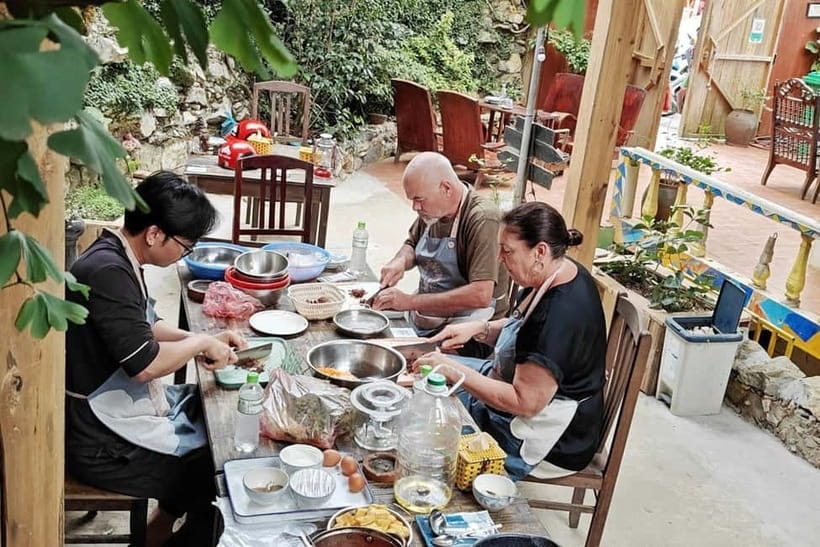
At $30 per person for about 4 hours, this isn’t a “just watch someone cook” activity. You’re paying for several value drivers that many cheaper experiences skip:
- Market time: you’re not only cooking; you’re learning what to buy and why
- Two dishes made together: spring rolls plus tofu in tomato sauce
- Dinner with local wine: you’re eating the result, not leaving hungry
- Small group format: up to 10 means more interaction with the instructor
The dish combo is also smart from a value perspective. Spring rolls often feel like a special occasion food, but with the right technique they’re also something you can make at home when you want guests impressed. Tofu in tomato sauce is easier to repeat on a weeknight. Together, you leave with one “wow” dish and one “I can cook this again anytime” dish.
I’d think of the $30 as paying for an entire mini-lesson in Vietnamese flavor structure: what fresh ingredients bring, what rolling technique controls, and how sauces pull everything into one plate.
Who this Sapa cooking class fits (and who might want a different plan)
This experience is best if you want more than a meal. You want the method, the ingredient logic, and the confidence to cook Vietnamese food again.
You’ll likely enjoy it if:
- you’re a home cook and like learning technique
- you enjoy working with fresh ingredients
- you want a break from typical Sapa sightseeing and want something more hands-on
- you like small group settings where questions don’t get ignored
- you’re comfortable eating dinner as part of the activity flow
It’s also noted as not suitable for people over 70. If you’re in that age range, check alternative food experiences with a better fit for pace and comfort.
One more practical note: this is a cooking class, so plan for active time. Wear clothes and shoes you don’t mind getting a little kitchen-adjacent.
Should you book the Cooking Class in Sa Pa with a local chef?
If your ideal day in Sapa is part cooking, part market wandering, and part mountains, then yes, I’d book it. The market + hands-on cooking + dinner-with-wine formula is strong for the time you spend. You get two dishes you can actually recreate later: spring rolls and tofu in tangy tomato sauce. Add in the mountain-view highlights and the small-group size, and you’re not just paying for food—you’re buying a learning experience with a scenic payoff.
If your main goal is sunrise at all costs, I’d book carefully: check the starting time you’re selecting, because sunrise and viewpoints may vary by session. If sunrise is optional and you just want a real Sapa taste with guidance, you’re in the sweet spot.
FAQ
FAQ
Where is the cooking class located?
It takes place in Dong Bac, Vietnam.
How long is the experience?
The experience lasts 4 hours.
What time does the class start?
The listed start time is 14:00, but you should check availability to see starting times.
What dishes are included?
You’ll make spring rolls and tofu mixed with tomatoes (described as tofu in tomato sauce).
Is the instructor English-speaking?
Yes. The instructor speaks English.
Is it a small group, and can I cancel if needed?
It’s a small group limited to 10 participants, and there is free cancellation up to 24 hours in advance for a full refund.