REVIEW · SA PA
Sapa: Y Linh Ho – Lao Chai, and Ta Van Trekking Day Tour
Book on GetYourGuide →Operated by ASu Sa Pa Trekking Tour · Bookable on GetYourGuide
Lace up: Sapa’s villages are feet-first, and the Muong Hoa Valley views come in layers. This Y Linh Ho – Lao Chai – Ta Van day trek is a practical way to see real rice terraces and everyday ethnic-life in northern Vietnam. You’ll follow a guided route starting from Sapa town and ending back in town by car.
I love the human pace here, especially with Su, who guides in English and shares life from his home base in the region. I also like the way village visits are built around daily work and community—like learning about Black Hmong weaving at Y Linh Ho, then moving on through Lao Chai and Ta Van. Add in an included lunch at a local house or riverside restaurant, and you’re not spending the day hunting for food.
One thing to consider: this is moderate trekking over about 10–12 km, and the weather can shift quickly in the valley. It’s not a fit if you have low fitness or mobility limits.
In This Review
- Key takeaways before you walk
- Why this Sapa day trek works so well
- Morning timing: how the walk really feels
- Y Linh Ho Village: Black Hmong life and weaving details
- The trail to Lao Chai: terraces, photo breaks, and craft chats
- Ta Van Village: Giay culture and a slower end to the day
- Su’s guidance: language, context, and real conversation
- Included lunch, transfers, and what you actually pay for
- What to bring (and what you’ll forget if you don’t)
- Who should do this trek, and who should skip it
- Should you book the Y Linh Ho – Lao Chai – Ta Van day trek?
- FAQ
- How long is the trekking tour?
- Where does the trek start in Sapa?
- How far do you trek in one day?
- What villages are visited during the day tour?
- Is lunch included, and where is it served?
- What is the activity level?
- What should I bring?
- What if my plans change?
Key takeaways before you walk
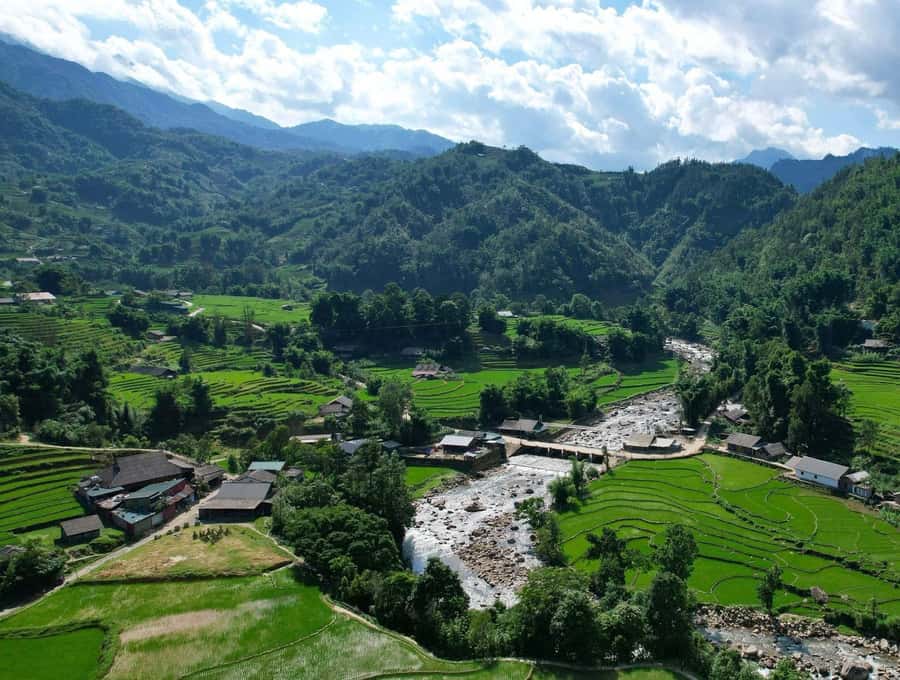
- 10–12 km, 5–7 hours: a solid half-day effort with breaks built in
- Black Hmong and Giay village visits: culture is the point, not a box to tick
- Small-group feel: easier conversation and better Q&A with your guide
- Included lunch: eaten locally at a house or riverside restaurant
- Morning start around 8:30 AM: you’ll return to Sapa by car the same day
Why this Sapa day trek works so well
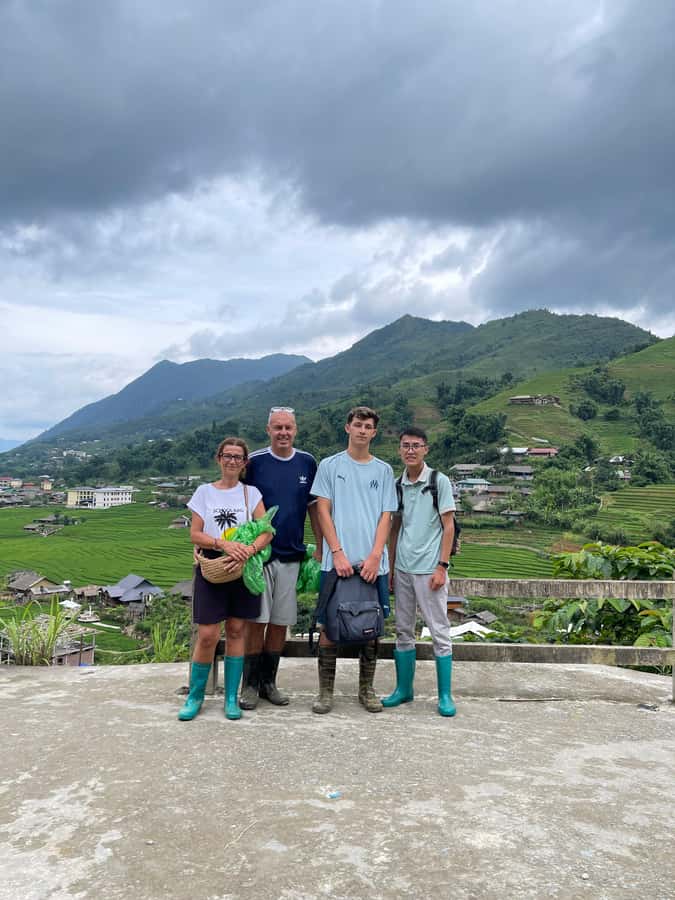
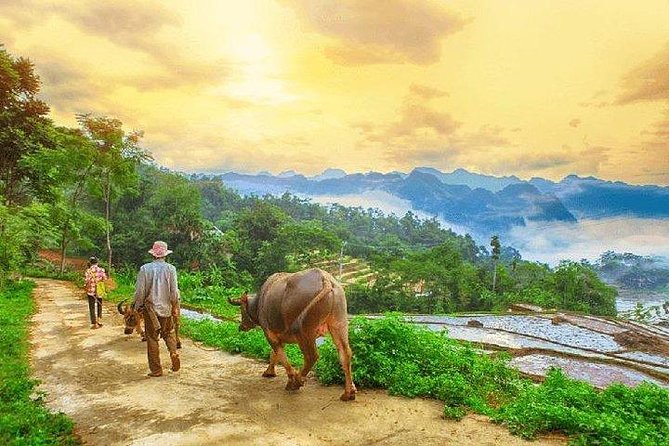
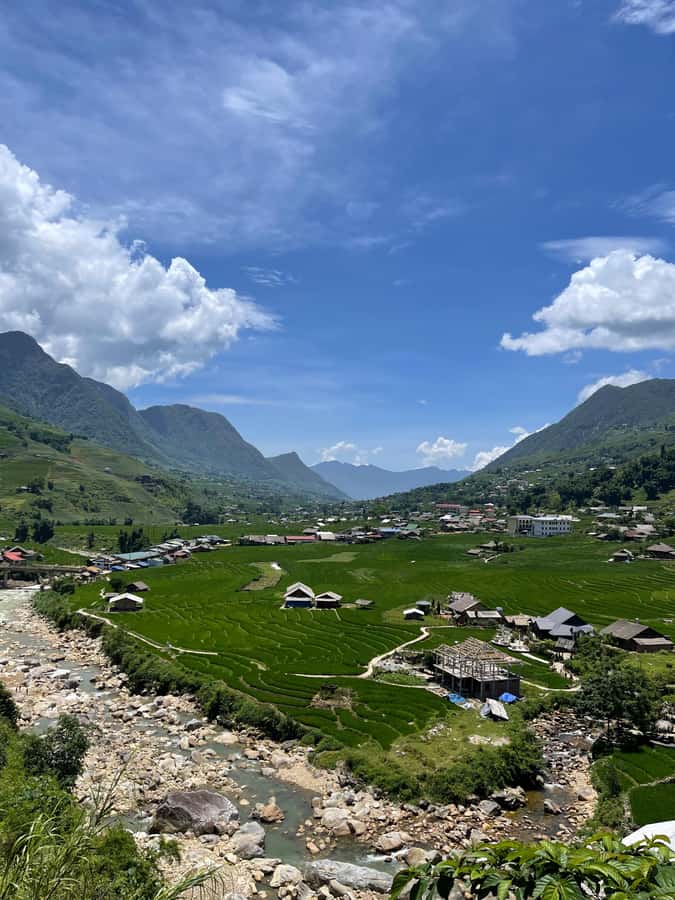
If you’re in Sapa for a short time, this is one of the best ways to trade bus rides for walking. You’ll get the big scenery of the Muong Hoa Valley—rice terraces, forested hills, valley trails—without committing to a multi-day trek.
The tour’s real strength is that it connects the walking to specific communities. You stop in Y Linh Ho (Black Hmong), then continue toward Lao Chai for village interactions and crafts, and finish at Ta Van (Giay). That gives you context for what you see, instead of just snapping photos and moving on.
Also, the day is designed to feel doable. With a morning start and a typical 5–7 hour total duration, you still have energy left for Sapa’s evening (and you won’t feel like you spent your whole trip on your backside).
You can also read our reviews of more hiking tours in Sa Pa



Morning timing: how the walk really feels
You’ll meet your guide in Sapa around 8:30 AM, typically at Sapa church or another designated meeting point. Expect a quick orientation and safety notes, then you start descending into the valley.
The total trek is about 10–12 km. That distance can sound simple, but the terrain includes steps and changing grades, plus the kind of footpaths that ask you to watch where you put your feet. The good news: the route includes pauses for views and for village time, so it doesn’t feel like one long slog.
Plan your day like this: wear your best walking shoes, bring a hat, and keep water accessible. If the weather turns, you’ll want layers and something to protect from sun or light rain. The region can change fast, so your clothing matters as much as your legs.
Y Linh Ho Village: Black Hmong life and weaving details
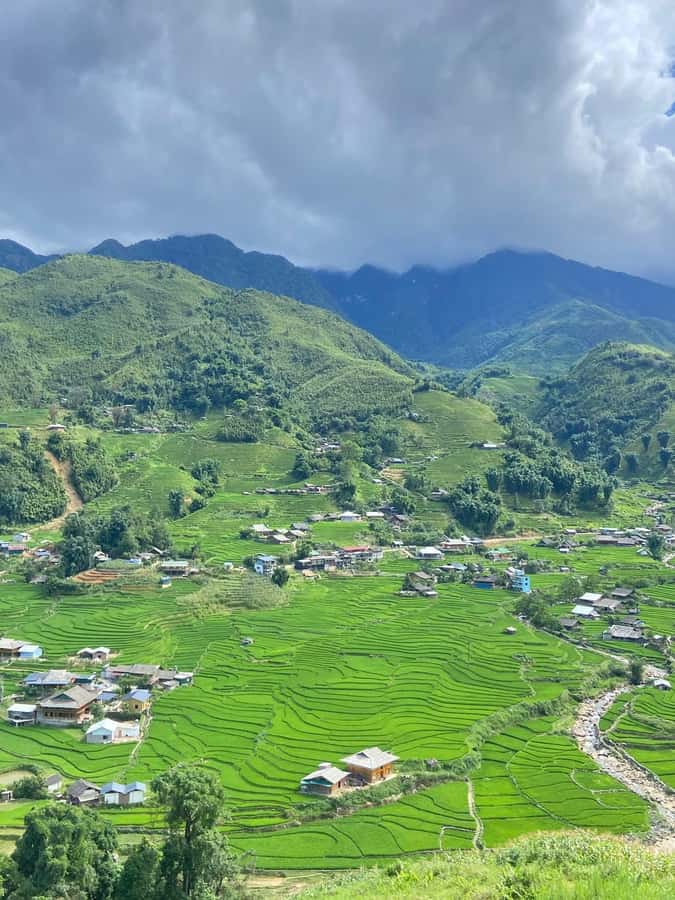
Y Linh Ho is the first real cultural stop on the day, and it’s a strong start. As you head down the valley, the views open up into terraced fields and hillside scenery that makes you slow down without trying.
Once you arrive, you’ll learn about the Black Hmong community and daily life there. A highlight is the chance to hear about traditional customs and weaving techniques—the kind of practical, hands-on knowledge that turns the village from scenery into understanding. Instead of just looking at textiles, you get reasons behind patterns and the role of craft in everyday routines.
This is also where conversations tend to get easier. If you’ve got questions about village life, schooling, or work rhythms, your guide can help translate the big picture without making it feel like a lecture. I like that this stop isn’t rushed; you get time to look around and take photos with less stress.
The trail to Lao Chai: terraces, photo breaks, and craft chats
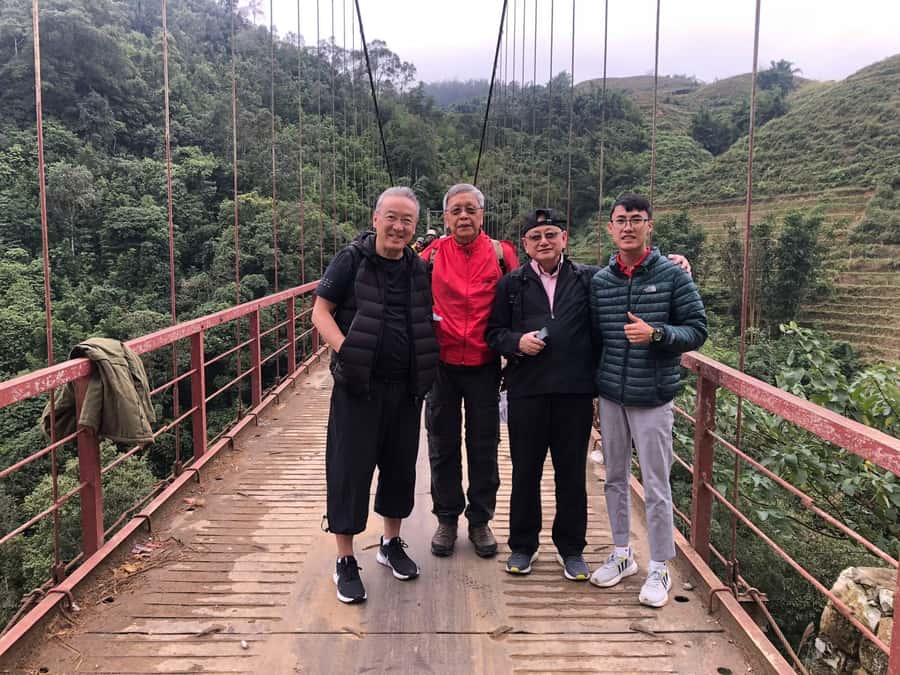
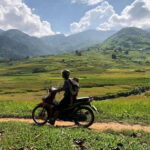
After Y Linh Ho, the trek continues toward Lao Chai along winding valley trails. This section is where the walking scenery starts to feel like a sequence: terraces in the middle distance, streams or greenery along the edges, and village homes appearing as you shift perspective.
Along the way, you’ll stop for photos and take in the natural surroundings. It’s not just about the view—these pauses help you absorb the rhythm of the landscape and how people live within it.
In Lao Chai, the focus moves to interaction. You’ll meet locals, see handicrafts, and enjoy the calmer village atmosphere. Even if you’re not shopping, watching how items are made and hearing what locals explain gives your photos more meaning.
Lunch also happens around this area. You’ll have lunch at a local house or a riverside restaurant, which helps keep the tour moving while keeping costs reasonable. If you’re sensitive to timing, note that lunch is included, but it may not be at a polished restaurant table. This is the trade-off for eating locally.
Ta Van Village: Giay culture and a slower end to the day
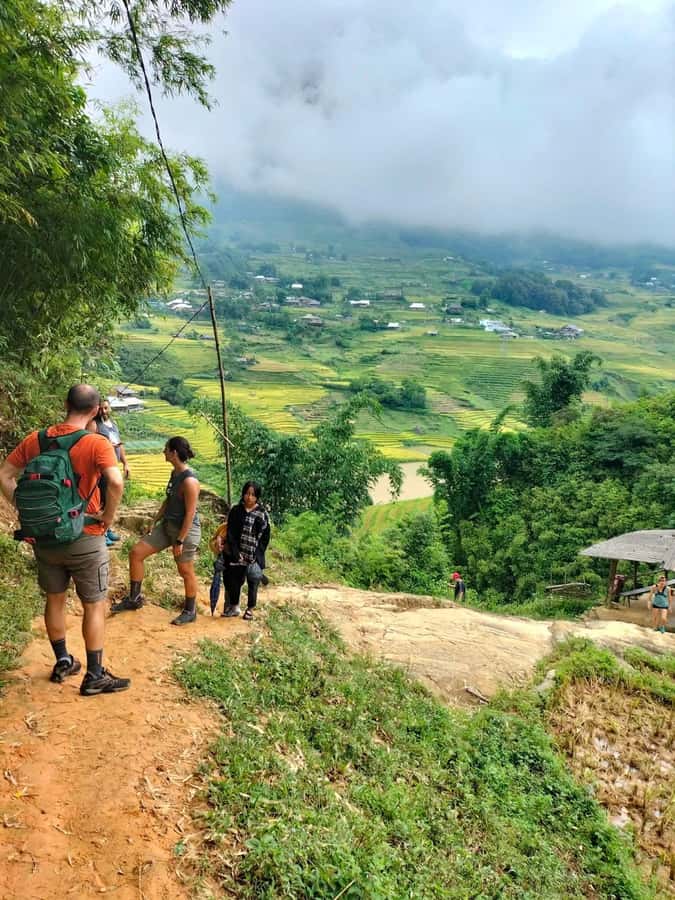
The next leg heads deeper toward Ta Van, home to the Giay ethnic minority. By now, you’ve earned the slower pace. The scenery still keeps coming, but you’re more aware of footwork and the small moments—people passing by, fields changing with height, and the shift in village architecture as you go.
Ta Van gives you another cultural lens, so your day doesn’t feel repetitive. You’ll spend time in the village and see how the community has its own style and traditions. The goal isn’t a checklist; it’s a better understanding of how different ethnic groups shape life in the valley.
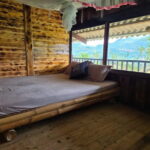
You’ll also have an optional short rest at a local homestay or café, with a chance to sample traditional snacks. This is a nice reset point if your legs feel it in the afternoon. It also turns the day from pure trekking into a more complete experience—walk, talk, eat, rest, then head back.



Su’s guidance: language, context, and real conversation
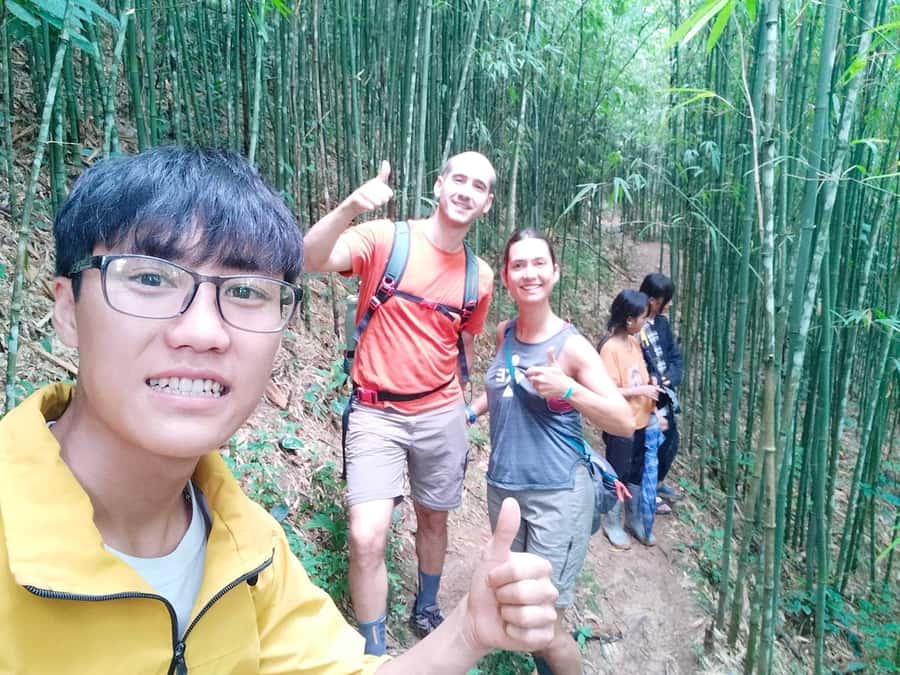
A tour like this lives or dies on the guide. In this case, Su is a big part of why people rate this so highly. He’s local to the area and speaks English well, so you’re not stuck with vague answers.
What I like most is the way context shows up throughout the walk. You’re not just told where to stand for a photo. Instead, Su explains what you’re looking at and why it matters—whether that’s village life, community values, education, or daily routines.
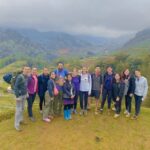
Small-group dynamics help too. When the group stays small, you get more chances to ask questions instead of waiting your turn. One-on-one conversation makes a big difference on a moderate trek where you’re already paying attention to details.
This is the kind of guidance that makes the day feel personal, not like a standard route with a script.
Included lunch, transfers, and what you actually pay for
At $19 per person, the price is mostly about convenience and local support. You’re paying for a live guide, the guided trekking route, village visits, and the logistics that keep you from having to arrange everything yourself.
Here’s what’s included:
- Live tour guide
- Trekking tour along the route
- Visits to Y Linh Ho, Lao Chai, and Ta Van
- Transfer back to Sapa town by car
- Lunch at a local house or riverside restaurant
What’s not included is mostly what you’d expect: personal expenses.
From a value angle, the biggest wins are the guide and the included meal. Guides cost money, and lunch costs money in Sapa too—especially if you’re aiming for something local instead of a tourist menu. The included transfer also saves time and hassle at the end of the day.
If you’re trying to stretch your budget while still getting authentic community time, this is a strong fit.
What to bring (and what you’ll forget if you don’t)
For a day like this, pack for comfort and quick changes in weather. You’ll be outside for hours, moving along trails, and stopping in villages where weather can feel different between shade and open fields.
Bring:
- Comfortable shoes with grip
- A hat for sun
- A camera if you love terrace and village photos
- Sunscreen
- Water
I’d also consider a light layer even in warmer months. You’re starting in the morning and walking through a valley that can feel cooler than Sapa town. If you’re not sure, err toward something you can strip or add quickly.
Who should do this trek, and who should skip it
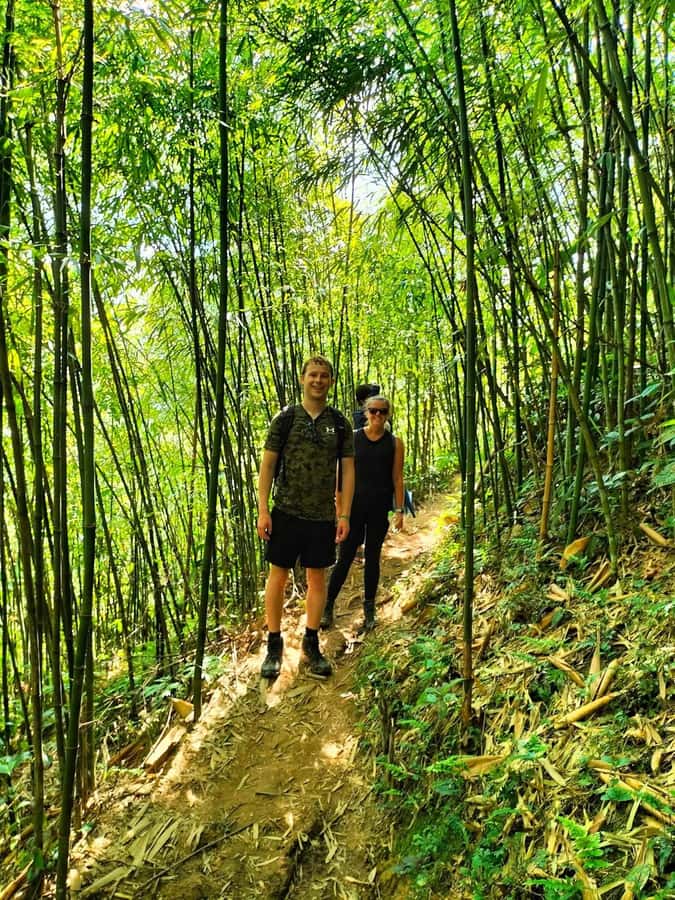
This trek is rated moderate and is best for people with a reasonable fitness level. If you can handle 10–12 km on a day with changing terrain, you’ll likely find it enjoyable rather than punishing.
It’s not suitable for mobility impairments. Trails, slopes, and village paths aren’t designed for wheelchairs or limited walking. Also, if you have a low fitness level, it could feel too demanding, especially with time spent stopping for village visits.
If you’re the kind of traveler who likes culture on foot—talking, watching crafts, and learning what daily work looks like—this is a great match. If you want a totally relaxed stroll with zero effort, you’ll probably feel underwhelmed.
Should you book the Y Linh Ho – Lao Chai – Ta Van day trek?
Book it if you want:
- A one-day plan that still feels like you’re living inside the region
- Big views plus real village interactions, including Black Hmong and Giay communities
- An English-speaking guide like Su who brings context to what you see
- Included lunch and an end-of-day car ride back to Sapa
Skip it if:
- You can’t do 10–12 km at a moderate pace
- You need mobility-friendly routes
- You’re not into walking and would rather keep Sapa as a sightseeing-only base
FAQ
How long is the trekking tour?
The tour lasts about 5 to 7 hours in total.
Where does the trek start in Sapa?
You’ll meet your guide in Sapa at Sapa church or another designated meeting point.
How far do you trek in one day?
The hike covers about 10–12 km.
What villages are visited during the day tour?
You visit Y Linh Ho Village, then Lao Chai Village, and finish at Ta Van Village.
Is lunch included, and where is it served?
Yes. Lunch is included and is served at a local house or riverside restaurant.
What is the activity level?
It’s moderate trekking and works best for a moderate fitness level.
What should I bring?
Bring comfortable shoes, a hat, a camera, sunscreen, and water.
What if my plans change?
You can cancel up to 24 hours in advance for a full refund, and you can reserve with pay later.