REVIEW · SA PA
EXPLORE SAPA: 2D1N TREKKING & HMONG CULTURE WITH DINH
Book on GetYourGuide →Operated by Dinh Sapa Trekking Adventures · Bookable on GetYourGuide
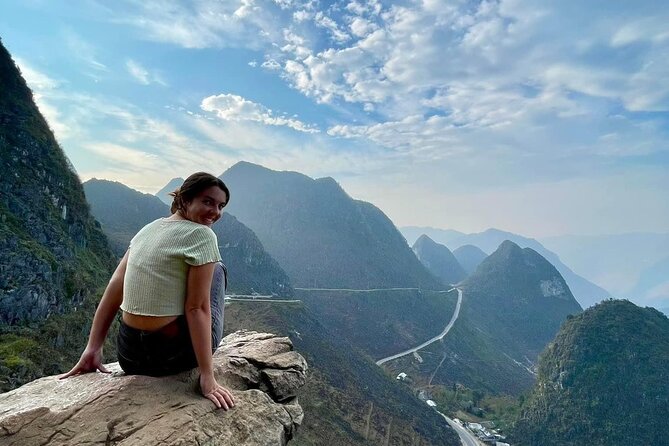
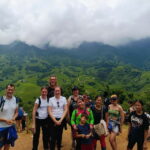
Follow Dinh into real Sapa life. This 2D1N walk threads Ta Van rice-terrace views and bamboo paths into villages like Y Linh Ho and Lao Chai, then finishes with a true Hmong homestay and family-led evening activities.
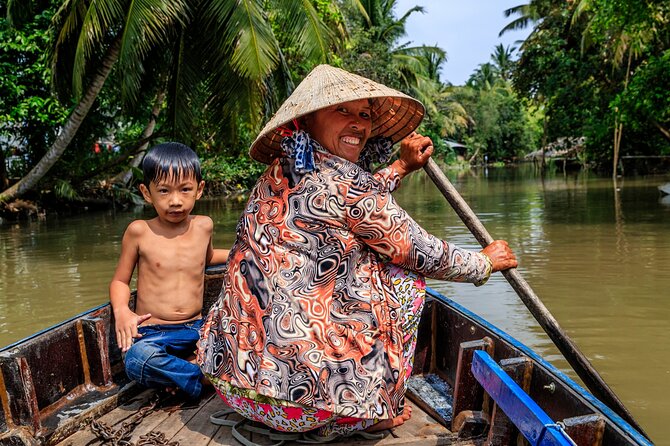
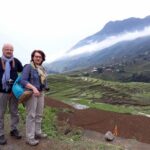
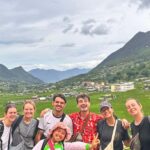
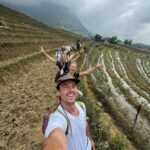
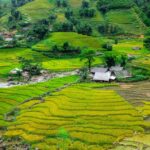
What I like most is how the scenery stays moving and changeable. You’ll get rice terraces and bamboo forests in your line of sight more than once, and you’ll see village life up close through normal things like meals and everyday conversation, not just photo stops.
One thing to plan for: this is a moderate trek on steep, uneven ground. You’re covering about 18 km over two days, and depending on recent rain, the trail can turn muddy—good shoes matter more than good intentions.
In This Review
- Key things to know before you go
- Day 1: From Sapa Town down to Y Linh Ho, Lao Chai, then Ta Van
- The homestay rhythm: where Ta Van feels like home
- Day 2: Bamboo forests, Giang Ta Chai waterfall, then the Red Dao area
- Food on this trek: why it’s more than fuel
- Community impact: why your $43 does more than buy a view
- Price and logistics: where it makes sense (and where it might not)
- Practical tips: what to pack for muddy trails and waterfall days
- Who this trek is perfect for
- Should you book Dinh’s 2D1N trekking and Hmong culture tour?
- FAQ
- How long is the trek?
- How much walking will I do?
- What fitness level do I need?
- What kind of homestay will I stay in?
- Is food included?
- Is there any time to swim?
- What’s included in the price?
- What should I bring?
- Can I book if I need flexible payment or changes?
Key things to know before you go
- A route that links multiple Hmong villages without feeling rushed, starting from Sapa Town at 9:00 AM
- Ta Van homestay options including private room or a bungalow with a mountain view (often the best rice-terrace outlook)
- Meals are built in: 2 lunches, 1 dinner, 1 breakfast, plus a simple evening cooking class with the family
- Bamboo forests and the Giang Ta Chai waterfall are the Day 2 highlight, and a swim is an option
- A small community impact plus a t-shirt gift at the end of the journey (with proceeds supporting local education)
Day 1: From Sapa Town down to Y Linh Ho, Lao Chai, then Ta Van
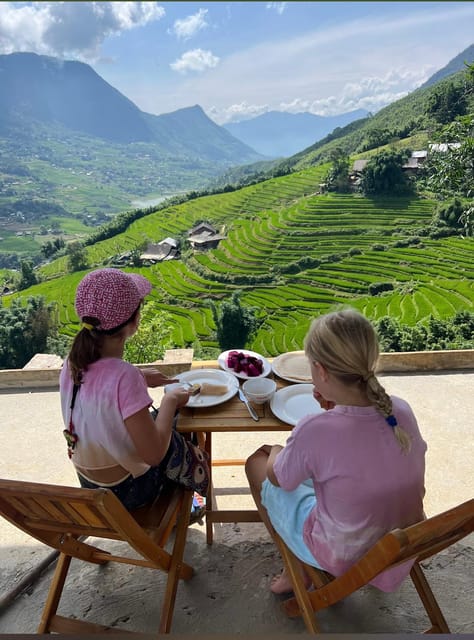
Your day starts at 9:00 AM. Dinh meets you in Sapa Town at your hotel or in front of the local main church, then the group gets oriented and you head out of the busier center toward the valley trails.
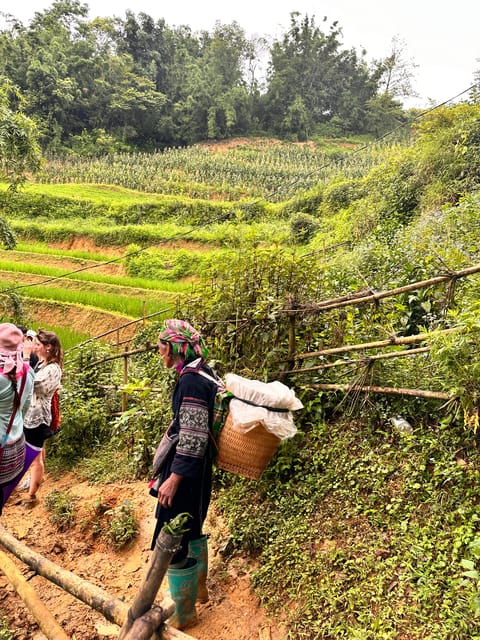
The first leg takes you toward Y Linh Ho village. This is the moment the trip starts feeling real: you’re walking away from the town rhythm and into terraced fields and hillside paths. The distance is listed as 9–11 km with around 5.5 hours of trekking time, so you’ll want to keep an easy pace and save your legs for the full day.
Lunch comes at a small, traditional restaurant run by a local Hmong family. It’s not a fancy setup—think home-style food in a place that belongs to the neighborhood. This is also a smart break because you’ll be walking again right after, continuing toward Lao Chai.
Next you’ll reach Lao Chai, described as one of the oldest and largest Hmong villages in the area. The route here is part of the education: along the trail, Dinh shares how ethnic groups differ in daily life and traditions, and you’ll see those differences play out in the way people live on the slopes.
After Lao Chai, you trek onward to Ta Van Village, home to Giay and Hmong communities. If you go during planting or harvesting season, you might catch locals working the terraces, which makes the scenery feel earned rather than just pretty.
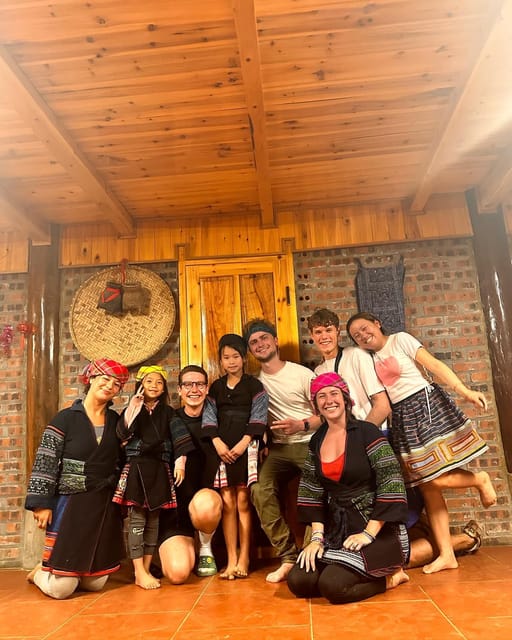
When you arrive at Dinh’s family homestay, the pace changes. You’ll get time to rest, take a hot shower, and settle in. Evening is where the tour becomes more than hiking: you can join a casual cooking class with the family to prepare a traditional dinner, and kids in the household may perform a welcoming dance.
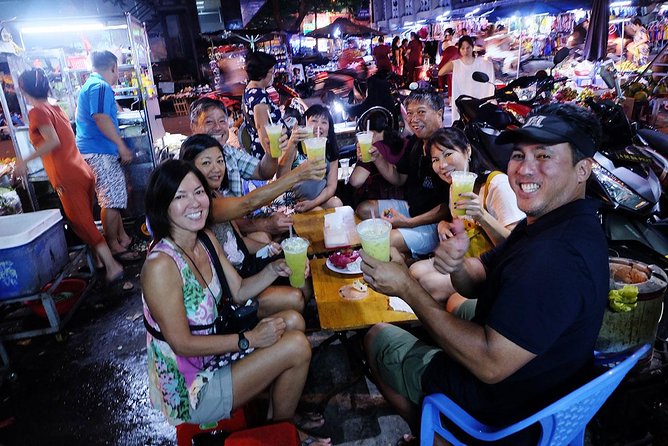
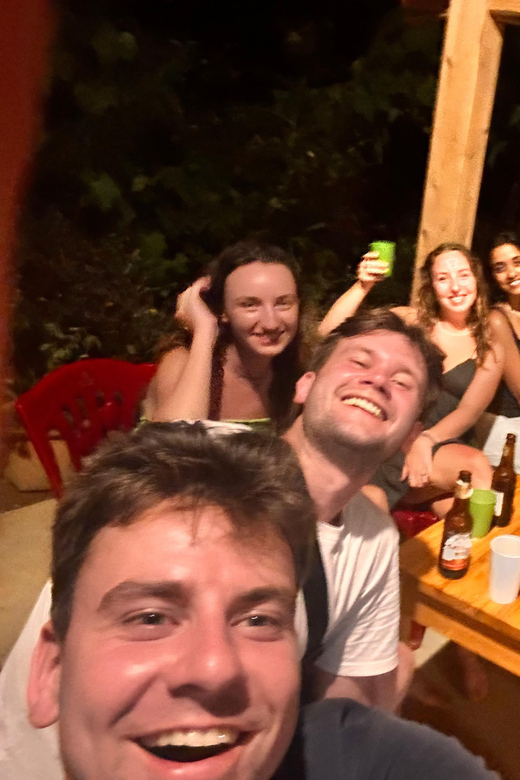
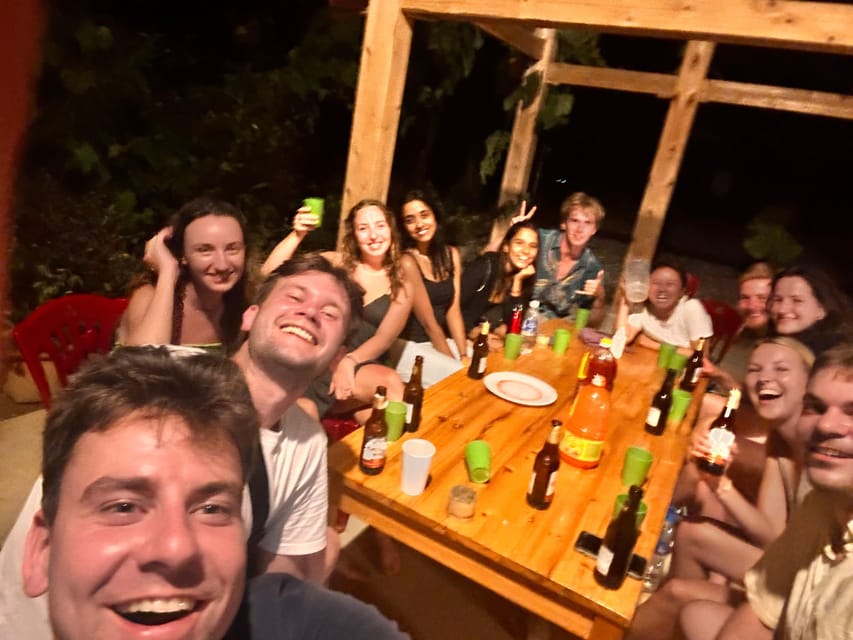
There’s also time to socialize. Some evenings include games and trying local rice wine referred to as Happy Water (you can choose what you want to participate in). It’s friendly and informal, but still gives you that “this is how people spend an evening” feeling.
You can also read our reviews of more hiking tours in Sa Pa
The homestay rhythm: where Ta Van feels like home
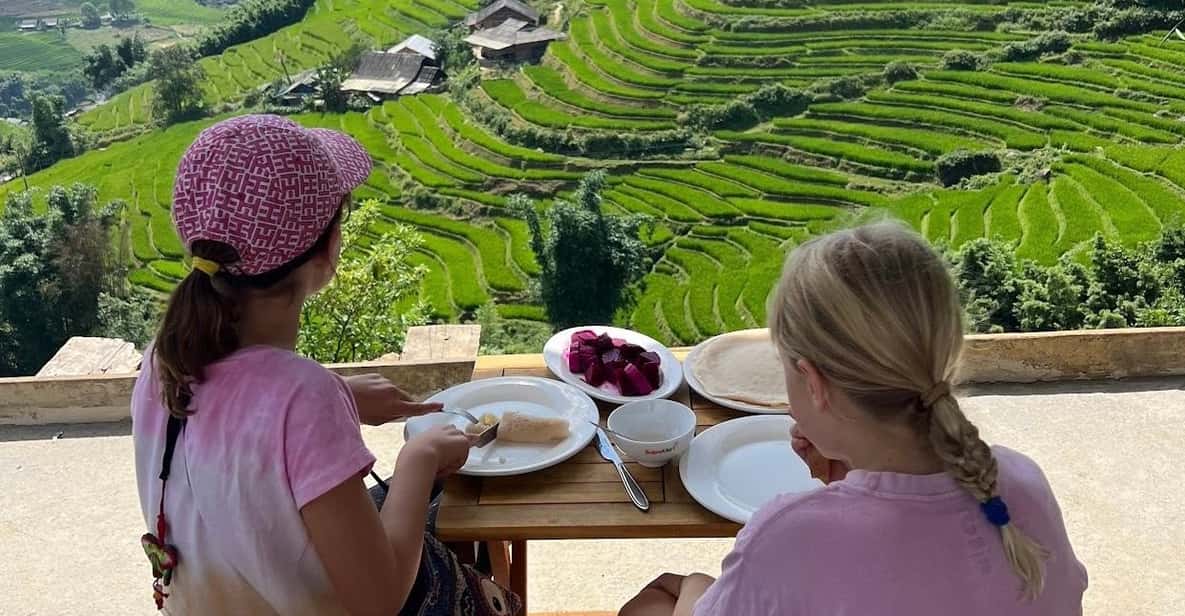
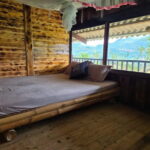
The homestay setup is simple, authentic, and meant to be lived in—so don’t expect hotel polish. Your room options include a private room or a bungalow with a mountain view (best for rice-terrace watching from your own place).
What works well here is the balance. After a long day of walking, you’re not just dropped somewhere to sleep. The family connection continues through dinner, storytelling, and a warm welcome that makes it easier to relax rather than wonder what’s next.
Practical comfort points I’d plan around:
- You’ll typically have basic amenities, and you can shower while it’s still fresh in your mind.
- Guests have noted the benefit of a heated blanket on cooler nights, which can be a lifesaver when the temperature drops in the hills.
- Food is served in a family-style way—so if you’re hungry, you’ll likely be fed again before you start thinking about it.
Also, the tour can run with Dinh plus family members and team support. In some groups, travelers have been guided by relatives with names like Ku, Zu, Mo, or Su alongside Dinh, which keeps the atmosphere family-led rather than “tour operator scripted.”
Day 2: Bamboo forests, Giang Ta Chai waterfall, then the Red Dao area
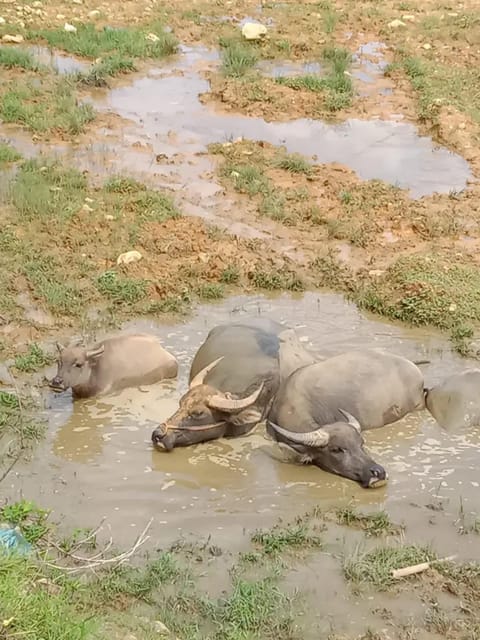
Day 2 starts slower. You’ll begin with a hot drink—coffee or tea—while enjoying the quiet around the homestay before breakfast.
After that, the trek heads through bamboo forests and terraced rice fields. This is when the walk often feels lighter than Day 1 because you’re moving through a calmer patchwork of paths and water features rather than the heavier village-to-village segments.
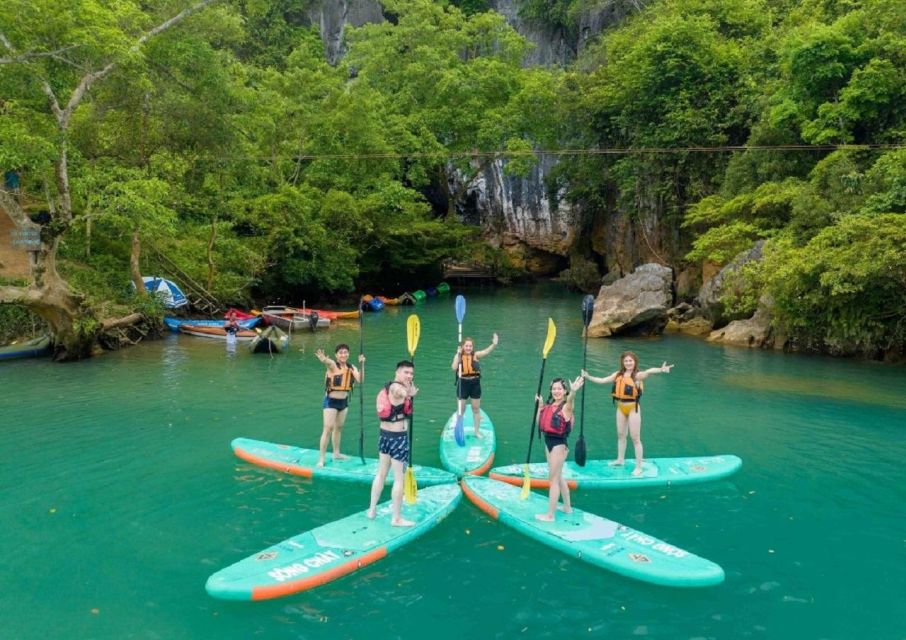
Your Day 2 distance is 7–8 km and about 4 hours of trekking time. One of the best stops is at the Giang Ta Chai waterfalls. If conditions allow and you feel like it, you can swim in the cool water—an easy way to cool down without breaking the hiking flow. If you don’t swim, you’ll still get the reward: a natural pause and a strong sense of scale with the valley around you.
From there, you enter the Red Dao ethnic area before heading back toward the main road. This part matters because it keeps the cultural thread going; you’re not only seeing Hmong villages. You’ll also get a broader picture of how different communities are organized across the hills.
Lunch happens before you take a taxi back to Sapa. The tour is scheduled to end between 2:00 and 3:30 PM, but it’s worth knowing one practical reality: if the group is larger, Day 2 timing can stretch due to longer lunch breaks and logistics like moving bags to the drop-off point.
Food on this trek: why it’s more than fuel
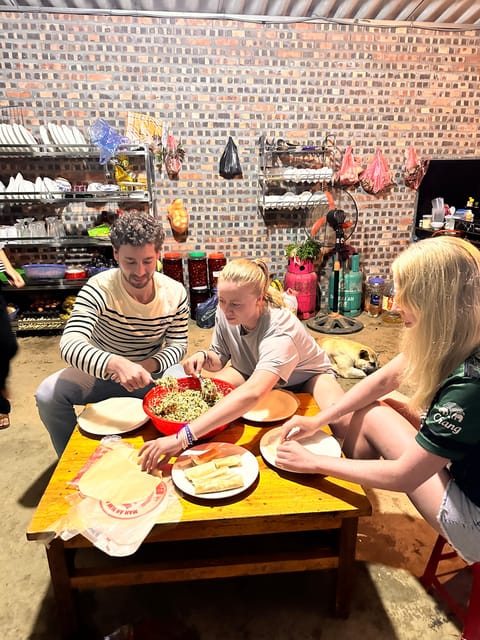
Food is included—two lunches, one dinner, and one breakfast—so you don’t spend the day tracking meals or guessing what’s safe to eat. The emphasis here is fresh, local ingredients and traditional cooking, with a dinner that ties back to the evening cooking class.
What I like is that the schedule treats meals as part of the experience. Lunch is not a rushed stop; dinner is a social event; and breakfast sets you up for the waterfall day.
Vegetarian options have been provided for meals in recent outings, which is helpful if your diet has limits. If you have dietary needs, I’d plan to communicate them clearly before you start so the family can handle it smoothly.
Community impact: why your $43 does more than buy a view
This tour is priced at $43 per person, and the value isn’t just that it’s “cheap.” What you’re paying for is the structure that lets a local family host and guide while sharing village life in a respectful way.
Here’s what your money covers:
- A local guide for 2 days
- Village entry fees across 4 villages
- The homestay for 1 night
- Meals: 2 lunches, 1 dinner, 1 breakfast
- A big water portion each day
- Transport back to Sapa after the trek
- And a free t-shirt gift at the end of your journey
Dinh also shares a personal story about supporting local children’s education using proceeds from the homestay and guiding work. That changes the tone of the trip. It’s not just cultural sightseeing; it’s a relationship that keeps working long after you leave.
A simple tip: if you’d like to buy small items from locals along the way, bring a bit of cash. Just keep it light and fair—think small, practical purchases that help day-to-day life.
A few more Sa Pa tours and experiences worth a look
Price and logistics: where it makes sense (and where it might not)
At $43, you’re getting a full 2D1N structure—meals, homestay, village entry, and guide time—not just a scenic walk. For Sapa, that’s the key: the trek includes the parts that normally cost extra when you DIY it.
Logistics are mostly handled for you, including transport back to Sapa once you finish in the village area.
One logistics detail I’d take seriously is the bag plan. You’re told not to carry big bags during the hike:
- If your hostel lets you leave luggage, you can bring only essentials for the trek.
- If leaving bags isn’t possible, the team can help transport big bags to Dinh’s house so they’re waiting for you when you arrive after Day 1.
That means your daypack stays manageable, which makes the muddy parts less miserable and the uphill moments less grumpy.
Practical tips: what to pack for muddy trails and waterfall days
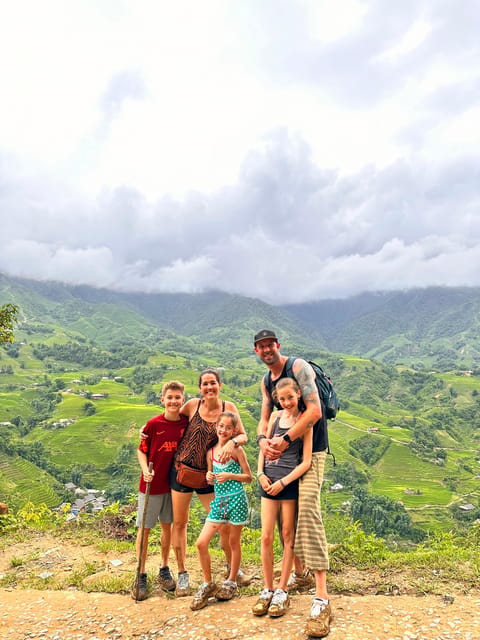
You’ll walk steep and uneven terrain, and you’re far enough out that footwear and skin protection matter. Bring:
- Comfortable shoes (and ideally hiking shoes)
- A sun hat
- Water
- Biodegradable sunscreen
- Mosquito spray
- A daypack
- Cash (helpful for small purchases)
- Climbing gear if you have it (the route can include uneven sections where extra traction or grip helps)
In wet weather, trails can get messy fast. Plan to end covered in mud at some point. If that thought makes you stress, you might want to accept it now and pack in a way that keeps you calm (extra socks help, even though extra socks aren’t explicitly listed—so only bring what you know helps you).
Finally, group pace is real. This is a group tour, so you’ll move with others rather than drifting off on your own schedule.
Who this trek is perfect for
This experience fits best if you:
- Want Sapa beyond the main tourist viewpoints
- Care about Hmong culture and everyday village life, not just staged performances
- Like nature with a purpose: rice terraces, bamboo forests, and a waterfall swim option
- Prefer a homestay where you’re treated as a visitor at someone’s home, with conversation and family rhythm
It may be harder to recommend if:
- You need a flat, low-effort hike
- You have very limited mobility or stamina
- You’re traveling in a way that can’t handle steep, muddy, uneven trails
The tour also states it is not suitable for people over 95 years old, so choose accordingly.
Should you book Dinh’s 2D1N trekking and Hmong culture tour?
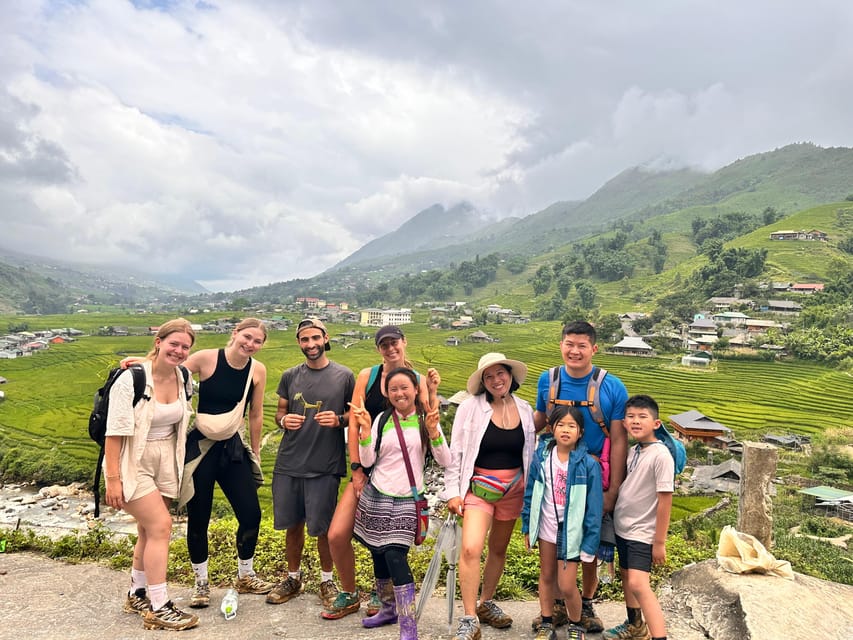
If you want a real Sapa experience with time in Ta Van, multiple village stops, included meals, and a homestay that feels connected to daily life, I think this is a strong choice. The best part is the way the days mix physical effort (so you earn the views) with cultural context that stays practical—food, work, stories, and a family welcome.
I’d hesitate only if your priority is a gentle walk with minimal discomfort, or if you can’t handle about 18 km total over two days on uneven ground. Otherwise, pack well, go with a good attitude for mud and stairs, and you’ll get a trip that feels human-sized.
FAQ
How long is the trek?
It’s a 2-day, 1-night experience. Day 1 runs from about 9:00 AM, and Day 2 finishes between 2:00 and 3:30 PM.
How much walking will I do?
Day 1 is about 9–11 km (around 5.5 hours). Day 2 is about 7–8 km (around 4 hours). Total walking is listed as about 18 km.
What fitness level do I need?
The trek is described as moderate. It includes some steep and uneven terrain, and conditions can be muddy.
What kind of homestay will I stay in?
The homestay is described as simple, authentic, and cozy. You can choose between a private room or a bungalow with a mountain view (with the best rice-terrace views).
Is food included?
Yes. You get 1 breakfast, 2 lunches, and 1 dinner. Water is also included as a big water portion for 1 person per day.
Is there any time to swim?
There’s an optional stop at the Giang Ta Chai waterfall, where you can swim if you want.
What’s included in the price?
Included items are: local guide (2 days), village entry fees (4 villages), meals (2 lunches, 1 dinner, 1 breakfast), 1-night homestay, big water per person per day, and transportation back to Sapa after ending in the village.
What should I bring?
Bring comfortable hiking shoes, a sun hat, water, biodegradable sunscreen, mosquito spray, cash, a daypack, and climbing gear if you have it.
Can I book if I need flexible payment or changes?
The experience offers reserve & pay later. Cancellation is listed as free refund if you cancel up to 24 hours in advance. It’s also noted you should book before 1 pm on Day 1 to enjoy the full itinerary.
If you want, tell me your travel dates and your fitness level, and I’ll help you decide whether the waterfall swim and the muddy-trail risk are likely to feel fun for you or stressful.